Delhi Police Crack Down on Alleged Abusive Social Media Posts Against PM Modi After CJP Protest Ends
Police Issue Notices to Social Media Platforms
Delhi Police have started taking action against social media posts that allegedly contained crude and abusive language targeting Prime Minister Narendra Modi during the recent protests organised by the Cockroach Janta Party (CJP). Click Here To Follow Our WhatsApp Channel
According to reports, several social media platforms have received official notices from the police. Many of the flagged videos, comments and posts have already been removed.
Police teams are reportedly monitoring online content around the clock. Whenever new objectionable material appears, fresh notices are sent to social media companies, asking them to remove the content without delay.
Crackdown Begins After Protest Ends
The police action began just one day after the month-long protest ended following the resignation of Union Education Minister Dharmendra Pradhan.
The student movement, which lasted for more than a month, was officially withdrawn on Saturday after the Central Government agreed to additional demands raised by the CJP, alongside accepting Pradhan’s resignation.
Government Accepts More Demands
After Dharmendra Pradhan resigned, the Abhijeet Dipke-led CJP presented several new demands.
These included:
- ₹1 crore compensation for families of NEET aspirants who died by suicide.
- No legal action against peaceful student protesters.
- A public apology from the Rapid Action Force (RAF) and police.
Speaking at a press conference at Delhi’s Constitution Club, CJP chief spokesperson Saurav Das announced the end of the protest.
“Cockroach Janta Party declares that we withdraw the agitation in good faith, with the understanding that the agreed-upon terms will be executed within the agreed-upon timelines,” Das said.
Compensation and Withdrawal of FIRs
The CJP claimed that the Central Government had agreed to compensate families of NEET aspirants who died by suicide.
The organisation also stated that the government had agreed to withdraw FIRs filed against protesters across India.
When asked whether this would apply to all FIRs or only those involving peaceful demonstrators, CJP leader Ranka told NDTV that the agreement covered protesters and organisers who participated peacefully in the movement.
He added that the CJP had consistently promoted peaceful protests throughout the 37-day campaign and expected a written agreement to be issued soon.
No Official Response to Police Action
So far, the Cockroach Janta Party has not officially responded to reports that Delhi Police are taking action against social media posts linked to the protest.
Background of the Protest
Public anger first erupted in early May following the alleged NEET examination paper leak.
As concerns grew, the issue developed into a nationwide movement demanding greater accountability and reforms in India’s examination system.
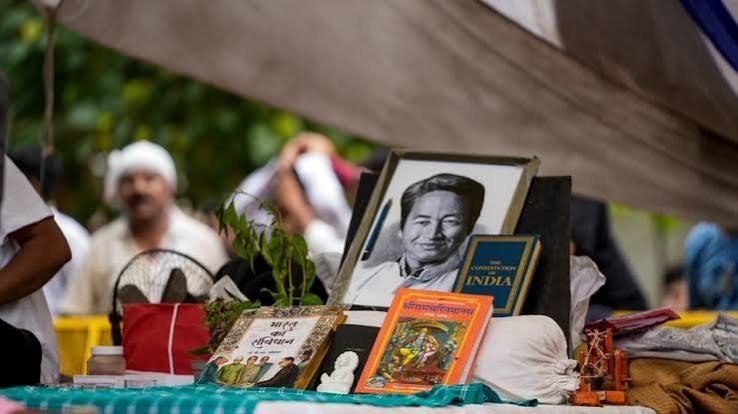
On June 20, the CJP, founded by former AAP functionary Abhijeet Dipke, launched an indefinite sit-in protest at Jantar Mantar in New Delhi.
Government representatives began formal talks with the organisation on July 20.
The protest gained further attention after activist Sonam Wangchuk joined the movement on June 28, giving fresh momentum to the campaign.
Clashes During Sansad Chalo March
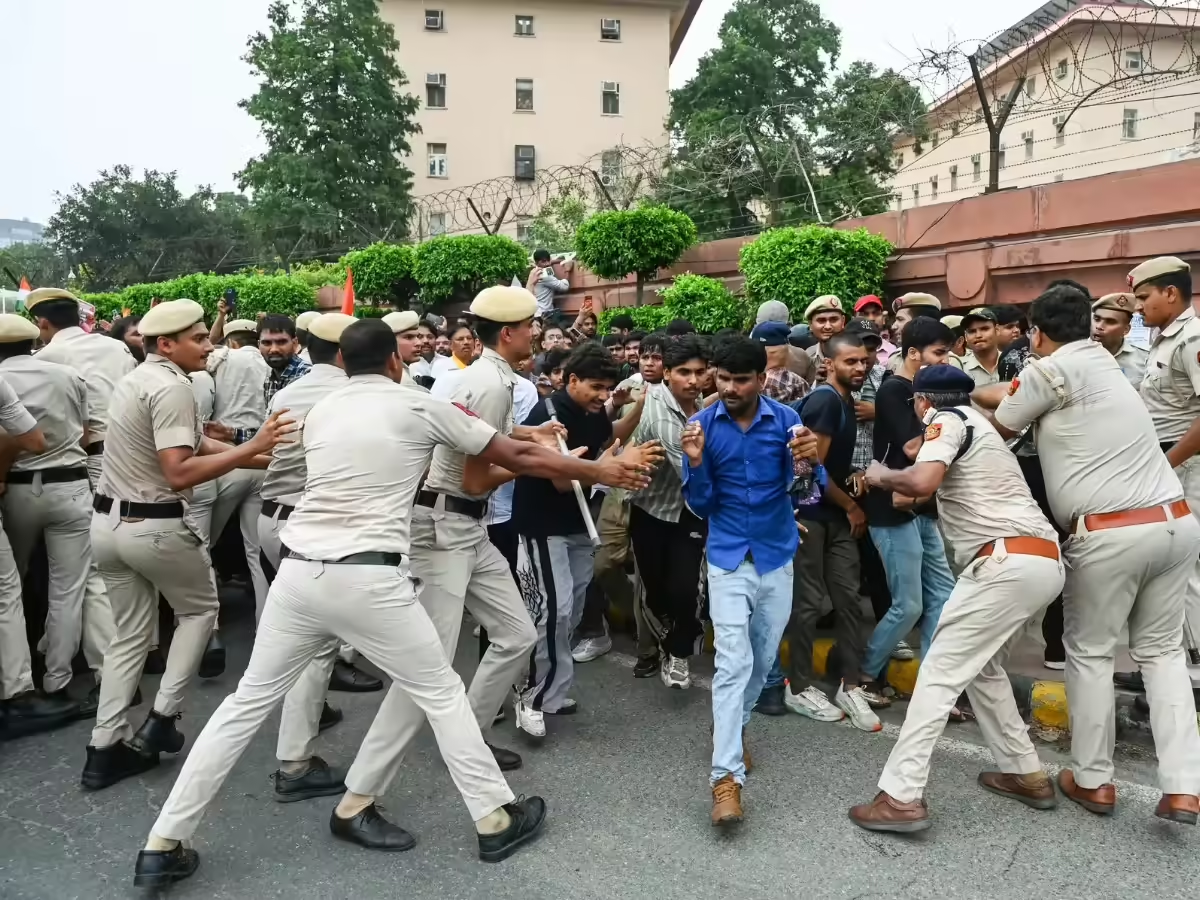
Tensions increased during the CJP’s Sansad Chalo March on July 20.
Police used tear gas and carried out baton charges after clashes broke out during the march. Witnesses reported injuries among both protesters and police personnel.
Videos showing police officers striking and dragging protesters quickly spread across social media, leading to widespread public debate over the handling of the demonstrations.