Kashmiri Handcrafts Must Evolve to Thrive in Global Fashion: Samina Khan
Samina Khan

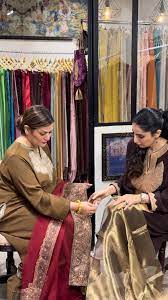
At a ‘Meet & Greet’ event hosted by Startup Kashmir, fashion designer Samina Khan emphasized the importance of evolving Kashmiri craftsmanship to thrive in the global market. Speaking to an audience at Meydani Café, The Bund, Samina stated, “Kashmiri design isn’t just about preserving the past; it’s about making sure it survives, evolves, and thrives.”


Known for her innovative approach to fashion, Samina expressed her passion for breathing new life into vintage embroidery. “It’s all about infusing ancient techniques with colour, energy, and a modern sensibility that resonates with global fashion trends,” she said. Her vision includes taking local brands and transforming them into global sensations.

Samina Bashir, also known as Samina Khan, is a trailblazer in the fashion world, defying conventional paths to create a name for herself. She envisions Kashmir as a hub for global craftsmanship, offering immense opportunities for cultural exchange and economic growth.

Meanwhile, in a major initiative to empower local youth, Startup Kashmir continues to host a series of  dynamic meet-ups, aiming  at fostering entrepreneurship and self-employment. 

Shahid Ansari, founder of Startup Kashmir, called on the youth to take charge of the region’s economic future. “We must take control of our economy and contribute to a self-reliant Kashmir,” he urged.

The event highlighted Startup Kashmir’s commitment to nurturing entrepreneurs through mentorship, funding opportunities, and networking. This initiative is a vital step toward building a robust, sustainable startup ecosystem in Jammu and Kashmir.

The event brought together participants from diverse backgrounds, offering a platform for sharing ideas and feedback, fostering a dynamic conversation on the future of Kashmiri handcrafts and design.(KNS).

This Might Also Like:

Meet Iqra Ali: The PhD Aspirant Who Translated the Quran in Just Six Months

School Education Department Announces Winter Vacations for Kashmir schools

Three Drug Peddlers Danish Rasheed Bhat,Danish Ashraf Dar and Umer Rasool Dar Arrested in Awantipora, Charas Recovered

Khyber Cement Launches Heartfelt Campaigns Showcasing Kashmir’s Beauty and Trust

Khyber Cement Launches

Khyber Cement unveiled two exciting TV campaigns, Dil Se Banao and Sab Set Rahega, at a grand event at SKICC in Srinagar. These campaigns celebrate Kashmir’s beauty, and strong relationships while highlighting Khyber Cement’s commitment to building with love and trust.

The Dil Se Banao TVC captures touching moments from everyday life in Kashmir, emphasizing how heartfelt construction creates lasting bonds. The Sab Set Rahega TVC highlights Khyber Cement’s unmatched durability, even during harsh winters.

Speaking about the event Mr. Umar Tramboo, Director of Corporate & Strategy, said, “Jammu & Kashmir is central to all we do. Through these efforts, we hope to honour the land and its people by showcasing how our products contribute to spaces filled with love, strength, and lasting memories.”

Mr. Manzoor Ahmad Mir, Head of Commercials, Legal, and Regulatory Affairs, added, “These campaigns underscore our dedication to the people and the land of Jammu & Kashmir, showcasing how our products stand for trust and reliability in every project.”

Mr. Wasim Ahmed Khan, Chief of Sales & Customer Relations, remarked, “Dil Se Banao is more than just a slogan; it’s our way of thanking our customers and partners for their unwavering support over the years. These television commercials remind us that we are here to build trust and long-lasting connections, not just structures.”

Adding his perspective, Mr. Tarun Singh Chauhan, Strategic Consultant to Khyber Cement, said, “This campaign is not just about marketing; it’s about emotionally connecting with people. Dil Se Banao reflects the resilience and heart of Kashmir while showcasing the reliability of Khyber Cement.”

Renowned filmmaker Mr. Manoj Tapadia expressed his excitement, saying, “Kashmir’s beauty and rich heritage are woven into every frame of these films. It was an honour to bring these stories to life and highlight the strength and warmth that define this incredible land and its people.”

Both ads feature stunning visuals of Kashmir and star acclaimed Kashmiri actor Mir Sarwar, who expressed pride in representing his homeland on screen.

The event, hosted by Mr. Rayees Mohiuddin, also featured an incentive scheme to reward retailers for their unwavering support and a thrilling lucky draw with exciting prizes such as iPhones, laptops, and commercial vehicle.

The winners of the top prizes were:
– 1st Prize – Bajaj Maxima: Ghulam Qadir Lone from Kangan
– 2nd Prize – Bajaj CT 110X: Basharat Ahmad Kirmani from Srinagar
– 3rd & 4th Prize – iPhone 15: Shafiq-ul-Rashid from Ganderbal and Ishfaq Ahmad Bhat from Srinagar

With these new campaigns, Khyber Cement reaffirms its commitment to delivering top-quality products that go beyond construction. The company continues to celebrate Jammu & Kashmir’s unique culture and spirit, building not just homes and structures but also strong and lasting connections with the people it serves. By blending heartfelt storytelling with products, Khyber Cement is cementing its place as a trusted partner in shaping a brighter, stronger future.

Hotel Gulmarg Wood: Luxury Meets Nature in the Heart of Gulmarg

Whispers Through Time: Nedou’s Hotel, A Chronicle of Kashmir’s Soul

In the way to Amarnath: Pine N Peak Hotel, Pahalgam Kashmir

“Vivanta Dal View Unveils a Stylish Haven in the Heart of the Kashmir Valley”

Celebrating Achievements, Security, and Flavors in Kashmiri Hotels: A Journey Through Top Performers, Precautionary Measures, and Culinary Delights

The Khyber Himalayan Resort & Spa: A Symphony of Timeless Elegance and Enchanting Hospitality in Gulmarg

Sheikh Ashiq Ahmad Warns Against Rising Fake Handicrafts Threatening Artisanal Integrity

Sheikh Ashiq Ahmad, COA CEPC INDIA, raised a significant concern on Sunday about the increasing prevalence of counterfeit handicrafts being sold as genuine artisanal products. He emphasized that these fake items not only deceive consumers but also undermine the hard work and cultural heritage of genuine artisans who infuse their skill, creativity, and tradition into every piece they make.

“Authentic handicrafts are more than mere objects; they are a testament to our rich cultural history and the dedication of artisans who have refined their craft over generations. The sale of counterfeit handicrafts jeopardizes the livelihoods of these artisans and devalues their work,” Sheikh Ashiq stated.

He urged both sellers and buyers to be vigilant, ensuring that the handicrafts they trade or purchase are authentic. “Supporting genuine artisans helps preserve our cultural heritage and supports the communities that depend on these crafts for their sustenance,” he added.

Sheikh Ashiq reaffirmed the organization’s dedication to safeguarding cultural assets and announced initiatives to raise awareness about this issue. He called on the public to report any suspicious or counterfeit items and assured that the organization will collaborate with authorities to address the production and distribution of fake handicrafts.

“Let us unite in preserving the authenticity and value of our cultural heritage,” Sheikh Ashiq concluded.

Muskh Budji: The Rich History and Unique Flavor of Kashmiri Aromatic Rice

A Fragrant Delight

Kashmir is famous for its stunning scenery and rich culture, but it also has a special culinary treasure: Muskh Budji, or Kashmiri Aromatic Rice. This rice is loved for its wonderful smell, delicate taste, and unique texture. It’s a key ingredient in Kashmiri cooking, adding a special touch to many dishes.

A Royal Heritage

Muskh Budji is often called the ‘King of Rice’ due to its rich history. It has been a favourite in Kashmiri royal kitchens for centuries. Grown in the high regions of the Kashmir Valley, this rice needs specific climate conditions and careful farming. The name ‘Muskh Budji’ comes from the Persian words for ‘musk’ (a strong, pleasant smell) and ‘budji’ (rice), which perfectly describes its aromatic qualities.

The Essence of Kashmir

What makes Muskh Budji stand out is its unique smell, which is a mix of nuts and freshly baked bread. This lovely fragrance enhances the dishes it is used in, making every meal special. The rice grains are short and plump, with a pearly white colour. When cooked, they stay firm, offering a nice contrast between a soft, fluffy inside and a slightly chewy outside.

A Culinary Masterpiece

Muskh Budji is an essential part of many Kashmiri dishes. It is used in Wazwan, a grand multi-course meal that shows off Kashmiri cooking skills. Muskh Budji is perfect for making fragrant pulaos and rich biryanis, adding a touch of elegance to each dish. It’s also versatile enough to be used in modern recipes.

Beyond the Plate

Muskh Budji isn’t just tasty; it’s also good for you. As a whole grain, it is high in fibre, which is important for good digestion. It provides long-lasting energy because it contains complex carbohydrates and is low in fat and cholesterol, making it a heart-healthy choice.

Preserving a Legacy

Despite its many benefits, Muskh Budji is facing challenges. The popularity of high-yield hybrid rice varieties has led to a drop in Muskh Budji cultivation. However, there is growing awareness about the need to protect this traditional rice. Efforts are being made to promote its cultivation and consumption, ensuring that this valuable part of Kashmiri food culture remains.

A Taste of Paradise

If you enjoy trying new foods, Muskh Budji is something you shouldn’t miss. Its unique smell, delicate taste, and special texture make it an exceptional ingredient. Enjoying Muskh Budji not only treats your taste buds but also helps preserve a key element of Kashmiri heritage.

Cooking with Muskh Budji

To make the most of Muskh Budji, follow these simple tips:

  • Rinse Thoroughly: Wash the rice several times in cold water until it runs clear to remove extra starch.
  • Soak: Soak the rice in water for about 30 minutes before cooking to improve its texture and ensure it cooks evenly.
  • Perfect Ratio: Use a 1:2 ratio of rice to water when cooking. For example, if you use 1 cup of rice, use 2 cups of water.
  • Gentle Cooking: Cook the rice on low to medium heat to keep its flavour and aroma intact.
  • Fluff: After cooking, use a fork to fluff the rice and separate the grains. This helps to release any remaining steam and makes the rice fluffy.

Recipes to Try

  • Kashmiri Pulao: A classic dish where Muskh Budji is cooked with spices, saffron, and dried fruits.
  • Muskh Budji Biryani: A fragrant rice dish with layers of meat or vegetables and spices.
  • Kashmiri Kheer: A creamy rice pudding made with Muskh Budji, milk, sugar, and cardamom.
  • Muskh Budji with Yogurt: A simple and delicious combination of cooked Muskh Budji served with yogurt and a sprinkle of cumin powder.

Conclusion

Muskh Budji is more than just a type of rice; it represents Kashmir’s rich food heritage. Its delightful smell, gentle taste, and special texture make it an exceptional ingredient. By enjoying Muskh Budji, you not only treat yourself to a unique culinary experience but also help preserve an important part of Kashmiri culture. Celebrate the magic of Muskh Budji and enhance your meals with this special rice.

You May Like:

Capturing the Essence: Kashmiri Shawls – A Tapestry of Tradition and Timeless Elegance

A Tapestry of Treasures: Exploring the Rich Diversity of Kashmiri Products

Kashmiri Products From Wood Carving to Calico Painting

Capturing the Essence: Kashmiri Shawls – A Tapestry of Tradition and Timeless Elegance

Nestled amidst the breathtaking landscapes of the Himalayas lies a treasure trove of artistry and craftsmanship – the Kashmiri shawls. These exquisite pieces of woven elegance have transcended time, captivating hearts with their intricate designs, luxurious warmth, and rich cultural heritage.

Originating from the picturesque Kashmir Valley, these shawls have a history as rich and diverse as the region itself. The art of weaving Kashmiri shawls dates back centuries, with roots tracing back to the Mughal era. It was during this time that the craft flourished under the patronage of emperors who recognized the unparalleled beauty and craftsmanship of these textiles.

One of the distinguishing features of Kashmiri shawls is the meticulous process involved in their creation. Traditionally made from fine cashmere wool, which is sourced from the underbelly of Himalayan goats, these shawls are known for their unparalleled softness and warmth. The wool is meticulously hand-spun and hand-woven by skilled artisans, a process that can take weeks or even months to complete depending on the intricacy of the design.

What truly sets Kashmiri shawls apart is the exquisite craftsmanship and attention to detail that goes into their making. The most renowned types of Kashmiri shawls include Pashmina, Jamawar, and Kani shawls, each distinguished by its unique weaving techniques and motifs.

Pashmina shawls, often referred to as “soft gold” due to their luxurious texture, are prized for their fine weave and lightweight feel. Made from the ultra-soft undercoat of the Changthangi breed of goats, these shawls are renowned for their unmatched warmth and softness.

Jamawar shawls, on the other hand, are known for their elaborate paisley patterns and intricate designs. Historically, these shawls were adorned with motifs inspired by Persian and Mughal art, reflecting the cultural influences that have shaped the region over the centuries.

Kani shawls, perhaps the most labor-intensive of them all, are crafted using a traditional wooden loom known as a ‘Kani.’ This technique allows artisans to weave intricate patterns into the fabric using small wooden sticks called ‘kanis.’ The result is a mesmerizing tapestry of colors and designs that tell stories of tradition and heritage.

Beyond their aesthetic appeal, Kashmiri shawls hold deep cultural significance for the people of the region. For centuries, these shawls have been passed down as heirlooms, cherished symbols of love, and affection. They are worn during weddings, festivals, and other special occasions, serving as a testament to the rich cultural heritage of Kashmir.

However, despite their timeless beauty, Kashmiri shawls face challenges in the modern world. Mass production and imitation have led to a decline in the demand for authentic handcrafted shawls, threatening the livelihoods of artisans who have dedicated their lives to preserving this age-old tradition.

To ensure the survival of this cherished craft, efforts are being made to promote and preserve the art of Kashmiri shawl making. Non-profit organizations and government initiatives are working to provide training and support to artisans, empowering them to continue their craft in the face of economic challenges.

In a world dominated by fast fashion and mass-produced goods, the allure of Kashmiri shawls lies in their timeless elegance and unparalleled craftsmanship. They are not just garments but symbols of tradition, heritage, and craftsmanship, weaving together stories of a land steeped in history and culture. As we celebrate the beauty of Kashmiri shawls, let us also pledge to preserve and protect this invaluable heritage for generations to come.

Kashmiri shawls are renowned for their distinctive characteristics, which set them apart as prized textiles of exquisite craftsmanship and unparalleled beauty. Here are some key features that define Kashmiri shawls:

  1. Luxurious Material: Kashmiri shawls are traditionally made from fine cashmere wool, sourced from the underbelly of Himalayan goats. This wool, also known as pashmina, is renowned for its exceptional softness, warmth, and lightweight feel.
  2. Intricate Weaving: One of the most striking features of Kashmiri shawls is the intricate weaving techniques employed in their creation. Skilled artisans meticulously hand-spin and hand-weave the wool, often using traditional wooden looms and techniques passed down through generations.
  3. Elaborate Designs: Kashmiri shawls are adorned with elaborate designs and motifs, ranging from intricate paisleys to floral patterns and geometric shapes. These designs are often inspired by Persian, Mughal, and local Kashmiri art, reflecting the cultural influences that have shaped the region over centuries.
  4. Rich Colors: Kashmiri shawls are known for their rich and vibrant colors, achieved through natural dyes sourced from plants, minerals, and other organic materials. These colors add depth and richness to the intricate patterns woven into the fabric.
  5. Versatility: While traditionally worn as shawls to provide warmth during the cold winters of Kashmir, these textiles have evolved to include a wide range of garments such as scarves, stoles, wraps, and even intricately woven blankets.
  6. Fine Detailing: The craftsmanship of Kashmiri shawls is characterized by fine detailing and meticulous attention to detail. From the delicate weave of the fabric to the intricate embroidery and embellishments, every aspect of the shawl is crafted with precision and care.
  7. Cultural Significance: Kashmiri shawls hold deep cultural significance for the people of the region, serving as symbols of tradition, heritage, and craftsmanship. They are often passed down as heirlooms from one generation to the next, cherished for their beauty and sentimental value.
  8. Timeless Elegance: Perhaps the most defining characteristic of Kashmiri shawls is their timeless elegance. Despite changes in fashion trends and styles, these shawls continue to captivate hearts with their timeless appeal and enduring beauty.

Overall, Kashmiri shawls are not just garments but works of art, woven with skill, passion, and a deep appreciation for the rich cultural heritage of the Kashmir Valley.

You May Like:

Kashmiri Products From Wood Carving to Calico Painting

A Tapestry of Treasures: Exploring the Rich Diversity of Kashmiri Products

A Tapestry of Treasures: Exploring the Rich Diversity of Kashmiri Products

Kashmir, the “Crown of India,” is a land steeped in history, breathtaking landscapes, and a vibrant cultural heritage. Beyond its captivating beauty, the region boasts a remarkable diversity of products, each a testament to the skills and traditions passed down through generations. This article delves into the world of Kashmiri products, exploring their rich tapestry, economic importance, and the stories behind their creation.

Textiles Woven with Tradition:

Kashmiri textiles hold a place of pride in the region’s product repertoire. The world-renowned Pashmina shawl, made from the fine underfleece of Changthangi goats, is a masterpiece of craftsmanship. Its intricate designs, feather-light texture, and warmth have garnered global recognition. Kashmiri silk, with its luxurious drape and vibrant colors, is another exquisite product. Skilled artisans weave intricate patterns like paisleys and butis, creating timeless pieces that have adorned royalty for centuries.

Woolen Wonders:

Kashmir’s harsh winters necessitated the development of warm and comfortable clothing. Kashmiri carpets, hand-knotted with meticulous detail, are a testament to this ingenuity. Using wool from local sheep and natural dyes, artisans create carpets that are not only functional but also works of art, depicting intricate floral patterns and hunting scenes. Shawls made from ring wool, a coarser but equally warm fabric, are a more affordable option, providing warmth and comfort to the local population.

Embroidered Elegance:

Kashmiri embroidery, known as Kashida, adds a touch of artistry to textiles. Skilled artisans painstakingly stitch intricate designs using vibrant threads, creating a mesmerizing interplay of color and texture. This technique adorns shawls, jackets, kurtas (tunics), and other garments, transforming them into stunning pieces of wearable art.

Paper Mache Magic:

Papier-mâché, a craft with Persian origins, has found a unique expression in Kashmir. Using paper pulp mixed with adhesives, artisans create a vast array of objects, including decorative boxes, vases, lamps, and even furniture. These items come alive with intricate floral patterns, geometric designs, and vibrant colors, often depicting scenes from Kashmiri folklore.

Aromatic Delights:

Kashmir boasts a unique culinary tradition that translates into a range of aromatic products. Saffron, the world’s most expensive spice, is grown in limited quantities in Kashmir’s Pampore region. Its delicate flavor and vibrant color make it a prized ingredient in dishes and beverages around the world. Kashmiri honey, produced from the nectar of wild Himalayan flowers, has a distinct flavor and aroma, appreciated for its medicinal properties.

Spices and Staples:

The fertile valleys of Kashmir are home to a variety of spices. Cardamom, cloves, cinnamon, and fennel are some of the popular offerings, adding a burst of flavor to Kashmiri cuisine and enjoyed throughout the world. Walnuts, grown abundantly in the region, are a staple in Kashmiri households, consumed whole or used in bakery products and sweets.

Woodcarving: A Timeless Craft:

Woodcarving is another age-old tradition in Kashmir. Skilled artisans use walnut, cedar, and deodar wood to create intricate furniture pieces, decorative items like wall hangings, and even musical instruments. These carvings often incorporate intricate floral and geometric designs, reflecting the region’s rich artistic heritage.

Metalsmithing Marvels:

Kashmiri metalsmiths are known for their exquisite craftsmanship. They work with brass, copper, and silver to create a variety of products, including utensils, decorative items like lamps and vases, and even jewelry. These objects showcase intricate designs, sometimes incorporating precious stones, reflecting the time and skill invested in their creation.

Supporting Sustainability and Ethical Practices

The production of many Kashmiri products relies on traditional practices and skills passed down through generations. However, it is crucial to ensure that these practices are sustainable. Responsible sourcing of raw materials like wool and wood, along with fair wages for artisans, are essential. Additionally, protecting cultural heritage through intellectual property rights is necessary to prevent exploitation and ensure the survival of these age-old traditions.

Challenges and Opportunities

The Kashmiri product market faces some challenges. Competition from mass-produced imitations can threaten the livelihood of artisans. Additionally, improving infrastructure and logistics networks is crucial for efficient distribution and marketing of these products globally. However, opportunities abound. Embracing online marketing and e-commerce platforms can connect Kashmiri artisans with a wider audience. Promoting sustainable practices and ethical sourcing can attract a growing segment of eco-conscious consumers.

The Future of Kashmiri Products

The future of Kashmiri products lies in innovation while preserving tradition. By incorporating contemporary design elements while staying true to their heritage, artisans can cater to evolving consumer preferences. Additionally, promoting the stories behind these products, the skills of the artisans, and the unique cultural heritage they represent can create a strong

Kashmiri Products From Wood Carving to Calico Painting

Kashmir, often referred to as “Paradise on Earth,” is not only celebrated for its breathtaking natural beauty but also for its rich cultural heritage, which includes a wide array of traditional handicrafts and artistic expressions. These handicrafts and art forms are a testament to the region’s rich artistic traditions, intricate craftsmanship, and the legacy of skilled artisans who have passed down their expertise through generations. In this introduction, we will provide an overview of the diverse range of Kashmiri products that have garnered global recognition for their quality and beauty.

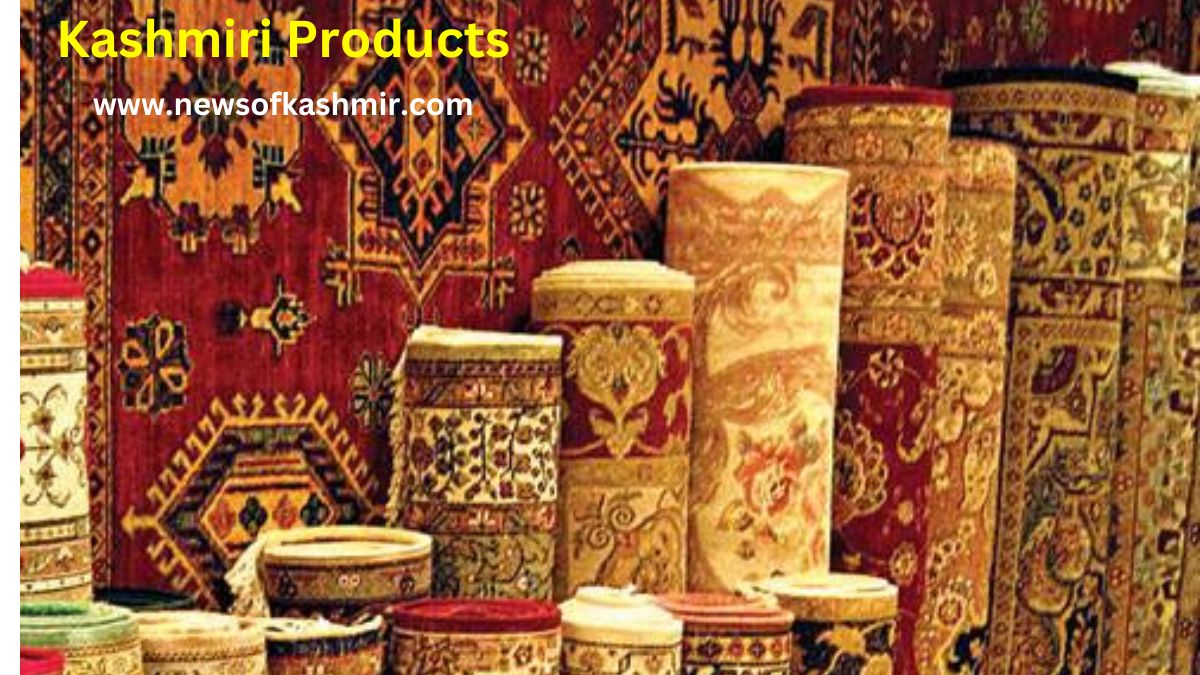
  1. Kashmiri Carpets: Kashmiri carpets are renowned for their exquisite hand-knotted designs and fine materials. These timeless pieces of art often feature intricate patterns inspired by nature and the rich cultural heritage of the region.
  2. Kashmiri Shawls: Kashmiri shawls are known for their warmth, softness, and intricate embroidery. Crafted from luxurious Pashmina wool, these shawls feature finely embroidered designs that reflect the region’s heritage.
  3. Wood Carving: Kashmiri wood carving is a craft of carving intricate and ornate designs into wooden items such as furniture and decor. The woodworkers showcase their artistry through detailed motifs and patterns.
  4. Chain Stitch: Chain stitch embroidery is a traditional form of textile embellishment, famous for its vibrant colors and nature-inspired designs. This art form adds a touch of elegance to various fabrics and textiles.
  5. Papier Machie: Papier-mâché is the art of creating intricate and decorative items using paper pulp, which is then painted with vivid colors and motifs. These handcrafted pieces are both visually appealing and culturally significant.
  6. Crewel: Crewel embroidery is a freehand embroidery technique that features intricate floral motifs worked with thick wool thread. The designs are a testament to the artisan’s skill and creativity.
  7. Namdha: Namdha rugs and carpets are made by matting layers of wool using water and friction. These traditional pieces often feature colorful motifs, adding a touch of tradition and artistry to homes.
  8. Phool Kari: Phool Kari, which translates to “flower work,” involves the exquisite art of embroidering floral motifs onto fabrics, creating beautifully embellished textiles and clothing.
  9. Basohli Painting: Basohli painting is a style of miniature painting originating from the Basohli region of Kashmir. These paintings are characterized by their vibrant colors and intricate depictions of Hindu mythology and historical tales.
  10. Calico Painting: Calico painting, also known as Kalamkari, is a textile art form that involves hand-painting or block-printing intricate designs on fabrics, which are then used to create exquisite textiles and wall hangings.

These Kashmiri handicrafts and art forms are not just products; they are a reflection of the rich cultural heritage and artistic prowess of the Kashmiri people. Each piece tells a story, carries a piece of history, and represents the enduring legacy of skilled artisans who continue to produce these exquisite creations for the world to admire and cherish.

If You Want to know more About Kashmir Please Click HERE

You May like:

No alliance in J&k assembly elections ,We will fight elections of our own

Verified by MonsterInsights