SKUAST-K Launches NextGen e-Plant Clinic at Shalimar Campus to Boost Smart Farming

Extension, Skuast-K

Good news for farmers in Kashmir! Sher-e-Kashmir University of Agricultural Sciences and Technology of Kashmir (SKUAST-K) has taken a big step forward in modern farming.

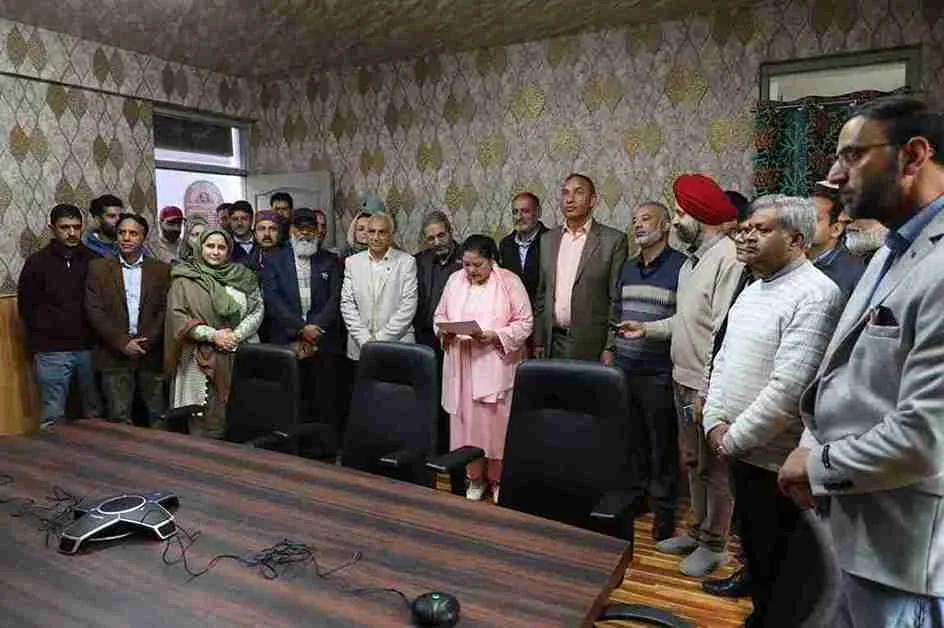
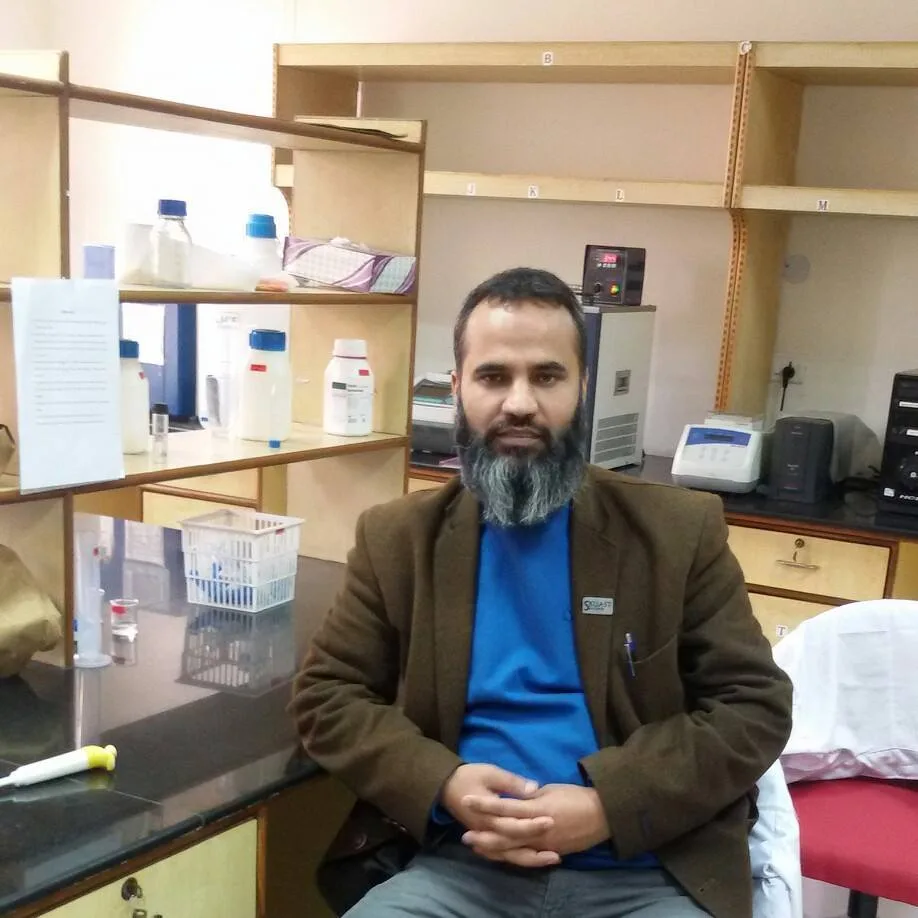
On April 8, Vice-Chancellor Prof. Nazir Ahmad Ganai officially opened the new nextGen e-Plant Clinic (also called e-Plant Health Clinic) at the Directorate of Extension on the Shalimar campus in Srinagar.

Along with the e-Plant Clinic, the university also launched other helpful facilities, including the Farmer School Centre, Agri-Clinic & Agri-Business Centre, and a brand-new Conference Hall for the Directorate of SAMETI Kashmir. Click Here To Follow Our WhatsApp Channel

Why This Matters for Farmers

The e-Plant Clinic uses digital tools and technology to quickly spot pests and diseases in crops. Instead of guessing or waiting too long, farmers can now get fast, science-based advice right away.

This smart system helps in several ways:

  • Cuts down crop losses
  • Reduces unnecessary use of chemicals
  • Makes farming more sustainable and eco-friendly
  • Connects the latest lab research directly with real-life farming

Prof. Ganai called the clinic a “vital bridge” between scientific discoveries in the lab and the daily challenges farmers face in the fields. He believes it will bring real-time, technology-driven support to farmers across the region.

Director of Extension, Prof. Raihana Habib Kanth, described these new facilities as powerful tools for building skills and knowledge among farmers. The clinic also links with the Agri-Business Incubation Centre, which could spark new ideas, startups, and job opportunities for young people in agriculture.

Director of Planning, Prof. Haroon Naik, thanked NABARD for their support and said this project shows how universities and funding bodies can work together to help local communities grow.

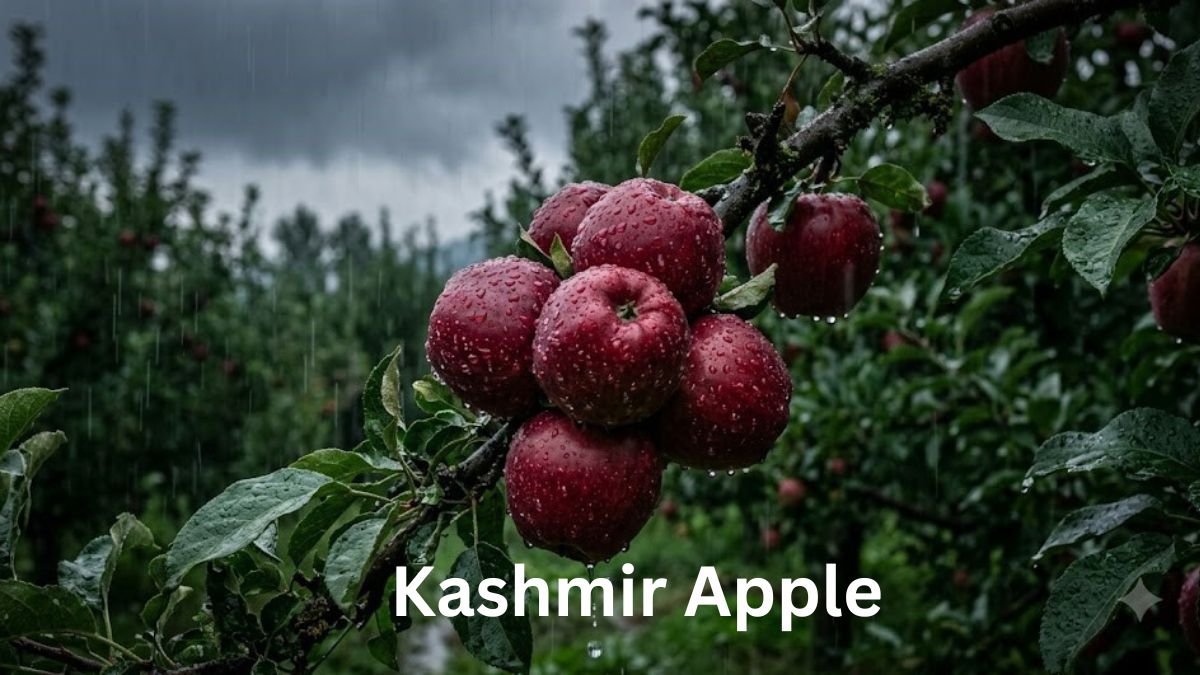
Farmers and orchard owners who attended the launch were excited. Many called it a game-changer for Kashmir’s famous apple orchards, saffron fields, and other important crops.

A Step Towards NextGen Agriculture

This launch is part of SKUAST-K’s bigger push for modern, tech-friendly farming. By using digital tools and AI-powered advisory services, the university aims to make farming easier, smarter, and more profitable for everyone in Jammu and Kashmir.

If you are a farmer or someone interested in agriculture, this new e-Plant Clinic could be a real help for protecting your crops and increasing your yield.Would you like more details about how to use the clinic or updates on similar initiatives from SKUAST-K? Feel free to ask!

J&K Assembly Committee Probes Rise in Malignant Brain Tumours Among Orchard Workers Linked to Pesticide Exposure

Brain Tumour

A meeting of the Committee on Environment, Jammu and Kashmir Legislative Assembly, was held on Monday to discuss malignant Brain tumours linked with pesticide exposure among the Orchard workers and farmers in the Kashmir Valley.

The meeting was presided over by the Chairman of Environment Committee, MLA Mohammad Yousuf Tarigami and attended by members Dr Sajjad Shafi; Peerzada Feroze Ahmad; Zafar Ali Khatana; Mushtaq Guroo and Darshan Kumar.Click Here To Follow Our WhatsApp Channel

The meeting had a detailed discussion on the alarming rise of primary malignant brain tumours among the orchard workers and farmers in Kashmir Valley, reportedly linked to pesticide exposure. The SKIMS data (2005-2008) highlighted the issue, sparking concerns about the health and well-being of those living and working in the region’s orchards. Key questions were raised about annual screening programs for neurological illnesses and cholinesterase levels, and the proposed steps for initiating mass health surveillance.

Other issues discussed included issuance of departmental advisory to the public regarding safe pesticide use and health hazards, steps being taken to introduce safe pesticide alternatives and biological agents, conduct of awareness programs for the farmers, existing rehabilitation or medical assistance schemes for the pesticide-affected families and orchard workers besides status of the mechanism for periodic reassessment of pesticide safety on neurological health.

Secretary, Health & Medical Education, Dr Abid Rasheed Shah, Director SKIMS, Srinagar and other senior health authorities briefed the Committee about the issues highlighted in the meeting. They assured that every possible step would be taken up to sort out all these issues on priority.

Chairman, Pollution Control Board J&K, Vasu Yadav; Principal GMC Jammu; Director Health Jammu; Director Horticulture (K); Director Agriculture (K) and Director Law & Enforcement JK also apprised the Committee of the issues highlighted in the meeting.

The Chairman directed the concerned officers to evolve an effective mechanism for prompt redressal of the issues highlighted in the meeting. He also directed them to constitute a task force involving experts of the field to look into the main cause behind this cancerous disease.

The Chairman asked the Horticulture and Agriculture authorities to adopt a mechanism to check quality of pesticides and their uses. He also asked to educate the farmers and orchard workers  regarding safety and prevention measures.

The Chairman directed the health authorities to take measures to conduct fresh study in the matter to ascertain the factual position so that the risk of cancer (malignant brain tumour) cases could be reduced.

Story of Almond Cultivation in My Village

Story of Almond Cultivation

In my village, we have nearly 2500 kanals of Karewa land & until 2010, 95% of it was under almond cultivation.Click Here To Follow Our WhatsApp Channel

Yes, crop failures were frequent — especially when late March snowfall would often damage the bloom. Diseases/ pests were common, & the trees were seedlings with around 95% hard shell & 5% paper-shell, all by chance. Perhaps our orchards had grown too old Around 2010.

By 2008 to 2014, almost everyone had shifted to apples. Today, except for my own 2-kanal almond orchard, no other villager has almond orchard here. Even we also converted the two kanals karewa land to apples for a year, but the year’s experience on Karewa land convinced me & my father to return back to almonds. (Thankfully, we got great returns for our green almonds this year)

The real reason for decline wasn’t just crop failures or mismanagement — it was the market collapse. I still remember:

In the early 1990s, we would sell hard-shell almonds at ₹40/kg.

By 2010, prices hadn’t even touched ₹100/kg.

Even today, the rates are around ₹150/kg.

Growers would sometimes keep their produce for years because there was no demand. One major blow was the import of Californian almonds with minimal TARIFF, which crushed local markets.

Around 2010, a few buyers from Srinagar purchased large chunks of land belonging to pandiths, dug borewells & made apple cultivation possible — inspiring villagers to follow. Producing quality apples on karewas is always challenging especially if you don’t have your own Borewell.

The story of almonds in my village is a reminder: without fair market support and smart policies, even the richest traditions of cultivation can vanish & become thing of past in no time.

Writer of This Story Is Dr. Tariq Rasool

Watch Dr. Tariq Rasool’s Message to Kashmir’s Apple Orchard Owners: Diseases, Causes

After Three Weeks of Restrictions, Mirwaiz Umar Farooq Addresses Congregation at Jama Masjid

Mehbooba Mufti Criticizes Government for Criminalizing Kashmiris, Condemns Seizure of Geelani’s Widow’s Home

SKUAST Kashmir Recruitment 2025: Apply for Assistant Registrar & Comptroller Posts – 10th August Last Date

Skuast Kashmir

The Sher-e-Kashmir University of Agricultural Sciences & Technology of Kashmir (SKUAST-K) has announced a golden opportunity for job aspirants across Jammu and Kashmir. The university has invited online applications for the recruitment of Assistant Registrar and Assistant Comptroller posts. Candidates meeting the eligibility criteria can apply through the official website www.skuastkashmir.ac.in by 10th August 2025.

📌 Key Highlights

  • Recruitment Notice: Advertisement No. 01 of 2025
  • Published On: 10th July 2025
  • Application Start Date: 15th July 2025 (10:00 AM)
  • Application End Date: 10th August 2025 (11:59 PM)
  • Mode of Application: Online only
  • Official Website: www.skuastkashmir.ac.in

🧾 Vacancy Details

Post NamePay LevelNo. of Posts
Assistant RegistrarLevel-10 (₹56,100–1,77,500)03
Assistant ComptrollerLevel-10 (₹56,100–1,77,500)02

Vacancies are distributed as per J&K Reservation Rules, covering categories such as Open Merit, RBA, SC, ST, EWS, and others.


🎓 Eligibility Criteria

Educational Qualification:

  • A Master’s Degree with at least 55% marks or an equivalent grade based on UGC guidelines.

Age Limit (as on 01.01.2025):

  • General Category: 18 to 40 years
  • Reserved Categories: 18 to 43 years
  • Persons with Disability (PwD): 18 to 42 years
  • In-service Candidates: 18 to 40 years
  • Ex-servicemen: 18 to 48 years

💳 Application Fee

  • Open Merit Candidates: ₹1000/-
  • Reserved Category Candidates: ₹700/-
  • Mode of Payment: Online (Net Banking, Credit Card, Debit Card)

Selection Process

The recruitment process consists of:

  1. Written Test – 80 marks (80%)
  2. Interview – 20 marks (20%)

📝 Note: The syllabus for the written test will be released separately on the official SKUAST-K website.


🖥️ How to Apply

  1. Visit the official website: www.skuastkashmir.ac.in
  2. Click on the “Recruitment 2025” section.
  3. Fill out the online application form with accurate information.
  4. Upload required documents, photograph, and signature.
  5. Pay the application fee.
  6. Submit the form and take a printout for future reference.

⚠️ No other mode of application will be accepted.


📢 Important Instructions

  • Applicants must go through the official notification carefully before applying.
  • Any form of misinformation or incomplete applications may lead to rejection.
  • Ensure that all documents, especially the proof of category and qualification, are uploaded properly.
  • Keep checking the official website for updates on the syllabus, exam date, and interview schedule.

📞 Help Desk

For queries related to online application submission, candidates can reach out to the university’s recruitment cell through contact details available on the website.


Conclusion:
The SKUAST Kashmir recruitment for Assistant Registrar and Assistant Comptroller posts is an excellent opportunity for postgraduates seeking a government job in the education sector. Interested candidates are encouraged to apply before the last date – 10th August 2025.


Kashmir Mother Donates Kidney to Save Son, Wins Hearts Across the Valley

Landslide Kills Two in Reasi as Relentless Rains Trigger Floods, Highway Blockades Across Jammu

Tarun Chugh Slams Farooq Abdullah for ‘ISI-Backed Politics’, Questions Silence on Kashmiri Pandit Exodus

Discover the Rare Black Diamond Apple: The Luxurious Fruit You Never Knew Existed!

Black Diamond Apple

When you think of apples, you probably picture the classic red, green, or yellow varieties that fill supermarket shelves. But have you ever heard of the Black Diamond Apple? This unique fruit is a rare and mysterious gem in the world of apples. With its deep, dark purple skin and crisp, sweet flesh, the Black Diamond Apple is not just a treat for the taste buds but also a feast for the eyes. In this article, we’ll explore everything you need to know about this extraordinary fruit—its characteristics, qualities, benefits, and where it can be cultivated outside of its native home in Tibet, China.


What is a Black Diamond Apple?

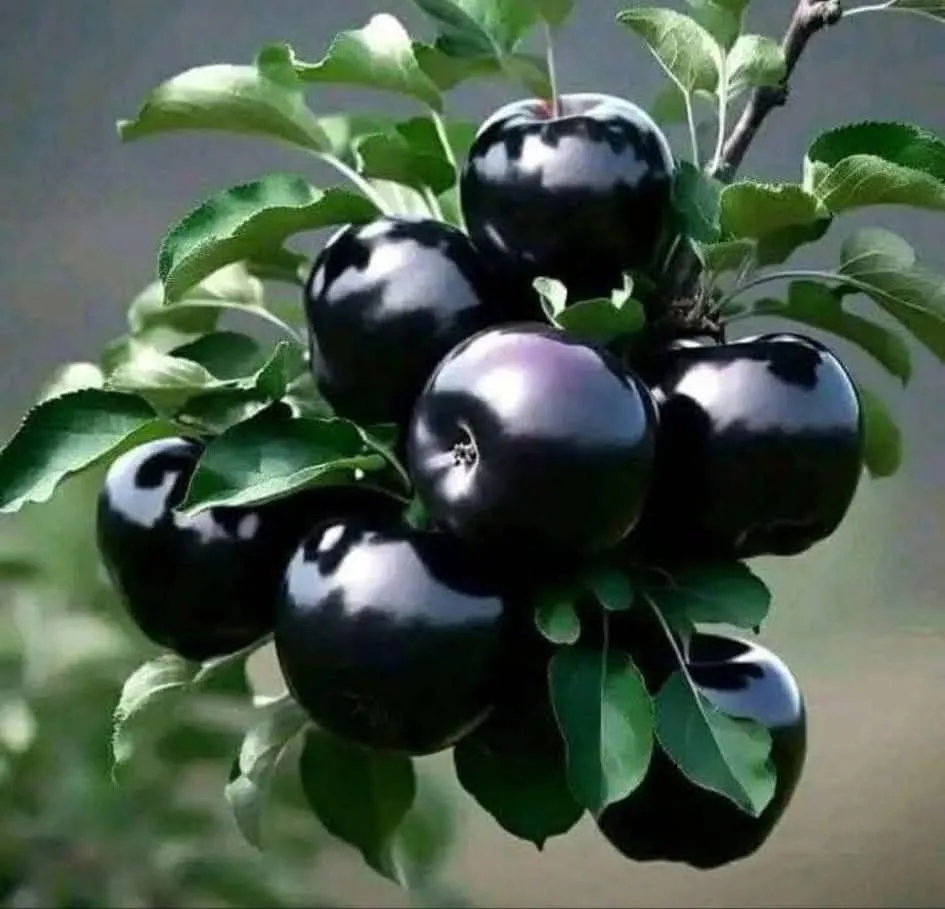
The Black Diamond Apple is a rare variety of apple that stands out due to its striking dark purple, almost black skin. It’s not genetically modified or artificially coloured—its unique appearance is entirely natural. This apple is a type of Huaniu apple, which is a popular variety in China. However, the Black Diamond Apple is a special cultivar that thrives in specific conditions, giving it its distinctive look and flavour.

Image Source / Pintrest

The name “Black Diamond” comes from its dark, glossy skin, which resembles the colour of a black diamond gemstone. These apples are not only visually stunning but also have a unique taste and texture that sets them apart from other apple varieties.


Characteristics of the Black Diamond Apple

  1. Appearance:
    The most striking feature of the Black Diamond Apple is its deep purple, almost black skin. The colour is so intense that it can appear black under certain lighting conditions. The skin is glossy and smooth, giving the apple a luxurious, jewel-like appearance. Inside, the flesh is white or pale yellow, providing a beautiful contrast to the dark exterior.
  2. Size and Shape:
    Black Diamond Apples are medium to large in size, similar to other popular apple varieties like Fuji or Gala. They have a round shape with a slightly flattened top and bottom.
  3. Taste and Texture:
    The flesh of the Black Diamond Apple is crisp, juicy, and sweet with a hint of tartness. The flavour is often described as a mix between a Honeycrisp and a Fuji apple, making it a delightful treat for apple lovers. The texture is firm, making it perfect for eating fresh or using in recipes.
  4. Aroma:
    These apples have a mild, pleasant aroma that is slightly floral and fruity. The scent is not overpowering but adds to the overall sensory experience of eating the fruit.

Why is the Black Diamond Apple So Rare?

The Black Diamond Apple is rare for several reasons:

  1. Specific Growing Conditions:
    This apple variety thrives in high-altitude regions with cool climates, such as the mountains of Tibet. The unique combination of intense sunlight, cool temperatures, and well-drained soil in these areas contributes to the apple’s dark colour and unique flavour.
  2. Limited Cultivation:
    The Black Diamond Apple is primarily grown in the Nyingchi region of Tibet, where the conditions are ideal for its cultivation. The limited geographic range and the challenges of growing apples at high altitudes make it difficult to produce these apples on a large scale.
  3. Labour-Intensive Harvesting:
    Harvesting Black Diamond Apples requires careful hand-picking to avoid damaging the fruit. This labour-intensive process adds to the cost and rarity of the apples.
  4. High Demand and Low Supply:
    Due to their unique appearance and flavour, Black Diamond Apples are in high demand, especially in luxury markets. However, the limited supply makes them a rare and expensive fruit.

Nutritional Benefits of Black Diamond Apples

Like other apple varieties, Black Diamond Apples are packed with nutrients that offer numerous health benefits. Here are some of the key nutritional benefits of this unique fruit:

Image Source / Pintrest

  1. Rich in Antioxidants:
    The dark purple skin of the Black Diamond Apple is rich in anthocyanins, a type of antioxidant that helps protect the body against free radicals. Antioxidants are known to reduce inflammation, boost the immune system, and lower the risk of chronic diseases like heart disease and cancer.
  2. High in Fiber:
    Apples are an excellent source of dietary fiber, and the Black Diamond Apple is no exception. Fiber aids in digestion, promotes gut health, and helps maintain a healthy weight by keeping you feeling full for longer.
  3. Vitamin C:
    Black Diamond Apples contain a good amount of vitamin C, which is essential for a healthy immune system, skin health, and wound healing.
  4. Low in Calories:
    These apples are low in calories, making them a healthy snack option for those looking to maintain or lose weight.
  5. Hydration:
    With their high water content, Black Diamond Apples help keep you hydrated, especially during hot weather or after physical activity.
  6. Heart Health:
    The fiber, antioxidants, and potassium in Black Diamond Apples contribute to heart health by lowering cholesterol levels, reducing blood pressure, and improving circulation.

Culinary Uses of Black Diamond Apples

The unique flavour and texture of Black Diamond Apples make them a versatile ingredient in the kitchen. Here are some ways you can enjoy this rare fruit:

  1. Fresh Eating:
    The crisp, juicy flesh of the Black Diamond Apple makes it perfect for eating fresh. Simply wash the apple and enjoy it as a healthy snack.
  2. Salads:
    Add slices of Black Diamond Apple to salads for a burst of sweetness and colour. They pair well with greens, nuts, cheese, and vinaigrette dressings.
  3. Desserts:
    Use Black Diamond Apples in desserts like pies, tarts, crisps, and crumbles. Their sweet-tart flavour and firm texture hold up well during baking.
  4. Juices and Smoothies:
    Blend Black Diamond Apples into juices or smoothies for a refreshing and nutritious drink.
  5. Cheese Platters:
    Serve slices of Black Diamond Apple on cheese platters for a luxurious touch. They pair beautifully with sharp cheeses like cheddar or blue cheese.
  6. Preserves:
    Make jams, jellies, or apple butter with Black Diamond Apples to enjoy their unique flavour year-round.

Where Can Black Diamond Apples Be Cultivated Outside of Tibet, China?

While the Black Diamond Apple is native to the Nyingchi region of Tibet, it is possible to cultivate this unique fruit in other parts of the world with similar growing conditions. Here are some factors to consider when growing Black Diamond Apples outside of Tibet:

Image Source / Pintrest

  1. Climate:
    Black Diamond Apples thrive in cool, high-altitude climates with plenty of sunlight. Regions with cold winters and mild summers are ideal for growing these apples.
  2. Soil:
    Well-drained, fertile soil with a slightly acidic pH is best for Black Diamond Apples. The soil should be rich in organic matter to support healthy growth.
  3. Altitude:
    These apples are typically grown at altitudes of 3,100 to 3,500 meters (10,000 to 11,500 feet) above sea level. While it may be challenging to replicate these exact conditions, similar high-altitude regions could potentially support Black Diamond Apple cultivation.
  4. Pollination:
    Like other apple varieties, Black Diamond Apples require cross-pollination to produce fruit. Planting compatible apple varieties nearby can help ensure successful pollination.
  5. Pest and Disease Management:
    Black Diamond Apples are susceptible to the same pests and diseases as other apple varieties. Regular monitoring and proper care are essential to keep the trees healthy.

Potential Regions for Cultivation

  1. Himalayan Regions (India, Nepal, Bhutan):
    The Himalayan regions share similar high-altitude and cool climate conditions with Tibet, making them potential candidates for Black Diamond Apple cultivation.
  2. Andes Mountains (South America):
    The high-altitude regions of the Andes Mountains in countries like Peru, Bolivia, and Chile could provide suitable conditions for growing Black Diamond Apples.
  3. Rocky Mountains (USA):
    Certain areas in the Rocky Mountains, particularly in Colorado and Wyoming, have the cool climate and high altitude needed for Black Diamond Apple cultivation.
  4. Alps (Europe):
    The Alps in countries like Switzerland, Austria, and France offer cool climates and high altitudes that could support the growth of Black Diamond Apples.
  5. New Zealand:
    New Zealand’s cool climate and fertile soil make it a potential location for growing Black Diamond Apples.

Challenges of Growing Black Diamond Apples Outside Tibet

While it is possible to grow Black Diamond Apples in other regions, there are several challenges to consider:

  1. Adaptation:
    The Black Diamond Apple is adapted to the specific conditions of Tibet, and it may take time for the trees to acclimate to new environments.
  2. Cost:
    Establishing orchards in high-altitude regions can be expensive due to the need for specialised equipment and labour.
  3. Market Demand:
    While Black Diamond Apples are highly sought after, the market for these luxury fruits may be limited in some regions.
  4. Climate Change:
    Changes in climate patterns could affect the growth and quality of Black Diamond Apples, even in suitable regions.

Conclusion

The Black Diamond Apple is a true marvel of nature, combining stunning beauty, unique flavour, and impressive health benefits. While it remains a rare and exclusive fruit due to its specific growing conditions, its popularity continues to grow as more people discover its charms. Whether you’re lucky enough to taste one or dream of cultivating your own, the Black Diamond Apple is a testament to the wonders of the natural world. With careful planning and the right conditions, it may one day be possible to enjoy this extraordinary fruit beyond the mountains of Tibet. Until then, it remains a rare gem, cherished by those who have had the privilege of experiencing its magic.

Syedah Shazia Latif, LLM Graduate and PhD Scholar, Brings Australia’s Emus to Kashmir and Revolutionises Farming!

syedah-shazia-latif

In the serene district of Shopian, nestled in the picturesque valleys of Jammu and Kashmir, a young woman has become the beacon of innovation in farming. Syedah Shazia Latif, an LLM graduate and a PhD scholar, is not only excelling academically but also spearheading a farming revolution that combines tradition, modernity, and sustainability. Her story is an inspiring blend of education, entrepreneurship, and a commitment to reimagining agriculture in her homeland.


The Genesis of an Innovator

Born and raised in Molu Chitragam, a quaint village in Shopian, Syedah Shazia Latif was always deeply connected to her roots. Despite her academic pursuits, which led her to earn an LLM and pursue a PhD, she remained keenly aware of the potential in Kashmir’s rich but underutilised agricultural landscape.

Syedah Shazia Latif

Shazia’s journey into farming began in 2019, driven by a desire to explore uncharted territory in agriculture. Her goal was not just to engage in farming but to create an integrated ecosystem that combined flora and fauna for sustainable productivity. “Farming is not just about cultivating land; it’s about innovation, creating ecosystems, and bringing value to what we have,” she explained.


Introducing the Emus: A First for Kashmir

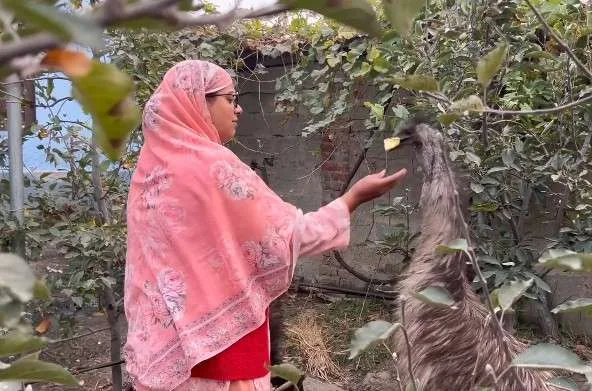
One of Shazia’s most groundbreaking initiatives was the introduction of Emus, the national bird of Australia, to her farm. The Emu, the world’s second-largest bird after the ostrich, is known for its adaptability and economic value. Its meat, oil, and feathers are prized globally, and it has the potential to diversify traditional farming practices.

“I initially wanted to bring ostriches, but due to the challenges involved, I opted for Emus,” Shazia said. “They are easier to manage and still provide excellent opportunities for farming diversification. Inshallah, I hope to bring ostriches in the future as well.”

The inclusion of Emus has not only added an exotic element to her farm but has also generated significant interest among locals and experts alike. Videos of her farm showcasing these majestic birds have gone viral on social media, drawing widespread admiration.


Integrated Farming: A Model for Sustainability

Shazia’s farm is much more than a space for Emus; it is a vibrant ecosystem teeming with life. Her integrated farming model includes poultry, exotic birds, rabbits, fisheries, and vegetable cultivation. By combining these elements, she has created a self-sustaining system where the outputs of one component serve as inputs for another.

“For example, the waste from poultry and rabbits can be used as organic manure for vegetables, while the fish pond contributes to water management,” she explained. “This interconnected approach maximises productivity while minimising waste.”

Such a model not only enhances profitability but also addresses critical issues like food security and environmental sustainability, making it a replicable model for others in the region.


Recognition and Impact

Shazia’s hard work and innovative approach have not gone unnoticed. In 2022, she was honoured with the prestigious Governor’s Award for her contributions to farming. This recognition has further motivated her to expand her initiatives and inspire others to follow suit.

Her efforts have already had a tangible impact on her community. Many young people, inspired by her example, have started exploring opportunities in agriculture and allied fields.


Education Meets Entrepreneurship

Shazia’s academic background sets her apart from many traditional farmers. Her LLM qualification and ongoing PhD studies have equipped her with critical thinking skills and a research-oriented mindset, which she applies to her farming practices.

“Education helps you see possibilities where others see challenges,” she said. “It has given me the confidence to experiment and the resilience to face setbacks.”

Despite her academic commitments, Shazia manages her farm with dedication and passion, proving that education and entrepreneurship can go hand in hand.


Message to the Youth

One of Shazia’s most compelling messages is directed at the youth of Kashmir, who often grapple with unemployment and limited opportunities. “Whether you’re educated or not, don’t sit idle or wait for government jobs,” she urged. “The land we have is a treasure trove of opportunities. With the right mindset and effort, anyone can create something meaningful.”

She also emphasises the importance of leveraging government subsidies and schemes in agriculture, horticulture, and fisheries. “There are so many resources available if you’re willing to look for them. Use these to innovate and create a sustainable livelihood,” she advised.


The Road Ahead

Shazia has ambitious plans for the future. Apart from introducing ostriches to her farm, she aims to expand her integrated farming model and collaborate with other farmers and researchers to promote sustainable practices.

She is also keen on using her platform to raise awareness about the potential of agriculture in Jammu and Kashmir. “Farming can be a game-changer for our region, but it requires a shift in mindset and the willingness to adopt new methods,” she said.


A Beacon of Hope

In a region often associated with challenges, Shazia’s story is a testament to the power of determination and innovation. By blending her academic achievements with entrepreneurial zeal, she has not only transformed her farm but also inspired a wave of optimism in her community.

Her journey from a scholar to a farmer and innovator demonstrates that with the right blend of education, passion, and perseverance, one can truly make a difference.

As Syedah Shazia Latif continues to revolutionise farming in Kashmir, her work stands as a shining example of what is possible when tradition meets innovation.

Government of India and Ladakh Leaders Reach Agreement on Job Quotas and Official Language Recognition,95% Jobs To Be Reserved For Ladakhis

Srinagar Records Season’s Coldest Night  At Minus 2.0⁰ Degree Celsius and Pahalgam

Abducted Kupwara Woman Successfully Recovered by Police From Rajasthan Kidnapper Arrested

Police Arrests Two Drug Peddlers Mashooq Ahmad Hella and Shabir Ahmad Mir At Village Kaharwath in Kulgam

Over 43,000 Women Empowered in J&K Through Lakhpati Didi Initiative: Dr. Chandra Sekhar Pemmasan Union Minister for Rural Development

Kisan Mela To Be Held at Old Fruit Mandi Shopian on 21 November, 2024

Kisan mela

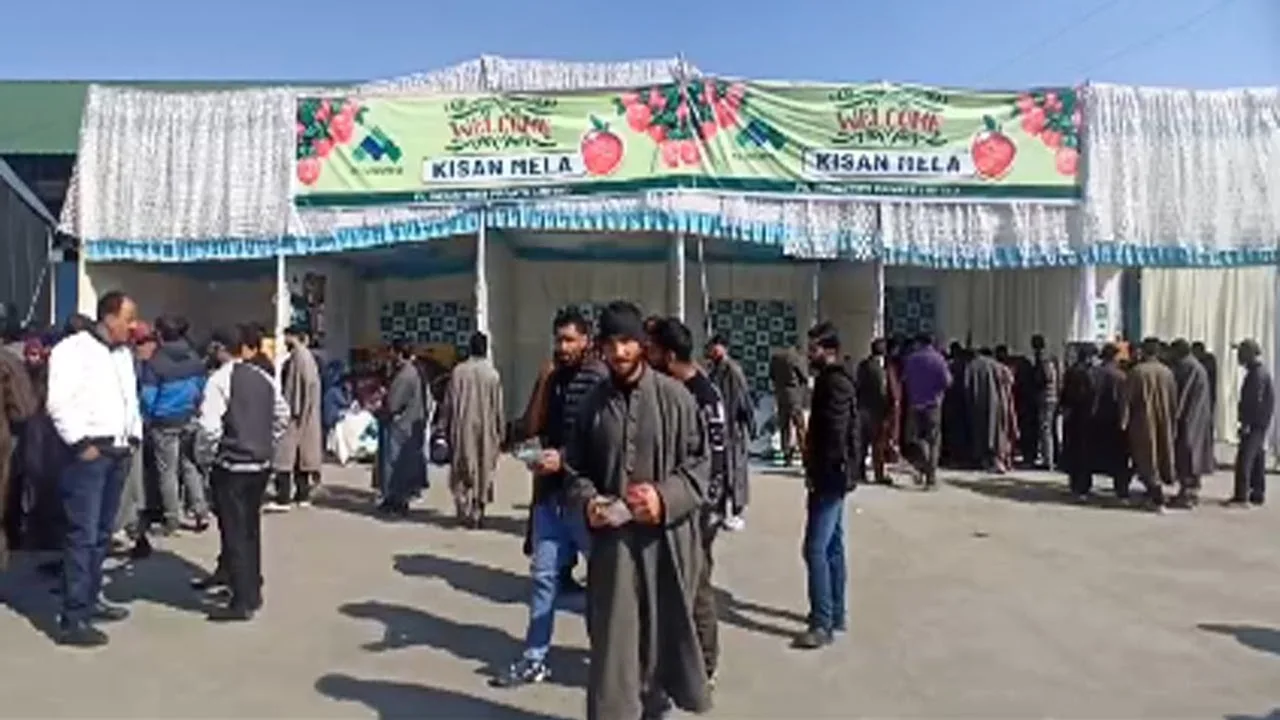
A Kisan Mela is being organised at Old Fruit Mandi Shopian on Thursday, November 21 from 10:30 AM onwards by the Department of Agriculture and allied departments.

The Deputy Commissioner (DC) Shopian, Mohammad Shahid Saleem Dar has invited the public in general and students in particular to participate in the day-long event.

Post visit, the students have also been invited to participate in an essay competition titled ‘Kisan Mela, an opportunity to have knowledge and first-hand exposure of self-employment schemes in the district.’

The visit and competition is open to all students.Top 10 essay writers will be recognized and rewarded afterwards in a separate function.

The Mela cum exhibition aims to promote awareness about self-employment schemes and schemes for agricultural development. It will provide a platform for knowledge sharing and on the spot registration for schemes.

Various allied and employment generation based departments will showcase and exhibit their schemes, services, and products. Besides progressive farmers and agri entrepreneurs will also have stalls installed there.

Vivanta Dal View Unveils a Stylish Haven in the Heart of the Kashmir Valley

Whispers Through Time: Nedou’s Hotel, A Chronicle of Kashmir’s Soul

The Khyber Himalayan Resort & Spa: A Symphony of Timeless Elegance and Enchanting Hospitality in Gulmarg

Celebrating Achievements, Security, and Flavors in Kashmiri Hotels: A Journey Through Top Performers, Precautionary Measures, and Culinary Delights

Pulwama Horticulture Industry is on The Brink Of Collapse MLA Waheed Parra Urges Government Intervention to Save Industry

Waheed Parra PDP

People’s Democratic Party Youth President and MLA Pulwama, Waheed ur Rehman Parra on Sunday, expressed deep concern on Sunday over the deteriorating state of Pulwama’s horticulture industry, saying that it is being crippled by administrative dysfunction and negligence. Parra called for the immediate intervention of Lieutenant Governor Manoj Sinha to address the mounting challenges facing the sector.

He said that with unemployment rising across the region, the local economy, which is largely sustained by horticulture, is under severe threat. He stressed that the backbone of the region is being suffocated by the failure of the local horticulture department to fulfil its duties. “The department is in shambles, “leaving farmers abandoned in their struggle for development, pollution control, and proper shop allotments.”

He said the struggles faced by fruit traders and truckers are due to the region’s inadequate infrastructure. Issues such as outdated storage facilities and a lack of cold chain management are causing significant financial losses for those trying to transport and sell their produce.

Parra emphasized that the Pulwama mandi is operating without proper sheds, and there has been no macadamization, leaving the entire area engulfed in dust. “Fruits are being stored in makeshift tin sheds installed by the traders themselves without any government support. The irony is that the government, which claims to support the fruit industry, has provided no assistance. All their promises have fallen flat and proved to be a hoax,” he said.

He said that the environmental pollution, continues to harm orchards and fruit crops in the district. He called for immediate pollution control measures to protect Pulwama’s agricultural output from further damage.

Parra condemned the ongoing delays in providing proper market spaces, noting that without adequate facilities, farmers are unable to sell their produce effectively, resulting in worsening financial hardships.

He stressed the daily struggles faced by truckers transporting horticultural products, who must contend with poor infrastructure and logistical challenges. “Our fruit traders and truckers suffer daily due to inadequate infrastructure and the government’s failure to act. This is not just about Pulwama but the entire supply chain that links us to national markets. Immediate intervention is needed to safeguard these livelihoods,” he said.

Parra warned of the urgent need to save the rural economy and the fruit industry, saying, “There is a dire need to protect the rural economy and our fruit industry. All those directly or indirectly associated with this sector are facing a terrible crisis. It is heartbreaking to see how many livelihoods are being threatened, yet there has been no intervention from the government to save this vital industry.”

He called for urgent reform within the horticulture department, arguing that its inefficiency has worsened the situation for all stakeholders. “Farmers are left to fend for themselves,” he said, “as the department continues to fail in its basic duties of upgrading infrastructure and providing essential services.”

Parra urged Lieutenant Governor Manoj Sinha to intervene immediately and called for a comprehensive overhaul of the horticulture department, along with a robust development plan that includes infrastructure upgrades, pollution control, and proper market facilities for farmers and traders. “Pulwama’s horticulture industry is on the verge of collapse,” he warned. “Without swift intervention, we risk losing not just a key economic driver but also the livelihoods of thousands of families dependent on it.”(KNS) 

You Might Also Like:

Managing Orchard Health During Drought Conditions in Kashmir

Authorities Investigate Damage to Pulwama Apple Orchard Due to Pesticide

Horticulture Trainees Gain Insights into Apple Cultivation at Advanced Centre

Watch Dr. Tariq Rasool’s Message to Kashmir’s Apple Orchard Owners: Diseases, Causes, and Remedies for 2024

In South Kashmir: Conduct immediate survey of hailstorm-hit crop, compensate farmers JKCSF urges LG admin

Watch Dr. Tariq Rasool’s Message to Kashmir’s Apple Orchard Owners: Diseases, Causes, and Remedies for 2024

Tariq Rasool

In a recent video, Dr. Tariq Rasool, a renowned expert in fruit cultivation, delivered an urgent message to the apple orchard owners of Kashmir. As the year comes to an end, apple growers in the region are facing unprecedented challenges due to various diseases affecting their crops. Dr. Rasool’s insights provide valuable guidance on how to identify these diseases, understand the underlying causes, and implement remedies to safeguard future harvests.

You May Like :

In South Kashmir: Conduct immediate survey of hailstorm-hit crop, compensate farmers JKCSF urges LG admin

Managing Orchard Health During Drought Conditions in Kashmir

Authorities Investigate Damage to Pulwama Apple Orchard Due to Pesticide

Horticulture Trainees Gain Insights into Apple Cultivation at Advanced Centre

Managing Orchard Health During Drought Conditions in Kashmir

Kashmir, known for its fertile orchards and diverse fruit production, is facing an increasingly severe challenge this year due to prolonged drought conditions. The scarcity of water has placed a significant strain on orchard health, particularly in low-altitude areas. This article aims to provide detailed guidance on managing orchard health during these trying times, focusing on irrigation practices, nutrient management, and disease prevention.

Irrigation: The Lifeline for Orchards

From the onset of the dry season, it has been imperative to maintain regular irrigation in orchards. Water is a critical factor in sustaining tree health, especially during drought conditions. Orchards situated in low-altitude areas are particularly vulnerable as they tend to dry out more quickly. Regular irrigation not only ensures the survival of the trees but also prevents the development of various physiological disorders.

In orchards where irrigation has been consistently applied, we have observed a marked absence of lenticel blotch, cracks, and breakdown in the fruit. These issues are commonly seen in trees that suffer from water stress. Therefore, it is essential to continue with irrigation practices throughout the dry season to prevent such conditions from arising.

Nutrient Management: Addressing Deficiencies

The extended dry period has left many orchards, especially those in low-altitude areas, deficient in essential nutrients. Nutrient deficiencies weaken trees, making them more susceptible to diseases such as Alternaria leaf blotch and necrotic leaf blotch. These fungal diseases can cause significant damage to the foliage, reducing the overall health and productivity of the orchard.

To mitigate these risks, it is crucial to monitor nutrient levels in the soil and apply appropriate fertilisers as needed. A balanced supply of nutrients will help strengthen the trees and improve their resistance to disease. Additionally, in orchards with a history of Alternaria or where scab is prevalent, fungicidal spraying may be necessary. This is particularly important if there is a chance of rainfall, as wet conditions can exacerbate the spread of fungal diseases.

Disease Prevention: Proactive Measures

One of the major concerns during drought conditions is the increased vulnerability of orchards to fungal infections. Core rot in apples, for instance, is primarily a fungal issue that begins around the flowering stage. The fungus slowly develops within the fruit, leading to rot that can cause premature fruit drop, often before harvest.

Preventative measures should be taken early in the season to manage this issue effectively. Spraying fungicides during the flowering stage can help prevent the initial infection. However, it is important to note that once core rot has advanced, spraying is generally ineffective. Apples affected by core rot often ripen earlier, develop better colour, and show signs of internal fungal growth. Regular monitoring and early intervention are key to managing this disease.

Conclusion

Managing orchard health during drought conditions in Kashmir requires a proactive and well-planned approach. Regular irrigation is essential to prevent water stress and associated disorders, particularly in low-altitude areas. Addressing nutrient deficiencies is equally important to strengthen the trees and reduce their susceptibility to diseases. Finally, early and targeted fungicidal treatments can help prevent the spread of fungal infections, ensuring a healthy and productive orchard.

Examples from Western Countries Facing Similar Challenges

California, USA: Prolonged Drought and Orchard Management

California, known for its vast agricultural output, has faced significant drought conditions over the past decade. The state’s almond and citrus orchards, in particular, have been severely impacted by water shortages. To combat these challenges, Californian farmers have adopted advanced irrigation techniques such as drip irrigation, which minimises water waste by delivering precise amounts of water directly to the roots of the trees. Additionally, the use of soil moisture sensors has become widespread, allowing farmers to monitor water levels more accurately and irrigate only when necessary. These measures have helped sustain orchard productivity despite the harsh drought conditions.

Spain: Drought in the Mediterranean Fruit Belt

Spain, a major producer of olives, grapes, and citrus fruits, has experienced recurring droughts, particularly in the southern regions of Andalusia and Murcia. These droughts have put immense pressure on water resources, leading to the adoption of water-saving technologies and practices. For instance, Spanish farmers have increasingly relied on deficit irrigation, a technique that provides just enough water to maintain the trees’ health without promoting excessive growth. This method helps conserve water while still ensuring a reasonable yield. In addition, there has been a shift towards planting drought-resistant varieties of crops, which require less water and are more resilient to dry conditions.

Australia: Coping with Water Scarcity in Orchards

Australia, particularly its southern regions, has faced frequent droughts, posing a serious challenge to orchardists. In response, Australian farmers have implemented several strategies to manage water scarcity. One notable approach is the use of mulch in orchards to reduce soil evaporation and retain moisture. Mulching not only helps conserve water but also improves soil health by adding organic matter. Additionally, Australian orchardists have embraced the use of recycled water for irrigation, ensuring that even during periods of low rainfall, their orchards receive adequate hydration. These practices have been instrumental in maintaining the viability of fruit production in drought-prone areas.

Italy: Vineyards and Drought Management

Italy, with its extensive vineyards, has also faced drought challenges, particularly in regions like Tuscany and Sicily. Italian viticulturists have responded by adjusting their vineyard management practices to conserve water and protect the vines. One approach has been the use of cover crops between vineyard rows to reduce soil erosion and improve water retention. Additionally, Italian vineyards have increasingly adopted precision agriculture techniques, using satellite imagery and drones to monitor vine health and water needs. This data-driven approach allows for more efficient water use, ensuring that the vines receive the right amount of water at the right time, despite the drought conditions.

These examples from Western countries demonstrate that, despite the challenges posed by drought, innovative irrigation practices, the adoption of drought-resistant crop varieties, and advanced monitoring technologies can help sustain orchard productivity. By learning from these experiences, orchardists in Kashmir can apply similar strategies to manage their own orchards during prolonged dry periods.

Certainly! Here are some references to research studies and articles related to managing orchard health during drought conditions:

  1. Goldhamer, D. A., Fereres, E. (2001). “Irrigation Scheduling Protocols Using Continuous Plant-based Monitoring: Case Studies on Peach and Almond Orchards in California.” Journal of Horticultural Science & Biotechnology, 76(3), 277-283.
  • This study explores the use of plant-based monitoring systems for irrigation scheduling in drought-prone areas of California, highlighting how precision irrigation can mitigate water stress in orchards.
  1. Gomez-del-Campo, M., Baeza, P., Ruiz, C. (2002). “Deficit Irrigation Strategies in Olive (Olea europaea L.) Orchards.” HortScience, 37(4), 609-612.
  • This research discusses the application of deficit irrigation techniques in olive orchards in Spain, emphasising the balance between water conservation and maintaining orchard productivity.
  1. Chaves, M. M., Maroco, J. P., Pereira, J. S. (2003). “Understanding Plant Responses to Drought – From Genes to the Whole Plant.” Functional Plant Biology, 30(3), 239-264.
  • This comprehensive review provides insights into how plants, including fruit trees, respond to drought conditions at various levels, offering practical guidance for managing orchards under water-limited situations.
  1. Bramley, R. G. V., Ouzman, J., Boss, P. K. (2011). “Variability in Vineyards: Implications for Precision Viticulture.” Australian Journal of Grape and Wine Research, 17(1), 72-80.
  • This paper discusses the use of precision agriculture in vineyards to manage drought stress, which can be applicable to other types of orchards, including those in drought-prone areas.
  1. Medrano, H., Tomás, M., Martorell, S., Escalona, J. M., Pou, A., Fuentes, S., Flexas, J., Bota, J. (2015). “Improving Water Use Efficiency of Vineyards in Semi-arid Regions.” Agriculture, Ecosystems & Environment, 106(2), 59-70.
  • This study examines methods for enhancing water use efficiency in vineyards, including deficit irrigation and the use of cover crops, which can also be applied to orchard management in drought conditions.
  1. Sadras, V. O., Lawson, C., Hooper, P., McDonald, G., (2012). “Optimising Irrigation for Yield and Quality in Almonds.” Field Crops Research, 127, 47-55.
  • This research focuses on optimising irrigation in almond orchards in Australia, offering strategies to improve yield and quality during drought periods.
  1. Rodríguez-Domínguez, C. M., Buckley, T. N., Egea, G., de Cires, A., Hernandez-Santana, V., Diaz-Espejo, A. (2016). “Critical Temperature and Water Availability Thresholds for Regulated Deficit Irrigation in Olives.” Agricultural Water Management, 172, 132-144.
  • This article explores the thresholds for regulated deficit irrigation in olive orchards, providing practical advice for managing water resources in orchards during drought.

These references offer a mix of case studies, practical advice, and theoretical insights that can be valuable for orchardists and researchers dealing with drought conditions in orchards.

Authorities Investigate Damage to Pulwama Apple Orchard Due to Pesticide

Authorities in Pulwama are examining the cause of damage to an apple orchard that was reportedly harmed by pesticide use. The orchard, located in Chandgam village in the Litter area of Pulwama, suffered severe damage on July 11.

Gulzar Ahmad Bhat, a local farmer, noticed significant harm to his 8-kanal apple orchard after using a pesticide. Mohammad Shafi Dar, a Subject Matter Specialist from the Horticulture Department in Pulwama, said that an Enforcement Inspector from the Agriculture Department collected pesticide samples from the dealer for chemical analysis under the Insecticide Act of 1968.

“A show cause notice was also issued to the pesticide’s manufacturing company by the Law Enforcement Inspector,” Dar explained. During the inspection, it was discovered that although the dealer had the required permissions to sell the pesticide, it was not recommended by SKUAST-K for controlling Red Mite, which was the intended use.

The farmer had followed the advice of the local pesticide dealer. Dar reported that the Chief Horticulture Officer (CHO) of Pulwama visited the orchard and found extensive damage. Out of 655 apple plants, 485 were partially damaged, and the current season’s fruit was affected.

An advisory was promptly issued to the farmer to prevent further damage and assist with recovery. The Director Extension of SKUAST-K was also asked to send a team of scientists to provide technical support and advice. The team visited the orchard on July 23, 2024, and collected samples of fruit, leaves, weeds, and soil for chemical testing.

A report on their findings is expected within a week. Dar noted that the exact cause of the damage will only be known after receiving the test results of the pesticide sample and plant parts, so it is too early to determine the cause.

Horticulture Trainees Gain Insights into Apple Cultivation at Advanced Centre

“The Central Integrated Pest Management Centre (CIPMC) in Jammu organized a field visit for 40 trainees from the Horticulture Department as part of the Season Long Training Programme (SLTP) focused on Apple cultivation. The visit took place at the Advanced Centre for Horticulture Development (ACHD) in Zainapora, Shopian.

Accompanied by Dr. Mithilesh Kumar Arya, Assistant Director (Plant Pathology), and Mr. Haroon Rashid Hakla, Assistant Plant Protection Officer (Plant Pathology) from the Department of Agriculture & Farmers Welfare, Government of India, the delegation gained comprehensive insights into various apple varieties cultivated at the facility.

Mr. I.A. Wafai, Farm Manager, led the session, with support from Mr. M.A. Shah (District Training Officer), Mr. A.R. Reshi (Horticulture Development Officer), Mr. Waseem ul Islam, and Mr. Furqan Farooq (Incharge Supervisor) at ACHD. The training focused on practical knowledge and current horticultural practices, aiming to enhance trainees’ expertise in apple cultivation.

Dr. Arya praised recent advancements at ACHD, particularly in managing Apple Blotch Leaf Miner (ABLM) and other pests. These improvements were attributed to innovative Integrated Pest Management (IPM) technologies and rigorous sanitation practices implemented by the farm’s dedicated team.

Highlighting the visit’s significance, Dr. Arya emphasized its role in bridging theoretical knowledge with practical application, crucial for sustainable horticultural development. Mr. Haroon Rashid Hakla stressed the importance of advanced training in optimizing apple yield and quality across the region.

Cherry Harvest Begins in Ganderbal, Farmers Struggle with Low Market Prices

Cherries are vital to Kashmir’s horticulture, especially after the strawberry harvest. The peak harvesting season is in the next two weeks and will continue until mid-June.The Makhmali and Double varieties are harvested from the second week of May, while the highly sought-after Mishri variety will be ready in the first week of June.Villages like Lar, Waliwar, Chuntwaliwar, Gutlibagh, and Zazna in Ganderbal district produce diverse cherry varieties.

Despite the harvesting momentum, low market prices disappoint farmers. “Currently, 1 kg of Italy variety sells for Rs 80 to 100 at the Fruit Mandi,” said Ghulam Hassan from Lar. Farmers had hoped for better market rates after suffering losses due to COVID-19 lockdowns and bad weather in recent years. This year, they expect better returns.

“Despite a bumper cherry crop this year, growers are distressed due to low demand and falling prices,” said grower Jahanzeb Alam. Kashmir produces four types of cherries: Awwal Number, Double, Mishri, and Makhmali, with Mishri and Makhmali being exported to other states.

Cherries are highly perishable with a short shelf-life and are the first domestic fruit to enter the market. Ganderbal district, with around 1,200 hectares dedicated to cherry cultivation, produces about 60% of Kashmir’s cherries. Around 5,000 growers in areas like Chunt Waliwar, Gulabpora, Lar, Gutlibagh, Wakura, Dab, Batwina, and parts of Kangan are involved in cherry cultivation.

From Seed to Success: How Horticulture Benefits Kashmir

Imagine a land blessed with breathtaking mountain ranges, fertile valleys, and a climate that welcomes a vibrant tapestry of fruits. This is Kashmir, a place where the Department of Horticulture acts like a caring gardener, nurturing the land’s potential and empowering its people. Let’s delve deeper into this department, its role, and how it’s helping Kashmir blossom into a land of economic prosperity.

The Guiding Hand: The Department’s Structure

Think of the Department of Horticulture as a well-oiled machine with different parts working together. At the helm, we have the Director, the captain of the ship, overseeing the entire department’s operations. They rely on a team of experienced professionals like Joint Directors, Deputy Directors, and specialists. These experts bring their knowledge and skills to the table, ensuring everything runs smoothly.

Now, let’s zoom in a little closer. Imagine Kashmir divided into different regions, like slices of a delicious cake. Each region has its own dedicated team within the department. These teams are led by Chief Horticulture Officers (CHOs) and District Horticulture Officers (DHOs). They’re like regional managers, responsible for overseeing the development of horticulture activities in their specific areas.

But the story doesn’t end there. To reach the heart of the action, we need to go down to the block level. Here, we meet the Horticulture Development Officers (HDOs). These are the department’s boots on the ground, directly interacting with farmers. They’re like the gardeners tending to individual plants, providing technical guidance and implementing departmental programs to help farmers grow a bountiful harvest.

A Mission Rooted in Growth:

The Department of Horticulture doesn’t just plant seeds; it plants the seeds of a brighter future for Kashmir. Their mission is as clear as a spring morning in the valley. They aim to:

  • Make Horticulture the Star of the Show: They want horticulture to be the leading player in Kashmir’s economic success story. By promoting the cultivation of fruits and other horticultural products, they hope to boost the state’s income and create a stable financial future.
  • Empowering Farmers, Building a Stronger Community: The department understands that farmers are the backbone of horticulture. They strive to empower these families by providing them with the knowledge, resources, and support they need to thrive. This not only benefits individual families but also strengthens the entire community.
  • Quality Matters: Imagine a farmer receiving the best possible seeds for their orchard. That’s what the department wants to ensure. By providing access to high-quality planting material, they’re setting farmers up for success from the very beginning.
  • Embracing Innovation: New technologies are like sunshine for the horticulture sector. The department encourages farmers to use the latest advancements in farming techniques and pest management. This not only increases productivity but also ensures sustainable practices for the future.

Horticulture: The Engine of Kashmir’s Economy

Kashmir’s fertile soil and diverse climate are a match made in heaven for growing a variety of fruits. But this potential wouldn’t be realized without the Department of Horticulture’s dedication. Here’s how horticulture is making a significant impact:

  • A Big Slice of the Pie: Imagine a delicious pie chart representing Kashmir’s economy. A large slice of that pie belongs to horticulture, contributing a whopping Rs. 5,000 crore annually to the state’s GDP. That’s a lot of economic muscle!
  • Jobs Galore: Horticulture isn’t just about delicious fruits; it’s about creating opportunities. Over 7 lakh families, directly or indirectly, depend on this sector for their livelihood. From farmers and nursery workers to transporters and sellers, horticulture supports a vast network of jobs.
  • Beyond the Usual Suspects: Traditionally, Kashmir might be known for its apples. But the Department of Horticulture is encouraging diversification. They’re promoting a wider range of fruits, giving farmers more options and reducing their dependence on any single crop.
  • Cashing in on High-Value Crops: Imagine cultivating a fruit that’s in high demand but has minimal competition. That’s the potential Kashmir holds for walnuts and cherries. The department is helping farmers tap into this lucrative market, bringing them greater financial rewards.

Planting the Seeds for a Brighter Tomorrow:

The Department of Horticulture isn’t just focused on the present; they’re also planning for the future. Here are some exciting initiatives they’re working on:

  • Spreading the Green Carpet: Imagine vast areas of land covered in fruit trees. That’s the department’s vision for expanding the area dedicated to fruit cultivation. They’re identifying suitable regions and encouraging farmers to plant more trees, creating a green landscape that benefits everyone.
  • Planting More Trees, Getting More Fruits: Imagine an orchard where you can fit

Zahoor Ahmad Bhat Assumes Directorship of Horticulture Kashmir, Embarks on New Chapter of Growth and Innovation

Zahoor Ahmad Bhat

Today marks a significant moment as Zahoor Ahmad Bhat officially steps into the esteemed role of Director of Horticulture Kashmir. In a graceful ceremony, he gracefully received the baton from the outgoing director, Mr. G.R. Mir, amidst warm wishes and heartfelt congratulations from the entire team.

Bhat’s journey to this prestigious position has been defined by dedication, unwavering commitment, and remarkable contributions to the field of Horticulture, spanning over 24 years of experience. His career trajectory includes holding various roles within the department, such as Chief Horticulture Officer in Kupwara and Baramulla. Before his appointment as Director, he served as the Joint Director of Horticulture Kashmir, demonstrating exemplary leadership, vision, and foresight.

The transition was marked by a touching farewell to the outgoing director, G.R. Mir, who was acknowledged for his invaluable contributions to the department. As Mir bid farewell, the team warmly welcomed Mr. Bhat, expressing confidence in his ability to lead the department to new heights of success and innovation.

As Mr. Zahoor Ahmad Bhat assumes the role of Director of Horticulture Kashmir, he embarks on a new chapter filled with aspirations of growth, sustainability, and prosperity for the region’s horticulture sector. His tenure is expected to be characterized by excellence, collaboration, and a steadfast commitment to serving the people of Kashmir.”

Director Horticulture Kashmir Empowers Farmers in Kulgam: Advances in Horticultural Practices and Schemes Unveiled

On January 13, G R Mir, Director of Horticulture Kashmir, made a significant visit to the Kulgam district, actively participating in a training and awareness camp organized by the Department of Horticulture Kulgam. The venue for this event was the Conference Hall of the DC Office Kulgam, attracting the presence of key figures such as the Chief Horticulture Officer Kulgam, Subject Matter Specialist Kulgam, and various other officers and officials from the department. Additionally, a substantial number of orchardists attended the camp.

The primary aim of the camp was to empower local farmers by providing them with valuable insights into the latest horticultural schemes and technological advancements. The program specifically focused on disseminating information about noteworthy Union Territory and centrally sponsored schemes, including the Holistic Agriculture Development Programme (HADP), High-Density Plantation Scheme, and Mission for Integrated Development of Horticulture (MIDH).

A crucial element of the event was a technical guidance session conducted by experts from the Department. The session aimed to equip farmers with the necessary knowledge to enhance their horticultural practices, reflecting a commitment to fostering skill development in the agricultural community.

In his address, Director Horticulture emphasized the department’s vision and ongoing initiatives, underscoring the pivotal role of horticulture in driving overall development in the region. He brought attention to the sector’s potential for growth and sustainability. Furthermore, he urged farmers to seize the full advantage of the departmental schemes currently in place. This collective effort and exchange of knowledge contribute to a more robust and progressive horticultural landscape in the region.

Kashmir’s Horticultural Splendor: A World of Natural Wonders

Kashmir, often referred to as “Paradise on Earth,” is renowned not only for its breathtaking landscapes but also for its world-class horticultural practices. Nestled in the Himalayan region, Kashmir’s unique climatic conditions and fertile soil have given rise to a horticultural paradise that is celebrated globally. This article delves into the magnificent world of horticulture in Kashmir, exploring its diverse range of fruits and gardens that have made it a horticultural destination unlike any other.Click Here To Follow Our WhatsApp Channel

A Symphony of Fruits

Kashmir’s horticulture is synonymous with the cultivation of a wide variety of fruits that flourish in the region’s temperate climate. The fruits of Kashmir are esteemed for their quality, flavor, and aroma, making them a favorite in international markets. Some of the most prominent fruits include:

  1. Apples: Kashmir’s apple orchards are legendary. The region produces a range of apple varieties, including the globally recognized “Kashmiri apple.” The apples from Kashmir are known for their crispness, juiciness, and sweet taste.
  2. Cherries: The picturesque landscape of Kashmir is adorned with cherry blossoms in spring, signaling the arrival of succulent cherries. These fruits are celebrated for their vibrant color and delightful taste.
  3. Apricots: Apricots, often referred to as “Golden Apples,” are another jewel in Kashmir’s horticultural crown. These fruits are used to make various products, including dried apricots, jams, and juices.
  4. Pears: Kashmiri pears are known for their sweet and juicy flesh. The region’s pear orchards produce a significant quantity of high-quality pears.
  5. Plums: Plums thrive in the cool climate of Kashmir, contributing to the region’s reputation as a horticultural haven. Kashmiri plums are enjoyed for their refreshing taste.

Saffron: The Crown Jewel

Saffron, often referred to as the “Red Gold of Kashmir,” is another jewel in the region’s horticultural treasure trove. Kashmiri saffron is celebrated worldwide for its exceptional quality and unique flavor. The cultivation of saffron is meticulous, labor-intensive, and involves delicate hand-harvesting of the saffron threads, making it a precious commodity that finds its way into cuisines, perfumes, and traditional Kashmiri dishes.

Verified by MonsterInsights