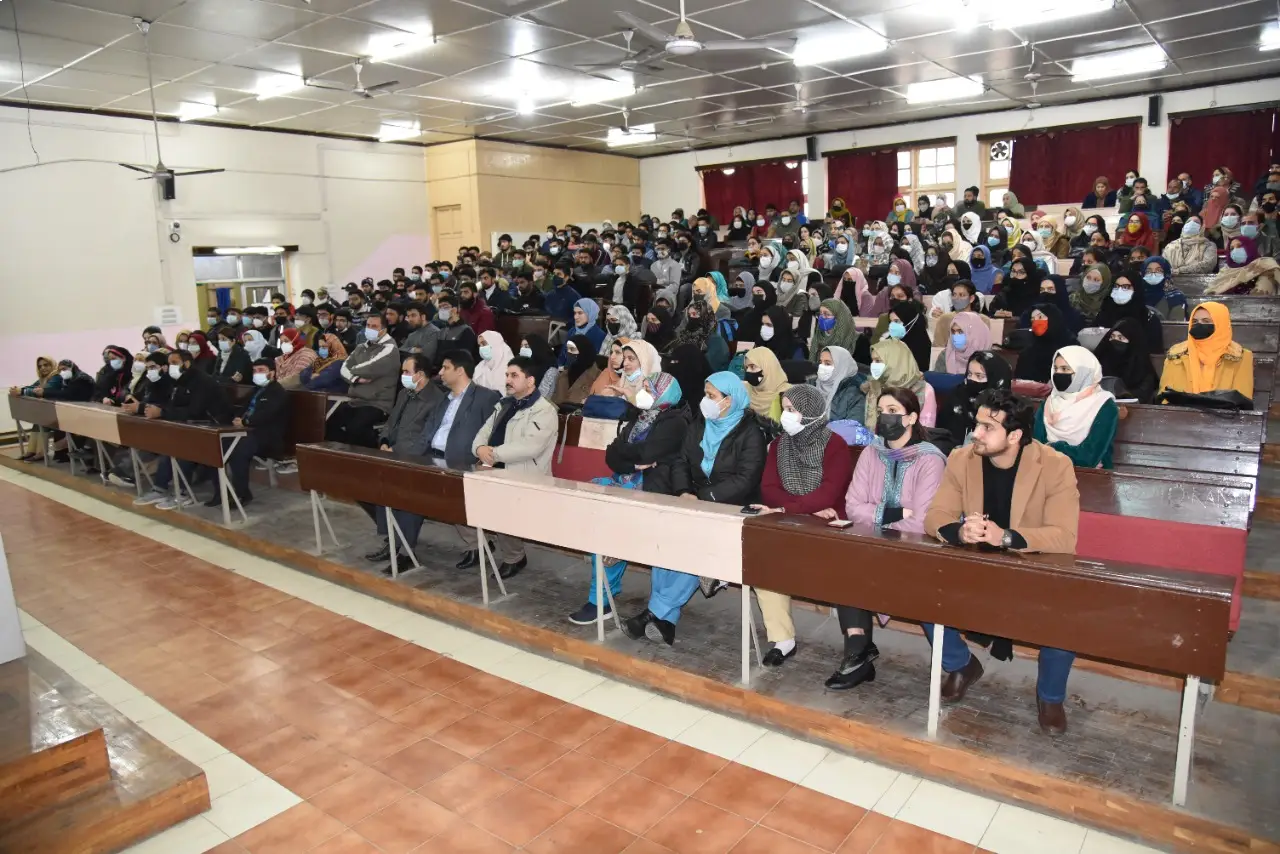
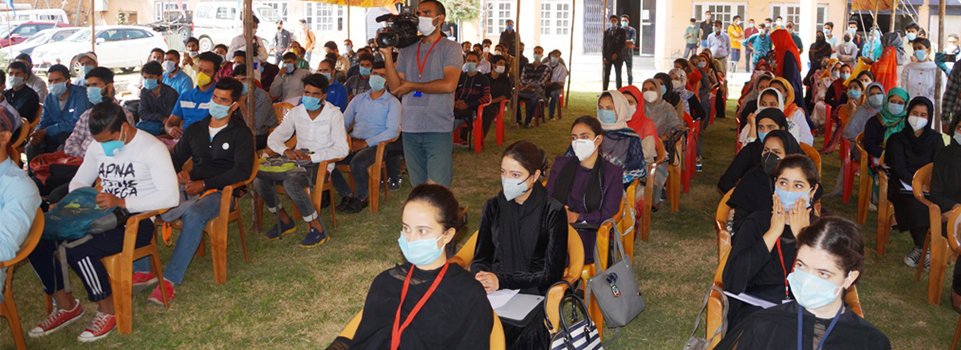
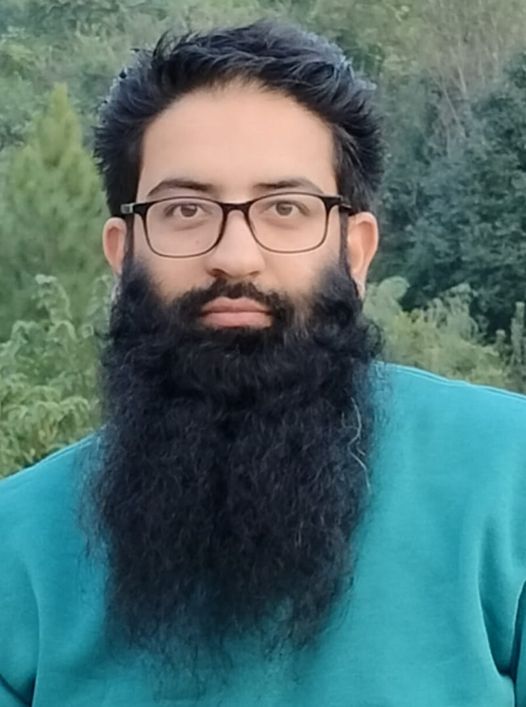
Faizan Shakeel Badhana, a young student from the remote village of Nachayan in Karnah, Kupwara, has become the first from the Gujjar community in north Kashmir to crack the IIT-JEE Advanced, one of India’s toughest engineering entrance exams in his very first attempt. Hailing from an area where basic educational infrastructure remains a challenge, Faizan’s journey is proof of resilience, self-belief, and determination. “If I can do it, anyone can,” he told Rising Kashmir with quiet pride. Faizan received his primary education in Nachayan before moving to Srinagar in 8th grade. He completed his 10th grade at New Convent School, and went on to pursue his higher secondary education at SP Secondary School. It was during his 12th grade, after joining RISE Institute in Srinagar for coaching, that he truly began to understand the path to competitive exams like IIT-JEE. “Until class 10, we had very little idea of what engineering or JEE even meant,” Faizan recalls. “It was only after speaking with a cousin, who was studying Computer Science Engineering, that I became interested in the field.” Despite the lack of coaching centres or educational resources in his village, Faizan’s drive pushed him forward. He had earlier qualified the NDA written exam, scoring 97 percentile, and was awaiting the viva at the time. He also cleared both stages of a Mathematics Olympiad, as well as Stage 1 and Stage 2 of the NDE (National Defence Examination), eventually qualifying for the GED (General Engineering Diploma entrance). “I was the first student from my class to qualify for the GED,” he said. “We didn’t know what these exams were or what to do after qualifying them. Exposure is key.” Faizan credits his success not just to hard work, but to the timely mentorship he received. “When I joined RISE, everything changed. The teachers, especially Mr. Azaan, guided me at every step. I didn’t even know how to study before that,” he admits. He highlighted the role of proper direction in competitive exam preparation. “Even if someone works hard, without the right guidance, they might fall behind. It’s crucial to have someone to show the way.”
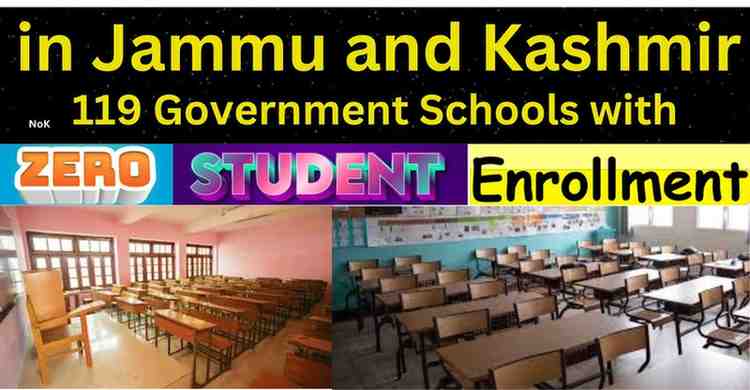
The official figures previously had revealed that the primary schools category of government schools was hit badly wherein the count of overall public schools in Jammu and Kashmir reduced by nearly 30 percent.
According to the official figures a total of 12,977 government primary schools were functioning in Jammu and Kashmir. However, after the merger, only 8966 primary schools are functional.
Similarly, 392 government middle schools, three high schools and one higher secondary were deleted from the UDISE Plus list.
Stating the statistics of private and other schools, the official figures had previously revealed that there were a total of 5688 such educational institutes out of which only 5555 schools were functional as of now.
Overall, Jammu and Kashmir used to have 28,805 government and private schools. However, as per the official figures, the count had reduced to 24,279 schools.
Previously, the School Education Department had said that it had identified more than 1200 such government schools that were having low enrollment of students.
It had said that such schools would likely be merged in accordance to the catchment and feasibility of the students. In April-2022, School Education Department had said that it was all set to merge 720 government-run-schools of Jammu and Kashmir having an inadequate student enrollment.
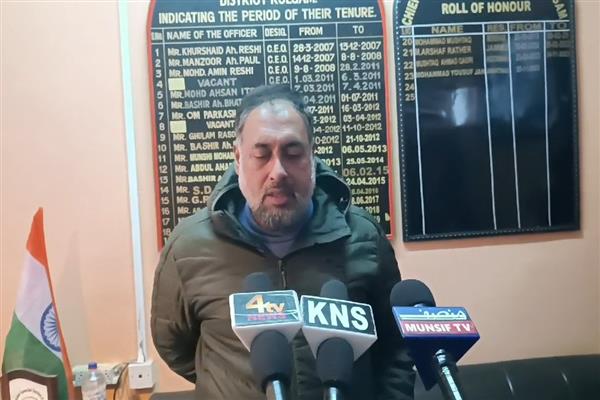
Chief Education Officer (CEO) Iqbal Hussain has issued a stern warning to private schools in the Kulgam district, cautioning them against using school buildings and buses for tuition classes during the winter break. The warning comes after multiple complaints were received regarding violations of the prescribed guidelines by some private institutions. CEO Hussain stressed that such activities during the winter break disrupt the intended purpose of the holidays and are a clear violation of the norms. He emphasized that the winter break is a time for students to rest and rejuvenate, and any misuse of school premises or transportation services for unauthorized purposes would be treated with utmost seriousness. “If any private school is found guilty of utilizing its facilities for tuition classes or other unauthorized activities, strict action will be taken, including the revocation of the school’s registration,” warned Hussain. The warning serves as a reminder to educational institutions to uphold the integrity of the winter holidays and ensure that students are given the opportunity to enjoy their well-deserved break. Hussain urged all school administrations to comply with the guidelines and refrain from any actions that would jeopardize students’ welfare during this time. The CEO’s dir
ective underlines the government’s commitment to ensuring that students receive both quality education and the rest they are entitled to during the winter break.(KNS)
Dr. GN Itoo Thursday assumed the charge as Director School Education Kashmir in the presence of outgoing Director, Tasaduq Hussain Mir.
In a formal handover ceremony, Dr. Itoo was accorded a warm welcome by the officers and officials present. He expressed his gratitude to the gathering of officers and officials on the occasion.
Following the take over of charge, Dr Itoo chaired an introductory meeting, and stated that vacant positions of principals, ZEOs, and headmasters in various schools will be filled on a priority basis.
He directed all CEOs, principals, cluster heads, and ZEOs to work in coordination with each other. He emphasized the need to strengthen the public delivery system and ensure that all matters related to teaching and non-teaching staff, as well as the general public, are addressed within a stipulated timeframe.
Dr. Itoo also stated that resolving parents’ issues and addressing their concerns in a timely manner will be a top priority for the department.
He urged all government and private school administrators to work diligently and follow rules and regulations to meet parents’ expectations.
It may be recalled here that before joining as Director, School Education Kashmir, Dr Itoo served as Mission Director, Jal Shakti during which supply and distribution of potable drinking water was taken to remote uncovered areas of J&K. He has already served as Director School Eduction Kashmir in his first stint besides serving as Director Tourism, Kashmir, Deputy Commissioner, Baramulla and Director Estates.
Dr. Zishan Ahmad Wani, an exceptional academic and accomplished Ph.D. scholar, has become a noteworthy name in the field of biodiversity research. Completing his doctoral studies in 2023 at the Department of Botany, Baba Ghulam Shah Badshah University (BGSBU), Rajouri, Jammu & Kashmir, Dr. Wani has consistently demonstrated unparalleled dedication to his research. His work is not only a matter of pride for his alma mater but also serves as an inspiration to aspiring researchers in the field of biodiversity conservation.
Dr. Wani’s academic journey is marked by his significant research on the vascular plant diversity, community characteristics, and the status of threatened plant species within the Gulmarg Wildlife Sanctuary (GWLS) in the Kashmir Himalaya. This sanctuary, known for its rich and unique ecological significance, provided a challenging yet rewarding environment for Dr. Wani’s in-depth studies. His research has contributed valuable insights into the plant biodiversity of the region, aiding in understanding and conserving its ecological balance.
One of Dr. Wani’s most commendable achievements is the sheer volume and quality of his scholarly contributions. With over 50 publications in high-impact, internationally reputed journals, he has established himself as a prolific researcher. His work is widely recognised and cited, reflecting its importance in the field of botanical and ecological research. Moreover, Dr. Wani’s academic output extends beyond journal articles to include two comprehensive books and more than 10 book chapters. This broad body of work underlines his extensive expertise and deep commitment to advancing the study of biodiversity.
Dr. Wani’s dedication to academic excellence is also evident in his involvement with various scientific publications. Serving on editorial and review boards, he plays an active role in the peer-review process, ensuring the quality and integrity of research in his field. This engagement highlights his status as a respected figure within the scientific community, contributing not only through his own research but also by guiding and upholding high standards in the work of his peers.
The recognition Dr. Wani has received is further exemplified by his selection for prestigious postdoctoral scholarships at the University of Malaysia Kelantan and SRM University in Andhra Pradesh, India. These opportunities are a testament to his academic distinction and the global relevance of his research. His postdoctoral pursuits promise to further enrich his expertise and enable collaborations that will have broader implications for biodiversity conservation efforts.
Currently, Dr. Wani is working as a Research Associate – I at the GB Pant National Institute of Himalayan Environment in Almora, Uttarakhand. This institute, an autonomous body under the Ministry of Environment, Forest, and Climate Change of the Government of India, provides an ideal platform for Dr. Wani to continue his impactful work. His ongoing research supports the institute’s mission of sustainable development and environmental stewardship in the Himalayan region.
Dr. Wani’s academic journey would not be complete without mentioning his mentor, Dr. Shreekar Pant, a renowned Himalayan Biodiversity Expert and Coordinator at the Centre for Biodiversity Studies. Under Dr. Pant’s supervision, Dr. Wani honed his skills and expanded his research capabilities, paving the way for his current and future accomplishments.
The scholarly achievements of Dr. Zishan Ahmad Wani are a source of inspiration for many young researchers. His work exemplifies the importance of dedication, rigorous scientific inquiry, and a commitment to preserving the natural world. His story encourages future generations to pursue research that not only contributes to academic knowledge but also supports the crucial goal of biodiversity conservation.
Advocate Hafeez Ahmad Lone, hailing from the remote village of Wanpora in the Gurez Valley of Bandipora district, has brought immense pride to his community by achieving a remarkable milestone—qualifying for the Union Public Service Commission (UPSC) Public Prosecutor Exam 2023. This accomplishment has not only earned him national recognition but also made him a beacon of hope for aspiring candidates from Jammu and Kashmir.
Lone’s extraordinary feat came with an impressive 44th rank in the All India Rank (AIR) list, making him the sole candidate from Jammu and Kashmir to clear this prestigious exam. The UPSC Public Prosecutor Exam, which is conducted for coveted positions within the Central Bureau of Investigation (CBI), involved a rigorous selection process. The written exam took place on December 17, 2023, followed by interviews between September 17 and September 20, 2024. On October 17, 2024, when the final results were announced, Hafeez Ahmad Lone was named as one of the 48 successful candidates across the country.
This achievement has etched Lone’s name in history as the fourth person from District Bandipora to qualify for the UPSC, and more notably, he is only the second candidate from the entire Kashmir Valley to clear the UPSC Public Prosecutor Exam. His success is a testament to his unwavering perseverance, grit, and passion.
The journey to this triumph was far from easy. Advocate Hafeez Ahmad Lone spent 14 long years attempting various state-level Public Service Commission exams, facing numerous setbacks along the way. Yet, despite these challenges, he remained steadfast in his pursuit of success. “I was fortunate enough to be among the 48 successful candidates this year,” Lone reflected, acknowledging how the numerous disappointments in state-level exams could not deter him. “For 14 years, I continued my persistent struggle to achieve something extraordinary,” he added, demonstrating his resilience.
To qualify for the UPSC Public Prosecutor Exam, a candidate must have at least seven years of experience as an advocate, specifically handling criminal cases in courts across the country. This demanding requirement meant that Lone had to not only meet high academic standards but also gain extensive professional experience in the legal field. His legal journey began with humble roots. He completed his early education at Government High School Wanpora, followed by higher secondary studies at HSS Dawar. He later pursued his graduation at Degree College Baramulla before obtaining his LLB from the University of Kashmir. After earning his law degree, Lone started practising law at the Jammu and Kashmir and Ladakh High Court in Srinagar, as well as in subordinate courts.
Currently, Hafeez Ahmad Lone holds a significant position as a Law Officer in the Department of Law, Justice, and Parliamentary Affairs in the Jammu and Kashmir Civil Secretariat. His achievement, however, is not just a personal victory; it is a symbol of years of hard work, dedication, and overcoming adversity.
One of the most poignant aspects of Lone’s story is the adversities he faced early in life. Orphaned at just two months old, he was raised by his grandfather and mother, who were instrumental in shaping his life and career. His grandfather, Late Abdul Rehman Lone, and his mother, Ms. Sajida Begam, made countless sacrifices to ensure that he received an education and had the opportunities needed to pursue his dreams. “It was my family’s unwavering support that enabled me to reach this stage,” Lone said, speaking with deep gratitude. “My grandfather always encouraged me to aim high, and my mother sacrificed so much to ensure that I never lacked anything.”
He also credited his wife, Ms. Naheeda Nisar, for being a constant source of support and encouragement throughout his journey. “I owe this success to her as well,” he remarked, reflecting on how her belief in him never wavered, even during the most challenging moments of his journey.
Lone did not achieve this success alone. He expressed his heartfelt thanks to his colleagues and senior officers, including Law Secretary Shri Achal Sethi, Secretary ARI Department Muzaffar Hussain, Secretary Assembly Manoj Bhat, and others, for their support and guidance throughout his career. Their encouragement helped him stay focused on his goals and continue striving for excellence.
As a source of inspiration for future generations, Advocate Hafeez Ahmad Lone has an important message for aspiring candidates. “Perseverance and hard work are the keys to success,” he emphasised. “It’s not just about passing the UPSC exam or any other test, but about achieving any goal in life. If you struggle and work hard, luck will eventually favour you.” He added that with consistency, motivation, and dedication, even the most difficult exams can be cleared. “Nothing is impossible,” he affirmed, pointing to his own life as an example of overcoming obstacles through determination.
Lone’s journey is deeply inspired by the famous quote from Ernest Hemingway’s The Old Man and the Sea: “A man can be destroyed but not defeated.” His personal story, from growing up in a remote village in the Gurez Valley to becoming one of the few from the region to clear the UPSC Public Prosecutor Exam, stands as a powerful reminder of the strength of human will and the importance of family support.
In conclusion, Advocate Hafeez Ahmad Lone’s remarkable achievement not only highlights his own perseverance but also serves as a beacon of hope for countless others. His success underscores the belief that with hard work, persistence, and support from loved ones, any goal, no matter how challenging, can be achieved.
Government Medical College (GMC) Srinagar held a grand ceremony on Monday to welcome the new MBBS Batch of 2024. During the event, the freshers were introduced to the Heads of Departments, faculty members, administration, and academic staff, marking the start of their medical journey.
The students were briefed on the college’s rules, regulations, and academic schedules, as well as the range of facilities available to them. They were introduced to key departments such as Anatomy, Physiology, Biochemistry, and others that are central to their undergraduate studies.
Additionally, the new batch was familiarised with associated hospitals, including Govt. SMHS Hospital, Govt. Super Specialty Hospital, Govt. 500-Bedded Children Hospital Bemina, Govt. Bone & Joint Hospital, Govt. Chest Disease Hospital, Govt. LD Hospital, Kashmir Nursing Home, and the Institute of Mental Health & Neurosciences. They also received an overview of peripheral health centres linked with the Department of Community Medicine.
In her welcome address, the Principal and Dean of GMC Srinagar, Prof. Dr Iffat Hassan, warmly greeted the students and their parents. She emphasised the college’s dedication to delivering high-quality medical education, highlighting its academic excellence, clinical exposure, research opportunities, and comprehensive student support services. Parents were encouraged to work closely with teachers and the college administration to help shape their children into capable and compassionate doctors.
Heads of various departments, including Prof. Nahid Nahvi (Microbiology), Prof. Ghulam Mohammad (Anatomy), Prof. Sabiya Majeed (Biochemistry), Prof. Shahzada Salim Khan (Community Medicine), Dr Arsalan (Forensic Medicine), Prof. Rakesh Kaul (Medicine), Prof. Iqbal Saleem (General Surgery), Prof. Muzzafar Jan (Paediatrics), Prof. Mohammad Maqbool (Psychiatry), Prof. Altaf Kawoosa (Orthopaedics), Dr Yasmeen Jabeen (Dermatology), Prof. Masuma Rizvi (Gynaecology & Obstetrics), and Prof. Shoukat Ahmad Kadla (Gastroenterology), also introduced their respective departments. They highlighted the departmental strengths, faculty expertise, teaching approaches, and research focus areas, while extending a warm welcome to the students.
The Administrator of the associated hospitals, Mohammad Ashraf Hakak, and other administrative staff were introduced to the freshers as well.
Prof. Suhail Ahmad Gilkar from the Physiology department, who is also the Coordinator of the Medical Education Unit (MEU), moderated the event. He provided an overview of GMC Srinagar and administered the induction oath to the students. Additionally, the Deputy Registrar of Academics, Prof. Saleem Ittoo, briefed the students on the teaching programmes and encouraged them to work hard, develop critical thinking, and seek guidance from their faculty and mentors.
Seerat Baji, a name that has resonated across India, is not just an IAS officer but a symbol of determination, resilience, and the indomitable spirit of the human heart. Hailing from the remote village of Kanthol in Rajouri district, Jammu and Kashmir, Seerat’s journey to the Indian Administrative Service (IAS) is a testament to the power of dreams and the unwavering support of family.
Born into a modest family, Seerat’s childhood was shaped by the simple joys and challenges of rural life. Her parents, recognizing the importance of education, encouraged her to pursue her academic goals. Despite the limitations of their village, Seerat’s thirst for knowledge was insatiable. She excelled in her studies, leaving a trail of academic achievements.
A Dream Takes Shape
As Seerat progressed through her education, a dream began to take shape within her. Inspired by the stories of dedicated civil servants who made a positive impact on society, she aspired to become an IAS officer. The idea of serving her community, particularly the marginalized and underprivileged, ignited a passion within her.
Challenges and Overcoming Obstacles
The path to the IAS is fraught with challenges, and Seerat was no stranger to them. The limited resources available in her village, coupled with the lack of coaching facilities, posed significant hurdles. However, her determination and resilience proved to be her greatest assets. She made the most of the available resources, studying diligently and seeking guidance from teachers and mentors who believed in her potential.
A Journey of Self-Discovery
Seerat’s journey to the IAS was not just about academic excellence; it was also a personal journey of self-discovery. She learned to manage her time effectively, balance her studies with extracurricular activities, and develop a strong work ethic. She also discovered the importance of perseverance and resilience in overcoming setbacks.
The UPSC Exam: A Turning Point
The Union Public Service Commission (UPSC) exam, considered one of the toughest competitive exams in the world, is a daunting prospect for even the most prepared candidates. Seerat approached the exam with a combination of confidence and humility. She had spent countless hours studying, practicing mock tests, and honing her analytical skills.
Success and Recognition
Seerat’s hard work and dedication paid off when she secured an All India Rank (AIR) of 516 in the UPSC exam. Her achievement was celebrated not only in her village but across the country. She became an inspiration to countless young people, proving that with determination and perseverance, one can overcome any obstacle and achieve one’s dreams.
A Role Model for Women
Seerat’s success has had a particularly significant impact on young women from rural areas. Her journey has shattered stereotypes and demonstrated that girls from even the most remote villages can aspire to the highest positions in society. She has become a role model for women who face challenges and discrimination, inspiring them to pursue their own ambitions.
The Road Ahead
As an IAS officer, Seerat is now poised to make a meaningful contribution to society. Her experiences as a young woman from a rural background have given her a unique perspective on the challenges faced by marginalized communities. She is committed to using her position to address these challenges and improve the lives of people in her region.
Seerat Baji’s Legacy
Seerat Baji’s story is a testament to the power of dreams, determination, and the unwavering support of family. Her journey from a remote village to the Indian Administrative Service is an inspiration to millions. She has shown that with hard work, dedication, and a belief in oneself, anything is possible. Seerat’s legacy will continue to inspire generations to come, reminding them that they too can achieve greatness.:
Seerat Baji: A Rural Girl’s Rise to IAS
Seerat Baji, a young woman from the remote village of Kanthol in Jammu and Kashmir, India, has achieved a remarkable feat by securing an All India Rank of 516 in the Union Public Service Commission (UPSC) exam. Despite facing challenges due to her limited access to resources in her hometown, Seerat’s determination and hard work led her to this success.
Her journey is a testament to the power of perseverance and the importance of education, even in the face of adversity. Seerat’s achievement has become a source of inspiration for many young people, particularly girls from rural areas, demonstrating that with dedication and focus, one can overcome any obstacle.
In today’s fast-changing world, technical skills have become more important than ever, especially in regions like Kashmir, where industries are rapidly evolving. The Department of Skill Development has been at the forefront of providing high-quality technical education through its wide network of Industrial Training Institutes (ITIs) and Polytechnics. With a focus on creating a skilled workforce that meets the needs of local industries and the global market, the department offers a range of courses designed to equip students with the practical expertise needed to succeed in various fields. From core engineering disciplines to specialised technical training, these institutions are paving the way for a brighter future for Kashmir’s youth.
1. The Role of Skill Development in Industrial Growth Skill development plays a critical role in driving industrial growth, particularly in regions like Kashmir, where industries rely heavily on trained manpower. Skilled workers are the backbone of industrial progress, and without them, it is challenging to maintain the pace of development. By providing youth with technical skills, the region not only boosts employment but also ensures the steady growth of industries such as handicrafts, manufacturing, and information technology. Skill development ensures that local industries remain competitive, fostering socio-economic stability in Kashmir.
2. Vision and Mission of the Skill Development Department The Skill Development Department in Kashmir aims to create a robust system of technical education that is aligned with the needs of modern industries. The department’s vision is to equip the youth with employable skills, ensuring that they are capable of contributing to both the local economy and the global workforce. The mission revolves around providing high-quality education and training, enhancing employment opportunities, and addressing the specific needs of businesses and communities in Kashmir.
3. Historical Background of the Directorate of Skill Development The Directorate of Skill Development in Kashmir was established to address the growing demand for skilled labour in the region. Initially operating under the Department of Industrial Training and Employment, the directorate was formally constituted in 1981. Before that, polytechnics were under the control of the Higher Education Department. The creation of the Directorate was a crucial step in consolidating various technical training programmes under one administrative body, facilitating more focused and strategic planning for Kashmir’s industrial workforce.
4. Evolution of ITI’s and Polytechnics Under the Department The evolution of Industrial Training Institutes (ITIs) and Polytechnics in Kashmir reflects the region’s commitment to technical education. Initially, the department had just a handful of institutions, but over the years, this number has grown substantially. Today, ITIs and Polytechnics in both government and private sectors offer a variety of courses aimed at building a technically skilled workforce. The continuous growth in the number of these institutes highlights the increasing demand for skilled labour in Kashmir’s evolving industries.
5. Expansion of Training Institutes: A Growth Overview Kashmir has seen remarkable growth in the number of training institutes over the past few decades. From just seven ITIs and two Polytechnics, the region now boasts 60 ITIs and 32 Polytechnics. This expansion has not only increased the capacity for technical education but has also diversified the types of training available. The growth in both government and private sector institutes demonstrates the success of policies aimed at promoting skill development and highlights the importance of technical education for the region’s economic future.
6. Intake Capacity and Course Offerings in ITI’s and Polytechnics The intake capacity in Kashmir’s ITIs and Polytechnics has also grown significantly. ITIs now offer training in 72 different trades, ranging from six-month to two-year courses, with a total intake of 15,763 students. Meanwhile, Polytechnics provide 16 different AICTE-recognised diploma programmes with an intake of 5,655 students. These institutions cover a broad spectrum of technical fields, including both core and specialised engineering and non-engineering disciplines, ensuring that students have access to a wide range of career opportunities.
7. Human Resource Development Schemes and Initiatives The Skill Development Department in Kashmir has implemented several schemes aimed at human resource capacity building. These initiatives are designed to equip young people with the technical skills required to meet the demands of local industries. One of the department’s key initiatives is the Skill Development Mission, which aims to train thousands of youth in employable technical skills. Other schemes include Public Private Partnership (PPP) initiatives, as well as centrally funded programmes that focus on both short- and long-term training.
8. Skill Development Mission: Targets and Achievements The Skill Development Mission in Kashmir has set ambitious targets for training the region’s youth. The goal is to provide technical training to 78,593 young people over a five-year period. By 2013, the department had already trained 24,626 individuals, with a further 44,813 expected to be trained by the end of the financial year. These efforts are designed to ensure that the youth of Kashmir are well-equipped to meet the demands of the modern job market, both locally and nationally.
9. Centrally Funded Schemes for Polytechnic and ITI Sectors Several centrally funded schemes have been introduced to support the Polytechnic and ITI sectors in Kashmir. One such programme is the Community Development Through Polytechnics (CDTP) scheme, which aims to provide short-term skill training to rural and economically disadvantaged communities. This initiative is particularly significant in Kashmir, where many people in remote areas rely on local industries for their livelihoods. Through CDTP and other similar programmes, the department is working to uplift the economic conditions of the region’s rural population.
10. Vision for the Future: Expanding Access and Enhancing Quality The future vision of the Skill Development Department in Kashmir focuses on expanding access to technical education and improving the quality of training. The department aims to make skill development opportunities available to all, regardless of socio-economic background. This will be achieved through the expansion of existing institutions, the creation of new ones, and the regular updating of curricula to meet the latest industry standards. The ultimate goal is to create a skilled workforce that can drive economic growth and prosperity in Kashmir, while also maintaining high standards of education and training.
Appeal to Students
If you’re looking to build a successful career and contribute to the growth of Kashmir’s industries, now is the perfect time to join the technical education revolution. Whether you’re interested in engineering, manufacturing, information technology, or any other technical field, our ITIs and Polytechnics offer a variety of courses to match your interests. By enrolling in these programmes, you’ll gain hands-on experience, recognised qualifications, and the skills that employers are seeking. Take the first step towards a promising future—join us today and be part of Kashmir’s journey to industrial and economic prosperity.
Shahzad Ahmed Parra, Research Scholar,Shahzad Ahmed Parra successfully defended his PhD viva voce on the title
A comparative study of Rooh al -Ma’ani by Imam Mahmood al-Aloosy and Adwa al-Bayan bu Mohammad al-Amin al-Shabqeety Under the Supervision of Dr. Manzar Alam, Assistant Professor Department of Arabic.
In a significant academic milestone, Najam Rauf, a Research Scholar from the Department of Management Studies, has successfully defended his PhD thesis titled ‘The Impact of Teacher Efficacy on Student Satisfaction: A Study of Universities in Jammu & Kashmir.’ This achievement marks a notable contribution to the field of educational management, particularly in the context of higher education in the Jammu and Kashmir region.
The research, supervised by Dr. Parvez Abdullah and Dr. Vinay Kumar, delves into the critical relationship between teacher efficacy and student satisfaction—a topic of considerable relevance in contemporary educational discourse. Teacher efficacy, or the belief in one’s own ability to affect student outcomes, has been widely recognised as a key factor influencing student satisfaction and overall academic performance. Najam Rauf’s study aimed to assess this impact within the specific context of universities in Jammu and Kashmir, providing valuable insights into how teacher effectiveness can enhance student experiences and outcomes.
The defence of the thesis involved a rigorous examination of Rauf’s research methodology, data analysis, and findings. The committee, composed of academic experts and peers, scrutinised the work’s contribution to existing literature, its practical implications, and its relevance to the higher education sector. Rauf’s thorough analysis and well-argued conclusions received commendation from the panel, affirming the robustness of his research.
Dr. Parvez Abdullah and Dr. Vinay Kumar, who guided Rauf throughout his doctoral journey, have praised his dedication and scholarly approach. Their mentorship has been instrumental in shaping the research, ensuring that it addresses pertinent issues with academic rigor and practical relevance.
Najam Rauf’s successful thesis defence not only highlights his personal academic achievements but also contributes significantly to the broader field of educational management. The findings of his study are expected to inform policy and practice in higher education institutions, offering strategies to enhance teaching effectiveness and improve student satisfaction.
As Rauf moves forward from this academic milestone, he is likely to continue his engagement with research and academia, building on the foundation laid by his doctoral work. The academic community anticipates that his future contributions will further advance understanding in the field of education and inspire further research on teacher efficacy and student satisfaction.
Congratulations to Najam Rauf on this remarkable achievement, and best wishes for his future endeavours in the realm of academic research and education.
The National Council of Educational Research and Training (NCERT) has suggested a new evaluation model, proposing that students’ performance in Classes 9, 10, and 11 should contribute to their Class 12 board results.
The suggestions were made in the report titled ‘Establishing Equivalence across Education Boards’ (released in the month of July).
The report suggested a progressive assessment framework for Classes 10 and 12. The new framework divides the academic year into two terms. The report also recommended that Class 12 board results to now include marks from Classes 9, 10, and 11.
The report mentioned, “The weightage of formative and summative marks will be adjusted progressively from class 9 to class 12, increasing the emphasis on summative assessment as learners advance in grades. Specifically, class 9 features a 7 per cent formative and 30 per cent summative split, class 10 an equal 50% formative and summative division, class 11 a 40 per cent formative and 60 per cent summative distribution, and class 12 a 30 per cent formative and 70 per cent summative ratio.”
“Consequently, the cumulative marks at the end of the secondary stage are 15 percent for class 9, 20 percent for class 10, 25 percent for class 11, and 40 percent for class 12,” the report mentioned. This means that students’ performance over the years will play a significant role in their final scores.
The suggested assessment framework for learners in classes 9 through 12 will employ a comprehensive approach that balances both, formative (ongoing) and summative (end-term) assessment methods to provide a holistic view of learners’ progress.
For classes 10 and 12, the assessment framework will be divided into two terms, the report suggests. “Terms will feature Classroom Assessments through HPCs, involving Portfolio Assessment, Self Assessment, Peer Assessment, Teacher Observation, Group Work, and Laboratory activities,” it mentions.
The report also proposed the End Term Assessment will continue with competency-based assessments using ITMS, with teachers selecting from the question bank. Term II will introduce formative assessment with additional components such as Project Work, Paper Presentations with viva voice, and Group Discussions.
“The summative assessment will consist of a common paper consisting of Long Answers, Short Answers, Very Short Answers, and Multiple Choice Questions linking with the Learning Outcomes, based on the question paper design and blueprint,” the report mentions. (ANI)
Ujala Amin, Research Scholar in the Department of Islamic Studies, successfully defended her Ph.D. open Viva-Voce. She worked on ‘Sufi Approach to Communal Harmony & Coexistence: A Case Study of Kashmir’ under the supervision of Dr. Naseem Gul.
Basith Nabi Wani,Research Scholar, Centre for Hospitality and Tourism successfully defended his PhD open Viva Voce. He worked on the title ‘A Study on Entrepreneurship in the Hospitality Industry in Jammu and Kashmir ‘ under the supervision of Dr. Danish Iqbal Raina and Dr. Parvez Abdullah.
S Shahid Yaseen , Research Scholar, Department of Management Studies successfully defended his PhD open viva Voce. He worked on the title ‘Assessment of Vocational Education in developing Self-reliance among youth in J&K-with special reference to B.voc and Community Colleges’ under the supervision of Dr. Kafeel Ahmed, Assistant Professor, Department of Management Studies.
According to an order issued by the Principal Secretary of the Higher Education Department (HED), Alok Kumar, it states, “In the interest of administration, it is hereby ordered that the Principal of Government College of Education, Srinagar, shall also serve as the Nodal Principal of Colleges in the Kashmir Division, alongside her existing duties. This decision relieves Professor Dr. Sheikh Ajaz Bashir, Director of Colleges, J&K, of his role as Nodal Principal for Kashmir Division, effective immediately.”Click Here To Follow Our WhatsApp Channel
During the event, faculty members of the Government College of Education, led by senior faculty member Professor Dr. Nazir Ahmad Bhat, extended their congratulations to Professor Dr. Seema Naz on her new appointment as Nodal Principal for the Kashmir Division Colleges.
On behalf of the faculty, Dr. Bhat assured full support for advancing the higher education department and improving the student community’s welfare.
In her address to the staff, Professor Dr. Seema Naz emphasised the importance of teamwork and urged everyone to maintain transparency and integrity in all their efforts.
The analysis of enrolment data for the academic years 2023-24 and 2022-23, based on UDISE+ data from government schools, indicates a decline of 61,451 students over one year.
This decrease in enrolment is evident when comparing UDISE data for 2022-23 with that of 2023-24. According to official documents, this decline has been identified across 554 schools in J&K within the year.In light of this troubling revelation, the Directorate of Samagra Shiksha J&K has instructed all Chief Education Officers (CEOs) to validate the data and investigate the reasons behind the decline in school enrolment.
“Several schools are showing a significant decline. 554 schools have been identified which are showing a decrease of 61,451 in enrolment,” states an official communication addressed to all CEOs.
The Directorate of Samagra Shiksha has attached a list of these schools with the official communication, highlighting those where enrolments have dropped by more than 50 students compared to the previous year.
“You are requested to review and validate the provided details and communicate any insights or reasons elucidating the observed decline in enrolment,” the official document reads.CEOs have been asked to submit their reports by July 3, 2024.
“The report should be authenticated by the concerned Chief Education Officer so that the J&K-level report can be finalised at an early date. Your immediate attention to this matter within the given timeframe is of paramount importance,” the document reads.
This decline in enrolment has been noted despite the annual enrolment drives conducted by the School Education Department (SED) over the past few years.The department claimed to have registered over one lakh new admissions in schools across various classes.
Despite these claims of increased student enrolment in previous years, the analysis of UDISE data has shown a decline of over 61,000 students in just one year.
Tabinda Jan, a student of Euro Presentation Secondary School, Nai Basti Anantnag, has emerged as the topper in the JKBOSE Class 10th results with an outstanding score of 99.6%. Expressing her aspirations, Tabinda revealed her ambition to pursue a career as a neurosurgeon.
In an exclusive interview with Rising Kashmir, Tabinda shared her journey to success, mentioning that while she expected good marks, becoming the top scorer came as a pleasant surprise. She attributed her achievement to a supportive family environment where her father, a government employee, and her mother, a homemaker, nurtured a conducive atmosphere for her studies. Tabinda also acknowledged her brother’s assistance during challenging times, particularly in winter.
Reflecting on her study habits, Tabinda emphasized maintaining consistency rather than last-minute cramming, which she believes reduces stress and enhances clarity in understanding subjects. She plans to focus on medical subjects to pursue her dream of becoming a neurosurgeon.
In a message to fellow students, Tabinda congratulated those who succeeded and encouraged those who didn’t to stay motivated and resilient, emphasizing that class 10th marks are not definitive in one’s journey to success.
When asked about her inspiration, Tabinda credited her parents for their unwavering support and encouragement throughout her academic journey.
For the past 34 years, the people of Kashmir have faced immense challenges due to ongoing militancy. This prolonged conflict has deeply affected all aspects of life in the region, with education being one of the most significant areas impacted. Despite these adversities, the resilience and determination of Kashmiris to pursue education remain strong. Let’s delve into the struggles and triumphs of education in Kashmir amidst the backdrop of militancy.
The Impact of Militancy on Education
The ongoing conflict has had a profound effect on the educational landscape in Kashmir. Schools and colleges have often been caught in the crossfire, leading to frequent closures. This has disrupted the academic calendar and hampered students’ ability to learn consistently. Many educational institutions have been damaged or destroyed, making it difficult to provide a safe learning environment.
Psychological Effects on Students
Living in a conflict zone has severe psychological impacts on children and young adults. Exposure to violence, loss, and uncertainty can lead to stress, anxiety, and trauma, which in turn affect their ability to concentrate and learn. The constant state of unrest makes it hard for students to focus on their studies, and many suffer from mental health issues that are often unaddressed due to a lack of resources.
The Role of Educators
Teachers in Kashmir face unique challenges. They have to navigate through disrupted schedules, limited resources, and the psychological trauma of their students. Despite these hurdles, many educators remain dedicated to their mission of teaching. They often go beyond their professional duties, providing emotional support and guidance to their students. Their resilience and commitment are crucial in maintaining a semblance of normalcy in the educational process.
Community and Government Initiatives
In response to the challenges, various community and government initiatives have been implemented to support education in Kashmir. Local NGOs and international organizations have stepped in to rebuild schools, provide learning materials, and offer psychological support. The government has also taken steps to improve the situation by introducing schemes to ensure that education continues despite the disruptions. Online education platforms have been promoted, especially during times when physical attendance in schools is not possible.
The Rise of Online Education
The advent of online education has provided a significant boost to learning in Kashmir. With internet access becoming more widespread, students can now access educational resources and continue their studies from home. Online classes, digital textbooks, and e-learning platforms have become invaluable tools for ensuring that education does not come to a standstill, even during periods of heightened conflict.
Success Stories and Hope
Despite the adversities, there have been numerous success stories from the region. Many Kashmiri students have excelled academically, gaining admission to prestigious institutions both within India and abroad. These success stories serve as beacons of hope and inspiration for others, demonstrating that determination and hard work can overcome even the most daunting challenges.
The Importance of Education for Peace
Education plays a vital role in fostering peace and rebuilding societies affected by conflict. In Kashmir, education can be a powerful tool for promoting understanding, tolerance, and reconciliation. By educating the youth, we can equip them with the skills and knowledge needed to build a more peaceful and prosperous future. Investing in education is investing in peace, as it helps to break the cycle of violence and create opportunities for dialogue and development.
Conclusion
The last 34 years of militancy have undeniably taken a toll on education in Kashmir, but the spirit of learning has not been extinguished. The resilience of students, educators, and communities in the face of adversity is truly inspiring. By continuing to support educational initiatives and providing the necessary resources, we can help ensure that the children of Kashmir receive the education they deserve. Education is not just a means to personal growth; it is a pathway to peace and a brighter future for the entire region. Let us stand together to prioritize and protect the right to education for all, especially in conflict-affected areas like Kashmir.
Education is often seen as the key to a brighter future. It plays a crucial role in shaping individuals, communities, and entire nations. While it may seem like a simple process of going to school, learning involves much more than just reading books and passing exams. It’s about personal growth, understanding the world, and finding our place in it. Let’s explore why education is so important in human life.
Building Knowledge and Skills
At its core, education equips us with the knowledge and skills needed to navigate the world. From basic literacy and numeracy to advanced sciences and arts, learning opens our minds to a wealth of information. This foundation is essential for everyday tasks, such as reading a newspaper, calculating expenses, or understanding health information. Without education, even these simple tasks would be challenging.
Promoting Personal Growth
Education is not just about acquiring facts; it’s also about personal development. It helps us develop critical thinking, problem-solving skills, and the ability to communicate effectively. These skills are vital in making informed decisions and solving the problems we encounter in life. Moreover, education encourages curiosity and a love for learning, which can lead to a lifetime of exploration and discovery.
Enhancing Career Opportunities
One of the most tangible benefits of education is improved career prospects. Higher levels of education often lead to better job opportunities and higher salaries. In today’s competitive job market, having a good education can set you apart from others. It provides the credentials and knowledge needed to pursue a wide range of careers and adapt to the ever-changing job landscape.
Fostering Social Development
Education also plays a significant role in social development. It teaches us about different cultures, traditions, and perspectives, promoting empathy and understanding. Schools are often the first place where we learn to interact with others outside our family, making it a critical environment for developing social skills. Through education, we learn the importance of cooperation, respect, and working together towards common goals.
Empowering Individuals and Communities
An educated individual is often more empowered to make choices that positively impact their life and the lives of those around them. Education can break the cycle of poverty by providing people with the tools they need to improve their circumstances. When people are educated, they are more likely to participate in civic activities, understand their rights, and contribute to the community’s development.
Supporting Health and Well-being
Education also has a direct impact on health and well-being. Educated individuals are more likely to make informed health choices, understand medical instructions, and seek timely medical help. Education, especially for women, has been shown to reduce infant mortality rates and improve the overall health of families. Knowledge about hygiene, nutrition, and disease prevention can lead to healthier lifestyles and longer lives.
Driving Economic Growth
On a larger scale, education is a cornerstone of economic development. Countries with higher education levels tend to have stronger economies. Educated citizens are more productive, innovative, and capable of driving technological advancements. This, in turn, creates jobs, boosts economic growth, and improves the quality of life for everyone in the country.
Encouraging Equality
Education promotes equality by providing everyone with the opportunity to succeed, regardless of their background. It is a powerful tool for leveling the playing field and giving disadvantaged individuals the chance to improve their lives. Education helps to reduce social and economic inequalities by opening doors to better opportunities and fostering a more inclusive society.
Conclusion
In conclusion, education is essential for the growth and development of individuals and societies. It provides the knowledge and skills needed to face life’s challenges, promotes personal and social development, and opens doors to better career opportunities. It empowers people to make informed decisions, supports health and well-being, drives economic growth, and encourages equality. Investing in education is investing in a brighter future for all. So, let’s value and prioritize education, for it truly is the foundation of a better world.
In shadows deep, where dreams may hide, Education’s light, a steady guide. It opens doors, it clears the way, And turns the night to brightest day.
With every word, a world is born, Each lesson learned, a new dawn’s morn. The mind, once bound by ignorance’ chain, Finds freedom, and begins to reign.
It shapes the heart, it molds the soul, It makes us strong, it makes us whole. Through books and wisdom, we shall grow, And learn the things we did not know.
A path to hope, a bridge to peace, In education, all dreams increase. It teaches us to seek, to strive, To understand, to seek, to thrive.
Not just in facts, but in the grace, Of empathy and the human race. Through knowledge, we begin to see, A world that’s filled with harmony.
So cherish learning, seek the truth, No matter age, no matter youth. For in its hands, the world is bright, And education grants us sight.
More About Education
Education stands as a cornerstone of human progress, shaping lives and communities alike. It is far more than a formal process confined to classrooms; education fuels personal growth, societal harmony, and collective advancement. Its role in human life is both profound and multifaceted, touching every corner of existence and creating endless possibilities.
Through education, individuals gain the knowledge and skills necessary to navigate an increasingly complex world. From basic literacy to advanced disciplines, education provides a foundation for critical thinking, problem-solving, and innovation. It allows people to understand their surroundings, question the unknown, and explore opportunities that would otherwise remain hidden.
Beyond the acquisition of knowledge, education is a tool for self-discovery and empowerment. It helps individuals develop confidence, discipline, and moral integrity. Education inspires curiosity and encourages a lifelong pursuit of learning, offering tools to adapt to challenges and seize new chances as they arise.
On a societal level, education is a powerful equaliser. It bridges gaps across socio-economic divides and brings opportunities to those who might otherwise face barriers. When communities are educated, they flourish. People become more engaged in civic duties, fostering cooperation, reducing inequality, and building a fairer society. Education promotes understanding and empathy, teaching individuals to value diversity and embrace the richness of different perspectives.
Economically, education serves as a driving force for growth and stability. Skilled and knowledgeable workforces stimulate innovation and productivity, lifting industries and strengthening national economies. The ripple effects of education extend to better job prospects, improved health outcomes, and increased social cohesion, ensuring a brighter future for all.
Education also plays a critical role in addressing global challenges. From climate change to public health, informed citizens are better equipped to devise and implement sustainable solutions. It instils the values of responsibility and awareness, which are essential for preserving our shared world.
For individuals, education is not just a means to an end but a journey of transformation. It provides the tools to dream and achieve, to question and learn, and to understand the essence of what it means to be human. As society invests in education, it lays the groundwork for a more just, compassionate, and prosperous world.
The importance of education cannot be overstated. It is the key to unlocking potential, breaking down barriers, and building a brighter future for all. Every step taken to improve access to education is a step toward a more enlightened and empowered global community. Let us recognise its value and work collectively to ensure that its light reaches every corner of the world.