35 Years Later: SIA Files 737-Page Chargesheet in Sarla Bhat Abduction and Murder Case
The State Investigation Agency (SIA), Kashmir, on Monday filed a 737-page chargesheet before a Special Court in Srinagar in connection with the abduction and killing of SKIMS staff nurse Sarla Bhat, nearly 35 years after the crime.
The chargesheet marks a major development in one of Kashmir’s longest-pending terror-related investigations.
Chargesheet Filed Before Special Court
According to officials, the chargesheet was submitted before the Court of the Additional Sessions Judge (TADA/POTA) and Special Judge designated under the NIA Act in Srinagar.
The investigation was transferred to the SIA by the Director General of Police on March 18, 2024, following which the agency conducted a fresh and detailed investigation into the case.
Investigation Based on Extensive Evidence
The SIA said the chargesheet is supported by a wide range of evidence collected during the investigation, including:
- Oral testimonies
- Eyewitness accounts
- Documentary records
- Forensic and ballistic reports
- Medical evidence
- Electronic material
- Detailed field investigations
Officials said the evidence helped investigators reconstruct the events surrounding the crime after several decades.
Sarla Bhat Was Abducted and Killed in 1990
According to the investigation, Sarla Bhat, who worked as a nurse at the Sher-i-Kashmir Institute of Medical Sciences (SKIMS), Soura, was allegedly abducted near the hospital on April 18, 1990.
The agency stated that she was allegedly tortured before being shot dead in the Omer Colony area of Malbagh, Srinagar.
The case remained unresolved for years because of the prevailing security situation and an atmosphere of fear that discouraged witnesses from coming forward, the SIA said.
Five Accused Named in Chargesheet
The chargesheet names five accused in the case:
- Mohammad Yasin Malik
- Khurshid Ahmad Chalkoo
- Abdul Hamid Sheikh
- Mohammad Yousuf Sofi alias Idrees
- Ghulam Mohammad Taploo
According to the SIA:
- Three of the accused—Abdul Hamid Sheikh, Mohammad Yousuf Sofi alias Idrees and Ghulam Mohammad Taploo—have since died.
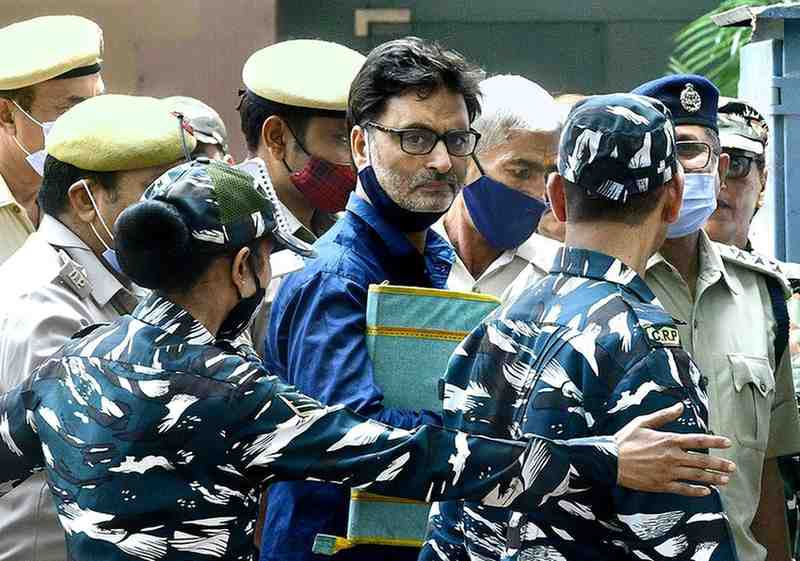
- Mohammad Yasin Malik is currently in judicial custody in another case.
- Proclamation proceedings have been initiated against Khurshid Ahmad Chalkoo, who is alleged to have fled to Pakistan-occupied Jammu and Kashmir.
Charges Invoked
The SIA has invoked offences under:
- Sections 364, 341, 302, 201 and 120-B read with Section 34 of the Ranbir Penal Code (RPC)
- Relevant provisions of the Terrorist and Disruptive Activities (Prevention) Act (TADA), 1987
- Sections 7 and 27 of the Indian Arms Act, 1959
SIA Rejects Informer Allegation
The investigation states that allegations portraying Sarla Bhat as an informer were found to be baseless.
According to the agency, those allegations were allegedly used as a pretext for her targeted killing.
The SIA further alleged that the murder formed part of a broader campaign aimed at creating fear and facilitating the displacement of members of the Kashmiri Pandit community during the early years of militancy.
Agency Reaffirms Commitment
The SIA said filing the chargesheet after nearly 35 years reflects its continued commitment to investigating unresolved terror-related crimes.
The agency stated that no terror case is beyond investigation and reaffirmed its resolve to pursue all such cases in accordance with the law and bring those allegedly responsible before the judicial process.
4. Frequently Asked Questions (FAQ)
Q1. What is the Sarla Bhat case?
It relates to the alleged abduction and killing of SKIMS staff nurse Sarla Bhat in Srinagar on April 18, 1990.
Q2. Who has been named in the SIA chargesheet?
The chargesheet names Mohammad Yasin Malik, Khurshid Ahmad Chalkoo, Abdul Hamid Sheikh, Mohammad Yousuf Sofi alias Idrees, and Ghulam Mohammad Taploo as accused.
Q3. Why is the chargesheet significant?
It marks a major step in a nearly 35-year-old investigation, with the SIA saying it has reconstructed the case using witness statements, forensic evidence and documentary records.