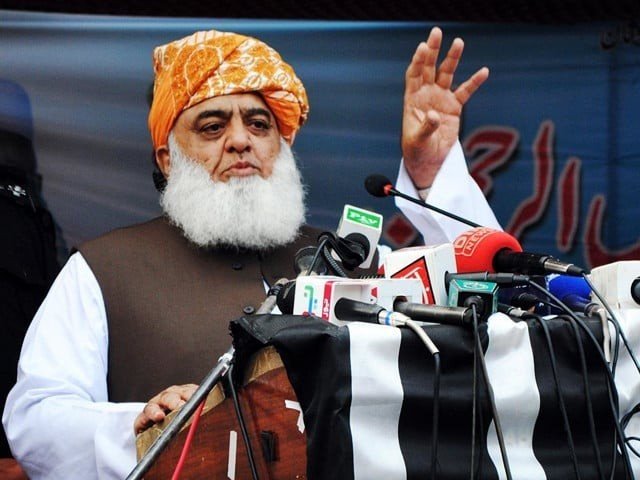
Iran Mobilises Over 1 Million Fighters Amid Rising Tensions With US, Rejects Trump’s Negotiation Claims

irgc

Tehran / Washington: Tensions between Iran and the United States have sharply increased after reports claimed that Tehran has mobilised more than one million fighters in preparation for a possible ground war.

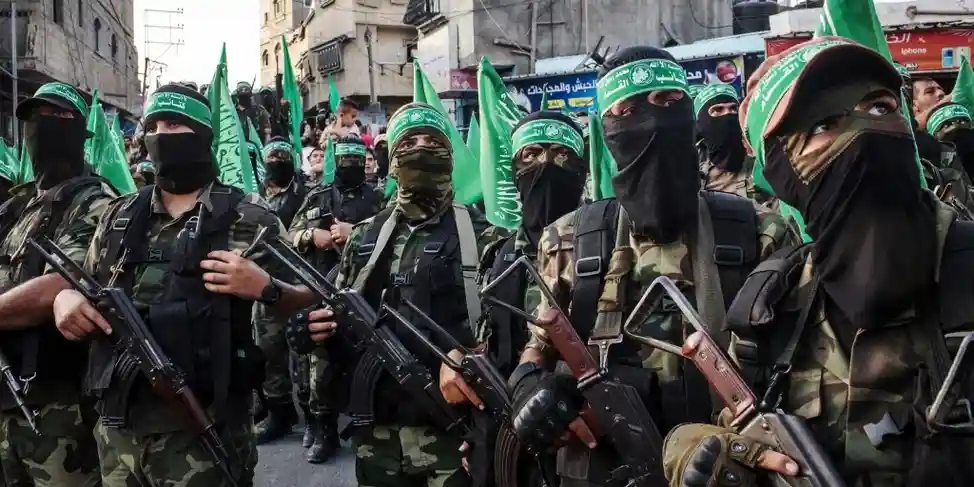
According to reports from Iranian media, the mobilisation includes regular army units, members of the Islamic Revolutionary Guard Corps (IRGC), and volunteers from the Basij force. Officials say that large numbers of people have been joining recruitment centres across the country in recent days. Click Here To Follow Our WhatsApp Channel

The move comes at a time when the situation in the Middle East is becoming more serious, with growing fears that the conflict could expand beyond airstrikes into a full-scale ground war.

Massive Mobilisation in Iran

Iranian sources claim that the country is fully prepared to defend itself against any foreign attack. The reported figure of over one million fighters includes both trained personnel and civilian volunteers who have shown willingness to join the forces.

The Basij, a volunteer militia known for its strong support of the Iranian government, is said to be playing a major role in this mobilisation. Many young people have reportedly stepped forward, showing public support for the country’s defence.

However, independent experts say that such numbers may include volunteers who are not fully trained for modern warfare. This means that while the figure is large, the actual combat-ready strength could be different.

Rising Risk of Ground War

The mobilisation follows increased military activity in the region. The United States, along with its allies, has reportedly strengthened its presence and continues to apply pressure on Iran.

Recent developments have raised concerns that the conflict could move beyond limited strikes and turn into a broader confrontation involving ground forces. Analysts warn that such a scenario could have serious consequences for regional and global stability.

Conflicting Claims on Diplomacy

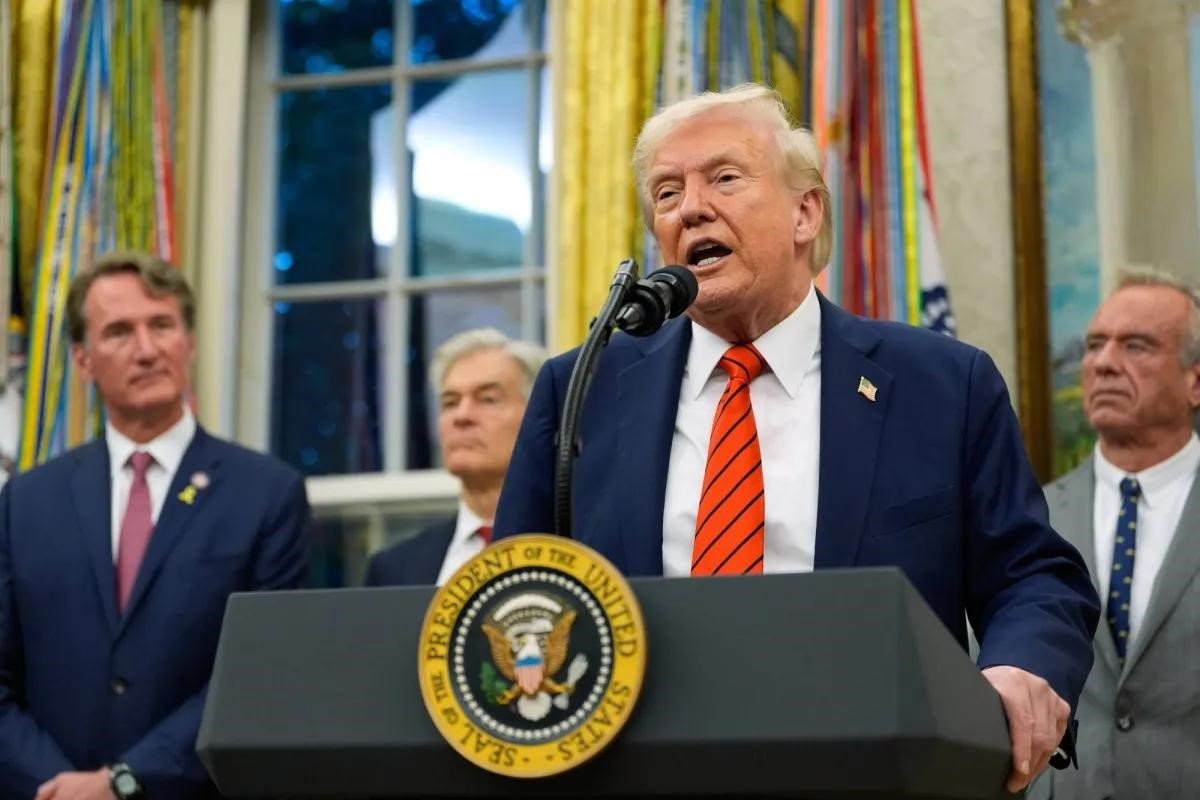
At the same time, there is confusion over possible diplomatic efforts. Former US President Donald Trump has claimed that negotiations with Iran are ongoing and that progress is being made.

However, Iranian officials have strongly rejected these claims. Tehran has stated that there are no direct talks taking place and has dismissed reports of any meaningful negotiations with Washington.

This contradiction has added to the uncertainty surrounding the situation, making it difficult to assess whether a peaceful resolution is possible.

Global Concerns Growing

The international community is closely watching the developments. Experts fear that any escalation between Iran and the United States could affect global oil supplies, trade routes, and overall security in the region.

Countries have called for restraint and dialogue, urging both sides to avoid actions that could lead to further escalation.

Conclusion

The reported mobilisation of over one million fighters highlights Iran’s readiness for a potential large-scale conflict. At the same time, mixed signals about negotiations have created confusion over whether diplomacy can still prevent war.

As tensions continue to rise, the situation remains highly uncertain, with the risk of a major confrontation still present.


Mojtaba Khamenei Emerges as Strong Contender for Iran’s Next Supreme Leader

Mojtaba Khamenei


In the chaotic wake of Ayatollah Ali Khamenei’s reported death, Mojtaba Khamenei — long described by analysts as a powerful behind-the-scenes actor — has surfaced in social and some media narratives as a leading contender to become Iran’s next Supreme Leader. While no formal appointment has been announced and the constitutional process remains the decisive step, several structural and political factors elevate Mojtaba’s standing in the current succession scramble. (Reuters) Click Here To Follow Our WhatsApp Channel


Why Mojtaba’s name now carries weight

Mojtaba Khamenei has for years been portrayed in reporting as an influential gatekeeper inside Iran’s power corridors, with close ties to security institutions and a reputation for controlling access to the late Supreme Leader. Unlike many senior clerics who rose through visible public office, Mojtaba’s power has been described as informal and opaque — exercised through networks rather than established posts. That behind-the-scenes position, combined with the urgency created by a sudden leadership vacuum, helps explain why his name is now prominent in discussion about succession. (Reuters)


Constitutional route — why announcements matter

Iran’s constitution vests the authority to choose a Supreme Leader in the 88-member Assembly of Experts, which must convene, vet candidates and elect a leader. The Assembly’s decision — made behind closed doors — is the only legally binding route to a new Supreme Leader. Until it meets and issues a formal declaration, any media or social-media claims about appointments remain unverified and politically fraught. International outlets and Iranian state media have so far emphasised interim arrangements rather than a finished selection. (Reuters)


What strengthens Mojtaba’s claim

  1. Proximity to power: Analysts note Mojtaba’s sustained access to the late leader and his informal role as an adviser and gatekeeper. In a crisis, proximity and continuity matter — and those seen as close to the centre can leverage that for a transition. (Reuters)
  2. Security establishment links: Reports routinely link him to senior figures in Iran’s security apparatus including the Islamic Revolutionary Guard Corps, giving him influence over personnel and institutional levers that matter in times of instability. Such ties can translate into swift consolidation of support if key security actors back him. (Reuters)
  3. Perceived continuity: For factions that prioritise regime survival and continuity over ideological purity or clerical pedigree, a candidate who symbolises continuity can be attractive — especially amid ongoing hostilities and external pressure. (The National)

Obstacles and vulnerabilities

Despite those advantages, several serious obstacles could block or complicate any direct elevation of Mojtaba:

  • Clerical credentials: The Supreme Leader has traditionally been a senior marjaʿ or high-ranking cleric with recognised theological authority. Mojtaba, although a cleric, does not have the same public religious stature as many traditional candidates — a potential legitimacy problem within clerical circles. (The National)
  • Perception of dynastic succession: Appointing a leader from the same family risks the appearance of a hereditary transfer, which would run counter to the anti-monarchical founding ethos of the Islamic Republic and could alienate both clerical elites and public opinion. Analysts warn of factional backlash if the Assembly is seen to rubber-stamp a family succession. (The National)
  • Factional resistance: Hardliners, pragmatic conservatives, and the IRGC may have differing priorities. If influential factions cannot reach consensus, the Assembly’s decision could be contested, heightening internal instability at a moment of external confrontation. (The Guardian)

The interim architecture and political timing

Following state confirmations of the late leader’s death, Iranian authorities signalled temporary leadership arrangements — naming senior state figures to manage affairs pending the Assembly’s decision. Reports suggest President Masoud Pezeshkian and the judiciary chief will be central to this interim management. That pause buys time for the Assembly to convene but also creates a window in which political manoeuvring intensifies: influence over senior clerics, security commanders and regional proxies will be decisive in shaping outcomes. (Reuters)


Domestic and regional implications if Mojtaba were chosen

  • Domestic: A Mojtaba elevation could produce a rapid consolidation with hardline institutions, but it may also trigger protests or quiet resistance among Iranians who resent perceived nepotism. The legitimacy question would be front and centre, influencing everything from domestic security to economic confidence. (The National)
  • Regional: Neighbouring states and non-state actors aligned with Tehran would reassess loyalties and strategy. Israel, Gulf states, and global powers will watch closely: an opaque, security-backed succession could harden policy stances and affect any diplomatic openings. (The Guardian)

International posture and likely reactions

Western and regional media are already parsing social-media claims while urging caution. Major international outlets continue to treat any unverified reports as provisional, stressing that only a formal Assembly decision would settle the matter. Governments and markets will likely react not just to the name of a successor, but to the process by which they were chosen — legitimacy and consensus will matter as much as individual biography. (Reuters)


Bottom line — plausible contender, not a fait accompli

Mojtaba Khamenei is plausibly among the most visible names in the immediate succession conversation because of his informal influence, security ties and proximity to the late leader. Those factors make him a credible contender — especially in a crisis that prizes continuity and control. Yet constitutional procedure, clerical legitimacy, and the risk of factional resistance remain potent constraints. Until the Assembly of Experts formally meets and announces a result, claims of an appointment remain speculative. Observers should therefore watch three variables closely: who secures the IRGC and security leadership’s backing, the positions of leading clerics inside the Assembly, and whether the process is presented to the public as credible and constitutional. (Reuters)


What to watch next (short checklist)

  • Timing and composition of the Assembly of Experts’ emergency session. (Reuters)
  • Any public statements from senior IRGC figures or influential clerics signalling support or opposition. (Reuters)
  • Official announcements from Iranian state media (IRNA, IRIB, Fars) versus social-media leaks. (The Guardian)

At 13, This Kashmiri Boy Built 31 Apps and AI Tools

Delhi Court Convicts Kashmiri Separatist Asiya Andrabi in UAPA Case

Ayatollah Ali Khamenei Killed in Joint US–Israel Strikes, Iran Vows Retaliation as Regional War Fears Rise

Ayatollah Ali Khamenei Killed

Ayatollah Ali Khamenei, the Supreme Leader of Iran who held ultimate authority over the Islamic Republic for nearly four decades, has been confirmed dead at the age of 86 following massive joint airstrikes carried out by the United States and Israel. The strikes, which began early Saturday local time (February 28, 2026), targeted key military, nuclear, and leadership sites across Iran, marking one of the most significant military escalations in the Middle East in recent history. Click Here To Follow Our WhatsApp Channel

Iranian state media, including the Islamic Republic of Iran Broadcasting (IRIB), Fars News Agency, and the official IRNA outlet, announced Khamenei’s death early Sunday, describing it as “martyrdom.” A state television presenter was visibly emotional, reportedly breaking down in tears while reading an official statement from Iran’s Supreme National Security Council. The announcement confirmed that Khamenei was killed in his office within his high-security compound in Tehran while “performing his assigned duties” during the initial wave of attacks.

US President Donald Trump first broke the news on his Truth Social platform late Saturday, declaring: “Khamenei, one of the most evil people in history, is dead.” Trump framed the operation as delivering “justice” for victims of Iranian-backed actions and reiterated calls for regime change in Tehran, stating that “heavy and pinpoint bombing” would continue “uninterrupted throughout the week or as long as necessary.”

Israeli officials, including Defense Minister Israel Katz, described the campaign — dubbed “Operation Roaring Lion” by some sources — as having eliminated Khamenei in an opening strike, along with other senior figures. Reports indicate that multiple relatives of Khamenei, including a daughter, grandchild, daughter-in-law, and son-in-law, were also killed in the assault on his compound. Satellite imagery reviewed by international outlets showed extensive destruction at the site.

The strikes targeted not only leadership but also Iran’s nuclear facilities, military command centers, and other strategic assets, according to US and Israeli sources. The operation has drawn widespread international attention, with Russia condemning it as an “unprovoked act of armed aggression” and the UN Secretary-General expressing regret over missed diplomatic opportunities.

Iran’s Retaliation and Regional Fallout

In response, Iran’s military has launched waves of missiles and drones targeting Israel and US military bases across the region, including sites in Bahrain, Kuwait, Qatar, Jordan, the United Arab Emirates, and Iraq. Iranian officials have vowed the “most devastating” retaliation, with fresh strikes reported on Sunday. Air raid sirens sounded in Israel, and explosions were heard in Gulf cities such as Dubai and Doha.

The conflict has rapidly expanded beyond previous Iran-Israel exchanges, drawing in multiple countries and raising fears of a broader regional war.

Mixed Reactions Inside Iran

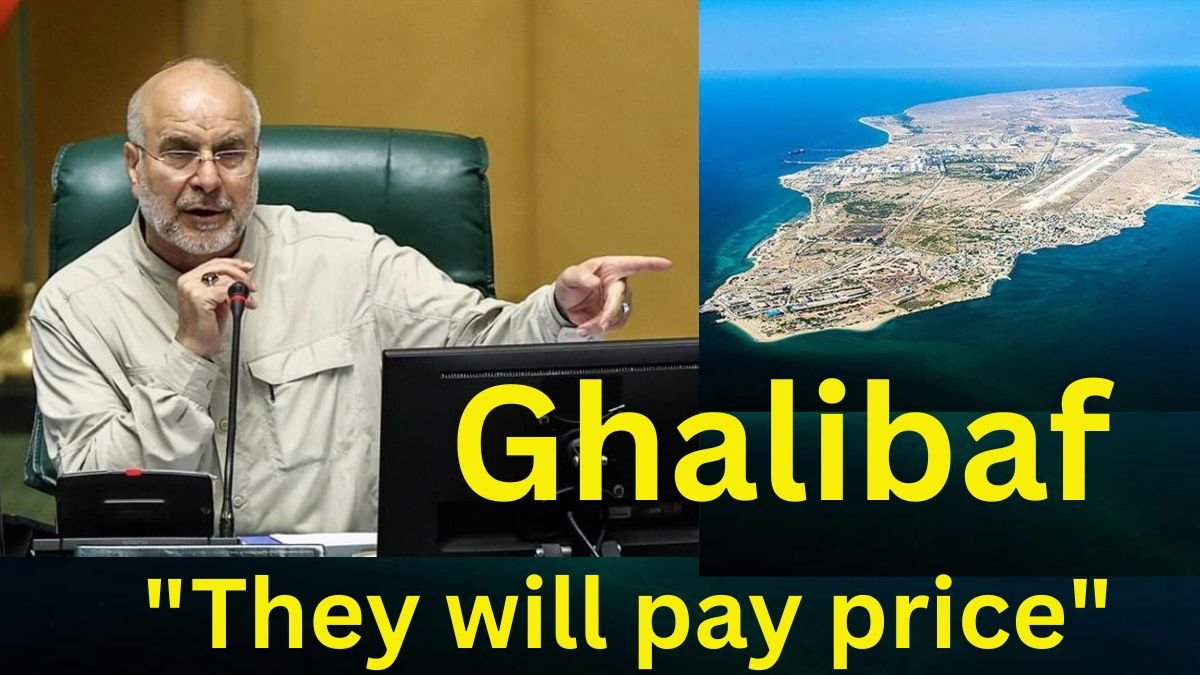
Public reactions in Iran remain sharply divided. State media and reports from cities like Tehran and Isfahan showed large crowds gathering in mourning processions, with black-clad participants chanting vows of revenge and solidarity. Iran’s parliament speaker stated the country had prepared for “all scenarios,” including leadership transitions.

However, some unverified reports and social media footage suggested celebrations in certain areas, including the toppling of statues associated with the regime, particularly among opponents who have long criticized Khamenei’s hardline rule, suppression of protests, and regional proxy conflicts.

Iran has declared a 40-day national mourning period, referring to Khamenei’s death as martyrdom.

Succession Uncertainty

Khamenei’s death leaves a significant power vacuum. He ruled Iran since succeeding Ayatollah Ruhollah Khomeini in 1989, overseeing the country’s transformation into a regional power while maintaining fierce opposition to the US and Israel. No clear successor has emerged immediately. Previous presumed heir Ebrahim Raisi died in a 2024 helicopter crash. Discussions have surfaced about a potential transition council or the role of figures like Khamenei’s son Mojtaba, though the process remains uncertain amid ongoing military pressure.

Iranian officials have indicated a transitional period is underway, with the president and other bodies managing affairs for now.

This fast-moving situation continues to evolve, with additional strikes reported and global powers monitoring closely. The killing of Khamenei represents a pivotal moment that could reshape Iran’s domestic politics, its nuclear ambitions, and the balance of power in the Middle East. Live coverage from major outlets including BBC, CNN, Reuters, AP, The Guardian, Al Jazeera, and others remains essential for the latest developments.

At 13, This Kashmiri Boy Built 31 Apps and AI Tools

Delhi Court Convicts Kashmiri Separatist Asiya Andrabi in UAPA Case

45 Telangana Umrah Pilgrims Die in Saudi Bus Fire, Only One Survivor

45 Telangana Umrah

Forty-five Indian Umrah pilgrims from Hyderabad and other parts of Telangana died, and only one survived in a devastating bus fire near Medina in Saudi Arabia, Hyderabad Police Commissioner VC Sajjanar said on Monday, confirming one of the most tragic overseas incidents involving pilgrims from the state in recent years.

Addressing the media, Sajjanar said the group was travelling from Makkah to Madinah when their bus collided with an oil tanker nearly 25 km before Medina, causing an explosion that engulfed the vehicle within minutes.

“The fire spread rapidly, leaving no time for most passengers to escape,” he said.

According to details shared by the Commissioner, a total of 54 pilgrims from Hyderabad left for Jeddah on November 9 as part of an Umrah tour scheduled from November 9 to 23. Of them, four individuals proceeded to Madinah separately by car, while another four remained in Makkah due to personal reasons. The remaining 46 pilgrims boarded the bus involved in the fatal crash.

Out of the 46 passengers, 45 died at the scene after the bus was completely burnt. Only one individual, Md Abdul Shoaib, survived the fire. He has been admitted to a Saudi hospital ICU and is in critical condition.

Meanwhile, Defence Minister Rajnath Singh on Monday expressed condolences over the tragic bus accident that occurred late last night near Madinah, Saudi Arabia, which claimed the lives of several Indian pilgrims and left others injured.

In a post shared on X, the Defence Minister said, “Saddened by the tragic accident involving a bus carrying Indian pilgrims in Saudi Arabia. My condolences to the families who have lost their loved ones.”

He further assured that the Indian government is actively engaged in providing all necessary support. “Indian officials are in close coordination with the Saudi authorities to ensure the injured receive proper care and that every possible support reaches the affected families in this hour of grief,” Singh further said on X.

Further, the Consulate General of India in Jeddah has set up a 24×7 control room following a tragic bus accident late last night involving Umrah pilgrims near Madinah, Saudi Arabia.

The Consulate General of India, Jeddah, has provided multiple contact numbers for assistance, including 8002440003 (toll-free), 00966122614093, 00966126614276, and 00966556122301 (WhatsApp), urging family members to reach out for immediate support.

In its statement, the Indian Consulate expressed its “deepest condolences to the bereaved families.”

“Embassy in Riyadh and the Consulate in Jeddah are also in touch with the Saudi Haj and Umrah Ministry, and other local authorities. They are also in touch with the concerned Umrah operators,” the statement added.

A team of Consulate staff and Indian community volunteers is on the ground at various hospitals and sites. The press release added that both the Embassy and the Consulate are “extending fullest support” and “are also in touch with the concerned officials of the State of Telangana to coordinate with the concerned families.”

Earlier in the day, External Affairs Minister S Jaishankar said that he was “deeply shocked” by the bus accident near Madinah, Saudi Arabia.

“Deeply shocked at the accident involving Indian nationals in Medinah, Saudi Arabia. Our Embassy in Riyadh and Consulate in Jeddah are giving fullest support to Indian nationals and families affected by this accident. Sincere condolences to the bereaved families. Pray for the speedy recovery of those injured,” he wrote.

Telangana Chief Minister A Revanth Reddy also expressed shock after preliminary reports indicated that several victims were from Hyderabad.

According to an official statement, the Chief Minister has contacted officials in New Delhi and instructed them to coordinate closely with the Indian Embassy in Riyadh for updated information.

Telangana Chief Secretary, A Santhi Kumari, alerted Resident Commissioner Gaurav Uppal in New Delhi, directing him to immediately gather details on how many passengers from Telangana were on the bus and ensure timely support. A control room has also been activated at the state Secretariat to monitor the situation.

Hyderabad Lok Sabha MP and AIMIM chief, Asaduddin Owaisi, also expressed grief after the accident in Saudi Arabia and urged the Centre to bring back the bodies.

Owaisi told ANI that he had spoken to Abu Mathen George, Deputy Chief of Mission at the Indian Embassy in Riyadh, and also contacted two Hyderabad-based travel agencies, sharing the passengers’ details with the Riyadh Embassy and the Foreign Secretary.

He said that there were 42 people on the bus that was involved in the accident. Local reports said the bus was travelling from Mecca to Madinah when the accident occurred. Details on casualties and survivors are awaited. (ANI)

Pakistan-Afghanistan Peace Talks Fail in Istanbul as Islamabad Blames Kabul Over Cross-Border Militancy

Pakistan-Afghanistan Peace Talks Fail

Peace talks between Pakistan and Afghanistan have failed in Istanbul after four days of negotiations, Pakistan’s information minister said before dawn Wednesday, accusing the Taliban government in Kabul of refusing to act against militants blamed for deadly cross-border attacks.

The talks followed an earlier round in Doha that produced a ceasefire on October 19 after deadly border clashes between the two sides left dozens dead, including soldiers, civilians and militants.Pakistan accuses the Taliban of harboring militants linked to a surge in attacks, while Kabul denies its territory is being used against Pakistan.Click Here To Follow Our WhatsApp Channel

Before dawn on Wednesday, Pakistan’s Information Minister Attaullah Tarar took to social media platform X, saying the dialogue “failed to bring about any workable solution,” despite mediation by Qatar and Turkey.

There was no immediate comment from Kabul about Tarar’s remarks.

The latest development came hours after the state media in both countries said there was an impasse in the talks, with the state media from the both sides blaming each other for the failure to reach a deal.

Tarar said Pakistan at the request of brotherly countries Qatar and Turkey gave peace a chance and engaged with the Afghan Taliban government first in Doha and then in Istanbul.

He accused the Taliban of being “indifferent to Pakistan’s losses” even though “Pakistan has always desired, advocated and immensely sacrificed for peace and prosperity for the people of Afghanistan.”

Tarar said Pakistan is thankful to Qatar and Turkey for facilitating this dialogue, which was part of a broader diplomatic push to ease months of heightened tension between Islamabad and Kabul over cross-border attacks and militant safe havens — issues that have strained relations since the Taliban’s return to power in Afghanistan four years ago.

He said that “since the Taliban regime bears no responsibility towards the people of Afghanistan and thrives on war economy, it desires to drag and mire the Afghan people into a needless war.”

Tarar said “Pakistan’s patience has run its course,” and warned that Islamabad would “continue to take all possible measures necessary to protect our people from the menace of terrorism.”

Earlier, on Tuesday, three Pakistani security officials who had direct knowledge of the negotiations told The Associated Press that there was a deadlock in the talks in Istanbul over the reluctance of Kabul in accepting demands about assurances that Afghan soil not be used against Pakistan.

The officials spoke on condition of anonymity because they were not authorised to speak to the media. They said the host country was trying to end the deadlock so that the final round of the talks could resume as soon as possible.

According to the Pakistani officials, the Taliban delegation was “not fully willing” to accept Pakistan’s proposals and continued to seek guidance from Kabul before making decisions.

Afghanistan-controlled media RTA made similar accusations against the Pakistani side, saying Kabul “made every effort to hold constructive talks,” but that the “Pakistani side does not seem to have this intention.”

As the latest round of the talks was underway in Turkey, US President Donald Trump on Sunday pledged to help resolve the crisis between the two neighbours very quickly.

The recent fighting prompted Qatar to host the initial round of talks, which produced a ceasefire that both sides say is still holding despite the stalemate in Istanbul.

Islamabad-based security analyst Syed Mohammad Ali on Tuesday said Afghanistan’s strategy at the talks was to slow the diplomatic process and shift focus to other bilateral issues. He noted Afghanistan’s “reluctance to give clear, unambiguous and internationally verifiable commitment to act against Afghanistan-based Pakistani Taliban and other militants.”

Pakistan has seen a surge in militant attacks in recent years, mostly blamed on the Pakistani Taliban, or Tehrik-e-Taliban Pakistan, a group closely allied to the Taliban in Afghanistan. Islamabad says the group is being sheltered in Afghanistan since the Taliban seized power in 2021.

Authorities in Pakistan have said the country’s military earlier this month targeted hideouts of the TTP in Afghanistan. It triggered deadly clashes between the two countries until Qatar brokered the ceasefire.

All border crossings between the two sides have remained shut for more than two weeks, with trucks carrying goods stranded pending the reopening of key trade routes.

Why India Is Alarmed by Pakistani Cleric Ibtisam Elahi Zaheer’s Bangladesh Visit Near Sensitive Border Zones ?

Ibtisam Elahi Zaheer

Ibtisam Elahi Zaheer (sometimes spelled Ibtisam Ilahi Zaheer) is a prominent Pakistani Islamic scholar, preacher, and political figure born on August 19, 1971, or January 12, 1972, depending on sources. He is the son of Ehsan Elahi Zaheer, a well-known scholar of the Ahl-e-Hadith movement, a conservative Sunni Islamic sect, who was assassinated in Lahore, Pakistan, in 1987, reportedly due to sectarian tensions with Shia groups. Ibtisam has followed in his father’s footsteps, becoming a key leader in Pakistan’s religious and political landscape.

  • Leadership Roles: Ibtisam is the Chief Organizer and Secretary General of Markazi Jamiat Ahle Hadith, a major Ahl-e-Hadith organization in Pakistan that promotes strict adherence to the Quran and Sunnah (teachings of Prophet Muhammad). He also chairs the Quran O Sunnah Movement Pakistan, a platform focused on spreading Islamic teachings.
  • Political Ambitions: He has run for office as a candidate for Pakistan’s National Assembly, representing the Ahl-e-Hadith community, though he has not won a seat. His political activities often blend religious rhetoric with calls for social and political change aligned with Islamic principles.
  • Education and Outreach: Ibtisam holds a degree in engineering and a master’s in English, which he uses to deliver articulate and fiery speeches in Urdu, English, and Arabic. He is known for his extensive international travels for da’wah (Islamic propagation), addressing topics like Islamic unity, the Palestinian cause, and criticism of Shia beliefs, which has made him a polarizing figure.
  • Public Presence: His Facebook page, with over 52,000 followers, regularly shares updates about his sermons, religious events, and community work. He also maintains a YouTube presence, where his lectures attract thousands of views, often focusing on religious revivalism and anti-Western sentiments.

Why Did Ibtisam Visit Bangladesh?

On October 25, 2025, Ibtisam arrived in Dhaka, Bangladesh, for what he and his supporters describe as a religious tour. His stated purpose was to deliver sermons, attend Islamic conferences, and engage with local Muslim communities. Bangladesh, with its large Muslim population and history of Ahl-e-Hadith influence, is a natural destination for preachers like Ibtisam. However, his activities have raised significant concerns in India due to his proximity to the India-Bangladesh border and his controversial connections.

Detailed Timeline of His Activities in Bangladesh

Ibtisam’s itinerary in Bangladesh includes several stops, particularly in areas close to the India-Bangladesh border, which has heightened India’s suspicions. Here’s a detailed breakdown of his activities based on available information:

  • October 25, 2025 – Arrival in Dhaka: Ibtisam landed in Dhaka, welcomed by local religious figures, including members of Bangladesh’s Ahl-e-Hadith community. His visit was publicized on social media as a religious mission to strengthen Islamic scholarship and unity.
  • October 27, 2025 – Visit to Chapainawabganj: Ibtisam traveled from Naudpara to Chapainawabganj, a district in northwest Bangladesh that shares a porous border with India’s Malda district in West Bengal. He was accompanied by Sheikh Abdul Razzaq bin Yusuf, a Bangladeshi cleric known for his Salafi-leaning sermons.
    • Meetings in Nachole: In Chapainawabganj, they visited Nachole, a border town, and held closed-door meetings at local mosques. Indian intelligence sources claim these meetings involved discussions with local religious leaders, though the exact content remains unclear.
    • Provocative Speech: During a public gathering in Chapainawabganj, Ibtisam delivered a speech urging attendees to “be ready to sacrifice yourself for the cause of Islam.” Indian media outlets, such as India Today, flagged this as potentially inflammatory, interpreting it as a call to radical action, though Pakistani and Bangladeshi sources argue it was a standard religious exhortation about devotion.
  • Upcoming Schedule:
    • November 1, 2025: Ibtisam is scheduled to visit Joypurhat, another district in northern Bangladesh, for a religious gathering.
    • November 2, 2025: He will travel to Nagaon for similar activities, likely involving sermons and meetings with local scholars.
    • November 6–7, 2025: He is set to attend a major Salafi conference in Dangipara, Rajshahi, expected to draw thousands of attendees. This event is organized by Bangladesh’s Ahl-e-Hadith network and will feature prominent clerics.
    • November 8, 2025: Ibtisam is expected to return to Pakistan, concluding his tour.

Historical Context of His Travels

This is not Ibtisam’s first engagement in the region. His father, Ehsan Elahi Zaheer, traveled to Bangladesh and India in the 1970s and 1980s for da’wah, building networks that Ibtisam has inherited. The Ahl-e-Hadith movement has a small but dedicated following in Bangladesh, and Ibtisam’s visit aligns with efforts to strengthen these ties. His international preaching has also taken him to countries like Saudi Arabia, the UK, and Malaysia, where he promotes a puritanical interpretation of Islam.

Why the “Conspiracy” Concerns?

India’s alarm over Ibtisam’s visit stems from his connections to Hafiz Muhammad Saeed, the founder of Lashkar-e-Taiba (LeT), a Pakistan-based terrorist group responsible for the 2008 Mumbai attacks, which killed 166 people and injured over 600. Saeed, a UN-designated global terrorist with a $10 million U.S. bounty, is a senior figure in the Ahl-e-Hadith movement, and Ibtisam is described as a “long-term associate” of his. While Ibtisam has not been directly linked to terrorism, his ideological alignment with Saeed and LeT’s broader network raises red flags.

Here’s a detailed look at the factors fueling India’s suspicions:

  1. Proximity to the India-Bangladesh Border:
    • Chapainawabganj, where Ibtisam visited, is just across from India’s Malda district in West Bengal. This 4,096-km border is notoriously porous, with issues like smuggling, human trafficking, and illegal crossings. Indian intelligence agencies fear Ibtisam’s presence in sensitive border areas could be a cover for reconnaissance or radicalization efforts targeting India’s Northeast (states like Assam, Tripura, and West Bengal).
    • The Northeast has a history of unrest, including ethnic tensions and Islamist militancy. The presence of Rohingya refugees, some of whom have been linked to extremist groups, adds to India’s concerns about cross-border radicalization.
  2. Connections to Zakir Naik:
    • In 2024, Ibtisam met Zakir Naik, a fugitive Indian preacher wanted by India for hate speech, incitement to terrorism, and money laundering. Ascot. Naik, who fled India in 2016 and now lives in Malaysia, visited Pakistan in 2024, where he was hosted by Ahl-e-Hadith groups, including those linked to Ibtisam. Their meeting was publicized, with photos circulating on social media.
    • Naik’s Peace TV channel, banned in India and Bangladesh for promoting extremism, has been accused of inspiring radical groups. Indian authorities see Ibtisam’s association with Naik as evidence of a broader extremist network.
  3. Bangladesh’s Political Instability:
    • Since August 2024, Bangladesh has faced political turmoil after the ousting of Prime Minister Sheikh Hasina’s government following violent protests. The interim government, led by Muhammad Yunus, has struggled to maintain stability, and reports suggest a rise in Islamist influence, including from groups like LeT and Jamaat-e-Islami.
    • Indian media outlets, such as India Today, India.com, and News18, have described Ibtisam’s visit as part of a “major conspiracy” or “evil plot” orchestrated by Hafiz Saeed to destabilize India’s Northeast. They allege Pakistan’s intelligence agency, ISI, may be using religious figures like Ibtisam to expand LeT’s influence in Bangladesh and infiltrate India.
  4. Ahl-e-Hadith’s Militant Ties:
    • The Ahl-e-Hadith movement, while primarily religious, has been linked to militancy in Pakistan. LeT, which shares its ideology, has used religious networks to recruit and fundraise. The UN and U.S. monitor such groups for terror financing, and Ibtisam’s leadership in this movement makes him a person of interest.

No concrete evidence has been made public to prove Ibtisam is directly involved in a terrorist plot, but his connections, provocative rhetoric, and choice of locations have prompted Indian agencies to act cautiously. The Border Security Force (BSF) and other agencies have increased patrols along the West Bengal-Bangladesh border.

Different Perspectives

  • Indian Media and Government:
    • Indian outlets portray Ibtisam’s visit as a deliberate move by Pakistan to fuel unrest in India’s Northeast, a region with complex ethnic and religious dynamics. They frame it as part of a “hybrid warfare” strategy, combining religious radicalization with militant activities. Articles cite his speech and border visits as evidence of intent to radicalize local Muslims or facilitate cross-border operations.
    • The Indian government has not issued an official statement, but security sources quoted in the media emphasize the need for vigilance, especially given recent arrests of suspected LeT operatives in Assam and West Bengal.
  • Pakistani and Bangladeshi Sources:
    • In Pakistan and Bangladesh, Ibtisam’s visit is presented as purely religious. His supporters, including on his active Facebook page, share videos and photos of his sermons, focusing on Islamic unity and charity work. They dismiss India’s concerns as exaggerated or politically motivated to malign Pakistan and Bangladesh’s Ahl-e-Hadith community.
    • Local Bangladeshi clerics, like Sheikh Abdul Razzaq, have hosted Ibtisam warmly, emphasizing his role as a scholar, not a political or militant figure.
  • Global Watchdogs:
    • Internationally, figures like Ibtisam are monitored due to the overlap between Ahl-e-Hadith networks and militant groups. The U.S. Treasury and UN Security Council have sanctioned individuals and charities linked to LeT for terror financing, though Ibtisam himself has not been named in such designations.

Broader Implications

Ibtisam’s visit comes at a time of heightened India-Pakistan tensions, exacerbated by ongoing border disputes and Pakistan’s alleged support for cross-border terrorism. India’s Northeast, with its diverse population and history of insurgency, is particularly vulnerable to external interference. The Rohingya refugee crisis, with over 1 million refugees in Bangladesh, has also created fears of extremist recruitment, as some Rohingya have been linked to groups like Arakan Rohingya Salvation Army (ARSA).

For Bangladesh, hosting figures like Ibtisam risks straining relations with India, a key economic and diplomatic partner. The interim government, already grappling with internal challenges, may face pressure to monitor or restrict such visits to avoid appearing complicit in India’s eyes.

What’s Next?

Indian authorities are closely tracking Ibtisam’s movements, with increased border surveillance and intelligence-gathering in West Bengal and the Northeast. Bangladesh’s government has not publicly commented on the issue, but security cooperation with India may come under scrutiny. Ibtisam’s remaining events, especially the high-profile Rajshahi conference, will likely draw further attention from Indian agencies.

TLP Leader Syed Ahmed Shah Bukhari Killed in Muridke Clash During Pro-Palestine March in Punjab

Syed Ahmad Shah Bukhari

Lahore, Oct 13: A senior leader of Tehreek-e-Labbaik Pakistan (TLP), Syed Ahmed Shah Bukhari, was killed on Monday in an encounter with Pakistani security forces during ongoing pro-Palestine demonstrations in Muridke, Punjab. The incident occurred amid violent clashes between TLP supporters and law Click Here To Follow Our WhatsApp Channel enforcement personnel as protesters attempted to march toward Islamabad in solidarity with Palestinians.

According to eyewitness accounts and statements from TLP’s central leadership, Bukhari—also referred to in some reports as Ahmad Bukhari—was shot dead when Rangers allegedly opened fire on protesters. TLP has described his death as a case of “martyrdom,” claiming that security forces used live ammunition against unarmed demonstrators. Videos circulating on social media show scenes of chaos, with gunfire, tear gas, and injured protesters being carried away.

The confrontation in Muridke marks one of the most violent episodes in the current wave of pro-Palestine protests that began on October 10, when TLP supporters launched a march from Lahore toward the capital. The party accuses the Pakistani government of failing to take a firm stance against Israel amid the ongoing Gaza conflict.

Muridke Massacre
Muridke Lahore Protest / Image Credit To/ Reuters

TLP sources claim that multiple protesters were killed and more than 50 injured in the Muridke clashes alone. The group has vowed to continue the march despite the government’s security crackdown and has branded the forces involved as “Israeli-backed agents.”

So far, Punjab Police have not issued an official statement regarding Bukhari’s killing. However, interior ministry sources have justified the use of force, arguing that the march posed a threat to law and order. Authorities have heavily fortified the route to Islamabad with barriers and shipping containers, attempting to prevent protesters from advancing further north.

The TLP’s latest confrontation adds to its long history of tense standoffs with the Pakistani state. Founded in 2015 following the execution of Mumtaz Qadri, the group has staged several violent protests in recent years, including deadly clashes in 2021 that forced government concessions.

Analysts warn that Bukhari’s death could spark further unrest across Punjab and other provinces, as the TLP leadership calls for nationwide sit-ins if their demands for stronger anti-Israel measures are not met.

As of Monday evening, negotiations between the government and TLP representatives were said to be underway, with officials seeking to defuse tensions and prevent another large-scale confrontation.

Former Masjid al-Haram Imam Dr. Sheikh Saleh Al-Talib Released After 7 Years Detention in Saudi Prison

Dr. Sheikh Saleh Al-Talib

Dr. Sheikh Saleh Al-Talib, former Imam and preacher of Masjid al-Haram in Mecca, has been released from Saudi prison after over seven years of detention, advocacy groups confirmed. However, the prominent Sunni scholar is now under house arrest and required to wear an electronic ankle monitor, drawing criticism from human rights organizations.

Al-Talib, born in 1974 and a judge in Mecca’s District Court, was arrested in August 2018 amid a crackdown on dissent under Crown Prince Mohammed bin Salman. His detention stemmed from sermons criticizing government policies, including mixed-gender gatherings and normalization with Israel. Despite an initial acquittal in 2022, an Appeals Court sentenced him to 10 years, with the Supreme Court later intervening to prolong his ordeal.

“His release is a step forward, but house arrest and digital monitoring are a transfer from prison to a ‘digital prison,’” said Together for Justice, a human rights group. They demand his unconditional freedom and call for UN intervention to address Saudi Arabia’s detention of dissidents.

The case reflects a broader pattern of targeting clerics and activists, such as Salma al-Shehab, sentenced to 34 years for critical tweets. No official Saudi statement has been issued on Al-Talib’s release. Advocacy groups like Prisoners of Conscience and DAWN continue to monitor the situation, urging global solidarity for free expression in the Kingdom.

Leh Apex Body Halts Talks with Home Ministry Until Normalcy Returns in Ladakh

Kargil Democratic Alliance Demands Release of Sonam Wangchuk, Urges Justice

When Joe Biden Nearly Sold His House for His Son: A Story of Family, Friendship, and Leadership

Baramulla Police File Charge Sheets Against Tehreek-e-Hurriyat, J&K National Front in Unlawful Activities Cases

Shocking “Snowfall” in Saudi Arabia? Viral Abha Videos Exposed — Here’s What Really Fell from the Sky!

“Snowfall” in Saudi Arabia

Videos recently circulated on social media showing what appeared to be heavy snowfall over the highlands of Abha, located in the southwest region of Saudi Arabia, quickly captured the public’s attention. The rare and visually striking scenes led many to believe that actual snow had fallen in the city — a phenomenon almost unheard of in this part of the Arabian Peninsula, especially during the summer months.

However, a detailed review by Arab Weather, a trusted regional weather authority, has clarified that the phenomenon witnessed in Abha was not snowfall, but rather a hailstorm — a weather event that, while visually similar to snow, is entirely different in its formation and characteristics.

Snow vs. Hail: What’s the Difference?

To understand the truth behind the footage, it’s important to differentiate between snow and hail, both of which involve frozen water but form under entirely different atmospheric conditions.

  • Hail forms when water droplets are lifted by strong thunderstorm updrafts into the extremely cold upper layers of the atmosphere. These droplets freeze around small particles like dust or other ice pellets, forming hard balls or irregular lumps of ice. As they move within the storm clouds, they continue to grow in size before eventually falling to the ground as solid ice chunks. Hail is typically associated with powerful thunderstorms, which are common in mountainous regions during certain seasonal conditions.
  • Snow, on the other hand, forms when water vapour in the atmosphere freezes directly into ice crystals, creating delicate, hexagonal structures. For snow to form and reach the ground without melting, temperatures must remain below freezing (0°C or 32°F) from the upper atmosphere all the way to the Earth’s surface. Such conditions are characteristic of cold winter climates, and are generally absent in Saudi Arabia’s southern highlands, particularly in summer.

Why Did It Happen in Abha?

The meteorological explanation provided by experts points to the seasonal monsoon winds that affect parts of southern Saudi Arabia during the summer. These humid winds from the Arabian Sea collide with the elevated terrain of the Asir Mountains, including the Abha region, often leading to dense cloud formation and violent afternoon thunderstorms.

These conditions can produce frequent hailstorms in the region — a relatively common occurrence despite being visually deceptive. When large amounts of hail cover the ground, it can resemble snow, especially in videos or photographs.

Public Reaction and Misinformation

The viral nature of the videos, shared widely across platforms like X (formerly Twitter), Instagram, and TikTok, led to confusion and excitement. Many users celebrated what they thought was a historic snowfall in Abha, while others questioned the authenticity of the visuals. Some even speculated about climate change, attributing the supposed snowfall to shifting global weather patterns.

But meteorologists have emphasized that such hailstorms are not unusual in the mountainous regions of southern Saudi Arabia during this time of year and do not indicate any abnormal climate trend.

Conclusion

The scenes from Abha, while stunning, do not depict actual snowfall. Rather, they highlight the region’s unique summer weather dynamics, particularly the interaction between monsoon winds and high terrain. While snow remains a rare and unlikely occurrence in Saudi Arabia outside a few extreme winter events in the north, hailstorms like the one witnessed in Abha are well within the expected weather patterns for the season.

As always, weather experts encourage the public to seek information from verified sources and avoid jumping to conclusions based solely on visual content circulating online.

Kashmir Mother Donates Kidney to Save Son, Wins Hearts Across the Valley

Landslide Kills Two in Reasi as Relentless Rains Trigger Floods, Highway Blockades Across Jammu

Tarun Chugh Slams Farooq Abdullah for ‘ISI-Backed Politics’, Questions Silence on Kashmiri Pandit Exodus

Prominent Saudi Salafi Scholar Shaykh Rabee’ al-Madkhali Passes Away at 92

Rabee Al-Madkhali

Riyadh, Saudi Arabia – The Islamic world mourns the loss of Shaykh Rabee’ al-Madkhali a renowned Saudi Salafi scholar and founder of the Madkhalism movement, who passed away today at the age of 92. The news of his death was confirmed by close associates and widely shared across social media platforms, with tributes and condolences pouring in from scholars, students, and followers globally.

A Life Dedicated to Islamic Scholarship

Born in 1933 in Al-Jarra, a village in Saudi Arabia’s Jazan region, Shaykh Rabee’ al-Madkhali rose to prominence as a leading figure in the Salafi movement, known for his extensive contributions to hadith studies and his staunch defense of Tawḥīd (Islamic monotheism) and Sunnah. A graduate of the Islamic University of Madinah, where he studied under luminaries such as Shaykh Abdul Aziz bin Baz and Shaykh Muhammad Nasiruddin al-Albani, al-Madkhali became a professor and a prolific author, penning numerous works on Islamic creed, methodology, and critiques of deviant ideologies.

His teachings emphasized strict adherence to the Qur’an and Sunnah, earning him both admiration and controversy. As the founder of Madkhalism, a Salafi sub-movement, he advocated for loyalty to Muslim rulers and criticized groups like the Muslim Brotherhood, which he viewed as promoting innovation (bid’ah) and division within the ummah. His fatwas and writings significantly influenced Salafi communities worldwide, particularly in Saudi Arabia, Libya, and Yemen.

Health Challenges and Final Days

Shaykh Rabee’ al-Madkhali had been battling health issues in recent months, with reports in February 2025 indicating his admission to intensive care due to complications from diabetes. Despite his condition, he continued to inspire his followers through recorded messages and writings until his final days. His passing was announced on July 10, 2025, with posts on X from accounts such as @One_Dawah and @FarisHammadi expressing condolences and praising his lifelong dedication to Islamic scholarship.

Legacy and Impact

Shaykh Rabee’ leaves behind a complex legacy. Supporters hailed him as a “mujahid of the Sunnah,” crediting him with safeguarding Islamic orthodoxy against ideological deviations. His works, including The Methodology of the Prophets in Calling to Allah and The Dangers of the Muslim Brotherhood, remain influential in Salafi circles. His website, rabee.net, and associated platforms like abukhadeejah.com have served as repositories of his teachings, disseminating his lectures and fatwas to a global audience.

However, his outspoken critiques and fatwas also sparked controversy. Some, as reflected in posts on X, accused him of contributing to division among Muslims and supporting policies that led to the arrest of individuals in Saudi Arabia and neighboring countries. These criticisms highlight the polarizing nature of his influence, particularly within the broader Islamic community.

Tributes and Condolences

Following the announcement of his death, prominent scholars and students expressed their grief. “Shaykh Rabee’ al-Madkhali was a defender of the Sunnah, unwavering in his commitment to Tawḥīd,” wrote @IKON1436 on X. “May Allah forgive his shortcomings and grant him Jannah-tul-Firdous.” Others, like @JamaludinSheikh, echoed similar sentiments, praying for his mercy and paradise.

The Saudi government has not yet released an official statement, but the Ministry of Islamic Affairs is expected to organize a funeral prayer in Madinah, where al-Madkhali spent much of his life teaching. His death marks the end of an era for the Salafi movement, which continues to shape religious discourse in Saudi Arabia and beyond.

A Polarizing Figure

While many mourn his loss, others on social media platforms expressed mixed sentiments. Posts on X, such as those by @AbuTankeel and @i26no, described his passing as “wonderful news,” citing his controversial fatwas and perceived role in regional tensions. These reactions underscore the divisive impact of his scholarship, particularly among those who viewed his teachings as overly rigid or politically aligned.

Looking Ahead

Shaykh Rabee’ al-Madkhali’s death comes at a time when Saudi Arabia is undergoing significant social and economic transformation under Vision 2030, including reforms to its labor market and religious discourse. His passing raises questions about the future direction of the Salafi movement and its influence in the Kingdom and globally. Scholars and students are likely to continue his legacy through institutions like the Islamic University of Madinah and online platforms, ensuring his teachings endure.

The global Muslim community now reflects on the contributions of a scholar who shaped contemporary Salafi thought while navigating the challenges of his polarizing legacy. As funeral arrangements are made, his followers and critics alike acknowledge the profound mark he left on Islamic scholarship.

For updates on funeral arrangements and official statements, visit the Ministry of Islamic Affairs website or follow verified sources.

Linda Yaccarino Resigns as CEO of X, Calls Tenure a “Lifetime Opportunity”

Omar Abdullah Revives SKICC & JKTDC Boards, Orders Big Reforms to Boost Tourism

Jammu Police Recovers ₹75 Lakh in Job Scam, Marks First BNSS Property Attachment in India

Bihar Man Mithlesh Kumar Mukhiya Brutally Thrashed, Forced to Marry Aunt Over Alleged Affair

Hamas Submits Positive Response to Gaza Ceasefire Proposal, Raising Hopes for End to Ongoing War

Gaza Ceasefire

Hamas announced that it had “submitted a positive response” to a 60-day ceasefire proposal with Israel in Gaza, indicating progress toward a potential agreement after months of stalled efforts, CNN reported

In a statement on Friday, Hamas said it had responded positively to the mediators and expressed readiness to begin talks on the implementation of the framework.

Hamas has “submitted a positive response to the mediators, and the movement is fully prepared to immediately enter into a round of negotiations regarding the mechanism for implementing this framework,” the group said.

Israel had earlier accepted the US-backed proposal, clearing the way for both sides to begin final negotiations to work out details before a ceasefire is finalized, CNN reported.

As reported by CNN, Bishara Bahbah, a Palestinian-American interlocutor who has been in direct contact with Hamas, welcomed the response in a Facebook post, stating, “We are now much closer to ending this cursed war.”

He added that Hamas had introduced “amendments it deemed necessary.”

“In my view, these amendments will not prevent reaching a ceasefire agreement within the coming week, God willing,” he said.

An Israeli source familiar with the developments said earlier on Friday that a positive response from Hamas was anticipated, and that the changes made to the proposal language were not expected to disrupt the progress toward a deal, CNN reported.

Under the terms of the proposal, of the 50 Israeli hostages still held in Gaza, 10 — including 8 living hostages on the first day — would be released during the ceasefire, along with the bodies of 18 others. In exchange, an unspecified number of Palestinian prisoners and detainees would be freed.

Following the initial release, Israel would withdraw from parts of northern Gaza, and the two sides would begin talks on a permanent ceasefire.

Hamas has been directed to release the hostages without any public displays or ceremonies. Additional hostages would be released on four other dates outlined in the proposal, CNN reported.

Earlier, US President Donald Trump cautioned Hamas against rejecting the ceasefire deal, warning that “it will not get better — it will only get worse,”

“I hope, for the good of the Middle East, that Hamas takes this Deal, because it will not get better — IT WILL ONLY GET WORSE. Thank you for your attention to this matter!” Trump wrote on his social media platform, Truth Social.

According to Al Jazeera, at least 57,130 Palestinians have been killed and more than 130,000 injured since October 7, 2023, when Hamas launched an attack in southern Israel that left approximately 1,139 people dead. In Gaza, hundreds of thousands have been displaced multiple times, with widespread destruction of cities, hospitals, and schools. The UN estimates that 85 per cent of Gaza is now under Israeli military control. (ANI)

Israeli Prime Minister Benjamin Netanyahu’s Tunnel Video Under Al Aqsa Sparks Outrage Across Arab World

Netanyahu’s Tunnel Video

Israeli Prime Minister Benjamin Netanyahu has drawn sharp regional condemnation after releasing a video of himself walking through a massive underground tunnel dug beneath the Al Aqsa Mosque, one of Islam’s holiest sites. The move, viewed by many as a dangerous provocation, comes amid escalating tensions in occupied East Jerusalem.

The video, published Monday to coincide with the 58th anniversary of Israel’s occupation of East Jerusalem in the 1967 war, shows Netanyahu inspecting the controversial tunnel — a structure that reportedly runs from the Palestinian neighborhood of Silwan to beneath the Al Aqsa Mosque compound, known to Muslims as Haram al-Sharif.

Standing inside the dimly lit tunnel, Netanyahu declared, “Jerusalem will remain Israel’s eternal capital,” and reiterated his call for other nations to recognize Israeli sovereignty over the city and relocate their embassies to Jerusalem. The timing and setting of the announcement have been widely interpreted as a calculated message to reinforce Israeli claims over all of Jerusalem, including the occupied eastern part.

Settler Incursions and Flag March Escalate Tensions

The video release came on the same day that more than 2,090 Israeli settlers, escorted by heavily armed forces, entered the Al Aqsa compound, according to the Islamic Waqf — the Jordanian-appointed authority managing Islamic sites in Jerusalem. Among those leading the incursions were far-right Israeli politicians, including National Security Minister Itamar Ben Gvir and Negev and Galilee Minister Yitzhak Wasserlauf, as well as multiple members of the Knesset from Likud, Jewish Power, and Religious Zionism parties.

Outside the mosque compound, hundreds of Israeli nationalists flooded the streets around Bab Al Amoud (Damascus Gate) during the annual “Flag March,” waving Israeli flags, chanting anti-Arab slogans, and performing dances seen as provocations by Palestinians. Some participants carried banners with incendiary slogans such as “Jerusalem is ours since 1967” and “Gaza will be ours in 2025,” raising fears of further escalation and territorial expansion.

Arab World Condemns, but Stops Short of Action

The developments have drawn swift condemnation from Arab capitals. Governments in Jordan, Saudi Arabia, Egypt, and Qatar issued statements denouncing Netanyahu’s actions and warning of the “desecration” of Al Aqsa, a site of deep religious and political sensitivity. The Organisation of Islamic Cooperation (OIC) also issued a strongly worded rebuke.

However, critics say the reaction has so far been limited to rhetoric, with no tangible steps taken to pressure Israel or defend Palestinian rights. Many activists and political commentators described the international and regional response as muted and ineffective, accusing Arab leaders of turning a blind eye to repeated violations of Jerusalem’s status quo.

“The silence of the so-called international community is shameful,” said one Palestinian rights group in a statement. “It is this very silence that has allowed Netanyahu and his government to act with impunity in Jerusalem.”

Tunnel Symbolism and Historical Sensitivities

The tunnel under Al Aqsa has long been a source of Palestinian alarm. It is part of a broader network of underground excavation projects carried out by Israeli authorities and settler-linked organizations, ostensibly for archaeological purposes. Palestinians view these activities as a deliberate effort to undermine the structural integrity of Islamic holy sites and assert Israeli control over the area.

The use of such a tunnel by Netanyahu in an official video — timed with the anniversary of the 1967 occupation — has only deepened fears that Israel intends to further erode the historical and religious character of East Jerusalem.

With tensions already running high amid ongoing military operations in Gaza and the West Bank, Monday’s developments have heightened concerns of a broader flare-up in the region.

What’s Next?

While Netanyahu’s supporters hailed the video as a bold reaffirmation of Israeli sovereignty, critics warn it may further isolate Israel diplomatically and ignite unrest. Meanwhile, Palestinians continue to face restricted access to Al Aqsa, increasing military presence in their neighborhoods, and heightened surveillance.

With the region on edge, observers say the situation in Jerusalem could become a flashpoint for renewed violence if diplomatic intervention is not urgently pursued.

China’s Shocking Move to Dominate Syria’s Economy with Massive Investment Deal!

Syria’s Economy

A seismic shift in Syria’s economic landscape was announced: the Syrian General Authority for Land and Maritime Ports signed a memorandum of understanding (MoU) with China’s Fidi Contracting, granting the company extensive investment rights in two of Syria’s free zones for the next 20 years. This deal, covering the entire Hassia Free Zone in Homs (850,000 square meters) and 300,000 square meters in the Adra Free Zone near Damascus, has sparked widespread speculation about China’s intentions in the war-torn nation. Is this a bold step toward dominating Syria’s economy, or a calculated move within China’s broader Belt and Road Initiative (BRI)? This article delves into the details of the agreement, its implications for Syria’s reconstruction, and the geopolitical dynamics at play.

The Deal: A Strategic Foothold in Syria

The MoU with Fidi Contracting marks a significant milestone in China-Syria economic relations. The Hassia Free Zone in Homs will be transformed into an integrated industrial zone, hosting specialized factories and production facilities aimed at both domestic and regional markets. Meanwhile, the Adra Free Zone will focus on commercial and service-oriented products, leveraging its proximity to Damascus to tap into local demand. These free zones offer substantial incentives, including tax exemptions, flexible hiring policies, and unrestricted foreign capital transfers, making them attractive hubs for foreign investment.

The agreement comes at a pivotal moment for Syria, which has been grappling with economic devastation following over a decade of civil war. Between 2011 and 2023, Syria’s GDP plummeted by 85% to $9 billion, with exports dropping by 92% and imports by 81%. The agricultural sector, once a cornerstone of the economy, now operates at just 25% of its pre-war capacity. Against this backdrop, the promise of Chinese investment offers a glimmer of hope for economic recovery, but it also raises questions about the scale and intent of China’s involvement.

China’s Belt and Road Ambitions

China’s interest in Syria is not new but has gained momentum since Syria formally joined the BRI in 2022. The BRI, a cornerstone of China’s global economic strategy, seeks to enhance connectivity through infrastructure projects across Asia, Africa, and Europe. Syria’s strategic location, with access to Mediterranean ports like Tartous and Latakia, makes it a potential node in the BRI’s China-Central Asia-West Asia Corridor. Extending this corridor through Syria could provide China with a gateway to Southern Mediterranean markets, bypassing more volatile routes.

However, China’s engagement in Syria has been cautious. Prior to this MoU, Chinese investments in Syria were minimal, with no major contracts signed since 2010 and total investments amounting to $4.6 billion, mostly pre-war. A notable exception was a 2024 contract for a €38.2 million photovoltaic plant near Homs, signaling China’s interest in Syria’s energy sector. The Fidi Contracting deal, however, is far more ambitious, suggesting a shift toward deeper economic engagement.

Geopolitical Context: Opportunities and Challenges

The timing of the MoU is significant, coinciding with the U.S. announcement in May 2025 to ease sanctions on Syria, a move aimed at supporting economic reconstruction under the interim government led by Hayat Tahrir al-Sham (HTS) and its leader, Ahmed Hussein al-Sharaa (Abu Mohammad al-Julani). The relaxation of sanctions, including the Caesar Act, has opened a window for foreign investment, which China appears eager to exploit. Posts on X have framed this as China “cleaning up” while the U.S. debates sanctions, highlighting Beijing’s ability to move swiftly in a shifting geopolitical landscape.

Yet, challenges abound. Syria’s weak governance, rampant corruption, and dilapidated infrastructure pose significant risks to profitable investments. The Caesar Act, though partially eased, still deters many investors due to its legal and financial complexities. Security concerns persist, with ongoing conflicts and the presence of groups like the Islamic State complicating the investment climate. Moreover, the legitimacy of Fidi Contracting itself is unclear, as no verifiable public information confirms its track record, raising concerns about transparency.

China’s cautious approach reflects these realities. By focusing on free zones, Beijing minimizes exposure to Syria’s broader instability while securing strategic economic footholds. The free zones’ tax incentives and regulatory flexibility provide a controlled environment for investment, aligning with China’s strategy of prioritizing low-risk, high-reward opportunities in volatile regions.

Economic Implications for Syria

For Syria, the MoU could be a lifeline. The Hassia and Adra Free Zones have the potential to create jobs, stimulate industrial output, and integrate Syria into regional trade networks. The focus on specialized factories in Hassia could diversify Syria’s economy, which has been heavily reliant on agriculture and fossil fuels. The Adra zone’s emphasis on commercial products could bolster local markets, addressing the severe import decline. If successful, these projects could contribute to Syria’s reconstruction, estimated to require hundreds of billions of dollars.

However, the benefits are not guaranteed. Syria’s history of economic mismanagement and the risk of elite capture could limit the trickle-down effects of Chinese investment. Local communities may see little improvement if profits are siphoned off or if projects prioritize Chinese interests over Syrian needs. Additionally, the 20-year duration of the MoU raises questions about long-term economic sovereignty, with some X posts speculating that China is positioning itself to dominate key sectors of Syria’s economy.

China’s Broader Middle East Strategy

This deal is part of China’s broader push to expand its economic and diplomatic footprint in the Middle East. While Syria is not a strategic priority compared to Gulf Cooperation Council countries or Egypt, it offers China an opportunity to assert influence in a region where Western powers have faced setbacks. China’s “strategic neutrality” and focus on economic partnerships have allowed it to navigate the Middle East’s complex geopolitics, as seen in its mediation between Saudi Arabia and Iran in 2023. The fall of the Assad regime, while a setback for China’s earlier diplomatic bets, has not deterred Beijing from engaging with Syria’s new leadership.

The MoU also reflects China’s response to U.S. policies under President Donald Trump, who in February 2025 signed the “America First Investment Policy” memorandum, restricting Chinese investments in critical U.S. sectors. By doubling down on opportunities in Syria, China may be seeking to counterbalance U.S. restrictions while diversifying its economic presence in the Middle East.

Skepticism and Speculation

Despite the hype, claims of China “dominating” Syria’s economy may be overstated. The MoU is a non-binding agreement, and its success hinges on implementation, which is far from assured given Syria’s challenges. Chinese investment in Syria has historically been limited, with no major BRI projects materializing since 2022. Analysts argue that China’s primary role in the Middle East remains economic, not hegemonic, with its most significant relationships centered on stable economies like Saudi Arabia and the UAE.

Posts on X have fueled speculation, with some users suggesting China is seizing a “golden opportunity” in Syria’s reconstruction. Others express skepticism, pointing to the lack of transparency around Fidi Contracting and the risks of investing in a volatile region. These sentiments underscore the polarized views on China’s intentions, with some seeing a masterstroke of economic expansion and others a risky gamble.

Conclusion

China’s MoU with Syria is a bold but cautious step toward expanding its economic influence in the Middle East. By targeting free zones in Homs and Damascus, China is positioning itself to benefit from Syria’s reconstruction while navigating the risks of a fragile state. The deal aligns with the BRI’s long-term goals but falls short of signaling economic “domination.” For Syria, the investment offers hope but comes with caveats about transparency, local benefits, and sovereignty. As the geopolitical landscape evolves, with the U.S. easing sanctions and regional powers vying for influence, China’s move in Syria will be closely watched as a test of its ability to balance opportunity with risk in a region fraught with complexity.

Lashkar-e-Taiba Commander Abu Saifullah Killed in Pakistan, Linked to Major Indian Attacks

Abu Saifullah Killed In Pakistan

In a significant development in the fight against terrorism, Abu Saifullah Khalid, also known as Razaullah Nizamani, a top commander of the Pakistan-based terrorist organization Lashkar-e-Taiba (LeT), was killed by unidentified gunmen in Sindh, Pakistan, on May 18, 2025. The notorious terrorist was a mastermind behind three major attacks in India, marking him as a high-value target for Indian security agencies.

A Trail of Terror in India

Abu Saifullah was directly linked to several high-profile terrorist attacks in India, including:

  1. 2005 Indian Institute of Science (IISc) Attack, Bangalore: This attack targeted a premier research institution, resulting in the death of a scientist and injuries to others. Saifullah’s role in planning and executing the assault showcased his ability to strike at symbolic targets.
  2. 2006 RSS Headquarters Attack, Nagpur: The attack on the Rashtriya Swayamsevak Sangh (RSS) headquarters was a bold attempt to destabilize India’s socio-political fabric. Saifullah orchestrated the logistics and recruitment for this operation.
  3. 2008 CRPF Camp Attack, Rampur: This assault on a Central Reserve Police Force (CRPF) camp killed several personnel, highlighting LeT’s focus on targeting India’s security forces. Saifullah’s strategic inputs were critical to the attack’s execution.

Operating from Matli in Pakistan’s Sindh province, Saifullah played a pivotal role in LeT’s operations. He was instrumental in fundraising, recruiting operatives, and facilitating the infiltration of terrorists into India through the porous Nepal border. His activities made him a key figure in LeT’s anti-India campaign, earning him a spot on India’s most-wanted list.

The Killing in Sindh

On the evening of May 18, 2025, Abu Saifullah was gunned down in Sindh by assailants whose identities remain unknown. The attack took place in Matli, where he had been based for several years. Local reports suggest the killing was swift and targeted, with no immediate claims of responsibility. This has led to speculation about the involvement of rival factions, internal LeT disputes, or even covert operations.

The timing of Saifullah’s death is noteworthy. It comes in the wake of India’s Operation Sindoor, a covert initiative launched after the April 22, 2025, terrorist attack in Pahalgam, Jammu and Kashmir, which claimed 26 lives. The operation aimed to dismantle terrorist infrastructure in Pakistan, targeting key figures like Saifullah who orchestrated cross-border attacks. While no official confirmation links his killing to Operation Sindoor, the context suggests a possible connection.

Lashkar-e-Taiba’s Broader Threat

Lashkar-e-Taiba, designated as a terrorist organization by India, the United States, and the United Nations, has long been a thorn in South Asia’s security landscape. Responsible for the 2008 Mumbai attacks and numerous other strikes, LeT operates with impunity from Pakistan, often with alleged support from state actors. Saifullah’s role as a senior commander underscored his importance in maintaining LeT’s operational capabilities.

His death is a blow to LeT’s leadership structure, but the organization’s deep-rooted network suggests it will seek to replace him quickly. Analysts warn that LeT may retaliate with attacks in India to reassert its relevance, particularly in Jammu and Kashmir, where tensions remain high.

Implications for India-Pakistan Relations

Saifullah’s killing adds another layer of complexity to the already strained India-Pakistan relationship. India has repeatedly accused Pakistan of harboring terrorists like Saifullah, a charge Islamabad denies. The fact that he operated freely in Sindh for years fuels India’s narrative of Pakistan as a safe haven for anti-India militants. His death, especially if linked to Indian operations, could escalate diplomatic tensions or prompt Pakistan to crack down on LeT to deflect international pressure.

For India, the elimination of a figure like Saifullah is a tactical victory in its counterterrorism efforts. It sends a strong message to terrorist networks about the reach of Indian intelligence and security agencies. However, the broader challenge of dismantling LeT’s infrastructure in Pakistan remains daunting, requiring sustained international cooperation.

A Step Forward, But the Fight Continues

The killing of Abu Saifullah Khalid is a significant milestone in India’s battle against terrorism. His role in orchestrating attacks that claimed numerous lives made him a symbol of LeT’s violent campaign against India. Yet, the fight is far from over. LeT’s ability to regroup, coupled with the volatile security situation in the region, underscores the need for vigilance.

Indian security agencies are likely to intensify their focus on other LeT operatives, both within India and across the border. Meanwhile, the mystery surrounding Saifullah’s killers adds an element of intrigue to an already complex geopolitical chessboard. As investigations unfold, the world will watch closely to see how this development shapes the future of counterterrorism in South Asia.

Al-Ayyala Dance Sparks Backlash During Trump’s UAE Visit Over Cultural Norms and Religious Double Standards

Al-Ayyala Dance

A ceremonial dance meant to celebrate diplomacy has stirred deep controversy across parts of the Arab world. The Al-Ayyala dance, performed during former U.S. President Donald Trump’s visit to the United Arab Emirates (UAE) on May 15, 2025, has attracted both praise and sharp criticism, particularly on social media. While the UAE intended the performance to showcase its rich cultural heritage, critics—especially those from more conservative Islamic societies—see it as a symbol of double standards in religious and cultural enforcement.


What Is the Al-Ayyala Dance?

The Al-Ayyala is a centuries-old traditional performance widely practiced in the UAE and Oman. It involves rows of men chanting poetry and drumming in sync, while women, often dressed in long white gowns, perform rhythmic hair-flipping movements. The dance is recognised by UNESCO as intangible cultural heritage, symbolizing unity, hospitality, and tribal strength.

During Trump’s visit to Qasr Al Watan, the UAE’s presidential palace in Abu Dhabi, this dance was featured as part of a grand welcome ceremony. Footage of the event, including women flipping their uncovered hair in front of the former president, was widely circulated on social media by White House aides and local outlets.


Why the Backlash?

The performance received immediate backlash from conservative corners of the Arab world, particularly those aligned with Wahhabi-influenced interpretations of Islam, like Saudi Arabia and parts of Qatar. Critics pointed to what they see as hypocrisy and inconsistency in how Islamic and cultural norms are applied:

  • Strict rules for the public, flexibility for the elite: Many governments in the region, especially those influenced by Wahhabism, enforce strict modesty laws on everyday citizens. In countries like Saudi Arabia, women are expected to cover their hair in public and avoid public performances.
  • Cultural leniency for diplomacy: These same governments, however, appear to bend those rules when hosting foreign dignitaries. In this case, uncovered women performing in front of a male foreign leader was seen as contradictory to the religious values upheld domestically.

One viral post on X (formerly Twitter) described the performance as “a performance for the West, not for Islam.” Others called it “an embarrassment to Islamic values” or accused the UAE of “selling out tradition for political applause.”


The Wahhabi Context

Wahhabism, a strict interpretation of Sunni Islam originating in the 18th century, holds major influence in Saudi Arabia and, to a lesser extent, Qatar. It advocates for strict modesty, gender segregation, and public morality. Under such interpretations, public female performances—especially without hijab—are often viewed as religious violations.

In contrast, the UAE follows a more liberal interpretation of Islam, and it does not enforce hijab or restrict women’s public performances. However, the backlash stems not just from differences in theology, but from perceptions that Islamic values are applied unequally based on status, politics, or Western attention.


Trump’s Visit: A High-Stakes Diplomatic Stop

The context of Trump’s visit also added fuel to the controversy. The former U.S. President’s Middle East tour included major business deals—reportedly $100 billion in investments—and strategic discussions about Gulf security. His policies, especially toward Gaza and Iran, have drawn criticism from many in the region.

For critics, the UAE’s lavish welcome—including the Al-Ayyala dance—appeared to glorify a controversial Western figure while ignoring local sensitivities. Many questioned whether such a cultural performance would ever be allowed for the local public, especially if initiated by citizens rather than the state.


Cultural Heritage vs. Religious Norms

This event has reignited broader debates within Arab societies over the balance between cultural identity and religious conservatism.

  • Cultural Diplomacy: For the UAE, the Al-Ayyala dance is a diplomatic tool—showcasing national pride, unity, and modern openness.
  • Religious Integrity: For others, especially religious conservatives, such displays risk compromising Islamic values for the sake of political gain.

This divide is not new. Similar tensions arose during previous visits by Western leaders to Gulf countries, but Trump’s visit has become a flashpoint due to his polarizing global image and the scale of the performance.


Double Standards and Public Perception

Analysts point to a growing frustration across parts of the Arab world regarding double standards:

  • Elite exemption: Political elites and state-led events often bypass religious restrictions imposed on the public.
  • Selective enforcement: Cultural norms seem flexible when the global spotlight is on, but rigid in daily life.

This leads to public distrust and resentment, particularly among younger and more devout citizens who see a gap between official Islam and practical politics.


What Happens Next?

While the mainstream media in the region largely celebrated the event as a diplomatic success, online discourse suggests a widening generational and ideological rift. Whether the backlash leads to policy shifts or further cultural debates remains to be seen.

For now, the Al-Ayyala dance—meant to represent unity—has become a mirror reflecting the deep contradictions within Gulf societies as they navigate tradition, religion, diplomacy, and modernity.


Conclusion

The Al-Ayyala performance during Trump’s UAE visit was intended as a symbol of national pride and cultural hospitality. Instead, it has stirred a regional conversation on religious consistency, cultural authenticity, and political theatre. The criticism it sparked reveals that in many Arab societies today, how culture is performed—and for whom—matters as much as the culture itself.


Taliban’s Ibrahim Sadr in Delhi: Secret Visit Amid India-Pakistan Tensions Sparks Diplomatic Shockwaves

Taliban’s Ibrahim Sadr

In a stunning development that has sent shockwaves through diplomatic circles, Mullah Mohammad Ibrahim Sadr, a senior Taliban leader and acting Deputy Minister of Interior Affairs for Security in Afghanistan, reportedly made a clandestine visit to New Delhi around May 3, 2025. This secret trip, occurring just days after the deadly Pahalgam terror attack on April 22, 2025, and amidst the brief but intense 2025 India-Pakistan conflict, has sparked intense speculation about its motives and implications. Sadr, a hardline Taliban warlord known for his anti-Pakistan stance and close ties to Iran, is a key figure in the Taliban’s Kandahar faction. What was he doing in India during such a volatile period, and what secrets might he be hiding? This article delves into the context, significance, and potential motives behind Sadr’s mysterious visit, exploring its impact on regional geopolitics.

The Context: The 2025 India-Pakistan Conflict

The 2025 India-Pakistan conflict, a brief but high-stakes escalation, was triggered by the Pahalgam attack in Indian-administered Jammu and Kashmir, which killed 26 civilians, mostly Hindu tourists. The attack, claimed by The Resistance Front (TRF), an offshoot of Pakistan-based Lashkar-e-Taiba (LeT), intensified India’s accusations of Pakistan’s support for cross-border terrorism—allegations Pakistan vehemently denied. On May 7, 2025, India launched missile strikes on Pakistan under Operation Sindoor, targeting militant camps of Jaish-e-Mohammed and LeT. Pakistan claimed the strikes hit civilian areas, leading to border skirmishes and drone exchanges. A fragile ceasefire was announced on May 10, 2025, but mutual accusations of violations persisted, leaving the region on edge.

Amid this tense backdrop, India’s diplomatic maneuvers took an unexpected turn. Reports emerged that Sadr, a powerful Taliban figure, arrived in New Delhi, raising questions about India’s strategic outreach to the Taliban at a time when Pakistan-Taliban relations were deteriorating.

Who is Ibrahim Sadr?

Mullah Mohammad Ibrahim Sadr, born Khodaidad, is a formidable figure within the Taliban, known for his military prowess and hardline ideology. Hailing from Afghanistan’s Alakozai tribe in Kandahar province, Sadr fought as a mujahideen against Soviet forces during the Soviet-Afghan War (1979–1989). After the war, he taught in a madrassa in Peshawar, Pakistan, where students bestowed the title “Sadr” (meaning “president”). Joining the Taliban at its inception in 1994, he managed the group’s defense department during their 1996–2001 regime, overseeing Soviet-era aircraft and targeting enemies.

Following the 2001 U.S. invasion, Sadr became a key military strategist, orchestrating guerrilla tactics like suicide attacks and roadside bombings. His anti-Pakistan sentiment, fueled by Pakistan’s interference in Afghan affairs and the 2016 U.S. drone strike that killed his ally, Taliban leader Akhtar Mansour, made him a vocal critic of Islamabad. Sadr’s ties with Iran’s security apparatus and his wealth from opium and marble smuggling have bolstered his independence within the Taliban, making him both influential and controversial. As a close ally of Taliban supreme leader Hibatullah Akhundzada, he wields significant control over the group’s security apparatus.

The Secret Trip: What We Know

According to Indian media outlets like The Sunday Guardian and Republic World, Sadr arrived in New Delhi around May 3, 2025, just days after the Pahalgam attack and before India’s Operation Sindoor. Sources in Kabul, including an anonymous senior Taliban official, confirmed his presence, though neither the Indian government nor the Taliban issued official statements. The visit’s secrecy aligns with India’s cautious diplomacy and the Taliban’s preference for discreet international dealings.

Posts on X amplified the story, with users describing Sadr’s visit as a move that could “give Pakistani Generals viral fever,” highlighting his status as a trusted aide of Akhundzada and his anti-Pakistan stance. However, these posts, while reflecting public sentiment, remain inconclusive without official corroboration.

The timing of Sadr’s trip—during heightened India-Pakistan tensions and following India’s diplomatic outreach to Kabul—suggests a strategic motive. India’s Joint Secretary for Pakistan, Afghanistan, and Iran, M Anand Prakash, met Taliban Foreign Minister Amir Khan Muttaqi in Kabul on April 28, 2025, discussing regional developments and bilateral ties. This meeting, coupled with the Taliban’s condemnation of the Pahalgam attack, indicates a warming of India-Taliban relations.

What’s He Hiding? Potential Motives

Sadr’s secret trip has fueled speculation about its objectives. Several theories emerge based on regional dynamics and Sadr’s profile:

  1. Counterterrorism Cooperation: India may have sought Sadr’s assistance in addressing cross-border terrorism, particularly given his anti-Pakistan stance. With the Pahalgam attack linked to Pakistan-based groups, India could be exploring intelligence-sharing or joint efforts to curb militant activities emanating from Afghan soil. The Taliban’s condemnation of the attack and their strained relations with Pakistan over border disputes and refugee deportations make such cooperation plausible.
  2. Border Security and Regional Stability: The visit may have focused on securing Afghanistan’s borders to prevent militant infiltration into India, especially in Kashmir. Sadr’s control over the Taliban’s security apparatus positions him as a key player in such discussions. India’s condemnation of Pakistan’s air strikes on Afghanistan in early 2025, which killed civilians, aligns with the Taliban’s interests, creating a common ground for dialogue.
  3. Infrastructure and Economic Deals: India has a history of investing in Afghan infrastructure, such as the Chabahar Port in Iran, to bypass Pakistani ports. Sadr’s visit could involve negotiations for renewed Indian investment in Afghanistan, strengthening economic ties to counter Pakistan’s influence. The Taliban’s statement on expanding trade through Chabahar Port supports this theory.
  4. Backchannel Diplomacy Against Pakistan: Sadr’s anti-Pakistan sentiment and his influence within the Kandahar faction, which is wary of Pakistan’s sway, make him an ideal partner for India’s efforts to isolate Islamabad diplomatically. The visit could signal a strategic recalibration by New Delhi to engage with Taliban factions skeptical of Pakistan, especially as Pakistan-Taliban relations sour over issues like the Tehrik-i-Taliban Pakistan (TTP) insurgency.
  5. Internal Taliban Dynamics: The visit might reflect internal power struggles within the Taliban. Sadr’s independence and his rivalry with the Pakistan-aligned Haqqani faction could have prompted him to seek external allies like India to bolster his position. His trip may have been sanctioned by Akhundzada to explore new relationships, countering the Haqqani network’s reassurances to Pakistan.

While the exact agenda remains unclear, the visit likely involved a combination of these objectives, with India leveraging Sadr’s anti-Pakistan stance to advance its regional strategy.

Regional Implications

Sadr’s trip, if confirmed, has far-reaching implications:

  • India-Taliban Relations: The visit marks a significant shift in India’s approach to the Taliban, moving from cautious engagement to potential backchannel diplomacy with senior figures. This aligns with India’s recent meetings with Taliban leaders, including acting Defense Minister Mohammad Yaqub Mujahid in November 2024, and the appointment of a Taliban diplomat to the Afghan consulate in Mumbai.
  • Pakistan’s Isolation: Pakistan, once a key Taliban ally, faces growing estrangement due to border clashes, refugee expulsions, and the TTP insurgency. India’s outreach to the Taliban, particularly to anti-Pakistan figures like Sadr, could further corner Islamabad, undermining its “strategic depth” policy in Afghanistan.
  • Iran’s Role: Sadr’s ties with Iran, a regional player with influence over the Taliban, add complexity. India’s development of Chabahar Port and its condemnation of Pakistan’s strikes on Afghanistan align with Iran’s interests, suggesting a potential India-Iran-Taliban axis to counter Pakistan.
  • Geopolitical Buzz: The visit has created a “massive buzz” in diplomatic circles, as noted by Republic World, with speculation about India’s motives ranging from military coordination to economic partnerships. Pakistan’s military establishment, already jittery after the conflict, likely views this as a diplomatic coup by New Delhi.

What’s He Hiding?

The secrecy of Sadr’s visit fuels suspicion about hidden agendas. Is he concealing plans for a broader India-Taliban alliance against Pakistan? Could he be negotiating covert military or intelligence support to counter TTP or IS-Khorasan activities? Or is the visit a strategic bluff to unnerve Pakistan’s military brass? Without official confirmation, these questions linger, but Sadr’s hardline ideology and anti-Pakistan stance suggest his trip was not merely ceremonial. His history of close ties with Al-Qaeda and Iran raises concerns about the broader implications of his engagement with India, particularly for regional security.

Conclusion

Mullah Mohammad Ibrahim Sadr’s secret trip to India in May 2025, following the India-Pakistan conflict, is a geopolitical bombshell that underscores India’s bold diplomatic outreach to the Taliban. As a warlord with a storied past and a fierce critic of Pakistan, Sadr’s presence in New Delhi hints at a strategic alignment aimed at countering Islamabad’s influence. Whether the visit focused on counterterrorism, border security, economic deals, or backchannel diplomacy, it signals a new chapter in India-Taliban relations and a potential reshaping of regional dynamics. Until official details emerge, the question remains: what is Sadr hiding, and how will his visit alter the delicate balance of power in South Asia? One thing is certain—this clandestine move has left Pakistan’s generals on edge and the world watching closely.

Moroccan Engineer Ibtihal Aboussad Sparks Global Debate After Protest Against Microsoft’s Role in Gaza Conflict

Ibtihal Aboussad

On April 4, 2025, during what was meant to be a celebratory event for Microsoft’s 50th anniversary in Redmond, Washington, Moroccan software engineer and Harvard graduate Ibtihal Aboussad took a bold stand that has since captured global attention. Her public protest during a keynote address sparked an international conversation on the ethical responsibilities of tech companies and their ties to military operations, specifically in the context of the ongoing conflict in Gaza.

Image Source / Medium

The Protest That Shook Microsoft

As Mustafa Suleyman, CEO of Microsoft AI, was presenting on the future of AI through the company’s Copilot assistant, Aboussad disrupted the event by storming the stage and shouting: “Mustafa, shame on you! You claim to care about using AI for good, but Microsoft sells AI weapons to the Israeli military. Fifty thousand people have died, and Microsoft powers this genocide.” She then threw a keffiyeh scarf—a symbol of Palestinian resistance—onto the stage before being swiftly escorted out.

The moment, captured on video and widely shared across social media, immediately went viral. Supporters praised Aboussad’s courage for confronting the leadership of one of the world’s most powerful companies, while others debated the appropriateness and impact of her method.

A Moral Stand: Her Open Letter to Microsoft Executives

Following the protest, Aboussad sent an email to senior Microsoft leadership, including CEO Satya Nadella and Mustafa Suleyman, explaining her actions. “I spoke up today because after learning that my org was powering the genocide of my people in Palestine, I saw no other moral choice. I did not sign up to write code that violates human rights,” she wrote.

She also condemned what she described as a culture of silence at Microsoft, especially toward Arab, Muslim, and pro-Palestinian employees. She cited prior instances of suppression and retaliation against staff who raised ethical concerns about the company’s defence-related contracts.

Termination and Fallout

Just three days later, on April 7, 2025, Microsoft officially terminated Aboussad’s employment, citing “willful misconduct” and “intentional disruption.” The company accused her of seeking notoriety and causing a planned disturbance at a high-profile event. Her internal accounts were deactivated immediately following the protest, signalling her dismissal even before the formal announcement.

Microsoft maintained that it provides structured channels for employees to raise ethical concerns, and that Aboussad’s actions breached workplace protocols and disrupted operations.

LinkedIn Suspension and Global Backlash

Soon after her dismissal, Aboussad’s LinkedIn profile was also suspended, prompting accusations of coordinated silencing. A wave of public support followed, with the hashtag #ReinstateIbtihal trending on X (formerly Twitter). A Change.org petition demanding the reinstatement of her LinkedIn account gathered thousands of signatures, with supporters arguing that tech workers should not be punished for speaking out against human rights abuses.

A Boycott and a Call for Tech Accountability

On April 9, Aboussad released a video via Instagram calling for a global boycott of Microsoft products, including Xbox, Microsoft 365, Copilot, and even mobile games like Candy Crush. “We will not financially support this company until it adopts humane principles,” she declared in the video, which gained over 240,000 likes.

She also encouraged other tech workers to speak out, despite the personal and professional risks. Her call has echoed across activist circles, drawing comparisons to the Boycott, Divestment, Sanctions (BDS) movement.

Support and Job Offers

In a show of solidarity, Kuwaiti businessman Abdallah al-Dabbous offered Aboussad a job at his fintech company, MyFatoorah. “We stand with those who defend justice,” he said. Public figures, human rights organisations, and fellow engineers voiced support, framing her protest as a turning point in conversations about ethics in artificial intelligence.

Background: Who is Ibtihal Aboussad?

Aboussad is a Harvard-educated engineer specialising in programming languages such as Python, C, HTML, and CSS. Before her protest, she spent three and a half years at Microsoft’s AI division in Toronto. Her Devpost portfolio and past participation in international tech programmes like TechGirls illustrate a long-standing commitment to technology and innovation.

Her early recognition came in 2016 when she was featured in a YouTube video during International Education Week. In it, she shared her aspirations as a young Moroccan girl eager to impact the tech world.

Industry and Public Response

While many applauded her bravery, some critics questioned the effectiveness of such protests. Concerns were also raised about setting a precedent for disruptive behaviour at corporate events. However, others argue that Aboussad’s protest was not merely disruptive—it was principled and necessary to expose corporate complicity in global violence.

Online sentiments continue to vary. Some praised her as a “tech whistleblower with integrity,” while others debated whether Microsoft’s military contracts are justifiable under international norms.

Broader Implications

Aboussad’s protest is part of a growing wave of tech worker activism aimed at holding companies accountable for how their technologies are used. Her actions raise larger questions about the ethical boundaries of artificial intelligence, corporate influence in geopolitical conflicts, and the rights of employees to dissent.

This event also follows reports by major outlets like the Associated Press indicating that Microsoft and OpenAI’s technologies have been used by the Israeli military in targeting operations in Gaza and Lebanon, intensifying the scrutiny.

Looking Ahead

As of April 20, 2025, Aboussad has not announced any new job commitments beyond the offers she’s received. Her boycott campaign continues to gain momentum online, and she remains a central figure in the tech ethics debate.

Whether her protest marks the beginning of a broader movement or remains a singular act of courage, Ibtihal Aboussad has undeniably altered the discourse around ethics in technology and the power of individual action inside corporate walls.

Professor Khurshid Ahmed Passes Away at 93: A Loss to Pakistan’s Intellectual and Islamic Legacy

Professor-Khurshid-Ahmed

A remarkable chapter in Pakistan’s academic, political, and religious history came to a close with the passing of Professor Khurshid Ahmed. The 93-year-old scholar breathed his last, leaving behind a legacy that spans decades of intellectual, educational, and ideological contribution to Pakistan and the Muslim world.

A Towering Personality in Many Fields

Professor Khurshid Ahmed was more than just an individual. He was a multifaceted personality who played vital roles as an economist, educationist, political leader, religious thinker, and international representative. He served as the Deputy Ameer of Jamaat-e-Islami Pakistan and was known as a powerful voice of the Islamic world, not just within the country, but globally.

His demise is being seen as a huge intellectual and moral loss not only for Pakistan but for the entire Muslim Ummah.

Contributions to Islamic Economics

One of Professor Khurshid Ahmed’s most lasting contributions lies in the field of Islamic economics. He was considered a pioneer of this field and helped lay the scientific foundation for Islamic economic theory. His research and publications on Islamic finance, ethical economics, and the caliphate system have been widely accepted and respected throughout the academic world.

His books and articles became references in many universities and think tanks, and his teachings inspired generations of students and economists seeking an ethical alternative to modern economic systems.

Educational and Academic Services

Professor Khurshid was associated with various prestigious institutions, including the Islamic Research Institute. He played a key role in promoting Islamic ideology within academic circles and was known for defending Islamic values in higher education forums both at home and abroad.

His writings have been translated into multiple languages, and his ideas continue to be studied and discussed around the world.

Political and Movement Leadership

Professor Khurshid Ahmed’s political journey was deeply tied to the Jamaat-e-Islami, where he served as Deputy Ameer for several decades. He also represented the party in the Senate of Pakistan, where his calm and balanced speaking style, supported by powerful arguments, earned him the respect of allies and opponents alike.

He was closely associated with Maulana Syed Abul Ala Maududi, the founder of Jamaat-e-Islami, and was considered a key movement thinker who helped shape the party’s ideological direction.

International Recognition and Roles

Professor Khurshid Ahmed also had a strong international presence. He represented Pakistan in global platforms such as the Organisation of Islamic Cooperation (OIC) and the Islamic Development Bank (IDB). His voice carried weight in discussions about Islamic society, economy, and education at the global level.

In recognition of his outstanding contributions, he was honoured with several national and international awards.

A Life That Inspired Thousands

Throughout his life, Professor Khurshid Ahmed influenced thousands of students, researchers, and scholars. He was a mentor, a guide, and a source of inspiration to many who sought to combine knowledge with faith.

A Final Prayer

As the nation mourns the passing of a great mind and pure soul, prayers are being offered for his forgiveness and elevation in the hereafter.

“May Allah Almighty forgive Professor Khurshid Ahmed, accept his good deeds, raise his ranks, and grant him a place in the highest levels of Paradise. May Allah also give strength and patience to his family, his students, and the entire Muslim Ummah. Ameen.”


Imran Khan Nominated for the Nobel Peace Prize ?

Imran Khan

Recent reports claiming that former Prime Minister of Pakistan, Imran Khan, has been nominated for the Nobel Peace Prize are false. The news, widely circulated on social media and various platforms, suggested that members of the Pakistan World Alliance (PWA), affiliated with the Norwegian political party Partiet Sentrum, had put forward his name for the prestigious award. However, after thorough investigation, there is no official confirmation of such a nomination.


The Origin of the False News

The misinformation appears to have spread due to unverified social media claims and news reports that lacked credible sources. Several posts suggested that Khan’s nomination was linked to his past efforts in regional peace, particularly his role in the 2019 de-escalation of tensions between Pakistan and India.

However, neither the Norwegian Nobel Committee nor any official body responsible for the Nobel Peace Prize nominations has confirmed Imran Khan’s candidacy for the award.


Has Imran Khan Ever Been Nominated for the Nobel Peace Prize?

Imran Khan was previously the subject of a parliamentary resolution in Pakistan in 2019, which called for his nomination due to his decision to release Indian Air Force pilot Wing Commander Abhinandan Varthaman. However, there was no formal nomination registered with the Nobel Committee at that time either.

The Nobel Peace Prize nomination process is strictly confidential, and only a select group of individuals—including heads of state, university professors, and Nobel laureates—can submit nominations. The committee does not disclose nominees’ names until 50 years after the selection process.


Fact-Checking and Public Reaction

After the false news spread, fact-checkers and media organizations debunked the claim, confirming that Imran Khan has not been nominated for the 2025 Nobel Peace Prize.

Reactions to the Fake News

  • PTI supporters initially celebrated the unverified reports, believing it to be a recognition of Khan’s leadership.
  • Fact-checkers and journalists called for caution, urging people not to spread misinformation without confirmation.
  • Opposition parties and critics accused PTI members of spreading propaganda to boost Khan’s public image.

This incident serves as a reminder to always verify news from reliable sources before sharing or believing unconfirmed reports.


Conclusion

The claim that Imran Khan has been nominated for the Nobel Peace Prize is false. There is no official evidence or confirmation from the Norwegian Nobel Committee or any credible source. This incident highlights the importance of fact-checking and relying on official sources to avoid the spread of misinformation.

Shocking Move! US Lawmaker Pushes Sanctions on Pakistan’s Army Chief

Pakistan’s Army Chief

In a significant move that could impact US-Pakistan relations, Republican Congressman Joe Wilson has introduced the “Pakistan Democracy Act” in the United States Congress. The proposed bill calls for sanctions against Pakistan’s Army Chief, General Asim Munir, over the continued detention of former Pakistani Prime Minister Imran Khan. The bipartisan bill, which is the first of its kind, underscores growing concerns in Washington regarding human rights violations and political repression in Pakistan.

The Pakistan Democracy Act: Key Provisions

The bill, introduced by Rep. Wilson, is aimed at imposing sanctions under the Global Magnitsky Human Rights Accountability Act. This 2016 Act allows the US government to penalize foreign officials involved in human rights abuses by freezing their assets and barring them from entering the United States.

If passed, the legislation would impose travel restrictions on General Munir and other Pakistani military officials linked to the suppression of political opponents. The bill also mandates that these sanctions can only be lifted if Pakistan transitions to a civilian-led government and releases all political prisoners, including Imran Khan, who has been in detention since August 2023.

Joe Wilson’s Stance and Political Background

Rep. Joe Wilson is a senior member of the House Foreign Affairs and Armed Services Committees and leads the Republican Policy Committee. He has been an outspoken critic of Pakistan’s military, frequently accusing it of suppressing democracy and manipulating political outcomes.

Wilson’s latest move aligns with his long-standing support for democracy in Pakistan and his consistent calls for Imran Khan’s release. In his statement on Monday, Wilson reiterated that Pakistan’s military is directly responsible for Khan’s “unjust detention” and that the United States must take firm action to hold its leadership accountable. He also urged former President Donald Trump to use diplomatic measures, such as visa bans, to pressure Pakistan’s military into allowing a fair democratic process.

Implications of the Proposed Sanctions

The proposed sanctions could have far-reaching implications for US-Pakistan relations, particularly in terms of military and diplomatic cooperation. The United States has historically maintained strong security ties with Pakistan, often relying on its military for counterterrorism efforts in the region. However, growing bipartisan concerns over human rights violations and political interference by Pakistan’s military could lead to a shift in this dynamic.

Pakistan’s military, which has long been a dominant force in the country’s politics, has rejected allegations of interfering in democratic processes. General Munir has denied any political involvement, asserting that the military remains neutral. However, critics argue that the military played a key role in ousting Khan from power in April 2022 following a political rift.

US Congressional Support and Future Steps

The bill introduced by Wilson has gained attention among both Republican and Democratic lawmakers. In February, Wilson and Rep. August Pfluger wrote to US Secretary of State Marco Rubio, urging the US government to advocate for Khan’s release. The letter described Khan as “widely beloved” in Pakistan and equated his imprisonment to judicial persecution.

Wilson has also shared his stance on social media, emphasizing that US-Pakistan relations should be based on democratic principles and human rights. His letter, posted on his X (formerly Twitter) account, stated, “US-Pakistan relations are strongest when they are based on freedom!”

If the bill progresses through Congress, it will undergo debates and amendments before potentially being signed into law. The legislation includes a 30-day review period to assess the proposed sanctions and extends its scope to investigate other Pakistani officials and their families for possible involvement in political repression.

Khan’s Detention and Political Repercussions

Since his removal from office, Imran Khan has led a vocal campaign against Pakistan’s military establishment, accusing it of orchestrating his ouster. His arrest in August 2023 triggered widespread protests across Pakistan, with thousands of his supporters detained and several key members of his party, Pakistan Tehreek-e-Insaf (PTI), facing legal action.

Despite international criticism and Khan’s repeated calls for democracy restoration, the military-led government in Pakistan has dismissed his claims. General Munir has stated that any letters from Khan would be forwarded to Pakistan’s Prime Minister Shehbaz Sharif, further reinforcing the military’s position that it does not interfere in political matters.

Conclusion

Rep. Joe Wilson’s introduction of the Pakistan Democracy Act marks a turning point in US-Pakistan relations, signaling Washington’s growing concern over democratic governance in the South Asian nation. If passed, the bill would place significant pressure on Pakistan’s military leadership by limiting their ability to travel to the United States and freezing their assets.

As the debate over the bill unfolds in Congress, the US government’s stance on Pakistan’s political situation will become clearer. Meanwhile, Khan’s detention remains a contentious issue, both within Pakistan and in international diplomatic circles. Whether the proposed sanctions will succeed in compelling Pakistan’s military to ease its grip on politics remains to be seen, but the move has undoubtedly intensified global scrutiny over Pakistan’s democratic future.

Verified by MonsterInsights