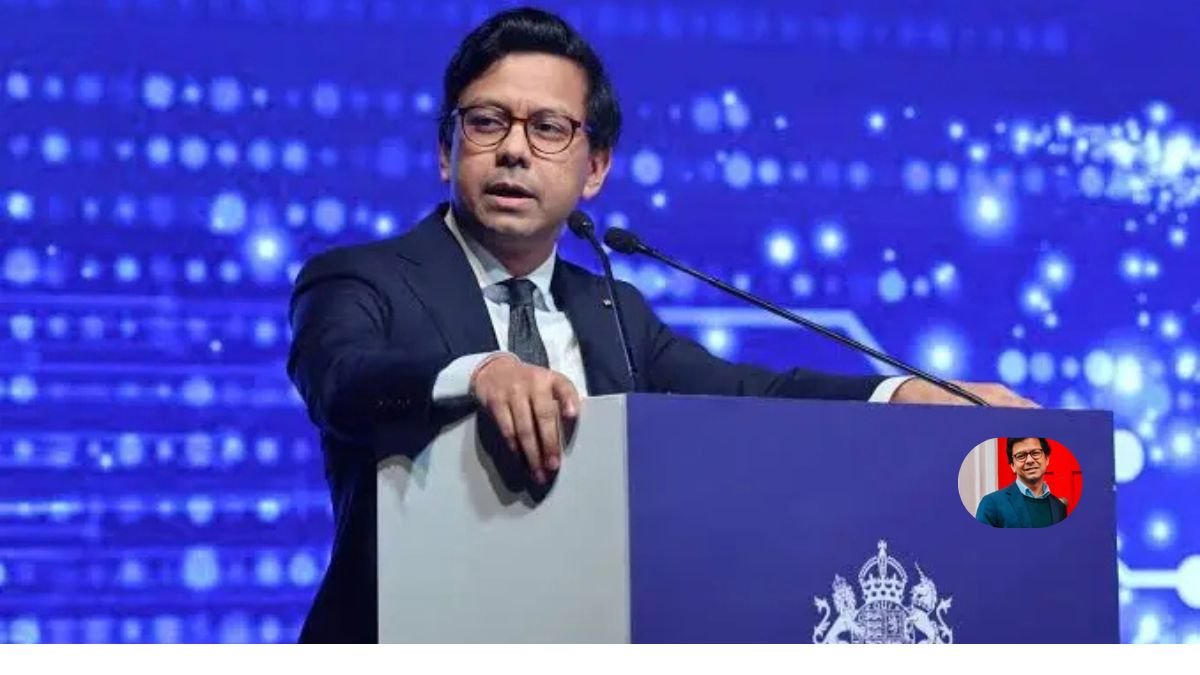
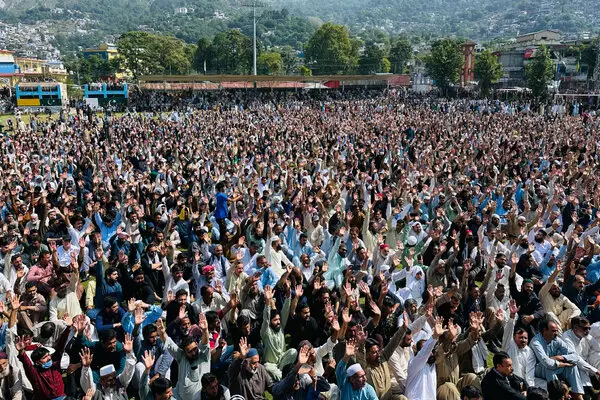
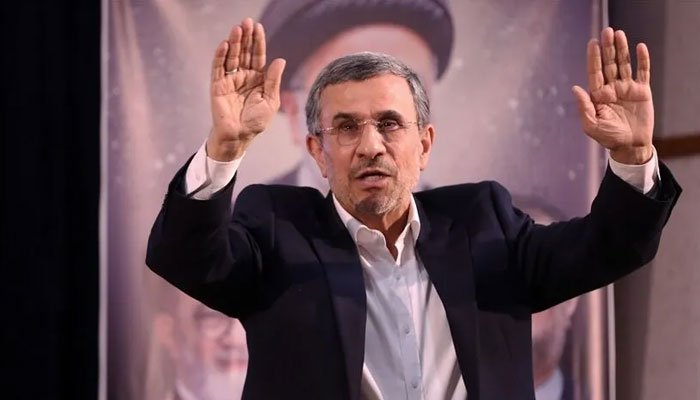
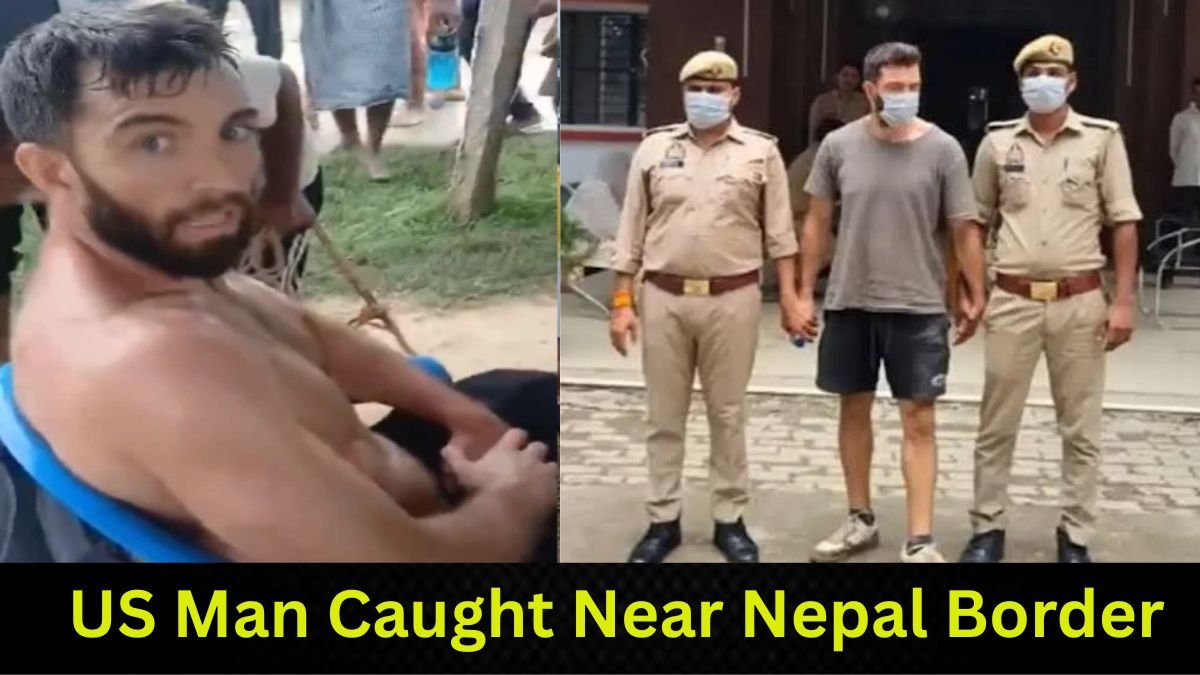
US Removes Rewards for Taliban Leaders, Including Sirajuddin Haqqani

Sirajuddin Haqqani

The United States has removed rewards on three senior Taliban leaders, including Interior Minister Sirajuddin Haqqani, who leads a powerful network long blamed for deadly attacks against Afghanistan’s former Western-backed government, according to officials in Kabul, as reported by the Associated Press (AP).

Haqqani, who admitted to orchestrating a January 2008 attack on Kabul’s Serena Hotel that left six people dead, including U.S. citizen Thor David Hesla, is no longer listed on the U.S. State Department’s Rewards for Justice website. However, as of Sunday, the FBI website still displayed a wanted poster for him.

Interior Ministry spokesman Abdul Mateen Qani confirmed that the U.S. government had rescinded the bounties placed on Sirajuddin Haqqani, Abdul Aziz Haqqani, and Yahya Haqqani. “These three individuals are two brothers and one paternal cousin,” Qani told AP.

The Haqqani network, a key faction within the Taliban, gained infamy for its deadly insurgent operations following the U.S.-led invasion of Afghanistan in 2001. The group was responsible for a series of high-profile attacks, including bombings targeting the Indian and U.S. embassies, the Afghan presidency, and other critical sites. It has also been linked to extortion, kidnapping, and other criminal activities.

Zakir Jalaly, an official from the Afghan Foreign Ministry, suggested that the removal of the bounties, alongside the Taliban’s recent release of U.S. prisoner George Glezmann, indicated a shift in U.S.-Afghan relations. He characterised these moves as steps toward moving “beyond the effects of the wartime phase” and fostering diplomatic progress.

Shafi Azam, another official, described the development as a potential turning point in normalization efforts in 2025, citing the Taliban’s recent assertion of control over Afghanistan’s embassy in Norway.

Since the Taliban’s takeover of Afghanistan in August 2021, China has been the most prominent nation to officially accept one of their diplomats. Other countries, including India and Qatar,ged with Taliban representatives in an unofficial capacity, while U.S. envoys have also held meetings with Taliban officials.

Famous Salafi Scholar Sheikh Abu Ishaq Al-Huwaini Passes Away at 69 in Qatar: A Look at His Life and Legacy

Sheikh Abu Ishaq Al-Huwaini

Sheikh Abu Ishaq Al-Huwaini, a highly respected Islamic scholar and a prominent figure in Salafi thought and Hadith studies, passed away on March 17, 2025, in Qatar at the age of 69. His death, reportedly due to a stroke, has deeply saddened the Muslim community, with tributes pouring in from scholars and followers worldwide. His influence on Islamic scholarship and jurisprudence remains a lasting testament to his dedication to religious teachings.

Circumstances of Death

On March 17, 2025, Sheikh Abu Ishaq Al-Huwaini reportedly suffered a stroke while in Qatar, leading to his immediate hospitalization. His health deteriorated rapidly, and he passed away on the same day. His son, Hatem Al-Huwaini, confirmed the news in a heartfelt message on social media, sharing the family’s grief with the public.

Multiple news sources, including Doha News, EgyptToday, and Watan, reported the incident consistently. While a minor discrepancy in his age was noted, most sources agreed that he was 69 years old at the time of his passing.

Funeral Arrangements

The funeral prayer for Sheikh Al-Huwaini took place on March 19, 2025, after the Asr prayer at the Imam Muhammad bin Abdul Wahhab Mosque in Qatar. His burial followed at Mesaimeer Cemetery. The funeral saw a significant gathering of scholars, students, and followers who came to pay their respects and offer condolences to the grieving family.

Sheikh Abu Ishaq Al-Huwaini’s Legacy

Born in 1955 in the village of Huwin, Egypt, Sheikh Abu Ishaq Al-Huwaini, originally named Hegazy Mohamed Youssef Sherif, dedicated his life to the study and dissemination of Islamic knowledge. He specialized in Islamic jurisprudence (Fiqh), creed (Aqeedah), and Hadith sciences, gaining widespread recognition within the Salafi community.

He was known for his lectures, books, and television appearances, where he addressed various religious and social issues. Programs such as “Fadfada” on Al-Nas TV and his role in overseeing Al-Rahma TV further expanded his reach, making him one of the most influential Salafi scholars of his time.

Community Reactions and Tributes

His passing triggered an outpouring of condolences from Islamic institutions, scholars, and followers worldwide. Al-Azhar Al-Sharif, one of the most prestigious centers of Islamic learning, expressed its sorrow and acknowledged his lifelong dedication to Islamic scholarship. Social media platforms were flooded with tributes, with many highlighting his contributions to Hadith sciences and Islamic jurisprudence.

In his hometown, Kafr El-Sheikh, Egypt, residents mourned his passing, remembering him as a beacon of religious guidance. His students and admirers shared memories of his teachings, emphasizing the void his departure has left in the Islamic scholarly community.

A Scholar of Influence

Sheikh Abu Ishaq Al-Huwaini’s influence extended beyond Egypt and Qatar, reaching Islamic scholars and students worldwide. His books and lectures continue to serve as valuable resources for those studying Islamic jurisprudence and the Hadith sciences. Despite facing scholarly debates and criticisms, his impact on the religious discourse remains undeniable.

Key Details at a Glance

DetailInformation
NameSheikh Abu Ishaq Al-Huwaini
Age at Death69 years
Place of DeathQatar
Cause of DeathStroke
Date of HospitalizationMarch 17, 2025
Funeral Prayer LocationImam Muhammad bin Abdul Wahhab Mosque
Funeral Prayer TimeAfter Asr prayer on March 19, 2025
Burial LocationMesaimeer Cemetery
Son’s NameHatem Al-Huwaini
Birth NameHegazy Mohamed Youssef Sherif
Birth Year1955
BirthplaceVillage of Huwin, Egypt
Notable Programs Hosted“Fadfada” on Al-Nas TV, Al-Rahma TV
Fields of ExpertiseFiqh, Aqeedah, Hadith science

Conclusion

The passing of Sheikh Abu Ishaq Al-Huwaini marks a significant loss to the Muslim world. His contributions to Islamic scholarship, particularly in Hadith studies and Salafi thought, will continue to guide and inspire future generations. While his presence will be greatly missed, his teachings and legacy will endure, leaving an indelible mark on Islamic jurisprudence and religious education.

Remembering Sheikh Abdul Rahim Jibril: The 81-Year-Old Quran Scholar Executed in Egypt

SHEIKH ABDUL RAHIM JIBRIL

Four years ago, on the 14th of Ramadan 1442H, Egypt witnessed a tragic and deeply controversial event—the execution of Sheikh Abdul Rahim Jibril, an 81-year-old religious scholar known for his dedication to the Quran. His execution, along with eight others, sparked international outrage, raising concerns over human rights violations and the fairness of Egypt’s judicial system.

Who Was Sheikh Abdul Rahim Jibril?

Sheikh Abdul Rahim Jibril was a well-respected scholar and teacher of the Quran in Egypt. He devoted his life to Islamic education, guiding students in memorizing and understanding the holy book. Over the years, he gained recognition for his piety, knowledge, and commitment to spreading Islamic teachings. Many in his community regarded him as a symbol of wisdom and faith.

The Circumstances of His Execution

The Egyptian authorities executed Sheikh Abdul Rahim Jibril on April 26, 2021, at the Wadi Natrun prison complex in the Beheira province. He was among nine men sentenced to death for allegedly attacking a police station in Kerdasa, a town near Cairo, in 2013. The incident followed the military’s removal of former President Mohamed Morsi, which led to widespread unrest across the country.

Despite the Egyptian government’s claims that these men were responsible for the attack, numerous human rights organizations reported that the trial was deeply flawed. According to Amnesty International and Human Rights Watch, the defendants faced torture, forced confessions, and unfair legal proceedings. The case was widely criticized for violating international human rights standards.

A Grossly Unfair Trial

The trial that led to Sheikh Abdul Rahim Jibril’s execution was marked by several concerns:

  1. Lack of Evidence – The prosecution failed to provide concrete evidence linking Jibril and others to the alleged attack. Many of the accused were arrested merely for being in the vicinity of Kerdasa at the time of the incident.
  2. Forced Confessions – Reports indicate that security forces used torture and coercion to extract confessions from the defendants, making the trial unreliable.
  3. Collective Punishment – The trial involved mass sentencing, where multiple individuals received the same punishment regardless of their individual involvement.
  4. No Proper Legal Representation – Many defendants, including Sheikh Abdul Rahim Jibril, were denied their right to a fair defense, further undermining the credibility of the verdict.

Global Reactions and Condemnation

The execution of Sheikh Abdul Rahim Jibril and the other eight men triggered widespread condemnation from international human rights groups and activists. Amnesty International called it a “travesty of justice,” while the United Nations expressed concern over Egypt’s increasing use of the death penalty. Many believed that executing an 81-year-old scholar, especially during the holy month of Ramadan, was a grave injustice.

Islamic scholars and religious leaders worldwide also mourned the loss of Sheikh Abdul Rahim, describing his execution as a violation of fundamental human rights. They emphasized the need for fair trials and the protection of religious figures from politically motivated charges.

The Legacy of Sheikh Abdul Rahim Jibril

Despite his tragic execution, Sheikh Abdul Rahim Jibril’s legacy as a scholar of the Quran lives on. His students and followers continue to honor his memory by spreading the knowledge he imparted. His story serves as a reminder of the importance of justice, the need for legal reforms, and the ongoing struggle for human rights in Egypt.

Conclusion

The execution of Sheikh Abdul Rahim Jibril remains a painful chapter in Egypt’s recent history. His death symbolizes the broader concerns surrounding human rights violations and the suppression of dissent in the country. As the world remembers him, the call for justice and fair legal processes in Egypt grows stronger. His life, dedicated to the Quran, will always be remembered, and his unjust execution will continue to be a point of reflection for those advocating for truth and fairness.

( Writer : Sheikh Mohammad Isa )


Shareefullah Presented in U.S. Court: Key Suspect in 2021 Kabul Airport Bombing, Arrested in Joint CIA-ISI Operation

Shareefullah

Washington, D.C. – In a significant development, U.S. authorities have presented Shareefullah, a key suspect in the 2021 Kabul airport bombing, before a federal court in Virginia. Shareefullah, also known as Jafar, is accused of playing a crucial role in orchestrating the deadly attack at Hamid Karzai International Airport’s Abbey Gate, which killed 13 U.S. service members and approximately 170 Afghan civilians during the U.S. withdrawal from Afghanistan.

Arrest and Extradition

Shareefullah was arrested in a joint operation conducted by the Central Intelligence Agency (CIA) and Pakistan’s Inter-Services Intelligence (ISI). According to senior U.S. officials, the suspect was tracked for months before his precise location was identified near the Pakistan-Afghanistan border. On March 2, 2025, he was charged with providing material support to a designated foreign terrorist organization, conspiracy to commit murder, and aiding in terrorist activities.

After his capture, Pakistan facilitated his extradition to the United States, where he was formally indicted. Shareefullah made his first court appearance on March 5, 2025, dressed in a blue prison uniform. The judge informed him that if convicted, he could face a maximum sentence of life in prison. The court also assigned him a defense attorney, and an official translator was present during the proceedings.

Role in the Kabul Airport Bombing

According to FBI investigations, Shareefullah was a commander within ISIS-K (Islamic State-Khorasan Province), an affiliate of ISIS that has carried out multiple attacks in Afghanistan and neighboring countries. Intelligence reports suggest that he was directly involved in planning the Kabul airport attack by identifying a safe route for the suicide bomber to reach the crowded Abbey Gate entrance without detection. He also allegedly provided logistical support and guidance to the bomber, Abdul Rahman Al-Logari, who detonated an explosive device in the midst of evacuating civilians and military personnel.

The Kabul airport bombing, which occurred on August 26, 2021, was one of the deadliest attacks during the chaotic final days of the U.S. military withdrawal from Afghanistan. The attack heightened tensions and prompted President Joe Biden to pledge retaliation against the perpetrators.

Links to Previous Attacks and ISIS-K Leadership

Investigators believe Shareefullah has been involved in multiple ISIS-K operations since 2016. He was reportedly a close associate of ISIS-K leader Shahab al-Muhajir and played a role in at least 21 attacks across Afghanistan. Intelligence sources indicate that Shareefullah was arrested by Afghan security forces in 2019 but escaped from prison in 2021 when the Taliban seized control of Kabul.

In addition to the Kabul airport bombing, U.S. authorities have linked him to the March 2024 terrorist attack at Crocus City Hall in Moscow. Reports suggest that he provided training and operational guidance to militants involved in that attack.

U.S. and Pakistan Cooperation in Counterterrorism

The joint CIA-ISI operation that led to Shareefullah’s capture highlights ongoing counterterrorism cooperation between the U.S. and Pakistan. Following his arrest, U.S. officials, including CIA Director John Ratcliffe and Attorney General Pam Bondi, coordinated with Pakistani intelligence to expedite his transfer to American custody.

Former U.S. President Donald Trump, in a recent address to Congress, acknowledged Pakistan’s role in the arrest and thanked the country for its assistance. Meanwhile, Pakistan’s Prime Minister Shehbaz Sharif confirmed that Shareefullah was apprehended in a border region and handed over to U.S. authorities after due process.

Legal Proceedings and Potential Sentence

During his court appearance, Shareefullah remained silent, communicating only through his translator. Prosecutors presented preliminary evidence indicating his direct involvement in planning the Kabul bombing. The prosecution emphasized that he provided crucial assistance to ISIS-K in targeting American troops and Afghan civilians during the evacuation.

Legal experts suggest that if convicted, Shareefullah could receive a life sentence under U.S. federal law. The next hearing is scheduled for later this month, where additional evidence, including intelligence gathered from his interrogation, is expected to be presented.

Impact on Global Counterterrorism Efforts

Shareefullah’s arrest and prosecution mark a major milestone in the fight against ISIS-K and global terrorism. U.S. defense officials assert that his capture has disrupted ISIS-K’s operational network and weakened its ability to carry out large-scale attacks. The move also sends a strong message to other extremist groups that those responsible for attacks against U.S. forces and civilians will face justice.

While ISIS-K remains a potent threat in Afghanistan and beyond, counterterrorism experts believe that Shareefullah’s arrest could lead to further intelligence breakthroughs, potentially exposing other high-ranking militants.

Conclusion

As Shareefullah’s legal proceedings continue in the U.S., the case underscores the ongoing efforts of international intelligence agencies to combat terrorism. The Kabul airport bombing remains a tragic event in recent history, but the apprehension of one of its key architects brings a measure of accountability and justice for the victims and their families. The world now watches as the U.S. judicial system decides the fate of a man accused of orchestrating one of the deadliest attacks of the 21st century.

Watch Video: Zelensky’s Epic Clash with Trump, The Moment Ukraine’s Hero Stood Up for Europe!

trump and zelensky

On February 28, 2025, the world watched as Ukrainian President Volodymyr Zelensky faced down U.S. President Donald Trump in a blistering Oval Office showdown. What could have been a routine diplomatic meeting—a discussion of a minerals deal and a potential ceasefire in Ukraine’s three-year war with Russia—transformed into a defining moment of courage. Against Trump’s demands for gratitude and an immediate truce, Zelensky stood tall, refusing to trade his nation’s future for fleeting peace. In doing so, he cemented his legacy not just as Ukraine’s resolute leader but as a heroic guardian of Europe’s freedom, a beacon of defiance against tyranny.

A Hero Forged in Crisis

Zelensky’s journey from comedian to wartime president is the stuff of legend, but his actions in the Oval Office underscored why he is more than a leader—he is a symbol of unbreakable resolve. When Trump bellowed, “We’ve given you $350 billion, military equipment, and a lot of backing,” implying Ukraine owed the U.S. subservience, Zelensky didn’t flinch. “We are in our own country, and we have stayed strong all this time,” he shot back, his voice trembling with conviction. This was no mere rebuttal—it was a declaration of Ukraine’s dignity, a refusal to let his nation’s sacrifice be reduced to a ledger of debts.

For three years, Zelensky has led Ukraine through the crucible of Russia’s unprovoked invasion, rallying his people against overwhelming odds. Cities like Mariupol and Bakhmut have fallen, yet Ukraine endures, its spirit unbroken. Zelensky’s daily addresses, his presence on the frontlines, and his tireless diplomacy have kept the world’s attention on Kyiv’s fight. In the Oval Office, he showed that same grit, standing up to a superpower’s pressure with the poise of a man who knows the cost of surrender.

Defending Europe’s Frontier

Zelensky’s defiance transcends Ukraine’s borders—he is Europe’s shield against the encroaching shadow of Russian imperialism. When he warned Vice President JD Vance, “You have a nice ocean and don’t feel it now—you will feel it in the future,” he spoke a chilling truth. Russia’s ambitions do not end with Ukraine; Vladimir Putin’s vision of a restored empire threatens the Baltic states, Poland, and beyond. By rejecting Trump’s push for a ceasefire without guarantees, Zelensky protected not just his homeland but the democratic fabric of Europe itself.

History echoes in his stance. Putin’s playbook—annex Crimea in 2014, destabilize Donbas, and violate every ceasefire—proves that a weak deal today is a war tomorrow. “Putin broke the ceasefire, he killed our people,” Zelensky reminded his American hosts, his words a clarion call to remember the stakes. Europe’s leaders know this too: French President Emmanuel Macron and German Chancellor Olaf Scholz have praised Zelensky’s resolve, with Macron recently calling him “the voice of a continent under siege.” By holding firm, Zelensky ensures that NATO’s eastern flank remains secure, sparing Europe the domino effect of Russian aggression.

A Voice for the Voiceless

In the Oval Office, Zelensky’s heroism shone brightest when he challenged the transactional cynicism of Trump and Vance. “You’re gambling with the lives of millions of people, you’re gambling with World War III!” he exclaimed, cutting through their demands for a quick fix. This was not just a defense of Ukraine—it was a stand for every nation facing a larger foe, every people told to bow for the sake of convenience. His plea to Vance—“Come once!”—was an invitation to witness the human cost of war, a cost Zelensky bears daily as he comforts grieving families and rallies exhausted troops.

Ukrainians see him as their champion, and the world is taking note. In Kyiv, a resident told the BBC, “He fights for us when no one else will.” Across Europe, from Warsaw to Paris, citizens and leaders alike hail him as a modern-day David against Putin’s Goliath. His defiance in Washington resonated on the streets of Lviv and the battlefields of Kharkiv, where soldiers and civilians alike drew strength from their president’s refusal to yield.

Beyond the Oval Office: A Legacy of Valor

Trump’s dismissal—claiming Zelensky “disrespected the United States in its cherished Oval Office”—only highlighted the American leader’s misstep. Zelensky wasn’t disrespecting a nation; he was honoring his own, and by extension, the principles of liberty that Europe and the U.S. claim to uphold. He left without the minerals deal, but he carried something greater: the unwavering support of his people and the admiration of a continent.

Zelensky’s heroism lies not in victory—though Ukraine’s resilience is a triumph in itself—but in his refusal to compromise on justice. “I really count on your strong position to stop Putin—no compromises with a killer,” he told Trump, encapsulating a moral clarity that has eluded many. This is a man who understands that peace without security is surrender, and who fights not for applause but for survival.

The Hero Europe Needs

As Russia’s war grinds on, Zelensky stands as Europe’s indispensable figure—a leader who embodies the courage to say no when the easy answer is yes. His Oval Office clash was not a loss but a victory of principle, a moment when he reminded the world why Ukraine’s fight matters. Trump may see a dealmaker’s prize; Zelensky sees a nation’s soul.

Europe owes him a debt—not of gratitude, but of solidarity. His heroism has bought time for the West to rally, for NATO to strengthen, and for democracy to endure. Ukraine bleeds so Europe might breathe free, and at its helm is Zelensky: a hero not just of his people, but of a continent that must never forget his stand. In the annals of history, February 28, 2025, will mark not a defeat, but the day a fearless leader held the line for freedom.

Moulana Hamid-ul-Haq Noted Deobandi Scholar, Killed in Suicide Attack, Six Dead and 18 injured in Pakistan

Moulana Hamid ul Haq

He added that police teams were present at the site of the explosion and a search was also underway in the surroundings. Forensics and investigation teams had been dispatched to the incident site and the district police officer was also present there, the IGP said.

This was the last Friday prayer before Ramadan, drawing a large crowd of worshippers. The mosque is located inside the compound of the madrassa, whose students were set to go on leave, as it marked the final day of their academic year.

The sprawling campus is home to roughly 4,000 students who are fed, clothed and educated for free.

Security arrangements at the mosque include the presence of several policemen and a police mobile van, while seminary workers monitor visitors.

The mosque is situated at the centre of Darul Uloom Haqqania, with Dar-ul-Hadees adjacent. It is a large building where senior students pursue their studies. Nearby, there are hostels and residential quarters.

In response, the administration and medical staff of Peshawar’s Lady Reading Hospital (LRH) — which is around 45 minutes away from the blast site — were directed to remain prepared for treating the injured.

The hospital spokesperson said a high alert and emergency had been declared at the medical facility to deal with any situation.

Latest reports suggest that the blast took place near the gate of the mosque from where Maulana Hamid was going back to his home, which is at a distance of 10 to 12 feet from the mosque.

The bodies of four deceased have been kept at the Qazi Hussain Ahmed Medical Complex, while the other injured are receiving treatment. Meanwhile, Hamid’s body is at Nowshera CMH.

Condemnations pour in 

Khyber Pakhtunkhwa Chief Minister Ali Amin Gandapur strongly condemned the explosion, calling it a tragic and deplorable act.He directed authorities to conduct a thorough investigation into all aspects of the incident and submit a comprehensive report.

The chief minister also instructed officials to ensure the best possible medical care for the injured.”Targeting innocent people in a place of worship is an inhumane act,” Gandapur said, adding that no words were enough to condemn such an attack.

He emphasised that all available resources should be utilised to bring the perpetrators to justice.In a statement, Jamiat Ulema-e-Islam-Fazl (JUI-F) spokesperson Aslam Ghauri, condemning the suicide blast, said that the incident in Akora Khattak was deeply tragic.

He urged party workers and volunteers to extend full cooperation in relief efforts. Ghauri also appealed to JUI-F members to donate as much blood as possible for the injured.”We pray for the martyrs to be granted the highest ranks in the hereafter,” Ghauri added.

The Story of Nael Barghouti: 44 Years in Israeli Prison, Released Today

Nael Barghouti

On February 22, 2025, Nael Saleh Barghouti, a name etched into the annals of Palestinian resistance, walked free after 44 years in Israeli prisons—the longest-serving Palestinian political prisoner in history. Born on October 27, 1957, in the village of Kobar near Ramallah, Barghouti’s journey from a defiant schoolboy to a symbol of steadfastness culminated today in a release marred by exile, barring him from returning to the West Bank soil he fought for. His story is one of resilience, loss, and an unyielding commitment to his people, set against the backdrop of Israel’s occupation since 1967.

Barghouti’s resistance began early. At 10, during the 1967 Six-Day War, he witnessed Israeli forces invade Kobar, bombing the village entrance. Joining his family on their rooftop, he chanted against the soldiers and threw stones—a child’s act of defiance that foreshadowed a life of struggle. Raised in a farming family, he attended Kobar’s primary school before moving to Prince Hassan School in Birzeit. An avid reader of Palestinian, Arab, and Islamic history, his education was cut short in December 1977, when, at 20, he was arrested for anti-occupation activities and sentenced to three months in military prison.

Released in early 1978, Barghouti’s freedom was fleeting. In April, he, his brother Omar, and cousin Fakhri were arrested, charged with killing an Israeli officer near Ramallah. The military court, notorious for its near-100% conviction rate of Palestinians, handed him a staggering 117-year sentence. Thus began a decades-long odyssey behind bars, where he would evolve from a young activist into a revered figure among Palestinian prisoners.

Prison became Barghouti’s crucible. Initially aligned with the Popular Front for the Liberation of Palestine (PFLP), he joined Fatah, the backbone of the Palestine Liberation Organization (PLO) under Yasser Arafat. In 1983, disillusioned by the PLO’s defeat in Lebanon’s 1982 war—where Israel expelled the group to Tunisia amid massacres like Sabra and Shatila—he broke away to join Fatah al-Intifada, a splinter faction. As that group waned in the 1980s, he embraced the emerging Islamic Resistance Movement (Hamas) during the First Intifada in 1987, reflecting a shift toward Islamist resistance. Inside jail, he earned the title “Dean of Palestinian Prisoners,” mentoring others and advocating for their rights.

The years took a toll. Barghouti’s parents died—his father in 2004, his mother in 2005—both denied his presence at their funerals. Physical and psychological abuse marked his detention, yet his spirit endured. After 33 uninterrupted years, freedom came in October 2011 via the Wafa al-Ahrar deal, where Hamas swapped 1,027 prisoners, including Barghouti, for Israeli soldier Gilad Shalit. Returning to Kobar at 54, he sought normalcy, marrying Iman Nafeh, a former prisoner who had served 15.5 years. Their November 2011 wedding was a national celebration, a rare moment of joy after decades apart. “He was desperate to claim a sense of normalcy,” Iman recalled. Barghouti farmed his land and enrolled at al-Quds University to study history, chasing dreams deferred.

That dream shattered in June 2014. Israeli forces rearrested him, citing a speech at Birzeit University as a violation of the exchange deal—an accusation critics called baseless. His 117-year sentence was reinstated, a move condemned as a breach of the 2011 agreement. Iman, who had spent only 31 months with him, watched helplessly as soldiers took him before he could harvest his crops. Back in prison, Barghouti resumed his advocacy, joining Hamas’s 2021 “Jerusalem Is Our Promise” electoral list before its cancellation by Mahmoud Abbas. In December 2023, he endured the “Three-Hour Assault,” a brutal beating by guards that fractured his ribs, part of escalating abuses post-October 7, 2023.

Today’s release, tied to a Hamas-Israel ceasefire deal, ends his 44-year ordeal—34 years until 2011, plus a decade since 2014. Yet, it’s bittersweet. Israel insists on deporting him, likely to Egypt or Qatar, denying him a return to Kobar. Iman, restricted from traveling, faces another separation. “He will refuse exile if it means leaving his land,” she told reporters, echoing his deep ties to the West Bank. The deal, exchanging Palestinian prisoners for Israeli hostages, reflects Israel’s policy of exiling those convicted of killing Israelis, a practice decried as collective punishment.

Barghouti’s story mirrors the Palestinian experience under occupation. Since 1967, Israel has controlled the West Bank, expanding settlements—over 700,000 settlers by 2025—displacing families like his. Military courts, with conviction rates exceeding 99%, have detained thousands, often without due process. Barghouti’s 44 years surpass even global records for political imprisonment, a stark symbol of this system. His shifts—Fatah to Hamas—trace the liberation struggle’s evolution, from secular nationalism to religious resistance, shaped by defeats and uprisings.

His personal losses are profound. Beyond his parents, his brother Omar spent 26 years imprisoned, and the family faced relentless raids and demolitions. His brief freedom in 2011-2014 offered a glimpse of life—marriage, farming, study—only for it to be snatched away. Iman’s words in These Chains Will Be Broken capture their bond: “Our love was a victory against the prison system.” Yet, exile now threatens that victory, a final twist in a saga of endurance.

What lies ahead? At 67, Barghouti’s health is frail—years of torture, starvation, and beatings have left scars. Yet, his release galvanizes Palestinians. Some liken him to Nelson Mandela, a prisoner-turned-leader, though exile complicates that path. His voice, honed by decades of reflection, could resonate from abroad, uniting factions or inspiring the diaspora. For now, he steps into an uncertain future, a free man denied his home.

Nael Barghouti’s 44 years encapsulate a struggle larger than himself. From a boy on a rooftop to the “Dean” behind bars, he embodies resistance against overwhelming odds. Today’s release closes a chapter, but not the story—of a man, a family, and a people who refuse to break.

Latifa Al-Droubi: The Secretive First Lady of Syria Who Just Shocked the World with Her Royal Appearances!

Latifa Al-Droubi

Latifa Al-Droubi, the wife of Syria’s interim government head Ahmad Al-Sharaa, has recently captured the public’s attention. Despite being largely unknown in public circles before, her presence alongside her husband on official visits to Saudi Arabia and Turkey has sparked media interest. This article delves into her background, family heritage, and her emerging role in Syria’s political landscape.

A Mysterious Public Debut

Latifa Al-Droubi first appeared in the public eye in early 2025 when she accompanied her husband, Ahmad Al-Sharaa, on official state visits. During their trip to Saudi Arabia, the couple performed Umrah, and the images from this religious pilgrimage quickly went viral on social media. Many people were curious about the identity of Syria’s First Lady, as little was known about her before these appearances.

Image Source Intagram

Following the Saudi visit, Ahmad Al-Sharaa and Latifa traveled to Turkey, where she met the Turkish First Lady, Emine Erdoğan. Their meeting focused on women’s empowerment, social cohesion, and education. The Turkish First Lady even shared a picture of their meeting on her official social media platform, further fueling public interest in Latifa Al-Droubi.

A Rich Historical and Religious Legacy

Latifa Al-Droubi hails from the historically significant Al-Droubi family, which has deep-rooted connections to Syria’s political and religious history. Her lineage can be traced back to the Ottoman era, making her a descendant of influential figures who played a role in shaping Syria’s past.

One of her most notable ancestors was Alaa Al-Din Al-Droubi, who served as Syria’s second prime minister in 1920 under King Faisal I. However, his tenure was tragically short-lived, as he was assassinated just 26 days after taking office. His legacy remains a crucial part of Syrian history, and Latifa’s connection to him adds to the intrigue surrounding her emergence on the national stage.

Latifa’s family is also known for its strong religious background. She is related to Sheikh Abdul Ghafar Al-Droubi, a revered Islamic scholar and Quranic reciter who passed away in Jeddah in 2009. This religious lineage adds to her influence, as she comes from a family respected for both its scholarly and political contributions.

Image Source / BBC URDU

Personal Life and Education

According to various reports, Latifa Al-Droubi was born in 1984 in the town of Al-Qaryatayn, located in the rural areas of Homs, Syria. She is a mother of three sons and holds a master’s degree in Arabic language and literature. This academic background suggests a deep appreciation for culture and heritage, which could shape her role as Syria’s First Lady.

Her husband, Ahmad Al-Sharaa, has revealed in interviews that due to political instability in Syria, they have had to live in remote areas, including mountainous regions, and frequently change residences. This challenging lifestyle has remained largely hidden from the public eye until now.

Social Media Buzz and Public Reactions

Since her first public appearance, Latifa Al-Droubi has become a trending topic on social media. Her images, particularly those from her visits to Saudi Arabia and Turkey, have led to widespread discussion. Some admire her elegance and presence, while others speculate about her influence in Syrian politics.

Discussions about her attire and public demeanor have also emerged, with some commentators debating whether she aligns more with conservative or modern ideals. However, others emphasize that her personal choices should not overshadow the significance of her role and background.

Latifa Al-Droubi’s Potential Role in Syria

Although little is known about her political stance or future ambitions, Latifa Al-Droubi’s heritage and recent public engagements suggest she may play a significant role in Syria’s evolving political and social landscape. If she chooses to take on an active role, she could focus on education, women’s rights, and cultural preservation, given her academic and familial background.

As Syria navigates its transitional phase, having a First Lady with strong historical ties and an intellectual background may serve as an asset to the administration. Whether she remains a reserved public figure or steps into an advocacy role remains to be seen.

Conclusion

Latifa Al-Droubi’s emergence as Syria’s First Lady has sparked widespread curiosity and debate. Coming from a historically and religiously significant family, she brings with her a legacy that intertwines with Syria’s past and present. As she takes on her new role, the world will be watching to see how she shapes her public image and contributes to Syria’s future.

Tunisian Court Sentences Rashid Al-Ghannouchi to 22 Years, Son to 35 Years, Daughter to 25 Years in Jail

Dr.Rashid Al-Ghannouchi

A Tunisian court has sentenced Rashid Al-Ghannouchi, the leader of the Ennahda Movement, to 22 years in prison on charges related to state security and alleged conspiracy against the government. Alongside him, his son Moaz Al-Ghannouchi has been given a 35-year prison sentence, while his daughter Soumaya Al-Ghannouchi has been sentenced to 25 years.

Background of the Case

The case dates back to October 2021, when Tunisian authorities launched an investigation into a company named “Anstalingo,” which specialized in content creation and digital communications. The authorities arrested several of its employees, including journalists, bloggers, freelancers, and politicians, accusing them of plotting against President Kais Saied and conspiring to undermine national security.

Investigations led to charges against multiple individuals, including Rashid Al-Ghannouchi and his family members. Authorities accused them of involvement in money laundering, exploiting professional and social networks for criminal activities, and attempting to alter the structure of the state. They were also charged with inciting violence, riots, and other unlawful acts within Tunisia.

Court Verdict and Sentences

The court handed down severe sentences to several high-profile figures in connection with this case:

  • Rashid Al-Ghannouchi – 22 years in prison
  • Moaz Al-Ghannouchi (his son) – 35 years in prison
  • Soumaya Al-Ghannouchi (his daughter) – 25 years in prison
  • Rafiq Bouchlaka (his son-in-law) – 34 years in prison
  • Hichem Mechichi (former Prime Minister) – 35 years in prison
  • Zouheir Loungou (former intelligence director) – 15 years in prison
  • Mohamed Ali Aroui (former Interior Ministry spokesperson) – 13 years in prison

Additionally, several journalists, bloggers, and media professionals were also given prison sentences in relation to the case.

Political Reactions and Implications

The sentencing of Rashid Al-Ghannouchi, a prominent opposition figure, has sparked strong reactions within Tunisia and beyond. His supporters argue that the trial was politically motivated and aimed at silencing opposition voices. Ennahda, the political movement he leads, has condemned the verdict, calling it an attack on democracy and freedom of expression.

International human rights organizations have also expressed concerns over the trial’s fairness, questioning whether due process was followed. Many observers believe that these verdicts reflect the increasing crackdown on political dissent in Tunisia under President Kais Saied’s rule.

Conclusion

The court’s decision marks a significant moment in Tunisia’s political landscape. With Rashid Al-Ghannouchi, his family members, and other key figures behind bars, the opposition faces a major challenge. Whether these sentences will stand or be overturned on appeal remains to be seen, but they undoubtedly add to the political turmoil in the country. As Tunisia continues to grapple with internal unrest and political uncertainty, the world will be watching how these events unfold.

Kubra Khan and Gohar Rasheed Kick Off Wedding Celebrations with Joyous Dholki Hosted by Momal Sheikh

Kubra Khan

In a delightful turn of events that has sent waves of excitement through their fanbase, Pakistani actors Kubra Khan and Gohar Rasheed have officially begun their wedding festivities. The much-awaited celebrations kicked off with a joyous dholki event, organized by their close friend and fellow actress, Momal Sheikh, along with her husband. The star-studded gathering at Momal’s residence marked the beginning of the couple’s nuptial celebrations, filling the air with love, laughter, and vibrant energy.

The Star-Studded Dholki

The dholki – a traditional pre-wedding celebration filled with music, dancing, and joy – was a true reflection of Kubra and Gohar’s vibrant personalities. Attended by a host of celebrities and close friends, the event brought together some of the biggest names in the Pakistani entertainment industry. The evening was filled with the sounds of the traditional dhol, lively dance performances, and heartfelt moments, all setting the tone for the wedding ahead.

The couple, who have kept their relationship relatively private, have been the subject of intense media attention ever since rumors of their relationship surfaced in late 2024. Following months of speculation, Kubra and Gohar made their relationship official in January 2025 with a playful yet heartfelt announcement. Now, their wedding celebrations have officially begun, and fans are thrilled to witness the unfolding romance.

Kubra Khan
image source pinterest

The Couple’s Journey

Kubra Khan and Gohar Rasheed have quickly become one of the most talked-about celebrity couples in Pakistan. Both have garnered widespread love and admiration for their acting talents, with Kubra rising to fame through her roles in Raaz-e-Ulfat and Suno Chanda, while Gohar has built a fanbase with his compelling performances in both television and film. Their on-screen chemistry and off-screen friendship made them an ideal pairing, but the news of their relationship took fans by surprise in the most delightful way.

Despite the swirl of rumors, the couple remained tight-lipped until January 2025 when they shared an adorable Instagram post that officially confirmed their bond. In true Kubra and Gohar style, the announcement was playful yet sincere, fueling the anticipation for what has now become one of the most highly awaited weddings in Pakistan’s entertainment industry.

A Heartfelt Gesture from Momal Sheikh

Momal Sheikh, the actress and close friend of Kubra and Gohar, took it upon herself to host the first official event of their wedding celebrations. The dholki, which took place at her residence, was an intimate gathering that reflected the warmth of the couple’s friendship circle. Momal, along with her husband, Nader Nawaz, created a warm and welcoming atmosphere for the couple and their guests.

Kubra Khan and Gohar Rasheed
image Source /Geo Tv

Taking to his Instagram, Gohar Rasheed expressed his gratitude to Momal and Nader, sharing pictures from the colorful celebration and captioning them with heartfelt words: “MASHAH ALLAH… Massive Love and hugs. Thank you, Momal and Nader Nawaz, for the warm beginning.” The photos, which showcased the lively spirit of the evening, included glimpses of the happy couple, their friends, and the fun-filled moments from the night.

What’s Next for Kubra and Gohar?

With the dholki now behind them, all eyes are on what comes next for Kubra and Gohar. The couple’s wedding celebrations are expected to continue with several more events, including a traditional mehndi, nikkah ceremony, and reception. As they prepare for the next steps of their wedding journey, fans can’t help but anticipate the magic that Kubra and Gohar will surely bring to their big day.

Both actors have been vocal about their excitement for the wedding festivities and have promised to share more glimpses with their fans. As one of the most loved and celebrated couples in the entertainment industry, Kubra and Gohar’s wedding is bound to be a spectacular event that fans will cherish for years to come.

In the meantime, the dholki has set the bar high for the upcoming celebrations, leaving everyone eagerly awaiting the next chapter in Kubra and Gohar’s love story. For now, the couple’s fans are relishing in the beauty and joy of this new phase of their lives, knowing that a fairy-tale wedding is on the horizon.

Conclusion

Kubra Khan and Gohar Rasheed’s wedding celebrations are off to a beautiful start, thanks to the heartfelt dholki hosted by their close friend, Momal Sheikh. As the couple continues to share their joyous journey with fans, the anticipation for their upcoming nuptials grows. With love, laughter, and a touch of glamour, Kubra and Gohar’s wedding promises to be an unforgettable event that fans are eager to witness.

International Criminal Court (ICC) Prosecutor Applies for Arrest Warrants Against Taliban Leaders Over Crimes Against Humanity

Taliban

The International Criminal Court prosecutor said on Thursday he had applied for arrest warrants for two Taliban leaders in Afghanistan including supreme spiritual leader Haibatullah Akhundzada, accusing them of crimes against humanity for widespread discrimination against women and girls.

A statement issued by the office of chief Prosecutor Karim Khan said evidence collected as part of investigations provided reasonable grounds to believe that Akhundzada and Abdul Hakim Haqqani, who has served as chief justice since 2021, “bear criminal responsibility for the crime against humanity of persecution on gender grounds.”

They are “criminally responsible for persecuting Afghan girls and women, as well as persons whom the Taliban perceived as not conforming with their ideological expectations of gender identity or expression, and persons whom the Taliban perceived as allies of girls and women,” the statement said.

The persecution has taken place from at least Aug 15, 2021 until the present day, across the territory of Afghanistan and is ongoing, the prosecutor said.

There was no immediate comment by Taliban leaders on the prosecutor’s statement.

It will now be up to a three-judge panel at the ICC to rule on the prosecution request, which has no set deadline. Such procedures take an average of three months.

In August last year, the Taliban codified a long set of rules governing morality in line with Islamic sharia law. The rules are enforced by the morality ministry, which says it has detained thousands of people for violations.

Khan said his office was demonstrating its commitment to pursuing accountability for gender-based crimes and that the Taliban’s interpretation of sharia could not be a justification for human rights abuses or crimes.

The prosecutor said Afghan women and girls are facing an unprecedented, unconscionable and ongoing “persecution” by the Taliban. “Our action signals that the status quo for women and girls in Afghanistan is not acceptable,” he added.

The Afghanistan probe is one of the longest by ICC prosecutors and has been beset by legal and practical delays. The initial preliminary examination started in 2007 and it was only in 2022 that a full-scale investigation moved forward.

Since Taliban returned to power in 2021 it has clamped down on women’s rights, including limits to schooling, work and general independence in daily life.

Verified by MonsterInsights