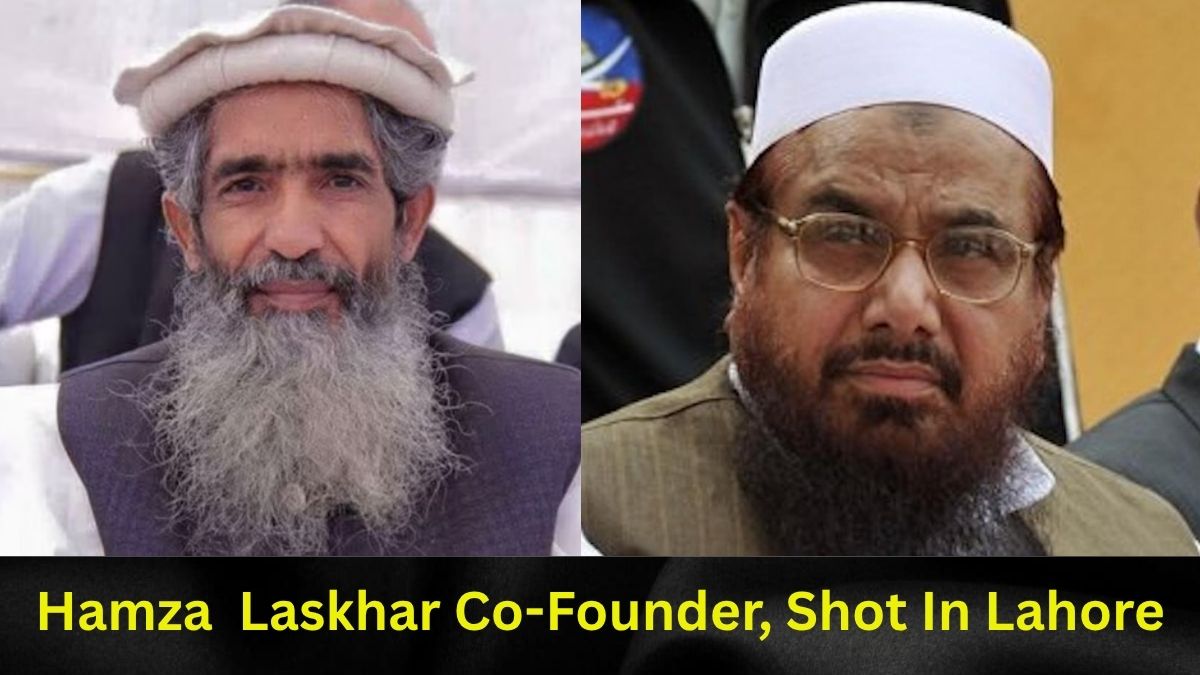
LeT Co-Founder Amir Hamza Shot in Lahore: Mystery Gun Attack Leaves Terror Leader Fighting for Life
Maulana Amir Hamza, a senior leader and co-founder of the banned militant outfit Lashkar-e-Taiba (LeT), was reportedly shot and seriously wounded in Lahore after unidentified gunmen opened fire on his vehicle.
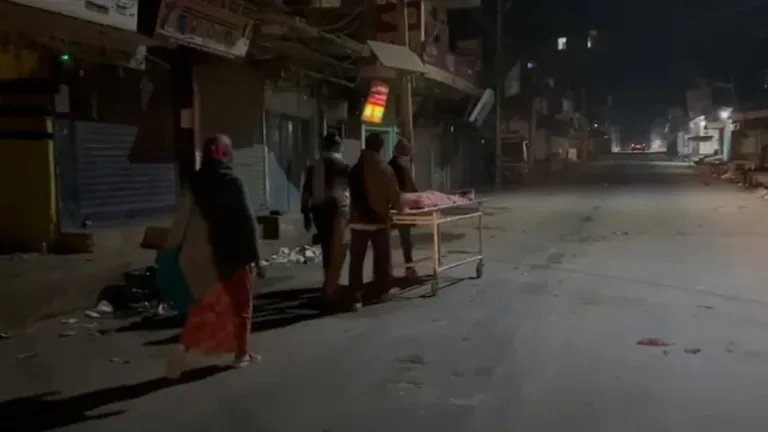
According to reports circulating in Pakistani media and social platforms, the attack took place near Peco Road after Hamza had allegedly completed a media appearance. Two assailants riding a motorcycle are said to have intercepted his car and fired multiple shots before fleeing the scene.
Hamza, aged 66, sustained severe injuries and was rushed to a nearby hospital, where he is reportedly in critical condition. Another person travelling with him, identified as Nazir Ahmed Ghazi, was also injured.
No Official Confirmation Yet
As of now, there has been no formal statement from Lahore Police, Pakistan’s security agencies, or the government regarding the identity of the attackers or the motive behind the shooting.
Authorities are believed to be reviewing CCTV footage and gathering evidence, while security has reportedly been tightened around the hospital where Hamza is being treated.
Who is Amir Hamza?
Amir Hamza is widely known as one of the founding figures of Lashkar-e-Taiba, the Pakistan-based militant group designated as a terrorist organisation by several countries, including India and the United States.
He has long been considered one of the organisation’s most influential ideologues and propagandists, second only to Hafiz Muhammad Saeed in prominence.
Hamza has been linked by international agencies to extremist recruitment, publications, and operational support networks. The US Treasury designated him as a global terrorist in 2012.
Pattern of Mysterious Attacks
The shooting comes amid a series of unexplained attacks and deaths involving figures linked to militant groups inside Pakistan over the past two years.
Several former commanders and recruiters associated with LeT and similar networks have reportedly been targeted by unknown assailants in cities such as Lahore, Karachi, and Rawalpindi.
These incidents have sparked speculation over internal rivalries, factional disputes, and covert operations, though no public evidence has confirmed any theory.
Reactions
The development has drawn significant attention on social media, especially in India, where many users described the attack as a major blow to LeT’s senior leadership.
No statement has yet been issued by Jamaat-ud-Dawa, often regarded as LeT’s front organisation, or by Hamza’s close associates.
Developing Story
Hamza’s exact medical condition remains unclear, and further updates are expected once Pakistani authorities release official details. The incident once again highlights the uncertain and dangerous environment surrounding banned militant networks operating inside Pakistan.