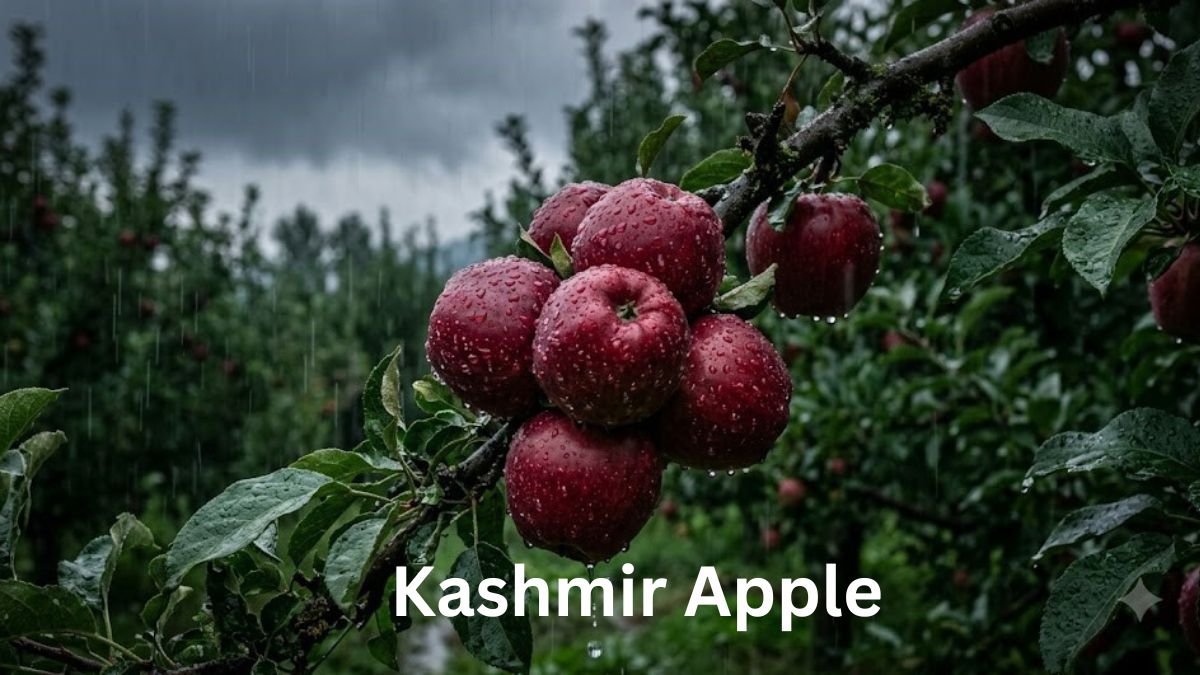
Non-Stop Rain in Kashmir: How Farmers and Fruit Growers Can Protect Their Orchards
By: Sheikh Mohammad Isa
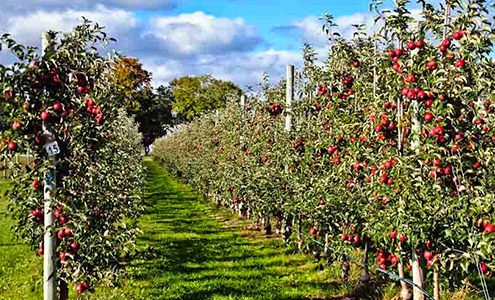
Heavy, endless rainfall across Kashmir is causing deep concern for local farmers and orchard owners. The valley’s agricultural heartland—especially its world-famous apple orchards—is facing serious threats from persistent wet weather. Cold temperatures, waterlogged soil, and soaring humidity create the perfect storm for fungal diseases, rotting roots, and ruined harvests. Click Here To Follow Our WhatsApp Channel
To help protect your hard work, income, and trees, here is a detailed, easy-to-follow practical guide based on official advice from the J&K Department of Horticulture and SKUAST-Kashmir (Sher-e-Kashmir University of Agricultural Sciences and Technology).
What are the Main Risks Right Now?
When rain doesn’t stop for days, several problems quickly build up in the fields:
- Root Rot and Suffocation: Water standing around the base of a tree starves the roots of oxygen. Over time, this leads to root and collar rot, which can permanently damage or kill mature trees.
- Fungal Outbreaks: High humidity favours dangerous fungal infections like Apple Scab, Alternaria Leaf Blotch, and Downy Mildew.
- Premature Fruit Drop: Unstable weather and soggy soil stress the trees, causing them to shed young fruit long before harvest time.
- Physical Damage: Heavy rain combined with gusty winds can easily snap fruit-laden branches or uproot young saplings.
Essential Steps to Save Your Orchards
1. Clear Standing Water Immediately
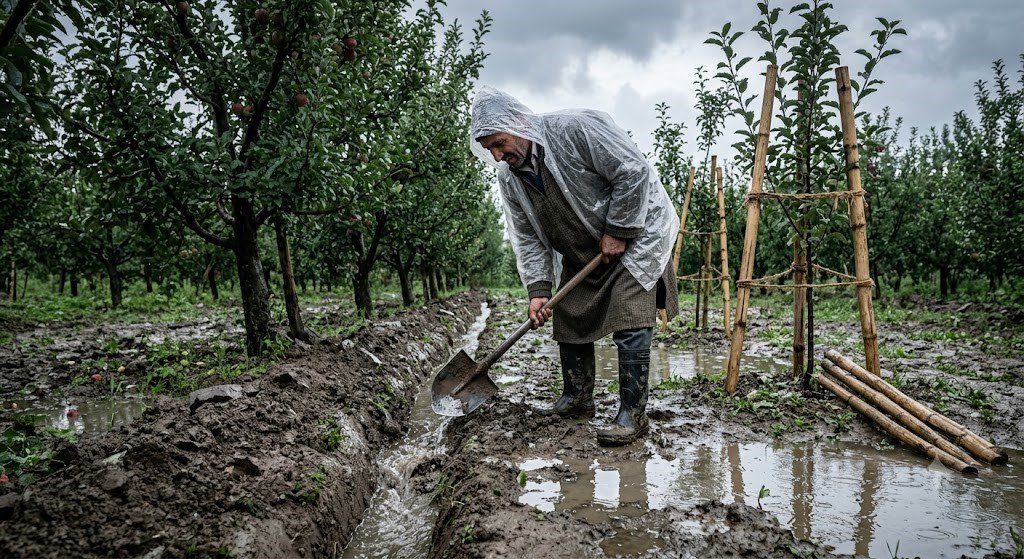
- Dig Drainage Channels: Dig deep, clear ditches throughout your orchard so excess water can flow away freely. Water should never be allowed to sit around the base of your trees.
- Keep Tree Basins Raised: Build up the soil slightly around tree trunks so water slopes downwards and away from the main stem.
- Hold Off on Heavy Machinery: Avoid walking heavy equipment or tilling soil while the ground is soaked. Working wet ground compacts the earth and damages delicate root systems.
2. Follow Safe Spraying Rules
Golden Rule: Never spray fungicides or pesticides while it is actively raining or very windy. The rain will simply wash expensive chemicals away, wasting your money and polluting the environment.
- Wait for a Dry Window: Apply protective sprays only when the rain has completely stopped and leaves have dried. You need a clear window of at least 4 to 6 hours for sprays to work effectively.
- Use Clean Water: Always mix sprays with clean, fresh water. Muddy water neutralises the active ingredients in fungicides, rendering them useless.
- Stick to Expert Advice: Follow the exact dosages recommended by SKUAST-K for fungicides like Mancozeb or Metalaxyl MZ. Avoid mixing random cocktails of chemicals without expert guidance.
- Spray at the Right Time: Early morning or late afternoon on calm days is ideal.
3. Support Vulnerable Trees
- Prop Up Young Plants: Use sturdy wooden or bamboo stakes to support high-density orchards and young saplings. Strong winds can easily tear unsecured trees out of the soft, wet ground.
- Check Hail Nets: Make sure hail nets are securely tied down and clear of heavy wet debris so they don’t collapse on top of your fruit canopy.
4. Keep Orchards Clean and Pruned
- Clear Away Fallen Leaves and Fruit: Rake up and safely destroy fallen, diseased leaves and dropped fruit. These are major breeding grounds for fungal spores like Apple Scab.
- Prune Damaged Branches: Cleanly trim away any broken or split branches with sharp tools. Apply Bordeaux paste to the open cuts to stop rot from setting in.
Extra Care for Vegetable Plots and Paddy Fields
Vegetable Crops (Tomatoes, Beans, Cucumbers)
- Keep vegetable beds raised and clear of standing water.
- Trim off lower, rotting leaves near the muddy ground to allow fresh air to circulate through the crop.
- If you notice root rot setting in, consult your local official for approved soil drenching treatments.
Paddy / Rice Fields
- Keep a close eye on water levels in your paddy fields.
- Reinforce field borders (bunds) so overflowing streams don’t flood and wash away young crops.
Quick Reference: Do’s and Don’ts for Growers
| Area | What You Should Do | What You Should NOT Do |
| Water | Dig deep ditches to drain water away quickly. | Allow water to pool around tree bases. |
| Spraying | Wait for a dry 4–6 hour window and use clean water. | Spray in the rain, in high wind, or with muddy water. |
| Care | Support young trees with bamboo or wooden stakes. | Leave split branches or diseased leaves lying around. |
| Chemicals | Use exact university-recommended doses. | Mix multiple unknown pesticides together. |
Need Further Help?
If you notice sudden disease outbreaks or severe damage across your land, don’t wait. Contact your local Horticulture Development Officer (HDO) or reach out to the SKUAST-K Extension Centre for on-site help and expert tailored advice.

Sheikh Mohammad Isa is a talented young writer with a passion for great storytelling. He writes thoughtful stories that easily connect with people. Always dedicated to his craft, Sheikh Mohammad Isa aims to inspire readers everywhere and bring fresh, exciting ideas to the modern world of writing.