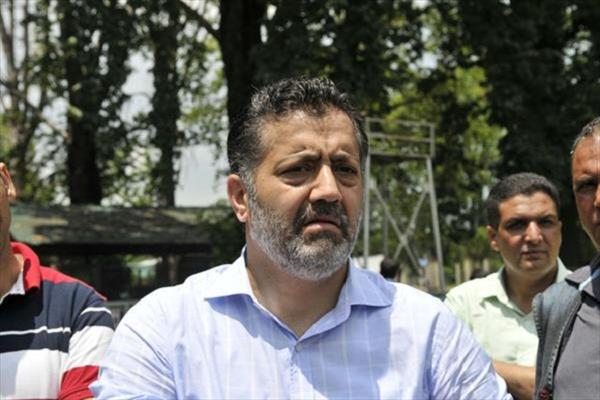
Jammu and Kashmir Peoples Conference (JKPC) General Secretary and All J&K Shia Association president Molvi Imran Ansari has strongly responded to remarks by J&K Waqf Board Chairperson Dr Darakhshan Andrabi concerning Tehri/Niyaz and the feeding of pigeons at shrines across Jammu and Kashmir.
In a post on X, Ansari said that if cleanliness is the concern, authorities should focus on improving sanitation and waste management rather than targeting religious practices that have continued for centuries.
He said feeding people, distributing Niyaz and offering food as Sadaqah are deeply rooted in Muslim religious and cultural traditions. Click Here To Follow Our WhatsApp Channel
Referring to the Qur’an, Ansari cited the verse about believers giving food to the needy, orphans and captives, arguing that feeding people in the name of Allah has historically remained an important part of Muslim life, including at Ziyarat and shrines.
‘The Answer Is Proper Management, Not Stopping Traditions’
Ansari also pointed to the practice of feeding pigeons and other birds around holy sites in Makkah and Madinah, as well as at other sacred places.
“The answer to cleanliness cannot simply be to stop people from feeding birds or distributing food. The answer is proper management,” he said.
He suggested that the authorities could introduce designated feeding areas, organised Niyaz distribution points, sufficient waste bins and timely disposal of food waste at shrines across J&K.
Ansari Questions Sanitation Arrangements at Shrines
Drawing a comparison with the Haram of the Kaaba, Ansari said that despite millions of visitors and constant movement of people, dedicated sanitation workers maintain cleanliness and waste is removed regularly.
He argued that a similar system could be developed at important shrines in Jammu and Kashmir.
Ansari also questioned whether the existing sanitation arrangements at these religious sites are adequate. He asked authorities to clarify how frequently the shrines are cleaned, how many sanitation workers are deployed and whether the current arrangements are sufficient to maintain hygiene.
“There should be no compromise on cleanliness at our sacred places. But cleanliness and religious tradition are not contradictory,” Ansari said.
He maintained that better planning, organised food distribution and regular sanitation could allow religious traditions and cleanliness to coexist.
Ansari urged the authorities to regulate where necessary, improve sanitation where required and educate devotees, rather than treating centuries-old religious practices as the solution to what he described as a management issue.
(KNS)
You Might Also Like:
Education In Kashmir with Complete Statistics
TCS Nashik ‘Conversion’ Scandal: Accused Nida Khan Suspended as Sexual Harassment and Coercion Probe Intensifies