PM Modi to Inaugurate Z-Morh Tunnel on January 13, Transforming Sonamarg into All-Weather Destination

PM Modi

PM Modi is set to visit Jammu and Kashmir on January 13, 2025, to inaugurate the much-awaited Z-Morh Tunnel, a crucial infrastructure project on the Srinagar-Sonamarg road.

This development will transform Sonamarg into an all-weather tourist destination, ensuring seamless connectivity throughout the year.

The Z-Morh Tunnel, spanning 6.5 km, bypasses the avalanche-prone Gagangir-Sonamarg stretch, which often remains blocked during winter. The tunnel will significantly reduce travel time, enabling vehicles to cover the stretch in just 15 minutes.

It also enhances connectivity to key locations such as Baltal (Amarnath cave), Kargil, and the Ladakh region.

Strategically located on the Srinagar-Leh Highway, the tunnel will bolster military logistics, ensuring year-round access for the Indian armed forces. It is also expected to provide a major boost to tourism, allowing Sonamarg to attract visitors throughout the year.

The project has created employment opportunities during its construction phase and will further benefit the local economy by enhancing tourism and allied industries like hospitality, transport, and retail.

The construction of the tunnel began in 2018, facing several challenges due to the rugged Himalayan terrain and extreme weather. The project suffered a setback on October 20, 2024, when terrorists attacked a workers’ camp at Gagangir, resulting in the tragic deaths of seven civilians. Despite these challenges, the project continued, demonstrating resilience and commitment to development.

The Z-Morh Tunnel, along with the adjacent Zojila Tunnel, marks a significant step in improving connectivity in the region, strengthening both economic growth and national security. (KNS)

Dr. Sameer Siddiqui Honoured at Book Launch of Spanda Karika Translated into Kashmiri

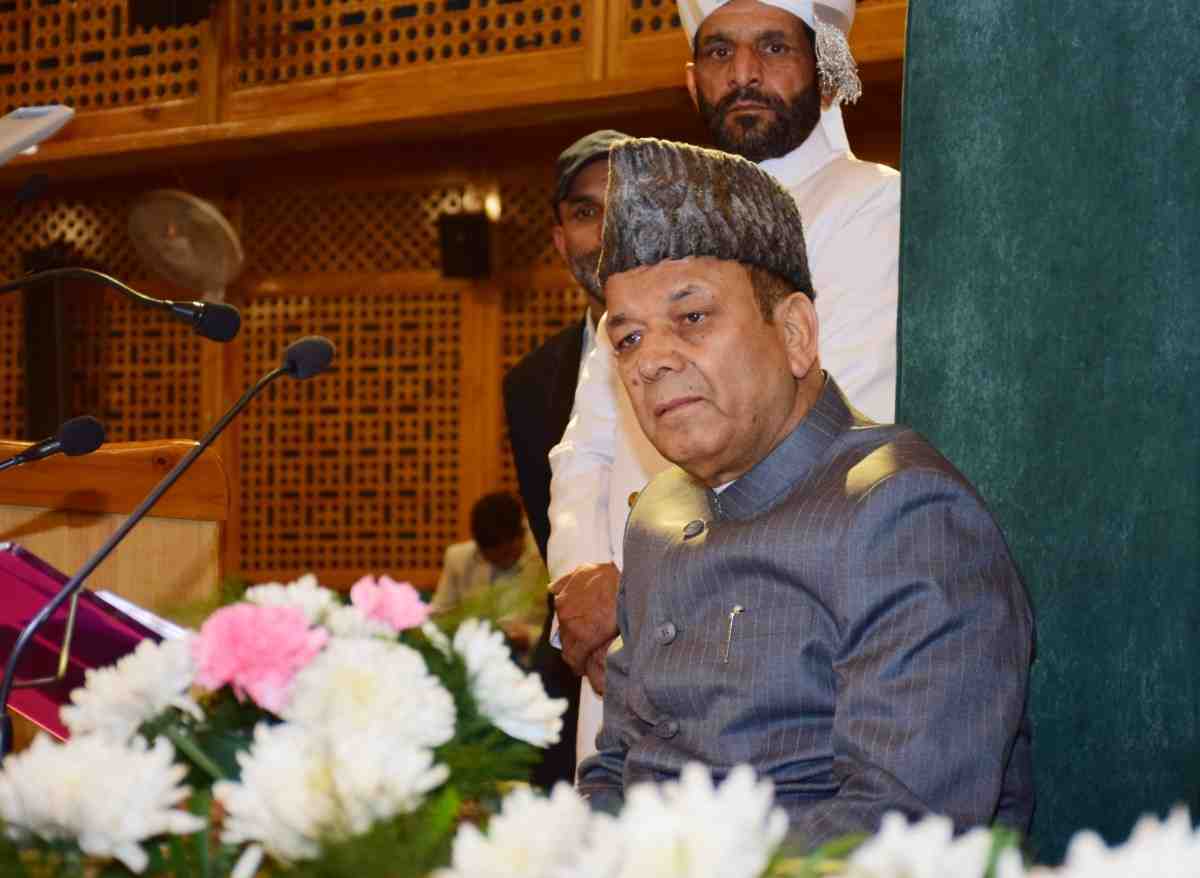
The event featured Dr. Sameer Siddiqui as the guest of honour

A prestigious book release event organised by the Jammu and Kashmir Academy of Art, Culture, and Languages celebrated the cultural and literary heritage of the region. The event featured Dr. Sameer Siddiqui as the guest of honour, underlining his contributions to intellectual and academic pursuits. The occasion marked the release of Spanda Karika, an iconic text by Bhatt Kallat, meticulously translated into Kashmiri by the eminent Professor Meem Hai Zaffar.

The Significance of Spanda Karika

Spanda Karika is an ancient Sanskrit text that explores the philosophy of Kashmiri Shaivism, delving into the concept of “spanda” or the vibrational energy believed to underpin existence. It holds profound significance in understanding the spiritual and cultural roots of Kashmir. The translation into Kashmiri by Prof. M.H. Zaffar bridges the gap between traditional philosophical texts and the local vernacular, making the wisdom of Spanda Karika accessible to a wider audience in the region.

A Celebratory Event

The event brought together a remarkable panel of scholars, writers, and dignitaries. In the frame, alongside Dr. Sameer Siddiqui, were Prof. Neerja Mattoo, an acclaimed academic and author; Prof. M.H. Zaffar, the translator of the text; Mr. Sameer Hamadani, a prominent figure in cultural preservation; Mr. Abid Sahab, a well-respected personality in the literary circle; and Gulzar Sahib, a celebrated Kashmiri poet.

Dr. Sameer Siddiqui: A Distinguished Guest of Honour

Dr. Sameer Siddiqui’s presence as the guest of honour underscored his commitment to promoting art, culture, and education. Known for his intellectual acumen and advocacy for cultural preservation, Dr. Siddiqui lauded the translation work and highlighted the importance of making ancient philosophical texts relatable to modern audiences.

In his address, Dr. Siddiqui emphasised the value of such initiatives in fostering a deeper connection between the youth and their cultural roots. He praised the dedication of Prof. M.H. Zaffar in ensuring that the translation remained faithful to the essence of the original work while adapting it to the nuances of the Kashmiri language.

Insights from the Translator and Scholars

Prof. M.H. Zaffar expressed his gratitude for the opportunity to undertake such a significant project. He reflected on the challenges of translating the profound concepts of Spanda Karika into Kashmiri without losing their essence.

Prof. Neerja Mattoo shed light on the broader implications of this translation for Kashmiri literature, stating that it not only enriches the literary corpus but also serves as a tool for cultural revival. Mr. Sameer Hamadani and Gulzar Sahib shared their thoughts on the importance of preserving and promoting Kashmiri heritage through such endeavours.

A Milestone for Kashmiri Culture

The book launch of Spanda Karika in its Kashmiri translation marks a milestone in the cultural landscape of Jammu and Kashmir. It not only honours the region’s philosophical traditions but also demonstrates the enduring power of language in uniting communities.

The event concluded with a sense of pride and hope, as attendees appreciated the collaborative efforts of scholars, translators, and cultural enthusiasts in preserving and propagating the rich legacy of Kashmir.

JKBOSE to Declare Bi-Annual Results For 11th Grade Today

Srinagar Records Season’s Coldest Night at Minus 1.2 Degree Celsius

Political Battle Heats Up in Jammu and Kashmir Ahead of Panchayat Elections