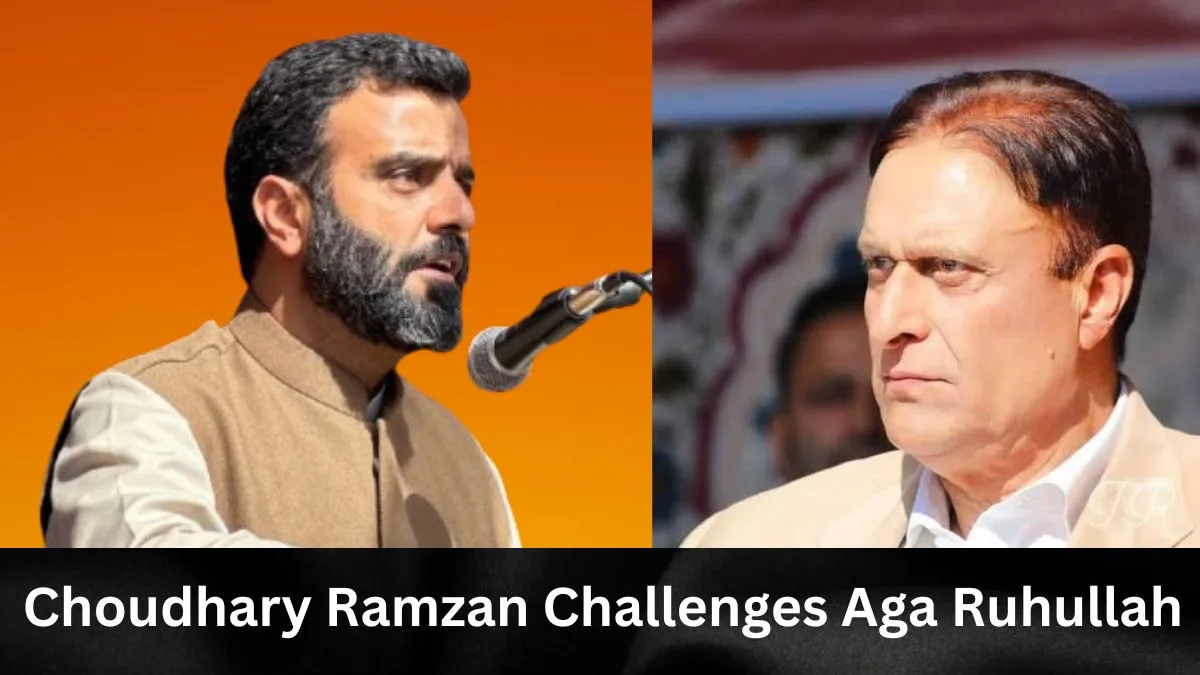
Choudhary Ramzan Challenges Aga Ruhullah to Resign and Seek Fresh Mandate Amid Party Rift
SRINAGAR: Differences within the Jammu and Kashmir National Conference have surfaced again after Rajya Sabha member Choudhary Mohammad Ramzan challenged Srinagar MP Aga Syed Ruhullah Mehdi to resign from the Lok Sabha and seek a fresh mandate if he believes the votes he received in the 2024 election were his personal votes rather than the National Conference’s political mandate.
Ramzan made the remarks during an interview with KNS while responding to questions about the ongoing differences within the party and a wider debate over the ownership of the electoral mandate. Click Here To Follow Our WhatsApp Channel
Ramzan challenges Ruhullah to seek fresh election
Ramzan argued that Ruhullah contested the Lok Sabha election on the National Conference ticket and therefore the electoral mandate should be viewed in the context of the party’s support.
“If MP Ruhullah says it is his vote, he has to prove it first,” Ramzan said.
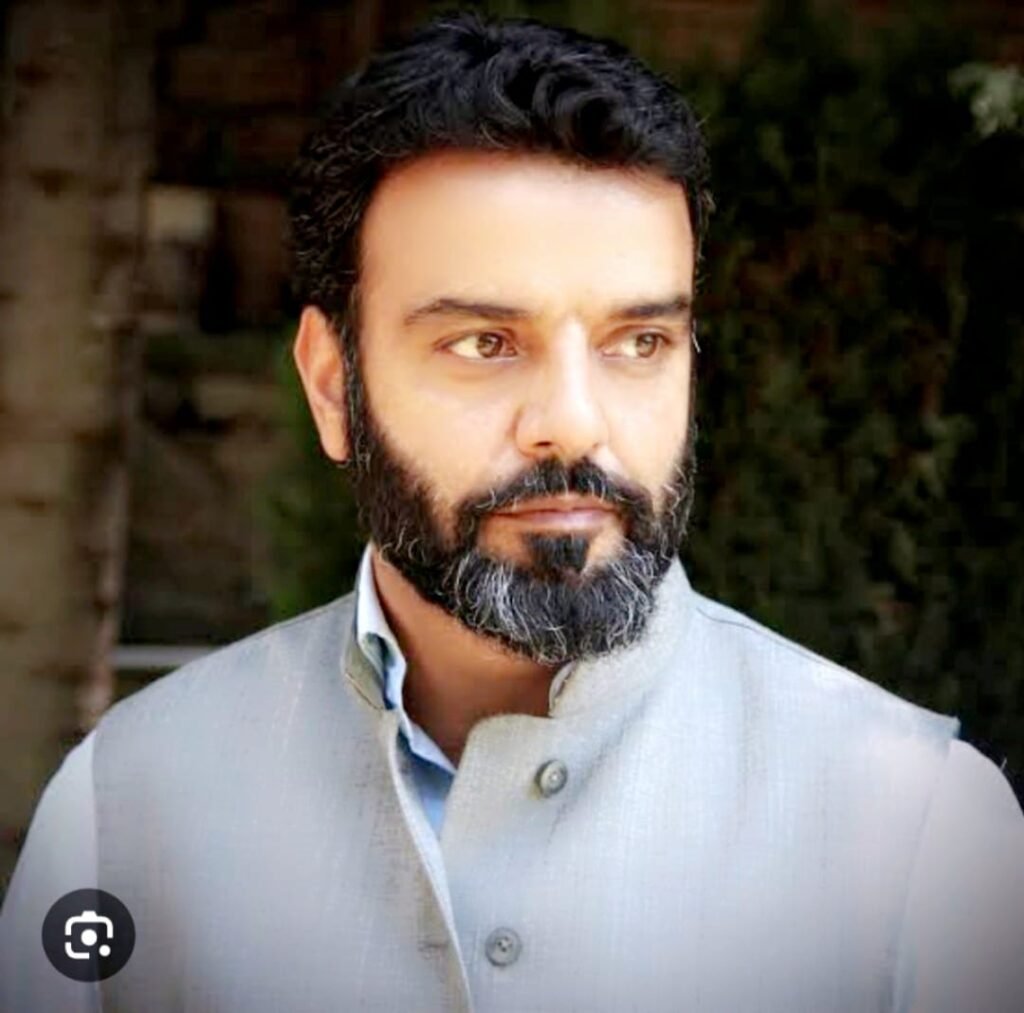
He added that Ruhullah should resign and contest the election again if he believed the mandate belonged personally to him.
“If he resigns and contests again and the people bring him back, I will be the first person to congratulate him,” Ramzan said.
The remarks represent a direct challenge to Ruhullah amid continuing differences within the National Conference.
What is the dispute about?
At the centre of the disagreement is a question that can have major political consequences: Does an elected representative’s vote share belong primarily to the individual candidate or to the political party that nominated them?
Ruhullah won the Srinagar Lok Sabha constituency in the 2024 general election as a National Conference candidate.
His strong electoral performance gave him considerable political standing within the region.
The current disagreement appears to involve different approaches to the party’s political strategy, particularly over the issues of statehood, Article 370 and the pace at which the National Conference should pursue its wider constitutional demands.
Ramzan’s argument is that the National Conference ticket played a central role in securing the mandate.
Ruhullah’s position has been more strongly associated with his individual political standing and his continued emphasis on constitutional issues.
Ruhullah’s Srinagar mandate
Aga Syed Ruhullah Mehdi won the Srinagar Lok Sabha seat in 2024 as a National Conference candidate.
His victory gave the party a significant presence in Parliament and established him as one of its most prominent younger political voices.
Since the election, Ruhullah has frequently spoken on issues including Article 370, statehood and the political rights of Jammu and Kashmir.
His public positions have sometimes appeared more critical of the party leadership’s approach than those expressed by some senior National Conference figures.
This has contributed to speculation about internal differences within the party.
Ramzan defends National Conference’s Jantar Mantar protest
Ramzan also defended the National Conference’s recent protest at Jantar Mantar in New Delhi, rejecting criticism that the demonstration failed to attract a large crowd.
According to Ramzan, the event was not intended to be a conventional mass rally.
He said it was organised primarily by elected representatives of Jammu and Kashmir and that opposition parties had been invited to participate.
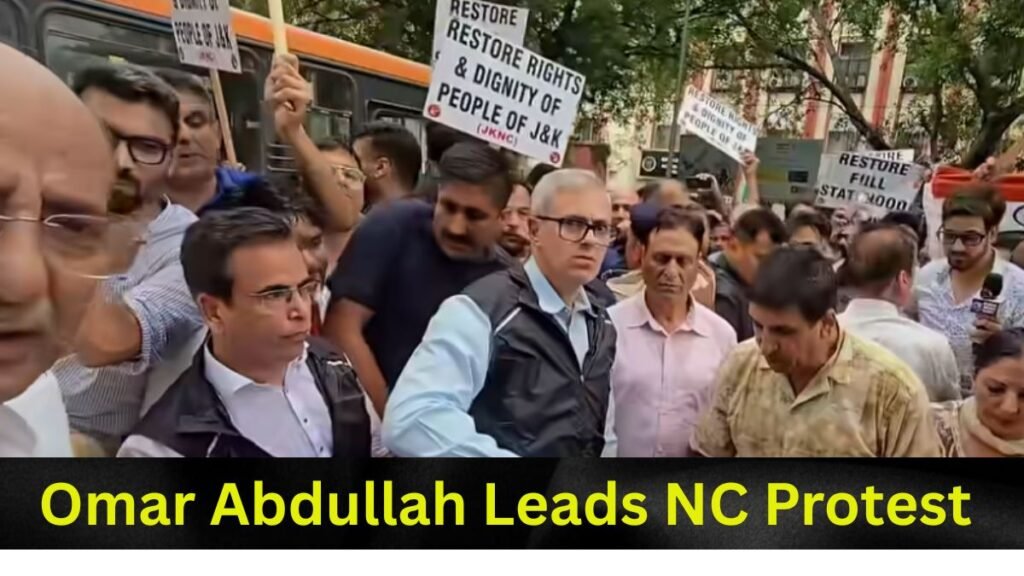
“We did not invite people for a mass gathering. We invited the opposition because this is not only a National Conference issue. It is an issue concerning Jammu and Kashmir,” he said.
Why the National Conference held the Delhi protest
The Jantar Mantar demonstration was organised as part of the party’s campaign for the restoration of full statehood to Jammu and Kashmir.
The National Conference has increasingly made statehood its immediate political priority since returning to power in the Jammu and Kashmir Assembly elections.
The party argues that Jammu and Kashmir’s current status as a Union Territory limits the authority of its elected government.
The Delhi protest was intended to take that demand directly to the national political arena.
Ramzan says opposition parties participated
Ramzan rejected claims that the protest was unsuccessful because it did not attract a large public gathering.
He said representatives of several opposition parties participated in the programme.
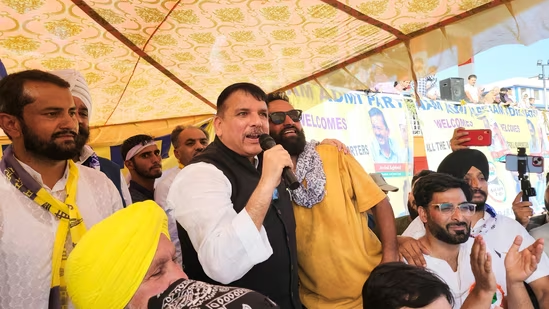
According to him, the National Conference delegation also interacted with people in Delhi during the visit.
Ramzan argued that the political significance of the demonstration should therefore not be measured simply by the number of people present.
He said the event succeeded in drawing national attention to the demand for restoration of statehood.
‘The Centre took note’
Ramzan said he believed the Central Government and its agencies had taken note of the demonstration.
He argued that the participation of opposition parties gave the statehood issue a wider national dimension.
The National Conference has been attempting to portray restoration of statehood as an issue affecting the democratic functioning of Jammu and Kashmir rather than as a demand belonging solely to one political party.
The party has also called on other political groups to support the demand.
Has the National Conference abandoned Article 370?
Ramzan strongly rejected the suggestion that the party had abandoned its position on Article 370.
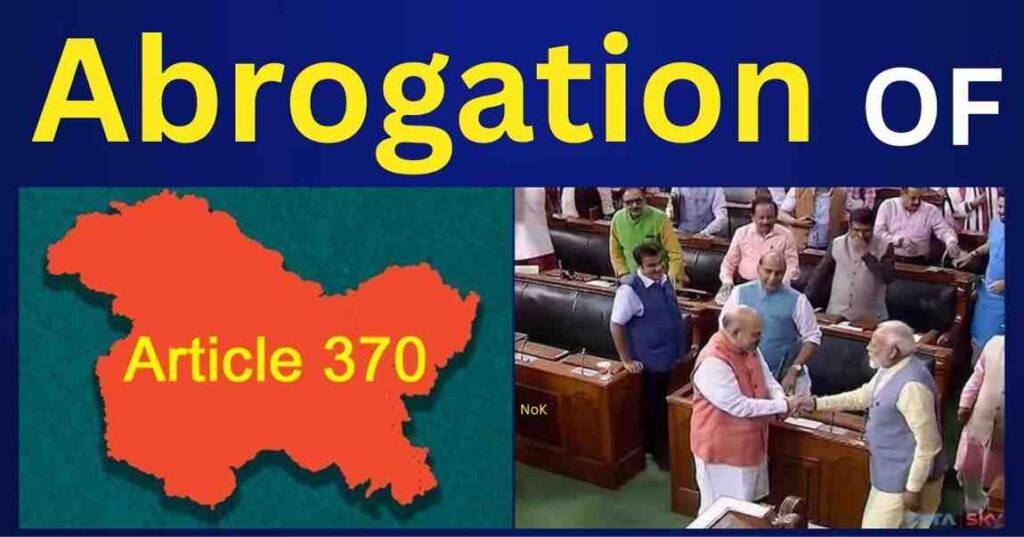
He described the claim as a misconception.
According to him, the National Conference continues to stand by the political commitments on constitutional rights that formed part of its election campaign.
He pointed to the first Cabinet resolution adopted by the Jammu and Kashmir government after taking office, saying it dealt with restoration of constitutional rights.
“We have not left any issue. Our struggle is for the restoration of our constitutional rights. But our approach is different,” Ramzan said.
Why statehood is now the immediate priority
The National Conference’s current strategy is to pursue its objectives in stages.
Statehood has been placed at the top of the immediate agenda.
The party argues that restoring Jammu and Kashmir’s statehood would strengthen the authority of the elected government and create a different political and administrative framework.
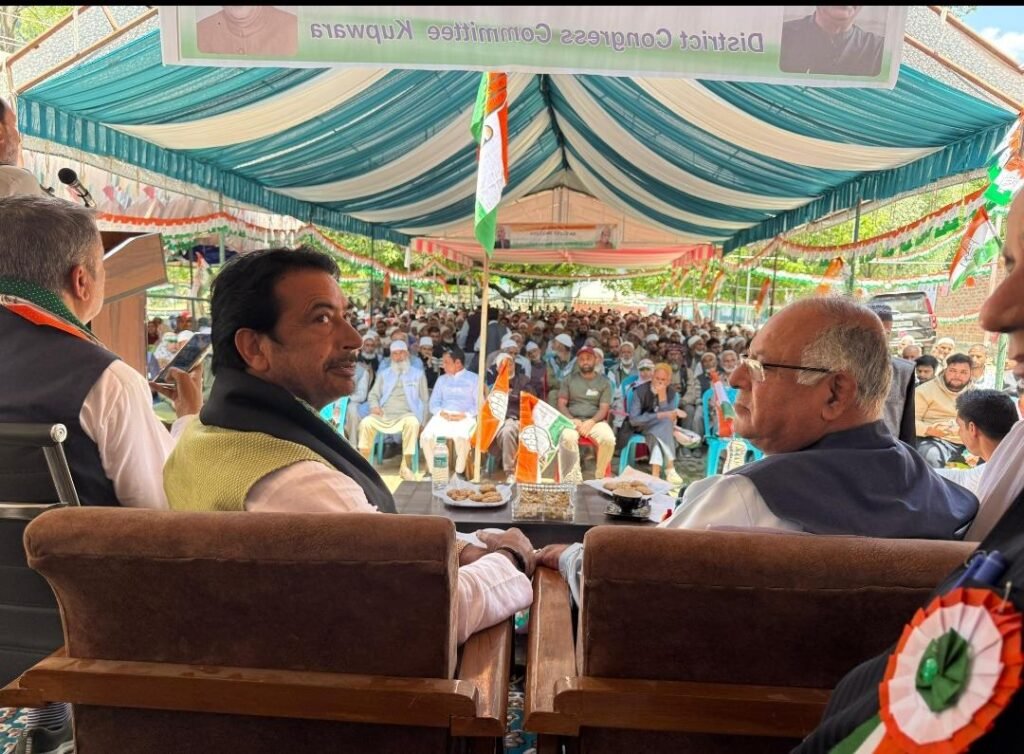
The broader questions surrounding Article 370 and constitutional rights would continue to be pursued as part of the party’s longer-term political programme.
Ramzan described this as a phased approach, rather than an abandonment of the party’s larger objectives.
The difference between statehood and Article 370
The two demands are related but are not identical.
Restoration of statehood concerns Jammu and Kashmir’s status as a state within the Indian Union.
Article 370, meanwhile, concerns the constitutional relationship between Jammu and Kashmir and the Union.
The National Conference has historically campaigned for restoration of Article 370 and greater constitutional autonomy.
Following the 2019 constitutional changes, however, the immediate political focus has increasingly shifted towards statehood.
Ramzan’s comments suggest that the party views statehood as the more immediate and achievable objective while continuing its broader constitutional campaign.
The 2024 Assembly mandate
Ramzan also referred to the National Conference’s performance in the Jammu and Kashmir Assembly elections.
The party emerged as the largest political force and formed the government under Chief Minister Omar Abdullah.
The NC leadership has interpreted the election result as a mandate to pursue restoration of statehood and other political commitments.

Ramzan argued that the party is therefore acting on the mandate given by voters.
The dispute with Ruhullah raises a separate question about how that mandate should be interpreted within the party.
Individual popularity versus party organisation
The disagreement involving Ruhullah also highlights a recurring issue in Indian politics: the relationship between an individual candidate’s popularity and the organisation that gives them a ticket.
Candidates can develop strong personal support bases, particularly after winning major elections.
At the same time, political parties provide organisational networks, symbols, campaign structures and election machinery.
Ramzan’s challenge to Ruhullah reflects the argument that his parliamentary victory must be understood within the wider National Conference organisation.
Ruhullah’s political standing, meanwhile, is based not only on the party ticket but also on his own public profile and electoral support in Srinagar.
Could Ruhullah contest again?
Ramzan’s suggestion is straightforward: if Ruhullah believes the 2024 vote was primarily his personal mandate, he should resign and contest the seat again.
If he wins independently or with another political platform, Ramzan said he would congratulate him.
This is currently a political challenge rather than an announced election plan by Ruhullah.
There is no indication in the statement provided that Ruhullah has agreed to resign or seek a fresh mandate.
What the disagreement means for the NC
The public exchange highlights tensions within one of Jammu and Kashmir’s most important regional political parties.
The National Conference is simultaneously dealing with several major challenges:
- Pressure over restoration of statehood
- Debate over Article 370
- Relations with the Union Government
- Expectations of its Assembly election supporters
- Differences among senior party leaders
- The political role of its parliamentary representatives
The disagreement between Ramzan and Ruhullah therefore has significance beyond a personal exchange.
It reflects competing views about political strategy and the meaning of the party’s electoral mandate.
The statehood campaign continues
Despite the internal differences, Ramzan said the National Conference would continue to campaign for restoration of statehood.
He also said the party would continue raising the wider issue of constitutional rights.
The party’s strategy is therefore based on pursuing the immediate statehood demand while keeping its broader constitutional agenda alive.
What happens next?
The political dispute is likely to remain significant as the National Conference continues negotiations and public campaigning over statehood.
The relationship between senior party leaders and parliamentary representatives will also be closely watched.
For the party, maintaining unity could become increasingly important as it seeks to put pressure on the Union government.
For Ruhullah, the challenge from Ramzan raises questions about his future relationship with the party leadership and his approach to the wider constitutional debate.