The Institute of Business and Policy Research (IBPR), SKUAST-Kashmir, successfully concluded a one-week Management Development Programme (MDP) titled “Skill Training for Building Nano Enterprises in Kashmir”. Organised in collaboration with Vishwa Bharti Women’s College, Rainawari, the program aimed to instill and enhance entrepreneurial skills, empowering participants to establish and manage Nano enterprises in the Kashmir region.Click Here To Follow Our WhatsApp Channel
The MDP provided participants with hands-on training, equipping them with the knowledge and tools to develop innovative business ideas while fostering sustainable economic growth at the grassroots level. The program featured interactive workshops, expert-led sessions, and practical demonstrations, all designed to promote capacity building, self-reliance, and entrepreneurial exploration tailored to the region’s unique socio-economic context.
Dr. Omar Fayaz Khan, Organizing Secretary, highlighted the program’s focus on fostering entrepreneurial skills, promoting innovation, and enabling participants to address socio-economic challenges in Kashmir. Dr. Khan emphasized the importance of academic-industry collaboration in bridging theory and practice to create sustainable livelihoods and encourage self-reliance.
Mr. Abdul Rouf Khan, Incubation Manager at SKIIE, shared valuable insights during his session, emphasizing innovative approaches to entrepreneurship. His inspiring address encouraged participants to adopt creative solutions for overcoming challenges and building resilient businesses, positioning entrepreneurship as a transformative tool for community development.
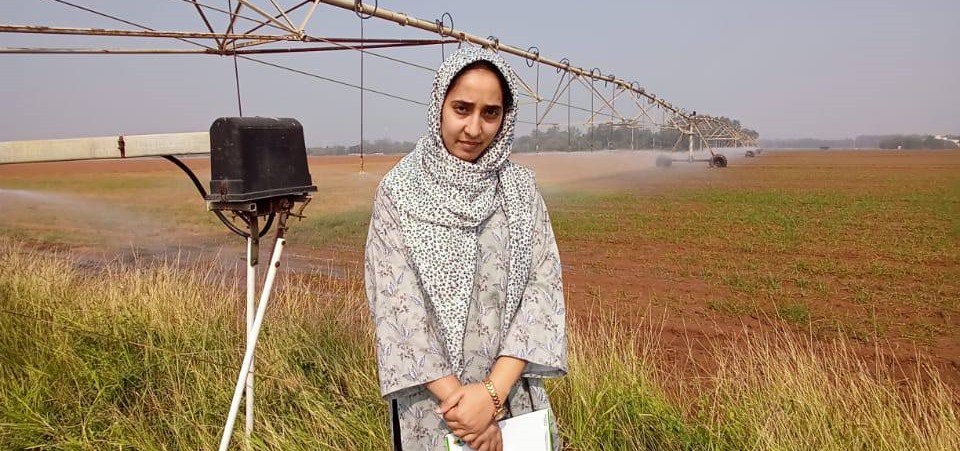
Ms. Arzina Shabir, an MSc Agronomy student from the Faculty of Agriculture at SKUAST-K Wadura, has made her alma mater proud by securing a prestigious research scholarship at the International Crops Research Institute for the Semi-Arid Tropics (ICRISAT) in Hyderabad. This scholarship offers her a unique opportunity to enhance her research skills and contribute to the field of agronomy.
During her two-month tenure at ICRISAT, Ms. Shabir will focus on assessing the crop water requirements of major crops. Her research will be conducted under the expert guidance of Dr. Kaushal Kishor Garg, Principal Scientist at ICRISAT. This collaboration is an integral part of her research work, conducted in a sandwich mode, which is a strategic approach envisioned by the dynamic Vice-Chancellor, Dr. Nazir Ganai.
Ms. Shabir has already completed a significant portion of her research in temperate Kashmir, under the supervision of her major advisor, Dr. Raihana Habib Kanth. This dual exposure to diverse climatic conditions and expert mentorship from renowned scientists aims to provide comprehensive insights into crop water management.
The scholarship at ICRISAT is a testament to Ms. Shabir’s dedication and hard work. It reflects the quality of education and research opportunities provided at SKUAST-K Wadura. Her achievement is not only a personal milestone but also an inspiration for her peers and future students.
As Ms. Shabir embarks on this enriching journey, the entire academic community extends its best wishes for her success in her research and future endeavours. Her work is expected to contribute significantly to sustainable agriculture practices, particularly in water-scarce regions, which is a critical area of study in today’s changing climate scenario.
Congratulations to Ms. Arzina Shabir for this commendable achievement. May she continue to excel and bring laurels to her institution and the field of agronomy.
Parijat Industries has consistently stood at the forefront of agricultural innovation and rural development, creating a positive impact across India. The company’s commitment to sustainability, community welfare, and agricultural excellence has not only improved the livelihoods of farmers but also contributed significantly to the rural landscape. This comprehensive article explores Parijat Industries’ initiatives, highlighting its services for farmers and its efforts in rural development through various domains such as agriculture, health, education, sports, and cultural heritage.
Agricultural Advancements and Farmer Empowerment
Interactive Sessions and Trainings
Parijat Industries understands the pivotal role of farmers in the agricultural sector and is dedicated to enhancing their knowledge and productivity. In collaboration with Krishi Vigyan Kendras (KVKs), the company organizes interactive sessions and training programs aimed at educating farmers on the latest advancements in agriculture. These sessions cover a wide array of topics, including the safe and judicious use of crop protection products, pest management, soil health, and modern farming techniques. The goal is to equip farmers with the tools and knowledge necessary to maximize their yields while maintaining environmental sustainability.
Sustainable Practices and Environmental Conservation
Recognizing the importance of environmental conservation, Parijat Industries has taken significant steps to reduce its carbon footprint. One of the company’s notable initiatives is the annual plantation of over 50,000 trees. This effort not only mitigates the impact of climate change but also enhances the ecological balance in rural areas. By promoting sustainable agricultural practices, Parijat ensures that farmers can achieve long-term productivity without compromising the health of the environment.
Health and Sanitation Initiatives
Preventive Healthcare Programs
Health is a crucial component of community welfare, and Parijat Industries is dedicated to improving healthcare access in rural areas. The company conducts regular health awareness programs, medical check-ups, and camps in neighboring villages. These initiatives aim to educate communities about preventive healthcare, early detection of diseases, and the importance of maintaining hygiene. By bringing healthcare services to the doorstep of rural populations, Parijat helps reduce the burden of disease and improves the overall quality of life.
Sanitation and Clean Water Access
Access to clean water and sanitation facilities is essential for maintaining public health. Parijat Industries addresses this need through its school support programs, which include the installation of motorized hand pumps and water filters in schools. Additionally, the company ensures the availability of clean toilets, thereby promoting hygiene and preventing waterborne diseases. These efforts significantly contribute to creating a healthier and more conducive learning environment for students.
Educational and Rural Development
Enhancing Educational Infrastructure
Education is a powerful tool for social change, and Parijat Industries is committed to improving educational opportunities in rural areas. Through its school support program, the company provides essential infrastructure such as LED lights, fans, and painted blackboards for classrooms. These improvements create a more comfortable and effective learning environment for students in classes 10th and 12th, preparing them for academic success and future opportunities.
Support for Anganwadi Centers
Parijat Industries extends its support to Anganwadi centers, which play a vital role in early childhood education and nutrition. By providing basic infrastructure and resources, the company aims to enhance the quality of these centers, ensuring that children and women have access to a supportive and nurturing environment. This initiative helps lay a strong foundation for the holistic development of young children in rural communities.
Sports and Youth Development
Promoting Sports Infrastructure
Sports play a crucial role in the physical and mental development of children and youth. Parijat Industries has invested in constructing badminton courts in village schools, providing rural children with safe spaces to engage in sports. So far, the company has built four badminton courts in Government Senior Secondary Schools in Fatehgarh and Jatwar, as well as Government High Schools in Mandhour and Jaspur. These facilities encourage physical activity, teamwork, and a spirit of healthy competition among students.
Sponsoring Sports Tournaments
In addition to building sports infrastructure, Parijat Industries sponsors various sports tournaments, including inter-school badminton and volleyball competitions, carom and chess championships, and annual sports days. These events provide a platform for rural youth to showcase their talent, develop leadership skills, and build confidence. By fostering a culture of sportsmanship, Parijat helps nurture future athletes and promotes a healthy lifestyle in rural communities.
Cultural Heritage and Artistic Development
Anand Foundation’s Role in Cultural Preservation
Established by the Anand family, the promoters of Parijat Industries, the Anand Foundation plays a significant role in preserving and celebrating the intangible cultural heritage of Delhi and rural areas. The foundation provides a platform for young creative minds to explore and document the diverse cultural elements of the city, fostering an appreciation for heritage and diversity.
Internships and Research Opportunities
The Anand Foundation offers short-term art internships for university students and researchers. These internships focus on six themes: Performing and Visual Arts, Natural Heritage, Craft & Craftsmen, Community, Linguistics, and Sciences. Participants interact with cultural exponents, travel across the city, and document their experiences, contributing to a richer understanding of the city’s cultural fabric.
Scholarships and Educational Support
To encourage academic excellence, the Anand Foundation awards Anand Graduate Scholarships to meritorious and needy students. These scholarships aim to enhance the employment and income generation capacity of students by enabling them to complete undergraduate degree or diploma courses. This initiative opens doors to better job opportunities and a brighter future for deserving students.
Music and Library Initiatives
Music Education Collaboration
Parijat Industries, in collaboration with the Anand Foundation, provides formal music education to students at Parijat Urja Chakra (PUC). With a range of musical instruments and a dedicated music teacher, students have the opportunity to learn and appreciate various forms of music. This initiative not only nurtures artistic talent but also enhances the cultural vibrancy of the community.
Library and Reading Programs
To promote a culture of reading, Parijat Industries has established a library at PUC in collaboration with the Anand Foundation. The library houses over 200 books, including competitive examination materials, newspapers, and magazines. Storytelling sessions and a Reading & Book Club further encourage students to develop their reading skills, vocabulary, and confidence. By fostering a love for reading, Parijat helps cultivate informed and literate communities.
Soft Skills and Personality Development
Science Workshops and Debates
Parijat Industries organizes various workshops and competitions to enhance students’ soft skills and critical thinking abilities. A notable example is the two-day science workshop conducted in collaboration with Kurukshetra Panorama and Science Centre. This workshop provided students with hands-on learning experiences and deepened their understanding of scientific concepts. Additionally, annual inter-school debate and essay competitions encourage public speaking, critical thinking, and civic engagement among students.
Creative Writing and Storytelling
Creative writing and storytelling workshops conducted by Parijat Industries help ignite the imagination and creativity of young minds. These sessions provide students with the tools to express their thoughts and ideas effectively, improving their communication skills and fostering a love for literature.
Annual Celebrations and Achievements
Celebrating Success
Parijat Industries celebrates its achievements and the success of its initiatives through annual events such as the Annual Day at Parijat Urja Chakra. These celebrations showcase the talents of students and the progress made in various programs. Cultural performances, awards, and recognition highlight the positive impact of Parijat’s efforts in rural communities.
Online Presence and Recognition
Online News and Media Coverage
Parijat Industries’ contributions to agriculture and rural development have garnered significant media attention. The company’s CSR initiatives, such as sponsoring rural youth football teams and receiving prestigious awards, have been widely covered in online news platforms. These accolades reflect the company’s commitment to social change and sustainable development.
Addressing Farmer Needs
Parijat Industries’ dedication to farmers is evident in its development of new crop protection products and training manuals. The company’s innovations, such as patented insecticides and herbicides, provide farmers with effective solutions for pest management and crop protection. These products not only enhance agricultural productivity but also contribute to the economic well-being of farmers.
A Game-Changer in Protecting Kashmir’s Apple Industry
Kashmir’s apple industry has faced severe challenges in recent years due to pest attacks, particularly from the destructive leaf minor, which has caused significant damage to crops and orchards. In response, Parijat Industries has stepped up as a vital ally for farmers, introducing their flagship product, TEGATA. This solution combines Lambda Cyhalothrin 9.5% and Thiamethoxam 12.6% ZC, proving highly effective in combating harmful insects. The positive feedback from farmers highlights TEGATA’s success in protecting crops and minimising damage, making it an essential tool in safeguarding the apple industry.
Beyond TEGATA, Parijat Industries continues to support the horticulture sector with a wide range of products, including fungicides, insecticides, herbicides, and nutritional offerings. These products are tailored to tackle various challenges faced by farmers, improving crop protection, plant health, and overall yields. By offering solutions that address pest, disease, and weed control, as well as promoting plant growth and nutrition, Parijat Industries has earned the trust of farmers, particularly those in the apple industry.
Parijat Industries Leadership Team Driving Innovation and Growth in the Chemical and Agricultural Sector
Uday Raj Anand Director Uday holds dual master’s degrees from Oxford University and has worked with Bain & Co., the World Bank, and MIT. He leads process reengineering and strategic initiatives at Parijat Industries.
Keshav Anand Managing Director & CEO With over 30 years of entrepreneurial expertise in the chemical industry, Keshav Anand specialises in International Marketing and Business Development.
Sharat Anand Promoter Director A seasoned international banker, Sharat Anand brings 25 years of experience in Treasury, Financial Markets, and Enterprise Risk Management, with past roles at Standard Chartered Bank,ABN Amro, and Ernst & Young.
Vikram Anand Promoter Director Vikram Anand has over three decades of experience in entrepreneurship and marketing, with a special focus on Safety, Environment, and the Anand Foundation.
Anoop Seth Chairman & Independent Director Anoop Seth has 25 years of directorial experience, with past roles in AMP Capital Advisors, GATI Limited, and IL&FS Energy. He also contributes to an NGO supporting underprivileged children.
Shivraj Anand Director Shivraj Anand, a graduate of Oxford University, has extensive experience in international business, having worked with RBS and participated in vintage car rallies across India. He heads International Business at Parijat.
Raj Deep Bhatia Executive Director A chemical engineer with over 39 years of industry experience, Raj has managed large-scale Pesticides Technical and Formulation units and is an expert in plant design and project execution.
Dr. (Mrs.) Karuna Vishunavat Independent Director With 34 years of expertise in seed-borne diseases, Dr. Karuna has made significant contributions to plant pathology. She is a recognised speaker and an emeritus scientist at ICAR.
Mitchell Wayne Mansfield Nominee Director With over 15 years of experience, Mitchell Mansfield leads complex restructuring, liquidations, and shareholder dispute solutions across multiple global regions.
Jason Aleksander Kardachi Nominee Director Jason brings 27 years of experience in corporate advisory and restructuring across Asia Pacific. He has managed complex turnarounds and liquidations, earning multiple recognitions in his field.
Conclusion
Parijat Industries’ multifaceted approach to empowering farmers and rural communities through holistic initiatives underscores its commitment to social responsibility and sustainable development. By addressing key areas such as agriculture, health, education, sports, and cultural heritage, the company has made a lasting impact on the lives of many. Parijat’s efforts in creating a supportive and nurturing environment for rural populations exemplify its role as a catalyst for positive change in society.
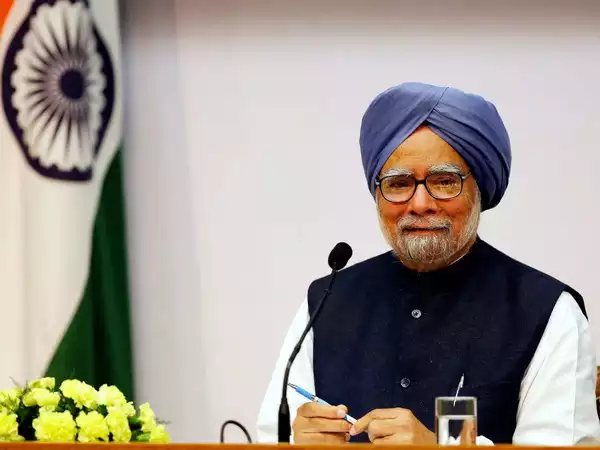
SKUAST-Kashmir faculty and staff Friday deeply mourned the demise of former Prime Minister Dr. Manmohan Singh. At a condolence meeting chaired by Vice Chancellor Prof. Nazir Ahmed Ganai and attended by University Officers, Deans, Directors, Heads of Divisions and other teaching and non-teaching staff, Dr Manmohan Singh was remembered and hailed as beacon of Integrity and Vision. Paying homage Vice Chancellor regarded him as a statesman of unparalleled intellect, a visionary economist, and a beacon of humility and integrity. Regarding him as a trailblazer of economic reforms and a leader who epitomized decency and steadfastness, Vice Chancellor attributed country’s march to Viksit Bharat to the strong foundation laid as a result of economic reforms initiated by him as Finance Minister of the country. “Dr Singh’s participation in 5th Convocation of University and bestowing a Catch-up grant of Rs 100 Cr to SKUAST-Kashmir was remembered. The timely grant was instrumental in giving impetus to the academics Research and Outreach activities of the University that are bearing fruits in terms of University acquiring newer heights in present times. As a mark of respect two-minute silence was observed,” a statement issued here said.
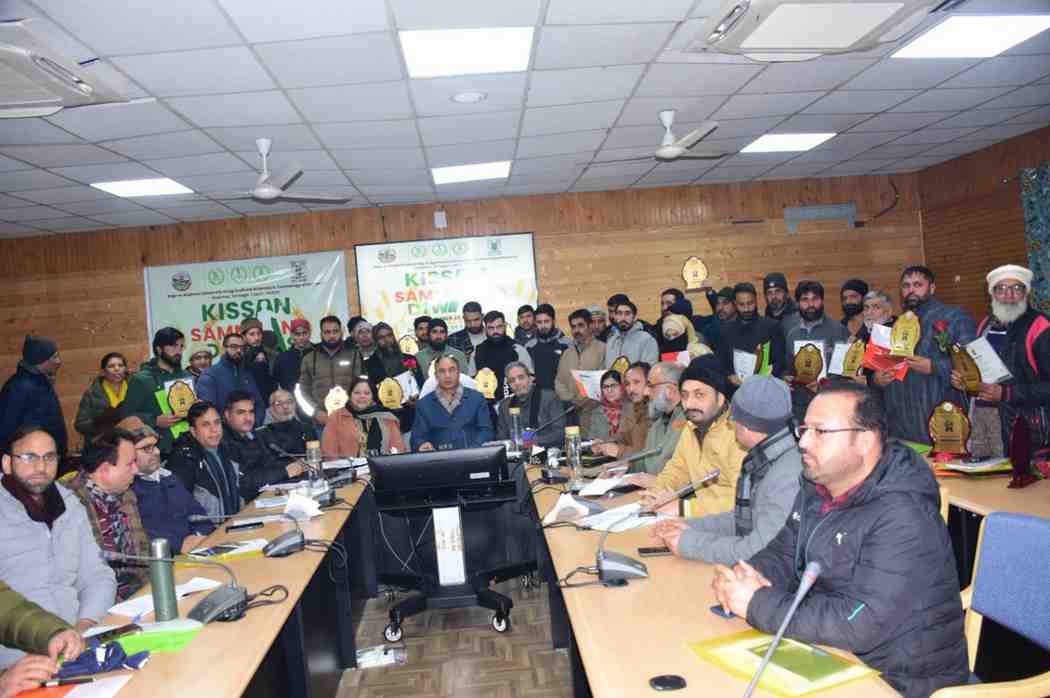
SKUAST-Kashmir’s Directorate of Extension organised an inspiring celebration of Farmers’ Day to recognise farmers’ crucial contributions. Held at the Vice-Chancellor’s Secretariat, Shalimar, the event showcased the resilience, ingenuity, and determination of progressive farmers, entrepreneurs, and innovators in agriculture and allied industries.
A key highlight was the recognition of three Champion Farmers from SKUAST-K’s KVKs in the Kashmir Valley. These outstanding individuals transitioned from modest beginnings in subsistence farming to entrepreneurial success, generating employment and achieving multi-million turnovers. Their remarkable stories of transformation serve as motivation for aspiring entrepreneurs, especially the youth of Kashmir.
Vice-Chancellor Prof. Nazir A. Ganai lauded the farmers for their unwavering dedication, even amidst challenges. He emphasised SKUAST-K’s significant role in driving innovation and empowering farmers through advanced practices and sustainable models, such as Farmer Producer Organisations (FPOs). Highlighting the agricultural potential of Jammu and Kashmir, he encouraged leveraging regional advantages to produce off-season crops and integrating modern technologies. Prof. Ganai also called for collective action to address constraints posed by small and marginal landholdings, advocating schemes like HADP and JKCIP alongside entrepreneurial support through the SKIIE Centre.
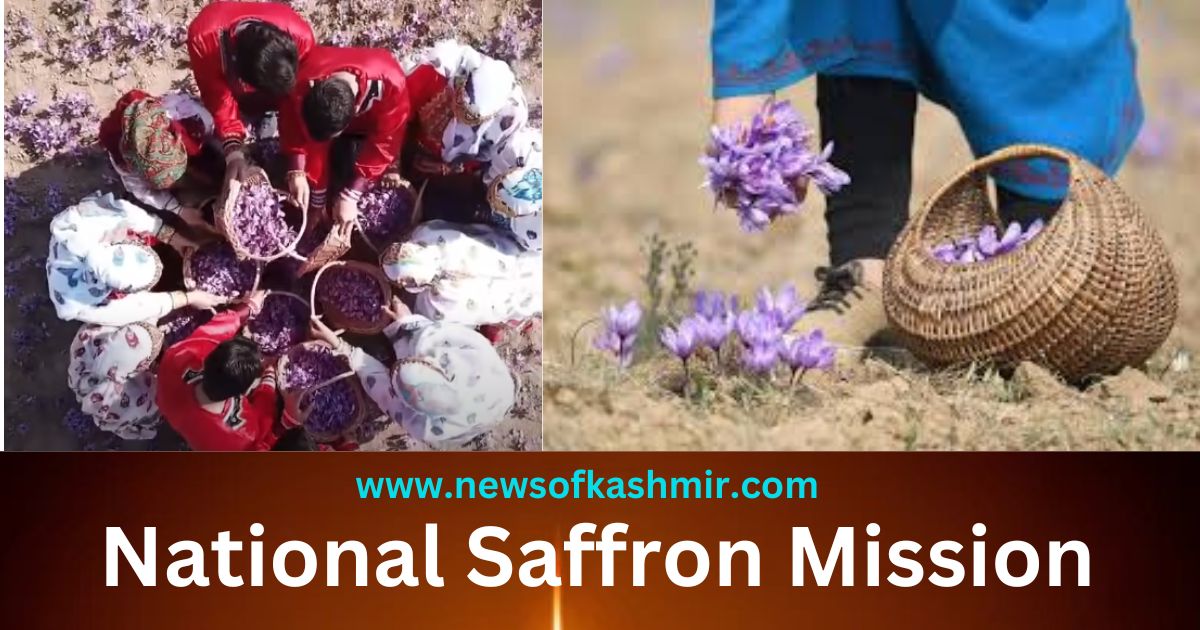
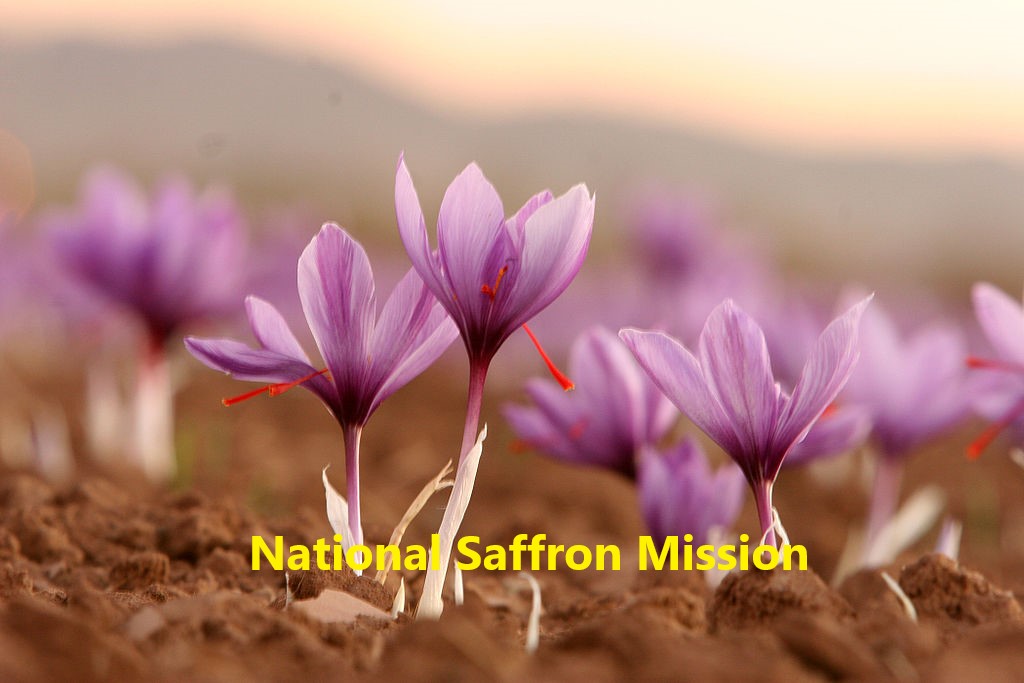
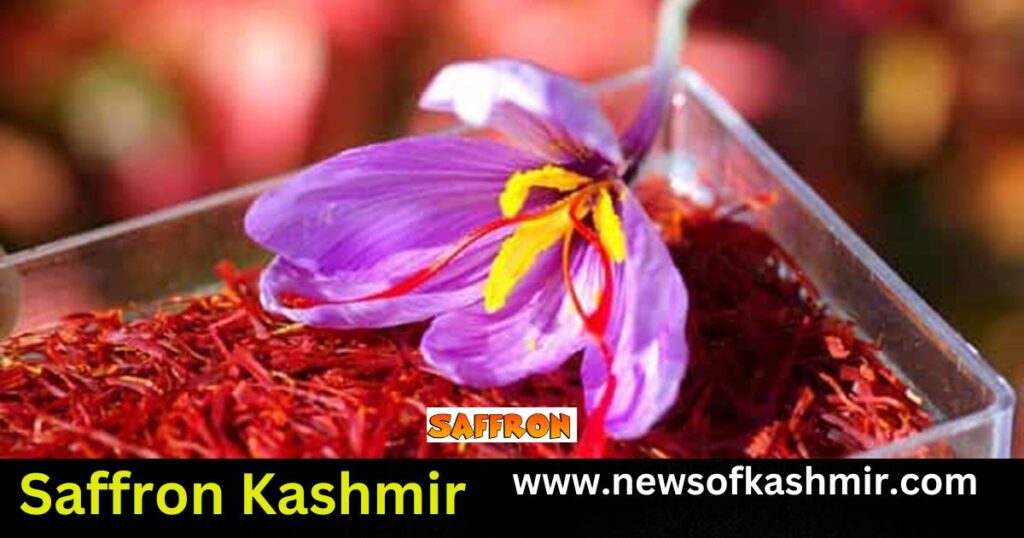
Saffron, often referred to as “the spice of life,” has been a symbol of the rich cultural heritage of Jammu and Kashmir for centuries. The vibrant purple flower that yields this coveted spice is traditionally grown in the region’s high-altitude fields, particularly in areas like Pampore, which has been famously dubbed as the “Saffron Bowl of India.” Saffron farming has provided livelihoods to countless farmers and has been an integral part of the local economy. However, despite the launch of the National Saffron Mission (NSM) in 2010 to rejuvenate saffron cultivation and reverse the decline in production, the mission has largely fallen short of expectations.
Over the past 13 years, saffron production in Jammu and Kashmir has experienced a sharp decline of 67.5%, from 8 metric tons (MT) in 2010-11 to just 2.7 MT in 2023-24. While there was a slight recovery in the last year, with an 8% increase in production, the overall situation remains alarming for saffron farmers and the economy of Jammu and Kashmir. The continued decline raises serious concerns about the efficacy of the National Saffron Mission and its ability to address the underlying issues impacting saffron farming.
The Genesis of the National Saffron Mission (NSM)
The National Saffron Mission was launched in 2010 with the primary objective of reviving saffron cultivation in Jammu and Kashmir, especially in light of the sharp decline in both quality and quantity of saffron production. The Mission aimed to tackle the multiple challenges faced by the saffron sector, such as declining yields, lack of proper irrigation infrastructure, outdated farming practices, and environmental threats like climate change and water scarcity.
The objectives of the NSM were multifaceted and ambitious:
Rejuvenating Existing Saffron Fields: Improving the productivity of existing saffron fields by using better techniques, irrigation systems, and farm management practices.
Enhancing Irrigation Facilities: Introducing modern irrigation techniques, including bore wells and sprinkler systems, to ensure a steady water supply to saffron fields, particularly in regions affected by water scarcity.
Improving Post-Harvest Practices: Enhancing the quality of saffron after harvest through mechanization and improved processing methods.
Boosting Quality and Certification: Developing high-quality planting material and ensuring that saffron grown in the region meets international quality standards. This included setting up weather stations, e-trading platforms, and mechanisms for quality certification.
Supporting Marketing and Price Realization: Establishing infrastructure such as the India International Kashmir Saffron Trading Centre (IIKSTC) to help farmers with processing, marketing, and ensuring better price realization through e-auctions.
These interventions were meant to elevate the saffron sector by addressing long-standing problems and bringing technological advancements to improve both yield and quality. However, despite the ambitious nature of these objectives, the mission’s implementation has been marred by inefficiencies, delays, and poor execution.
Declining Saffron Production: A Stagnant Crisis
Since the inception of the National Saffron Mission, saffron production in Jammu and Kashmir has witnessed a steep decline. In 2010-11, the region produced around 8 metric tons of saffron, a figure that has now plummeted to just 2.7 metric tons in 2023-24. This is a staggering 67.5% decrease over the span of 13 years, and this sharp drop is a direct reflection of the failure to address the challenges faced by saffron farmers effectively.
Several factors have contributed to the crisis in saffron cultivation, and the NSM’s inability to mitigate these factors is a major reason behind the continued decline. Some of the most prominent challenges include:
1. Inadequate Irrigation Infrastructure
One of the most critical issues plaguing saffron farming in Jammu and Kashmir has been the lack of adequate irrigation infrastructure. Saffron fields are particularly vulnerable to water scarcity, and irrigation plays a crucial role in ensuring high yields. As part of the National Saffron Mission, the government promised to build irrigation infrastructure, including 128 bore wells and sprinkler irrigation systems to improve water availability in saffron fields.
However, out of the 128 bore wells planned, only 85 have been completed so far. This delay in completing essential irrigation infrastructure has significantly affected the productivity of saffron fields. Farmers are still dependent on traditional methods of irrigation, which are inefficient and inadequate to meet the water needs of saffron crops, especially during dry periods. Consequently, crop yields have continued to suffer, with many fields producing lower-quality saffron.
2. Climate Change and Environmental Degradation
Climate change has emerged as another significant threat to saffron cultivation in Jammu and Kashmir. The region’s saffron fields are highly sensitive to fluctuations in temperature and rainfall patterns. Warmer temperatures, erratic rainfall, and prolonged dry spells have had adverse effects on the flowering cycle of saffron, leading to poor yields and compromised quality.
The National Saffron Mission did acknowledge the environmental challenges posed by climate change, and part of the mission’s objectives included conducting research to develop climate-resilient saffron varieties. However, the pace at which these initiatives have been implemented has been slow, and the lack of climate-resilient varieties has left farmers vulnerable to the unpredictable weather patterns.
In addition to climate change, the increasing industrial activities and urbanization around saffron fields have contributed to environmental degradation. Saffron fields are increasingly being encroached upon, and industrial pollution from nearby factories has further threatened the delicate ecosystem required for saffron cultivation.
3. Lack of Mechanization and Poor Post-Harvest Practices
Another area where the National Saffron Mission has fallen short is in improving the post-harvest practices and mechanization. While the mission aimed to modernize saffron processing, mechanization and technology adoption have been limited in practice. Saffron is still largely processed manually, which is time-consuming and results in inconsistent quality. Modernization and mechanization could help reduce wastage and improve the overall quality of saffron, which is crucial for its competitiveness in the global market.
The mission’s promise of enhancing post-harvest quality through mechanization has largely remained unfulfilled, and farmers continue to rely on traditional methods of drying and processing the saffron flowers, which do not always meet international standards.
4. Financial Mismanagement and Lack of Accountability
Despite an investment of ₹400 crore under the National Saffron Mission, concerns remain about the mission’s implementation and the utilization of funds. No formal inquiry has been ordered to evaluate the mission’s outcomes, which raises questions about the efficiency and transparency of fund allocation. Delays in completing key projects, such as irrigation infrastructure and the establishment of weather stations, further suggest a lack of accountability and effective governance.
The absence of a comprehensive review or audit of the mission’s results has led to suspicions about the mismanagement of resources, which could have been better utilized to address the critical issues facing saffron cultivation.
The Role of the India International Kashmir Saffron Trading Centre (IIKSTC)
One of the positive aspects of the National Saffron Mission has been the establishment of the India International Kashmir Saffron Trading Centre (IIKSTC), which was designed to help farmers with processing, marketing, and ensuring better price realization through e-auctions. This initiative aimed to provide farmers with a one-stop solution for all aspects of saffron trading, from processing to marketing.
The IIKSTC is supposed to create a platform for the international sale of saffron, ensuring better visibility and price realization for Jammu and Kashmir’s saffron in global markets. While the establishment of the IIKSTC was a welcome move, its impact has been limited. Farmers still face challenges in accessing international markets and getting fair prices for their saffron. The lack of adequate infrastructure and market access continues to be a barrier to achieving the potential of this initiative.
Conclusion: The Future of the National Saffron Mission
The National Saffron Mission was launched with the aim of restoring Jammu and Kashmir’s saffron industry to its former glory, but 13 years on, the results have been disappointing. Despite the investment of ₹400 crore, saffron production has continued to decline due to multiple factors, including inadequate irrigation infrastructure, climate change, poor post-harvest practices, and lack of financial transparency.
While the mission has had some successes, such as the establishment of the IIKSTC, its failure to address the core issues affecting saffron cultivation in Jammu and Kashmir has been a major setback. The mission’s delayed implementation and lack of proper monitoring and evaluation have led to a situation where the region’s saffron industry continues to struggle.
Moving forward, it is crucial for the government to reevaluate the National Saffron Mission, conduct a thorough review of its progress, and take corrective measures to ensure the sustainability of saffron cultivation. Addressing the challenges faced by saffron farmers through better irrigation facilities, climate-resilient varieties, mechanization, and effective marketing solutions could provide the necessary boost to revive the saffron industry and restore Jammu and Kashmir’s position as the world’s premier saffron producer.
Prof Nazir Ahmad Ganai has received a two-year extension as the Vice Chancellor of Sher-e-Kashmir University of Agricultural Sciences and Technology of Kashmir (SKUAST-K), Shalimar. The announcement was made by Jammu and Kashmir Lieutenant Governor Shri Manoj Sinha, who also serves as the Chancellor of SKUAST-K. An official order (No: LGS/19/SC/JU/2021/5595-5602), dated 13 December 2024, confirmed the extension, which will take effect from 16 December 2024, following the completion of Prof Ganai’s current term.
The order states: “In exercise of the powers vested in me, under Section 25 (2) of Sher-I-Kashmir University of Agricultural Sciences and Technology Act, 1982, I, Manoj Sinha, Chancellor, SKUAST Kashmir, hereby extend the tenure of Prof Nazir Ganai, Vice Chancellor, SKUAST Kashmir, for a period of two years with immediate effect from 16.12.2024, the date of completion of his existing term as the Vice Chancellor, SKUAST Kashmir.”
The announcement sparked celebrations across SKUAST-K. Teaching and non-teaching staff, along with students, expressed their joy and gratitude, transforming the campus into a festive scene. Prof Ganai extended his thanks to Lieutenant Governor Manoj Sinha and Chief Minister Omar Abdullah for their confidence in his leadership. He emphasised his commitment to advancing education, research, and innovation, aiming to position SKUAST-K as a globally recognised institution of excellence.
Prof Ganai, born in 1965, has been instrumental in introducing transformative policy initiatives in Jammu and Kashmir’s agricultural sector. Among these is the ₹5012-crore Holistic Agricultural Development Program (HADP). He also played a key role in securing SKUAST-K’s prestigious ₹30-crore World Bank ICAR-funded project under the National Agricultural Higher Education Project (NAHEP), which later became a World Bank case study for its effective implementation and visionary approach.
Another significant achievement of Prof Ganai’s tenure was the internationalisation of education at SKUAST-K. The International Education Fair organised under this initiative received commendation from the External Affairs Minister, Dr S Jaishankar. Under his leadership, SKUAST-K introduced modern courses such as BTech in Artificial Intelligence in Agriculture, BSc in Microbiology, and BSc in Economics and Data Science. The university also established state-of-the-art facilities like an Incubation Centre and a Centre for Artificial Intelligence and Machine Learning (AI & ML). Additionally, Prof Ganai prioritised transdisciplinary and translational research, innovative extension strategies, and youth skill development.
With over 30 years of experience in teaching, research, and extension, including 11 years as a Professor, Prof Ganai holds a PhD in Genetics and Breeding from the National Dairy Research Institute, Karnal. He completed postdoctoral research at Wageningen University of Research (WUR), Netherlands, and has served in various administrative roles, including Director of Planning and Monitoring at SKUAST-K.
Prof Ganai has been awarded several prestigious fellowships, including a joint fellowship on academic leadership from IIT Roorkee and Michigan University, USA (2018), the Durham International Fellowship from Durham University, UK (2016), and the Erasmus Mundus Fellowship from Wageningen University, Netherlands (2009). He has also been a visiting fellow at Wisconsin State University, USA (2012).
As an accomplished academic, researcher, and administrator, Prof Ganai has significantly contributed to shaping SKUAST-K’s vision. His efforts aim to transform the potential of graduate students into a generation of skilled, innovative, and forward-thinking leaders equipped to address the challenges of tomorrow.
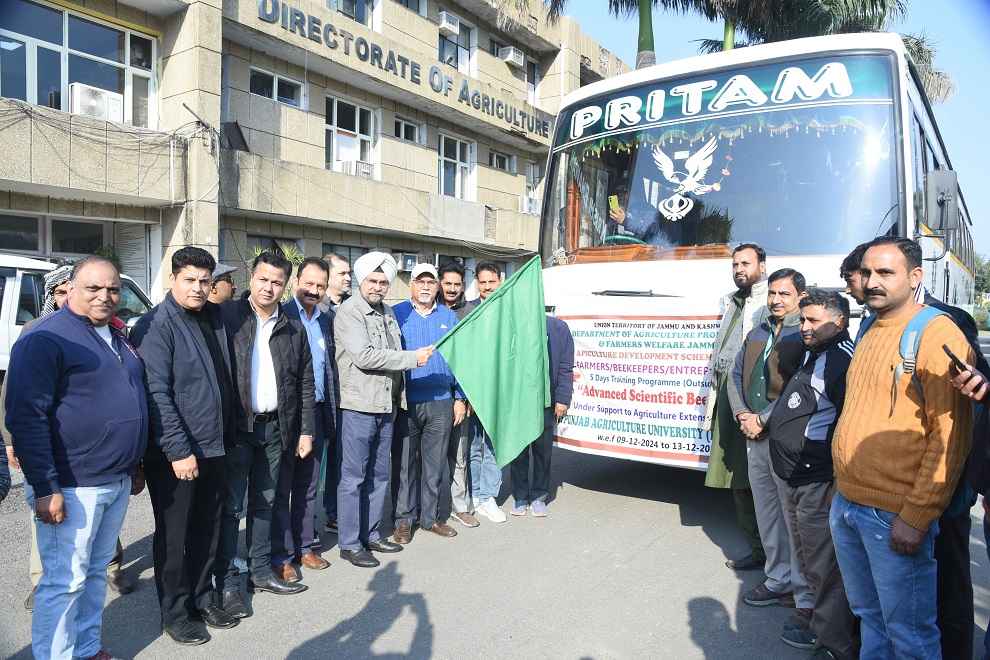
Director Agriculture Jammu Arvinder Singh Reen, on Monday flagged off a five-day outside UT training program on “Advanced Scientific Beekeeping” from the Apiculture Development Scheme, Directorate of Agriculture Krishi Bhawan Jammu. The training, aimed at enhancing the skills and knowledge of farmers, beekeepers, and entrepreneurs, held from December 9th to 13th, 2024, at Punjab Agricultural University, Ludhiana. The program is being conducted under the Support to Agriculture Extension (ATMA) scheme, with 48 participants from all districts of Jammu Division nominated by the concerned Chief Agriculture Officers. Additionally, four escorting officers/officials from the department will accompany the participants for the training. While interacting with the farmers at the Director Agriculture emphasized the importance of exposure visits like this for acquainting farmers with the latest advancements in scientific beekeeping. He advised participants to actively engage with scientists and researchers at Punjab Agricultural University to gain insights into new techniques and practices. He further advised the farmers to implement the knowledge gained during the training and share it with fellow farmers in their communities. Director A.S Reen highlighted that such programs are crucial for empowering farmers with modern agricultural practices and improving productivity in the beekeeping sector, which holds significant potential for economic growth in the region. Joint Director Agriculture (Extension/SLUB), Satish Sharma; Deputy Director (Central), Dr. Ashwani Sharma; Agronomist (VIS), Vikas Padha; Agriculture Chemist Dr. Aman Jyoti Sharma; DSSO Sh. Suresh Kumar Khajuria; MDO Raghubir Pal Kochar, along with other field functionaries of the department were also present on the occasion. Accompanying the farmers for the exposure visit are Assistant Entomologist Rajesh Verma, AEA Amit Sharma, Beekeeper Harneet Singh, and MTS Shivanghu.
The Jammu and Kashmir Agriculture Production Department on Wednesday announced the rescission of multiple administrative orders issued by the Director of Agriculture, Kashmir, since November 16, 2024.
As per the order, issued under Government Order No. 541-JK (APD) of 2024, was signed by Principal Secretary to the Government, Shailendra Kumar, IAS.
According to the order, all decisions taken through these directives are now nullified ab initio. The rescinded orders include numerous transfer and posting decisions for Junior Agriculture Extension Officers, Agriculture Extension Assistants, and other staff members. Among these were orders related to quasi-permanent status declarations, earned leave sanctions, and departmental promotions.
The notable annulled directives include, 260/Estt of 2024: Transfer/posting of Junior Agriculture Extension Officers, 261/Estt of 2024: Transfer/posting of Agriculture Extension Assistants, 266/Estt of 2024: Post-facto sanction of earned leave for Mr. Masood Ahmad Chowdhary, 272/Estt of 2024: Convening of a Departmental Promotion Committee meeting and 292/Estt of 2024: Transfer and posting of executive staff.
It further said addressed promotions under SRO 14 of 1996, inquiries against staff, and reinstatement of personnel were also annulled. This decision is expected to impact several employees across the Agriculture Department in both Kashmir and Jammu divisions.
The annulled orders span various administrative aspects, including transfers, postings, promotions, and personnel management within the department. Among the rescinded orders are directives related to the transfer and posting of Junior Agriculture Extension Officers (JAEOs), Agriculture Extension Assistants, and executive staff. Decisions concerning the declaration of quasi-permanent status, in-situ promotions, and clearance of probation periods have also been invalidated.
Additionally, the government has rolled back specific personnel deployments and repatriations, such as those involving Mr. Masood Ahmad Chowdhary and Mst Meenakshi Bhat. Orders pertaining to inquiries and complaints against certain staff members, as well as actions on administrative matters like skill wages and reinstatements, are also among the rescinded directives.
The comprehensive rollback impacts orders numbered from 260/Estt of 2024 to 303/Estt of 2024, issued between November 16 and November 29, 2024. These include significant decisions such as the transfer and posting of senior officials, declarations of quasi-permanent status, departmental promotion meetings, and other administrative approvals.
In the serene district of Shopian, nestled in the picturesque valleys of Jammu and Kashmir, a young woman has become the beacon of innovation in farming. Syedah Shazia Latif, an LLM graduate and a PhD scholar, is not only excelling academically but also spearheading a farming revolution that combines tradition, modernity, and sustainability. Her story is an inspiring blend of education, entrepreneurship, and a commitment to reimagining agriculture in her homeland.
The Genesis of an Innovator
Born and raised in Molu Chitragam, a quaint village in Shopian, Syedah Shazia Latif was always deeply connected to her roots. Despite her academic pursuits, which led her to earn an LLM and pursue a PhD, she remained keenly aware of the potential in Kashmir’s rich but underutilised agricultural landscape.
Shazia’s journey into farming began in 2019, driven by a desire to explore uncharted territory in agriculture. Her goal was not just to engage in farming but to create an integrated ecosystem that combined flora and fauna for sustainable productivity. “Farming is not just about cultivating land; it’s about innovation, creating ecosystems, and bringing value to what we have,” she explained.
Introducing the Emus: A First for Kashmir
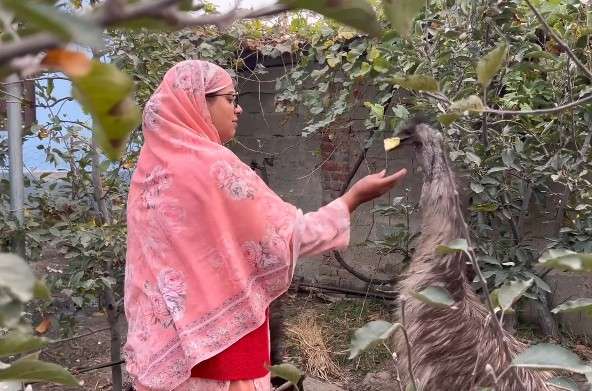
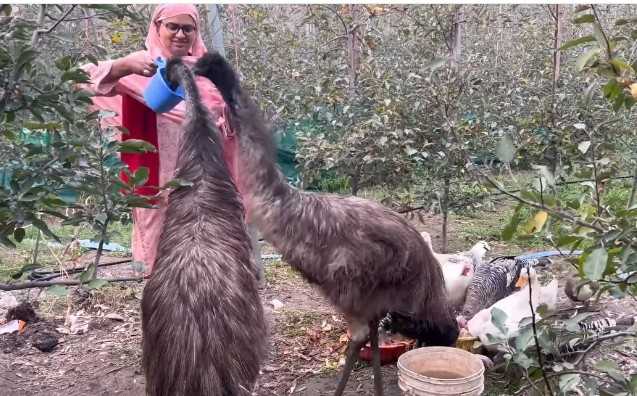
One of Shazia’s most groundbreaking initiatives was the introduction of Emus, the national bird of Australia, to her farm. The Emu, the world’s second-largest bird after the ostrich, is known for its adaptability and economic value. Its meat, oil, and feathers are prized globally, and it has the potential to diversify traditional farming practices.
“I initially wanted to bring ostriches, but due to the challenges involved, I opted for Emus,” Shazia said. “They are easier to manage and still provide excellent opportunities for farming diversification. Inshallah, I hope to bring ostriches in the future as well.”
The inclusion of Emus has not only added an exotic element to her farm but has also generated significant interest among locals and experts alike. Videos of her farm showcasing these majestic birds have gone viral on social media, drawing widespread admiration.
Integrated Farming: A Model for Sustainability
Shazia’s farm is much more than a space for Emus; it is a vibrant ecosystem teeming with life. Her integrated farming model includes poultry, exotic birds, rabbits, fisheries, and vegetable cultivation. By combining these elements, she has created a self-sustaining system where the outputs of one component serve as inputs for another.
“For example, the waste from poultry and rabbits can be used as organic manure for vegetables, while the fish pond contributes to water management,” she explained. “This interconnected approach maximises productivity while minimising waste.”
Such a model not only enhances profitability but also addresses critical issues like food security and environmental sustainability, making it a replicable model for others in the region.
Recognition and Impact
Shazia’s hard work and innovative approach have not gone unnoticed. In 2022, she was honoured with the prestigious Governor’s Award for her contributions to farming. This recognition has further motivated her to expand her initiatives and inspire others to follow suit.
Her efforts have already had a tangible impact on her community. Many young people, inspired by her example, have started exploring opportunities in agriculture and allied fields.
Education Meets Entrepreneurship
Shazia’s academic background sets her apart from many traditional farmers. Her LLM qualification and ongoing PhD studies have equipped her with critical thinking skills and a research-oriented mindset, which she applies to her farming practices.
“Education helps you see possibilities where others see challenges,” she said. “It has given me the confidence to experiment and the resilience to face setbacks.”
Despite her academic commitments, Shazia manages her farm with dedication and passion, proving that education and entrepreneurship can go hand in hand.
Message to the Youth
One of Shazia’s most compelling messages is directed at the youth of Kashmir, who often grapple with unemployment and limited opportunities. “Whether you’re educated or not, don’t sit idle or wait for government jobs,” she urged. “The land we have is a treasure trove of opportunities. With the right mindset and effort, anyone can create something meaningful.”
She also emphasises the importance of leveraging government subsidies and schemes in agriculture, horticulture, and fisheries. “There are so many resources available if you’re willing to look for them. Use these to innovate and create a sustainable livelihood,” she advised.
The Road Ahead
Shazia has ambitious plans for the future. Apart from introducing ostriches to her farm, she aims to expand her integrated farming model and collaborate with other farmers and researchers to promote sustainable practices.
She is also keen on using her platform to raise awareness about the potential of agriculture in Jammu and Kashmir. “Farming can be a game-changer for our region, but it requires a shift in mindset and the willingness to adopt new methods,” she said.
A Beacon of Hope
In a region often associated with challenges, Shazia’s story is a testament to the power of determination and innovation. By blending her academic achievements with entrepreneurial zeal, she has not only transformed her farm but also inspired a wave of optimism in her community.
Her journey from a scholar to a farmer and innovator demonstrates that with the right blend of education, passion, and perseverance, one can truly make a difference.
As Syedah Shazia Latif continues to revolutionise farming in Kashmir, her work stands as a shining example of what is possible when tradition meets innovation.