Gaza Families Face Growing Humanitarian Crisis Despite Renewed Ceasefire Efforts
CAIRO/GAZA: While international leaders continue to discuss ceasefire proposals and future peace plans, millions of displaced Palestinians in Gaza say their daily struggle is focused on survival rather than politics. Click Here To Follow Our WhatsApp Channel
Although recent diplomatic efforts have outlined a possible path towards ending the conflict, many residents remain uncertain that any agreement will bring lasting peace or immediate relief.
Ceasefire Plans Offer Hope, But Doubts Remain
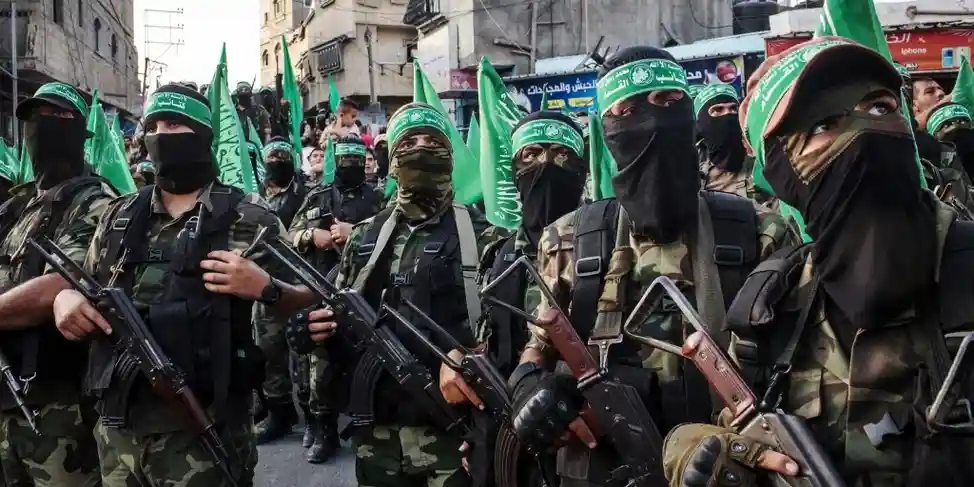
Recent international proposals include the gradual disarmament of Hamas, the withdrawal of Israeli forces from Gaza, and the creation of a new Palestinian technocratic administration supported by international partners.
However, many people living in displacement camps question whether these measures will be fully implemented.
Residents have expressed concerns over:
- Whether Israeli forces will completely withdraw from all areas of Gaza.
- Whether Hamas will agree to surrender its weapons.
- The continuation of military operations despite ongoing diplomatic discussions.
As a result, many civilians remain uncertain about when the conflict will truly end.
Humanitarian Crisis Deepens
While negotiations continue, conditions inside Gaza’s displacement camps are becoming increasingly difficult.
With much of the population displaced, families are living in overcrowded tents made from temporary materials, often without reliable access to clean water, sanitation or healthcare.
One displaced resident, Abdel Moneim Aboul-Roos, who lost a leg in an airstrike, said basic necessities are a greater concern than political negotiations.
“They can talk about withdrawal and disarmament. I don’t care about any of it as long as there is no food or medicine.”
Major Challenges Facing Displaced Families
Aid organisations and medical workers have reported several growing problems across the camps, including:
- Severe overcrowding.
- Limited access to clean drinking water.
- Poor sanitation facilities.
- Increasing numbers of rodents, flies and mosquitoes.
- Rising cases of skin diseases, chickenpox and gastrointestinal illnesses.
- Shortages of medicines and medical supplies.
Humanitarian agencies say restrictions and logistical challenges have made it difficult to deliver sufficient aid and maintain public health services.
Calls for Immediate Humanitarian Relief
Many displaced families say their priorities are clear:
- Safe return to their homes.
- Access to food and clean water.
- Medical care for the injured and sick.
- Protection for children.
- Long-term reconstruction of homes and essential infrastructure.
Aid groups continue to stress that humanitarian assistance must reach civilians quickly, regardless of political developments.
Uncertain Future
Although diplomatic efforts have renewed hopes for a ceasefire, the humanitarian situation in Gaza remains critical.
For millions of displaced Palestinians, lasting peace will depend not only on political agreements but also on improved security, unrestricted humanitarian aid and the rebuilding of communities devastated by months of conflict.