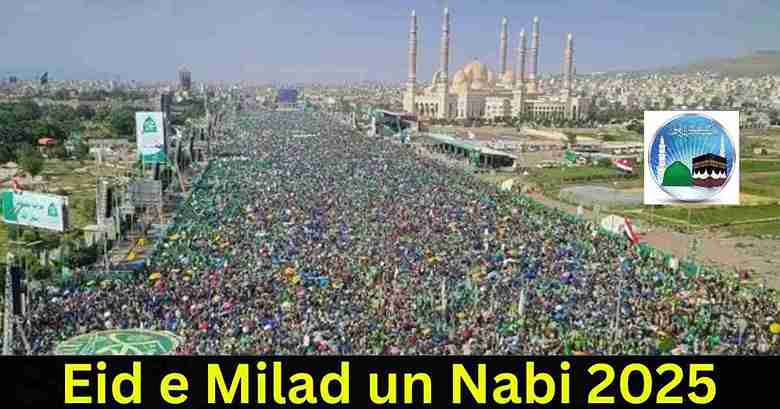
Milad un Nabi 2025: History, Significance, Celebrations, and Debates Around Prophet Muhammad’s Birth Anniversary

Milad un Nabi 2025

Milad un Nabi, also known as Mawlid al-Nabi or Eid-e-Milad-un-Nabi, is a significant observance in the Islamic world that commemorates the birth anniversary of Prophet Muhammad (Sallallahu Alaihi Wasallam, or S.A.W., meaning “peace be upon him”). This festival holds deep spiritual and cultural importance for millions of Muslims, serving as an occasion to reflect on the Prophet’s life, teachings, and legacy. While it is widely celebrated with joy and devotion, it also sparks debates within the Muslim community regarding its religious legitimacy. In this detailed article, we explore the history, significance, dates, celebrations, controversies, and global observances of Milad un Nabi.
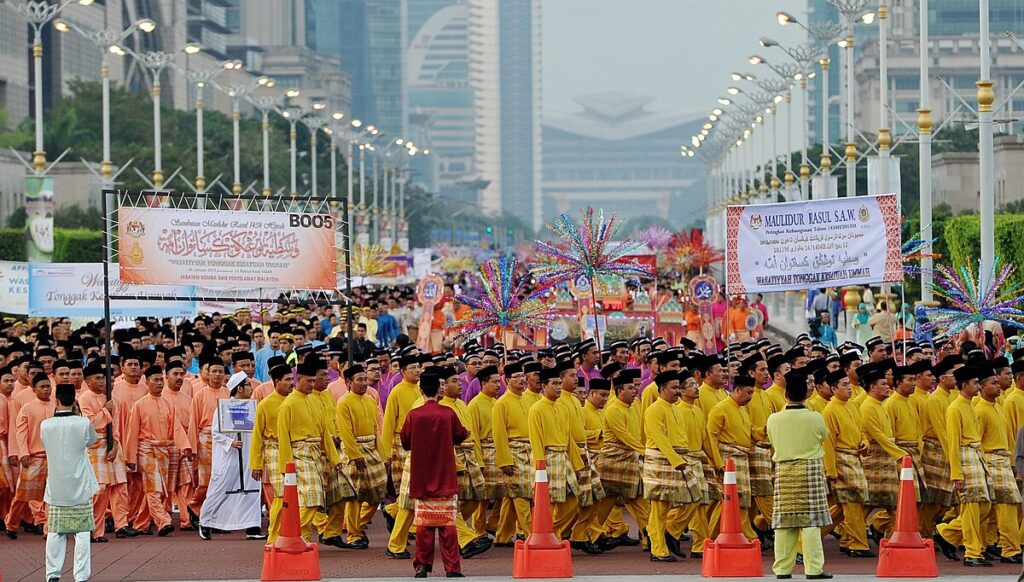
History and Origins

The roots of Milad un Nabi trace back to the early centuries of Islam. Although the Prophet Muhammad (S.A.W.) himself did not celebrate his birthday, and there is no explicit mention of such observances in the Quran or the authentic Hadith from his lifetime, the practice evolved over time as a way to honor his exemplary life.
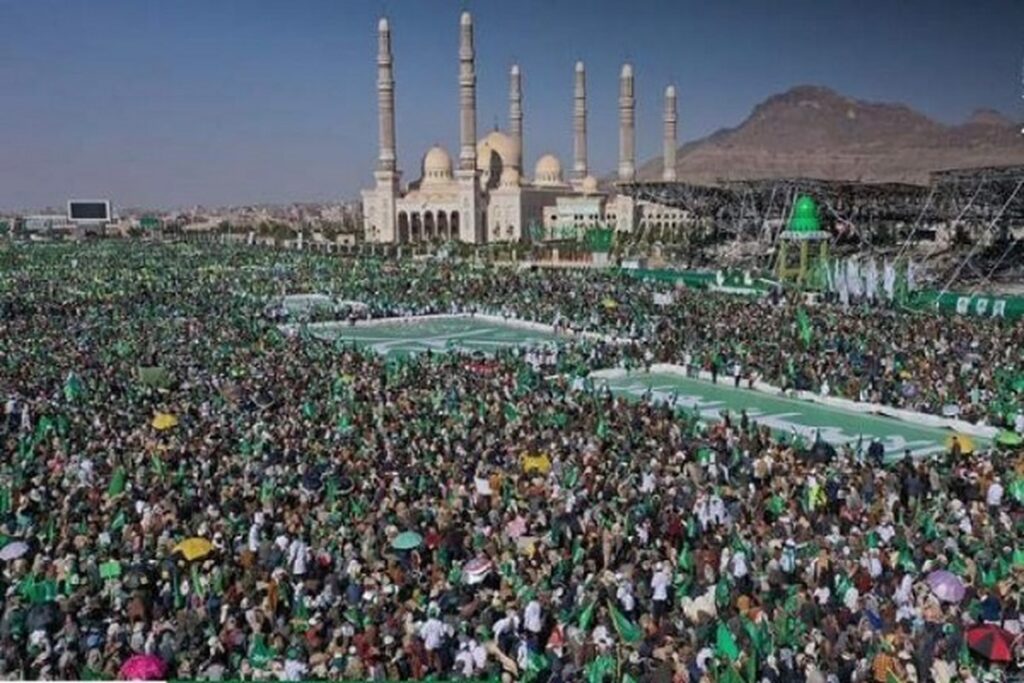
The earliest indications of commemorating the Prophet’s birth appear among the Tabi’un (the generation following the Prophet’s companions) in major Islamic cities, where gatherings involved reciting poetry and songs in praise of Muhammad (S.A.W.). The Fatimid dynasty (909–1171 CE) in Egypt is often credited with institutionalizing public celebrations, possibly as early as the 10th century, though some historians suggest it began under the Abbasids. A pivotal moment came in 1207 CE when the Turkic general Gökböri organized the first large-scale public festival in Erbil (modern-day Iraq), influenced by Saladin, which included Sufi elements like animal sacrifices, torchlight processions, and recitations focused on the Ahl al-Bayt (the Prophet’s family).

By the Ottoman Empire era, Milad un Nabi was declared an official holiday in 1588 CE, known as Mevlid Kandil. The celebration spread across the Muslim world through trade, conquests, and cultural exchanges, adapting to local traditions. In the Indian subcontinent, it gained prominence under Mughal rulers, who incorporated grand processions and illuminations. Early celebrations were not uniform; they often blended religious devotion with communal feasting and storytelling, emphasizing the Prophet’s role as a mercy to mankind.

Significance

At its core, Milad un Nabi is a profound expression of love, gratitude, and reverence for Prophet Muhammad (S.A.W.), whom Muslims regard as the final messenger of Allah. The Quran describes him as “a mercy to the worlds” (Surah Al-Anbiya, 21:107), and the observance allows believers to renew their commitment to his Sunnah (traditions) and teachings on compassion, justice, and piety.

The festival holds social and spiritual significance, fostering community bonds through acts of charity and benevolence. For Sufis, it symbolizes the Prophet’s pre-existence and eternal light (Nur Muhammad), inspiring mystical reflections. In many cultures, it serves as an educational platform, where stories from the Seerah (biography of the Prophet) are shared to inspire moral living. It also promotes interfaith understanding in diverse societies, highlighting universal values like peace and humility.

In 2025, the observance gains added prominence as it marks the approximate 1500th anniversary of the Prophet’s birth, with countries like Pakistan declaring nationwide activities to honor this milestone. This year-long commemoration underscores the enduring impact of Muhammad’s (S.A.W.) message on global civilization.
Date and Observance

Milad un Nabi is observed on the 12th day of Rabi’ al-Awwal, the third month of the Islamic lunar calendar, according to Sunni tradition. Shia Muslims, particularly Twelver Shias, celebrate it on the 17th of the same month, aligning it with the birth of Imam Ja’far al-Sadiq as well. The exact Gregorian date varies annually due to the lunar calendar’s dependence on moon sightings, which can differ by region.

For 2025, celebrations are expected to begin on the evening of September 4 and continue through September 5, though some sources indicate variations based on local moon sightings, potentially shifting to September 5 or 6. In India, it is a public holiday in several states, with banks and schools often closed. The month of Rabi’ al-Awwal itself is considered blessed, beginning around August 24, 2025, and is a time for increased reflection and good deeds.

Celebrations Around the World

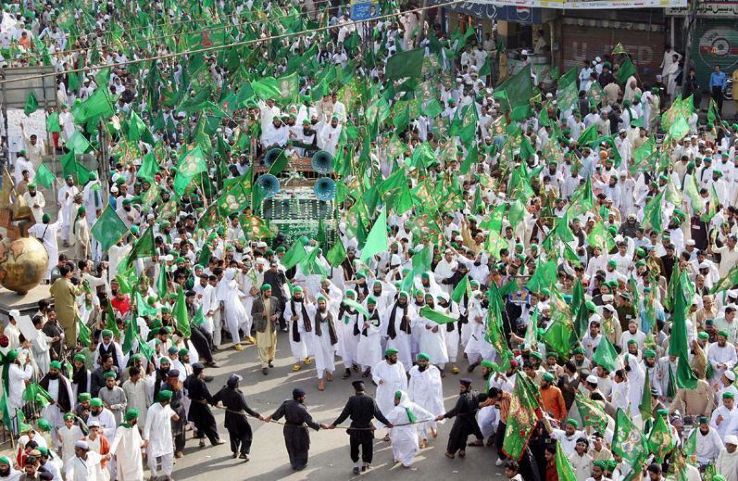
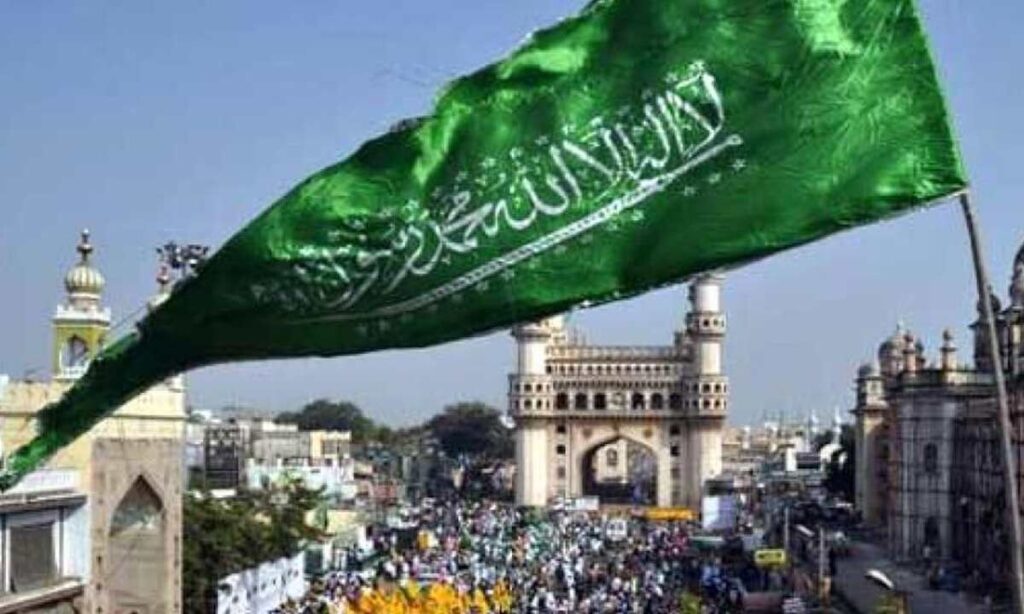
Milad un Nabi is marked with diverse rituals that blend religious piety with cultural flair, varying by country and community. Common elements include special prayers (Salat al-Fatih or Nafl prayers), recitations of the Quran, and lectures on the Prophet’s life. Mosques and homes are adorned with lights, green flags (symbolizing paradise), and banners bearing Islamic calligraphy.

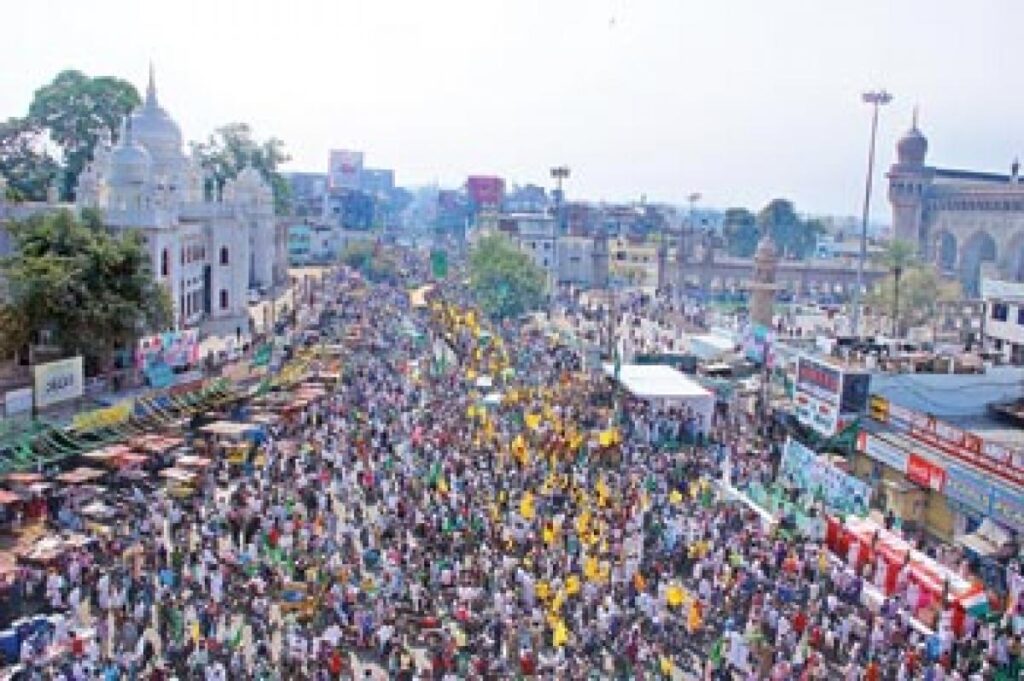
  • In India and Pakistan: Festivities feature large processions (Julūs-e-Muhammadi), where participants chant Naats (poems praising the Prophet) and distribute sweets. In Pakistan, the day starts with 21-gun salutes in major cities, followed by seminars and charity drives. Indian cities like Hyderabad host relic displays from the Prophet’s era, with night-long vigils and fireworks.
  • In Indonesia: Known as Maulid Nabi, it includes week-long Sekaten fairs with gamelan music, puppet shows, and food stalls. In some regions, it’s more elaborate than Eid celebrations.
  • In Turkey: Observances center on reciting Süleyman Çelebi’s famous Mawlid poem during Mevlid Kandili, with candle-lit mosques and family gatherings for sweets like lokum.
  • In Yemen and North Africa: Processions involve poetry recitations and the preparation of special dishes like Assidat Zgougou in Tunisia. Green decorations symbolize renewal and the Prophet’s love for nature.
  • In the Middle East and Africa: Countries like Egypt and Morocco feature Sufi dhikr sessions, while in Nigeria and Senegal, it’s integrated with local music and dances, emphasizing community unity.

Charity is a hallmark, with food distribution to the poor, blood donation camps, and environmental initiatives reflecting the Prophet’s emphasis on compassion. In modern times, digital celebrations include online Naat competitions and virtual lectures.
Controversies and Debates

While Milad un Nabi is embraced by the majority of Muslims, it remains a point of contention among scholars and sects. Proponents, including most Sunni scholars like Jalaluddin al-Suyuti and Ibn Hajar al-Asqalani, and nearly all Shia authorities, classify it as a “bid’a hasana” (praiseworthy innovation) that encourages love for the Prophet without contradicting core Islamic principles. Modern figures such as Yusuf al-Qaradawi and Ali Gomaa argue that as long as observances avoid extravagance or shirk (polytheism), they are permissible and beneficial.
Opponents, primarily from Salafi, Wahhabi, and Deobandi schools, view it as a “bid’a sayyi’a” (reprehensible innovation) lacking basis in the Quran, Sunnah, or practices of the Salaf (early Muslims). Scholars like Ibn Taymiyyah and Ibn Baz have criticized it for potentially imitating Christian Christmas celebrations or incorporating forbidden elements like music, gender mixing, or excessive spending. In Saudi Arabia and Qatar, where Salafism is dominant, Mawlid is not officially recognized, and public celebrations are discouraged.

These debates highlight broader tensions between tradition and reform in Islam. Some moderates, like Ibn al-Hajj, support limited observances focused on pious acts, while emphasizing avoidance of excesses. Despite controversies, the festival continues to thrive in most Muslim-majority countries, adapting to contemporary contexts while preserving its devotional essence.

Conclusion

Milad un Nabi stands as a vibrant testament to the enduring reverence for Prophet Muhammad (S.A.W.), blending faith, culture, and community. Whether through solemn prayers or joyous processions, it invites Muslims to embody the Prophet’s virtues in daily life. As the world marks this occasion in 2025 amid its 1500th anniversary commemorations, it serves as a reminder of unity in diversity within the Ummah. Regardless of differing views, the core message remains: to follow the Prophet’s path of mercy, justice, and peace.

Faith, Family & the Future: Navigating Chaos with Purpose

Kashmir Fruit Growers Face Heavy Losses as Highway Closure Disrupts Transport

From Boom to Bust: How the April 22 Terror Attack Shattered Pahalgam’s Tourism Dream

11 Dead in Ramban and Reasi Weather Tragedies as Landslides and Cloudburst Devastate Jammu
Professor Mufti Abdul Ghani Azhari: Scholar, Sufi, Historian, and Social Reformer of Kashmir

Mufti Abdul Ghani Azhari

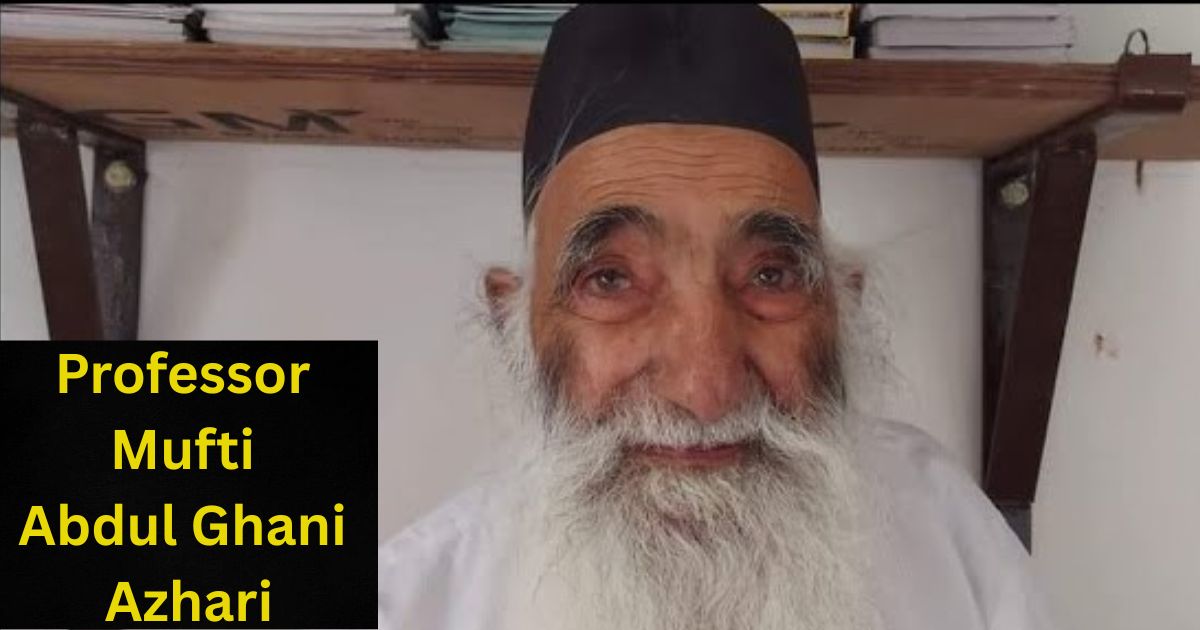
Professor Mufti Abdul Ghani Azhari (1922–2023), also known as Abdul Ghani Shah al-Shashi, was one of India’s most respected Islamic scholars, Sufi teachers, historians, and community reformers. Born in Poonch, Jammu and Kashmir, he belonged to the Gujjar community, a group often marginalised in society. Over his long life of nearly 100 years, he dedicated himself to spreading Islamic knowledge, guiding people spiritually, and uplifting the poor through education and support. His work touched the lives of thousands, especially Gujjar Muslims in Kashmir and across South Asia, leaving a lasting legacy of compassion, wisdom, and unity.

Early Life

Abdul Ghani Azhari was born in 1922 in Poonch, a hilly region of Jammu and Kashmir, to Ali Miyan Shashi. Growing up in the Gujjar community, he saw the challenges faced by his people, including poverty and lack of education. From a young age, he loved learning and had a deep respect for Islamic teachings. His grandfather, Maulana Abdul Halim al-Shashi, a well-known Gujjar scholar of the Quran, played a big role in shaping his early years, encouraging his passion for knowledge and faith. Later, Azhari moved to Sogam, Kokernag, in Anantnag, where he spent much of his life.

Education

Azhari’s thirst for knowledge took him to some of the world’s top Islamic institutions, where he studied under great scholars and gained expertise in many fields:

  • Darul Uloom Deoband (1943): At this famous Islamic school in India, Azhari studied under Hussain Ahmad Madani, a scholar and freedom fighter who taught him key Islamic texts like Sahih al Bukhari and Sunan al Tirmidhi. Madani’s passion for India’s freedom also inspired Azhari to serve his country and community.
  • Mazahir Uloom Saharanpur (1949): Here, he learned from Muhammad Zakariyya Kandhlawi, a leading expert in Hadith (sayings of the Prophet Muhammad). He studied important books like Bulugh al Maram and Mishkat al Masabih, which deepened his understanding of Islamic teachings and spirituality.
  • Al-Azhar University, Cairo (1966): Azhari earned a PhD in Hadith studies with a thesis called Al Imam Al Muslim Wa Manhajuhu Fi Al Hadith Riwayatn Wa Dirayatan (The Methodology of Imam Muslim in Hadith Narration and Analysis). He also gained a diploma in psychology, which helped him combine religious and modern knowledge. His teachers included Abdel-Halim Mahmoud and Abdul Wahhab Abdul Latif, both renowned scholars.

Azhari was also influenced by Maulana Abul Kalam Azad, India’s first education minister, who encouraged blending traditional Islamic learning with modern ideas. This mix made Azhari a unique scholar who could connect with both religious and academic audiences.

Academic and Teaching Career

After his studies, Azhari became a teacher, sharing his knowledge with students and communities. He first taught at Madinatul Uloom in Hazratbal, Srinagar, where he made complex Islamic ideas easy to understand. Later, he became head of the Arabic Department at the University of Kashmir, a role he held until he retired in 1997. His teaching style was clear and inspiring, helping students from all backgrounds learn about Islam, Arabic, and more.

Azhari was a master of many Islamic sciences, including:

  • Quranic Interpretation (Tafsir): He explained the Quran’s meanings, often teaching Tafsir Jalalayn, a well-known commentary.
  • Hadith: As a muhaddith (Hadith scholar), he certified others to teach Hadith and had a chain of transmission going back to Shah Waliullah Dehlawi, a famous 18th-century scholar. He gave famous lectures, like teaching Sahih al Bukhari in just 13 days in Kuwait and at Masjid-e-Nabawi in Madinah.
  • Islamic Law (Fiqh): He was an expert in both Hanafi and Shafi’i schools of Islamic law, teaching books like Bahr al Raiq (Hanafi) and Al Umm (Shafi’i).
  • Sufism (Tasawwuf): As a Naqshbandi Sufi, he guided people towards spiritual growth and inner peace.

He believed the Quran should be read with understanding in any language and urged Muslims to follow its teachings as their guide. He also taught that Hadith should be studied for its own sake, not twisted to fit personal views, following the approach of great scholars like Muhammad Yunus Jaunpuri.

Sufi Teachings

As a follower of the Naqshbandi Sufi order, Azhari focused on the spiritual side of Islam. He believed in:

  • Inner Purification: Remembering Allah to cleanse the heart and soul.
  • Following the Quran and Sunnah: Living by the teachings of the Prophet Muhammad with sincerity.
  • Unity and Peace: Bringing Muslims together and building good relations with other communities.

His sermons were heartfelt and easy to understand, inspiring people to live with love, kindness, and tolerance. His diploma in psychology helped him understand the human heart, making his spiritual guidance even more powerful. He followed the teachings of Imam Ghazali, a famous Sufi scholar, and was seen as a Jamiul Salasil (someone who combined all Sufi orders). He held the title of Amir al Shari‘ah and Sadr al Muftiyeen (chief jurist) of Jammu and Kashmir, showing his high standing as a spiritual leader.

Institutions Founded

Azhari believed education could change lives, especially for those who were poor or marginalised. He set up several schools and seminaries to provide free education, food, and clothing, focusing on the Gujjar community and others in need. These institutions followed the principles of Ahl-i Sunnat wal Jama‘at (Sunni Islam) and taught subjects like Arabic, Persian, Urdu, and logic. Some of his key institutions include:

  • Maktabah Anwar al Uloom (Kokernag, 1950s): Co-founded with Maulana Hafiz Muhammad Chiragh Qasmi, this centre helped Gujjar students learn about their faith and culture.
  • Maktabah al Azhariya (1960, later a Darul Uloom in 1980): A major hub for Islamic learning in Kashmir, serving as the heart of Azhari’s work.
  • Darul Uloom Kawthariya (New Theed, Harwan, 1990): Built near Zabarwan Hills in Srinagar for advanced Islamic studies.
  • Darul Uloom Shah Wali Allah (Donipawa, Anantnag, 2003): A centre for Islamic law and spirituality.
  • Darul Uloom Nizamiyya Madinatul Islam (Badshahibagh, Saharanpur): A leading seminary with an open school up to the 10th standard, serving both poor and privileged students.
  • Seminaries in Jammu: Set up in areas like Nagrota, Sidrah, and Tandah to reach more people.

These schools gave thousands of students, especially from the Gujjar community, a chance to learn and grow, breaking the cycle of poverty through education.

Books and Writings

Azhari wrote several important books that are still used by students and scholars. His works cover Islamic teachings, Sufism, and the history of the Gujjar community. Some of his most notable books include:

  • Qadim Tarikh-e-Gujjar: A detailed history of the Gujjar people, showing their important role in South Asia’s culture and history. This book helped Gujjars feel proud of their heritage and fought against feelings of inferiority. It also had an impact abroad, challenging atheistic ideas in places like Russia.
  • Ma La Budda Minh: An Urdu translation of a book by Mir Syed Ali Hamdani, a great Sufi saint, covering key Islamic beliefs like faith, worship, and kindness.
  • Noor-i Irfan: A collection of Naqshbandi Sufi teachings and letters by Peer Muhammad Sharifuddin, explaining spiritual practices and the lives of Sufi leaders.
  • Gulzar-i Marifat: A book in Punjabi about Sufism and spiritual growth.
  • Urdu Translation of Amir Kabir Mir Syed Ali Hamdani’s Works: Making the teachings of this Sufi saint available to more people.
  • Talimat-e Qur’an: Unfinished writings on the Quran’s teachings, showing his deep love for the holy book.

These books helped preserve Gujjar culture, spread Islamic knowledge, and guide people towards a spiritual life.

Social Work and Gujjar Upliftment

Azhari spent over 70 years helping the poor, especially orphans and those from marginalised groups like the Gujjars. He provided clothing, shelter, and education to anyone in need, regardless of their background. His work gave hope to the Gujjar community, who faced social and economic challenges. By writing about their history and setting up schools, he helped them gain confidence and respect.

Azhari also worked to bring people together, promoting peace between Muslims and other communities. His efforts were praised by scholars like Emmanuel David Singh, who noted his role in fostering harmony in South Asia. Inspired by freedom fighters like Hussain Ahmad Madani and Abul Kalam Azad, Azhari believed in serving both his faith and his country, working to make India a better place for all.

Final Years and Legacy

In his later years, Azhari lived in Sogam, Kokernag, and Saharanpur, Uttar Pradesh, where he continued teaching and guiding people. He passed away on 19 January 2023 in Saharanpur at the age of about 100. His funeral, led by Moulana Mohammad Aaqil, was attended by thousands, showing the love and respect he had earned. Leaders like Farooq and Omar Abdullah paid tributes, calling him a great scholar and spiritual guide.

Professor Abdul Ghani Azhari’s legacy lives on through his schools, books, and the many lives he changed. He was a scholar who made complex ideas simple, a Sufi who spread love and peace, a historian who gave the Gujjars pride, and a reformer who fought for equality and education. For the people of Kashmir and beyond, his work continues to inspire, proving that one person’s dedication can make a difference for generations.

Faith, Family & the Future: Navigating Chaos with Purpose

Kashmir Fruit Growers Face Heavy Losses as Highway Closure Disrupts Transport

From Boom to Bust: How the April 22 Terror Attack Shattered Pahalgam’s Tourism Dream

11 Dead in Ramban and Reasi Weather Tragedies as Landslides and Cloudburst Devastate Jammu

Budgam’s Sadiq Ali Mir Selected as Astronaut Candidate for U.S.-Based Titans Space Industries’ 2029 Mission

Sadiq Ali Mir

In a landmark achievement for the scientific community in Kashmir and India at large, 21-year-old Sadiq Ali Mir, hailing from the remote Labartal village in Budgam district, has been selected as an Astronaut Candidate (ASCAN) by the prestigious Titans Space Industries Inc., a private aerospace company based in the United States.

Mir’s selection marks the first time a youth from Jammu and Kashmir has been chosen for an international space mission of such calibre, symbolizing a leap forward for aspiring scientists and engineers from conflict-affected regions.


From Snowy Kashmir to the Stars

Born into a humble household in Labartal, Mir’s story is one of perseverance, ambition, and excellence. His early education took place at IPS School and Al-Asma Educational Institute, Budgam, followed by higher secondary education at Government Higher Secondary School, Sholipora. Despite limited resources, his academic journey was marked by determination and a deep fascination with space.

The turning point in his life came during a snowfall in Kashmir when he was in the 7th grade. “I saw a bright object moving across the sky and thought it was a comet,” Mir told Rising Kashmir. “Later in 8th grade, I learned it was the International Space Station. That moment planted the seed of my dream—to become an aerospace engineer and astronaut.”


Academic and Professional Excellence

In 2021, Mir secured admission to the prestigious RV College of Engineering (RVCE) in Bengaluru, where he completed his Bachelor’s degree in Aerospace Engineering in August 2025. During his time at RVCE, he distinguished himself academically and as a leader of student-led innovation.

He co-founded Team AeroAstro, a student-driven aerospace initiative focusing on electric aircraft and space technology. Under his leadership as Team Leader and Project Manager, the team developed groundbreaking research and prototypes, garnering attention from professionals in India and abroad. He currently serves as an advisor to the team.

Mir also co-authored two research papers presented at the Annual AESI CFD Conference at BIT Mesra, focusing on:

  • Supersonic aerodynamic analysis of performance reconnaissance aircraft via CFD
  • CFD-driven design and analysis of a novel SR-72 Variant

He further served as Lead Systems Engineer for a lunar rover project at Milo Mission Academy, a collaborative initiative backed by NASA.


Titans Space Industries and the 2029 Mission

Following a rigorous selection process, Mir was chosen as an Astronaut Candidate (ASCAN) for Engineering and Development by Titans Space Industries Inc. His selection involved multiple technical assessments, personal interviews, and a background check by senior leaders at Titans, including:

  • CEO Neal Lachman
  • Chief Astronaut William McArthur (former NASA astronaut and U.S. Army Colonel)
  • CTO Franklin Ratliff

The upcoming 2029 mission, in which Mir will participate, will be commanded by William McArthur and Marcos Pontes—Brazil’s first astronaut and the current Deputy Chief Astronaut at Titans. The mission will focus on:

  • Orbital operations
  • Scientific experimentation in space
  • Long-duration habitation
  • Advancing sustainable space exploration

Mir’s involvement is a recognition of his exceptional academic record, innovative contributions, and leadership in student aerospace projects.


Further Education and International Recognition

In addition to his astronaut training, Mir has secured admission to the Master’s in Space Systems program at Kepler Space University in Florida. Here, he will specialise in space systems design and mission planning, further aligning his academic trajectory with his mission role.

“This opportunity is not just about personal success,” said Mir. “It’s about representing India, Kashmir, and my alma mater RVCE on the global aerospace stage. I carry this responsibility with immense pride and humility.”


Acknowledgements and Gratitude

Mir credits his journey to the support of his family, mentors, and peers. He expressed special thanks to:

  • Suhana Arsh – friend and supporter
  • Vaseema Hussain – mentor and guide
  • Titans Space leadership including Neal Lachman, Dr. V Vijay, Marcus Beaufort, and Franklin Ratliff

He also acknowledged faculty members at RVCE, including:

  • Dr. K.N. Subramanya
  • Dr. Ravindra S. Kulakarni
  • Dr. Promio Charles F
  • Dr. Supreeth R
  • Dr. Benjamin Rohit
  • Group Captain Deepak Bana
  • Mr. George Salazar

A New Chapter for Kashmir

Mir’s selection as an astronaut candidate is more than just a personal victory—it’s a symbol of hope and inspiration for the youth of Jammu and Kashmir, especially those who dream of scientific careers in the face of adversity. His journey exemplifies that with talent, vision, and perseverance, even the most distant dreams can be reached.

As he trains for the 2029 mission, Sadiq Ali Mir stands as a proud ambassador of Budgam, of Kashmir, and of the boundless human spirit that dares to reach for the stars.


Nine Soldiers Missing After Flash Floods Hit Army Camp in Uttarakhand’s Harshil

Supreme Court to Hear Plea on August 8 Seeking Time-Bound Restoration of J&K Statehood

Mehbooba Mufti Slams Centre on Article 370 Anniversary, Calls It a Threat to Democracy Across India

Why Strengthening BRICS Better Serves India’s Future Than Leaning Towards the United States

DrTalat Majid Alaie

In the evolving Geo-Political shift from Global North to Global South , India finds itself at a critical crossroads: should it deepen its engagement with the BRICS alliance or tilt more decisively towards the United States? While partnerships with the U.S. bring certain benefits—especially in defense and technology—the long-term National interests of India are better served by reinforcing its role in BRICS.

Strategic Autonomy: A Non-Negotiable Principle

India’s foreign policy has historically been guided by the principle of strategic autonomy. BRICS enables this autonomy. Unlike alliances that often come with conditions and ideological alignment, BRICS allows India to operate independently, free from the shadow of major power rivalries. This is vital in a multipolar world where flexibility is strength.

Economic Sovereignty Through South-South Cooperation

BRICS represents over 40% of the global population and a substantial share of global GDP. By trading with member countries and supporting the New Development Bank (NDB), India reduces its dependence on Western-dominated financial systems and institutions. Importantly, BRICS allows India to pursue rupee-based trade, insulating its economy from dollar volatility and external sanctions.

While the U.S. offers cutting-edge defense technology, it often comes with strings attached. In contrast, BRICS provides a strategic balance—India continues to procure military equipment from Russia and others, while maintaining interoperability with friendly democracies. The goal is to diversify, not depend.

Technology and Innovation: Inclusive and Affordable

India’s collaboration with BRICS nations—especially Brazil and South Africa—on healthcare, renewable energy, and AI reflects a vision of inclusive innovation. Unlike the West’s profit-driven model, BRICS nations focus on affordability, accessibility, and equity—critical for a nation still battling poverty and underdevelopment.

Countering China—With Diplomacy, Not Conflict

India’s tensions with China are real. However, isolating China through U.S.-backed blocs may inflame conflict. BRICS offers a non-confrontational platform for engagement, economic cooperation, and diplomatic management of disputes—an approach more suitable for regional stability.

Voice of the Global South

India’s leadership in BRICS enhances its credibility among African, Latin American, and Asian nations. Through BRICS, India can lead global advocacy on climate justice, equitable trade, and reform of institutions like the UN, IMF, and World Bank—issues often ignored by Western powers.

Conclusion: Multi-Alignment, Not Blind Alignment

India must resist the temptation of falling into a binary choice. While relations with the U.S. are important, strengthening BRICS is essential to preserve India’s sovereignty, foster regional stability, and shape a fairer global order. The future lies not in choosing sides, but in creating a third pole of power, where India leads—not follows.

Dr. Shaheena Akhtar Becomes First Female PhD in Persian

Renowned Sufi Saint Peer Muhammad Aslam of Sallar Passes Away, Kashmir Mourns

Lalla Ded Hospital Video Sparks Probe After Doctor Films Inside OT; Health Dept Orders 24-Hour Inquiry

Kashmir University Youth Parliament Team Wins Group-Level Round, Advances to Nationals

Youth Parliament

The University of Kashmir (KU) has secured a remarkable achievement as its Youth Parliament Team emerged victorious in the group-level competition of the 17th National Youth Parliament, organised by the Ministry of Parliamentary Affairs, Government of India. With this significant win, the team now advances to the national finals, bringing pride to the University and the Kashmir region.

Held under the banner of promoting democratic values, leadership skills, and parliamentary awareness among the youth, the competition drew participation from top educational institutions across India. The University of Kashmir’s team stood out for its powerful oratory, clarity of arguments, and well-researched debates, reflecting the University’s commitment to grooming future leaders.

According to an official statement, this success is a testament to the dedication, preparation, and guidance provided by the Department of Students Welfare (DSW), under whose aegis the Youth Parliament team operates. The team was trained using innovative, performance-based techniques that focus on communication, leadership, and civic awareness.

Praise from the University Leadership

Vice Chancellor Prof. Nilofer Khan lauded the achievement, saying:

“This accomplishment showcases the disciplined energy and intellectual promise of our students. The Youth Parliament platform builds civic responsibility and public leadership, and I am proud of how our team has represented the University and the region.”

Registrar Prof. Naseer Iqbal added:

“Kashmir University continues to shine at national forums thanks to the dedicated work of our mentors and students. This win demonstrates the effectiveness of the learning and support systems we’ve established.”

Dean Students Welfare, Prof. Pervez Ahmed, expressed satisfaction over the result:

“Our consistent efforts to empower students and provide meaningful platforms for expression are bearing fruit. This achievement reflects our belief in student-led engagement with national issues.”

Dr. Shahid Ali Khan, Cultural Officer and Mentor of the Youth Parliament team, explained their unique training methodology:

“We use structured, performance-based models inspired by institutions like the National School of Drama. Our students already have potential — we simply provide the discipline and confidence-building they need.”

Looking Ahead

With the final round of the National Youth Parliament competition now on the horizon, the University of Kashmir team is determined to continue its strong performance. As representatives of both the institution and the region, the team’s progress signals a renewed focus on youth leadership, democratic participation, and national integration through academic excellence.

The University community and people of Jammu & Kashmir have widely celebrated this milestone, recognising it as not just a victory in a competition, but a sign of the resilience and brilliance of Kashmiri youth.

JDF Under Fire: Internal Dissent Emerges as Jamaat Seniors Question Strategy, Leadership Denies Allegations of Compromise

JDF

A fresh wave of controversy has hit the Justice and Development Front (JDF), a political group formed by former members of the banned Jamaat-e-Islami Jammu and Kashmir (JeI). While JDF was launched with the promise of peaceful political engagement and helping to lift the ban on Jamaat, some senior Jamaat leaders are now criticising the group, claiming it has failed to achieve its main goal.

These internal disagreements have raised concerns about unity within the broader Jamaat community and the future direction of JDF’s political journey.


The Background: What is JDF?

The Justice and Development Front was formed in early 2025 by ex-members of Jamaat-e-Islami. The aim was to create a political front that would work within the Indian constitutional framework, contest elections, and help bring Jamaat-e-Islami back into legal and social space after it was banned in 2019 under the Unlawful Activities (Prevention) Act.

JDF claimed it would carry forward the ideals and vision of Jamaat—through legal, peaceful, and democratic means. It began taking part in local politics and gained attention in some areas like Kulgam and Pulwama during the 2024 Assembly elections, although it did not win any seats.


The Criticism from Jamaat Seniors

Recently, several senior members of Jamaat-e-Islami have come forward with harsh criticism of JDF’s approach. They accuse the group of:

  • Failing to get the Jamaat ban lifted, despite promising to focus on that goal.
  • Acting independently without full consultation or approval from the broader Jamaat leadership.
  • Allegedly being influenced or used by Indian state agencies, according to rumours circulating in some conservative circles.

These allegations have sparked a wave of internal debate. Some believe JDF has taken a risky path by entering the electoral space while Jamaat remains banned, and worry it could damage the image of the original organisation.


JDF’s Strong Response

In reply to these accusations, JDF leaders have firmly denied all claims. They say the senior Jamaat figures who are now criticising them had already been informed and taken into confidence during the formation of the JDF.

A senior JDF representative said:

“We are deeply hurt by these false accusations. Some unseen and unknown people are putting pressure on respected Jamaat seniors to speak against us. They are wrongly accusing us of working for Indian agencies, which is totally baseless.”

JDF leadership has stressed that:

  • They remain committed to the peaceful mission of Jamaat-e-Islami.
  • Their political work is aimed at uplifting the people of Jammu and Kashmir, especially the youth.
  • They oppose any form of bloodshed, extremism, or unconstitutional activity.
  • Their only goal is to serve the people legally, ethically, and peacefully.

Public Reaction and Political Impact

The disagreement has led to confusion among supporters, especially young people who were hopeful that JDF could become a fresh voice for change within the limits of the law.

Some Jamaat sympathisers are now divided—some support JDF’s political efforts, while others prefer to wait for the ban to be lifted before any political step is taken.

At the same time, mainstream political observers in Kashmir are watching this closely. The entry of JDF could change electoral dynamics, especially in south Kashmir where Jamaat once had strong grassroots support.


Conclusion

The situation reflects a serious moment of reflection for both JDF and the wider Jamaat-e-Islami family. While the goal of reviving Jamaat remains common, the methods and approaches are now under debate.

JDF insists it is working with sincerity, transparency, and within the law. Its leaders say their efforts are not a betrayal but a necessary evolution in difficult times. However, unless dialogue and mutual respect return between the old guard and the new generation, this rift could harm the wider cause both groups claim to support.


“We are not here to divide. We are here to rebuild—peacefully, legally, and faithfully.”

— A JDF Leader

Certainly, here is a balanced and clear paragraph on that point:


From the very beginning, many within Jamaat-e-Islami have been seen as being in too much of a hurry to achieve immediate results. However, for an ideological and long-standing organisation like Jamaat, this approach can be harmful. Such movements require patience, strategic thinking, and long-term vision. The current generation of youth, including those in groups like JDF, should be given space and trust to make efforts through peaceful, legal, and constitutional means. Quick anger or unrealistic expectations can lead to internal divisions and missed opportunities. It is important to stay calm, support one another, and understand that real change takes time, wisdom, and unity.


The Tragedy of Karbala: Remembering the Martyrdom on 10th Muharram

Karbala

The 10th of Muharram, known as Yawm-e-Ashura, marks one of the most painful and significant days in Islamic history—the martyrdom of Imam Husain (R.A), the beloved grandson of the Prophet Muhammad ﷺ, at Karbala. For Sunni Muslims, this day is not only about grief and sorrow, but also about honouring the legacy of truth, justice, and unwavering faith.

While both Sunni and Shia Muslims deeply mourn the events of Karbala, the Sunni perspective focuses more on the spiritual lessons drawn from the tragedy, the importance of standing against tyranny, and the virtues of patience (sabr) and sacrifice shown by Imam Husain (R.A) and his companions.


Background to the Battle

After the passing of the Prophet Muhammad ﷺ, the leadership of the Muslim Ummah passed through the Khulafa-e-Rashideen—Abu Bakr (R.A), Umar (R.A), Uthman (R.A), and Ali (R.A). Following the assassination of Ali (R.A), his son Imam Hasan (R.A) made peace with Muawiyah (R.A) to prevent further bloodshed, with the understanding that no hereditary claim would be made to the caliphate after Muawiyah’s death.

However, Yazid ibn Muawiyah assumed leadership after his father’s death in 60 AH (680 CE), in what many saw as a political shift from Khilafah to monarchy. Yazid demanded allegiance (bay’ah) from prominent figures, including Imam Husain (R.A), who refused on the grounds of moral and religious integrity. Husain (R.A) could not accept a leader whose lifestyle and policies contradicted Islamic values.


The Journey to Karbala

Upon receiving calls for support from the people of Kufa, Imam Husain (R.A), accompanied by his family and a small group of companions, travelled from Makkah toward Iraq. However, upon reaching Karbala, they were intercepted by Yazid’s army under the command of Umar ibn Sa’d.

They were surrounded and denied water for days under the scorching heat of the desert. Despite knowing the dangers, Imam Husain (R.A) refused to submit to tyranny and made it clear that he sought only truth and justice, not power.


10th Muharram – The Day of Ashura

On Ashura, 10th Muharram 61 AH (10 October 680 CE), the battle reached its devastating climax. Imam Husain (R.A) and his 72 companions were vastly outnumbered. One by one, his family members and companions—Ali Akbar (R.A), Qasim (R.A), Abbas (R.A), and others—fell in battle.

Despite hunger, thirst, and emotional grief, Imam Husain (R.A) remained firm, offering salah, speaking words of wisdom, and calling for peace and reform. Eventually, he too was martyred in a brutal and heartbreaking manner.

His noble head was severed, and the surviving women and children of the Ahl al-Bayt were taken captive—marking a moment of deep sorrow for the entire Ummah.


Sunni Perspective on Karbala

Sunni scholars throughout history have condemned the tragedy of Karbala and expressed sorrow and love for Imam Husain (R.A). However, they discourage acts of self-harm or attributing blame to the Sahaba (R.A) as some sectarian narratives may do.

Key Sunni beliefs include:

  • Imam Husain (R.A) is a Shaheed and leader of the youth of Paradise, as stated in authentic hadith.
  • The tragedy of Karbala is a lesson in standing against falsehood, even in the face of certain death.
  • Ashura is observed through fasting, dua, reflection, and remembering the sacrifices of the righteous.
  • The Prophet ﷺ himself used to fast on 10th Muharram, and advised his followers to also fast on either the 9th or 11th along with it to distinguish from Jewish practices.

Lessons from Karbala

  1. Standing for Truth: Imam Husain (R.A) refused to give allegiance to an unjust ruler. His stance reminds us to never remain silent in the face of oppression.
  2. Faith Over Fear: Despite knowing the risks, he chose the path of sacrifice for the sake of preserving the Deen.
  3. Value of Family and Loyalty: Karbala also shows the strength and bravery of the family of the Prophet ﷺ—especially the women who showed resilience even in captivity.
  4. Patience (Sabr): Imam Husain (R.A) exemplified the highest level of sabr, a core teaching in Sunni Islam.

Commemorating Ashura in Sunni Islam

In the Sunni tradition, Ashura is marked with:

  • Fasting on the 9th and 10th (or 10th and 11th) of Muharram.
  • Charity and feeding the poor.
  • Reciting Quran and making du’a.
  • Reflecting on the lives of the Prophets and martyrs.

The Prophet Muhammad ﷺ also associated Ashura with historical events, such as the victory of Prophet Musa (A.S) over Pharaoh, which further deepens its spiritual value.


Conclusion

The Tragedy of Karbala is a unifying pain for the Muslim Ummah, regardless of sect or school of thought. For Sunnis, Imam Husain (R.A) remains a symbol of truth, courage, and sacrifice, whose martyrdom continues to inspire generations.

His legacy is not just a part of history—it is a living message: never trade truth for power, never surrender to injustice, and always stand firm in faith.


“The best of people are those who stand for justice, even if they stand alone.” – A lesson from Karbala


The Tragedy of Karbala: A Defining Moment in Islamic History

Karbala

The Battle of Karbala, which took place on the 10th of Muharram in 61 AH (10 October 680 CE), stands as one of the most heart-rending and significant events in Islamic history. This event, deeply mourned and commemorated by Muslims around the world—especially during Muharram—represents the ultimate sacrifice made by Imam Husain ibn Ali (R.A), the beloved grandson of Prophet Muhammad (ﷺ), in his stand against tyranny, corruption, and injustice.


Historical Background

After the passing of Prophet Muhammad (ﷺ), the leadership of the Muslim Ummah passed through a series of caliphs, beginning with the Rightly Guided Caliphs (Khulafa-e-Rashideen). Imam Husain (R.A), the son of Hazrat Ali (R.A) and Fatima (R.A), and thus the Prophet’s direct descendant, lived through the caliphates of Abu Bakr (R.A), Umar (R.A), Uthman (R.A), and his own father Ali (R.A), the fourth caliph.

After the martyrdom of Hazrat Ali (R.A) and the brief caliphate of Imam Hasan (R.A), Muawiyah ibn Abi Sufyan established the Umayyad rule. In an unprecedented move, Muawiyah designated his son Yazid as his successor—introducing hereditary monarchy into Islamic governance, which contradicted the spirit of shura (consultation) practiced during the earlier caliphates.

When Yazid assumed power, he demanded allegiance from prominent Muslim figures. Imam Husain (R.A) refused, stating that someone like him could not give bay’ah (allegiance) to someone like Yazid due to the latter’s corrupt and immoral behavior. This principled stand would lead him to Karbala.


Journey to Karbala

Imam Husain (R.A) received letters from the people of Kufa (in present-day Iraq), inviting him to come and lead them in opposition to Yazid’s rule. Believing that Kufa held a strong base of support, Husain (R.A) set out from Makkah with his family and companions—around 72 in total, including women and children.

However, Yazid’s forces intercepted the caravan near the plain of Karbala. Despite the early promises of support from Kufa, the people withdrew under threat and pressure from Yazid’s governor, Ubaydullah ibn Ziyad. Imam Husain (R.A) and his small group were soon surrounded by an army of over 30,000 men.


The Events of Ashura

From the 2nd to the 10th of Muharram, Husain (R.A) and his companions camped at Karbala. During this time, Yazid’s forces cut off access to the Euphrates River, denying them water in the scorching desert heat.

On the 10th of Muharram, known as Ashura, the battle commenced. Despite being vastly outnumbered, Husain (R.A) and his companions displayed unmatched bravery, defending their principles rather than surrendering. One by one, his brothers, sons, nephews—including the young Ali Asghar—were martyred.

In the final moments, Imam Husain (R.A) stood alone, wounded but unyielding. He was eventually martyred, his head severed and taken to Yazid. His body was left on the plains of Karbala, while the women and children were taken captive.


Aftermath and Legacy

The martyrdom of Imam Husain (R.A) sent shockwaves throughout the Muslim world. Far from silencing dissent, it became a powerful symbol of resistance against tyranny. His sister, Hazrat Zainab (R.A), and son, Imam Zain ul Abideen (R.A), played a crucial role in spreading the truth about what happened at Karbala.

The memory of Karbala lives on as a reminder that standing up for truth may demand the highest sacrifice. It transcends sectarian lines and continues to inspire Muslims and non-Muslims alike who seek justice and moral courage in the face of oppression.


Karbala and Islamic Thought

The message of Karbala is deeply embedded in Islamic ethics and spirituality:

  • Truth vs. Falsehood: Husain (R.A) chose martyrdom over compromise with injustice.
  • Sacrifice: He gave his family, wealth, and life for the higher cause of Islam.
  • Patience (Sabr): The endurance shown by Husain (R.A), Zainab (R.A), and the captives is a model for believers.
  • Resistance: Karbala teaches that silence in the face of injustice is complicity.

Commemoration in the Muslim World

Muslims worldwide remember the tragedy of Karbala every year, particularly during Muharram. For Shia Muslims, it is a central pillar of their religious identity. Sunni Muslims also honour Imam Husain (R.A) and his sacrifice with prayers, sermons, and fasting on the day of Ashura.


Authentic Sources & References

  1. Ibn Kathir’s Al-Bidaya wa’l-Nihaya – An authoritative Sunni source chronicling the events of Karbala.
  2. Tarikh al-Tabari – One of the most detailed historical records of early Islamic events.
  3. Siyar A‘lam al-Nubala by Al-Dhahabi – Contains detailed biographies including that of Imam Husain (R.A).
  4. Sahih Muslim & Musnad Ahmad – Hadith sources referring to the virtues of Imam Husain (R.A).

Conclusion

The tragedy of Karbala is not just a historical event—it is a living moral lesson. It reminds every generation that faith, truth, and justice require commitment, courage, and sometimes even the ultimate sacrifice. Imam Husain (R.A) left behind a legacy that forever changed the course of Islamic history. His words echo in the hearts of all who strive for justice:
“I did not rise to cause corruption or oppression, but to reform the Ummah of my grandfather.”


Justice and Development Front (JDF) : A New Voice for Jammu and Kashmir

Justice and Development Front

In the politically turbulent and deeply contested landscape of Jammu and Kashmir, a new political entity, the Justice and Development Front (JDF), has emerged as a significant force aiming to reshape the region’s political discourse. Launched on April 27, 2025, in Srinagar, the JDF positions itself as a movement rooted in justice, development, and public welfare, seeking to address the longstanding issues of marginalization, representation, and socio-political exclusion. With ties to the banned Jamaat-e-Islami (JeI), the JDF represents a strategic pivot for former JeI members to re-enter mainstream politics through a democratic framework, navigating a complex socio-political environment marked by historical grievances and recent upheavals, particularly the abrogation of Article 370 in 2019. This article explores the origins, objectives, challenges, and potential impact of the JDF in Jammu and Kashmir’s evolving political landscape.

Origins and Context

The JDF was formed by a faction of former Jamaat-e-Islami members who sought to channel their ideological and social influence into a formal political platform. The JeI, a socio-political and religious organization established in 1941 by Maulana Abul Ala Maududi, has been a significant player in Jammu and Kashmir since its regional branch was formalized in 1953. Historically, JeI participated in electoral politics, notably winning five seats in the 1972 assembly elections, but faced severe repression, including bans in 1975, 1990, and 2019 under the Unlawful Activities (Prevention) Act (UAPA) for alleged ties to militancy. The most recent ban, extended in February 2024, followed the 2019 Pulwama attack, which killed 40 CRPF personnel, intensifying scrutiny on the organization.

The JDF’s formation marks a shift from JeI’s 30-year election boycott (1989–2019), prompted by post-Article 370 changes and a desire to address grassroots issues through constitutional means. The party was launched at a low-key event in Nowgam, Srinagar, with key figures like Shamim Ahmad Thokar (president), Abdul Rehman Shalla (vice-president), and Sayar Ahmad Reshi (general secretary), all former JeI members who contested the 2024 assembly elections as independents. Despite their electoral losses, Reshi’s strong performance in Kulgam, securing 34.4% of votes, underscored JeI’s lingering influence, particularly in south Kashmir districts like Kulgam, Shopian, and Anantnag.

A People’s Movement Rooted in Marginalization

The JDF distinguishes itself from traditional political parties by framing itself as a grassroots movement born from the struggles of the marginalized. Its leadership emphasizes that it is not driven by elite patronage or electoral opportunism but by the pain of communities sidelined by decades of conflict, political neglect, and systematic suppression. The abrogation of Article 370 in 2019, which stripped Jammu and Kashmir of its special status and statehood, coupled with a subsequent crackdown on dissent, intensified feelings of disenfranchisement. The JDF aims to give voice to those affected by conflict, including families of political prisoners, activists criminalized for their beliefs, and communities lacking genuine representation.

The movement draws moral and ideological legitimacy from JeI’s historical resilience. Many JDF leaders are veterans who endured persecution during the 1970s and 1980s, when aligning with JeI often led to arrests and property seizures. This legacy of sacrifice lends the JDF credibility among segments of the population disillusioned with mainstream parties like the National Conference (NC) and People’s Democratic Party (PDP), which are perceived as complicit in perpetuating elite-driven politics.

The Jamaat-e-Islami Connection

The JDF’s ties to JeI are central to its identity, providing both strengths and challenges. JeI’s ideological framework, rooted in Islamic universalism and the pursuit of a theocentric societal order, has historically shaped its educational, social, and political initiatives. In Jammu and Kashmir, JeI built a parallel civil infrastructure—mosques, schools, and welfare trusts—that challenged state authority and fostered a sense of community among its supporters. Despite bans, this infrastructure sustained JeI’s influence, particularly in south Kashmir, where it has a strong support base.

The JDF leverages this network while distancing itself from JeI’s more controversial aspects, such as its alleged links to militancy through groups like Hizbul Mujahideen in the 1990s. Leaders like Shamim Ahmad Thokar emphasize a commitment to democratic processes, condemning violence (e.g., the 2025 Pahalgam attack that killed 26 people) and focusing on issues like education, healthcare, youth employment, and community empowerment. The JDF’s formation reflects a pragmatic adaptation, aiming to mainstream JeI’s ideology within a secular political space, though this shift has sparked debate among observers who question the compatibility of JeI’s theocratic roots with democratic participation.

Strategic Alliances and Political Vision

On June 30, 2025, the JDF joined the People’s Alliance for Change (PAC), a coalition with the Jammu and Kashmir Peoples Conference (JKPC) led by Sajad Gani Lone and the People’s Democratic Front (PDF) led by Hakeem Mohammad Yaseen. The PAC, announced at a press conference in Srinagar, aims to address the “crisis of leadership and accountability” in Jammu and Kashmir, prioritizing the restoration of statehood, the release of political prisoners, and the reintegration of marginalized communities. Lone, who won the Handwara seat in the 2024 assembly elections, described the alliance as a “moral and political necessity” to represent the victims of decades-long turmoil.

The PAC’s agenda includes restoring Articles 370 and 35-A, addressing systemic biases in government recruitment (e.g., Lone’s claim that 90% of new jobs favor Jammu over Kashmir), and advocating for compassion toward political prisoners like Shabir Shah. The JDF’s participation in the PAC signals its intent to collaborate rather than compete alone, as Thokar noted, “We cannot succeed alone. To serve the people effectively, we must unite.” This alliance enhances the JDF’s visibility and influence, though it faces competition from entrenched parties like the NC, which won 42 seats in 2024, and the BJP, with 29 seats.

Challenges and Criticisms

The JDF faces significant hurdles in establishing itself as a credible political force. First, its association with the banned JeI invites scrutiny from authorities and skepticism from secular analysts. The 2019 UAPA ban and subsequent crackdowns, including the seizure of JeI properties and books by Maududi in 2025, underscore the government’s view of JeI as a threat to national security. The JDF must navigate this stigma while proving its commitment to non-violence and constitutional politics.

Second, the JDF’s electoral prospects are uncertain. In the 2024 assembly elections, JeI-backed independents, including Reshi and Talat Majid, failed to win seats, though their participation marked a departure from JeI’s boycott strategy. The upcoming panchayat and municipal elections in April and May 2026 will test the JSamim Ahmad Thokar has been appointed as the president of the JDF, with Abdul Rehman Shalla as vice-president and Sayar Ahmad Reshi as general secretary, all of whom contested the 2024 elections as independents. Their experience in electoral politics, despite setbacks, fuels their resolve to formalize the JDF as a registered party with the Election Commission of India, with a planned launch in Srinagar pending clearance.

A Counter-Narrative to Delegitimization

The JDF’s emergence has sparked accusations from mainstream parties and critics of being a divisive force or a proxy for external agendas, including allegations of BJP sponsorship to fragment the Kashmiri vote. JDF leaders have countered these claims, urging the public to resist “manipulative narratives” that undermine their legitimacy. They argue that such accusations are attempts to silence a genuine people’s movement rooted in ethical principles and accountability. The JDF’s emphasis on sacrifice—many members have left stable careers to join the cause—reinforces its narrative of being driven by conviction rather than ambition.

The Road Ahead

The JDF’s success hinges on its ability to maintain ideological clarity, broaden its outreach, and offer tangible solutions to pressing issues like unemployment, education, and healthcare disparities. Its appeal, particularly among youth and those disillusioned with mainstream politics, is evident, but translating this into electoral success requires overcoming bureaucratic hurdles, political isolation, and public skepticism. The PAC alliance provides a platform to amplify its message, but the JDF must also address internal JeI factionalism, as the decision to enter electoral politics has split the organization.

If the JDF can sustain its focus on justice and development while navigating these challenges, it could emerge as a transformative force in Jammu and Kashmir. By prioritizing dignity, accountability, and grassroots empowerment, the JDF offers a vision of politics guided by truth and sacrifice, potentially restoring trust in a region long scarred by conflict and mistrust.

Conclusion

The Justice and Development Front represents a bold attempt to reframe Jammu and Kashmir’s political narrative, drawing on JeI’s historical resilience while adapting to a new democratic context. Its formation amid the grief of the 2025 Pahalgam tragedy and ongoing political repression underscores its symbolic and strategic significance. As it prepares for the 2026 local body elections and strengthens its role in the People’s Alliance for Change, the JDF has the potential to reshape the region’s politics—if it can overcome the formidable obstacles in its path. Whether it becomes a fleeting experiment or a lasting voice for the marginalized will depend on its ability to translate moral conviction into effective governance.

(Columnist Sheikh Mohammad Isa)

He Went to Invade Afghanistan—40 Years Later, This Russian Soldier Returned Home as a Muslim Grandfather

Noor Mohammad

After four decades in Afghanistan, Noor Mohammad—once known as Sergei Yurevich Krasnoperov—has finally returned to his native Russia. Now 60 years old, he left behind a life defined by war, faith, and resilience to briefly revisit his roots in Kurgan, a city in the West Siberian Plain. His journey from Soviet soldier to Afghan citizen is a rare and extraordinary tale of transformation, survival, and belonging.

From Siberia to the Afghan Front

In 1983, Sergei Krasnoperov was conscripted into the Soviet Army and dispatched to Afghanistan during one of the most brutal periods of the Cold War. The Soviet invasion, which began in 1979, aimed to support Afghanistan’s communist government but triggered a fierce and protracted resistance from the mujahideen. The conflict would ultimately claim the lives of over 15,000 Soviet soldiers and hundreds of thousands of Afghans.

Sergei’s story took a dramatic turn when he made a decision that changed the course of his life: he left his military base unarmed. According to him, it was a moment of instinct and reflection. “I didn’t know what awaited me, but I knew I couldn’t be part of this anymore,” he says.

When he was captured by Afghan fighters, they chose not to harm him. “Because I was unarmed, they showed mercy,” he recalls. “The commander told his men, ‘This man came of his own will, leave him be.’” That moment marked the beginning of his new life.

A New Identity: Noor Mohammad

Accepted by the mujahideen, Sergei converted to Islam and adopted the name Noor Mohammad. He was not sent to the frontlines but contributed to the resistance in support roles—fueling tanks, managing supplies, and loading ammunition. “It was all part of the war effort,” he explains.

He recalls the early days of his new life with a mixture of nostalgia and humility. “I wasn’t religious before. Back in Russia, we only cared about vodka and women. But here, people respected me, taught me their ways, and helped me find peace.”

Noor Mohammad quickly learned the local language and integrated into the community. The mujahideen encouraged him to marry and build a life in Afghanistan. He did just that—marrying an Afghan woman and eventually fathering 13 children, though heartbreak shadowed their joy: seven of his children died in infancy. Today, he has six surviving children and two grandchildren.

A Quiet Life in Kabul

Over the years, Noor Mohammad worked as a diesel generator mechanic for Afghanistan’s national energy company. He led a modest life, earning around 5,000 Afghanis (roughly 100 U.S. dollars) per month. Despite the financial hardship, he never wavered in his commitment to his adopted country.

Even when the Russian embassy offered to repatriate him and his family, he declined. “My mother came in the 1990s and begged me to return, but I couldn’t,” he says. “Russia is no longer the superpower it once was. People there struggle. Here, even the Taliban respect me.”

His life became so intertwined with Afghan culture that most wouldn’t guess his Russian origins—except perhaps for his daughter, who rides a motorbike, a rare sight in conservative Afghan society.

Return to Russia

Now, after 40 years, Noor Mohammad has returned to Russia—but not to resettle. He came back to visit his aging mother, who is now 80 years old and still living in Kurgan. The reunion is bittersweet. “This place feels distant, almost unfamiliar,” he says. “But I had to see my mother one last time.”

His visit has drawn attention not just for the personal reunion, but as a powerful symbol of the unexpected paths taken during the Soviet-Afghan War. Noor Mohammad is one of the few former Soviet soldiers who never returned home after the war—by choice, not by force.

A Man Between Two Worlds

Noor Mohammad embodies a rare duality: a man born Russian, shaped by war, but ultimately defined by faith and adopted family. He holds an Afghan passport, speaks Dari fluently, and considers Afghanistan his true home.

“I’m a proud Afghan,” he says simply. “I found peace, purpose, and people who treated me like one of their own. That’s more than I ever had back in Russia.”

His journey reflects the broader human consequences of global conflicts—stories not of generals or governments, but of individuals caught in the crosswinds of history, who forge new identities and find unexpected belonging far from home.

As he prepares to return once again to Kabul, Noor Mohammad leaves behind not just a country, but a chapter of a life that began with a war and transformed into a tale of faith, resilience, and quiet dignity.