Sir Syed Ahmad Khan was one of the most important Muslim leaders of the 19th century. He was a reformer, educator, writer, and social thinker who worked tirelessly to uplift the Muslim community of India. At a time when Muslims were facing political downfall and educational backwardness, Sir Syed became a light of hope. Through his vision, he inspired generations to embrace modern education while staying true to their faith.
Early Life and Background
Sir Syed Ahmad Khan was born on 17 October 1817 in Delhi, during the last days of the Mughal Empire. His family was well-known for its scholarship and service in the Mughal court. His father, Syed Muttaqi, was connected with the royal family, while his mother, Aziz-un-Nisa, was a wise and religious woman who gave him a strong moral foundation.
From childhood, Sir Syed showed great interest in learning. He studied the Qur’an, Arabic, Persian, mathematics, and medicine. Unlike many others of his time, he wanted to understand both traditional and modern knowledge. His early education shaped his open-minded attitude towards the world.
Professional Life
In 1838, Sir Syed joined the East India Company as a judicial officer. During his service, he travelled to many parts of India and closely observed the social and political condition of the people, especially Muslims.
When the War of 1857 (also known as the First War of Independence) broke out, Sir Syed remained loyal to his duty and helped protect innocent lives during the chaos. The British, however, blamed Muslims for the revolt, and the community suffered severe punishment. Seeing their misery deeply affected Sir Syed and changed the direction of his life.
After the War of 1857
After the war, Muslims of India lost their positions in government, education, and trade. They became fearful of learning English or cooperating with the British. Sir Syed realised that without modern education, Muslims would remain weak and backward.
In response, he wrote his famous book “Asbab-e-Baghawat-e-Hind” (The Causes of the Indian Revolt), where he explained the true reasons behind the uprising. He argued that the British government’s policies, not religion, caused the revolt. His honesty earned him respect from the British and showed his courage to speak the truth.
Educational Efforts and the Aligarh Movement
Sir Syed believed that education was the only key to progress. He encouraged Muslims to study English, science, and modern subjects so that they could compete in a changing world.
In 1864, he founded the Scientific Society in Ghazipur to translate English books into Urdu, making modern knowledge accessible to ordinary Muslims.
His greatest contribution came in 1875, when he founded the Mohammedan Anglo-Oriental College in Aligarh, which later became the Aligarh Muslim University (AMU). This institution combined Western learning with Islamic morals. It produced educated Muslims who later became leaders in various fields. The Aligarh Movement started by Sir Syed was not just about education — it was about the revival and reform of the entire Muslim community.
Social and Religious Reforms
Sir Syed was a social reformer who wanted to remove outdated customs and superstitions from Muslim society. He encouraged critical thinking, honesty, and moral behaviour. He also supported women’s education and opposed child marriage and unnecessary spending on weddings.
In 1870, he started the journal “Tahzib-ul-Akhlaq” (The Refinement of Morals), through which he spread his message of social change. He urged Muslims to adopt modern ways of life without losing their Islamic identity.
Religiously, Sir Syed tried to show that Islam and modern science were not opposed to each other. He interpreted Islamic teachings in a rational way and believed that reason and faith could go hand in hand. He worked to create harmony between religion and modern knowledge.
Political Views
Sir Syed was not in favour of political confrontation with the British. He believed Muslims first needed education and unity before engaging in politics. When the Indian National Congress was formed in 1885, he advised Muslims not to join it immediately, fearing their interests might be ignored in a Hindu-majority organisation.
He encouraged Muslims to develop their own political awareness and identity. His foresight later influenced leaders like Allama Iqbal and Quaid-e-Azam Muhammad Ali Jinnah, who carried forward his vision in shaping the political destiny of Muslims in India.
Last Years and Death
Sir Syed continued his mission until the end of his life. He spent his final years in Aligarh, overseeing the development of the college and guiding the younger generation. He passed away on 27 March 1898 and was buried inside the campus of Aligarh Muslim University — the very institution that became the symbol of his dream.
Legacy
Sir Syed Ahmad Khan’s contribution to education and reform is unforgettable. The Aligarh Movement not only produced educated Muslims but also gave birth to a new sense of self-respect and confidence in the community. His efforts changed the direction of Muslim thought in India and left a deep mark on the history of South Asia.
Even today, Sir Syed is remembered as a pioneer of modern Muslim education, a bridge between tradition and progress, and a true reformer who devoted his life to the service of his people.
Conclusion
Sir Syed Ahmad Khan’s life was a journey of faith, courage, and vision. He taught Muslims that knowledge is power and that education is the real foundation of progress. His message still holds true — that no nation can rise without learning, unity, and moral strength. Through his lasting services, Sir Syed remains one of the most respected and inspiring figures in the history of the Indian subcontinent.
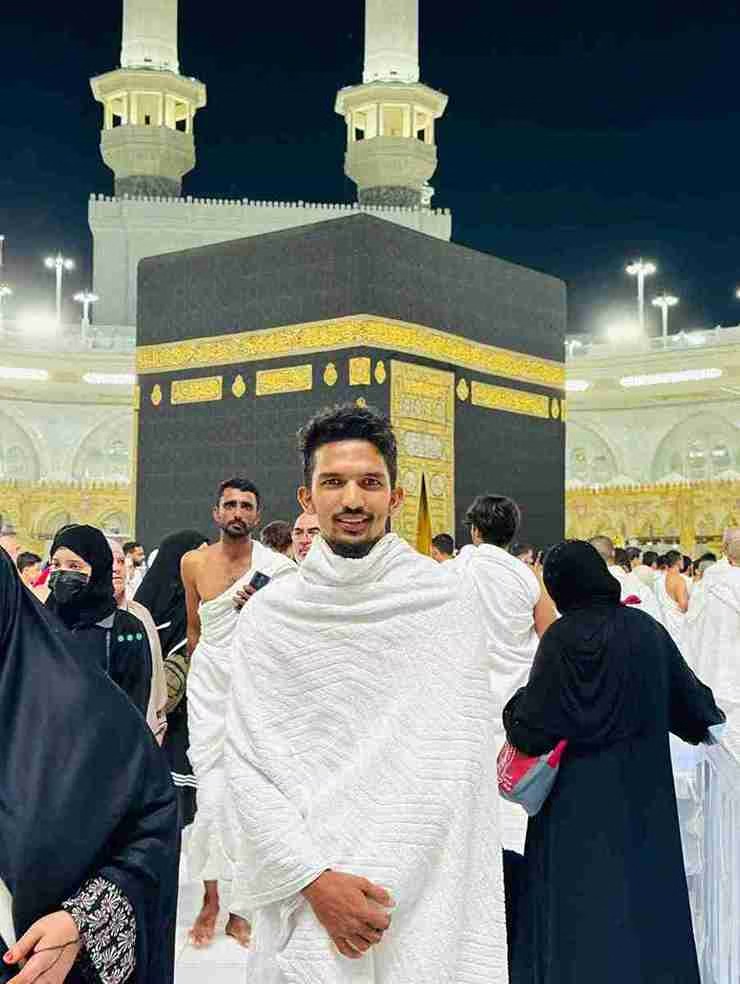
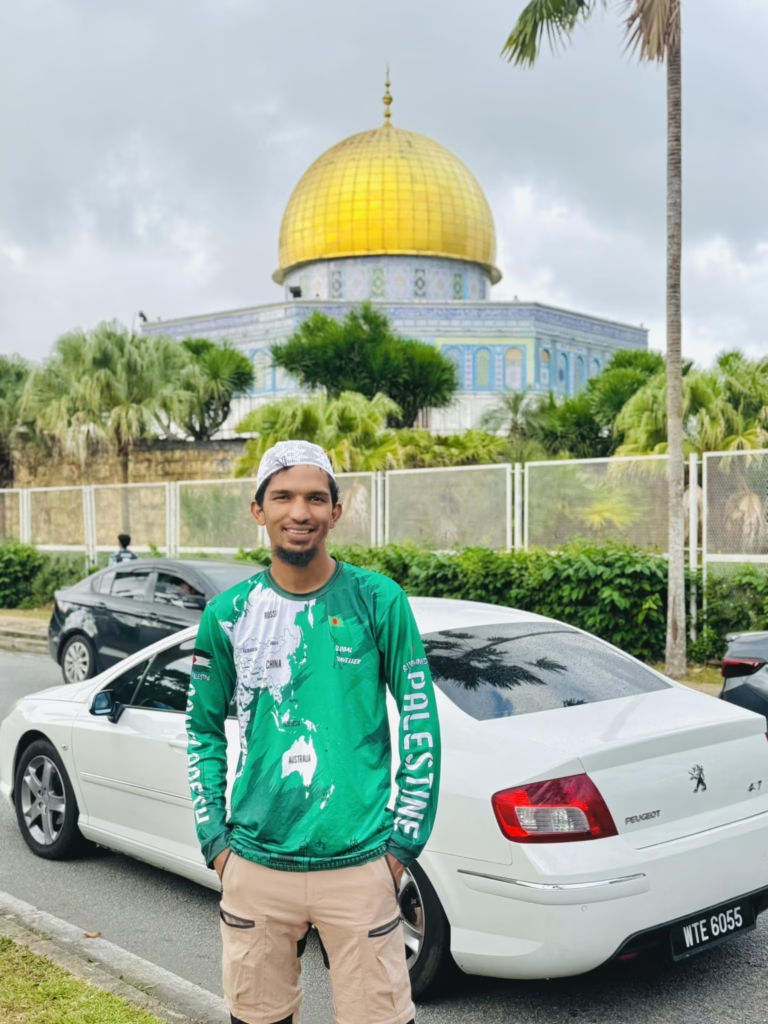
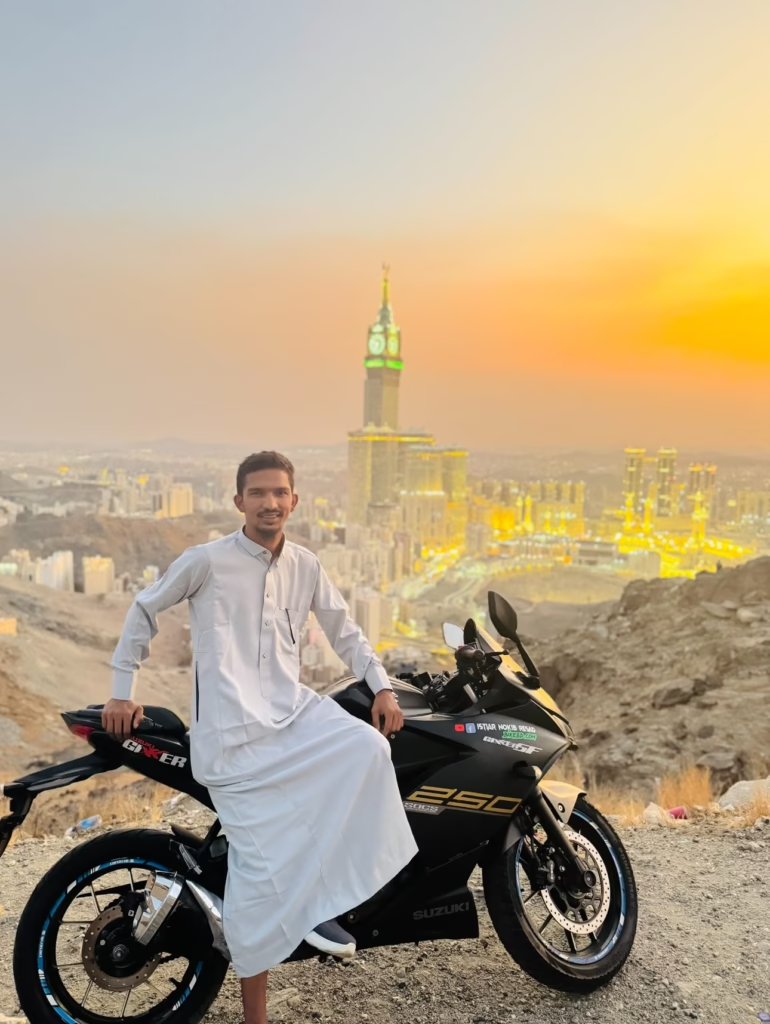
The story of Alif Mahmud, a 28-year-old from Bogura, Bangladesh, has touched millions of hearts around the world. In April 2024, he began an extraordinary solo journey on foot to fulfil his lifelong dream — performing Umrah, the lesser pilgrimage to Islam’s holiest cities, Makkah and Madinah.Click Here To Follow Our WhatsApp Channel
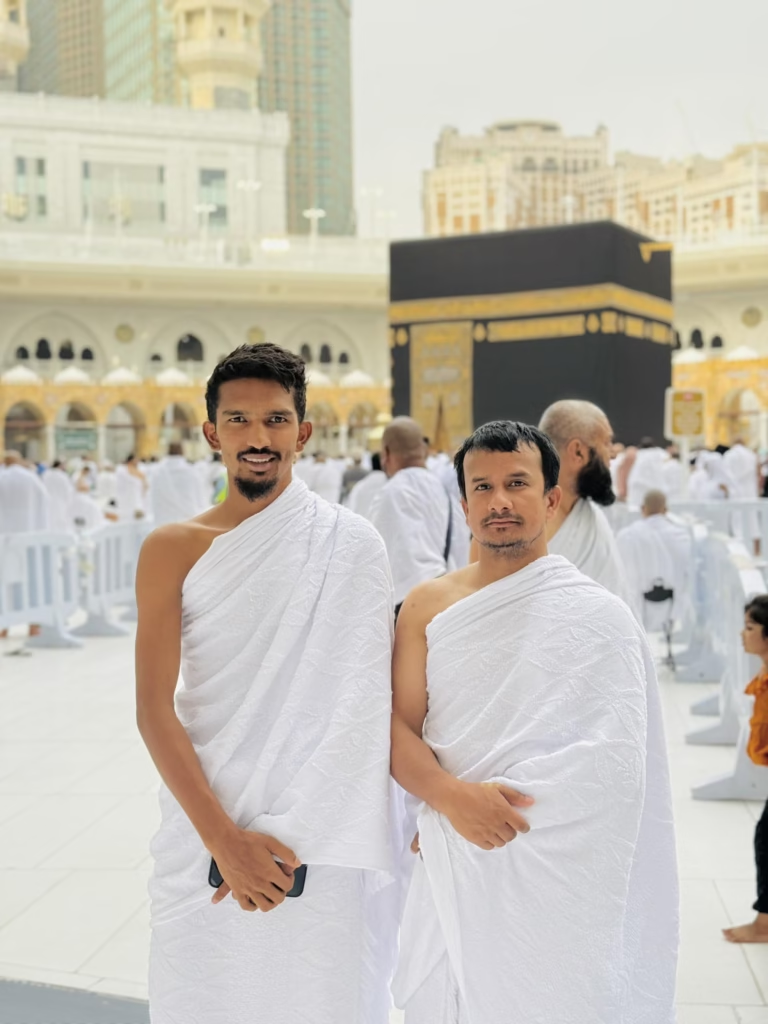
Over the next nine months, Alif walked through Bangladesh, India, Pakistan, Iran, and Saudi Arabia, covering more than 8,000 kilometres (about 5,000 miles). His journey ended in January 2025, when he finally reached Masjid al-Haram in Makkah and performed Tawaf — circling the Kaaba with tears of gratitude.
A Journey of Faith and Strength
Alif was not a professional traveller or athlete. He once worked in a garment factory and had no experience in long-distance walking. Yet, his faith gave him strength. He saved what little money he could and received small donations from kind supporters to make his dream possible.
He carried only a backpack with a few basic items — a Quran, prayer mat, water bottle, and some clothes. He often slept in mosques, roadside shelters, or under the open sky. Walking 30 to 40 kilometres a day, he faced deserts, mountains, and harsh weather with nothing but a walking stick and deep belief in Allah.
Highlights and Challenges
Starting Point and Route: Alif started from Bogura, entered India through West Bengal, walked through Delhi, then entered Pakistan via Karachi and Balochistan. He crossed into Iran through Taftan, walked across its deserts, and finally entered Saudi Arabia via the UAE border.
Physical Challenges: He suffered from blisters, dehydration, and exhaustion. In Iran’s Dasht-e Lut Desert, temperatures reached 50°C, forcing him to walk at night.
Visa and Border Issues: Getting visas for multiple countries was not easy. At one point, he was briefly detained at the Pakistan–Iran border due to missing travel documents.
Emotional Struggles: Alif missed his family deeply. He often shared emotional video messages, reciting verses from the Quran for strength.
Security Risks: Some areas in Balochistan were unsafe, but locals often helped him out of respect for his faith — offering food, water, and sometimes short rides.
Key Milestones
Reached Lahore, Pakistan, in 45 days (1,500 km).
Crossed into Iran around day 90 (3,000 km).
Entered Saudi Arabia on day 240, visiting Madinah first to pray at the Prophet’s Mosque, before walking on to Makkah.
Global Recognition and Online Fame
By late 2024, Alif’s story had gone viral on social media. Hashtags like #AlifWalksToMecca and #UmrahOnFoot were trending across the Muslim world. Millions followed his updates on TikTok, Instagram, and X (formerly Twitter).
One viral post said:
“Alif Mahmud walked from Bangladesh to Makkah — 8,000 km in nine months — driven by faith alone.”
When he finally reached Makkah, videos showed him falling in prostration, crying as he thanked Allah. Speaking to Saudi media, he said,
“Every step was a dua (prayer). Allah made the impossible possible.”
In Bangladesh, Alif is now seen as a symbol of faith and determination. Schools and communities invite him to speak, and he plans to write a book about his journey.
Why His Story Matters
In today’s world of easy air travel and instant comfort, Alif’s journey reminds us what true devotion means. His pilgrimage reflects patience, courage, and deep trust in Allah.
It wasn’t just about reaching Makkah — it was about the lessons learned on the way: the kindness of strangers, the strength found in hardship, and the quiet power of walking towards faith, one step at a time.
As one admirer wrote online:
“This is what faith looks like — one foot in front of the other, walking towards the Divine.”
The US Diversity Visa (DV) Lottery, also known as the Green Card Lottery, is a programme run by the US Department of State. Every year, it randomly selects up to 55,000 people from around the world to receive immigrant visas and become permanent residents of the United States. Click Here To Follow Our WhatsApp Channel
This programme was created under the Immigration Act of 1990 to increase diversity among immigrants in the US. It mainly helps people from countries that have sent fewer immigrants to America in recent years.
Applying for the DV Lottery is completely free, but being selected does not guarantee a visa. Winners must still meet education or work experience requirements and go through the full visa process, which includes fees, background checks, and interviews.
For the DV-2026 programme (visas issued between October 2025 and September 2026), registration opened on 2 October 2024 and closed on 7 November 2024. Results were released on 3 May 2025, and as of 17 October 2025, selected applicants from eligible countries are now completing their visa procedures.
Why Indians Cannot Apply for the DV-2026 Lottery
Indian citizens are not eligible for the DV-2026 lottery because India has sent too many immigrants to the US in recent years.
Eligibility Rule
To qualify, a person must be born in a country that sent fewer than 50,000 immigrants to the United States in the past five years (2019–2023). Countries that exceed this limit are automatically excluded from the lottery so that underrepresented nations can benefit.
India’s Situation
India has sent over 60,000 immigrants each year to the US during this period, mostly through employment-based visas like H-1B and family-sponsored categories. Because of this high number, India is not eligible and is expected to stay excluded until at least the DV-2029 lottery (which will open in late 2028).
This rule is part of US immigration law (Section 203(c) of the Immigration and Nationality Act). It is not a punishment or a new policy—it’s a fixed rule to keep the diversity system fair for countries with fewer immigrants.
Other Countries Not Eligible for DV-2026
Here’s the full list of ineligible countries for the 2026 lottery:
Country
Reason for Ineligibility
Bangladesh
High immigration to the US
Brazil
High immigration
Canada
High immigration
China (including Hong Kong)
High immigration
Colombia
High immigration
Cuba
High immigration
Dominican Republic
High immigration
El Salvador
High immigration
Haiti
High immigration
Honduras
High immigration
India
High immigration (over 60,000/year)
Jamaica
High immigration
Mexico
High immigration
Nigeria
High immigration
Pakistan
High immigration
Philippines
High immigration
South Korea
High immigration
Venezuela
High immigration
Vietnam
High immigration
Note: If your spouse was born in an eligible country, or if neither of your parents was born or living in your country of birth, you might still qualify using their country’s eligibility. Northern Ireland is treated separately from the UK (eligible), and Macau follows China’s status.
Options for Indians Who Still Want a US Green Card
Although Indians cannot join the DV Lottery, there are other legal ways to apply for US permanent residency. However, these paths often involve long waiting times due to per-country visa limits.
1. Employment-Based (EB) Visas
These are the most common for skilled workers, such as H-1B professionals. Categories like EB-2 and EB-3 often have waiting times of 10 years or more for Indian applicants.
2. Family-Sponsored Visas
US citizens can sponsor close relatives for green cards. Immediate family members face little to no delay, but others may wait many years.
3. EB-5 Investor Visa
This option requires investing between $800,000 and $1.05 million in a US business that creates jobs for Americans.
4. Asylum or Refugee Status
Available to those who can prove they are facing persecution in their home country.
5. Student or Work Visas (F-1, J-1)
Although temporary, these visas can sometimes lead to permanent residency later through employment or marriage.
Important Advice
Always apply through the official US government website — dvprogram.state.gov. Do not pay anyone to enter the lottery. Many scam websites falsely claim to guarantee selection or charge for registration.
India’s ineligibility is simply due to its strong immigration numbers to the US, not because of any new restrictions or political reasons.
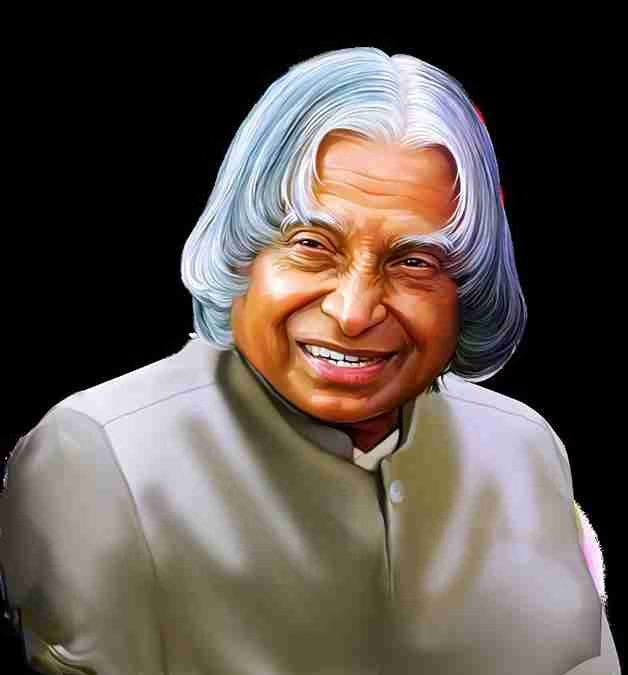
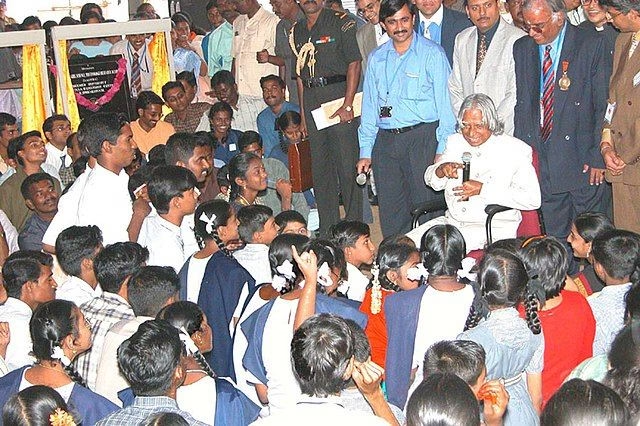
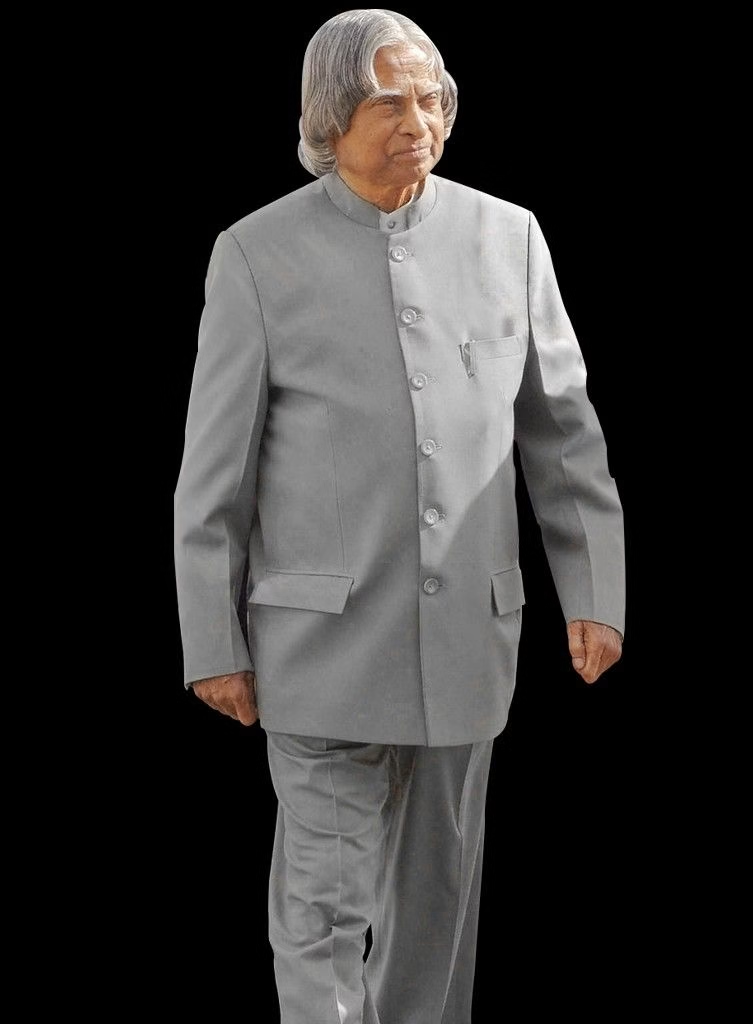
Dr. A P J Abdul Kalam (Dr. Avul Pakir Jainulabdeen Abdul Kalam) fondly known as the “People’s President,” remains one of India’s most beloved and respected figures. His life story is not just one of personal achievement but of relentless service, humility, and inspiration. From humble beginnings in Rameswaram to becoming the 11th President of India, Dr. Kalam’s journey embodies the spirit of perseverance, education, and dedication to national progress.
Early Life and Education
Dr. Kalam was born on October 15, 1931, in a modest Tamil Muslim family in Rameswaram, Tamil Nadu. His father, Jainulabdeen, was a boat owner, and his mother, Ashiamma, a homemaker. Despite limited means, the family valued education deeply. Young Kalam sold newspapers to support his studies while nurturing a deep curiosity for science and flight.
He graduated in physics from St. Joseph’s College, Tiruchirappalli, in 1954 and later studied aeronautical engineering at the Madras Institute of Technology (MIT). His early dreams of becoming a pilot faced disappointment, but destiny had greater plans — to make him India’s “Missile Man.”
Scientific Career and Contributions
Dr. Kalam joined the Defence Research and Development Organisation (DRDO) and later the Indian Space Research Organisation (ISRO). At ISRO, he played a crucial role in developing India’s first indigenous satellite launch vehicle, SLV-III, which successfully deployed the Rohini satellite in 1980.
His leadership in India’s missile development programme earned him the title “Missile Man of India.” He was the driving force behind projects like Agni and Prithvi, which strengthened India’s defence capabilities. Dr. Kalam also contributed significantly to India’s nuclear tests at Pokhran in 1998, marking a major step in the nation’s strategic autonomy.
The People’s President (2002–2007)
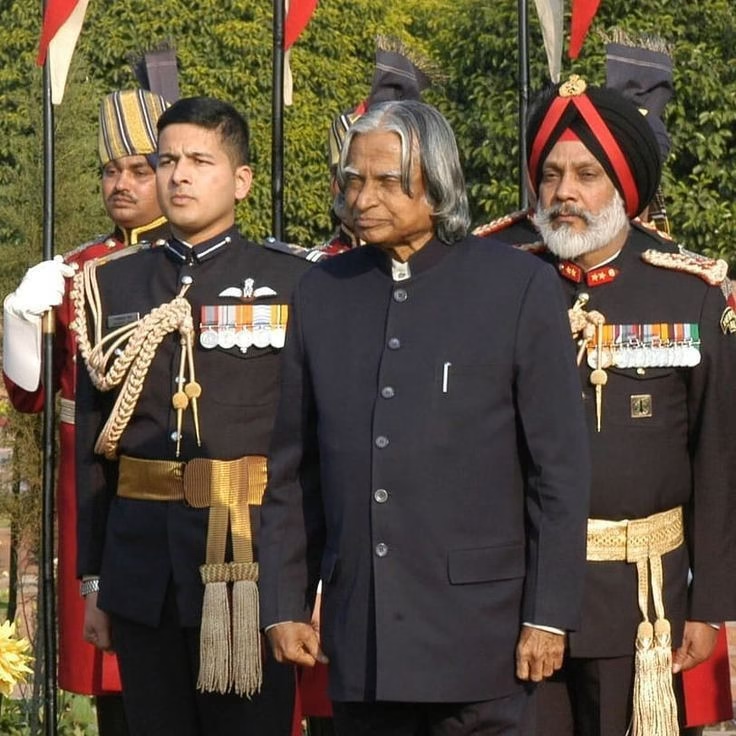
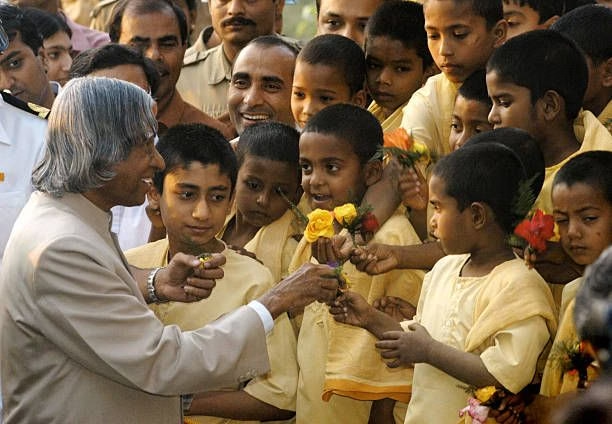
In 2002, Dr. A. P. J. Abdul Kalam became the 11th President of India, succeeding K. R. Narayanan. His presidency was marked by accessibility, humility, and compassion — a rare combination in politics. He connected directly with citizens, particularly students, earning the affectionate title “People’s President.”
He transformed Rashtrapati Bhavan into a hub of learning, inviting school children and young innovators. His simple lifestyle, honesty, and devotion to the nation deeply touched people across social and political lines.
Vision for India: Dreams of 2020
Dr. Kalam was not only a scientist and statesman but also a visionary thinker. His book “India 2020: A Vision for the New Millennium” outlined his dream of transforming India into a developed nation through science, technology, and moral strength.
He believed that empowering youth was the key to national development. His famous quote, “Dream, dream, dream. Dreams transform into thoughts and thoughts result in action,” continues to inspire millions of young minds to pursue innovation and excellence.
A Teacher at Heart
Even after completing his tenure as President, Dr. Kalam returned to his true passion — teaching. He taught at institutions like the Indian Institute of Management (IIM) and Anna University, inspiring students through lectures on creativity, leadership, and ethics. He often said, “If I am remembered by every student as a good teacher, that will be the biggest honour for me.”
Awards and Recognition
Dr. Kalam’s contributions earned him numerous honours, including:
Padma Bhushan (1981)
Padma Vibhushan (1990)
Bharat Ratna (1997) — India’s highest civilian award
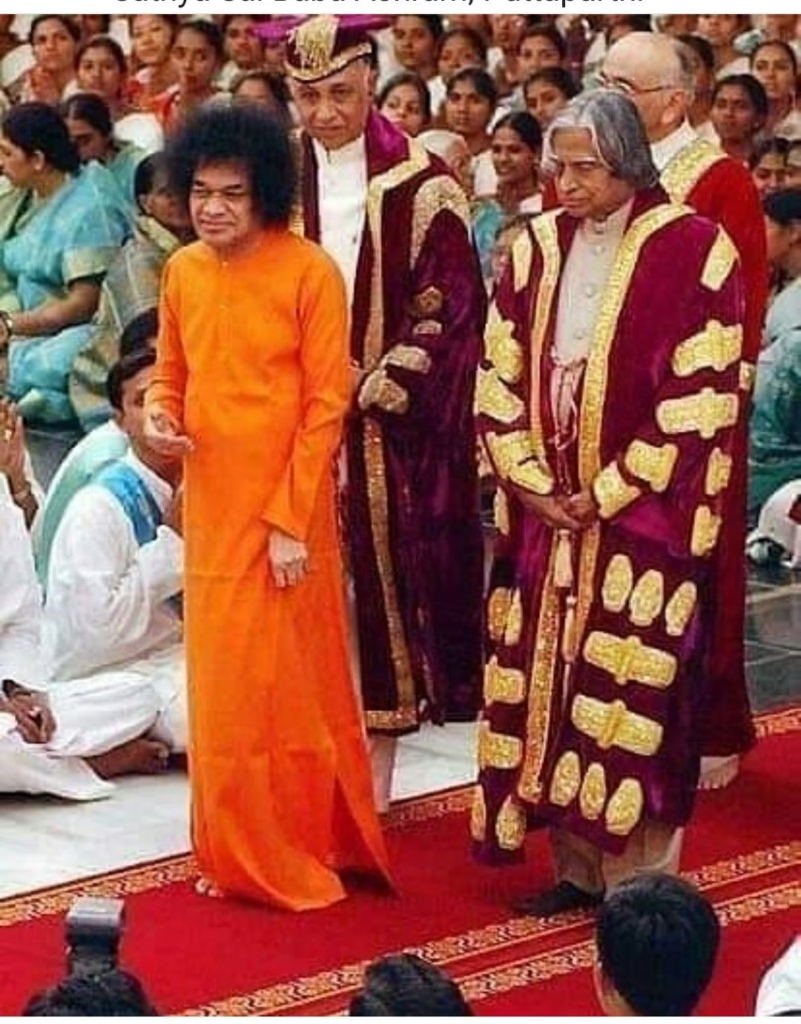
He was also honoured with doctorates from over 40 universities worldwide, reflecting his global impact as a thinker and humanitarian.
Final Moments and Legacy
On July 27, 2015, Dr. Kalam passed away while delivering a lecture at the Indian Institute of Management, Shillong — doing what he loved most: inspiring young minds. His sudden demise left the entire nation in mourning, but his legacy continues to live through his books, ideas, and the countless lives he touched.
Conclusion
Dr. A. P. J. Abdul Kalam’s life is a timeless reminder that greatness is born not from privilege but from passion, hard work, and faith. He showed India that dreams, when combined with discipline and dedication, can shape the destiny of a nation.
He remains a guiding light for generations — a scientist who dreamed, a teacher who inspired, and a President who loved his people.
As Dr. Kalam once said,
“Don’t take rest after your first victory because if you fail in the second, more lips are waiting to say that your first victory was just luck.”
His words, like his life, continue to ignite minds across the world.
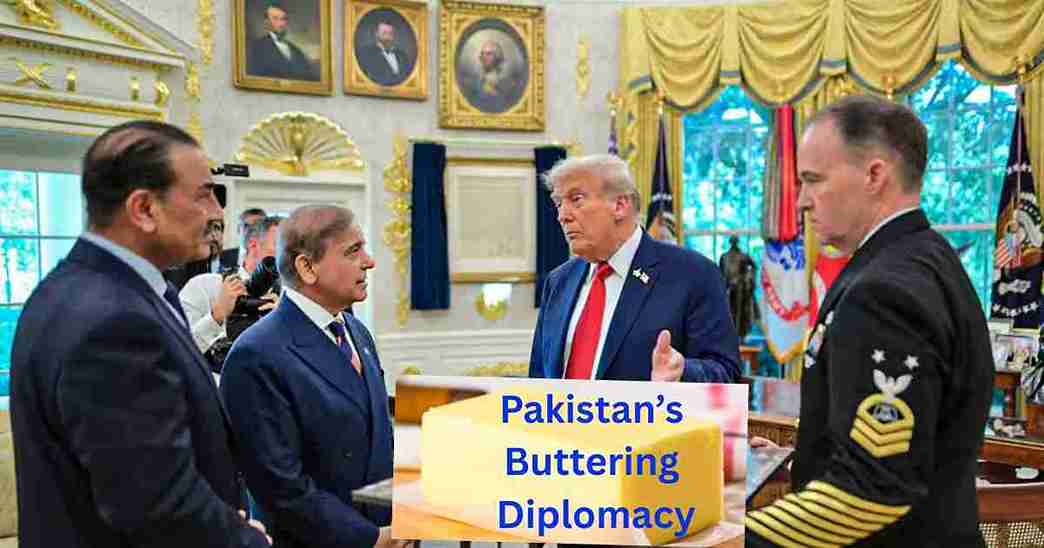
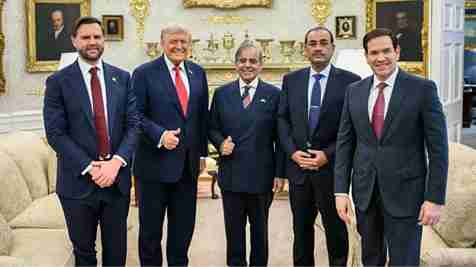
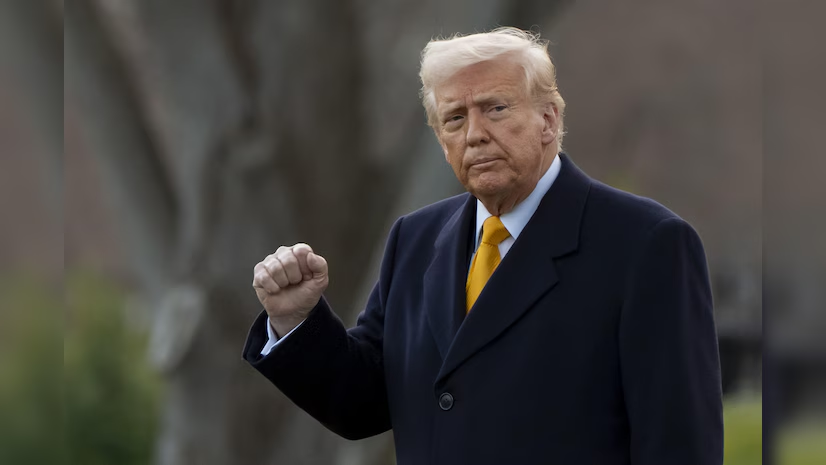
In a moment that lit up global headlines and social media alike, Pakistan’s Prime Minister Shehbaz Sharif delivered an unexpectedly emotional speech praising former U.S. President Donald Trump, calling him a “true man of peace” and once again nominating him for the Nobel Peace Prize.Click Here To Follow Our WhatsApp Channel
The dramatic exchange took place at an international summit in Sharm El-Sheikh, Egypt, attended by world leaders including those from the UK, France, Canada, and multiple Muslim countries. But among all the dignitaries, it was Shehbaz Sharif’s words that stole the spotlight — a performance that many have labelled as “Pakistan’s buttering diplomacy.”
🌍 Sharif’s Praise for Trump
Addressing Trump directly, Sharif declared,
“Today is one of the greatest days in modern history because, after tireless efforts, peace has finally been achieved.”
He credited Trump’s leadership for achieving ceasefires and peace accords, adding,
“President Trump has worked day and night to make this world a cradle of peace and prosperity.”
Sharif went on to remind the audience that Pakistan had already nominated Trump for the Nobel Peace Prize, saying,
“He prevented a war between India and Pakistan, both nuclear powers, and helped bring about a ceasefire. Now, he has also played a crucial role in bringing peace to Gaza, saving millions of lives across South Asia and the Middle East.”
🙌 A Salute to Trump’s Leadership
The Pakistani leader continued his praise, saying,
“Mr President, I salute your visionary leadership and guidance. I believe you are the man the world needed most at this time. History will remember your name in golden letters.”
Sharif then concluded with a personal prayer:
“May God bless you with long life so you can continue serving humanity.”
The audience watched in silence as Shehbaz’s words echoed through the hall — a speech that many saw as both flattering and strategic.
😄 Trump’s Reaction: ‘Wow, I Wasn’t Expecting That!’
Donald Trump, visibly pleased, smiled and responded,
“Wow, I wasn’t expecting that! That was truly beautiful — thank you very much.”
He later mentioned his relationship with Indian Prime Minister Narendra Modi, saying,
“India is a great country led by my good friend. I think Pakistan and India will now have excellent relations.”
Turning towards Shehbaz Sharif, Trump joked, “Right?” — to which Sharif smiled back, drawing laughter from the crowd.
💬 Social Media Explodes with Reactions
As soon as the video clip went viral, social media platforms buzzed with commentary from both Pakistan and India.
A user named Razaq posted on X (formerly Twitter):
“Shehbaz Sharif stole the show at the Sharm El-Sheikh summit. Trump invited only him to speak among dozens of world leaders.”
Indian academic Professor Ashok Swain shared the video, commenting:
“Shehbaz Sharif is making it difficult for Modi to remain Trump’s favourite.”
Another user joked,
“Trump must be wishing he had Shehbaz in his election campaign — then he wouldn’t need Elon Musk.”
However, not everyone was impressed. Many criticised the Pakistani leader for what they called “excessive flattery” and “undiplomatic praise” that bordered on embarrassment.
🧭 Analysis: Diplomacy or Desperation?
Analysts are divided on the intent behind Shehbaz Sharif’s remarks. Some see it as a strategic move to rebuild trust with Washington after years of strained relations, while others believe it reflects Pakistan’s growing dependence on U.S. goodwill amid economic struggles.
Political observers also note that Sharif’s overt praise for Trump could signal Islamabad’s desire to align with a potential Trump comeback in the 2026 U.S. elections.
Still, critics argue that Pakistan’s diplomacy must balance admiration with dignity. As one columnist wrote, “Flattery may open doors, but it also lowers your standing at the table.”
🏁 Conclusion
Whether seen as genuine gratitude or calculated diplomacy, Shehbaz Sharif’s praise for Donald Trump has certainly made global headlines. His words — part admiration, part strategy — have revived debate over Pakistan’s foreign policy approach and how far it’s willing to go to secure international goodwill.
For now, one thing is clear: Pakistan’s buttering diplomacy has once again caught the world’s attention — and Donald Trump’s too.
In less than a decade, Tehreek-e-Labbaik Pakistan (TLP) has transformed from a street protest movement into one of Pakistan’s most influential and controversial political forces. Emerging from the emotional fallout of Punjab Governor Salman Taseer’s assassination in 2011, TLP has built its reputation as the uncompromising guardian of Namoos-e-Risalat — the honour of the Prophet Muhammad (peace be upon him). With fiery sermons, massive rallies, and shocking street power, the party has become a symbol of Pakistan’s deepening religious populism — and a nightmare for successive governments.Click Here To Follow Our WhatsApp Channel
The Origins: From a Grave to a Movement
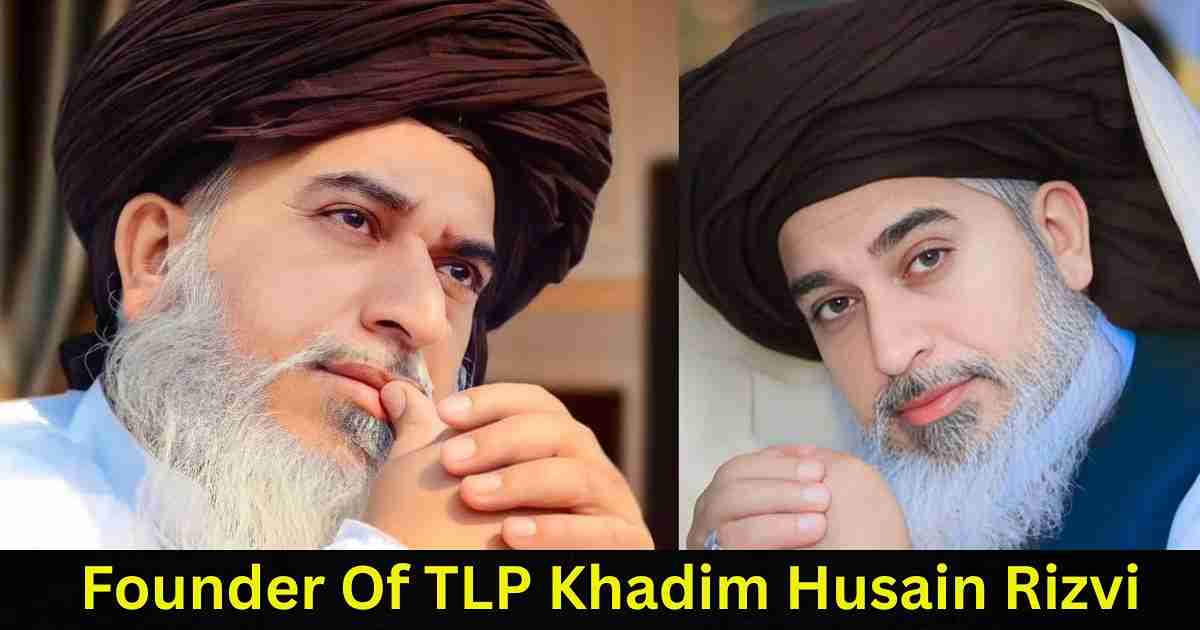
TLP’s roots trace back to Mumtaz Qadri, the police bodyguard who killed Punjab Governor Salman Taseer for supporting reforms to Pakistan’s blasphemy laws. Qadri’s execution in 2016 ignited a wave of emotion among Sunni Barelvi Muslims. His funeral drew hundreds of thousands, and his grave became a pilgrimage site. Amid this surge of sentiment, Khadim Hussain Rizvi, a fiery cleric from Lahore, founded Tehreek-e-Labbaik Ya Rasool Allah (TLYRA) — a religious movement that soon evolved into a political force known as Tehreek-e-Labbaik Pakistan (TLP) in 2015.
By 2017, TLP had become a household name, not through elections, but through its ability to paralyze the capital, Islamabad, and force ministerial resignations through mass sit-ins.
The Ideology: Faith, Fury, and Politics
At its heart, TLP’s ideology revolves around Khatm-e-Nabuwwat (Finality of Prophethood) and the unquestionable sanctity of Prophet Muhammad (peace be upon him). The party calls for:
Strict enforcement of blasphemy laws, including capital punishment.
Expulsion of diplomats from countries accused of “insulting Islam,” such as France and the Netherlands.
Implementation of Nizam-e-Mustafa — a full Sharia-based governance system.
Defense of Sunni Barelvi interests, often in opposition to Deobandi, Wahhabi, or Ahmadi groups.
While supporters view TLP as defenders of faith, critics describe it as a populist, vigilante movement that weaponizes religion for power. Its fiery rhetoric often glorifies “martyrs” like Mumtaz Qadri and justifies violence as a form of religious duty.
The Charismatic Firebrand: Khadim Hussain Rizvi
Khadim Rizvi’s thunderous speeches, laced with poetry, emotional appeals, and unfiltered anger, made him a folk hero among Pakistan’s lower and middle classes. His wheelchair and booming voice became symbols of defiance. Under his leadership, TLP staged the 2017 Faizabad sit-in, blocking Islamabad for 21 days. The protest forced the resignation of the Law Minister and ended with a military-brokered deal — a moment many analysts see as TLP’s real political birth.
Rizvi passed away in November 2020, but his legacy — and his movement’s energy — lived on through his son, Saad Hussain Rizvi.
The New Face: Saad Rizvi’s Strategic Street Power
When Saad Rizvi took the reins, many predicted TLP’s decline. Instead, he rebranded it with sharper organization, modern communication, and calculated defiance. Under his leadership, TLP clashed violently with police in 2021, 2023, and 2025 — each time over blasphemy-related or pro-Palestine issues. The group’s anti-France demonstrations turned deadly, leading to a temporary government ban under anti-terrorism laws. Yet, through backdoor negotiations, the ban was lifted months later — a testament to TLP’s political leverage.
As of October 2025, Saad Rizvi was reportedly injured during police firing amid massive pro-Palestine protests in Lahore, further fueling the group’s martyr narrative.
TLP’s Political Clout
Despite its militant street image, TLP has also grown into an electoral force. In the 2018 elections, it secured over 2.2 million votes, emerging as Pakistan’s fourth-largest party by vote count. By 2024, its share grew to nearly 2.9 million votes, even winning a seat in the Punjab Assembly for the first time.
While it still struggles to translate votes into power, its ability to split conservative vote banks has changed electoral dynamics, particularly in Punjab and Karachi.
Protests, Chaos, and Government Concessions
TLP’s name is synonymous with street anarchy and state paralysis. Key flashpoints include:
2017 Faizabad Sit-in: Islamabad shut down for three weeks; law minister resigned.
2018 Asia Bibi Protests: Violent nationwide unrest after the Christian woman’s acquittal.
2021 Anti-France Protests: Several police killed; led to a temporary party ban.
2023 Jaranwala Riots: TLP-linked mobs burned churches after blasphemy rumours.
2025 Gaza Marches: Deadly clashes in Muridke and Lahore; Saad Rizvi critically injured.
Each episode reinforces the image of TLP as a street-controlling force capable of bending governments to its will — often through bloodshed.
Criticism and Allegations
Analysts accuse TLP of acting as a state-tolerated pressure valve — a group unleashed to distract or destabilize opponents when needed, yet curbed when it crosses red lines. Its strong ties with Barelvi seminaries, mosques, and urban youth networks give it unmatched mobilization strength. However, human rights groups accuse it of inciting sectarian hatred, mob violence, and attacks on minorities.
Despite multiple bans and media blackouts, TLP continues to thrive on social media platforms, spreading its message through Telegram, TikTok, and YouTube.
Conclusion: A Movement Too Strong to Ignore
Whether seen as defenders of the Prophet’s honour or dangerous extremists, Tehreek-e-Labbaik Pakistan has permanently altered Pakistan’s religious and political landscape. Its mix of faith, fury, and populism ensures it cannot be sidelined — even by the military or mainstream parties.
As Pakistan battles political instability, economic crisis, and rising extremism, TLP stands as both a symptom and symbol of a nation caught between democracy, religion, and rage.
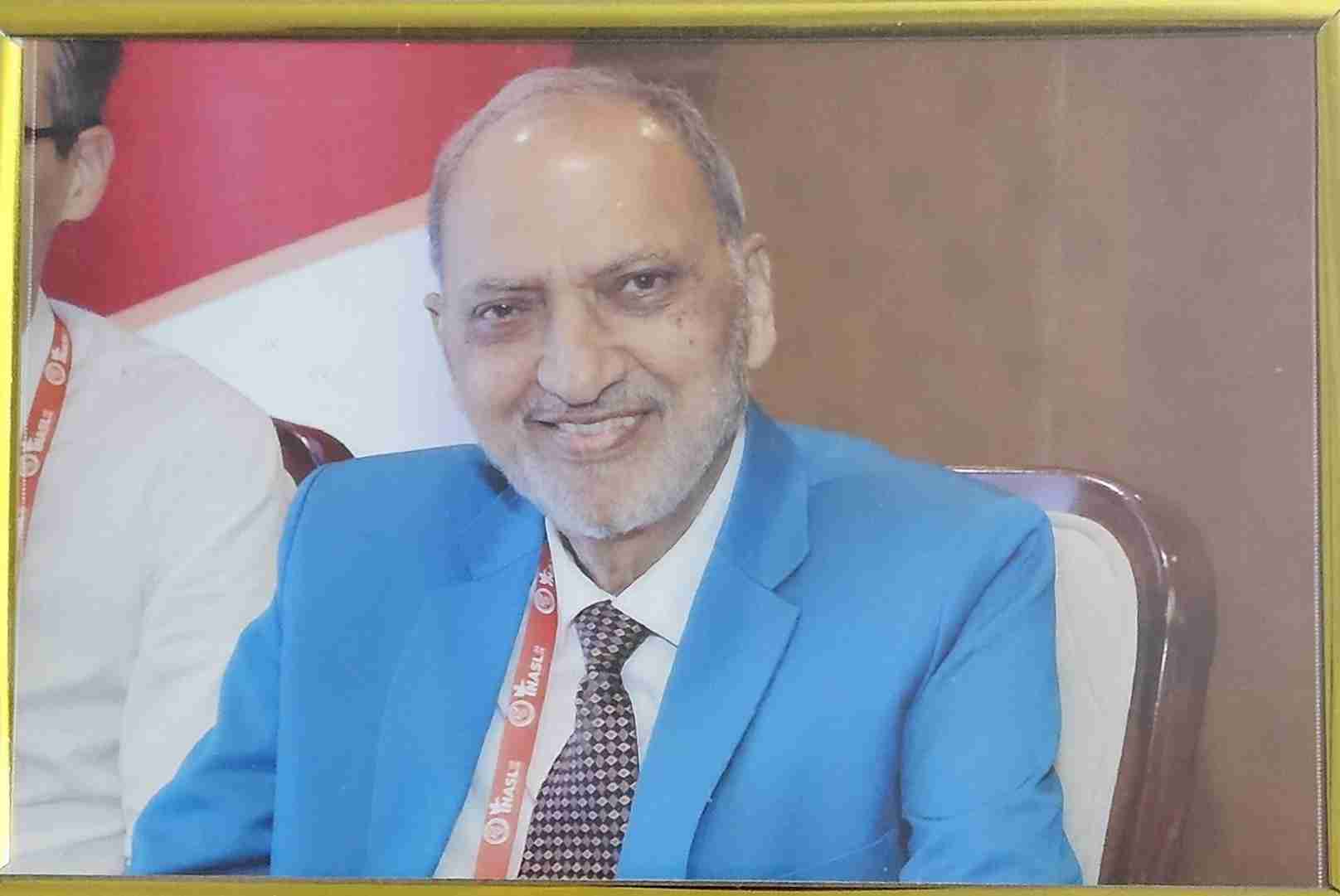
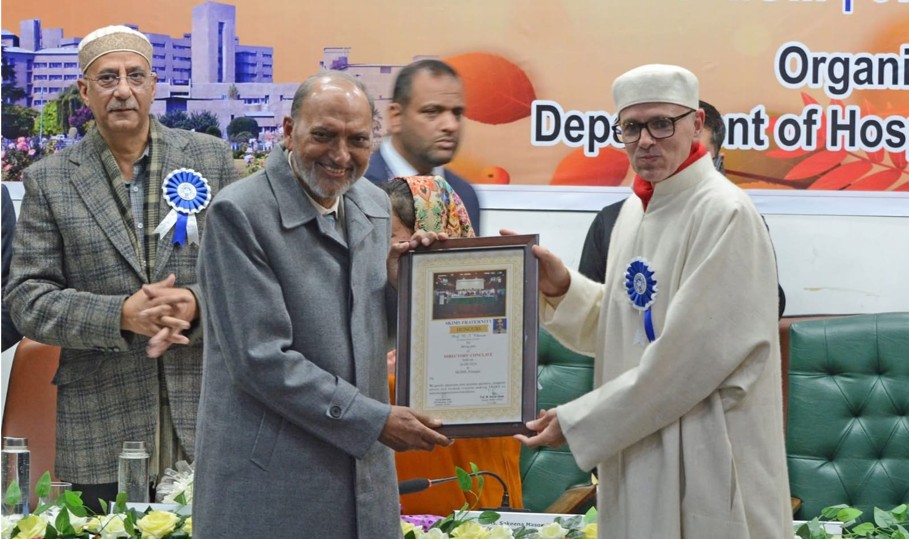
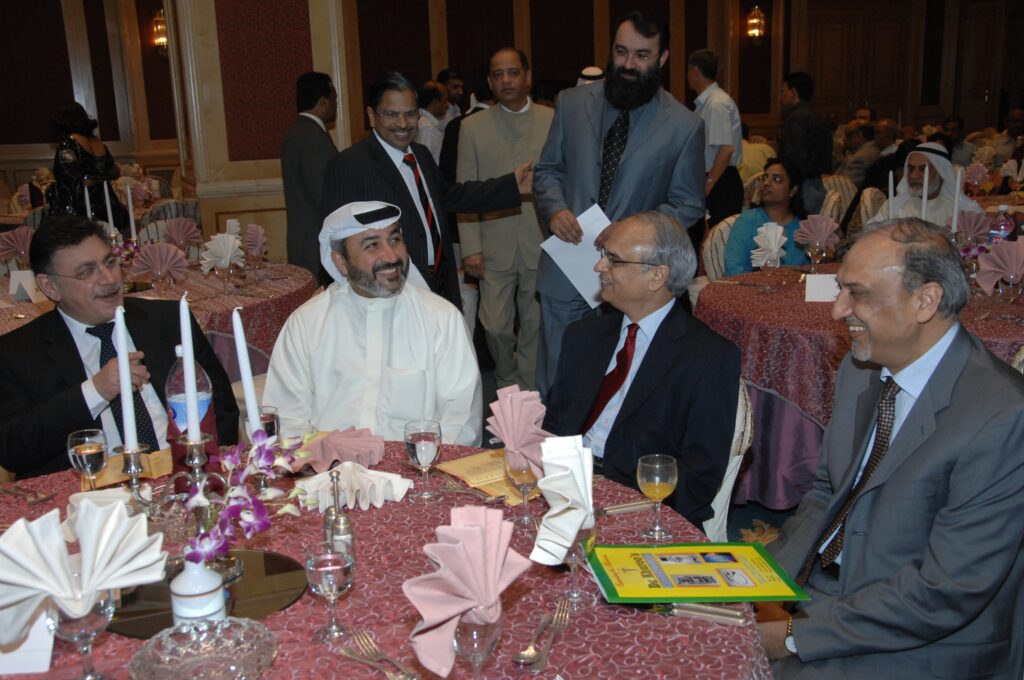
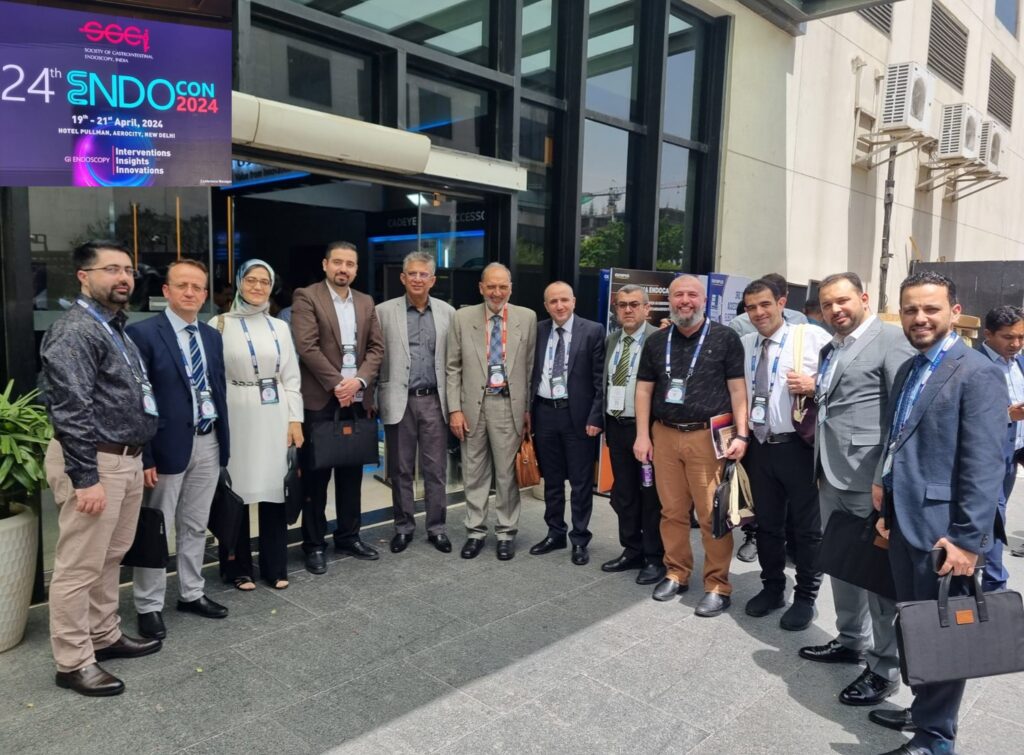
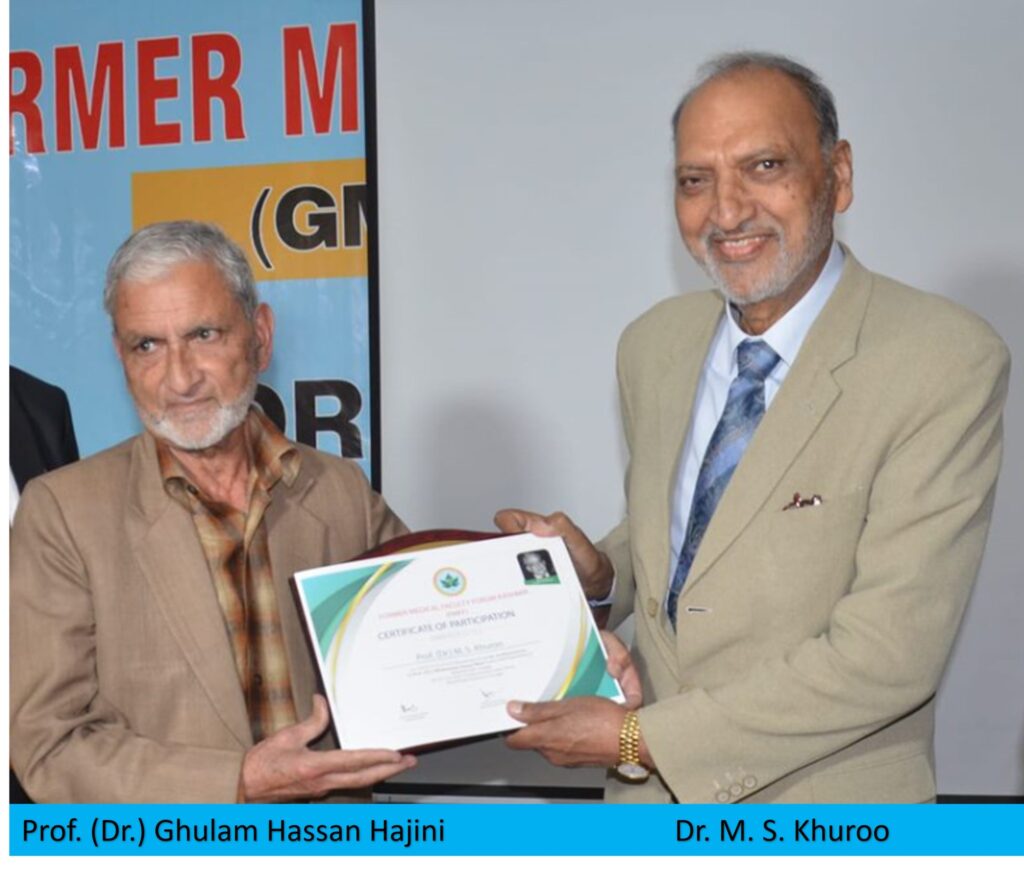
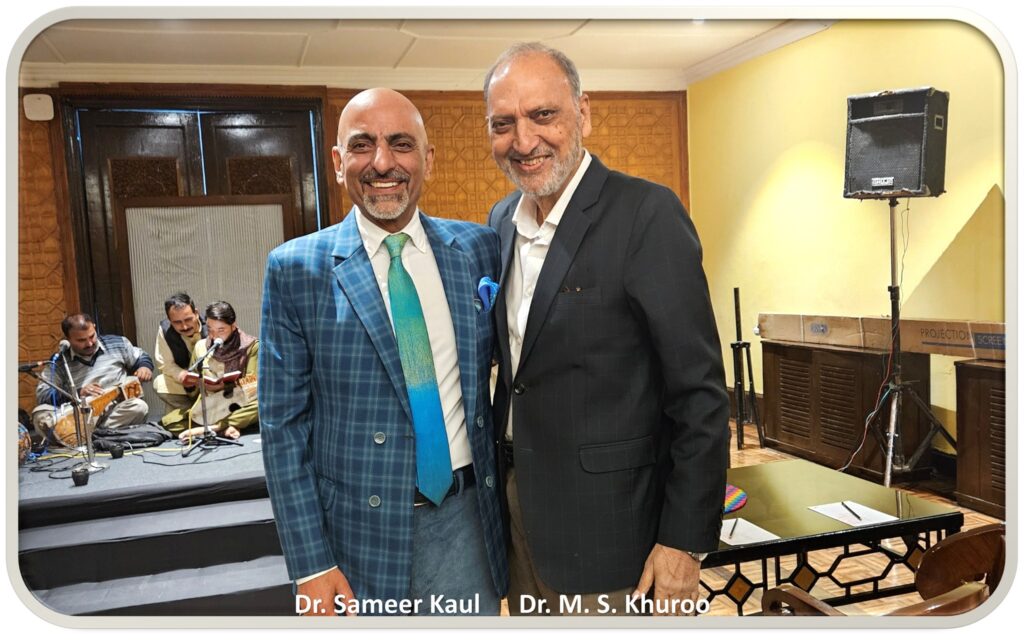
In the verdant landscapes of Kashmir, where the majestic Himalayas cradle a tapestry of cultural heritage and natural splendor, emerges a figure whose life story embodies resilience, scholarly pursuit, and an unwavering commitment to healing. Dr. Mohammad Sultan Khuroo, often simply revered as Dr. Khuroo, stands as one of India’s most distinguished gastroenterologists and hepatologists. Born into a lineage steeped in Islamic scholarship and Sufi traditions, his journey from the historic town of Sopore to global acclaim in medical science is a testament to the transformative power of education and empathy. As the Director of the Digestive Diseases Centre at Dr. Khuroo’s Medical Clinic in Srinagar, and a former Professor and Head of Gastroenterology at the Sher-i-Kashmir Institute of Medical Sciences (SKIMS), Dr. Khuroo has not only pioneered treatments for complex digestive disorders but has also mentored generations of physicians, leaving an indelible mark on healthcare in South Asia and beyond.Click Here To Follow Our WhatsApp Channel
Early Life: Roots in Sopore’s Scholarly Embrace
Dr. Khuroo’s origins trace back to Kralteng, a quaint hamlet in Sopore—a ninth-century town in North Kashmir renowned for its apple orchards and as a cradle of Kashmiri resilience. Born into an educated and respected family that had settled in the area in the early 20th century, young Mohammad Sultan grew up amidst an environment rich in intellectual and spiritual fervor. His family home became a hub for Islamic teachings, influenced by encounters with revered scholars and Sufi saints. This milieu profoundly shaped his worldview, instilling values of humility, service, and lifelong learning.
His paternal grandfather, the late Haji Fateh Khuroo (1885–1958), was a polymath in his own right—a scholar of Persian literature whose recitations of the Quran could captivate audiences with their melodic depth and emotional resonance. This legacy of erudition extended to Dr. Khuroo’s father and extended family, including notable entrepreneurs like the late Haji Abdul Samad Pandith and the philanthropist Haji Abdul Jabbar Pandith, whose devotion to worship and social welfare mirrored the family’s ethos of communal upliftment. Sopore, with its history of quiet revolutions against adversity—be it natural calamities or socio-political upheavals—instilled in Dr. Khuroo an early appreciation for perseverance. In his own reflections, he has often recounted the town’s struggles and triumphs, crediting them for forging his determination to effect positive change, much like the steady, unyielding flow of the Jhelum River that borders his birthplace.
Education was the bridge from these humble roots to higher aspirations. Dr. Khuroo pursued his MBBS and MD in Medicine at the University of Kashmir, where his academic excellence shone through amid the challenges of a region marked by geopolitical tensions. Eager to specialize, he advanced to the prestigious Postgraduate Institute of Medical Education and Research (PGIMER) in Chandigarh, earning his DM in Gastroenterology. These formative years were not merely academic; they were a crucible for honing a patient-centered approach, influenced by Kashmir’s tradition of holistic care that blends medical science with cultural sensitivity.
Academic and Professional Ascendancy: Building Institutions and Expertise
The 1980s marked a pivotal era for healthcare in Jammu and Kashmir, as the state sought to establish world-class medical facilities amid its isolation. In 1982, Dr. Khuroo answered the call to join the newly founded Sher-i-Kashmir Institute of Medical Sciences (SKIMS) in Srinagar—a visionary tertiary care center conceived to bring cutting-edge medicine to the Valley. As one of the institution’s founding senior physicians, he rose swiftly through the ranks, becoming Professor and Head of the Department of Gastroenterology, and later Chairman of the Department of Medicine. Under his stewardship, SKIMS evolved into a beacon of excellence, particularly in digestive and liver diseases, training hundreds of specialists and conducting groundbreaking research tailored to regional health challenges like hepatitis and parasitic infections prevalent in the Himalayan foothills.
Dr. Khuroo’s international stature was cemented during his tenure as Consultant and Head of Gastroenterology and Liver Transplantation at the King Faisal Specialist Hospital and Research Centre in Riyadh, Saudi Arabia. Here, he bridged Eastern and Western medical paradigms, contributing to advancements in organ transplantation and infectious disease management. His global recognition is underscored by prestigious fellowships: FRCP from the Royal College of Physicians (Edinburgh) in 1997, FACP in 1998, and MACP (Emeritus) in 2000 from the American College of Physicians. These honors reflect not just clinical prowess but a career defined by ethical rigor and innovative problem-solving.
Upon returning to Kashmir, Dr. Khuroo founded the Digestive Diseases Centre at his eponymous clinic in Srinagar’s SK Colony, Qamarwari—a state-of-the-art facility that continues to serve as a lifeline for patients with complex gastrointestinal ailments. The clinic, affiliated with his official website (drkhuroo.in), emphasizes multidisciplinary care, integrating diagnostics, endoscopy, and therapeutic interventions under one roof. His practice philosophy is rooted in the “patient’s bill of rights,” championing dignity, informed consent, second opinions, and cultural respect—a rare ethos in high-pressure medical environments.
Pioneering Contributions to Medicine: Research and Innovation
Dr. Khuroo’s legacy extends far beyond the clinic, etched deeply in the annals of medical literature. With over 14,000 citations on Google Scholar, his research portfolio spans decades, focusing on gastroenterology, hepatology, and infectious diseases endemic to South Asia. A trailblazer in viral hepatitis, he conducted seminal studies on hepatitis E—a waterborne pathogen disproportionately affecting developing regions—elucidating its epidemiology, transmission, and clinical spectrum. His work on echinococcosis, a parasitic liver disease rampant in pastoral communities, includes a landmark prospective study (2019–2024) at his clinic, identifying alveolar echinococcosis cases and advancing diagnostic protocols.
Notable among his innovations is the development of therapeutic endoscopy techniques for biliary and pancreatic disorders, as well as protocols for managing acute liver failure in resource-limited settings. Dr. Khuroo’s publications in journals like The Lancet and Gastroenterology have influenced global guidelines, while his involvement in liver transplantation programs has saved countless lives. In Kashmir, where conflict and geography exacerbate health disparities, his research on trauma-induced gastrointestinal complications has informed emergency care strategies. Recently, he delivered the Dr. Farooq Ashai Oration in 2024, underscoring his ongoing role as a thought leader.
Beyond papers and protocols, Dr. Khuroo’s impact lies in his mentorship. He has trained technicians, nurses, residents, and fellows with a hands-on intensity, fostering a cadre of ethical practitioners. His autobiography-like reflections on Sopore’s evolution mirror his teaching style: narrative-driven, empathetic, and aimed at inspiring systemic change.
Personal Life: A Tapestry of Family, Faith, and Fulfillment
Dr. Khuroo’s personal narrative is as enriching as his professional one. His marital union with Haleema—a partnership described as a “huge success”—has been a pillar of support, blending familial warmth with shared values of service. The couple’s life in Srinagar reflects Kashmiri hospitality, with the clinic often doubling as a space for community outreach. Family members, including his children like Dr. Naira Sultan Khuroo, carry forward this legacy in pathology and beyond.
Faith remains a quiet compass for Dr. Khuroo, echoing his family’s Sufi roots. He approaches medicine as a divine calling, treating each patient with the reverence once reserved for Quranic recitations in his ancestral home. In retirement from institutional roles, he channels this energy into writing, community health initiatives, and the clinic, embodying the Sufi ideal of selfless contribution.
Legacy: Healing Hearts and Histories
As of October 2025, Dr. Mohammad Sultan Khuroo, at over eight decades, remains an active force in medicine—a living archive of Kashmir’s medical renaissance. His clinic bustles with patients from across the subcontinent, a testament to his enduring appeal. In an era of fragmented healthcare, Dr. Khuroo’s story reminds us that true healing transcends diagnoses; it is woven from respect, innovation, and an unyielding bond with one’s roots.
For those inspired by his path, resources like his official website offer glimpses into his work, while his scholarly output invites deeper exploration. Dr. Khuroo is not merely a doctor; he is a bridge between tradition and tomorrow, proving that from the quiet valleys of Sopore, one can touch the world.
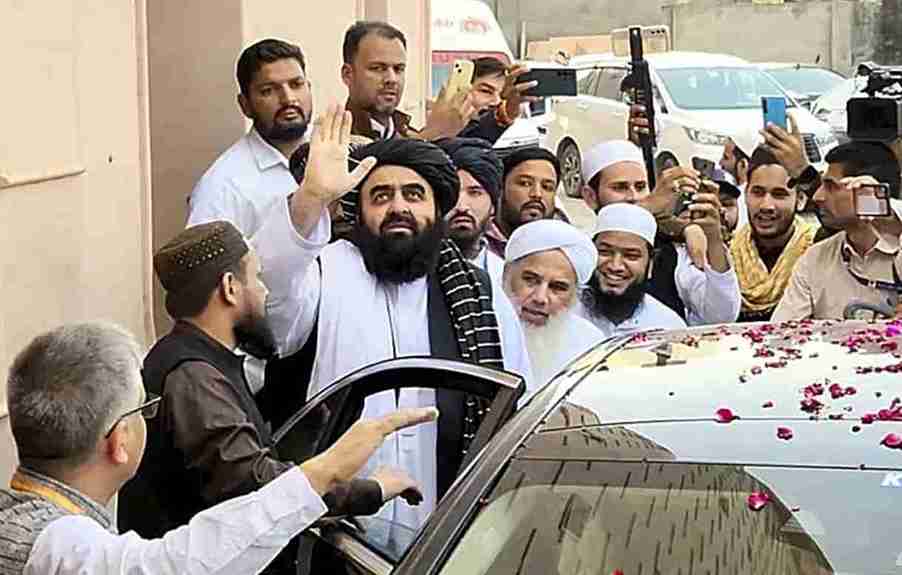
Afghanistan’s Taliban Foreign Minister, Amir Khan Muttaqi, began a week-long official visit to India in October 2025. His itinerary includes a significant stop at Darul Uloom Deoband, a renowned Islamic seminary in Uttar Pradesh. The visit has attracted widespread attention for its historical, ideological, and diplomatic symbolism.Click Here To Follow Our WhatsApp Channel
The Visit
Amir Khan Muttaqi’s visit marks the highest-level interaction between India and the Taliban regime since the group’s return to power in 2021. His arrival in India comes amid efforts by the Taliban to strengthen regional relations and project a softer image abroad.
While in India, Muttaqi is scheduled to meet Indian officials, engage with Afghan students, and visit key religious and educational centres. Among these, his visit to Darul Uloom Deoband stands out as the most symbolically charged moment of the trip. He is expected to meet senior clerics, tour the seminary’s campus, and interact with students, including several from Afghanistan who are studying there.
What is Darul Uloom Deoband?
Darul Uloom Deoband was founded in 1866 in the town of Deoband, Uttar Pradesh. Over time, it became one of the most respected Islamic seminaries in South Asia. The seminary follows the Hanafi school of Islamic jurisprudence and advocates a reformist, education-based approach to preserving Islamic teachings.
The “Deobandi” school of thought that emerged from this institution spread widely across India, Pakistan, Bangladesh, and Afghanistan. Many religious scholars, teachers, and movements across South Asia trace their spiritual or academic lineage to Deoband. Its influence can be seen in thousands of affiliated madrasas across the region.
Deoband’s Connection to Afghanistan and the Taliban
The link between Deoband and Afghanistan runs deep. For more than a century, Afghan scholars have studied at Darul Uloom Deoband and taken its teachings back home. The Deobandi school’s ideas became popular in Afghanistan during the 20th century, especially among religious students who sought Islamic reform rooted in scholarship rather than politics.
When the Taliban emerged in the 1990s, many of its leaders and clerics were graduates of Pakistani seminaries that themselves followed the Deobandi model. The ideological foundation of the Taliban—its emphasis on Islamic law, education, and social conservatism—reflects this heritage. Visiting Deoband, therefore, carries strong symbolic meaning for the group.
For the Taliban, Darul Uloom Deoband represents their spiritual origin. It is seen as the mother institution of the Deobandi movement, whose teachings shaped the religious outlook of their founders. By visiting Deoband, Amir Khan Muttaqi is reaffirming the historical and ideological link between the Taliban and the broader Deobandi tradition.
Why the Visit Matters
The visit has multiple layers of significance — religious, political, and diplomatic.
1. Affirming Ideological Roots
By visiting Deoband, Muttaqi acknowledges the Taliban’s doctrinal foundation. It is a gesture of respect toward the institution that shaped the religious and intellectual background of many Taliban scholars. The visit also signals to the Taliban’s followers that their movement remains committed to its original Deobandi teachings.
2. “Spiritual Diplomacy”
Muttaqi’s trip is not just political; it also represents what can be called spiritual diplomacy. Instead of focusing on military or economic agendas, the visit is built around cultural and religious connections. Engaging with Deoband allows the Taliban to present themselves as part of a broader Islamic scholarly tradition rather than an isolated militant movement.
3. Expanding Beyond Pakistan
Historically, the Taliban’s religious and logistical support came largely from Pakistan. But this visit to India — particularly to an Indian religious seminary — suggests that the group wants to diversify its relationships. Visiting Deoband gives the Taliban an opportunity to connect with religious institutions in India, signaling that their movement’s spiritual roots go beyond any one country.
4. India’s Perspective
For India, this visit presents both opportunities and challenges. On one hand, it allows New Delhi to open a non-political channel of communication with Afghanistan’s ruling authorities. Cultural and religious exchanges are less controversial than direct diplomatic recognition. On the other hand, India must carefully manage the optics of hosting Taliban officials, given global concerns about the group’s policies.
Nevertheless, India’s decision to allow the visit to Deoband reflects a pragmatic approach. It recognizes that religious diplomacy can play a role in building regional stability and understanding, even between countries with complex histories.
5. Public Relations and Image Building
For the Taliban, the visit also helps project a more moderate image. Engaging with an Indian institution known for scholarly learning allows them to show that they are interested in education, tradition, and dialogue. It is part of the Taliban’s broader effort to appear more open and diplomatic since their return to power.
Potential Outcomes
The Deoband visit could lead to several developments in the coming months and years.
Educational Cooperation: More Afghan students may be encouraged to study at Deoband or similar institutions in India. This could revive traditional educational links that existed before decades of conflict disrupted them.
Cultural Exchange: The visit might promote greater cultural understanding between India and Afghanistan, rooted in shared South Asian Islamic heritage.
Shift in Regional Balance: If the Taliban continue building connections with Indian religious institutions, it could slightly reduce Pakistan’s exclusive influence over the group’s religious and educational landscape.
Diplomatic Engagement: Though India does not officially recognize the Taliban government, informal engagements like this could lay the groundwork for future dialogue on issues like trade, security, and humanitarian aid.
Controversies and Concerns
Despite its symbolic value, the visit has sparked mixed reactions.
Some observers view it as an important step toward regional engagement, while others fear it may be seen as legitimizing the Taliban regime. Human rights groups have raised concerns that such visits should not overshadow the Taliban’s restrictions on women’s education and other freedoms in Afghanistan.
For India, there is also a delicate balance to maintain. While religious diplomacy can open doors, any visible closeness with the Taliban could attract criticism from domestic and international audiences. Therefore, the government’s approach has remained cautious — allowing the visit, but keeping it largely limited to religious and cultural grounds.
Deoband’s Position
Darul Uloom Deoband itself remains a respected centre of Islamic education, known for promoting religious scholarship and discipline. It does not involve itself in political activities and often distances itself from political interpretations of its teachings.
Scholars at Deoband are expected to welcome the visiting delegation as part of their tradition of hospitality but are unlikely to make any political statements. Their focus will likely remain on spiritual and educational matters, reinforcing that Deoband’s role is religious, not political.
Broader Meaning
The visit highlights the enduring influence of Deoband in shaping Islamic thought across South Asia. More than a century after its founding, this institution continues to be a point of reference for millions of Muslims across the world. Its reach extends far beyond India’s borders — influencing seminaries, scholars, and movements in Pakistan, Bangladesh, Afghanistan, and beyond.
By returning to the source of their spiritual inspiration, the Taliban leadership is symbolically acknowledging their intellectual debt to Indian scholars. This also shows how religious ideas, unlike political boundaries, have long connected the peoples of South Asia.
The Road Ahead
Whether this visit leads to real change remains to be seen. Symbolism alone cannot replace substantive progress. But it does create space for dialogue, understanding, and education — all of which are essential for peace in the region.
For the Taliban, visits like these can help soften their international image and create opportunities for cooperation beyond politics. For India, it’s a reminder of how its cultural and religious institutions can serve as bridges of influence and dialogue even with complex neighbours.
Ultimately, Amir Khan Muttaqi’s visit to Darul Uloom Deoband is more than a courtesy call. It represents an intersection of history, faith, and diplomacy — where religion becomes a medium of communication between two nations with deep, intertwined pasts. Whether this connection leads to constructive engagement or remains a symbolic gesture will depend on the willingness of both sides to build on shared heritage for a more stable future.
Darul Uloom Deoband, a prominent Islamic seminary founded in 1866 in Deoband, Uttar Pradesh, India, holds a pivotal place in the ideological framework of the Taliban, the militant group that has ruled Afghanistan during 1996–2001 and since 2021. The Deobandi movement, originating as an anti-colonial Islamic revivalist effort, has significantly influenced the Taliban’s strict interpretation of Sharia law and their vision for an Islamic society. This article explores the historical, ideological, and operational connections between Darul Uloom Deoband and the Taliban, highlighting why the seminary remains central to the group’s worldview.Click Here To Follow Our WhatsApp Channel
Historical Context of Darul Uloom Deoband
Founded by scholars Muhammad Qasim Nanautavi and Rashid Ahmad Gangohi in response to British colonial rule after the 1857 Indian Rebellion, Darul Uloom Deoband aimed to preserve Sunni Hanafi Islam. The Deobandi movement emphasized a return to core Islamic principles, rejecting Western influences and promoting taqlid (adherence to classical Hanafi jurisprudence). Initially non-violent, it aligned with India’s independence struggle, collaborating with figures like Mahatma Gandhi. Post-Partition, its ideology spread to Pakistan and Afghanistan through a network of madrasas, some of which later adopted militant interpretations.
Ideological Influence on the Taliban
The Taliban, emerging in 1994, are ideological heirs of the Deobandi movement. Their rigid enforcement of Sharia—banning women’s education, music, and Western customs—reflects Deobandi puritanism, blended with Pashtun tribal codes (Pashtunwali) and Saudi-funded Wahhabi elements from the 1980s Soviet-Afghan War. Key connections include:
Education of Taliban Leaders: Most Taliban founders, including Mullah Omar, were educated at Deobandi-affiliated madrasas in Pakistan, such as Darul Uloom Haqqania, often called the “University of Jihad.” Many current Taliban leaders are alumni of these institutions.
Jihadist Framework: During Pakistan’s Zia-ul-Haq era (1977–1988), Deobandi madrasas, backed by state and Saudi funding, trained mujahideen fighters. This infrastructure birthed the Taliban, who sought to establish an “Islamic Emirate” in Afghanistan, echoing Deoband’s anti-foreign stance.
Global Deobandi Network: Darul Uloom Deoband’s model inspired thousands of madrasas worldwide, creating a decentralized ideological pipeline. The Taliban explicitly claim Deobandi heritage, with leaders like Mullah Omar addressing Deoband events, such as its 150th anniversary in 2001.
Direct Support and Endorsements
Darul Uloom Deoband has historically supported the Taliban:
During the Taliban’s 1996–2001 rule, Deoband endorsed actions like the destruction of the Bamiyan Buddhas, justifying them as anti-idolatry measures.
In 2001, Mullah Omar delivered a keynote at a Deoband-affiliated event in Peshawar, reinforcing ties.
In 2021, Deoband’s principal, Maulana Arshad Madani, urged the Taliban to govern with pragmatism and tolerance, drawing parallels to Deoband’s anti-colonial legacy. However, the seminary has remained silent on controversial Taliban policies, such as the 2022–2023 bans on women’s education and work, despite criticism for ideological alignment.
Divergence and Criticism
While Indian Deobandis emphasize peaceful coexistence, issuing fatwas against terrorism in 2008, the Afghan and Pakistani Deobandi strains have embraced militancy. This divergence highlights intra-Deobandi tensions, with the Taliban’s extremism drawing criticism from moderate Muslims. The seminary’s influence thus cuts both ways: it provides the Taliban with theological legitimacy but also exposes divides within the broader Deobandi movement.
Geopolitical Implications
Darul Uloom Deoband’s significance lies in its role as the intellectual “mothership” of Deobandi Islam, a movement with over 150 years of global influence through organizations like Jamiat Ulema-e-Islam and Tablighi Jamaat. For the Taliban, it offers:
Legitimacy: Framing their rule as resistance against foreign “infidel” powers, from Soviets to Americans.
Recruitment and Training: A theological basis for jihad, sustained through madrasa networks.
Regional Tensions: While empowering the Taliban, Deoband’s militant offshoots contribute to instability, particularly in Pakistan-Afghanistan relations, as seen in recent cross-border strikes.
Conclusion
Darul Uloom Deoband remains a cornerstone of the Taliban’s ideological and operational framework, providing the theological foundation for their vision of an isolated, Sharia-governed society. While the seminary itself distances from the Taliban’s extremism, its historical endorsements and the proliferation of its ideology through madrasas have cemented its influence. Understanding this connection is crucial for grasping the Taliban’s motivations and the broader dynamics of Islamic militancy in South Asia.
On 5 October 2025 (11 Rabi‘ al-Thani 1447 AH), the Muslim world — especially in places like Iraq, Pakistan, India and Kashmir — observes the Urs of Sheikh Abdul Qadir Gilani (R.A), widely venerated as Hazrat Ghaus-e-Azam and Dastgeer Sahib. For many, this is not simply an anniversary of a saint’s death but a festival of spiritual union: the word Urs literally means a wedding, symbolising the soul’s joyful reunion with the Divine. Across centuries, millions have found in his life and teachings a bridge between law and love, learning and compassion. Click Here To Follow Our WhatsApp Channel
Early life and background
Sheikh Abdul Qadir Gilani (R.A) was born around 470 AH (1077–1078 CE) in the region of Gilan in what is now northern Iran. He is known by the nisba al-Jilani, linking him to Gilan, and later spent most of his public life in Baghdad, the intellectual and spiritual centre of his age. Many sources describe him as thoroughly learned in the Qur’an, Hadith, fiqh and spiritual disciplines. He combined rigorous study with deep devotion, a pattern that would shape his teaching for generations.
Although details of his early family life are not always certain in historical records, he is widely said to have been descended from the Prophet’s family through Hasan ibn Ali (R.A). He studied under leading scholars of his time and was initiated into Sufism by spiritual masters who guided his inner journey. His training combined legal learning (especially within the Hanbali tradition) with a strong emphasis on the discipline of the heart.
The long retreat and spiritual formation
A defining period of his life was a long retreat he undertook in the deserts of Iraq. For many years he lived simply, dedicating himself to worship, meditation, and spiritual struggle (mujahada). These years of solitary discipline formed the inner ground from which his later teaching sprang. When he returned to Baghdad, he was already recognised as a person of deep knowledge and spiritual insight.
His style of teaching was notable for balancing strict adherence to religious law with a compassionate and practical spirituality. He did not separate outward worship and inward purification; instead, he taught that true religion requires both correct practice and sincere inner transformation.
Scholar, preacher and teacher
In Baghdad, Sheikh Abdul Qadir Gilani (R.A) became a well-known preacher and teacher. He lectured on Hadith, Tafsir (Qur’anic exegesis), jurisprudence and spiritual ethics. His sermons drew large crowds: scholars, traders, officials and ordinary people alike came to listen. He founded a school — the madrasa that later gave its name to the Qadiriyya order — where students studied both the legal sciences and the path of the heart.
He earned respect from a wide range of scholars and even political leaders of his time. His influence crossed social and religious lines; people of different backgrounds sought his guidance. He emphasised justice, moral courage and public service alongside personal piety.
Key teachings and spiritual approach
The heart of Sheikh Abdul Qadir Gilani’s (R.A) teaching can be summarised in a few clear, practical points:
Tawhid (Oneness of God): All spiritual striving must be rooted in sincere belief in God alone. Recognition of God’s unity was the foundation of every teaching.
Balance of Sharia and Tariqa: He taught that law (Sharia) and spiritual discipline (Tariqa) are complementary. Observance of the outward rules without inner reform is incomplete; likewise, inward experience without moral conduct can be misleading.
Purification of the heart: Spiritual life requires constant effort to remove pride, attachment and selfishness. Virtues such as patience, gratitude and humility were central to his message.
Service and compassion: True faith shows itself through kindness to people — feeding the poor, caring for the weak and standing for justice.
Practical holiness: He discouraged empty display and encouraged sincere, practical acts of worship and charity.
Books attributed to him — such as Futuh al-Ghaib (Revelations of the Unseen) and Ghunyat al-Talibin (Sufficiency for Seekers) — present these teachings in accessible, often direct language aimed at seekers at different levels.
Miracles and karamat
Stories of miracles (karamat) are numerous in the hagiographical tradition surrounding Hazrat Ghaus-e-Azam (R.A). These accounts include times of supernatural help in famine, healings, and instances where food or resources were miraculously provided to those in need. For followers, such stories are signs of God’s favour manifesting through a saintly person. Classical Sufi authors emphasise, however, that the inner aim of these stories is moral: they strengthen faith and inspire service, not mere wonder.
Whether taken literally or seen symbolically, these narratives have helped generations relate to the saint’s life in a personal way and have supported a living devotional practice centred on compassion.
Founding of the Qadiriyya order
The Qadiriyya is one of the oldest and most widespread Sufi orders, carrying the name of Sheikh Abdul Qadir Gilani (R.A). Its core practices focus on remembrance of God (dhikr), ethical conduct and striving for inner purity. Over time the order spread across many regions: the Middle East, South Asia, North Africa and beyond. Local branches adapted the Qadiriyya teachings to their cultures while preserving the central emphasis on spiritual sobriety, public service and devotion.
The order’s spread owed much to the charismatic force of the teacher’s reputation and the clarity of his teachings, which offered a pathway that was at once rigorous and accessible.
Writings and legacy
The works attributed to Hazrat Ghaus-e-Azam (R.A) blend legal learning with spiritual guidance. They are written in a language meant to instruct and motivate seekers: short, sharp reminders, moral counsel and deep spiritual insights. Apart from Futuh al-Ghaib and Ghunyat al-Talibin, other shorter treatises and letters circulate in manuscript and published forms, often used by students and readers wanting practical guidance.
His legacy is not limited to texts. The living tradition of Sufi practice, the institutions founded in his name, and the social projects inspired by his model of piety and service continue to influence millions.
The shrine in Baghdad and its history
Sheikh Abdul Qadir Gilani (R.A) was buried in Baghdad, at the site of his madrasa. Over the centuries his tomb became a place of pilgrimage. The mausoleum has seen repair and rebuilding many times. It stands as a major site for pilgrims who come to offer prayers, recite the Qur’an, attend lectures and perform acts of charity. For the many who visit, the shrine represents continuity with a living spiritual tradition that reaches back nearly a thousand years.
Dastgeer Sahib shrine in Srinagar
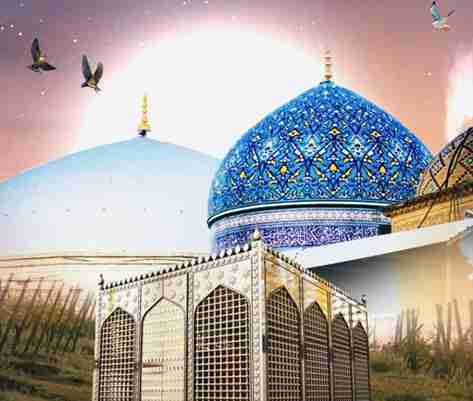
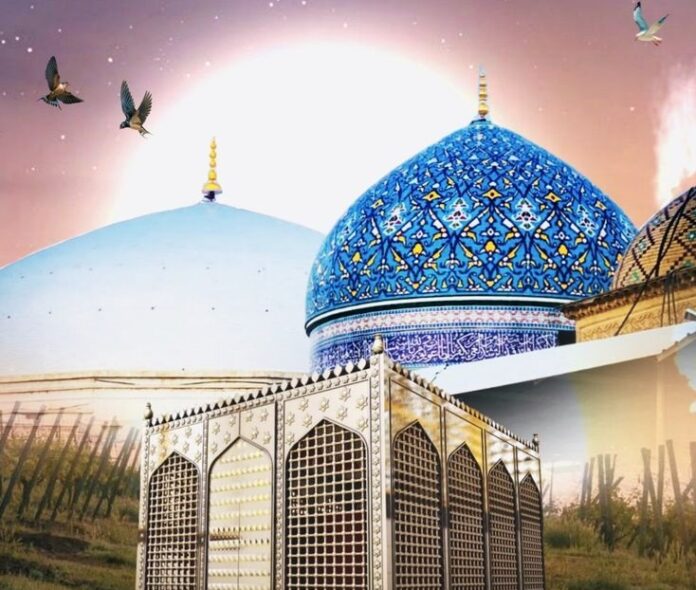
Though Sheikh Abdul Qadir Gilani (R.A) never visited Kashmir, his influence reached the valley through teachers and disciples who brought Qadiri teaching to South Asia. In Srinagar’s Khanyar area stands the famous Dastgeer Sahib shrine, a focal point of devotion for many Kashmiris. The shrine houses relics and has its own local history of devotion and repair. It represents how spiritual figures take root in local cultures, adapting and enriching regional practice.
What is Urs and why it matters
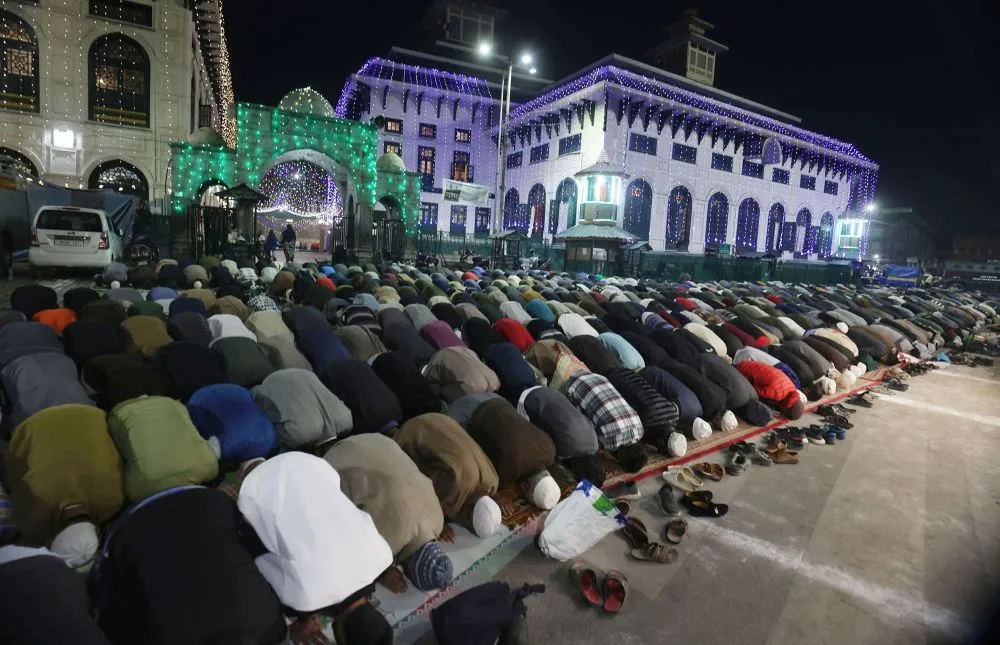
Urs anniversaries mark the death of a saint as a commemoration of union with the Divine. Rather than mourning, the event is celebrated: devotees gather to remember the saint’s life, recite the Qur’an, engage in communal dhikr, listen to sermons and hold gatherings of spiritual music (sama or qawwali in South Asia). Charity and feeding the poor are typical features. Urs is a time for renewal: individual devotees seek spiritual blessings, while communities reinforce bonds of faith and mutual care.
For many people, Urs functions on multiple levels:
A spiritual gathering that revives devotional practice.
A social occasion that brings people together across class and background.
A cultural event that preserves local devotional arts, poetry and music.
A charitable opportunity to serve the needy.
Typical rites and rituals
Although practices vary by region, common elements of an Urs include:
Qur’anic recitation: collective reading and supplication.
Dhikr: groups reciting the names of God and short litanies.
Hamd and Naat: praise-poems in Arabic and local languages celebrating God and the Prophet (PBUH).
Sermons and lectures: teaching that explains the saint’s life and message.
Mehfil-e-sama / qawwali: devotional music sessions in many South Asian shrines.
Ziarat: visiting and paying respects at the tomb, sometimes viewing relics.
Charity and feeding: distribution of food to the poor, a central component.
Processions: in some places, processions and public displays occur, especially where the tradition is deeply rooted.
Organisers generally stress that the core purpose is spiritual: to turn hearts toward God and to renew ethical commitment.
Contemporary observances in 2025
On 5 October 2025, shrines associated with Hazrat Ghaus-e-Azam (R.A) were active with devotees. In Baghdad, the mausoleum drew local and international pilgrims for multi-day gatherings of dhikr, lectures and communal prayers. In South Asia, especially at the Dastgeer Sahib shrine in Srinagar, the day was observed with special programmes: night vigils, recitations, qawwali sessions and large-scale charity meals. Many shrines also used modern tools — live streaming and social media — to include remote devotees who could not travel.
For many devotees, the Urs is a reminder that living spiritual traditions can adapt to new times while keeping their essential message: humility, compassion and service.
The social and moral relevance today
Why does Hazrat Ghaus-e-Azam’s message endure? Several features explain this:
Practical ethics: His teachings stress compassion and justice, which are timeless concerns in any society.
Balance of law and spirit: People facing modern anxieties respond to a message that honours both outward duty and inner peace.
Community orientation: The Qadiriyya emphasis on service and charity offers a framework for organised social aid.
Accessible guidance: His short, direct counsels speak to ordinary people as well as scholars.
In an era of increasing fragmentation, his insistence on unity, tolerance and moral responsibility speaks to both personal transformation and social healing.
Debates and differing views
Like many historical religious figures, Sheikh Abdul Qadir Gilani (R.A) is seen differently across traditions. Some scholars stress hagiographical excesses in later stories; others defend these narratives as expressions of devotional memory rather than literal history. In scholarly circles, there is healthy debate about chronology, authorship of certain works, and the exact historical facts of his life. For devotees, however, the spiritual fruits of his teachings are the primary point of concern.
How to observe Urs with respect and understanding
If you plan to attend an Urs or read about it, here are a few simple suggestions to observe the occasion respectfully:
Approach with sincere intent: the celebrations are primarily devotional, not mere spectacle.
Participate in communal prayers and charity where possible.
Listen to the teachings and reflect on their moral implications.
Remember the central message of service: feeding the poor or assisting the needy is a fitting tribute.
Be mindful of local customs and the diverse ways people express devotion.
Conclusion
The Urs of Hazrat Ghaus-e-Azam (R.A) is more than an annual event; it is a living reminder of a tradition that combines deep learning with compassionate action. Whether observed in Baghdad, Srinagar, or in homes and mosques across the globe, the day calls believers to renew their commitment to inner reform, social justice, and sincere worship. On 5 October 2025, countless hearts turned to the example of this great teacher — a reminder that faith, properly lived, unites people across time and place.
May his example inspire humility, compassion and steadfastness in the service of humanity. Ameen.