Kashmir is one of the most beautiful yet most misunderstood regions in the world. Known for its mountains, rivers, and rich culture, Kashmir is often discussed because of its long political dispute and ongoing tensions. However, Kashmir is more than headlines and conflicts. It is a place where millions of people live ordinary lives, hold strong traditions, and dream of peace and stability.
This article looks at Kashmir in a complete and balanced way. It explores its geography, people, history, political situation, economy, and future. Written in simple and clear language, it aims to help readers understand Kashmir not just as a disputed region, but as a living society with deep roots and real human experiences. Click Here To Follow Our WhatsApp Channel
1. Kashmir: Location, Geography, and Natural Beauty
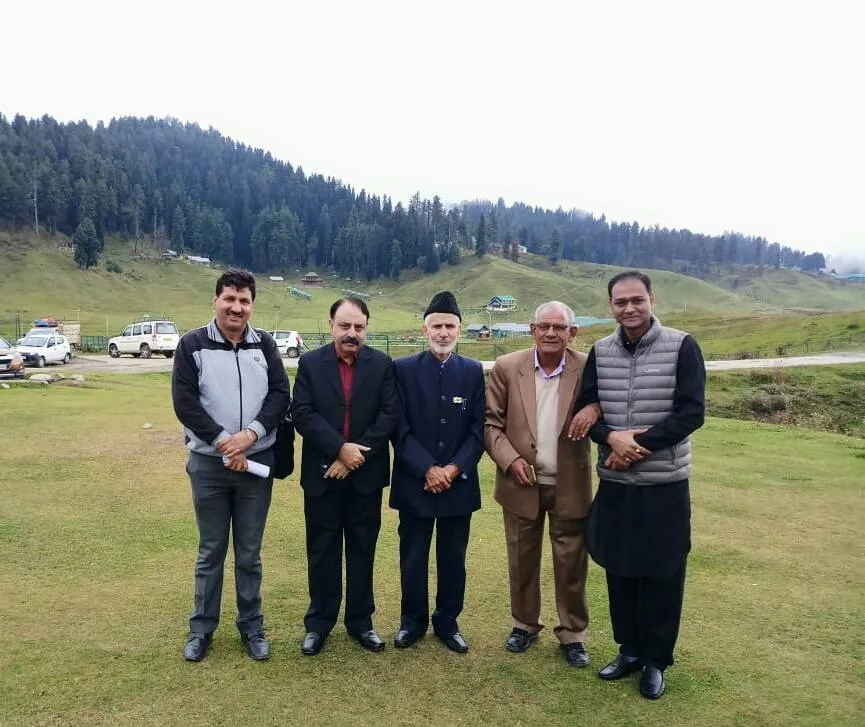
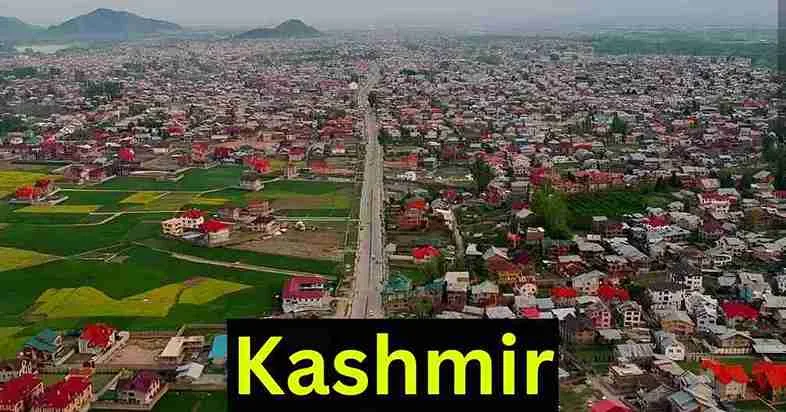
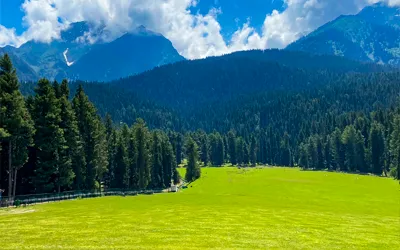
Kashmir is a mountainous region in South Asia, famous across the world for its natural beauty. Snow-covered peaks, green valleys, flowing rivers, forests, and lakes make Kashmir one of the most visually striking places on earth. Many travellers describe it as peaceful and calm, even though its political situation has remained tense for decades.
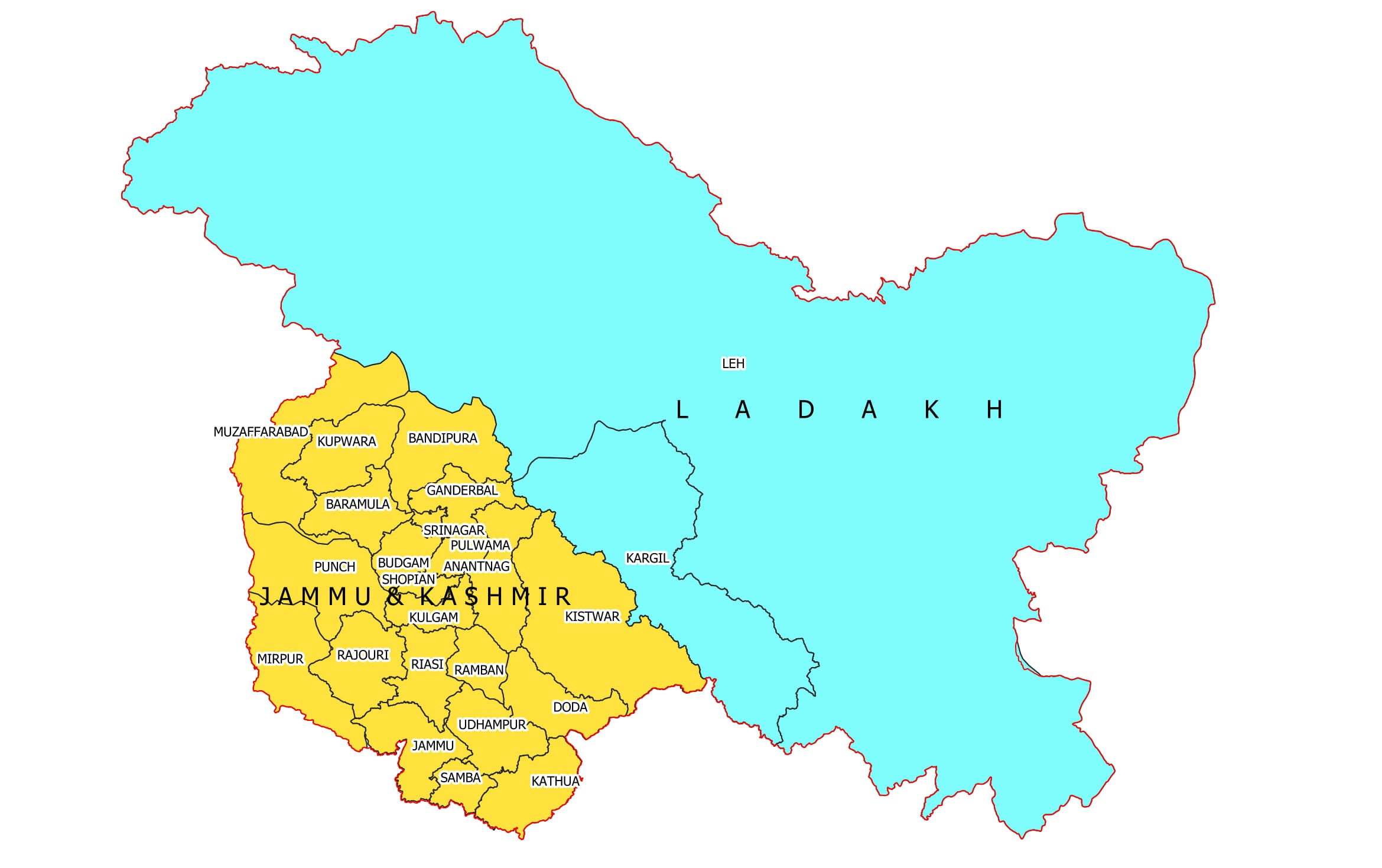
Geographically, Kashmir lies between India, Pakistan, and China. The region is surrounded by powerful mountain ranges such as the Himalayas, the Pir Panjal range, and the Karakoram. These mountains not only shape the land but also affect the climate, culture, and daily life of the people living there.
The Kashmir Valley is the heart of the region. It is fertile, well-watered, and suitable for farming. Rivers like the Jhelum flow through the valley and support agriculture and settlements. The climate includes cold winters with snowfall, mild summers, and colourful spring and autumn seasons. This natural setting has played a major role in shaping Kashmiri identity and lifestyle.
Lakes such as Dal Lake and Wular Lake are not only tourist attractions but also sources of livelihood. Many families depend on fishing, farming on floating gardens, and tourism-related work. Nature in Kashmir is not separate from life; it is deeply connected to how people earn, eat, and survive.


2. People of Kashmir: Culture, Language, and Daily Life
The people of Kashmir come from different ethnic, religious, and cultural backgrounds. This diversity has shaped a unique society that values hospitality, family bonds, and tradition. Despite years of conflict, Kashmiri culture remains strong and deeply rooted.
Languages spoken include Kashmiri, Urdu, Dogri, and English. Kashmiri is widely spoken in the valley and carries centuries of poetry, folk songs, and storytelling. Urdu is commonly used in writing and formal communication, while English is important in education and media.
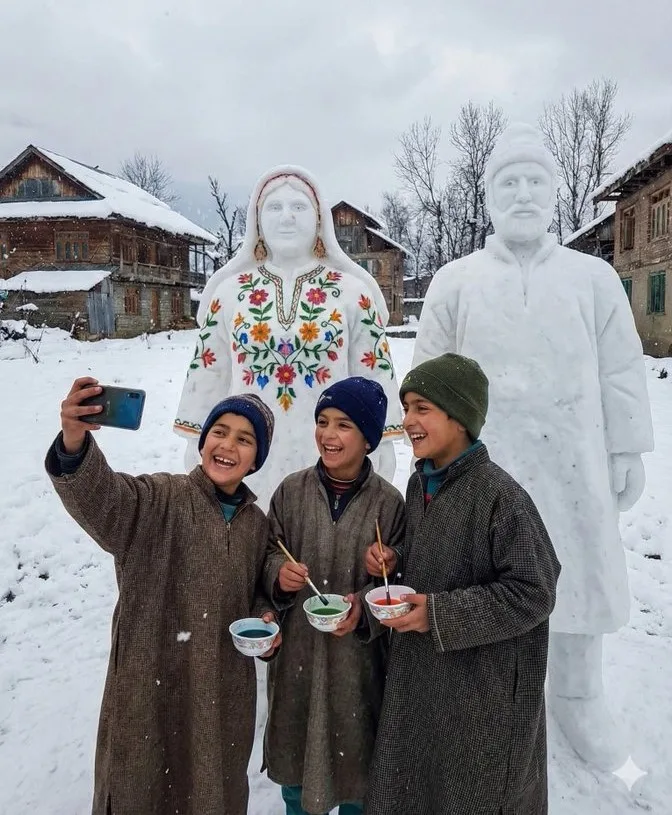
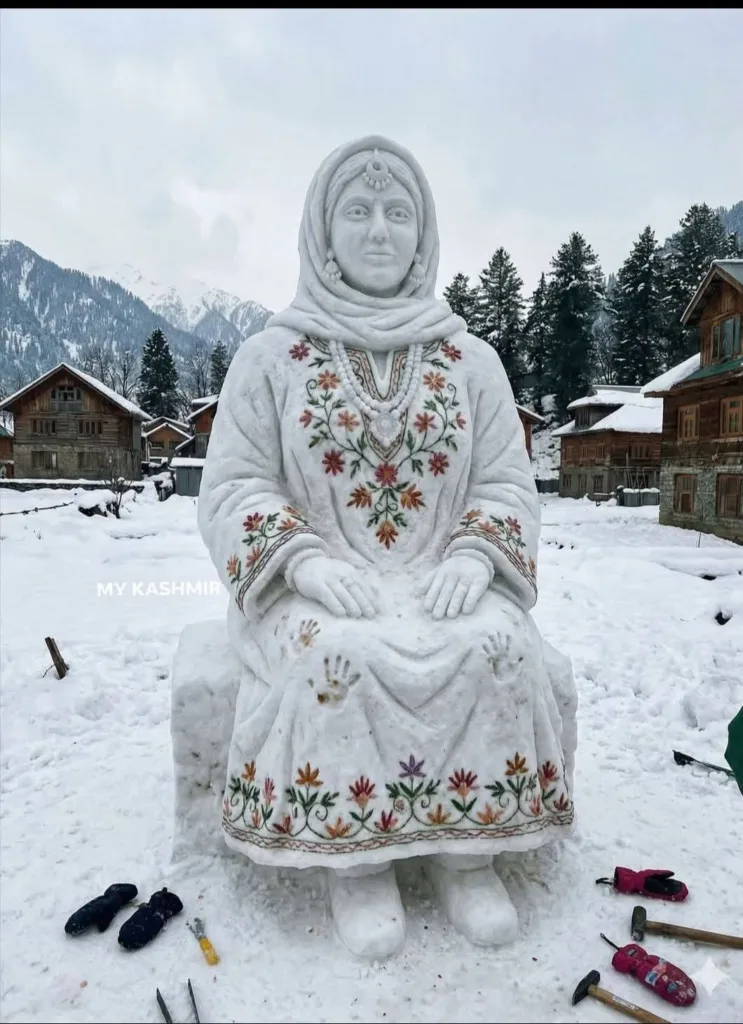
Traditional clothing such as the pheran is still worn, especially during winter. Food is another important cultural marker. Meals are often rich and prepared with care, with dishes like rice, meat, and spices forming the base of traditional cuisine. Wazwan, a multi-course meal, is seen as a symbol of Kashmiri hospitality and social bonding.
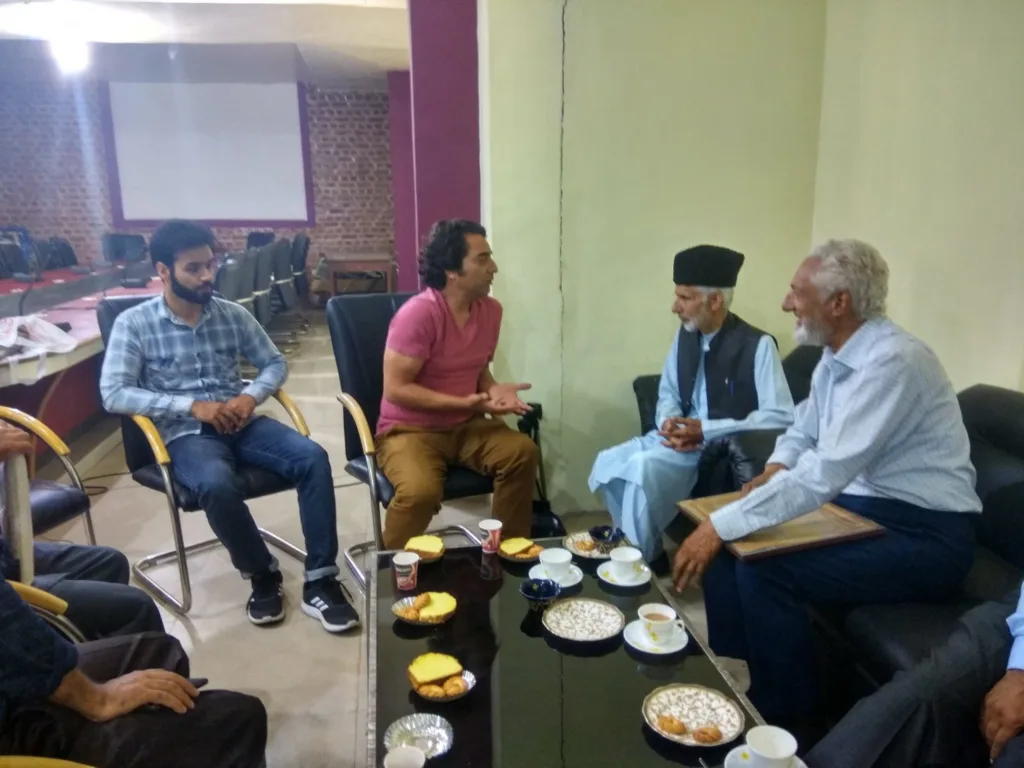
Family life is central in Kashmir. Homes often include multiple generations living together. Respect for elders, strong neighbourly ties, and community support are important values. Even in difficult times, people try to maintain social traditions such as weddings, festivals, and religious gatherings.
Daily life in Kashmir, however, is not always predictable. Sudden closures, restrictions, or security measures can interrupt work, education, and travel. Still, people continue with resilience, adapting their routines while holding on to their cultural identity.


3. History of Kashmir: From Ancient Times to 1947
Kashmir has a long and complex history that goes back thousands of years. In ancient times, it was an important centre of learning, religion, and philosophy. Hinduism and Buddhism both flourished here, leaving behind temples, texts, and cultural traditions.
During the medieval period, Islam spread in Kashmir, mainly through Sufi saints who preached peace, equality, and spirituality. Over time, Islam became the majority religion in the valley, while older traditions continued to influence culture and social life. This mix created a unique spiritual atmosphere.
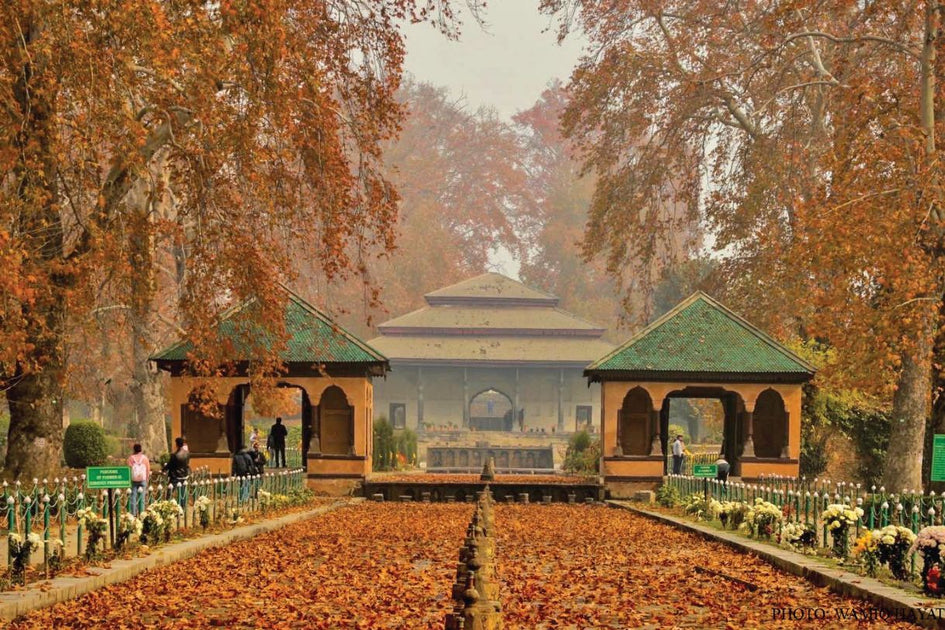
The Mughal rulers later took control of Kashmir and were deeply attracted to its beauty. They built gardens, waterways, and architectural structures that still exist today. Kashmir became known as a place of rest, art, and nature.
In the 19th century, Kashmir came under Dogra rule. During this period, many local people faced economic hardship and political exclusion. Dissatisfaction slowly grew, laying the groundwork for future unrest.
The year 1947 was a turning point. When British rule ended in the Indian subcontinent, India and Pakistan were formed as separate countries. Kashmir became disputed, leading to war and division. A ceasefire line was drawn, splitting families, land, and communities. This division continues to affect the region today.

4. The Kashmir Conflict: Politics, Control, and Human Impact
The conflict in Kashmir is one of the longest unresolved disputes in the world. At its core are competing political claims, national interests, and the wishes of the local population. Different sides see the issue in different ways, making it extremely sensitive and complex.
The region is divided by the Line of Control, which separates areas controlled by India and Pakistan. This line is heavily guarded and has seen frequent tensions over the years. People living near it often face fear, displacement, and economic hardship.
Inside the region, political unrest has taken many forms, including protests, shutdowns, and armed activity. Heavy security presence has become part of daily life in many areas. Roads may be blocked, communication restricted, and public movement limited during periods of tension.
The human cost of the conflict is significant. Families have lost loved ones, education has been disrupted, and mental stress is widespread. Young people, in particular, grow up in an environment shaped by uncertainty and limited opportunities.
At the same time, authorities often speak of stability and development. For many locals, however, true peace is not only about calm streets but also about dignity, trust, and long-term security.


5. Economy of Kashmir: Tourism, Farming, and Challenges
Kashmir’s economy depends mainly on tourism, agriculture, and handicrafts. Tourism brings income to thousands of families, including hotel workers, drivers, guides, and shop owners. Places like Gulmarg, Pahalgam, and Sonamarg attract visitors throughout the year.
Agriculture is another key sector. Apple orchards are especially important and provide employment across rural areas. Saffron, walnuts, and rice are also major products. Farming in Kashmir is closely linked to seasonal weather and water availability.
Handicrafts such as carpets, shawls, and woodwork are famous worldwide. These crafts are often passed down through generations and represent both culture and livelihood.
However, the economy faces serious challenges. Political instability, internet shutdowns, and frequent disruptions affect businesses. Students struggle with online learning, traders lose markets, and tourism can stop suddenly.
Unemployment remains a concern, especially among educated youth. Many young people want stable jobs and opportunities but feel limited by the situation. Economic development, therefore, is closely tied to peace and long-term planning.


6. The Future of Kashmir: Hope, Youth, and the Path Forward
The future of Kashmir largely depends on its people, especially the younger generation. Kashmiri youth are increasingly educated, aware, and connected to the wider world. Many want careers, stability, and a peaceful environment where they can plan their lives freely.
Education remains a key hope. Despite disruptions, students continue to aim high, entering professions across the country and abroad. Art, writing, sports, and entrepreneurship are also growing areas of interest.
For lasting peace, dialogue, trust, and inclusion are essential. Development alone cannot solve deep political and emotional issues. People need to feel heard, respected, and secure.
Kashmir’s story is often told through headlines about conflict, but everyday life shows another side: resilience, creativity, and patience. Families continue to dream of normal lives, safe streets, and a future where children grow up without fear.
Kashmir is not only about the past or the dispute. It is about people living today and hoping for tomorrow. Understanding Kashmir fully means seeing both its pain and its strength.
Conclusion
Kashmir cannot be understood through one angle alone. It is a land of natural beauty, strong culture, and deep emotional attachment for its people. At the same time, it has faced decades of conflict, uncertainty, and hardship that continue to shape daily life.
Despite these challenges, the people of Kashmir show resilience, patience, and hope. Families continue their traditions, young people pursue education, and communities hold on to the dream of peace. The future of Kashmir depends on dialogue, understanding, and respect for human dignity.
To truly understand Kashmir, one must look beyond politics and see the people, their struggles, and their hopes for a peaceful tomorrow.
You Might Also Like:
At 13, This Kashmiri Boy Built 31 Apps and AI Tools
Delhi Court Convicts Kashmiri Separatist Asiya Andrabi in UAPA Case
Why Is Omar Abdullah Silent as a Kashmiri Shawl Seller Is Brutally Attacked in Uttarakhand?