Sana Khan: From Bollywood Star to Spiritual Life, Family, and Philanthropy

Sana Khan

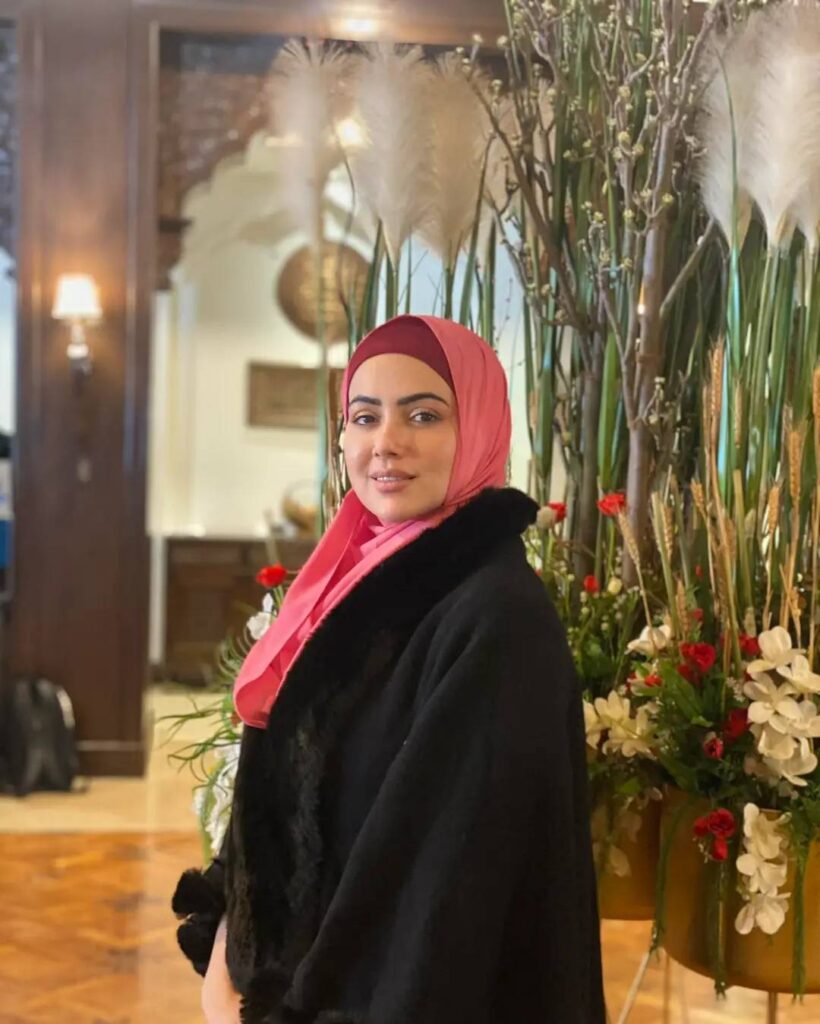
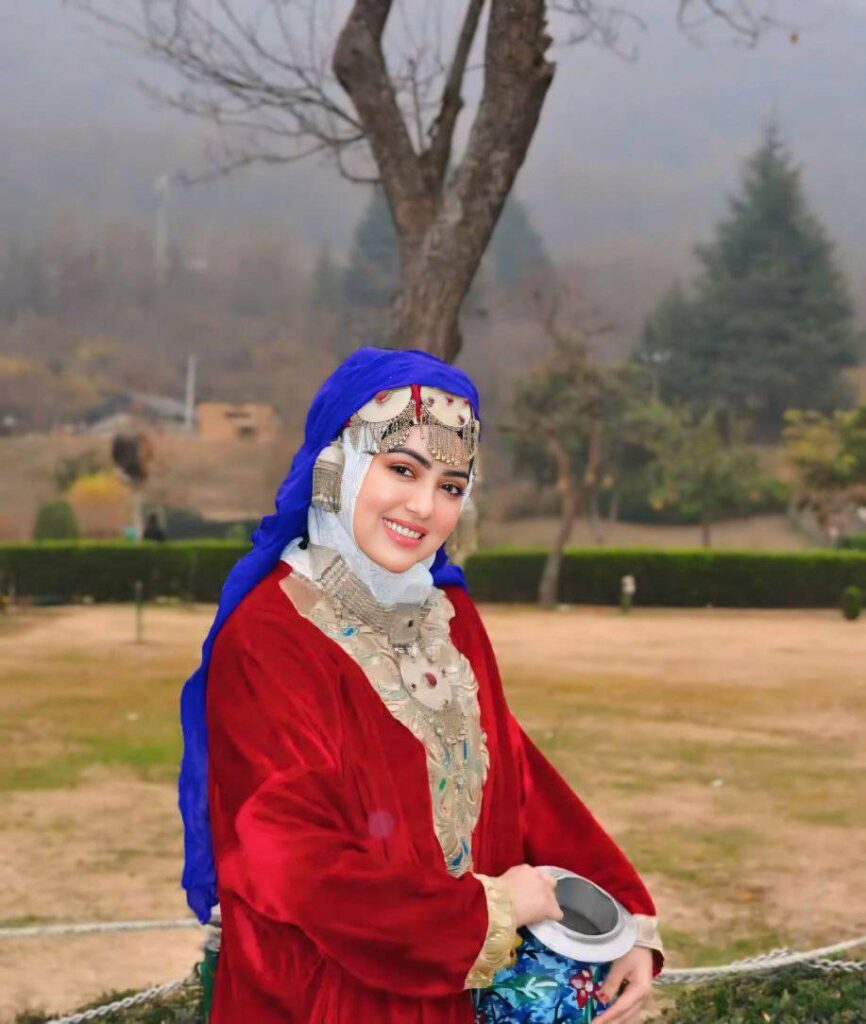
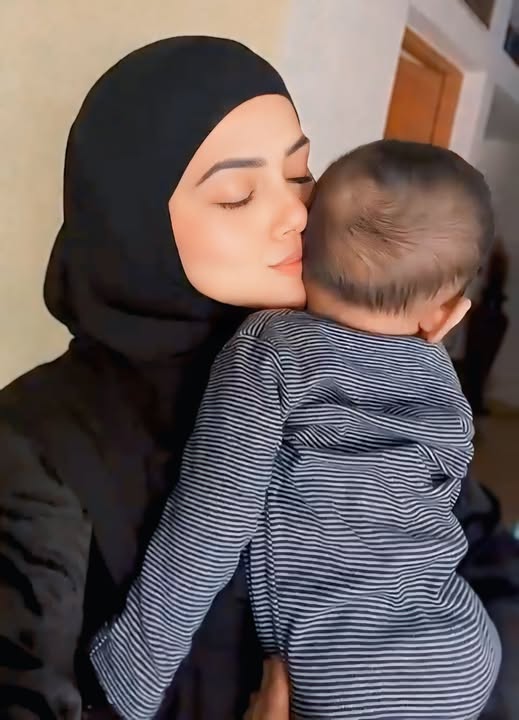
Sana Khan, once a shining star in Indian films and television, has had a life full of ups and downs. Born in the busy streets of Mumbai, she rose to fame with her charming looks and bold roles. But in 2020, she left it all behind to follow her faith. Today, at 37 or 38 years old, Sana lives a simple life as a wife, mother, and businesswoman. She shares glimpses of her spiritual journey on social media, inspiring many fans. This article looks at her story in simple words, from her early days to her latest updates.
Early Life: Growing Up in Mumbai

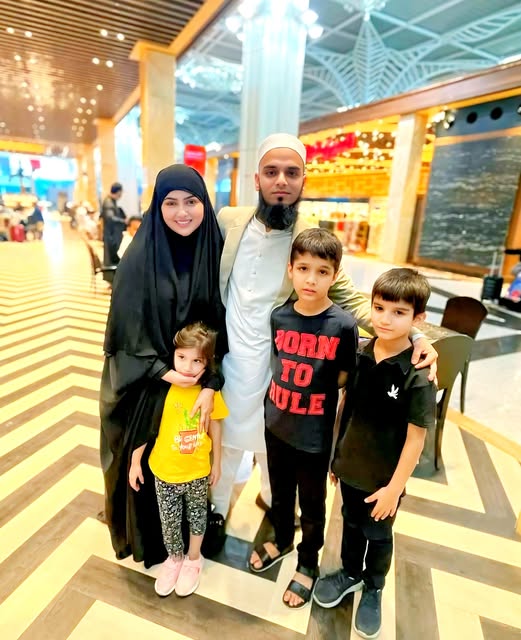
Sana Khan was born on August 21, 1987 or 1988, in Dharavi, a crowded area in Mumbai. Her full name is Saiyad Sana Khan, but she is known simply as Sana Khan. Her father came from Kannur in Kerala, and he is a Malayali Muslim. Her mother, Saeeda, was from Mumbai and was Sana’s biggest supporter.

Life was not always easy. In March 2009, Saeeda had a serious health problem—a brain hemorrhage. Sana was very young then, just starting her career. She often shared how her mother’s love shaped her strong personality. Sadly, Saeeda passed away on June 24, 2025, after a long illness. Sana shared the news on Instagram, asking for prayers. She said, “She returned to Allah,” and attended the funeral in Mumbai. Friends and fans sent love, remembering Saeeda’s kindness.

Starting Her Career: From Ads to Films

Sana entered show business at a young age. In 2005, she acted in her first film, Yehi Hai High Society, a small Hindi movie. She also did over 50 TV ads for brands like Secret Temptation and Xbox 360. Her big break came with item songs—short dance numbers—in films like E (Tamil, 2006) and Journey Bombay to Goa (2007).

One ad made her famous but also caused trouble. In 2007, she starred in an Amul Macho underwear commercial where she washed clothes in a funny, bold way. It looked like she was acting out something private, and people complained. The government banned it for being too sexy. But it brought her attention.
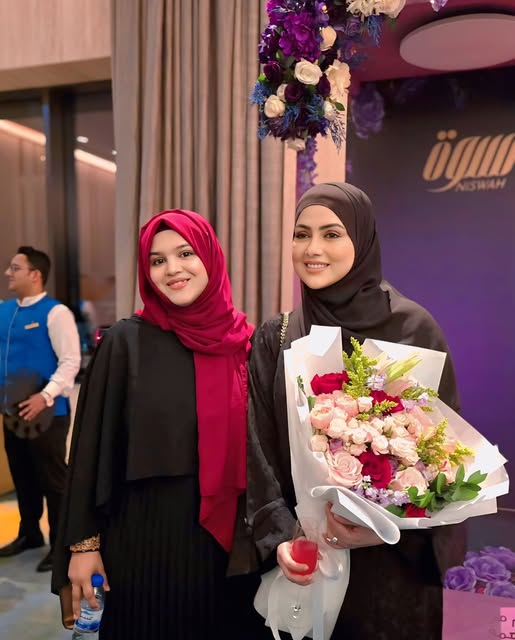
Sana worked in many South Indian films too. In Tamil, she won an award for Silambattam (2008). She acted in Telugu films like Kalyanram Kathi (2010), Kannada’s Kool…Sakkath Hot Maga (2011), and even Malayalam movies. In Bollywood, she played a key role in Salman Khan’s Jai Ho (2014) and did a cameo in Toilet: Ek Prem Katha (2017). Her last film was Wajah Tum Ho (2016), a thriller with Gurmeet Choudhary.

TV Fame: Bigg Boss and Reality Shows

TV made Sana a household name. In 2012, she joined Bigg Boss 6, hosted by Salman Khan. She finished third, winning hearts with her honest talks and fights. It opened doors for more shows like Jhalak Dikhhla Jaa 7 (dance, 2014), Bigg Boss Halla Bol (2015), and Fear Factor: Khatron Ke Khiladi 6 (stunts, 2015).

She also did web series like Zindabaad (2018) and Special OPS (2020). In music videos, she appeared in “Black Till” (2015). Sana’s career lasted 15 years, from 2005 to 2020. She earned awards like the ITFA Best New Actress for Silambattam in 2009.

Love Life: Heartbreak and a New Beginning

Sana’s personal life was in the news too. In 2019, she dated choreographer Melvin Louis. They shared cute posts online, but it ended badly. Melvin was accused of cheating, and Sana felt hurt. Fans supported her during the breakup.
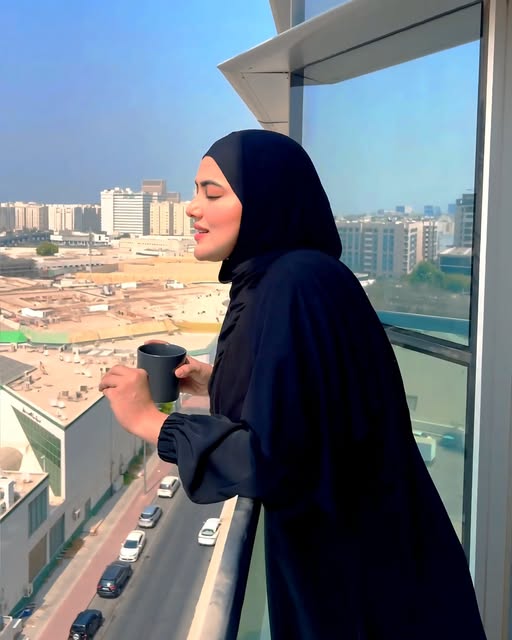
Then came a big change. On October 8, 2020, Sana announced she was quitting acting. In an emotional Instagram post, she said she wanted to “serve humanity and follow the orders of my Creator.” It was a shock to fans, but she explained her growing faith in Islam guided her.

Just weeks later, on November 21, 2020, she married Mufti Anas Sayed, a Muslim cleric from Surat, Gujarat. They met through a voice note from Islamic scholar Maulana Tariq Jameel. Sana added “Saiyad” to her name after marriage. Anas is her partner in faith and life. They run the Hayat Welfare Foundation together, helping people in need.

Family Joys: Becoming a Mother

Sana and Anas welcomed their first son, Saiyad Tariq Jamil, on July 5, 2023. Sana shared sweet photos, calling him her “little prince.” In November 2024, she announced her second pregnancy, thanking Allah. On January 5, 2025, their second boy, Saiyad Hasan Jamil, was born. Sana posted a video saying, “Overflowing with joy! Big brother Tariq Jamil welcomes his baby brother.” Fans loved the family moments.
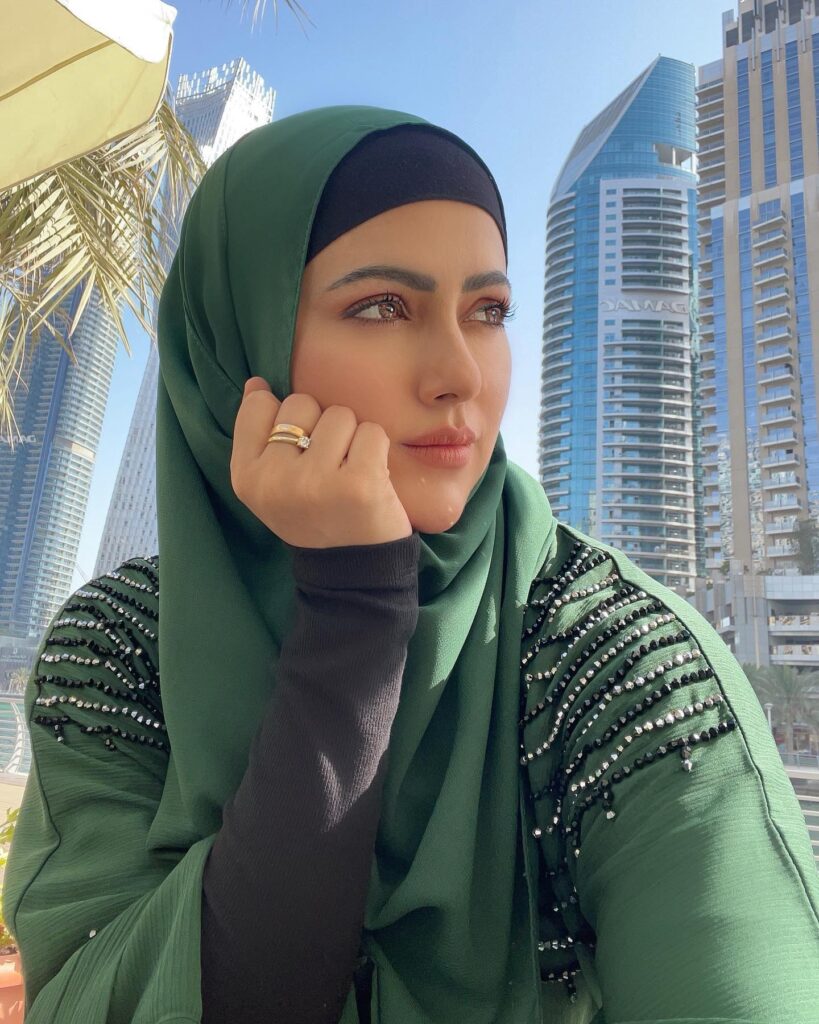
sana khan

Business and Spiritual Work: A New Path

After leaving films, Sana started businesses. She launched “Face Spa by Sana Khan,” a beauty center, and “Haya By Sana Khan,” a clothing line for modest fashion. These show her interest in wellness and style that fits her beliefs. Her net worth is around Rs 20 crores from her career and ventures.

Through Hayat Welfare Foundation, she and Anas help the poor, like giving food and education. Sana often posts about Islam on Instagram. In September 2024, she said embracing faith helped her leave her “glamorous” past. She gets emotional thinking about old days but feels peace now. In June 2025, she and Anas went for their first Hajj pilgrimage to Mecca, sharing a video before leaving.

Latest Activities: Faith, Family, and Inspiration

In 2025, Sana’s life is quiet but full. After her second son’s birth in January, she focused on family. The sad loss of her mother in June was tough, but she found strength in prayers. She attended the funeral and shared videos from home, dressed in black, with friends by her side.
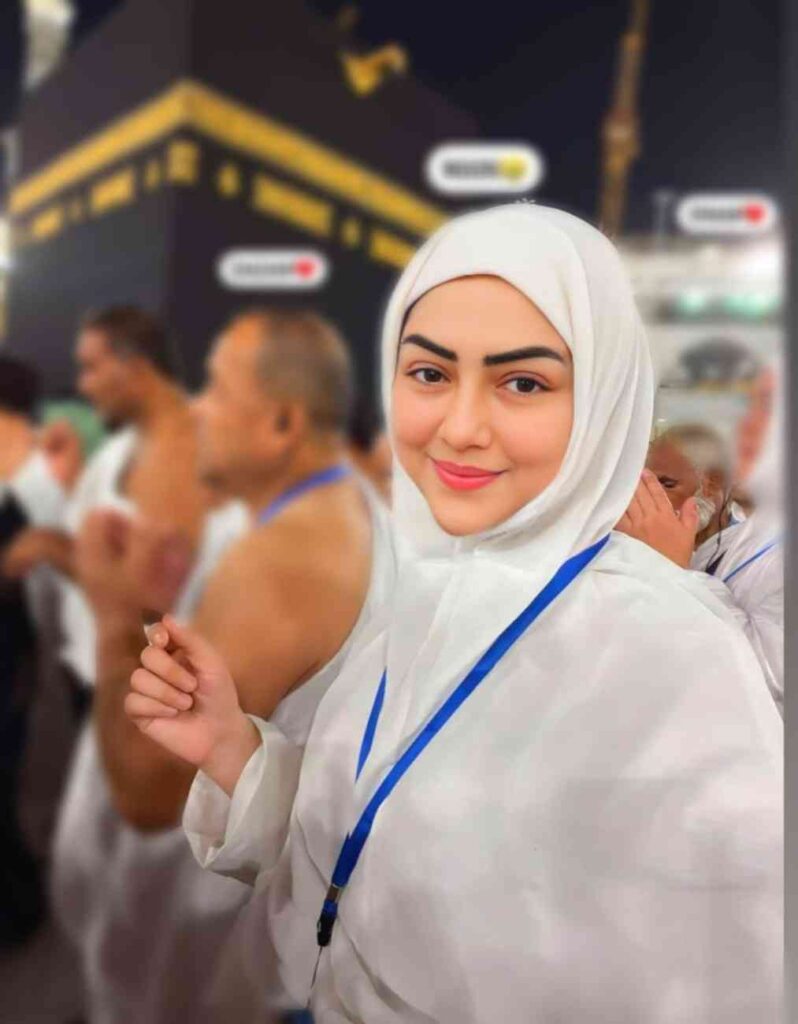
Sana Khan’s Inspiring Journey

Sana keeps inspiring others. In November 2024, actor Urfi Javed criticized her for comments on women’s clothes, but Sana stood by her views on modesty. She also spoke about how “Shaitan” (evil) once made her forget her values in showbiz.

Today, Sana celebrates small joys. On her birthday in August 2025, she shared hopes for growth in career, health, and family. Her Instagram (@sanakhan21) has millions of followers who admire her courage. From red carpets to quiet prayers, Sana Khan’s journey shows it’s okay to change for what feels right.

Sana’s story reminds us that life can take new turns. As she raises her boys and helps others, she proves faith and family can bring true happiness. What do you think of her choices? Share in the comments!

Police Personnel Shafaqat Ahmad from Bandipora Dies of Heart Attack at Home

Violence Erupts in Leh as Protesters Clash with Police Amid Statehood Movement in Ladakh

UK, Canada and Australia Recognise Palestinian State, Defying Israel and US to Revive

Oxford Presentation School Anantnag Hosts IIMUN 2025 in South Kashmir, Fostering Leadership and Diplomacy

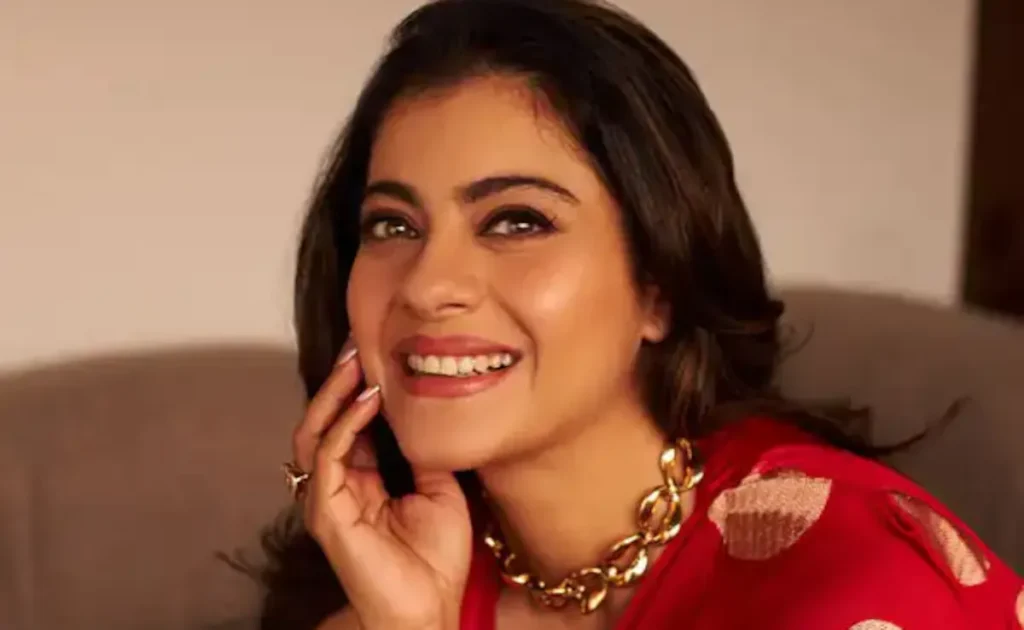
Kajol Returns in The Trial: Pyaar Kaanoon Dhokha Season 2, Premiering September 19 on JioHotstar

Pyaar Kaanoon Dhokha

Kajol, one of Bollywood’s most celebrated actresses, has thrilled fans with the announcement of her return as Noyonika Sengupta in the second season of the legal drama The Trial: Pyaar Kaanoon Dhokha. The highly anticipated series is set to premiere on JioHotstar on September 19, 2025, and promises to deliver a gripping blend of courtroom battles, political intrigue, and personal struggles. The announcement, made on August 6, 2025, has sparked excitement across social media, with fans eagerly awaiting Kajol’s powerful performance in this Indian adaptation of the acclaimed American series The Good Wife.

A Humorous Announcement That Dismisses the “Comeback” Narrative

Kajol announced the return of The Trial Season 2 with a playful video shared on JioHotstar’s official Instagram and other social media platforms. In the promo, she humorously addressed the notion of a “comeback,” asserting that she “never really left” given her consistent presence in the industry. The caption accompanying the post read, “Back like she never left (because honestly, she didn’t)” followed by a winking emoji, adding a lighthearted touch to the announcement. The video cleverly transitioned to confirm her return as Noyonika Sengupta, setting the stage for a season filled with high-stakes drama.

Fans reacted enthusiastically, with comments like “Wow, what an amazing way of making the announcement… fingers crossed!” and “Bring it on queen!” flooding social media. The announcement not only highlighted Kajol’s enduring star power but also built anticipation for the continuation of Noyonika’s journey in the cut-throat world of law.

The Trial: A Recap of Season 1 and Noyonika’s Journey

The Trial: Pyaar Kaanoon Dhokha is an Indian adaptation of the American legal drama The Good Wife, which ran for seven seasons from 2009 to 2016 on CBS. The first season, released in July 2023 on Disney+ Hotstar (now JioHotstar), introduced audiences to Noyonika Sengupta, portrayed by Kajol. Noyonika is a housewife and law school graduate who is thrust back into her legal career after her husband, Rajiv Sengupta (played by Jisshu Sengupta), is imprisoned due to a corruption and sex scandal. The season depicted her transformation from a stay-at-home mother to a formidable lawyer navigating personal betrayals and professional challenges.

The first season was widely praised for Kajol’s compelling performance and the show’s engaging narrative. India Today gave it a three-star review, noting, “The makers of The Trial have ticked the right box by casting Kajol in the lead role. As Noyonika, who plays multiple roles and manages crises in personal and professional life, Kajol does a fantastic job of never going over the top or falling into the pitfalls of what could make a clichéd courtroom drama.” The success of Season 1 set high expectations for the continuation of Noyonika’s story.

What to Expect from The Trial Season 2

The second season of The Trial: Pyaar Kaanoon Dhokha, directed by Umesh Bist and produced by Banijay Asia, promises to elevate the stakes with a darker, deeper, and more personal narrative. The trailer, unveiled on August 22, 2025, offers a glimpse into the intense storyline, showcasing Noyonika’s struggles both in and out of the courtroom. The season picks up where Season 1 left off, with Noyonika facing new challenges as she demands a divorce from her husband, Rajiv, who is now entangled in a political career and seeks her support to bolster his campaign.

The trailer highlights a power-packed narrative filled with political intrigue and courtroom drama. Rajiv’s political rival, Narayani Dhole (played by Sonali Kulkarni), is depicted as a formidable opponent willing to play dirty to maintain her dominance. Meanwhile, at the law firm where Noyonika works, Malini Khanna (Sheeba Chaddha) faces a potential ouster, adding to the professional upheaval. The reappearance of Noyonika’s former flame, Vishal (Alyy Khan), introduces emotional complexity, while new cast member Karanvir Sharma joins as a partner at the law firm, bringing fresh dynamics to the story. Veteran actor-comedian Asrani also makes his OTT debut as a fellow lawyer, adding intrigue to the ensemble.

Kajol shared her excitement about the season, stating, “The trailer offers just a glimpse of the emotional storm Noyonika is about to walk into. This season is darker, deeper, and far more personal; she’s not just fighting legal battles, she’s fighting to keep her world from falling apart! What I love about Noyonika is that she doesn’t have all the answers, but she keeps going with grit, vulnerability, and heart. Stepping back into her shoes felt like revisiting an old wound that never really healed.”

Director Umesh Bist added, “With Season 2, we wanted to raise the emotional and narrative stakes for Noyonika. From a directorial standpoint, the challenge was to balance the intensity of the legal drama with the subtle, internal unraveling of her character. It’s a layered story about power, identity, and the personal cost of standing up for oneself, especially as a woman.”

Star-Studded Cast and Production Details

The Trial Season 2 boasts a talented ensemble cast, including returning actors Jisshu Sengupta, Sheeba Chaddha, Kubbra Sait, Alyy Khan, and Gaurav Pandey, alongside newcomers Asrani and Karanvir Sharma. The series is produced by Banijay Asia, known for its high-quality OTT content, and directed by Umesh Bist, who brings a fresh perspective to the narrative. The show’s adaptation of The Good Wife retains its core themes of resilience, betrayal, and ambition while infusing Indian cultural and political nuances.

Release Date and Platform

The Trial: Pyaar Kaanoon Dhokha Season 2 will premiere exclusively on JioHotstar on September 19, 2025. The OTT platform announced the release date with the trailer, posting on X, “Pyaar aur dhoke ke iss trial mein, Noyonika khud ko chunnegi ya apne farz ko? Season 2 of The Trial: Pyaar Kaanoon Dhokha starts streaming on 19th September.” The season will face a competitive OTT landscape, with Aryan Khan’s The Ba*ds of Bollywood releasing a day earlier on September 18, 2025.

Kajol’s Reflections and Fan Excitement

Kajol, who marked her OTT debut with The Trial in 2023, expressed her deep connection to the character of Noyonika. In a statement to PTI, she said, “Professionally, it has been an incredibly enriching year for me—I’ve had the chance to explore a range of characters and stories, and among them, Noyonika remains especially close to my heart. From being an underdog in the first season to having found her footing in the cut-throat legal world, I’ve loved stepping back into her shoes. I genuinely can’t wait for all of you to experience what we’ve created this season. It’s been a labour of love.”

Fans have echoed her enthusiasm, with social media buzzing with anticipation. The show’s blend of legal drama, personal struggles, and Kajol’s commanding screen presence has positioned The Trial Season 2 as one of the most awaited OTT releases of 2025.

Conclusion

Kajol’s return as Noyonika Sengupta in The Trial: Pyaar Kaanoon Dhokha Season 2 is a testament to her versatility and enduring appeal. With its promise of intense courtroom battles, intricate political drama, and emotional depth, the series is poised to captivate audiences when it streams on JioHotstar starting September 19, 2025. As Noyonika navigates the complexities of love, law, and betrayal, fans can expect a rollercoaster of emotions and a stellar performance from Kajol, supported by a talented cast and crew. Mark your calendars for a season that promises to be darker, deeper, and unmissable.

Kashmir Politics From Mahraja Hari Singh To Syed Ali Geelani

From Boom to Bust: How the April 22 Terror Attack Shattered Pahalgam’s Tourism Dream

Former Jamat-e-Islami Spokesperson Advocate Zahid Ali Surrenders to Jammu and Kashmir Police

Sajad Lone Slams J&K Government for Taking Over 215 Jamaat e Islami Schools, Calls Move Political Overreach

Rumors Claim Turkish Actress Fatima Bushra Quit Showbiz, Adopted Hijab — But No Verified Evidence Yet

Turkish Actress Fatima Bushra

Recent rumors have surfaced suggesting that Turkish actress Fatima Bushra, purportedly known for her role in the popular television series Valley of the Wolves, has decided to step away from the entertainment industry and adopt the hijab. This news, which has circulated primarily through social media platforms like X, has sparked widespread discussion among fans and observers. However, no credible mainstream media outlets have confirmed these claims, leaving the story unverified and prompting questions about its authenticity. This article explores the context of these rumors, the cultural significance of such a decision in Turkey, and comparisons with similar cases in the entertainment industry.

The Rumor: Fatima Bushra’s Alleged Decision

According to unverified posts on X, Fatima Bushra announced her intention to leave showbiz to focus on her faith and personal growth, symbolized by her adoption of the hijab. One post claimed that she stated, “I have chosen to wear the hijab and abandon fame and acting for a new chapter in my life.” However, without corroboration from reputable news sources or an official statement from the actress herself, this information remains speculative. The lack of verifiable details, such as specific interviews, press releases, or confirmed media reports, suggests that the story may be a rumor or a case of mistaken identity.

The name “Fatima Bushra” does not appear in established records of prominent Turkish actresses, which raises doubts about the accuracy of the claim. It’s possible that the name is a conflation of other individuals or a fictional persona. For instance, there are documented cases of other actresses, such as Pakistani actress Arij Fatima or Turkish actress Bushra Aydin, who have made similar life choices, which may have contributed to the confusion.

Cultural Context in Turkey

The decision to adopt the hijab and leave the entertainment industry, if true, would carry significant cultural and social weight in Turkey. Turkey has a complex history regarding the hijab, shaped by its secular state policies and evolving religious landscape. For decades, the Turkish government enforced strict secularism, including bans on headscarves in public institutions like universities and government offices, viewing them as symbols of political Islam. These restrictions were gradually lifted in the 2010s under the leadership of the Justice and Development Party (AKP), allowing greater freedom for women to wear the hijab in public spaces.

In Turkish media, hijab-wearing women are underrepresented, particularly in urban and mainstream television series. As noted in discussions on platforms like Reddit, Turkish TV often focuses on affluent, secular characters in cities like Istanbul, where hijab-wearing women are less commonly depicted unless the narrative involves rural or conservative settings. A decision by a prominent actress to adopt the hijab could challenge these norms, sparking debates about representation, personal choice, and societal expectations.

If Fatima Bushra’s story is accurate, her choice would align with a broader trend of public figures in Muslim-majority countries prioritizing spiritual or personal transformation over fame. However, the polarized nature of Turkish society—between secular and conservative factions—could lead to varied reactions, ranging from praise for her courage to criticism for abandoning a successful career.

Comparisons with Other Actresses

While the story of Fatima Bushra remains unconfirmed, there are verified examples of actresses from Turkey and neighboring regions who have made similar choices, providing context for the rumor:

  • Bushra Aydin (Turkey): In 2016, Turkish actress Bushra Aydin announced her decision to wear the hijab, a move that garnered attention in Turkish media. Unlike the rumored case of Fatima Bushra, Aydin continued acting but set boundaries for her roles, refusing scenes that conflicted with her values, such as those involving physical intimacy. Her decision highlighted the possibility of balancing a career in entertainment with religious observance, though it also sparked discussions about the challenges of being a hijab-wearing actress in Turkey’s secular-leaning industry.
  • Arij Fatima (Pakistan): In 2019, Pakistani actress Arij Fatima, known for roles in popular dramas like Hassad and Ishq Parast, left the entertainment industry after embracing a more religious lifestyle. In 2025, she shared a video on Instagram wearing a hijab, captioned “New Beginnings,” and addressed critics who judged her choice, stating, “I’m going to follow what feels right in my heart and what Allah guides me to.” Her transformation received mixed reactions, with some praising her courage and others criticizing her decision.
  • Sahar Afsha (India): In 2024, Indian Bhojpuri actress Sahar Afsha announced her departure from the film industry to pursue an Islamic lifestyle. In an Instagram post, she expressed her intention to focus on her faith, stating, “I am saying goodbye to the film industry forever to stay firmly on the path of Allah.” Her decision was met with both support and skepticism, reflecting the diverse perspectives on such choices in South Asian entertainment.
  • Hala Shiha (Egypt): In 2006, Egyptian actress Hala Shiha retired from acting to adopt a conservative lifestyle, including wearing the hijab and later the niqab. However, in 2018, she reversed her decision, returning to acting and removing her hijab, which ignited significant controversy in Egypt. Her case illustrates the complex interplay between personal choice, public perception, and cultural expectations in the entertainment industry.

These examples demonstrate that decisions to leave showbiz or adopt the hijab are not uncommon among actresses in Muslim-majority or Muslim-influenced regions. However, each case is unique, often accompanied by public scrutiny and polarized reactions.

Public and Media Reactions

The rumor about Fatima Bushra has generated varied responses on social media, particularly on X, where users have expressed both support and criticism. Some posts praise the alleged decision as a courageous step toward spiritual fulfillment, with comments like, “Her choice inspires many, showcasing the power of self-discovery.” Others, however, have reacted negatively, with sentiments ranging from dismissive remarks like “Who cares?” to more hostile comments suggesting coercion or criticizing the hijab as a symbol of oppression. These reactions reflect broader societal debates about women’s autonomy, religious expression, and the role of faith in public life.

The lack of verified information has also fueled skepticism. Without an official statement or credible news coverage, some users have questioned whether the story is a fabrication or a misunderstanding. This highlights the challenges of navigating unverified information in the digital age, where rumors can spread rapidly without substantiation.

The Broader Implications

If true, Fatima Bushra’s rumored decision would contribute to ongoing conversations about representation and diversity in Turkish media. The underrepresentation of hijab-wearing women in mainstream Turkish television has been a point of contention, as noted in online discussions. Some argue that the absence of hijabi characters reflects a bias toward secular, urban narratives, while others contend that including such characters risks politicizing storylines or alienating audiences.

Moreover, the choice to wear a hijab in a high-profile industry like entertainment can challenge stereotypes and inspire others. For example, British-Moroccan comedian Fatiha El-Ghorri, who wears a hijab, has spoken about “smashing stereotypes” through her performances, emphasizing the importance of visibility for hijab-wearing women in media. Similarly, a Turkish actress adopting the hijab could encourage greater acceptance and representation, though it might also invite scrutiny in a country with a strong secular tradition.

Conclusion

The rumor that Turkish actress Fatima Bushra has quit showbiz and adopted the hijab remains unverified, with no credible evidence from mainstream media to support the claim. While the story has sparked interest and debate, it may stem from confusion with other actresses or unconfirmed social media posts. Nonetheless, the discussion surrounding this rumor underscores the broader cultural dynamics in Turkey and beyond, where personal choices about faith and appearance can have significant public impact. As with similar cases, such as Bushra Aydin or Arij Fatima, the decision to prioritize spirituality over fame reflects a deeply personal journey that resonates with some and challenges others. Until more concrete information emerges, the story of Fatima Bushra remains a topic of speculation, inviting reflection on the intersection of faith, identity, and media representation.

Pahalgam Terror Strike Casts Shadow Over J&K Statehood Demands, Supreme Court Observes

BJP Links J&K Statehood to Elimination of Terror Networks as Supreme Court Reviews Restoration Plea

Kashmiri MBBS Student Saba Rasool Dies in Iran; Family Seeks Urgent Repatriation, Alleging Medical Negligence

Huma Qureshi’s Cousin Asif Qureshi Murdered in Delhi Parking Dispute, Two Arrested

Huma Qureshi

On the night of August 7, 2025, a seemingly trivial dispute over a parked scooter in Delhi’s Bhogal area escalated into a brutal murder, claiming the life of Asif Qureshi, a 42-year-old resident and cousin of Bollywood actress Huma Qureshi. The incident, captured on CCTV and widely reported, has shocked the local community and sparked outrage over rising violence in everyday disputes. This article provides a comprehensive account of the incident, the investigation, community reactions, and the broader implications of such tragedies in urban India.

The Incident: A Fatal Confrontation

The tragic event unfolded around 10:30 p.m. on August 7, 2025, near Asif Qureshi’s residence on Church Lane, Bhogal, in southeast Delhi’s Jangpura area, under the jurisdiction of the Hazrat Nizamuddin Police Station. According to Delhi Police, Asif, a long-time resident and local businessman involved in supplying non-vegetarian food, confronted two neighbors, Ujjwal (19) and Gautam (18), over their scooter parked in front of his home’s main entrance, blocking access.

The confrontation began when Asif politely requested the two men, who lived just a few houses away, to move their vehicle. Instead of complying, the brothers reportedly hurled verbal abuse and threats, warning they would return. True to their word, Ujjwal and Gautam left the scene briefly but came back armed with a sharp, pointed object identified as a “poker-type” weapon. In a violent assault, one of the accused—Ujjwal, according to police—stabbed Asif in the chest, inflicting a deep, fatal wound.

Police received an emergency call around 10:30 p.m. and found Asif gravely injured and bleeding profusely. He was rushed to the National Heart Institute in East of Kailash, but doctors declared him dead on arrival, estimating he had succumbed to his injuries about an hour and a half earlier due to massive blood loss. The incident, partially captured on a Delhi government CCTV camera outside Asif’s residence, showed the accused leaving the scene around 12:50 a.m., hours before the murder was officially discovered.

The Investigation and Legal Action

Delhi Police swiftly apprehended the accused, Ujjwal (19) and Gautam (18), both sons of Dinesh and residents of Church Lane, Bhogal. A First Information Report (FIR No. 233/25) was registered at Hazrat Nizamuddin Police Station under Sections 103(1) (murder) and 3(5) (acts done by several persons in furtherance of common intention) of the Bharatiya Nyaya Sanhita (BNS). The murder weapon, a sharp poker, was recovered, and the investigation is ongoing to determine the full sequence of events and any premeditation.

Deputy Commissioner of Police (Southeast) Hemant Tiwari confirmed that the altercation stemmed from a parking dispute, with Ujjwal initiating the fatal assault. The police are examining CCTV footage and witness statements to establish whether the attack was premeditated, especially given allegations of prior disputes over the same issue. Asif’s wife, Sainaz Qureshi, told police that the accused had previously clashed with Asif over parking, suggesting a pattern of tension.

Family and Community Reactions

The murder has left Asif’s family and the Bhogal community in a state of shock and grief. Asif, son of Ilyas Qureshi, was a well-known and friendly figure in the neighborhood, running a chicken business and leaving behind two wives and a grieving family. His wife, Shaheen Asif Qureshi, recounted the incident to the media: “At around 9:30–10 p.m., a neighbor parked a scooter right outside our house. My husband, Asif, requested him to move the vehicle away. The man abused Asif and threatened to come back. Within minutes, the man and his brother approached Asif and stabbed him with a sharp weapon.” She added that by the time her brother-in-law arrived, Asif had lost too much blood to be saved.

Sainaz Qureshi alleged foul play, telling reporters, “My man has been deliberately and conspiratorially killed. This was not just a fight; it was murder with intent.” Asif’s relative and Huma Qureshi’s father, Saleem Qureshi, owner of the popular Saleem’s restaurant franchise in Delhi, expressed anguish over the senseless violence: “Two men parked their scooter in front of the home. Asif requested that they move it aside and not obstruct the entry. They were two, and they killed my nephew together.” He demanded strict punishment for the accused.

The Bhogal community, shaken by the gruesome nature of the attack, has raised concerns about rising aggression in the area. Residents told media outlets that parking disputes are common in the densely populated neighborhood, but the escalation to murder was unprecedented. Many are calling for stricter law enforcement and community measures to prevent such tragedies.

Connection to Huma Qureshi

Asif Qureshi’s relation to Bollywood actress Huma Qureshi, known for films like Gangs of Wasseypur and Tarla, drew significant media attention to the case. Huma, born and raised in Delhi before moving to Mumbai for her acting career, has deep ties to the city, having attended Gargi College at the University of Delhi. Her brother, Saqib Saleem, is also an actor. While Huma has not issued a public statement on the incident as of August 8, 2025, the connection to her family has amplified public interest and outrage.

Broader Context: Parking Disputes in Delhi

The murder of Asif Qureshi highlights a disturbing trend of parking disputes turning violent in Delhi. Such incidents are not new; in March 2025, a parking dispute in northwest Delhi resulted in one death and multiple injuries between two families. The cramped urban landscape, limited parking spaces, and rising tensions in residential areas contribute to these conflicts. The Bhogal incident, occurring in a market lane known for its bustle, underscores the need for better urban planning and community mediation to address such disputes before they escalate.

Social Media Sentiment

Posts on X reflect the public’s shock and condemnation of the incident. One user (@zoo_bear) noted, “Delhi: Actor Huma Qureshi’s cousin, Asif Qureshi, was stabbed to death following an altercation over parking in southeast Delhi’s Bhogal. Two accused Ujjwal and Gautam have been apprehended.” The viral spread of CCTV footage showing the accused leaving the scene has further fueled public outrage, with many calling for justice and stricter measures to curb urban violence. However, these posts are not conclusive evidence and reflect sentiment rather than verified facts.

Implications and Calls for Action

The murder of Asif Qureshi has sparked a broader conversation about urban violence, the fragility of community relations, and the need for systemic interventions. The senseless loss of life over a minor issue like parking underscores the urgency of addressing underlying social and infrastructural issues. Community leaders and residents are advocating for:

  • Enhanced Policing: Increased patrols and quicker response times in densely populated areas like Bhogal to deter petty disputes from escalating.
  • Urban Planning Reforms: Better allocation of parking spaces in residential areas to reduce conflicts.
  • Community Mediation Programs: Initiatives to resolve disputes amicably before they turn violent.
  • Public Awareness: Campaigns to promote de-escalation and conflict resolution among residents.

The Delhi Police’s swift apprehension of the accused and recovery of the murder weapon demonstrate a commitment to justice, but the ongoing investigation must clarify whether the attack was premeditated or a spontaneous act of rage. The allegations of prior disputes and the family’s claim of a “conspiratorial” killing suggest deeper complexities that require thorough scrutiny.

Conclusion

The brutal murder of Asif Qureshi on August 7, 2025, in Delhi’s Bhogal area is a stark reminder of how quickly minor disputes can spiral into tragedy. The loss of a beloved community member, husband, and cousin to Huma Qureshi has left a void in the hearts of his family and neighbors. As the Delhi Police continue their investigation, the incident has ignited calls for stricter law enforcement, better urban planning, and community-driven solutions to prevent such senseless acts of violence. The Bhogal community, supported by public outrage and media attention, demands justice for Asif and measures to ensure such tragedies are not repeated. For further updates, follow credible news sources or contact the Hazrat Nizamuddin Police Station.

CM Omar Abdullah Reaffirms Commitment to Gurez’s Development

Rahul Gandhi Alleges Modi Can’t Oppose Trump Due to U.S. Probe into Adani-Russia Oil Links

J&K Police Raid Srinagar Bookshops to Seize Banned Books Promoting Anti-National Content

Kashmir Administration Officially Banned 25 Books including Maulana Maududi’s Al-Jihad fil Islam

Saiyaara Nears ₹300 Crore Mark: Mohit Suri’s Emotional Blockbuster Dominates Box Office on Day 17

Saiyaara

Mohit Suri’s latest directorial, Saiyaara, has struck a deep emotional chord with audiences and emerged as one of the biggest hits of 2025. As the romantic drama approaches the prestigious ₹300-crore mark, the film shows no signs of slowing down at the box office.

Box Office Triumph

On its 17th day in theatres (August 3), Saiyaara added ₹8 crore to its already impressive earnings, bringing its total domestic box office collection to ₹299.75 crore, according to industry tracker Sacnilk. The film, which released on July 18, is now just a breath away from joining the ₹300-crore club — a milestone few romantic dramas in recent memory have achieved.

The movie has maintained steady collections thanks to strong word-of-mouth, emotional storytelling, and widespread social media buzz. Its third Sunday recorded a healthy Hindi occupancy of 39.10%, with evening shows performing particularly well, clocking in at 56.48% occupancy.

Breakdown of occupancy on August 3 (Day 17):

  • Evening shows: 56.48%
  • Afternoon shows: 45.87%
  • Night shows: 36.48%
  • Morning shows: 17.56%

Emotional Impact Resonates With Audiences

What truly sets Saiyaara apart is its emotional depth. The film tells the story of Krish Kapoor, an aspiring musician, and Vaani Batra, a budding journalist who is diagnosed with early-onset Alzheimer’s disease. Their heart-wrenching love story has left audiences visibly emotional in theatres — with many viewers posting tearful reactions on social media.

Videos of people crying during screenings went viral soon after the film’s release. While some speculated that these clips were part of a marketing strategy, Yash Raj Films CEO Akshaye Widhani and director Mohit Suri confirmed that the reactions were entirely organic.

“All those reels are organic,” Widhani said in a conversation with NDTV. “We saw those reels of people crying and we kept sharing them with each other… these were actual audience reactions.”

Mohit Suri added, “You can’t script these,” underscoring the film’s authentic emotional connection with its viewers.

A Star-Making Debut

Saiyaara marks the big-screen debut of Ahaan Panday and Aneet Padda, both of whom have been widely praised for their performances. Critics and audiences alike have lauded the chemistry between the lead pair and their heartfelt portrayals of young love and loss. Supporting actors Geeta Agarwal, Rajesh Kumar, and Varun Badola have also contributed significantly to the film’s emotional weight.

Minimal Competition, Maximum Returns

Interestingly, Saiyaara has benefited from minimal box office competition. Ajay Devgn and Mrunal Thakur’s Son of Sardaar 2, originally slated to release on July 25, was pushed to August 1 to avoid clashing with Saiyaara. On its third day (August 3), Son of Sardaar 2 earned ₹9.25 crore, indicating decent but not blockbuster-level competition.

Another release, Dhadak 2, managed ₹4.25 crore on its first Sunday, according to early estimates. However, neither film has managed to dent the momentum Saiyaara continues to enjoy.

Make in India, Feel in India

The success of Saiyaara goes beyond box office numbers. It has rekindled interest in homegrown storytelling that combines emotion, music, and relatable characters. With its soulful soundtrack, touching narrative, and fresh faces, the film proves that Bollywood can still deliver memorable love stories with massive commercial appeal.

As it crosses ₹300 crore and enters a historic league of blockbusters, Saiyaara is now not just a film — it’s a cultural phenomenon.


Former JKNC MLA Kafil-ur-Rehman Joins PDP

Former IAS Officer G.A. Peer of Seer Hamdan Passes Away in Srinagar After Brief Illness

J&K Political Parties Condemn Assault on SpiceJet Staff by Army Officer at Srinagar Airport

71st National Film Awards: 12th Fail Wins Best Feature Film, Shah Rukh Khan and Rani Mukerji Clinch Top Honours

National Film Award

The 71st National Film Awards were announced today, celebrating excellence in Indian cinema across feature films, non-feature films, documentaries, and short films. This year’s awards showcased a diverse mix of content, talent, and genres, with the film 12th Fail emerging as the Best Feature Film, while Bollywood icons Shah Rukh Khan (Jawan) and Rani Mukerji (Mrs. Chatterjee Vs Norway) bagged the top acting honours for their powerful performances.

The announcement was made in the presence of Shri Ashutosh Gowariker (Feature Film Jury Chairperson), Shri P. Sheshadri (Non-Feature Film Jury Chairperson), and Dr. Ajay Nagabhushan MN, Joint Secretary (Films), with Ms. Mattu J. P. Singh, Director General, PIB, also present at the event.


Top Honours at a Glance

  • Best Feature Film: 12th Fail
  • Best Actor (Male): Shah Rukh Khan (Jawan) and Vikrant Massey (12th Fail)
  • Best Actress (Female): Rani Mukerji (Mrs. Chatterjee Vs Norway)
  • Best Non-Feature Film: Flowering Man
  • Best Documentary: God Vulture and Human
  • Best Short Film: Giddh – The Scavenger
  • Best Film in AVGC (Animation, Visual Effects, Gaming & Comics): Hanu-Man

A Landmark Win for 12th Fail

Directed by Vidhu Vinod Chopra, 12th Fail struck a chord with audiences and critics alike for its inspiring story of resilience and perseverance. Based on the real-life journey of IPS officer Manoj Kumar Sharma, the film not only bagged Best Feature Film, but also earned Vikrant Massey the Best Actor award — marking a career milestone for the young actor.


Shah Rukh Khan’s First-Ever National Award

In a career spanning over three decades, Shah Rukh Khan finally clinched his first National Film Award for his performance in Jawan, where he portrayed a vigilante on a mission to fight corruption. The film, directed by Atlee, was praised for its mass appeal, action sequences, and socially relevant message. SRK’s win was widely celebrated as long overdue recognition from the national jury.


Rani Mukerji Shines as Best Actress

Rani Mukerji delivered a career-defining performance in Mrs. Chatterjee Vs Norway, a poignant legal drama based on a real-life child custody battle involving an Indian mother abroad. Her emotional depth and powerful portrayal earned her Best Actress, also her first National Film Award in a career that spans more than two decades.


Strong Showing in Non-Feature and Documentary Sections

The Best Non-Feature Film award went to Flowering Man, an evocative narrative that explores human connection with nature. Meanwhile, God Vulture and Human was adjudged Best Documentary, both winning their first-ever National Film Awards.

In the short film category, Giddh – The Scavenger took home the award, while Hanu-Man was recognised as the Best Film in the AVGC category, underlining the growing influence of animation and VFX in Indian cinema.


Supporting Role Winners and Other Highlights

Veteran actors Vijayaraghavan and Muthupettai Somu Bhaskar were honoured with Best Supporting Actor awards for their compelling roles, while Urvashi and Janki Bodiwala received the Best Supporting Actress award.

This year, the National Film Awards saw 332 entries in the feature film category, 115 in non-feature films, 27 books, and 16 critics’ submissions, reflecting the rich diversity and talent in Indian cinema today.


A Celebration of Indian Storytelling

The 71st National Film Awards not only recognised box office successes but also celebrated stories that inspired, challenged norms, and showcased the country’s cultural richness. From commercial blockbusters to intimate documentaries, the awards reaffirmed the role of cinema as a powerful medium for social change and artistic expression.

The official awards ceremony will be held in New Delhi later this month, where President Droupadi Murmu is expected to confer the honours in a grand celebration of Indian cinema.

Dr. Shaheena Akhtar Becomes First Female PhD in Persian

Renowned Sufi Saint Peer Muhammad Aslam of Sallar Passes Away, Kashmir Mourns

Lalla Ded Hospital Video Sparks Probe After Doctor Films Inside OT; Health Dept Orders 24-Hour Inquiry

From Bollywood to Hijab: Sana Khan’s Inspiring Journey of Faith, Simplicity, and Purpose

Sana Khan

Sana Khan, once a prominent figure in the Indian entertainment industry, has become a beacon of inspiration for many through her transformative journey toward a life rooted in simplicity and faith. Known for her roles in Bollywood, Tamil, and Telugu films, as well as her stint on reality shows like Bigg Boss, Sana made headlines in 2020 when she announced her decision to leave the glamour of showbiz to embrace a spiritual path guided by the teachings of Islam. Her story is one of courage, introspection, and a deep commitment to living a life of modesty and purpose, reflecting the Islamic principles of moderation and devotion.

Early Life and Career in the Entertainment Industry

Born on August 21, 1987 or 1988, in Mumbai’s Dharavi, Sana Khan grew up in a multicultural environment. Her father, a Malayali Muslim from Kannur, Kerala, and her mother, Saeeda, from Mumbai, instilled in her a sense of cultural diversity. Sana entered the entertainment industry in 2007, appearing in item numbers and supporting roles in films such as Journey Bombay to Goa and Halla Bol. Her breakthrough came with the Tamil film Silambattam (2008), where she played the lead role of Janu, earning the ITFA Best New Actress Award in 2009. She went on to work in Telugu, Kannada, and Malayalam films, including Kalyanram Kathi (2010) and Climax (2013), a film loosely based on The Dirty Picture. Her participation in Bigg Boss 6 in 2012 significantly boosted her popularity, placing her third in the competition.

Despite her success, Sana often felt an inner void. In interviews, she has shared that even at the height of her career, with fame, wealth, and opportunities at her disposal, she lacked peace in her heart. This dissatisfaction led her to question the purpose of her life and seek answers beyond the material world.

A Turning Point: Embracing Islam and Leaving Showbiz

In October 2020, Sana shocked the entertainment world by announcing her departure from the industry. In a heartfelt Instagram post, she explained that her decision was driven by a desire to serve humanity and follow the “orders of her Creator.” She cited Islamic teachings about the impermanence of worldly life and the importance of preparing for the hereafter, referencing the concept of “Judgement Day.” Her decision was influenced by a period of depression following a publicized breakup with choreographer Melvin Louis in early 2020, which prompted deep introspection about her life’s purpose. Sana stated, “When I looked for the answer to the intriguing question in my religion, I found that the purpose of this life is to make after-life better. And the after-life will be good if a person follows her life as per the rules of the Creator.”

Her spiritual awakening was marked by vivid dreams and a renewed connection to Islamic teachings. In a 2022 interview with Muttawiffy Hujjaj South Asia, Sana recounted a recurring dream during Ramadan 2019, where she saw herself in a blazing grave, interpreting it as a divine sign urging her to change her life. This experience, coupled with listening to motivational Islamic speeches, led her to embrace the hijab permanently. She recalled a particularly moving message: “You don’t want your last day to be your first day of wearing a hijab.” The next morning, on her birthday, she donned a scarf and vowed never to remove it, marking a pivotal moment in her transformation.

Marriage to Mufti Anas Sayed: A Partnership in Faith

On November 21, 2020, Sana married Mufti Anas Sayed, an Islamic scholar, in a private Nikaah ceremony in Surat. Their relationship began in 2017 when they met in Mecca, initially addressing each other as siblings, with Anas calling Sana “baji” (sister). Over time, their bond deepened, and Anas proposed in 2018. Despite their seven-year age gap—Sana being older—they built a relationship grounded in mutual respect and shared faith. Sana has praised Anas for his simplicity, noting in a 2024 interview with The Times of India that he owned minimal clothing and lived modestly, which deeply influenced her own approach to life.

Their marriage faced scrutiny, with some predicting it would not last. Sana shared on Rubina Dilaik’s podcast Kisi Ne Bataya Nahi that she struggled with negative comments early in their marriage, but Anas’s unwavering support helped her persevere. The couple welcomed their first son, Saiyad Tariq Jamil, in 2023, and their second son, Saiyad Hasan Jamil, later on, further solidifying their commitment to family and faith.

Simplicity in Islam: Sana’s Guiding Principle

Sana’s embrace of simplicity aligns closely with Islamic teachings, which emphasize moderation and mindfulness. As outlined in Green Islam, Islam advocates a life free from excess, encouraging believers to enjoy life’s pleasures—such as good food and beautiful clothing—while maintaining moral and physical purity. Sana has embodied this principle by adopting a modest lifestyle, wearing hijabs and abayas, and focusing on spiritual growth over material pursuits. She has spoken about how the “devil” (shaitaan) once lured her toward modernism, leading her to choose “shortcuts” like revealing clothing, but she found true happiness in returning to simplicity.

In a 2024 conversation with Rubina Dilaik, Sana reflected on her past, admitting that her choices in the entertainment industry, driven by fame and external pressures, left her feeling unfulfilled. She credited her study of the Quran, particularly an English translation she purchased after Bigg Boss, for providing direction and peace. This shift toward simplicity is evident in her daily life, where she prioritizes prayer, charity, and family over the extravagance of her former career.

Business Ventures and Spreading Islamic Teachings

After leaving showbiz, Sana channeled her energy into meaningful ventures that reflect her values. In 2018, she founded Face Spa by Sana Khan, a luxury skincare brand offering “wudu-friendly” and alcohol-free products. Following her adoption of the hijab, she launched Haya by Sana Khan in February 2022, a modest clothing line featuring abayas, jilbabs, hijabs, and kurtas designed for everyday and festive wear. She described the launch as a “fruit of love, labour, and patience,” crediting Anas for his support. Additionally, Sana and Anas run the Hayat Welfare Foundation, a charitable organization aimed at serving humanity, aligning with her commitment to Islamic principles of compassion and service.

Sana also uses her platform to spread Islamic teachings, sharing motivational content on social media, where she has a following of over 4.6 million on Instagram. Her posts often highlight her spiritual journey, travels to holy sites like Mecca and Medina, and her life as a devoted wife and mother. In 2022, she and Anas performed Hajj, an experience she described as transformative, reinforcing her commitment to her faith.

Addressing Criticism and Inspiring Others

Sana’s transformation has not been without controversy. Some social media discussions, such as posts on Reddit, have criticized her for perceived hypocrisy, pointing to her past in glamorous roles and cosmetic procedures while she now advocates for modesty. Others have accused her of promoting a rigid interpretation of Islam. However, Sana has remained steadfast, emphasizing that her journey is personal and rooted in her faith. She has clarified that Islam does not compel others to follow her path, citing the Quranic principle of “no compulsion in religion.”

Actress Zareen Khan, who worked with Sana in the industry, has defended her, noting that Sana was always deeply religious, even during her Bollywood days. In a 2025 interview with Pinkvilla’s Hindi Rush, Zareen emphasized that Sana’s faith was consistent, and her decision to fully embrace it post-marriage was a natural progression. Zareen urged others to respect Sana’s choices, stating, “Faith is a very intimate relationship between you and God. You don’t have to publicize it.”

A Life of Purpose and Legacy

Sana Khan’s journey from a Bollywood star to a devoted Muslim reflects a profound commitment to simplicity and spirituality. Her decision to leave the entertainment industry, embrace the hijab, and build a life centered on faith and family has inspired many, particularly young women seeking meaning beyond material success. By sharing her story through interviews, social media, and her businesses, Sana continues to advocate for a life of moderation, compassion, and devotion, embodying the Islamic principle of living for the hereafter while cherishing the present.

Her story resonates as a testament to the power of self-reflection and the courage to redefine one’s path. As she navigates motherhood, entrepreneurship, and her spiritual mission, Sana Khan remains a compelling figure, demonstrating that true fulfillment lies in aligning one’s life with purpose and faith.

Dr. Shaheena Akhtar Becomes First Female PhD in Persian

Renowned Sufi Saint Peer Muhammad Aslam of Sallar Passes Away, Kashmir Mourns

Lalla Ded Hospital Video Sparks Probe After Doctor Films Inside OT; Health Dept Orders 24-Hour Inquiry

Shah Rukh Khan Wins First National Award for Jawan, Shares Honour with Vikrant Massey for 12th Fail

Shah Rukh Khan

Finally! Bollywood superstar Shah Rukh Khan on Friday bagged his first-ever National Award for his intriguing performance in the film ‘Jawan’. This feat is an ode to his illustrious career spanning over three decades.

The actor shares the Best Actor award with Vikrant Massey, who won for his role in Vidhu Vinod Chopra’s directorial ’12th Fail’.

The names of the winners of the 71st National Film Awards were revealed at a press briefing at the National Media Centre in New Delhi.

Fans have been beaming with joy ever since Shah Rukh and Vikrant have been adjudged as the recipients of Best Actor for the National Film Awards.

“This is huge! Shah Rukh finally receiving his first National Award win,” an X user wrote.

“So so happy. Both SRK and Vikrant deserve it,” another social media user commented.

In January 2023, Shah Rukh made his comeback to the big screen after a 4-year hiatus with YRF’s ‘Pathaan’. The film created a storm at the box office, drawing in a huge audience. After the blockbuster success of ‘Pathaan’, SRK treated fans to another blockbuster ‘Jawan’, which helped him earn his first National Award.

Directed by Atlee, ‘Jawan’ starred SRK alongside Nayanthara, Deepika Padukone, Priyamani, Sanya Malhotra, and Ridhi Dogra.

Previously, post the success of Jawan, the makers held a press conference in Mumbai, where SRK expressed his gratitude to the makers for their love for the film.

“It’s a celebration. We rarely get a chance to live with a film for years. The making of Jawan has been going on for four years due to Covid and time constraints. There were a lot of people involved in this film, especially people from the South who came and settled in Mumbai and have been living in Mumbai for the last four years and working day and night for this film, which is the hardest work ever,” SRK shared.

‘Jawan’ was one of the highest-grossing films of 2023. ’12 Fail’ was also released a month later Jawan’s theatrical release. With his versatile acting skills, Vikrant left everyone speechless.

Based on a book by Anurag Pathak, ’12th Fail’ chronicles the life of Manoj Kumar Sharma, who overcame extreme poverty to become an IPS officer. The film puts the spotlight on his journey and how his wife, IRS officer Shraddha Joshi, was instrumental in his rise.

The film emerged as a word-of-mouth hit towards the end of 2023, grossing nearly Rs 60 crore worldwide at a time when mid-budget films were not even getting theatrical releases.

With ’12th Fail’, Vikrant undoubtedly skyrocketed to fame. (ANI)

Dr. Shaheena Akhtar Becomes First Female PhD in Persian

Renowned Sufi Saint Peer Muhammad Aslam of Sallar Passes Away, Kashmir Mourns

Lalla Ded Hospital Video Sparks Probe After Doctor Films Inside OT; Health Dept Orders 24-Hour Inquiry

You Won’t Believe How Nesma Elgohary Gained 5.5 Million Followers Overnight!

Nesma Elgohary

In the ever-changing world of social media, gaining millions of followers overnight sounds almost impossible. But that’s exactly what happened with Nesma Elgohary — an Egyptian fashion influencer based in Saudi Arabia — whose online presence has taken the Middle East by storm. Her Instagram now boasts over 5.6 million followers, and the internet can’t stop talking about her meteoric rise.

The Beginning: Passion Meets Purpose

Nesma’s journey didn’t start with fame. She began as a passionate fashion enthusiast with a keen eye for detail and style. While living in Saudi Arabia, she noticed a gap in the market — women wanted stylish, modest clothing that didn’t cost a fortune. That’s when she launched Nesma Boutique, her own fashion brand offering abayas, dresses, and accessories that blend elegance with affordability.

Her boutique quickly caught attention on Instagram. Customers began posting photos wearing her designs, tagging her in stories and reels. Her brand’s reputation grew, and so did her personal following.

The Viral Moment That Changed Everything

Though Nesma had been steadily gaining fans, one particular video changed the game. In early 2025, she posted a behind-the-scenes reel of a styled shoot featuring bold desert looks, local culture, and her unique take on modern abayas. The video was short, artistic, and unlike anything her followers had seen before.

Within hours, the video was picked up by fashion pages, influencers, and even news outlets across the Middle East. It gained millions of views and thousands of shares. In just 24 hours, her follower count exploded — rising from around 100,000 to over 5.5 million.

This wasn’t just luck. Nesma had been building up to this moment with consistent content, strong branding, and real engagement with her audience.

What Makes Nesma Different?

1. Authenticity

Nesma shares not only fashion tips but also real moments from her life. Whether she’s styling a client, cooking with family, or travelling around the Gulf region, her audience feels included in her world.

2. Cultural Connection

Living in Saudi Arabia and being Egyptian gives Nesma a unique cultural perspective. She blends styles and traditions from both regions, making her content relatable to a wide Arab audience.

3. Strategic Collaborations

She’s worked with top brands in fashion and beauty, which helped her gain even more exposure. But she doesn’t just take any sponsorship — she chooses collaborations that align with her values and aesthetic.

4. Professionalism Behind the Scenes

Nesma is more than an influencer. She’s also worked as an assistant director in creative projects. This experience helps her create content that is visually stunning and professionally shot — a step above the usual selfie culture of Instagram.

From Influencer to Fashion Mogul

Nesma’s influence goes beyond just likes and followers. Her boutique has expanded its customer base across the Gulf. She is also a role model for young Arab women, showing that it’s possible to build a brand and live your dream without giving up your identity or culture.

What’s Next for Nesma?

If her current growth is any indication, we can expect to see Nesma launching more fashion lines, expanding into other media projects, and possibly making a name for herself in film direction. Her audience is eagerly watching what she’ll do next.


Final Thoughts

Nesma Elgohary’s story is a mix of talent, timing, and hard work. While the title says she gained 5.5 million followers overnight, the truth is she earned every one of them through years of dedication, smart branding, and a deep connection with her audience.

She proves that in the digital age, authenticity, creativity, and strategy can take you from boutique owner to household name — almost overnight.


Related Sources:

Ira Khan Opens Up on Self-Worth, Money Guilt, and Redefining Success Through Her Mental Health Mission

Ira Khan

In a candid and heartfelt conversation with Pinkvilla, Ira Khan, the daughter of Bollywood icon Aamir Khan, laid bare her struggles with self-worth and societal expectations. At the age of 26-27, Ira admitted to grappling with intense feelings of guilt for not earning money, describing herself as a “bekar insaan” (useless person) in the world. Her raw honesty about these emotions has resonated with many, shedding light on the pressures faced by young adults, particularly those in the public eye, to measure their value through financial success.

A Vulnerable Confession

Ira’s revelation came during a reflective moment in the interview, where she shared, “Mere maa baap ne mere upar bahot paise kharch kiye hain, aur main duniya mein bekar insaan hoon, main kuch nahi kar rahi hoon” (My parents have spent a lot of money on me, and I feel like a useless person in this world, I am not doing anything). The statement captures the weight of her internal struggle at a time when she had yet to establish her mental health organization, Agatsu. For Ira, the absence of a personal income stream became a source of self-doubt, amplified by the societal narrative that equates productivity with financial contribution.

Her father, Aamir Khan, was quick to provide context and support during the conversation. He clarified, “Inka matlab hai, paise na kamana…” (She means not earning money), acknowledging that Ira’s feelings were tied to the societal expectation of financial independence. Aamir’s response was not dismissive but rather empathetic, recognizing the legitimacy of her emotions while gently guiding her toward a broader perspective on life’s purpose.

Aamir’s Perspective: Redefining Success

Aamir Khan, known for his thoughtful and introspective approach to life, offered Ira a powerful reframing of her self-worth. He emphasized that financial earnings are not the sole measure of a person’s value, particularly when one’s work focuses on helping others. He pointed to Ira’s efforts with Agatsu, a mental health organization she founded to promote well-being and support individuals facing emotional challenges. Aamir reminded her that their family’s financial stability meant she had the freedom to pursue meaningful work without the immediate pressure of earning money.

“Focus on what you want to do with your life and how you can help people,” Aamir advised, encouraging Ira to see her contributions through Agatsu as inherently valuable. His words underscored a universal truth: success is not a one-size-fits-all concept, and societal pressures to conform to traditional markers of achievement can often obscure the impact of purpose-driven work.

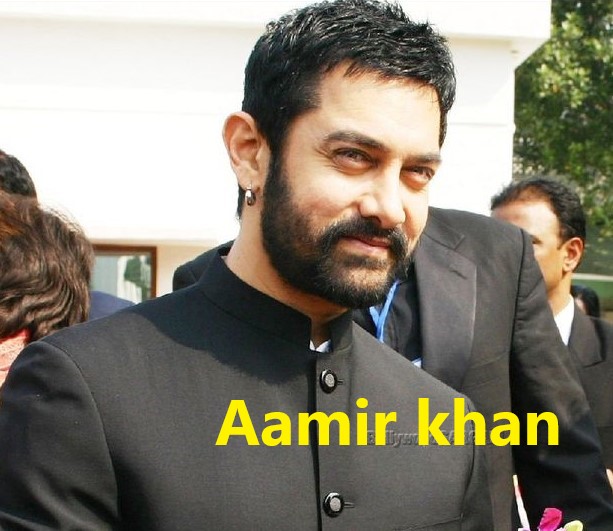
Aamir khan

Ira’s Journey with Agatsu

As the founder and CEO of Agatsu, Ira has dedicated herself to breaking the stigma around mental health in India. The organization offers resources, workshops, and community-driven initiatives to foster emotional well-being. Ira’s own experiences with mental health challenges have been a driving force behind her work, making her advocacy deeply personal and authentic. She has been open about her struggles with anxiety and depression, using her platform to normalize conversations about mental health and encourage others to seek help.

Agatsu, which means “inner strength” in Japanese, reflects Ira’s commitment to empowering individuals to find resilience within themselves. The organization’s initiatives include creative outlets like art and movement therapy, as well as accessible mental health resources for diverse communities. Through Agatsu, Ira has carved out a space where her passion for helping others intersects with her personal growth, proving that her contributions extend far beyond financial metrics.

The Pressure of Privilege

Ira’s candid admission also highlights the unique pressures faced by those born into privilege. As the daughter of one of Bollywood’s most celebrated actors, Ira has grown up in the public eye, with her choices and achievements often scrutinized. The expectation to “prove” oneself can be particularly intense for individuals from high-profile families, where external perceptions of success are often tied to tangible accomplishments or financial independence.

For Ira, the guilt of not earning money was compounded by the awareness of her family’s investment in her education and upbringing. Her vulnerability in sharing these feelings speaks to a broader societal issue: the tendency to judge one’s worth through a narrow lens of productivity or financial output. Her story resonates with countless young adults who feel the weight of expectations—whether from society, family, or themselves—to achieve certain milestones by a certain age.

A Universal Struggle

While Ira’s circumstances are shaped by her unique background, her feelings of inadequacy are universal. Many young people, regardless of their socio-economic status, grapple with questions of purpose and self-worth in their 20s. The pressure to “have it all figured out” can be overwhelming, particularly in an era where social media amplifies comparisons and curated success stories. Ira’s willingness to share her insecurities offers a refreshing counterpoint to the polished narratives often seen in the public sphere, reminding others that self-doubt is a natural part of the journey.

Her story also underscores the importance of redefining success on one’s own terms. For Ira, success lies in the impact she creates through Agatsu and the lives she touches through her advocacy. By prioritizing purpose over profit, she challenges the notion that financial independence is the ultimate marker of achievement.

Moving Forward with Purpose

Ira’s conversation with Aamir and her ongoing work with Agatsu mark a turning point in her journey toward self-acceptance. While the guilt of not earning money may have weighed heavily on her in the past, her father’s guidance and her own commitment to mental health advocacy have helped her find clarity and confidence in her path. Today, Ira continues to lead Agatsu with passion, using her platform to foster meaningful change and support those in need.

Her story is a powerful reminder that self-worth is not defined by external validation or financial success but by the courage to pursue what matters most. By sharing her vulnerabilities, Ira Khan has not only humanized the struggles of young adults but also inspired others to embrace their unique journeys, free from the constraints of societal expectations.

In a world that often equates value with earnings, Ira’s story is a beacon of hope, encouraging us all to redefine success and find strength in our contributions, no matter how they are measured.