AIIMS Awantipora: A ₹2000-Crore Engineering Marvel Set to Transform Healthcare by 2025

AIIMS Awantipora

The All India Institute of Medical Sciences (AIIMS) Awantipora, located in Jammu and Kashmir, represents a monumental leap forward in the region’s healthcare and educational infrastructure. Estimated at a cost of ₹2000 crore and spread across 2000 Kanals of land on a scenic mountain slope, this ambitious project is set to redefine medical services and education in India’s northernmost state. With its intricate design, innovative engineering, and commitment to excellence, AIIMS Awantipora is poised to be both a medical and architectural landmark.

A Glimpse into the Vision

AIIMS Awantipora is part of the central government’s initiative to establish new AIIMS facilities across the country, aimed at decentralising and enhancing healthcare access. The facility in Awantipora is designed to be a state-of-the-art medical institution that will cater to the healthcare needs of the region while also serving as a hub for medical education and research.

The project encompasses a tertiary care hospital with over 700 beds, including 30 Ayush beds, an academic block, a medical college, hostels for nursing students and residents, a faculty block, and additional support infrastructure. These facilities aim to provide comprehensive healthcare services and foster advanced medical education for students from the region and beyond.

The Engineering Feat

The location of AIIMS Awantipora poses unique challenges due to its placement on a mountain slope, with a 600-metre slide adding to the complexity of construction. The site requires extensive piling and the construction of lengthy retainer walls, making it one of the most demanding engineering projects in the region. These features are not only critical for the safety and stability of the structures but also highlight the ingenuity of the engineers involved.

The project’s design includes elaborate access arrangements to ensure smooth connectivity across the vast campus. The incorporation of sustainable practices and advanced construction techniques further underscores the project’s commitment to environmental and structural integrity.

Current Status and Progress

As of now, approximately 60% of the construction work has been completed. This includes significant progress in the hospital building, academic block, and residential infrastructure. The project is being closely monitored to ensure adherence to timelines and quality standards. With the pace of work, it is anticipated that AIIMS Awantipora will become operational by 2025, marking a significant milestone in the region’s healthcare development.

Impact on Healthcare

AIIMS Awantipora is set to transform healthcare in Jammu and Kashmir. The 700-bedded hospital will offer advanced tertiary care services, reducing the dependency on other states for specialised medical treatments. The inclusion of Ayush beds highlights a holistic approach to healthcare, integrating traditional Indian medical practices with modern techniques.

The facility will also house cutting-edge medical equipment and technology, enabling accurate diagnosis and effective treatment. This will not only improve patient outcomes but also position AIIMS Awantipora as a centre of excellence in healthcare delivery.

Boost to Medical Education

The establishment of a medical college within AIIMS Awantipora is another critical component of the project. The college will offer undergraduate and postgraduate programmes in medicine and allied fields, addressing the shortage of medical professionals in the region. The academic block will provide students with access to modern classrooms, laboratories, and research facilities, fostering a culture of innovation and excellence.

Nursing and resident hostels will ensure comfortable accommodation for students, enabling them to focus on their studies and training. The presence of a faculty block will attract top-tier educators and researchers, further elevating the institution’s academic standards.

Economic and Social Benefits

The construction and operation of AIIMS Awantipora are expected to generate significant economic benefits for the region. During the construction phase, the project has created numerous jobs, contributing to the local economy. Once operational, the facility will provide employment opportunities for healthcare professionals, educators, and administrative staff.

The improved healthcare services will also have a ripple effect on the region’s social fabric. Better access to quality healthcare will enhance the overall well-being of the population, reducing morbidity and mortality rates. This, in turn, will contribute to increased productivity and economic growth.

A Step Towards Self-Reliance

AIIMS Awantipora represents a step towards self-reliance in healthcare for Jammu and Kashmir. Currently, many patients from the region travel to other states for specialised treatments, incurring significant costs and inconvenience. The establishment of this facility will address these challenges, offering advanced medical services locally.

Additionally, the focus on medical education and research will create a pipeline of skilled healthcare professionals, reducing the dependency on external resources. This aligns with the broader vision of making India self-sufficient in healthcare and medical education.

Challenges and the Way Forward

Despite the progress, the project faces several challenges. The difficult terrain and harsh weather conditions in the region pose significant hurdles to construction activities. Ensuring timely completion while maintaining quality standards requires meticulous planning and execution.

There is also a need to address potential challenges in staffing and resource allocation once the facility becomes operational. Attracting and retaining top talent will be crucial to the success of AIIMS Awantipora. Collaboration with other institutions and stakeholders will play a vital role in overcoming these challenges.

Looking Ahead

AIIMS Awantipora is more than just a healthcare facility; it is a symbol of progress and hope for the people of Jammu and Kashmir. Its completion will mark a new era in the region’s development, bridging gaps in healthcare and education while fostering economic growth.

As the project moves towards completion, it is essential to maintain the momentum and address any emerging challenges proactively. With the collective efforts of the government, engineers, healthcare professionals, and the local community, AIIMS Awantipora is set to become a beacon of excellence, transforming lives and creating a healthier future for generations to come.

Writer: Sheikh Mohammad Isa

Counter Intelligence Kashmir (CIK) Raids Multiple Locations in Anantnag & Kulgam

Centre Sanctions Rs 827.98 Crore for Pandach-Manigam 4-Lane Highway Project

Delegation from Jammu & Kashmir Mechanical Engineering Graduates Association (JKMEGA) Meets and Welcome J&K’s Deputy Chief Minister 

Young Athlete from Downtown Khanyar Ravees Ahmad from J&K Ready to Represent India on the Global Stage

Kashmir’s Wetlands: The Hidden Paradise We’re Losing Fast!

Wetlands

The wetlands of Kashmir are often referred to as the “lungs” of the region, vital for maintaining the delicate balance of nature in the Himalayan landscape. These water-rich ecosystems, brimming with life and beauty, are among the most captivating yet underappreciated treasures of India. However, rapid urbanisation, pollution, and neglect are threatening to turn this paradise into a wasteland.


Why Kashmir’s Wetlands Matter

Kashmir’s wetlands are not just water bodies; they are thriving ecosystems that play an essential role in environmental health, biodiversity, and human well-being. Key wetlands in the region include Hokersar, Wular Lake, Dal Lake, Haigam, and Shalbugh. These wetlands are interconnected and provide numerous ecological services:

1. Sanctuaries for Wildlife

Kashmir’s wetlands host an incredible variety of flora and fauna. During the harsh winters, they provide refuge to migratory birds from Siberia, Central Asia, and Europe. Species such as the bar-headed goose, northern shoveller, and Eurasian teal flock here, making the wetlands a birdwatcher’s paradise.

2. Natural Water Regulators

Wetlands act like giant sponges, absorbing excess rainwater and reducing the risk of floods. During dry periods, they release stored water, ensuring a steady supply.

3. Economic Lifelines

For centuries, communities living around the wetlands have relied on them for fishing, agriculture, and the harvesting of aquatic plants. The cultivation of nadru (lotus stems) in Wular Lake and Dal Lake is a significant source of income for local farmers.

4. Climate and Carbon Regulators

By trapping carbon dioxide, wetlands help combat climate change. They also stabilise temperatures in the region, maintaining a balance between seasons.


The Hidden Paradise Under Threat

Despite their importance, Kashmir’s wetlands are shrinking at an alarming rate. Studies indicate that over the past few decades, nearly half of the wetland areas in Kashmir have been lost. The reasons are both human and natural, but the consequences are devastating.

1. Urban Encroachments

The expansion of cities like Srinagar has led to the draining and filling of wetlands for construction. Hokersar Wetland, once sprawling over 13.75 square kilometres, has seen its boundaries significantly reduced due to illegal encroachments.

2. Pollution Crisis

Untreated sewage, plastic waste, and agricultural run-off are choking Kashmir’s wetlands. Dal Lake, a crown jewel of the region, is battling severe pollution, threatening its aquatic life and scenic appeal.

3. Climate Change

Erratic rainfall, rising temperatures, and melting glaciers are disrupting the natural hydrology of the wetlands. These changes are altering water levels, impacting both biodiversity and the livelihoods of people dependent on these ecosystems.

4. Unregulated Exploitation

Overfishing, sand extraction, and illegal poaching of migratory birds add to the woes. Such activities disturb the ecological balance and degrade the wetlands further.


The Alarming Impact of Wetland Loss

The destruction of wetlands in Kashmir has far-reaching consequences:

  • Increased Flooding: Without wetlands to absorb excess rainwater, the region becomes more prone to devastating floods, as seen in the 2014 Kashmir floods.
  • Biodiversity Decline: Loss of habitat means fewer migratory birds, fish species, and aquatic plants. This has ripple effects on the entire food chain.
  • Economic Hardships: Communities dependent on fishing, tourism, and agriculture suffer as resources deplete.
  • Worsening Climate Effects: Without wetlands to sequester carbon, the region faces intensified climate change impacts.

What Can Be Done?

Reversing the damage to Kashmir’s wetlands requires urgent and collective action. Here are some key solutions:

1. Strengthen Laws and Policies

Strict enforcement of environmental regulations can prevent illegal encroachments and ensure proper waste management. Designating more wetlands as protected areas is essential.

2. Restore Degraded Wetlands

Rehabilitation projects, such as those undertaken for Wular Lake, can help revive wetlands by removing silt, restoring natural water channels, and replanting aquatic vegetation.

3. Promote Eco-Tourism

Sustainable tourism can generate income while raising awareness about the importance of wetlands. Birdwatching tours and nature walks could help strike a balance between conservation and livelihood.

4. Community Involvement

Engaging local communities in conservation efforts ensures that they benefit from the sustainable use of resources. Education campaigns can also foster a sense of responsibility among residents.

5. Tackle Pollution

Setting up sewage treatment plants and promoting eco-friendly agricultural practices can significantly reduce the pollution burden on wetlands.


Conclusion

Kashmir’s wetlands are more than just water bodies; they are lifelines for the region’s ecology, economy, and culture. Losing them would not only mean the extinction of unique ecosystems but also a direct threat to the survival of millions of people. While the challenges are immense, there is hope if immediate and collective action is taken. By recognising the value of these hidden paradises and working towards their restoration, we can ensure that future generations inherit a thriving Kashmir, brimming with life and natural beauty.

Pahalgam Hotel – Heritage Luxury in the Heart of Kashmir

Constitution Day in India: Celebrating the Soul of Democracy

Sakeena Masood Itoo visits Government Medical College (GMC) Anantnag, Reviews its Functioning

Nizamuddin Bhat Confident Centre Will Honour Promises on J&K Statehood Restoration

Speaker Jammu and Kashmir Legislative Assembly Abdul Rahim Rather leads Constitution Day Celebrations at Assembly Complex Jammu

Constitution Day in India: Celebrating the Soul of Democracy

constitution day of india

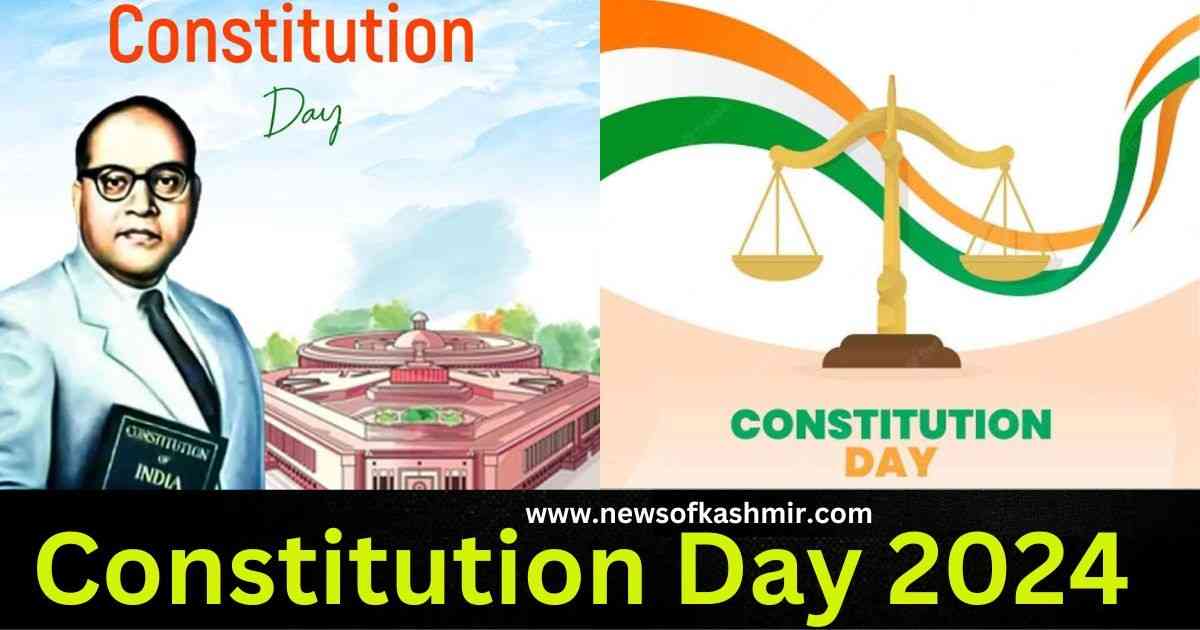
Every year on 26th November, India marks Constitution Day, or Samvidhan Divas, a tribute to the adoption of its revered Constitution in 1949. This day is a celebration of democracy’s triumph and a reminder of the nation’s founding values—justice, liberty, equality, and fraternity. More than a historic milestone, it symbolises the collective will and aspirations of a diverse nation bound by its constitutional ethos.


The Journey to the Indian Constitution

Laying the Foundation

The journey towards India’s Constitution began with the Indian Independence Act of 1947, granting India freedom from British rule. However, the true essence of this freedom required a legal framework to guide the young nation. The task was monumental: to craft a document capable of governing a vast, diverse population and ensuring justice for all.

A Constituent Assembly of 389 members was formed, representing various provinces and princely states. These individuals brought with them diverse perspectives, creating a melting pot of ideas that shaped the nation’s future.

Dr. B.R. Ambedkar: The Architect of Modern India

At the heart of this historic endeavour was Dr. B.R. Ambedkar, a visionary leader and legal scholar who chaired the Drafting Committee. Under his leadership, the committee worked tirelessly, consulting various sources:

  • The Government of India Act of 1935 provided administrative structure.
  • International constitutions like those of the US, UK, and Ireland inspired features like fundamental rights and federalism.
  • Ancient Indian legal traditions lent depth and relevance to the document.

After nearly three years of deliberations—across 11 sessions and 165 meetings—the Constitution was finalised. On 26th November 1949, it was adopted, with 26th January 1950 chosen as the day it came into effect.


Key Pillars of the Indian Constitution

India’s Constitution, the world’s longest written Constitution, is a comprehensive blueprint for governance. Here are its key features:

1. Fundamental Rights

Every citizen enjoys essential freedoms, such as the right to equality, freedom of speech, and protection against discrimination. These rights empower individuals while ensuring a harmonious society.

2. Directive Principles of State Policy

These principles guide the state in promoting welfare, ensuring social and economic justice, and achieving a fair distribution of resources.

3. Fundamental Duties

Citizens are encouraged to contribute to the nation’s development by respecting its ideals, protecting the environment, and promoting unity.

4. Parliamentary System

India follows a parliamentary system where the legislature holds supreme authority. This ensures accountability and representation.

5. Federal Structure

Power is divided between the central and state governments, maintaining balance and accommodating regional diversity.

6. Secularism

The Constitution ensures freedom of religion and prohibits discrimination based on faith, upholding India’s pluralistic ethos.


Why Constitution Day Matters

A Beacon of Democratic Values

Constitution Day is more than a historical observance. It reminds us of the principles that form the bedrock of India’s democracy:

  • Empowerment through Rights: Fundamental rights enshrine individual freedoms and dignity.
  • Unity in Diversity: The Constitution unites over 1.4 billion people, celebrating diversity while fostering unity.
  • Social Justice: It guarantees equality for marginalised sections, striving to bridge social and economic gaps.
  • Rule of Law: The Constitution establishes that no one is above the law, ensuring fairness for all.

Inspiration for Generations

This day encourages citizens to reflect on their role in upholding constitutional values. From students to policymakers, it inspires every Indian to contribute to the nation’s progress.


Celebrating Constitution Day

Across India, 26th November is observed with great enthusiasm and reverence.

Educational Initiatives

  • Schools and colleges organise activities such as debates, quizzes, and essay competitions to spread awareness about the Constitution’s significance.
  • Seminars and lectures by legal experts delve into constitutional principles and their application.

Government Programmes

  • The President, Prime Minister, and other dignitaries often lead commemorative events.
  • Parliament holds special sessions to honour the Constitution’s legacy.

Community Engagement

From cultural performances to community dialogues, local events bring people together to celebrate this monumental day.


Challenges to Constitutional Values

While the Constitution has stood the test of time, it faces challenges that must be addressed to preserve its integrity:

1. Political Polarisation

Rising political divisions risk undermining the spirit of unity and compromise enshrined in the Constitution.

2. Institutional Integrity

The erosion of impartiality in key institutions, such as the judiciary and election bodies, threatens democratic processes.

3. Social and Economic Inequality

Persistent disparities in wealth and opportunities challenge the Constitution’s promise of equality and social justice.

4. Environmental Concerns

Environmental degradation affects fundamental rights like access to clean air and water, highlighting the need for sustainable policies.

5. Intolerance and Extremism

Growing intolerance undermines the Constitution’s secular ideals, endangering social harmony.


The Way Forward

Renewing Our Commitment

Constitution Day is a call to action. It urges citizens and leaders alike to recommit to the principles that define India. Some steps include:

  • Promoting Awareness: Educating citizens about their rights and responsibilities.
  • Strengthening Institutions: Ensuring the independence of democratic institutions.
  • Upholding Secularism: Embracing diversity and promoting tolerance.
  • Bridging Inequalities: Addressing economic and social disparities with inclusive policies.

Conclusion

Constitution Day is a tribute to the resilience, vision, and determination of those who shaped modern India. It is a day to celebrate not just a document but a living, breathing framework that guides the nation towards its ideals.

As India continues to evolve, the Constitution remains its guiding light, ensuring justice, liberty, equality, and fraternity for all. By upholding these values, each citizen contributes to the nation’s legacy of democracy and unity.

Let us honour this day with pride and resolve, pledging to protect the Constitution for generations to come.

Mehbooba Mufti Highlights Threats to Minority Rights on Constitution Day

Four Players from Jammu and Kashmir Shine in IPL 2025 Auction Held in Saudi Arabia

Two-Day Training Programme on Risk Mitigation and Technology Management Begins at DARS Rangreth under the auspices of SKUAST-Kashmir

The Rising Hepatitis A Cases in Kashmir: A Deep Dive into Causes, Challenges, and Solutions

Kashmir has witnessed an alarming rise in Hepatitis A cases, particularly in regions with insufficient sanitation and compromised water supply systems

In recent years, Kashmir has witnessed an alarming rise in Hepatitis A cases, particularly in regions with insufficient sanitation and compromised water supply systems. Reports from Children’s Hospital in Srinagar and other medical facilities indicate a concerning pattern, with a marked increase in cases during specific periods, such as the warmer months and following heavy rainfall. This article delves into the reasons behind this surge, the challenges faced by health officials, and the measures needed to combat this pressing issue.


Understanding Hepatitis A

Hepatitis A is a highly contagious viral infection that primarily affects the liver. Caused by the Hepatitis A virus (HAV), it is usually transmitted through the faecal-oral route, often linked to contaminated water or food. The infection can cause a variety of symptoms, including:

  • Jaundice (yellowing of the skin and eyes).
  • Fatigue and generalised weakness.
  • Fever and chills.
  • Abdominal pain, often in the upper right region.
  • Loss of appetite, nausea, and vomiting.

Though most cases resolve on their own without requiring hospitalisation, severe cases can lead to liver complications, especially in individuals with pre-existing health conditions.


A Worrying Surge in Kashmir

Over the past several months, the valley’s largest paediatric healthcare facility, Children’s Hospital Srinagar, has reported an increasing number of Hepatitis A cases. Senior doctors revealed that in September and October alone, over 130 cases were registered, with additional cases recorded earlier in the summer months of June and July.

This uptick is not isolated. In February 2024, the villages of Pahnoo, Trenz, and Nadigam in South Kashmir’s Shopian district faced a Hepatitis A outbreak. Out of over 1,000 residents screened, 10 individuals, including teenagers, tested positive.


Root Causes of the Hepatitis A Spike

Health experts have attributed the rise in cases to several critical factors, primarily related to hygiene and infrastructure deficits:

1. Contaminated Water Supplies

Unsafe drinking water remains one of the leading causes of Hepatitis A outbreaks in rural and semi-urban areas of Kashmir. Many residents rely on untreated water sources such as streams or poorly maintained public water systems, which are often contaminated by sewage or industrial waste.

Despite regular water testing by the Public Health Engineering (PHE) Department, failures in maintaining clean water supply have been reported. Testing laboratories are being upgraded, but not all have achieved accreditation, highlighting gaps in water quality assurance.

2. Inadequate Sanitation Infrastructure

Improper sewage disposal and the lack of basic sanitation facilities in many parts of Kashmir exacerbate the problem. Open defecation, poor drainage systems, and unregulated dumping of waste create conditions ripe for the spread of waterborne diseases like Hepatitis A.

3. Limited Public Awareness

A lack of awareness about basic hygiene practices further fuels the spread of the virus. Many residents are unaware of the importance of boiling water, proper handwashing techniques, or avoiding potentially contaminated food and drinks.

4. Seasonal Vulnerabilities

Hepatitis A cases tend to rise during the warmer months, as higher temperatures create ideal conditions for the virus to thrive in stagnant or contaminated water supplies. Flooding during monsoon seasons also contributes to contamination.


Impact on Children and Vulnerable Populations

Children are particularly susceptible to Hepatitis A, as they often come into contact with unclean environments and may lack the immune defences to combat the virus effectively. Paediatricians have highlighted that many young patients require careful monitoring to prevent complications.

In August 2023, for instance, Riyar village in Budgam witnessed the tragic death of a 10-year-old boy due to jaundice, which was later linked to Hepatitis A. Such incidents underscore the urgent need for intervention.


Challenges in Managing the Crisis

Despite efforts by healthcare providers and public health authorities, several challenges hinder effective management of the Hepatitis A outbreaks in Kashmir:

1. Insufficient Healthcare Resources

Many healthcare facilities in rural areas lack the resources, staff, and equipment needed to manage outbreaks effectively. This forces residents to travel long distances for treatment, often delaying timely medical intervention.

2. Gaps in Water Testing and Quality Control

Although the PHE Department claims regular water testing is conducted, past reports of contaminated water samples raise concerns about the consistency and effectiveness of these measures. Upgrading testing labs and ensuring accreditation are steps in the right direction, but progress has been slow.

3. Delayed Public Health Responses

Outbreaks such as those in Shopian and Bandipora highlight the need for rapid response systems. Delays in identifying and addressing contamination sources allow diseases like Hepatitis A to spread unchecked.

4. Climate and Geographical Factors

The unique climate and topography of Kashmir exacerbate waterborne disease risks. Heavy rains and melting snow frequently lead to water contamination, while remote villages remain difficult to reach for health campaigns.


The Broader Context: Waterborne Diseases in Kashmir

Hepatitis A is not the only waterborne disease plaguing the region. In November 2024, several villages in Bandipora district reported typhoid outbreaks, again linked to contaminated water. Such recurring incidents point to systemic issues in water management and public health.

Historically, districts like Kulgam, Budgam, and Srinagar have reported multiple cases of Hepatitis A, B, and C during winter months, when water supply systems are particularly vulnerable to contamination.


Preventing Hepatitis A: A Multifaceted Approach

Addressing the rise in Hepatitis A cases requires coordinated efforts at multiple levels. The following strategies could significantly reduce the burden of the disease:

1. Improving Water Supply Systems

Ensuring access to safe and clean drinking water is paramount. This includes:

  • Upgrading water treatment plants and pipelines.
  • Regular maintenance and chlorination of public water supplies.
  • Expanding the reach of accredited water testing laboratories.

2. Enhancing Sanitation Infrastructure

Investments in proper sewage disposal systems, waste management, and drainage improvements are essential to prevent contamination of water sources.

3. Raising Public Awareness

Public health campaigns focusing on hygiene, sanitation, and safe water practices are critical. These campaigns should include:

  • Promoting handwashing with soap.
  • Educating communities about boiling water before consumption.
  • Disseminating information about the benefits of Hepatitis A vaccination.

4. Strengthening Healthcare Systems

Equipping hospitals and clinics with the necessary resources to handle outbreaks efficiently is crucial. This includes providing training for healthcare workers to detect and manage Hepatitis A cases promptly.

5. Implementing Vaccination Programmes

While not yet part of routine immunisation schedules in India, Hepatitis A vaccination can significantly reduce the incidence of the disease. Targeted vaccination drives in high-risk areas could be a game-changer.


Conclusion

The rise in Hepatitis A cases in Kashmir serves as a stark reminder of the region’s pressing public health challenges. Poor sanitation, contaminated water supplies, and limited awareness have left many residents, especially children, vulnerable to this preventable disease.

To tackle the issue, a holistic approach involving government agencies, healthcare providers, and local communities is essential. By addressing the root causes and improving public health infrastructure, Kashmir can move towards a future where outbreaks of diseases like Hepatitis A become a rarity rather than a recurring concern.

(Writen by Health Expert and Columnist: Sheikh Mohammad Gazali)

Economic Challenges and Rising Costs Force Kashmiris to Reconsider Hajj Dreams

I-League 2024-25: Real Kashmir open account with win against Rajasthan United

Terrorist Hideout Busted in Mughalpora Kremhora area Handwara, Ammunition & explosives Recovered

Woman Delivers Baby on snow-Covered Road in Chontiwari Payeen Machil Kupwara

Economic Challenges and Rising Costs Force Kashmiris to Reconsider Hajj Dreams

Hajj Dreams

The sacred journey of Hajj, a cherished dream for many Muslims, is becoming increasingly difficult for residents of Jammu and Kashmir due to surging costs and economic challenges. Here are the key aspects of this issue:


1. Dreams Dashed by Financial Constraints

Many Kashmiris are struggling to fulfil their long-held aspirations of performing Hajj due to the rising costs. For retired individuals and those with limited savings, the expenses have become insurmountable.


2. Costs Skyrocket to Unaffordable Levels

The total cost for one person to perform Hajj has now reached ₹4.5 lakh. For couples, this means an expenditure nearing ₹9 lakh, which is beyond the reach of many middle-class families.


3. Decline in Applications for Hajj

For the first time in 22 years, the Jammu and Kashmir Hajj Committee received fewer applications than the allocated quota of 7,900. Only 4,300 applications were submitted, with 700 applicants later withdrawing.


4. Inflation’s Heavy Toll

Inflation has significantly impacted household budgets, leaving people with little room for discretionary spending. Prioritising daily needs over religious obligations has become unavoidable for many families.


5. Changing Priorities Among Young Couples

While young couples previously made up a large portion of Hajj pilgrims, they now face the dual challenges of managing family expenses and dealing with economic uncertainty.


6. The Impact on Private Hajj Operators

Hajj and Umrah services, a flourishing industry in Kashmir, are now witnessing a 75% decline in business. Operators are struggling to cope with the reduced demand caused by rising costs and limited income sources.


7. Unemployment and Limited Income Sources

Unemployment and shrinking economic opportunities in the region have further constrained people’s ability to save for Hajj. This financial instability has forced many to put their dreams on hold.


8. Weather Challenges and Changing Preferences

The extreme heat during Hajj in Saudi Arabia has also deterred some pilgrims. Many now prefer to perform Umrah during winter, which is not only more affordable but also easier to endure physically.


9. Public Concerns Over Poor Arrangements

Last year’s incidents, where over 100 pilgrims died due to extreme heat and poor arrangements, including 10 from Kashmir, have also contributed to hesitancy among prospective pilgrims.


10. Income Growth Fails to Keep Pace with Inflation

Despite an increase in the average annual income in Jammu and Kashmir from ₹51,000 in 2012 to ₹1.42 lakh in 2023, the gap between income and rising costs remains significant. This disparity has led to an increasing number of people avoiding large expenses like HajjIn Srinagar, a man who retired from a government job last year and had hoped to go on Hajj decided to withdraw his application, citing his inability to afford the high costs.

Speaking on condition of anonymity, he shared, “I have two daughters. When I learned that the cost for my wife and me to perform Hajj was ₹9 lakh, I started worrying about our daughters’ future. Hajj was our dream, but the soaring expenses have made it impossible.”

The Chief Executive Officer of the Jammu and Kashmir State Hajj Committee, Dr Shujaat Qureshi, explained that for the first time in 22 years, there was no need for a lottery. Out of a quota of 7,900, the committee only received 4,300 applications, and of those, 700 applicants withdrew their forms. He said, “In these times of inflation, spending ₹4.5 lakh per person is extremely challenging.”

Over the past two decades, the number of people from Kashmir performing Hajj had been steadily rising, with a significant proportion being young couples. This growth also led to the establishment of many travel agencies specialising in Hajj and Umrah services.

Sheikh Feroz, the head of the Jammu and Kashmir Association of Hajj and Umrah Services, noted that the primary reason for the decline in pilgrims is inflation, which has forced people to change their priorities. He stated, “The private sector now treats Hajj and Umrah as a proper industry worth up to ₹1,000 crore. However, this year, operators have experienced a 75% drop in business.”

He added, “Apart from inflation, limited income sources and rising unemployment are also factors. People are reluctantly setting aside their lifelong dream of performing Hajj to focus on basic necessities.”

Pervaiz Butt, the owner of a private Hajj services company, Dubai International, said the drop in demand had been gradual but reached alarming levels this year. “On the surface, inflation seems to be the main reason, but we suspect there may be other factors. We are trying to understand them better.”

Economist Ijaz Ayoub highlighted that inflation and decreasing savings are fundamental issues. Additionally, he mentioned that the extreme heat in Saudi Arabia in recent years has deterred some people from performing Hajj, as many now prefer to perform Umrah in winter when the weather is milder. He added, “While Hajj costs ₹4.5 lakh per person, Umrah costs only ₹1.25 lakh, making it a more affordable option.”

Last year, public anger arose against India’s Central Hajj Committee due to poor arrangements, with over 100 pilgrims losing their lives during the extreme heat, including 10 from Kashmir.

However, Ijaz Ayoub dismissed the idea that last year’s tragedy was the sole reason for the decline in demand. “Those who died were with the government committee. If this was the reason, people would have opted for private operators instead, who charge more but provide better services. But that hasn’t happened.”

He also mentioned that while the average annual income in Jammu and Kashmir increased from ₹51,000 in 2012 to ₹1.42 lakh this year, it has not kept pace with the rate of inflation. “This disparity is why people are now avoiding large expenses wherever possible,” he concluded.

Conclusion

The dream of performing Hajj is slipping away for many Kashmiris as inflation and economic hardships take their toll. While some are turning to alternatives like Umrah, others are postponing their plans indefinitely, prioritising essential needs over spiritual aspirations.

(“The BBC Radio website was also referenced during the writing of this article.”)

Renovation of Jawahar Tunnel Nears Completion

Gurez-Bandipora Road in North Kashmir Shuts For Traffic Due to Snowfall 

Security Forces Conduct Search Operation in Sidhra Jammu After Reports of Suspected

Doctor’s Unauthorized Absence at Community Health Centre Trauma Hospital Pattan sparks public outrage

Jammu and Kashmir Power Development Department (PDD) to Announce New Winter Power Curtailment Schedule Soon

US Charges Adani Group Executives in Alleged Fraud and Bribery Scandal

Gautom Adani

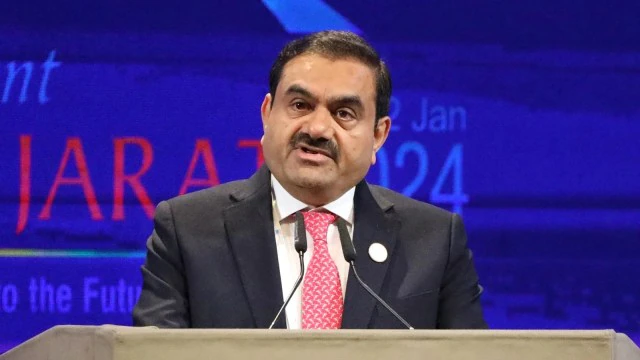
The unsealing of a five-count criminal indictment by the United States District Court for the Eastern District of New York has sent shockwaves across global financial and corporate communities. Prominent Indian industrialist Gautam Adani, Chairman of the Adani Group, along with key executives Sagar R. Adani and Vneet S. Jaain, has been charged with conspiracies involving securities fraud, wire fraud, and bribery. The allegations paint a troubling picture of corruption and deceit that has already begun to damage Gautam Adani’s image, not just within India but on a global scale.

The Allegations

According to the U.S. Attorney’s Office, the defendants orchestrated a complex scheme to mislead U.S. and international investors while allegedly bribing Indian government officials to secure lucrative contracts. The indictment also accuses other individuals, including Ranjit Gupta and Rupesh Agarwal—former executives of a renewable energy company—and employees of a Canadian institutional investor, of violating the Foreign Corrupt Practices Act.

The charges extend beyond financial fraud to include obstruction of investigations conducted by the FBI, the Department of Justice (DOJ), and the Securities and Exchange Commission (SEC). Prosecutors allege that false and misleading statements were made to obtain billions of dollars from U.S. investors, undermining the integrity of international markets.

The Fallout for Gautam Adani’s Global Image

Reputation as a Business Leader

Gautam Adani, once celebrated as a visionary industrialist who played a pivotal role in transforming India’s infrastructure landscape, now finds his reputation under severe strain. His success story, often cited as an example of India’s entrepreneurial spirit, is now overshadowed by allegations of corruption and fraud. The charges cast doubt on the ethics and transparency of his business empire, which has a significant presence in sectors such as energy, logistics, and infrastructure.

Impact on Global Partnerships

The Adani Group has attracted significant international investments over the years, including partnerships with global financial institutions and multinational corporations. However, the unsealed indictment raises questions about the group’s governance practices and compliance with international laws. Potential investors may now view the Adani Group with caution, and existing partnerships could be reassessed or even dissolved.

Damaged Credibility in Financial Markets

The Adani Group’s credibility in financial markets is another casualty of this scandal. With accusations of defrauding U.S. investors, the group could face scrutiny from stock exchanges and regulatory bodies worldwide. This could lead to restricted access to international capital, higher borrowing costs, and a potential decline in stock valuations. For a conglomerate that relies heavily on debt to fund its ambitious projects, this could be a significant setback.

Global Media Scrutiny

The indictment has also drawn extensive media attention globally. Prominent outlets have highlighted the allegations, putting the Adani name under an unflattering spotlight. Negative press coverage can erode trust among stakeholders, including investors, customers, and partners. For a group with a substantial global footprint, this could translate into reduced influence and opportunities.

Broader Implications for India Inc.

The allegations against Gautam Adani and his associates extend beyond the individual and the Adani Group; they raise concerns about the broader reputation of Indian businesses. India has been striving to attract foreign investment by showcasing itself as a destination for ethical and transparent business practices. Cases like this could tarnish that image, leading to increased scepticism from global investors about engaging with Indian firms.

Legal and Financial Repercussions

Legal Battle Ahead

The defendants, including Gautam Adani, maintain their innocence and are presumed innocent unless proven guilty. However, the legal process in the United States could be protracted and costly. A conviction could result in hefty fines, potential jail terms for the individuals involved, and significant reputational damage to the Adani Group.

Financial Consequences

The charges may also have direct financial repercussions. The group could face penalties from U.S. regulators and lawsuits from investors who feel deceived. Additionally, if convicted, the Adani Group might be barred from raising capital in the U.S. or participating in global financial markets, which could cripple its growth plans.

Public and Political Reaction

Public Sentiment in India

Back home in India, public opinion is divided. While some continue to support Gautam Adani, viewing the allegations as politically motivated, others see the charges as a confirmation of long-standing suspicions about the group’s dealings. The case has reignited debates about corporate governance and the need for stricter regulations in India.

Political Ramifications

The case has also created ripples in India’s political landscape. Gautam Adani is often seen as a close associate of the Indian government, and opposition parties have seized the opportunity to question the government’s stance on corporate accountability. This could lead to increased regulatory scrutiny of large Indian conglomerates.

The Road Ahead for the Adani Group

To recover from this scandal, the Adani Group will need to demonstrate transparency and accountability. This may include hiring independent auditors, cooperating fully with investigations, and implementing robust compliance mechanisms. However, rebuilding trust in global markets will take time and consistent effort.

Conclusion

The unsealing of criminal charges against Gautam Adani and other executives marks a watershed moment in the Adani Group’s history. The allegations have not only tarnished Gautam Adani’s personal reputation but have also raised serious questions about the group’s governance and business ethics. On a global level, the case has eroded trust in the Adani brand, posing significant challenges to its future growth and influence.

As the legal proceedings unfold, the case will serve as a litmus test for corporate accountability and transparency, not just for the Adani Group but for the broader Indian business ecosystem. Whether Gautam Adani can reclaim his standing as a global industrial leader remains uncertain, but the damage to his image and the Adani Group’s reputation is undeniable.

Gautam Adani is a prominent Indian industrialist and billionaire businessman, widely recognised as the Chairman and Founder of the Adani Group. Born on 24 June 1962 in Ahmedabad, Gujarat, Adani has become one of the most influential figures in the global business landscape, with his conglomerate spanning diverse sectors such as energy, infrastructure, logistics, and agriculture.

Early Life and Career

Gautam Adani grew up in a middle-class Jain family. His father was a textile merchant, but Adani had little interest in joining the family business. After completing his schooling in Ahmedabad, he enrolled in Gujarat University to study commerce but dropped out in his second year. Driven by entrepreneurial aspirations, he moved to Mumbai in the late 1970s, where he worked briefly in the diamond trading business.

His first significant entrepreneurial venture came in 1988, when he established Adani Exports Limited (now Adani Enterprises), focusing on commodity trading. This marked the beginning of his journey to build one of India’s largest business conglomerates.

Adani Group

Under his leadership, the Adani Group has grown into a multinational conglomerate with interests in key industries:

  • Energy: A leading player in coal trading, coal mining, renewable energy, and power generation.
  • Infrastructure: Operates ports, airports, and logistics parks, making it a crucial player in India’s infrastructure development.
  • Agriculture: Involved in agro-processing and storage.
  • Defence and Aerospace: Expanding into strategic sectors like defence manufacturing.

The group’s flagship project, Mundra Port in Gujarat, is India’s largest commercial port and a key milestone in Adani’s career.

Wealth and Global Recognition

Adani has been listed among the world’s richest individuals. His wealth surged dramatically in the 2020s due to the expansion of his businesses and his focus on renewable energy and infrastructure projects. At his peak, he was ranked as one of the top three richest people globally.

Controversies and Criticism

Gautam Adani’s rise has not been without controversy. He has faced criticism for:

  1. Environmental Concerns: Projects like coal mining and port developments have drawn backlash for their environmental impact.
  2. Debt Levels: The Adani Group’s growth has been funded largely through debt, raising concerns about financial stability.
  3. Political Connections: Adani’s perceived close ties with the Indian government, particularly Prime Minister Narendra Modi, have sparked allegations of preferential treatment.

The recent unsealing of criminal charges in the United States, accusing him and his executives of fraud and bribery, marks one of the most significant challenges to his reputation.

Philanthropy

Despite controversies, Gautam Adani has also contributed to philanthropy through the Adani Foundation, which works in education, health, and rural development. In 2022, he pledged to donate $7.7 billion to charitable causes, marking his commitment to social development.

Conclusion

Gautam Adani is a self-made billionaire whose influence extends across industries and geographies. While he is celebrated for his contributions to India’s infrastructure and economic growth, his career has also been marked by challenges and controversies. Whether admired or criticised, there’s no denying that Adani is one of the most impactful and debated figures in modern business.

Blaming PDP Won’t Erase NC’s Historic Betrayals: Waheed Para

CM Omar Abdullah Calls For Focus on Agriculture Varsities to Tackle Climate Change

Over 350 Projects Approved under J&K film Policy: Commissioner Secretary Tourism Secretary

Anantnag youth Sharafat Ahmad Khan killed, His Brother injured in Punjab Road Accident

Kashmir Welfare Trust Provides Aid to Rainawari Fire Victims: Manzoor Wangnoo Chairman of Kashmir Welfare Trust

Urgent Appeal for Reconsideration of the Professor Extension Policy at the University of Kashmir

Open Letter to Omar Abdullah,

Hon’ble Omar Abdullah Sb
Chief Minister’s Secretariat,
Civil Secretariat Srinagar,
Jammu and Kashmir.

Subject: Reconsideration of the Professor Extension Policy at the University of Kashmir

Respected Sir,

I hope this letter finds you in good health and high spirits. My name is Dr Mehraj Ud Din Nadvi, and I am writing to express my heartfelt concerns regarding a policy at the University of Kashmir that significantly impacts the future of the youth in Jammu and Kashmir.

Currently, a regulation allows professors in various disciplines to extend their service from six months to three years after retirement. While I deeply respect the wisdom and experience that seasoned educators bring, this policy raises serious concerns about the opportunities available to the young, talented, and ambitious individuals of our region.

Jammu and Kashmir is home to countless capable young men and women, brimming with enthusiasm and eager to contribute to society. These individuals have devoted years to acquiring education and honing their skills, equipping themselves to make valuable contributions to our community. However, the extension of service for retired professors at the University of Kashmir restricts their opportunities, depriving them of the chance to secure positions where they can meaningfully contribute to the progress and development of our society.

In today’s fast-changing world, where fresh ideas and perspectives are essential, it is crucial to prioritise the employment of our youth. Extending the tenures of retired professors risks marginalising the very talent that has the potential to revitalise our institutions and propel our society forward.

As representatives of the unemployed youth of Jammu and Kashmir, we respectfully urge you to reconsider this policy. Continuing it only perpetuates a cycle of underemployment that stifles the aspirations of young scholars and limits their prospects. Instead, we must create avenues for them to thrive, enabling their talents to flourish and enrich our community.

Thank you for your attention to this pressing matter. We have full confidence in your leadership and commitment to building a brighter future for all, where the young scholars of the University of Kashmir are afforded the opportunities they rightfully deserve.

With utmost respect,
Dr Mehraj Ud Din Nadvi
Aspirant for Assistant Professor
University of Kashmir


Ms Sakeena Masood (Itoo)
Hon’ble Minister for Health, Medical Education, School Education, Higher Education, and Social Welfare Departments,
R. No. 509, 5th Floor, Civil Secretariat,
Srinagar-190001

Subject: Reconsideration of the Professor Extension Policy at the University of Kashmir

Respected Madam,

I hope this letter finds you in good health and high spirits. My name is Dr Mehraj Ud Din Nadvi, and I am writing to express my heartfelt concerns regarding a policy at the University of Kashmir that significantly impacts the future of the youth in Jammu and Kashmir.

Currently, a regulation allows professors in various disciplines to extend their service from six months to three years after retirement. While I deeply respect the wisdom and experience that seasoned educators bring, this policy raises serious concerns about the opportunities available to the young, talented, and ambitious individuals of our region.

Jammu and Kashmir is home to countless capable young men and women, brimming with enthusiasm and eager to contribute to society. These individuals have devoted years to acquiring education and honing their skills, equipping themselves to make valuable contributions to our community. However, the extension of service for retired professors at the University of Kashmir restricts their opportunities, depriving them of the chance to secure positions where they can meaningfully contribute to the progress and development of our society.

In today’s fast-changing world, where fresh ideas and perspectives are essential, it is crucial to prioritise the employment of our youth. Extending the tenures of retired professors risks marginalising the very talent that has the potential to revitalise our institutions and propel our society forward.

As representatives of the unemployed youth of Jammu and Kashmir, we respectfully urge you to reconsider this policy. Continuing it only perpetuates a cycle of underemployment that stifles the aspirations of young scholars and limits their prospects. Instead, we must create avenues for them to thrive, enabling their talents to flourish and enrich our community.

Thank you for your attention to this pressing matter. We have full confidence in your leadership and commitment to building a brighter future for all, where the young scholars of the University of Kashmir are afforded the opportunities they rightfully deserve.

With utmost respect,
Dr Mehraj Ud Din Nadvi
Aspirant for Assistant Professor
University of Kashmir

You Might Also Like:

Fire Breaks out in Government Middle School Samnoo at South Kashmir’s Kulgam

War Against Drug: Anantnag Police Attach Rs 1.5 Crore Property of Drug Peddler Afroz Ahmad Bhat (Khreibal) Under NDPS Act

Tanvir Sadiq Inspires Future of J&K Sports at Kashmir Grassroots Football Academy U-15 Tournament in Srinagar

Department of Information and Public Relations Cultural Unit Kashmir stages ‘Say No to Drugs’ Nukkad Natak at Polo View Market Srinaga

National Confrence is Reaffirmed its Commitment to Fulfill all Promises: chief Spokesperson Tanvir Sadiq

Indus Water Treaty: Sustaining Cooperation Amidst Challenges in South Asia

Indus Water Treaty

The Indus Water Treaty (IWT), signed in 1960, stands as one of the most significant water-sharing agreements in the world. Facilitated by the World Bank, it was a landmark accord between India and Pakistan aimed at resolving disputes over water distribution from the Indus River and its tributaries. Despite the historical animosity and conflicts between the two nations, this treaty has been a testament to cooperation, maintaining relative peace over shared water resources for more than six decades. This article delves into the treaty’s history, provisions, impacts, challenges, and future outlook.

1. Historical Background

The roots of the Indus Water Treaty date back to the Partition of British India in 1947. The division of the subcontinent created two separate nations, India and Pakistan, with the new international boundary cutting across the Indus River system. This partition created uncertainty over water rights, as the headworks of the major canals feeding into Pakistan were situated in India.

Initially, a temporary agreement was reached in 1948. However, tensions rose when India, citing its upstream position, cut off water supplies to Pakistan in the same year, leading to significant disruptions in agricultural practices in Pakistan’s Punjab region. This prompted years of negotiations under the aegis of the World Bank, culminating in the signing of the Indus Water Treaty on September 19, 1960, by then Indian Prime Minister Jawaharlal Nehru and Pakistani President Ayub Khan.

2. Provisions of the Indus Water Treaty

The treaty divides the rivers of the Indus Basin into two categories:

  • Western Rivers: The Indus, Jhelum, and Chenab
  • Eastern Rivers: The Ravi, Beas, and Sutlej

Key Provisions:

  • Water Allocation: The treaty allocates the waters of the three western rivers (Indus, Jhelum, and Chenab) primarily to Pakistan, while India is permitted to use their waters for limited non-consumptive needs such as irrigation and hydroelectric projects. Conversely, India has full rights over the three eastern rivers (Ravi, Beas, and Sutlej).
  • Usage Rights: The agreement allows India to use the water of the western rivers for purposes such as navigation, storage, and power generation, provided it does not impede the flow into Pakistan beyond certain defined limits.
  • Monitoring Mechanisms: The Permanent Indus Commission (PIC) was established to oversee the treaty’s implementation and address any issues. It comprises one commissioner from each country and meets annually or more frequently as required.
  • Dispute Resolution: The treaty lays out a three-tiered mechanism for resolving disputes: first through bilateral discussions via the PIC, followed by referral to a neutral expert if needed, and finally, arbitration by a court if bilateral and neutral expert solutions fail.

3. Benefits and Achievements

a. Sustained Peace:

Despite the numerous conflicts and wars between India and Pakistan, the IWT has survived as a symbol of peaceful cooperation. It has remained intact even during the most strained political climates, underscoring the importance of shared water resources in fostering stability.

b. Economic Support:

The agreement has allowed both nations to develop and sustain agriculture and energy production. Pakistan, being an agrarian economy, relies heavily on the Indus River system to irrigate its vast plains. For India, the treaty permits the development of hydropower projects on the western rivers, crucial for electricity generation, particularly in the northern states like Jammu and Kashmir.

c. Cooperative Framework:

The Permanent Indus Commission provides a platform for dialogue and resolution of issues that may arise, helping to prevent misunderstandings from escalating into major disputes. Over the years, the commission has facilitated the sharing of technical data and promoted transparency between the two nations.

4. Challenges and Criticisms

Despite its durability, the Indus Water Treaty has not been without its challenges. Both nations have, at times, expressed dissatisfaction with aspects of the treaty and how it is implemented.

a. Disputes Over Water Projects:

India’s development of hydroelectric projects on the western rivers has been a major point of contention for Pakistan. Projects like the Kishanganga and Ratle dams have led to accusations from Pakistan that India is violating the treaty’s terms by altering the flow of water downstream. While India maintains that its projects are within the treaty’s provisions, such disagreements have often required the intervention of neutral experts and international arbitrators.

b. Growing Water Scarcity:

The treaty was drafted in an era when water availability was not as pressured as it is today. Climate change, population growth, and increasing water usage have amplified water scarcity concerns in both nations. This has added strain to the treaty, as both sides face the challenge of meeting their domestic water needs.

c. Infrastructure and Management:

Pakistan has criticized the limitations on its ability to construct dams and reservoirs on the western rivers, which hinders its capacity to store water during periods of excess flow. This inadequacy leaves the country vulnerable to both floods during monsoon seasons and water shortages during dry spells.

5. Environmental Impact

While the IWT has been largely successful in maintaining peace, it has had certain environmental repercussions:

  • Ecosystem Stress: The focus on water distribution has, at times, led to neglecting the health of the river ecosystem. Overexploitation and changing flow patterns have affected fish populations and wetland ecosystems that depend on consistent water flow.
  • Siltation Issues: Pakistan’s reliance on irrigation from the Indus River system has led to significant silt deposition in its canal systems, reducing their efficiency and necessitating continuous dredging and maintenance.

6. Recent Developments and Proposals for Revisions

Given the evolving geopolitical and environmental landscape, there have been discussions about revisiting the treaty’s provisions:

  • Calls for Modernisation: Analysts have suggested updating the treaty to reflect current realities, including provisions for addressing climate change impacts, enhanced water storage capacities, and more robust data-sharing mechanisms.
  • Political Rhetoric: At times, political leaders in India have suggested using water as a pressure tactic during periods of heightened tensions with Pakistan. This rhetoric, while not translating into direct action, raises concerns about the treaty’s future viability.

7. Case Study: The Kishanganga Dispute

The Kishanganga Hydroelectric Project in Jammu & Kashmir, constructed by India, was one of the significant disputes that tested the treaty’s resilience. Pakistan argued that the diversion of water for the project would reduce the flow of the Kishanganga (known as the Neelum River in Pakistan) into its territory, affecting agriculture and power generation downstream. The case was referred to the Court of Arbitration at The Hague, which ruled in 2013 that India could proceed with the project but had to ensure a minimum flow of water into Pakistan.

This case underscored the complexity of balancing developmental needs with treaty obligations and highlighted the role of international arbitration in upholding the treaty’s principles.

8. Future Outlook

a. Cooperation and Adaptation:

As both nations continue to face increasing water challenges, cooperation is key. Experts suggest that enhanced collaboration on joint water management, data sharing, and sustainable practices could improve the situation.

b. Climate Change and Water Security:

Climate change poses one of the most significant risks to the Indus Basin. Melting glaciers, erratic rainfall, and changing monsoon patterns are likely to alter water availability. Future negotiations may need to incorporate adaptive measures that consider these environmental shifts.

c. Public Awareness and Community Involvement:

Empowering local communities and promoting awareness about the importance of water conservation can help mitigate some of the pressures on the Indus River system. Educating farmers about efficient irrigation techniques and investing in water-saving technologies could improve water use.

9. Conclusion

The Indus Water Treaty remains a remarkable example of successful bilateral cooperation, especially between two countries with a fraught relationship. Its endurance for over 60 years testifies to its effectiveness and the mutual reliance on water resources. However, as the world faces new challenges brought about by climate change, population growth, and increased water consumption, the treaty’s framework must evolve to remain effective.

Ensuring a fair and adaptive agreement that meets the contemporary needs of both India and Pakistan will be essential for the continued peaceful sharing of the Indus waters. Revisiting certain provisions, investing in modern infrastructure, and strengthening cooperative measures could help the treaty continue to serve as a stabilizing force in South Asia.

Open Letter to Omar Abdullah, Chief Minister of Jammu and Kashmir

Open Letter to Omar Abdullah,

Dear Chief Minister Omar Abdullah,

We, the undersigned candidates for the Assistant Professor positions at the University of Kashmir, write to you with an urgent request for your intervention regarding the upcoming interviews scheduled between November 11 and November 14, 2024. We appeal for an immediate halt to this process due to significant concerns surrounding fairness and transparency.

As you are aware, the recruitment division of Kashmir University has hastily organized these interviews at a time when the Vice-Chancellor’s tenure is approaching its conclusion. We believe it is both unethical and potentially unlawful to conduct interviews under such circumstances. Historically, no Vice-Chancellor has conducted interviews during the final days of their term, and we are apprehensive that this expedited timeline may favor certain candidates who may possess undue influence or connections within bureaucratic circles.

Our primary objective is to ensure a recruitment process that is fair, transparent, and devoid of favoritism. The timing of these interviews raises serious questions about their integrity and suggests they may be designed to benefit a select few, thereby undermining the credibility of the recruitment process.

We are dedicated to advocating for a selection process that embodies merit and fairness, and we intend to bring this matter to the attention of local legislators to garner further support. We kindly urge you, in your capacity as pro-Chancellor of the University, to direct the Vice-Chancellor to immediately suspend the interview process and ensure that the recruitment is conducted in a just and equitable manner.

Thank you for your attention to this critical issue. We anticipate your prompt action to uphold the principles of transparency and fairness within our educational institutions.

Sincerely,
Dr. Mehraj Ud Din Para
Aspirant for Assistant Professor

Srinagar, November 9, 2024

Al-Tilmeez: A Pioneering Arabic Literary Journal from Jammu and Kashmir

Chief Minister Omar Abdullah Distribute Appointment orders to Newly selected Medical Officers

Omar Abdullah slams opposition for accusing NC of compromising After Initial Support in 370 resulation

Tensions Erupt in J&K Assembly as Waheed Para Defends Jamaat e Islami and Mufti Sayeed Amid ‘Traitor’ Remarks

Omar Abdullah’s Sons in the Assembly: The Role of Dynasties in Jammu and Kashmir’s Political Future

Zaheer

The political landscape of Jammu and Kashmir (J&K) has long been shaped by the influence of two prominent families: the Sheikhs and the Muftis. For generations, these families have held positions of power and shaped the region’s political direction, evoking both admiration and criticism. The recent presence of Chief Minister Omar Abdullah’s sons, Zaheer and Zameer, in the J&K Assembly has reignited discussions about dynastic politics and the future of democratic leadership in the region. Their attendance has become a symbol for some of the enduring power structures in J&K politics, with critics calling for an end to family-based succession and advocating for fresh, grassroots leadership.

Historical Background of the Sheikh and Mufti Families

The political legacy of the Sheikh family began with Sheikh Abdullah, a charismatic leader who became the “Lion of Kashmir.” Sheikh Abdullah’s vision for Kashmir was based on secularism, autonomy, and a distinct identity within India. His legacy was carried on by his son, Farooq Abdullah, and later by his grandson, Omar Abdullah. This three-generation political journey has woven the Sheikh family into the fabric of J&K’s political narrative.

Similarly, the Mufti family has played a significant role in J&K’s politics, especially since the 1980s. Mufti Mohammad Sayeed, a prominent leader, held various key positions and founded the Jammu and Kashmir People’s Democratic Party (PDP). His daughter, Mehbooba Mufti, later took over the reins, becoming one of the region’s most influential political figures. The Muftis have presented themselves as champions of reconciliation and autonomy, seeking to bridge the gap between the central government and the Kashmiri people.

The Presence of Zaheer and Zameer in the Assembly: A New Generation?

The recent appearance of Omar Abdullah’s sons, Zaheer and Zameer, in the J&K Assembly has sparked renewed interest in the future role of the Sheikh family. Seated beside CM’s advisor Nasir Aslam Wani, they observed the Assembly proceedings with curiosity, an experience likely meant to expose them to the nuances of governance.

While a National Conference leader indicated that their presence was purely educational, the media’s reaction has been mixed. For some, Zaheer and Zameer’s attendance is a sign of the fourth generation of the Sheikh family being groomed for political responsibilities. This has prompted concerns among those who view dynastic politics as an obstacle to true democratic representation, where leadership is passed down by family connections rather than merit or public mandate.

The attention surrounding their presence has led some to question the role of dynastic families in a democratic setup. Are the Sheikh and Mufti families truly fostering democracy, or are they holding on to a system that inherently favours family succession over broader representation?

The Debate: Dynastic Politics vs. Democracy

Dynastic politics is not unique to Jammu and Kashmir; it is an issue across various democracies worldwide, including India as a whole. Families like the Nehru-Gandhi dynasty have maintained an enduring influence on Indian politics, creating both support and opposition. In Jammu and Kashmir, the Sheikh and Mufti families have dominated political narratives for decades. Critics argue that this concentration of power limits opportunities for fresh leaders to emerge and weakens the democratic foundations of the region.

Those critical of dynastic politics assert that democracy should be about giving voice to the people and promoting leaders who reflect the aspirations of the broader population. They argue that the Sheikh and Mufti families’ continued dominance symbolises an entrenched political elite that may be disconnected from the ground realities and challenges faced by ordinary Kashmiris.

Supporters of these political families, however, argue that dynastic succession in politics does not necessarily undermine democracy. They claim that individuals from these families often understand the political environment deeply, which may help them lead effectively. For many, the Sheikh and Mufti families have been stabilising forces during times of turmoil, using their connections to negotiate with both the central government and local factions.

The Challenges of Political Change in J&K

Calls for new leadership in Jammu and Kashmir face various challenges. The complex history of the region, marked by conflicts, internal divisions, and unique socio-political issues, creates a challenging environment for non-dynastic leaders to rise. Security issues, ongoing regional disputes, and the need for consistent, experienced governance have made the established families seem, to some, like reliable choices.

The concept of an “outsider” leading J&K remains controversial, with some Kashmiris preferring leaders who are both familiar with the region’s history and trusted by the local population. Here, the established families often have the upper hand, as they are seen as longstanding members of the community. However, some argue that limiting leadership to these families prevents the development of a more diverse political field.

Additionally, the alignment of dynastic leaders with the central government has at times fuelled mistrust among certain groups in J&K. This has led some to question whether the Sheikh and Mufti families are truly acting in the region’s best interests or if they are merely maintaining a status quo that keeps them in power. The ongoing presence of these families has therefore become a symbol of continuity for some, but a source of frustration for others who long for change.

Voices for Change: What Do Critics Say?

Critics of dynastic politics argue that it restricts the potential for democratic reform and limits the diversity of ideas within the political landscape. They believe that the Sheikh and Mufti families should step aside, allowing other leaders from diverse backgrounds to bring new perspectives and innovative solutions to the table.

Some view dynastic politics as undermining democracy by setting a pattern where political positions are inherited rather than earned through merit or public endorsement. This, they argue, can discourage young and talented individuals from pursuing politics, knowing that family connections often determine political success. The critics’ position is rooted in the belief that Kashmir’s youth deserve a chance to shape their future without the constraints of entrenched political families.

In this context, Zaheer and Zameer’s appearance at the Assembly could be seen as an example of a political system that continues to favour the next generation of a particular family over equally capable individuals from different backgrounds.

The Role of Youth and Grassroots Movements

Jammu and Kashmir’s youth represent a large segment of the population, and their aspirations may differ from those of the older generations. In recent years, there has been a rise in grassroots movements and youth-led initiatives aimed at addressing local issues and improving community life. This represents a shift towards a more participatory form of politics that may not align with the dynastic model of leadership.

Many young people in J&K are passionate about building a future that reflects their own vision for the region, rooted in inclusivity and innovation. They seek political leaders who represent their concerns on issues like employment, education, and social justice. By supporting youth involvement and grassroots activism, J&K has the potential to develop a more vibrant political scene that accommodates a wider range of perspectives.

However, for such a shift to occur, established political families may need to make space for this emerging generation of leaders. Encouraging youth participation and fostering an inclusive political environment could be vital steps in transforming J&K’s political landscape.

A Call for Democratic Renewal in J&K

The presence of dynastic politics in J&K raises important questions about the future of democracy in the region. While the Sheikh and Mufti families have made significant contributions to J&K’s political and social development, their ongoing dominance poses challenges to the democratic process. Many argue that if J&K is to evolve, it must embrace a political system that allows fresh faces and innovative thinkers to take up leadership roles.

To move towards a more democratic future, the region could benefit from reforms that promote merit-based leadership, transparency, and accountability. This may involve encouraging political parties to select candidates based on qualifications and public support, rather than family ties. Additionally, promoting the voices of underrepresented groups, including women and minorities, can contribute to a more inclusive and responsive government.

-Conclusion: Paving the Way for a New Political Era in Jammu and Kashmir
The recent presence of Zaheer and Zameer in the J&K Assembly has reignited debates on dynastic politics and democracy in the region. While the Sheikh and Mufti families have historically played stabilising roles, there is a growing sentiment that J&K’s political landscape needs renewal. By fostering an environment where leaders are chosen based on merit, public support, and the ability to represent diverse perspectives, the region can move towards a more robust and inclusive democracy.

Ultimately, the future of Jammu and Kashmir will depend on its ability to balance respect for historical legacies with the need for democratic progress. By embracing a system that encourages broader representation, J&K can work towards a political future that honours its past while paving the way for new leaders and ideas.

(write : Sheikh Mohammad Isa)

Late Syed Ali Shah Geelani Remembered in J&K Assembly

The Golden Essence: Saffron’s Journey from Field to Spice

J&K Industries & Commerce Directorate Mourns Passing of Khalid Majeed’s Mother

Omar Abdullah Remembers Atal Bihari Vajpayee’s efforts and unwavering commitment For J&K

Will Examine and Take Action Against Private Schools Violating Government Norms: Sakina Itoo

Reviving Kashmir’s Saffron Heritage: Why Operationalising Bore Wells is Key to Sustaining Pampore’s Saffron Cultivation