The most disturbing aspect of “hypocritical democracy”—i.e., fascism—emerges when it discriminates against minorities based on religion or ethnicity, while attempting to erase their religio-cultural identity. It forces them to leave their homeland through economic boycotts and commercial blockades, cleansing towns, cities, and neighborhoods of their populations. This is done by invalidating their legal documents, restricting their access to education and job opportunities, and involving them in countless fabricated crimes and cases, branding them as foreigners. It involves banning their schools and demolishing places of worship to appease the majority and enforce majoritarianism.
When the oppressed still resist or manage to remain in their native land, the methods of oppression escalate to direct action. The first phase of oppression is like “throwing a stone at a tree to make all the birds fly away in fear.” Then, the focus shifts to the targeted community, stripping them of voting rights and initiating direct violence, including killings and genocides. The rulers issue a decree: either convert to the religion of the majority or leave our ‘sacred’ land. This represents the final phase of oppression—an explicit order to cleanse the land of ‘impure’ minorities.
In Germany, Hitler executed this scheme. The Nazi party became the instrument of unspeakable brutality and atrocities against the Jews. The concentration camps became symbols of an unparalleled campaign of torture and genocide, introducing a new term in history—“The Holocaust.”
A similar tragedy occurred before the Holocaust in five European countries, targeting Muslims. This “Holocaust” did not receive the same international attention or recognition as the Nazi atrocities. Spain, Sicily, Portugal, Serbia, and Greece all enacted brutal campaigns against the Muslims who had played a pivotal role in shaping their civilizations and economies. Today, these countries have only a small or negligible Muslim population, where Muslims once ruled for centuries.
Fascists still exist today, continuing their dark deeds under the guise of religious purity. Modern-day “holocausts” are orchestrated in democratic societies by mobilizing vote banks, spreading misinformation, fueling hatred through the media, and misusing government machinery to target specific communities. It is a chilling reflection of how rulers can become cruel and inhuman in their insatiable thirst for power.
Shab-e-Mehraj, also known as Lailat-ul-Miraj, holds immense significance in the Islamic calendar as it commemorates the miraculous journey of the Prophet Muhammad (peace be upon him) to the heavens. This event is one of the most profound and spiritually uplifting occurrences in Islamic history. It is observed on the 27th night of the Islamic month of Rajab.
The Event of Shab-e-Mehraj
The word “Mehraj” is derived from the Arabic root “Urooj,” meaning ascension. This sacred journey is detailed in the Qur’an and Hadiths and is divided into two distinct phases: Isra and Miraj.
Isra: The Night Journey
The journey began in Makkah when the Angel Jibreel (Gabriel) came to the Prophet Muhammad (peace be upon him) with the divine command. The Prophet was taken from Masjid al-Haram (the Sacred Mosque) to Masjid al-Aqsa (the Farthest Mosque) in Jerusalem on a celestial steed called Buraq. This phase of the journey is mentioned in the Qur’an in Surah Al-Isra (17:1):
“Glory be to Him who took His servant by night from Masjid al-Haram to Masjid al-Aqsa, whose surroundings We have blessed, to show him of Our signs. Indeed, He is the Hearing, the Seeing.”
Miraj: The Heavenly Ascension
From Masjid al-Aqsa, the Prophet Muhammad (peace be upon him) ascended to the heavens. Accompanied by Angel Jibreel, he journeyed through the seven heavens, meeting various prophets such as Adam, Jesus, Moses, and Abraham (peace be upon them all). Each level of heaven revealed different blessings and signs of Allah’s majesty.
The ascension reached its climax when the Prophet (peace be upon him) arrived at Sidrat-ul-Muntaha, a sacred boundary beyond which no creation can pass. Here, he was granted the unparalleled honour of being in the Divine Presence. During this moment, the five daily prayers were prescribed for the Muslim Ummah, symbolizing the spiritual connection between believers and Allah.
Significance of Shab-e-Mehraj
Shab-e-Mehraj is a night of immense spiritual importance. It is an occasion to reflect on the profound relationship between the Creator and His creation. The journey underscores the following key themes:
The Power of Faith: The Prophet’s unwavering trust in Allah during this miraculous journey serves as a testament to the strength of faith.
The Importance of Prayer: The prescription of the five daily prayers during Miraj highlights their central role in a Muslim’s life as a means of spiritual elevation and connection to Allah.
Divine Mercy: The reduction of prayers from fifty to five, while still granting the reward of fifty, reflects Allah’s mercy and compassion.
Unity of Prophethood: The meeting of the Prophet Muhammad (peace be upon him) with earlier prophets signifies the continuity and unity of the message of monotheism.
How Shab-e-Mehraj is Observed
While there is no specific obligation to observe Shab-e-Mehraj, many Muslims engage in acts of worship and remembrance of Allah on this night. Common practices include:
Special Prayers: Muslims perform additional voluntary prayers (Nafl) seeking Allah’s blessings and forgiveness.
Recitation of the Qur’an: Reflecting on the verses of the Qur’an, especially those related to Isra and Miraj.
Dua and Dhikr: Supplicating to Allah and engaging in the remembrance of His names and attributes.
Charity: Many give in charity, seeking to help those in need as an act of gratitude.
Community Gatherings: In some cultures, Muslims gather in mosques to listen to lectures about the significance of Shab-e-Mehraj and the lessons it holds.
Lessons from Shab-e-Mehraj
Shab-e-Mehraj is a reminder of Allah’s limitless power and mercy. It encourages believers to:
Strengthen their connection with Allah: By adhering to prayers and seeking His guidance.
Reflect on their purpose in life: Understanding that life is a test and striving to fulfill the obligations set by Allah.
Seek forgiveness and mercy: Utilizing the night as an opportunity to repent and turn towards Allah.
Conclusion
Shab-e-Mehraj is not merely a historical event but a spiritual experience that continues to inspire Muslims worldwide. It exemplifies the profound love and mercy of Allah and emphasizes the significance of prayer as a means of divine connection. By understanding and reflecting on the lessons of this miraculous night, Muslims can strengthen their faith and strive to lead lives aligned with the teachings of Islam.
Anant Raj Ltd., a leading real estate developer in the National Capital Region (NCR), has recently faced a significant drop in its share price despite delivering strong financial performance in Q4FY24. The company’s strategic expansion into the data centre sector also highlights its efforts to diversify and position itself for future growth. However, the combination of market volatility, investor sentiment, and concerns over management efficiency has led to a mixed response from the market. In this article, we’ll explore the key factors driving Anant Raj’s recent stock performance, financial results, and strategic moves.
1. Stock Performance: A Sharp Decline
Anant Raj Ltd. witnessed a substantial 16.35% drop in its share price, opening at ₹604.40, which marked a notable decline from its previous close of ₹668.10. Throughout the trading day, the stock fluctuated, reaching a low of ₹552.20 and a high of ₹652.70, with a total traded volume of 5,512,919 shares. Despite strong fundamentals, the sharp decline reflects the volatility and risks inherent in the stock market.
2. Strong Q4FY24 Financial Results
Despite the market slump, Anant Raj posted impressive financial results for Q4FY24. The company reported a net profit of ₹84 crore, a remarkable 71% year-on-year growth. Its revenue from operations rose by 56% to ₹453 crore, signaling strong performance. This growth indicates the company’s resilience and operational efficiency in a challenging market environment.
3. Debt Reduction: A Positive Step
Anant Raj Ltd. has successfully reduced its net debt from ₹988 crore in Q4FY23 to ₹290 crore in Q4FY24. This significant debt reduction is a positive sign for investors, showcasing the company’s commitment to improving its balance sheet and financial stability. Lower debt levels could provide the company with greater flexibility for future growth and expansion.
4. Strategic Diversification into Data Centres
In a bold strategic move, Anant Raj has decided to diversify into the rapidly growing data centre sector. The company has committed to investing ₹10,000 crore over the next four to five years to build a significant presence in this space. This diversification could open up new revenue streams and reduce the company’s reliance on traditional real estate development.
5. Operationalization of Data Centre Facilities
Anant Raj has already launched a 3 MW data centre facility in Manesar, with plans to add another 3 MW facility soon. Through its subsidiary, Anant Raj Cloud, the company is setting up data centre operations in key locations like Manesar, Rai, and Panchkula, with a potential capacity of up to 300 MW. This investment could position Anant Raj as a major player in the Indian data centre market.
6. Analyst Downgrade and Market Concerns
Despite Anant Raj’s robust financial results, analysts remain cautious. On November 13, 2024, MarketsMojo downgraded the company’s rating to ‘Hold,’ citing concerns over the company’s low Return on Capital Employed (ROCE) of 2.44% and its high debt-to-EBITDA ratio of 15.93 times. These factors suggest that while the company is growing, there may be underlying issues with efficiency and valuation.
7. Valuation Concerns
Anant Raj Ltd. is currently trading at a high price-to-book value of 6, raising concerns about potential overvaluation. Investors may find the stock price relatively expensive compared to its intrinsic value, leading to cautious sentiment in the market. The high valuation could also lead to increased volatility as investors reassess their positions.
8. Market Volatility and Investor Sentiment
The recent plunge in Anant Raj’s share price reflects broader market volatility and shifts in investor sentiment. The stock market is often subject to fluctuating investor moods, and profit-taking, especially after a strong rally, can contribute to sharp declines. Anant Raj’s strong financials are often overshadowed by short-term market movements.
9. Investor Caution Amid Uncertainty
While Anant Raj Ltd. has shown resilience in its financials, investors remain cautious due to market uncertainty and the potential risks associated with the company’s aggressive diversification plans. The substantial capital expenditure required for the data centre projects and the execution risks associated with the expansion may cause some investors to hesitate before committing further capital.
10. Looking Ahead: Potential for Growth
Despite short-term challenges, Anant Raj Ltd.’s strategic shift towards data centres presents long-term growth potential. The booming demand for data storage and cloud services in India could offer significant opportunities for the company in the coming years. If the company manages to execute its expansion plans effectively, it could see substantial returns from this sector.
Conclusion Anant Raj Ltd. is at a crossroads, with a strong financial performance in Q4FY24 and a strategic push into the data centre sector. However, its recent share price decline and concerns over valuation and management efficiency highlight the risks faced by the company in a volatile market. While the company’s diversification efforts offer promising growth prospects, investors must weigh the potential risks and rewards before making investment decisions. Thorough due diligence and close monitoring of the company’s financial health and execution of its strategies will be key for future success.
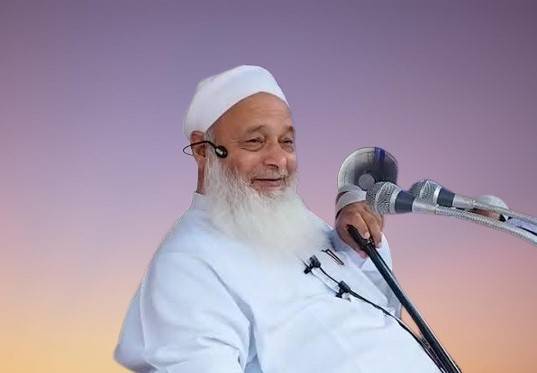
Moulana Rahmatullah Mir Qasmi, born on 22 July 1957, is a prominent Kashmiri Islamic scholar and a significant figure in contemporary Islamic education and thought. He is the founder and rector of Darul Uloom Raheemiyyah, one of the largest and most influential Islamic seminaries in Kashmir. His contributions to Islamic scholarship and his role in key Islamic organizations in India have earned him widespread respect and recognition.
Rahmatullah Mir Qasmi was born in Kashmir on 22 July 1957. He pursued his formal Islamic education at the esteemed Darul Uloom Deoband, graduating in 1978. During his time at Deoband, he became a disciple of Mahmood Hasan Gangohi, a prominent Sufi and scholar, receiving spiritual authorization in Tasawwuf. This connection profoundly influenced Qasmi’s approach to Islamic teaching and spirituality.
Establishment of Darul Uloom Raheemiyyah
In 1979, Rahmatullah Mir Qasmi established Darul Uloom Raheemiyyah in Bandipore, Kashmir. The seminary has grown to become one of the largest Islamic educational institutions in the region, following the methodology and traditions of Darul Uloom Deoband. It serves as a beacon of Islamic learning, attracting students from across the valley and beyond. The institution provides comprehensive Islamic education, emphasizing the teachings of the Quran, Hadith, and classical Islamic sciences, while nurturing spiritual growth among its students.
Contributions to Islamic Organizations
Rahmatullah Mir Qasmi holds key positions in several influential Islamic organizations:
Darul Uloom Deoband: He is a senior member of the managing committee of Darul Uloom Deoband, where he plays a pivotal role in guiding the institution’s policies and initiatives.
All India Muslim Personal Law Board (AIMPLB): As a founding member of AIMPLB, Qasmi has contributed to the preservation and promotion of Islamic personal laws in India. The board plays a crucial role in representing Muslim interests on legal and social matters.
Jamiat Ulama-e-Hind: Qasmi is a member of the working committee of Jamiat Ulama-e-Hind, an organization dedicated to addressing issues faced by Muslims in India and promoting unity and welfare among the community.
Advocacy and Stance on Madrasa Autonomy
In 2018, Rahmatullah Mir Qasmi voiced his opposition to the Jammu and Kashmir State Board of Madrasa Education Act, which sought government oversight of madrasa operations. He expressed concerns that such interference would compromise the independence of religious institutions and lead to the mismanagement of funds donated by the community. His stance underscored the importance of maintaining the autonomy of Islamic seminaries to preserve their religious and educational integrity.
Spiritual Lineage and Influence
Rahmatullah Mir Qasmi’s spiritual connections have significantly shaped his influence as an Islamic scholar. He is an authorized khalifa (spiritual successor) of renowned scholars and Sufi masters, including Mahmood Hasan Gangohi, Hazrat Peer Zulfiqar Ahmad Naqshbandi, and Hazrat Moulana Abrarul Haq. These associations highlight his deep commitment to Tasawwuf (Islamic mysticism) and the nurturing of spiritual excellence in his students and followers.
Legacy and Recognition
Rahmatullah Mir Qasmi is regarded as one of the most respected Islamic scholars of his time. His dedication to Islamic education, spiritual mentorship, and community service has left an indelible mark on the Muslim community in Kashmir and beyond. Under his leadership, Darul Uloom Raheemiyyah continues to thrive as a centre of Islamic learning, producing scholars who contribute to the preservation and dissemination of Islamic knowledge.
His life and work serve as an inspiration to countless individuals striving to uphold the values of Islamic education, spirituality, and community welfare. Rahmatullah Mir Qasmi remains a towering figure in the landscape of Islamic scholarship in India.
In recent years, the geopolitical landscape of South Asia has undergone significant shifts, particularly following the Taliban’s return to power in Afghanistan in 2021. These changes have not only strained relations between Pakistan and Afghanistan but have also seen India recalibrating its approach towards the Taliban, leading to a complex web of alliances and rivalries.
Historical Context
The withdrawal of U.S. forces from Afghanistan and the subsequent collapse of Ashraf Ghani’s government marked a pivotal moment in the region. Many in Pakistan, including its military and diplomatic circles, initially viewed the Taliban’s ascension as a strategic victory. It was believed that a Taliban-led Afghanistan would align more closely with Pakistan’s interests, especially in countering Indian influence in the region.
However, the reality has proven more complex. Over the past four years, Pakistan’s expectations have been met with growing challenges. The Taliban’s return has not resulted in the anticipated stabilisation of Pakistan’s western borders. Instead, there has been an uptick in attacks by the Tehrik-i-Taliban Pakistan (TTP), which Islamabad claims are being orchestrated from Afghan soil. Despite Pakistan’s repeated calls for action against the TTP, the Taliban’s response has been lukewarm, further straining bilateral relations.
Growing India-Taliban Engagement
While Pakistan’s relations with the Taliban have soured, India has been quietly cultivating ties with the Afghan rulers. Historically, India has invested heavily in Afghanistan, seeing it as a critical partner for regional connectivity and a counterbalance to Pakistani influence. The fall of the Ghani government initially seemed a setback for India, but recent developments suggest a strategic recalibration.
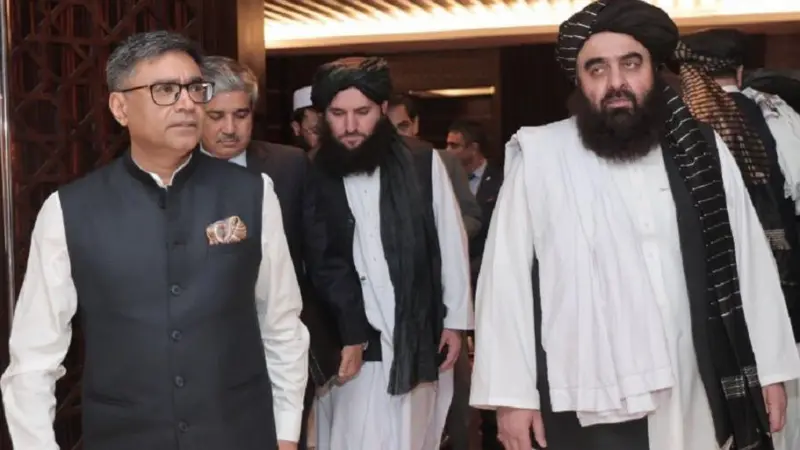
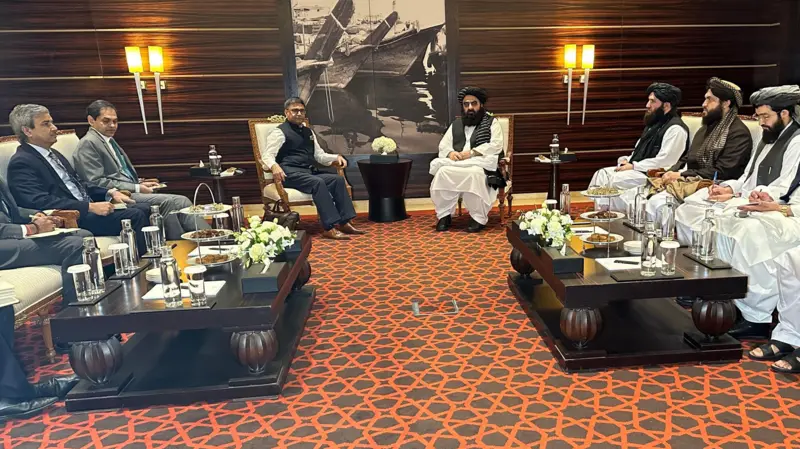
In January 2025, India’s Foreign Secretary Vikram Misri held a meeting with the Taliban’s acting Foreign Minister, Amir Khan Muttaqi, in Dubai. This marked one of the highest-level engagements between India and the Taliban since 2021. The discussions focused on enhancing trade and economic cooperation, with particular emphasis on using Iran’s Chabahar Port to bypass Pakistani routes. Afghanistan’s Ministry of Foreign Affairs described India as a vital regional and economic partner, signalling a significant warming of ties.
This burgeoning relationship serves multiple purposes for India. Economically, it ensures access to Central Asian markets through Afghanistan and Iran. Politically, it provides India with leverage against Pakistan by fostering an independent relationship with the Taliban, thus complicating Islamabad’s strategic calculus.
Pakistan’s Concerns and Strategic Missteps
Pakistan’s reaction to these developments has been cautious but marked by underlying concern. The lack of a coherent and effective policy towards the evolving dynamics in Afghanistan has been a point of criticism among Pakistani analysts. The initial euphoria over the Taliban’s return has given way to a more sobering reality of increased security threats and diminished influence.
Former Pakistani diplomats and military officials have publicly acknowledged the misjudgment. The expectation that a Taliban-controlled Afghanistan would automatically align with Pakistan’s strategic interests has proven overly simplistic. Instead, the Taliban’s pursuit of an independent foreign policy, including its rapprochement with India, highlights the limitations of Pakistan’s influence.
Regional Implications
The evolving alliances in South Asia are reshaping the region’s security architecture. India’s outreach to the Taliban, coupled with its investments in infrastructure projects like the Chabahar Port, underscores its long-term strategic vision. For Afghanistan, India represents not only an economic partner but also a counterbalance to Pakistani influence.
Conversely, Pakistan finds itself in a precarious position. The rise in TTP attacks has compounded internal security challenges, while the diplomatic fallout with the Taliban has eroded Islamabad’s traditional leverage over Afghan affairs. The regional perception of Pakistan as a supporter of the Taliban has also led to increased scrutiny and criticism, particularly from Western policymakers.
Conclusion
The shifting alliances in South Asia, particularly the strengthening ties between India and the Taliban, present a complex challenge for Pakistan. As the regional dynamics continue to evolve, Islamabad will need to reassess its strategies to safeguard its interests. For India, the engagement with the Taliban offers both opportunities and risks, necessitating a careful balancing act to maintain its influence without compromising its broader strategic objectives.
In this intricate geopolitical chess game, the coming years will reveal whether these evolving alliances lead to greater regional stability or further entrench existing rivalries
You Might Also Like:
Parijat Industries India: Empowering Farmers and Rural Development
CM Omar Abdullah Reviews Arrangements for Sonamarg Tunnel Inauguration
Aamina Zehra Wins Silver Medal in Pencak Silat at International Championship in Abu Dhabi
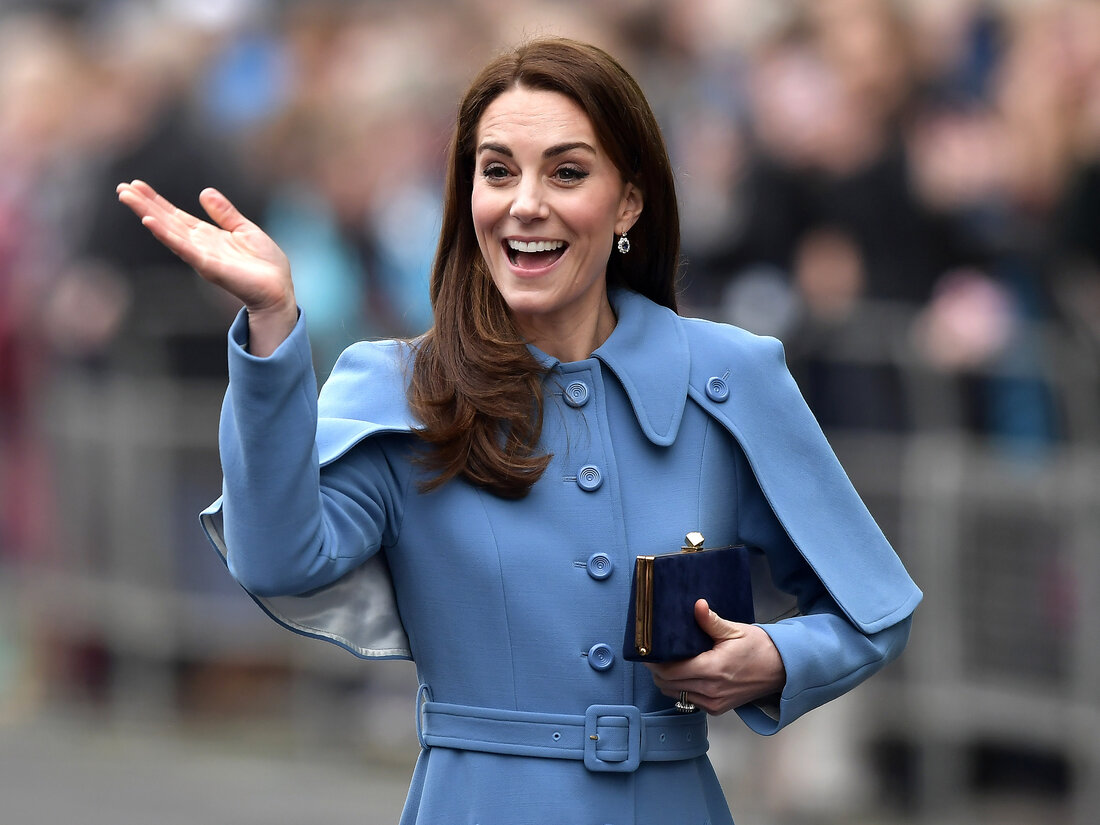
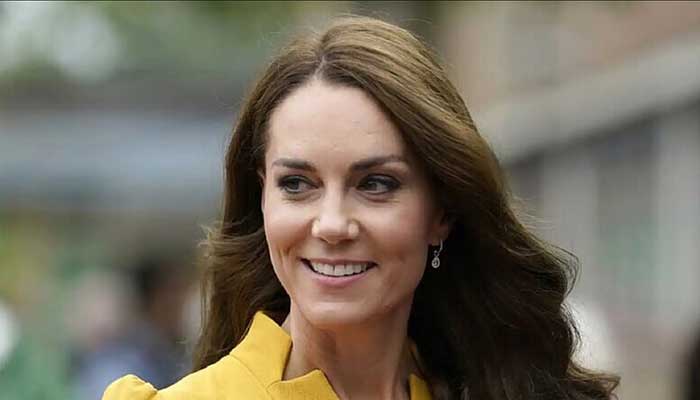
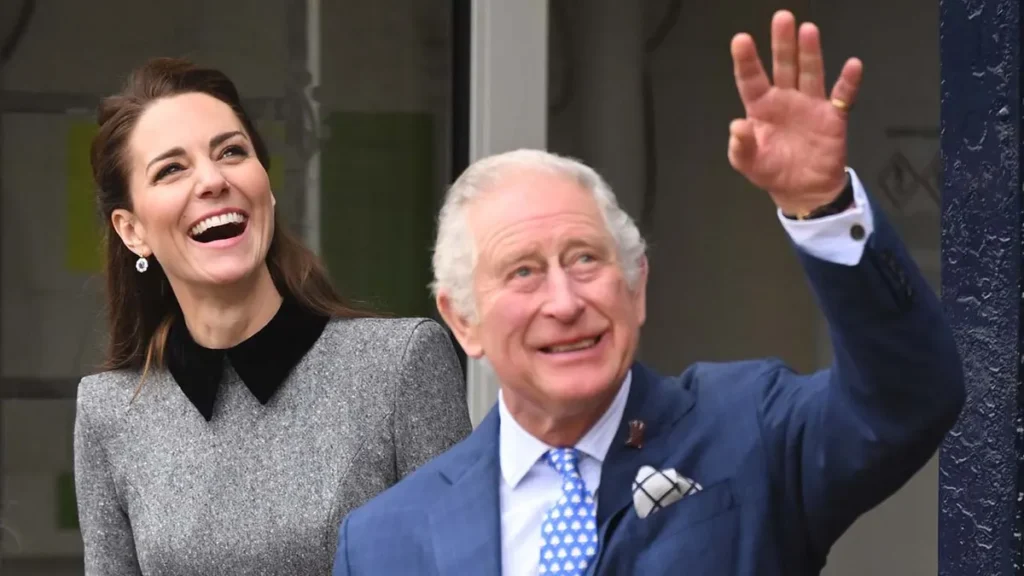
When it comes to the British royal family, few names resonate as profoundly as Kate Middleton. The Duchess of Cambridge, now Princess of Wales, has captured the world’s attention not only through her marriage to Prince William but also through her impeccable fashion sense and grace. But before becoming a global icon, did Kate Middleton have a modeling career? Let’s delve into the fascinating story of how a simple college catwalk led to one of the most high-profile romances in modern history.
A Royal Romance Begins at University
Kate Middleton met Prince William at the prestigious University of St. Andrews in Scotland, where they were both studying. Their paths crossed during their first year, but it wasn’t until a significant event that Prince William truly took notice of Kate.
In 2002, during a charity fashion show at the university, Kate took to the runway in a bold, see-through dress. This moment, often cited as the turning point in their relationship, showcased Kate’s confidence and elegance. The dress, designed by Charlotte Todd, revealed a black bandeau and matching underwear, making it both daring and unforgettable. It was during this fashion show that William reportedly realized his feelings for Kate.
The moment was so pivotal that it was later dramatized in Netflix’s series The Crown during its sixth and final season. The scene reenacted how the young prince was mesmerized by Kate’s presence on the runway, a sight that reportedly led him to utter, “Wow, Kate’s hot!” to a friend.
The Iconic Dress: A Symbol of Change
The dress Kate wore that night has since become iconic. Designed originally as a skirt, Kate’s innovative decision to wear it as a dress turned it into a statement piece. This bold move not only captured Prince William’s attention but also marked a shift in Kate’s public persona from a reserved student to a confident young woman.
Charlotte Todd, the designer of the dress, later expressed her astonishment at how a simple piece of clothing could play such a significant role in royal history. The dress was auctioned in 2011, fetching a staggering £78,000, a testament to its lasting impact.
Debunking the Modeling Myth
Despite the media frenzy surrounding this event, it’s important to clarify that Kate Middleton did not pursue a professional modeling career. Her appearance at the St. Andrews charity fashion show was a one-off event, organized to raise funds for charity. Beyond this, there is no record of Kate engaging in any modeling activities.
Her participation in the fashion show was more about supporting a good cause and having fun than launching a modeling career. Yet, the impact of that single appearance was profound, not just for her future relationship with Prince William but also in shaping public perception of her style and grace.
A Life in the Spotlight
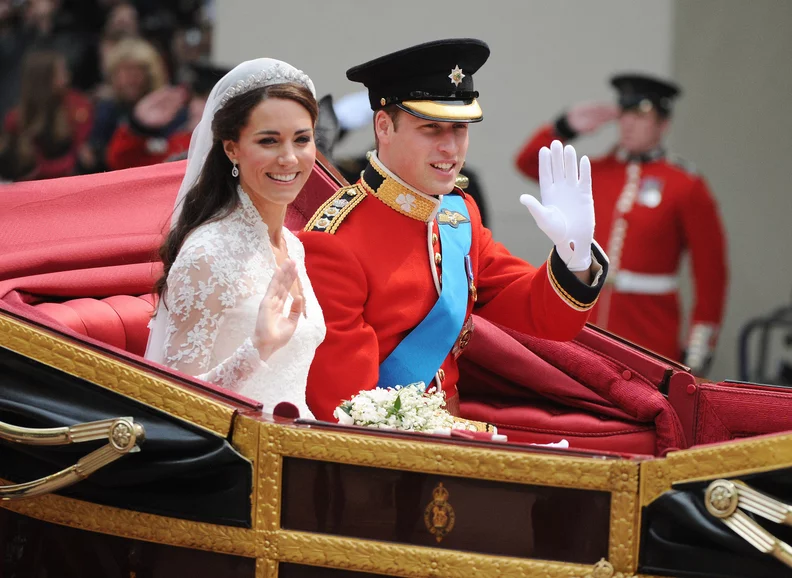
After that fateful night, Kate’s life gradually shifted into the public eye. As her relationship with Prince William blossomed, media interest in her personal life grew exponentially. The couple’s engagement in 2010 and subsequent wedding in 2011 were global events, with millions watching as Kate transitioned from a commoner to a royal.
Her fashion choices have since become a subject of immense public interest. Each outfit she dons is meticulously analyzed, with many fashion enthusiasts eager to emulate her style. Kate’s ability to blend high street fashion with designer pieces has made her a relatable yet aspirational figure in the fashion world.
The Impact of Kate’s Style
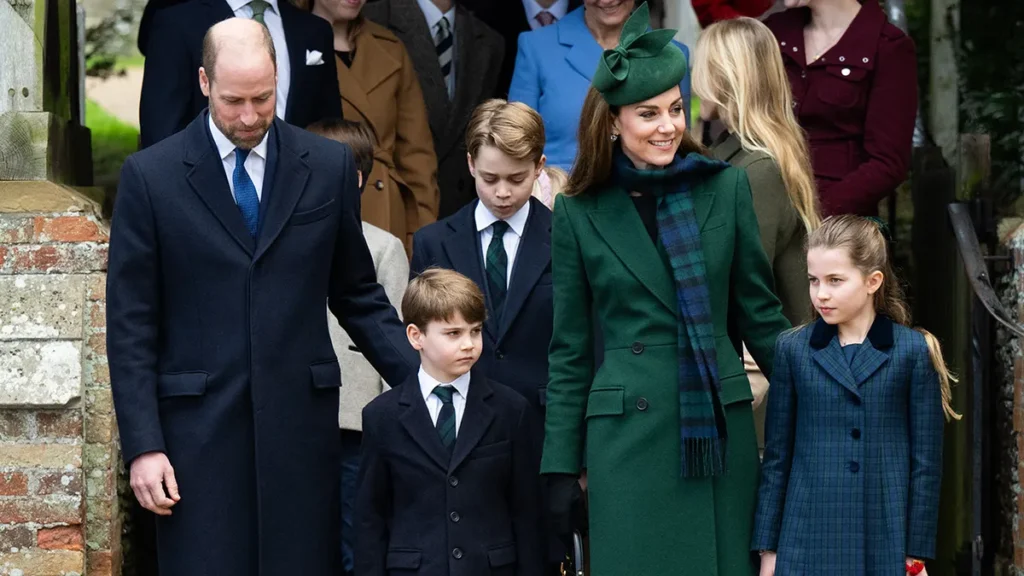
Kate Middleton’s fashion sense has had a significant impact on the fashion industry, often referred to as the “Kate Effect.” Designers and brands experience an immediate surge in demand whenever Kate wears their pieces. Her influence extends beyond clothing to accessories, shoes, and even children’s fashion, with her choices for Prince George, Princess Charlotte, and Prince Louis often leading to sold-out items.
Her style is characterized by its elegance and simplicity, often choosing timeless pieces over fleeting trends. This approach not only endears her to a broad audience but also solidifies her status as a fashion icon.
The Role of Media in Shaping Kate’s Image
Media portrayals have played a significant role in shaping public perception of Kate Middleton. The story of her university catwalk has been retold numerous times, each retelling adding a layer of romanticism to her relationship with Prince William. While some narratives focus on her fashion sense, others highlight her journey from a middle-class upbringing to becoming a future queen.
This fascination with Kate’s life has made her one of the most photographed women in the world. Every public appearance is meticulously documented, with each outfit, gesture, and interaction analyzed for deeper meaning. Despite the intense scrutiny, Kate has managed to maintain a level of privacy, carefully balancing her public duties with her personal life.
The Duchess’s Philanthropic Endeavors
Beyond her fashion influence, Kate Middleton is also known for her philanthropic work. She supports various charitable causes, focusing on mental health, early childhood development, and addiction. Her initiatives, such as Heads Together, which she spearheads alongside Prince William and Prince Harry, aim to reduce the stigma around mental health issues.
Kate’s approach to her royal duties is characterized by a genuine commitment to the causes she supports. Her hands-on involvement in various projects demonstrates her dedication to making a positive impact on society. This aspect of her life is often overshadowed by her fashion choices, but it remains a crucial part of her identity as a royal.
A Modern Fairy Tale
The story of Kate Middleton and Prince William is often described as a modern fairy tale. From their university days to their royal wedding and the family they have built together, their journey captures the imagination of people around the world. The narrative of a commoner capturing the heart of a prince is one that resonates deeply, evoking a sense of magic and possibility.
However, their relationship is also grounded in reality. Both Kate and William have spoken about the challenges they face as a couple in the public eye. Their commitment to each other and their family is evident in the way they navigate these challenges together, presenting a united front in the face of public scrutiny.
The Future of the Duchess
As Kate Middleton continues to evolve in her role as the Princess of Wales, her influence shows no signs of waning. Her ability to connect with people, combined with her dedication to her royal duties, ensures that she remains a beloved figure both in the UK and internationally.
Her journey from a university student to a future queen is a testament to her resilience, adaptability, and grace. While the media will continue to speculate about her past and future, what remains clear is that Kate Middleton is a woman who has carved out a unique space for herself within the royal family and beyond.
Conclusion
While Kate Middleton may not have had a professional modeling career, her memorable catwalk at St. Andrews University played a significant role in shaping her future. That single event not only captured Prince William’s heart but also set the stage for Kate’s emergence as a global fashion icon and beloved royal figure.
Her story is one of serendipity, style, and substance, a perfect blend of fairy tale romance and real-world impact. As she continues to carry out her royal duties, Kate Middleton remains a source of inspiration, proving that sometimes, a single moment can change the course of a life forever.
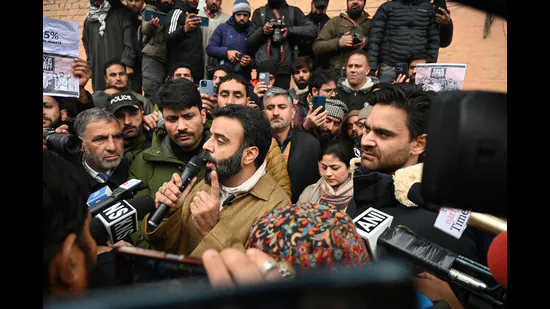
The political landscape within the National Conference (NC) appears to be growing increasingly volatile, with tensions escalating over the recent protest led by Aga Ruhullah Mehdi outside Jammu and Kashmir’s Chief Minister Omar Abdullah’s residence. Sakina Itoo, a senior NC leader and Cabinet Minister for Health, Social Welfare, and Education, has sharply criticized Ruhullah’s actions, labeling the protest as a “cheap publicity stunt.” This remark underscores a widening rift within the party, marking the deepening divisions over political strategies, leadership styles, and policy approaches.
Ideological Fractures and Leadership Struggles
At the heart of this dispute is a struggle for ideological coherence and leadership within the NC. Ruhullah’s protest—demanding political change and greater attention to the Reservation Policy—was framed as a way to pressure the government, specifically targeting the Chief Minister, Omar Abdullah. However, Itoo’s criticism reveals how the protest is seen as counterproductive by some within the party. Itoo argues that such actions do little to address the real issues at hand and may even harm the party’s public image by focusing on sensationalist tactics rather than substantive policy discussions.
This episode highlights a deeper issue within the NC: a struggle between the party’s older guard, like Itoo, and a younger faction that seeks more assertive and radical methods of political engagement. Ruhullah’s approach, involving public protests against the state government, challenges the more pragmatic and cooperative approach preferred by Itoo and other leaders in the party. The growing ideological divide between these two factions could further erode the unity of the NC, a party that has long been a dominant force in Jammu and Kashmir.
Divisions on Statehood and Article 370
Another layer to this conflict is the ongoing debate over Jammu and Kashmir’s political status. Ruhullah, an advocate for the restoration of Article 370, sees the protest as a means to voice dissatisfaction with the current state of affairs, particularly in light of the region’s transition to a Union Territory. His stance on the restoration of Article 370 contrasts sharply with the more moderate positions held by NC leadership, including Omar Abdullah, who has recently urged Ruhullah to focus his energies on the statehood issue in Delhi rather than local protests. This divide not only reflects ideological differences but also highlights the conflicting strategies within the NC regarding Jammu and Kashmir’s future political status.
The ongoing clash between Ruhullah and Abdullah also underscores the internal tensions regarding the NC’s broader strategy. While Omar Abdullah has attempted to steer the party toward pragmatic political maneuvering in an era of Union Territory status, Ruhullah’s insistence on pushing for the restoration of Article 370 and statehood signals a refusal to accept the current political reality. This could pose a significant challenge for the NC, as it struggles to balance the need for strategic engagement with the aspirations of its base, many of whom feel that the removal of Article 370 has undermined their identity and autonomy.
Party Cohesion and Public Perception
The NC’s internal strife is not just a matter of ideological disagreement—it also carries significant implications for its public image. As the party’s senior leaders air their grievances through media and public statements, it risks appearing disjointed and ineffective to the electorate. The public nature of these disagreements could alienate supporters and damage the party’s credibility, particularly in an era of increasing skepticism towards political leaders and parties that are seen as being divided or out of touch with the needs of the people.
In the context of Jammu and Kashmir’s current political climate, where the region’s future remains uncertain, the National Conference’s internal conflicts might make it more difficult for the party to present a united front. This is especially critical in the face of competition from other political parties, which are vying for the support of a public disillusioned by decades of unrest and changing political circumstances.
Conclusion
The fallout from Aga Ruhullah’s protest and Sakina Itoo’s criticism signals a moment of significant turmoil for the National Conference. The growing divisions within the party, amplified by clashing views on political strategy, the status of Article 370, and public protest tactics, suggest that the NC is grappling with its identity in an evolving political environment. As these internal disputes continue to unfold, the future of the National Conference will depend on its ability to reconcile its differences and present a cohesive vision to the people of Jammu and Kashmir, or risk further fragmentation and irrelevance in the region’s shifting political landscape.
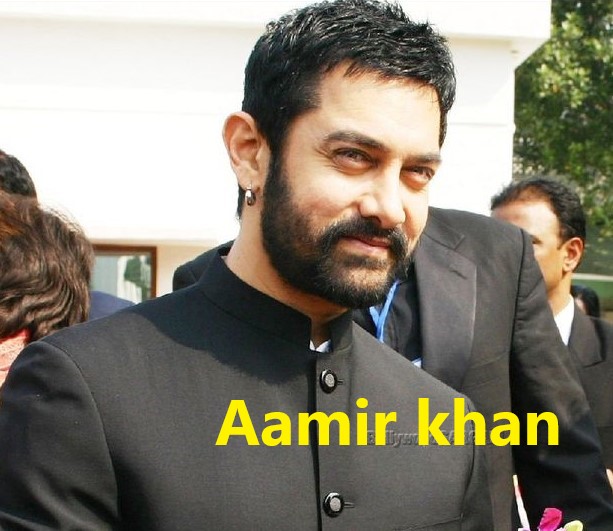
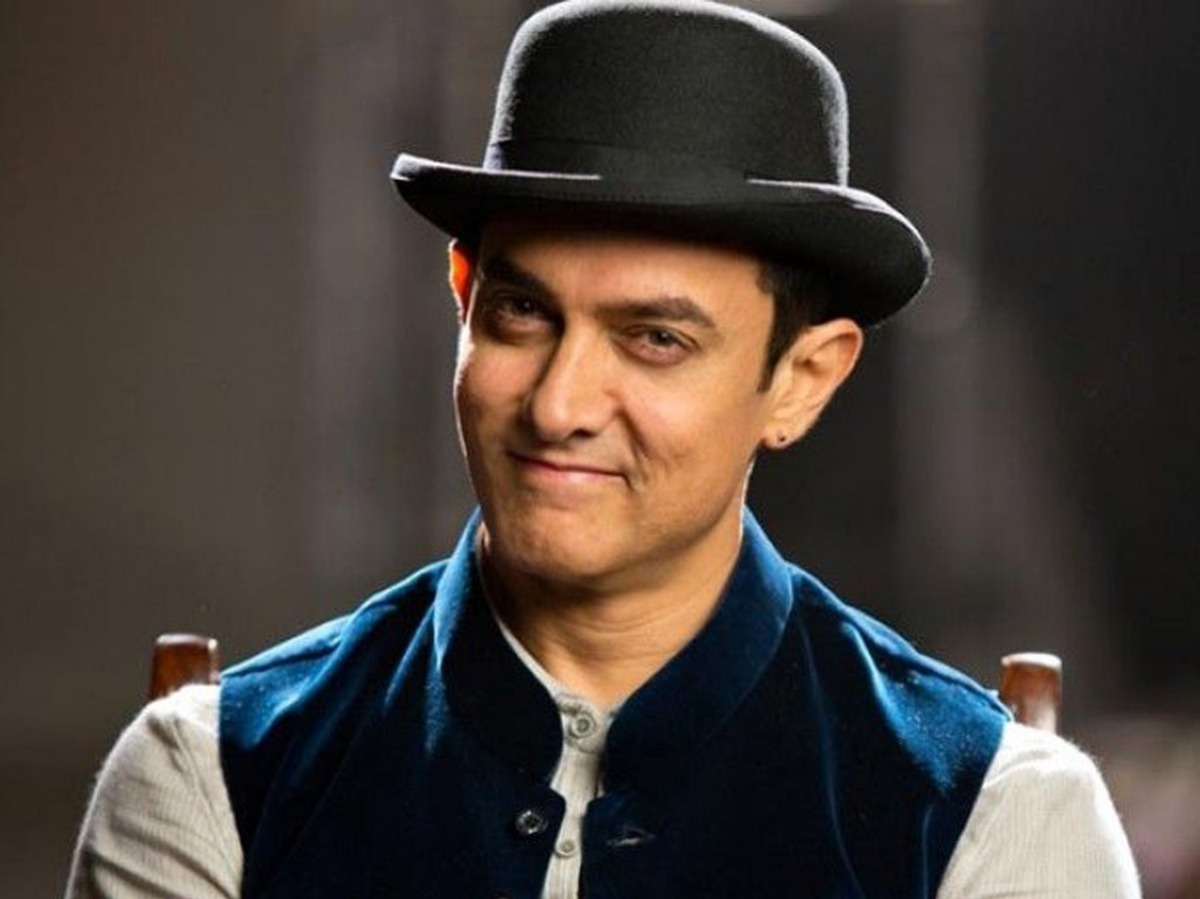
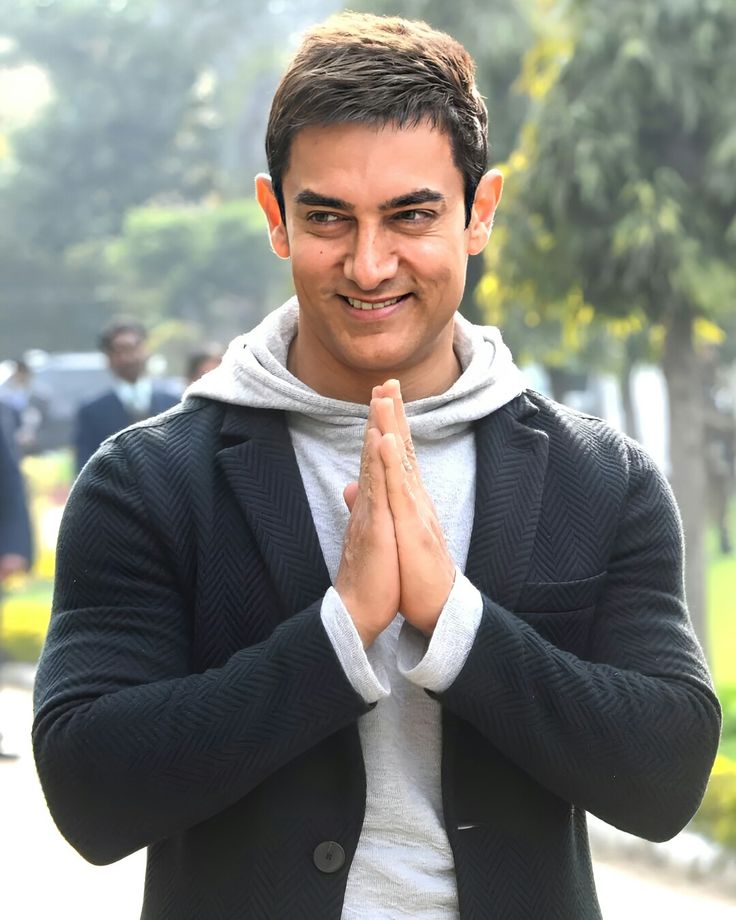
Aamir Khan, often dubbed “Mr. Perfectionist,” is a name synonymous with Indian cinema. His illustrious career, spanning decades, has not only cemented his status as one of Bollywood’s biggest stars but has also positioned him as a prominent figure in Indian society. This article delves into the details of his family income, his lavish lifestyle, and his remarkable philanthropic endeavors.
Family Income and Lavish Lifestyle
Aamir Khan’s dedication to his craft, coupled with his astute business acumen, has translated into a substantial fortune. His estimated net worth is a staggering INR 1862 crores (approximately $270 million). This wealth is a result of his lucrative acting career, where he commands a hefty fee per film, ranging from INR 85-100 crores. Additionally, he earns substantial income from endorsements and his production house, Aamir Khan Productions.
This financial success has afforded him a lavish lifestyle. He owns a luxurious mansion in Beverly Hills, valued at INR 75 crores, and a fleet of high-end automobiles, including a Mercedes-Benz S600 worth INR 10.5 crores. However, Aamir Khan is known for his frugal nature and is often seen sporting simple attire, defying the stereotypical image of a flamboyant celebrity.
Philanthropy and Social Impact
While Aamir Khan enjoys the perks of his wealth, he is equally committed to giving back to society. He is actively involved in various philanthropic endeavors, focusing on issues such as education, gender equality, and rural development. His production house, Aamir Khan Productions, has produced several socially conscious films like “Taare Zameen Par” and “Dangal,” which have not only entertained audiences but also sparked important conversations about societal issues.
Aamir Khan’s commitment to social causes extends beyond his professional endeavors. He is a vocal advocate for education, particularly for girls, and has actively supported initiatives aimed at improving access to quality education in rural areas. His dedication to social causes has earned him widespread respect and admiration, solidifying his image as a responsible and conscientious celebrity.
Conclusion
Aamir Khan’s journey from a budding actor to a megastar and a philanthropist is a testament to his talent, hard work, and commitment to social responsibility. While his family income and lavish lifestyle are a reflection of his success, it is his philanthropic endeavors that truly define his legacy. Aamir Khan’s impact on Indian cinema and society is undeniable, and his contributions will continue to inspire generations to come.
You Might Also Like:
Earning 35 Crore Per Day: The Remarkable Journey of Rizwan Sajan
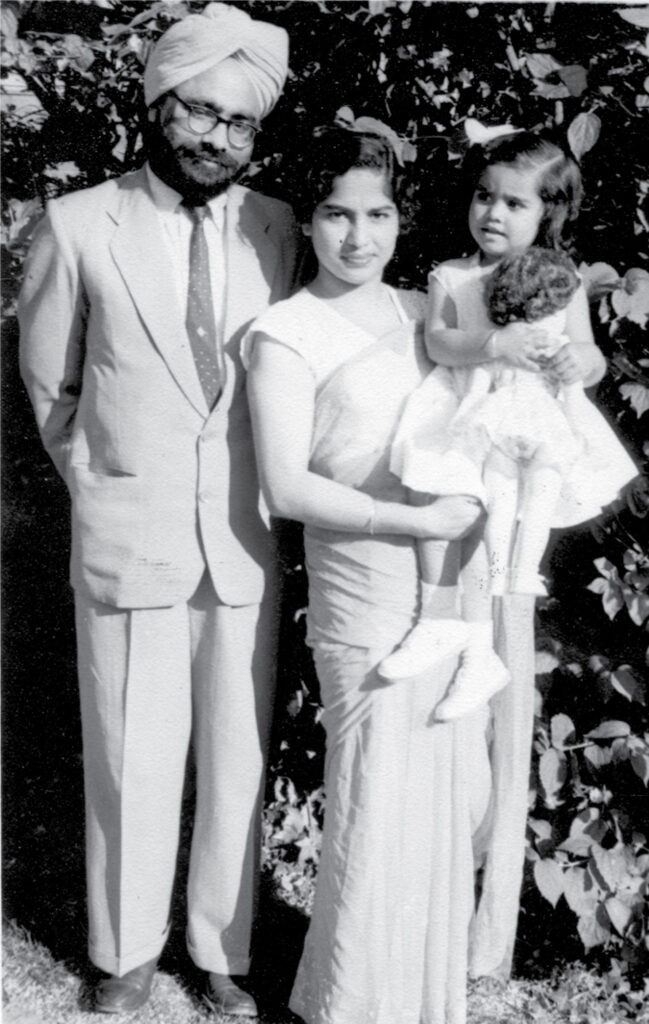
Dr. Manmohan Singh, a name synonymous with vision, intellect, and service, is one of India’s most distinguished leaders. A master economist, erudite scholar, and steadfast politician, he left an indelible mark on India’s political and economic landscape. This article delves into his extraordinary life, tracing his journey from a humble scholar to one of India’s most respected Prime Ministers. We explore his remarkable contributions, his challenges, and his enduring legacy under 20 comprehensive headings.
1. Early Life and Education
Dr. Singh’s journey began in Gah, now in Pakistan, where he was born in 1932. Despite humble beginnings, he displayed exceptional academic prowess, earning degrees from Panjab University, Cambridge, and Oxford. His educational foundation became the bedrock of his illustrious career.
2. Academic Excellence: Building an Intellectual Legacy
With honours in Economics from St. John’s College, Cambridge, and a D.Phil. from Nuffield College, Oxford, Dr. Singh’s academic contributions shaped the global understanding of economic policies.
3. Career as an Academic and Economist
Dr. Singh served as a professor and lecturer, contributing significantly to India’s intellectual sphere. His tenure at institutions like Delhi School of Economics established him as an authority in economic theory.
4. Joining the United Nations
In 1966, Dr. Singh’s global perspective expanded as he joined the UN’s Financing for Trade Section, where he gained insights into international trade and development.
5. Role as Chief Economic Adviser
Appointed as the Chief Economic Adviser in 1972, Dr. Singh began influencing India’s economic policies directly, laying the groundwork for future reforms.
6. Governor of the Reserve Bank of India
As RBI Governor (1982-1985), he tackled inflation and stabilized the financial sector, ensuring India’s banking system remained resilient.
7. Deputy Chairman of the Planning Commission
During his tenure, he played a pivotal role in framing India’s Five-Year Plans, focusing on growth and equitable distribution of resources.
8. India’s Economic Crisis of 1991
In 1991, India faced an unprecedented financial crisis. Foreign reserves dwindled, and economic stagnation loomed, paving the way for revolutionary reforms.
9. Becoming Finance Minister
As Finance Minister, Dr. Singh introduced landmark liberalization reforms, including opening India’s economy to foreign investments, privatizing state-owned enterprises, and modernizing trade policies.
10. Architect of Liberalization
Dr. Singh’s 1991 reforms are credited with transforming India from a closed economy to a global powerhouse, spurring GDP growth and reducing poverty.
11. Political Career in the Rajya Sabha
Dr. Singh’s political career saw him serving as a Member of Parliament in the Rajya Sabha for over three decades, advocating progressive policies.
12. Leader of the Opposition
Between 1998 and 2004, as Leader of the Opposition in Rajya Sabha, he offered constructive criticism and strengthened parliamentary democracy.
13. Becoming Prime Minister
In 2004, Dr. Singh became India’s 14th Prime Minister, leading a coalition government with diplomacy and integrity.
14. Landmark Policies as Prime Minister
Dr. Singh’s tenure witnessed transformative policies, including the Right to Information Act, National Rural Health Mission, and MGNREGA.
15. Foreign Policy Achievements
Under his leadership, India strengthened ties with global powers, signed the Indo-US nuclear deal, and expanded its international influence.
16. Focus on Economic Growth
Dr. Singh’s government achieved consistent economic growth, making India one of the fastest-growing economies in the world.
17. Challenges and Criticisms
Despite his achievements, Dr. Singh faced challenges, including coalition pressures and allegations of corruption within his government.
18. Legacy of Resilience and Integrity
Dr. Singh’s legacy is marked by his steadfast integrity, intellectual brilliance, and commitment to India’s progress.
19. Recognition and Awards
Over his career, Dr. Singh received numerous accolades, including honorary degrees, international awards, and widespread respect.
20. Inspiring Future Generations
Dr. Singh’s journey inspires millions to value education, humility, and perseverance, emphasizing the importance of service to the nation.
Conclusion
Dr. Manmohan Singh’s life and career symbolize the power of intellect and humility in shaping a nation. From steering India out of economic crises to laying the foundation for its global rise, his contributions remain unparalleled. A true statesman and visionary, he will forever be remembered as one of India’s greatest leaders, whose legacy will inspire generations to come.
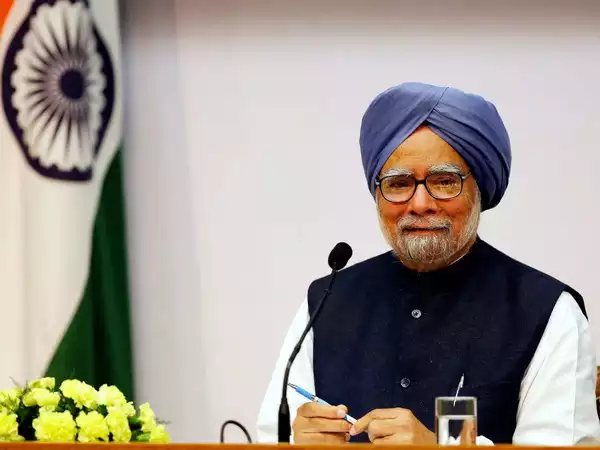
Dr. Manmohan Singh, India’s 13th Prime Minister, remains an enduring symbol of integrity, intellect, and visionary leadership. Born on September 26, 1932, in Gah, Punjab (now in Pakistan), Dr. Singh’s journey from a humble village to the pinnacle of Indian politics is remarkable. As a technocrat-turned-politician, he brought a wealth of experience and academic rigor to governance, leaving an indelible mark on India’s political and economic landscape. His tenure as Prime Minister from 2004 to 2014 was marked by transformative reforms, a focus on inclusive growth, and a commitment to addressing complex issues such as the situation in Jammu and Kashmir.
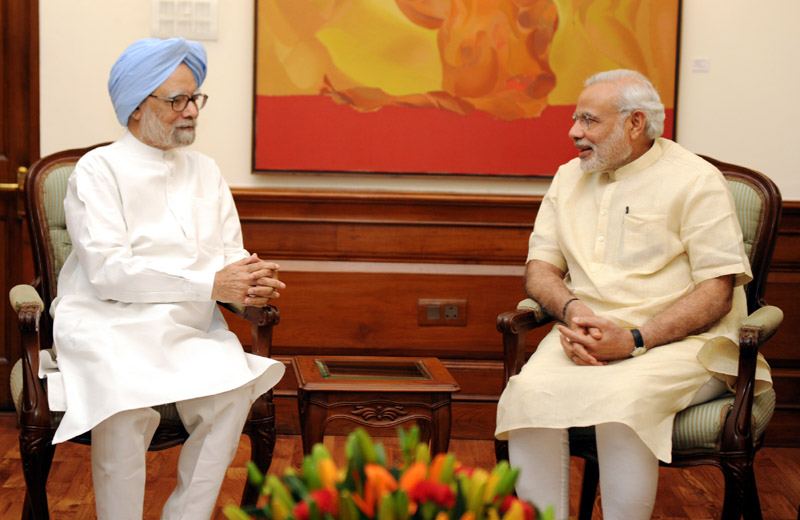
The former Prime Minister, Dr. Manmohan Singh calling on the Prime Minister, Shri Narendra Modi, in New Delhi on May 27, 2015.
India’s 13th Prime Minister: The Life and Achievements of Dr. Manmohan Singh
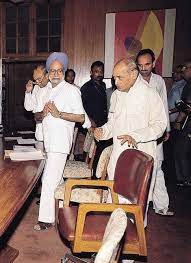
Before entering politics, Dr. Singh’s illustrious career included roles such as Chief Economic Advisor, Governor of the Reserve Bank of India, and Deputy Chairman of the Planning Commission. However, his greatest achievement came as Finance Minister in 1991, when he spearheaded economic liberalization. This bold initiative not only rescued India from a severe financial crisis but also set the stage for decades of rapid economic growth.
As Prime Minister, Dr. Singh’s leadership was characterized by humility and a steadfast focus on governance. He prioritized economic development, social welfare, and foreign policy, balancing domestic challenges with international diplomacy. His tenure also saw efforts to address regional conflicts, including his visionary approach to the Kashmir issue.
Architect of Economic Liberalization: Dr. Singh’s Transformative Reforms
Dr. Singh’s economic reforms as Finance Minister laid the foundation for his later policies as Prime Minister. He believed that economic development could be a powerful tool for resolving long-standing conflicts, including those in Jammu and Kashmir. His government’s policies emphasized infrastructure development, employment generation, and improving living standards in the region. By addressing economic grievances, Dr. Singh sought to create a conducive environment for peace and stability.
Fostering Peace in Kashmir: Dr. Manmohan Singh’s Vision and Policies
Dr. Singh’s approach to Jammu and Kashmir was guided by a blend of pragmatism and empathy. Recognizing the region’s unique challenges, he advocated for dialogue, economic reconstruction, and governance reforms. His vision extended beyond immediate conflict resolution to fostering long-term peace and integration. He believed that addressing the aspirations of the Kashmiri people was key to resolving the region’s issues.
Srinagar–Muzaffarabad Bus Service: Reconnecting Families Across Borders
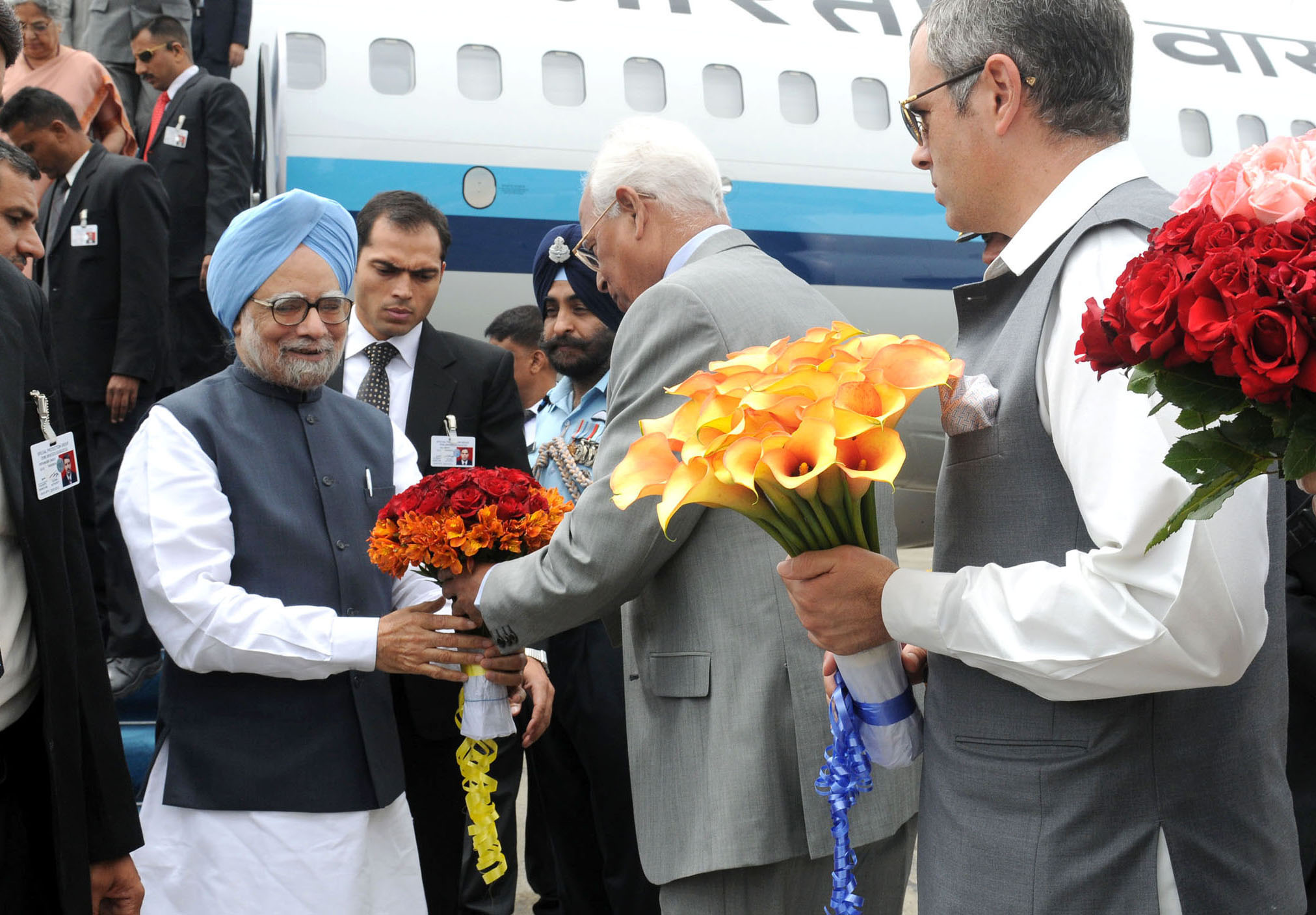
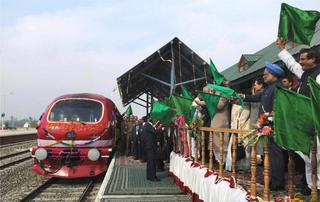
One of Dr. Singh’s most notable initiatives was the launch of the Srinagar–Muzaffarabad bus service in 2005. This landmark project reconnected families divided by the Line of Control (LoC) for decades, symbolizing hope and goodwill. The service facilitated people-to-people contact, fostering mutual understanding between the Indian and Pakistani-administered regions of Kashmir. This humanitarian gesture was widely appreciated and underscored Dr. Singh’s commitment to peace.
Dialogue with Separatists: Dr. Singh’s Efforts for Lasting Peace in Kashmir
Dr. Singh’s government actively engaged with separatist leaders in Jammu and Kashmir, inviting them for dialogue to address their grievances. He believed that meaningful conversations could pave the way for reconciliation and understanding. These efforts were not without challenges, but they demonstrated his willingness to explore all avenues for peace.
Economic Development and Governance: A Roadmap for Jammu and Kashmir
Economic reconstruction and governance reforms were central to Dr. Singh’s Kashmir policy. His administration launched various initiatives to improve infrastructure, healthcare, and education in the region. These efforts aimed to provide the people of Jammu and Kashmir with better opportunities and a higher quality of life. By addressing economic disparities, Dr. Singh sought to integrate the region more closely with the rest of India.
Challenges During His Tenure: Lessons from the 2010 Kashmir Unrest
The 2010 Kashmir unrest, marked by widespread protests and violence, posed a significant challenge to Dr. Singh’s policies. The protests highlighted the deep-seated grievances and alienation felt by many in the region. In response, Dr. Singh called for dialogue and initiated measures such as financial compensation for affected families and discussions on reducing the security presence. These steps reflected his commitment to addressing the concerns of the Kashmiri people, even in difficult circumstances.
Bridging Divides: Dr. Manmohan Singh’s Humanitarian Approach to Conflict Resolution
Dr. Singh’s approach to the Kashmir issue was rooted in humanitarian values. He emphasized the importance of building trust and addressing the aspirations of the Kashmiri people. His policies sought to bridge divides and create a sense of belonging among the region’s inhabitants. Whether through dialogue, economic initiatives, or confidence-building measures, Dr. Singh consistently prioritized the welfare of the people.
Remembering Dr. Manmohan Singh: His Impact on India and Jammu & Kashmir
Dr. Manmohan Singh’s contributions to Jammu and Kashmir reflect his broader philosophy of governance: a commitment to peace, development, and inclusivity. His efforts to address the region’s challenges were marked by empathy, pragmatism, and a long-term vision. As India remembers his legacy, his approach to the Kashmir issue serves as a reminder of the power of dialogue and development in resolving complex conflicts. Dr. Singh’s impact on Jammu and Kashmir will be remembered as a testament to his dedication to the unity and progress of India.