Wherever you cast your gaze, you behold rampant evil and blazing corruption; wherever you alight or journey on, trials receive you in succession like the ceaseless waves of an unquiet sea, and wars follow one upon another as though they were a fate unwilling to loosen its grip upon this earth. Turn away from this world with deliberate resolve, and say to it in the calm of one assured: Peace be upon you; I am not of you, nor are you of me. Recite within yourself the words of the Friend: “I love not those that set.” For what declines deserves not to be adored, and what perishes ought not to be made a homeland for the heart. Click Here To Follow Our WhatsApp Channel Fashion for yourself another world, one unseen by eyes yet apprehended by insight; a world you build in your depths, brick by brick: a brick of patience, a brick of certainty, and a roof of hope raised high above them. Turn towards your own soul as a lover turns towards the beloved, and enter into an inward retreat wherein you cleanse the mind of its impurities, the heart of its dust, and restore the spirit to its first clarity, when it was nearer to heaven than to earth. Let not the clamour of people trouble you thereafter, nor their disputes, nor the trifles over which they contend; they are but passing shadows and a mirage that the thirsty supposes to be water. Make your chief concern the worship of your Lord and the seeking of His pleasure, and say in the humility of the knower and the certainty of the convinced: “Indeed, I have turned my face towards Him who created the heavens and the earth, inclining wholly to truth, and I am not of those who associate others with Him.” When you do this, what was turbulent within you shall grow still, what was agitated shall be calmed, and you will perceive that though the edges of the world tremble with unrest, within the heart there remains a spaciousness for a peace no war can disturb, and a light no trial can extinguish. Then you will understand that salvation lies not in fleeing from people, but in rising above them, elevating your soul until you behold things as they truly are: small, though they seem great; fleeting, though they appear enduring. And there remains only the Face of your Lord, full of Majesty and Honour.
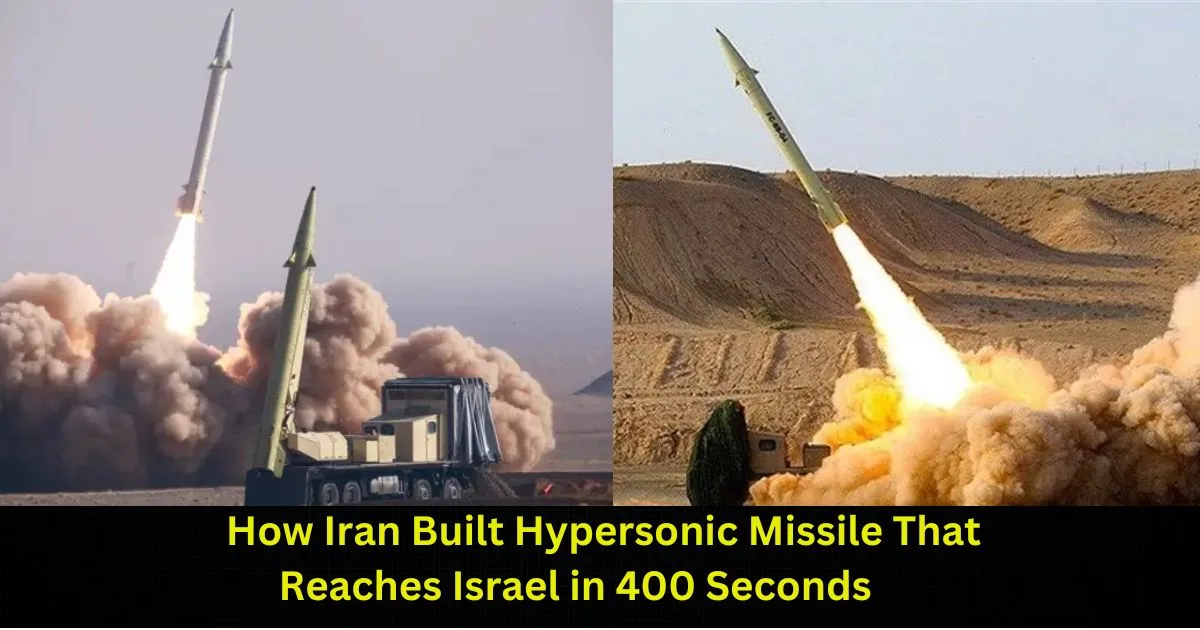
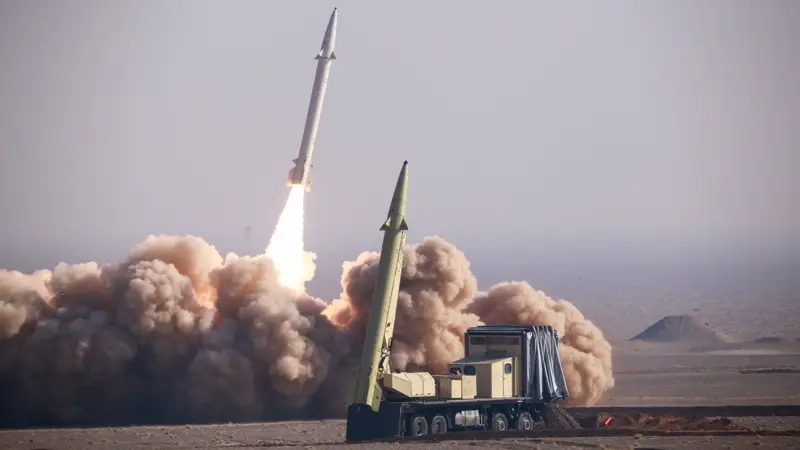
Picture this: It’s June 2023 in Tehran. Giant billboards pop up across the city, showing a sleek new missile with bold text in Persian, Arabic, and Hebrew: “400 seconds… to Tel Aviv.” The message was impossible to miss. Iran had just unveiled the Fattah-1, its first claimed “hypersonic” ballistic missile, and the Islamic Revolutionary Guard Corps (IRGC) was making sure everyone — especially Israel — got the point. From launch sites in western Iran, they said, this weapon could cover roughly 1,400 km and hit Israel’s biggest city in under seven minutes. Click Here To Follow Our WhatsApp Channel
Fast-forward to early 2026, and the Fattah family isn’t just propaganda anymore. Iran has fired these missiles in real combat multiple times, rebuilt its arsenal after heavy fighting in 2024–2025, and continues to improve the system despite renewed UN sanctions. Here’s the remarkable (and controversial) story of how Iran pulled this off.
The Fattah Missiles: What Iran Actually Built
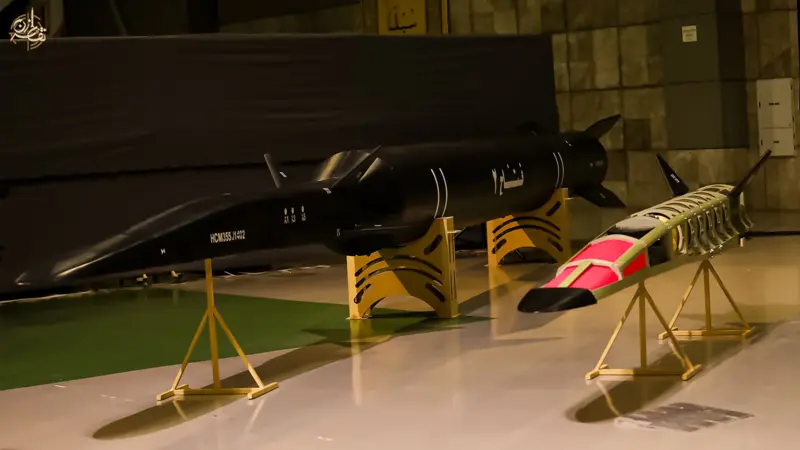
Fattah-1 was unveiled on 6 June 2023 after being announced in late 2022. Iran claims it reaches Mach 13–15 (roughly 16,000–18,500 km/h), has a 1,400 km range, and carries a 350–450 kg warhead. The key feature is a maneuverable re-entry vehicle (MaRV) with its own small solid-fuel motor and thrust-vector control, letting the warhead dodge defenses in the final phase of flight — and even do some maneuvering outside the atmosphere.
Fattah-2 followed in November 2023. It swaps in a hypersonic glide vehicle (HGV) for even more agility across the entire trajectory. Iran says it can hit 1,500 km and is even harder to intercept. Both are solid-fuel designs (at least the booster stage), meaning they can be launched quickly from mobile trucks or underground silos — a big upgrade over older liquid-fuel missiles that need hours to prepare.
The “400 seconds” claim comes straight from IRGC commander Brig. Gen. Amir Ali Hajizadeh. It’s marketing as much as math (a pure Mach-15 flight over 1,400 km would actually be faster), but the point was clear: this missile is designed to overwhelm Israel’s layered defenses — Arrow, David’s Sling, and Iron Dome.
From the Battlefield: Real-World Use (2024–2026)
Iran didn’t wait long to test its claims in combat:
April 2024 — First direct strike on Israel; debris analysis later confirmed Fattah-1 parts.
1 October 2024 (“Operation True Promise II”) — Roughly 200 ballistic missiles, including Fattah-1s, in the largest attack yet. Some penetrated defenses and caused damage.
2025 strikes (including waves in June) — Iran again claimed Fattah-1 and -2 use, with the IRGC boasting that the missiles “shook the shelters of the Zionists.”
Early 2026 — Amid fresh US-Israeli strikes on Iran, Tehran launched retaliatory barrages (reportedly “Operation True Promise” follow-ons) that included Fattah variants alongside Sejjil and older systems. Iranian state media and analysts say the hypersonic weapons targeted Israeli and US bases in the region.
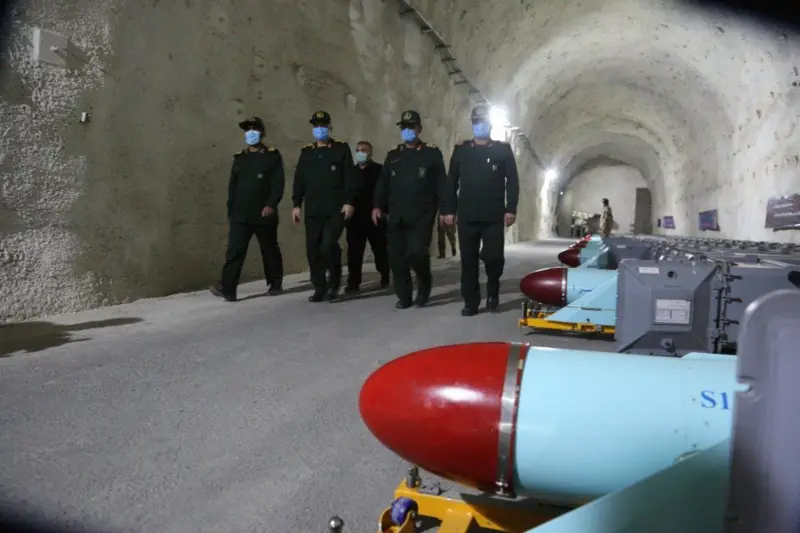
Despite losses in the 2024–2025 exchanges, Iran has rebuilt its stockpile to an estimated 1,500–3,000+ ballistic missiles by early 2026, including precision-guided and hypersonic types. Underground “missile cities” and rapid replenishment (helped by fresh Chinese propellant shipments) made this possible.
How They Did It: Sanctions Backfired
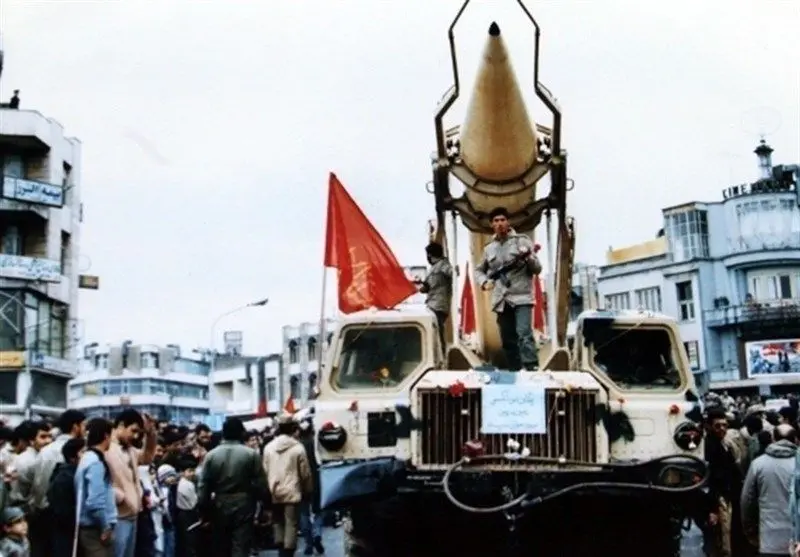
Iran’s missile program was born in desperation. During the 1980–88 Iran-Iraq War, Saddam Hussein rained Scud missiles on Iranian cities. Tehran had almost no air force left, so it begged for help. Libya sent the first 20 Scud-Bs in 1984. North Korea and China followed with more missiles, launchers, and know-how.
Sanctions kicked in hard after the revolution and tightened over the nuclear program. Instead of crippling the effort, they forced Iran to get creative:
Reverse engineering became the national sport. Iranian engineers took apart imported Scuds and produced the Shahab-1 (330 km) and Shahab-2 (500 km) by the early 1990s. The Shahab-3 (based on North Korea’s Nodong) gave them a 1,300 km reach by the late 1990s.
Solid-fuel revolution. Older liquid-fuel missiles were slow to fuel and vulnerable on the launch pad. Iran shifted to solid propellants (thanks to the Shahid Bagheri Industrial Group) so missiles could be fired in minutes from mobile launchers or hidden silos.
IRGC takes charge. The Revolutionary Guard’s Aerospace Force, led for years by the late Hassan Tehrani Moghaddam (the “father of Iran’s missiles”), drove the program. Facilities like the Shahid Hemmat Industrial Group (liquid engines) and underground complexes in Khojir, Semnan, and Isfahan kept production going.
Space program crossover. Work on satellites gave Iran lightweight composite casings and heat-resistant materials needed for high-speed re-entry.
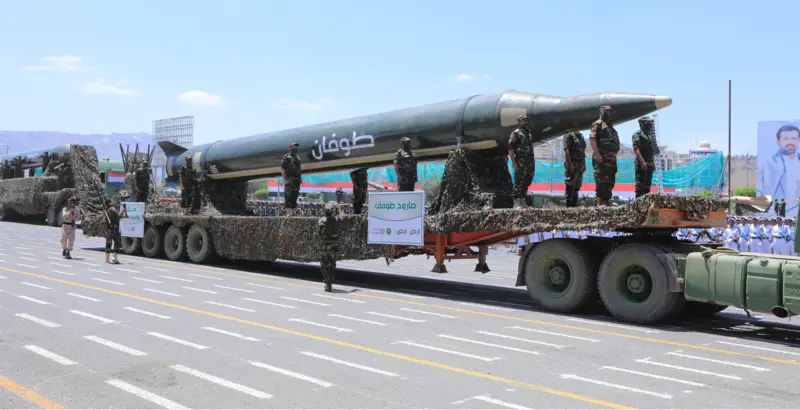
Universities and young engineers were pulled in. Sanctions made imports almost impossible, so Iran built its own machine tools, gyroscopes, and guidance systems. The result? A genuinely indigenous industry that now exports drones and missiles to Russia, the Houthis, and others.
The Foreign Help That Never Stopped
Self-reliance has limits. Iran still got (and gets) outside assistance, often through shadowy networks:
North Korea — The biggest early partner. Designs, engines, and even entire missiles flowed in the 1980s–2000s. Similarities between Iranian and North Korean systems are obvious.
China — Supplied components, machine tools, and — crucially — huge shipments of ammonium perchlorate and sodium perchlorate (solid-propellant ingredients). In 2025 alone, Iran received thousands of tons from China, enough for hundreds of new missiles. Recent reports suggest Beijing is also helping with anti-ship missiles.
Russia — More recent cooperation, especially after Iran supplied drones for Ukraine. Some analysts see Russian fingerprints in upgrades to guidance and maneuverability.
These ties continue despite sanctions because the players use front companies, third countries, and barter deals (oil for tech).
The Reality Check: Hype vs. Capability
Western and Israeli experts are skeptical about the “Mach 15” label. Most say the Fattah is not a true hypersonic glide vehicle that stays in the atmosphere at hypersonic speeds the whole way. It’s a ballistic missile with a fancy MaRV that maneuvers mainly in the terminal phase — impressive, but not revolutionary like China’s or Russia’s scramjet-powered designs.
That said, even critics admit two things:
The maneuverability makes interception much harder.
Iran has now proven it can hit Israel with these weapons, and some got through.
In short: not invincible, but a serious step forward that forces Israel and the US to spend billions on better defenses.
Why This Story Matters
Sanctions were meant to stop Iran from building advanced weapons. Instead, they accelerated a homegrown defense industry, pushed Tehran closer to Russia, China, and North Korea, and turned the IRGC into a missile superpower in the Middle East.
Today, the Fattah series is in serial production, Iran’s arsenal is being replenished faster than many expected, and the “400 seconds to Tel Aviv” threat feels a lot more real than it did in 2023. Whether the missiles will ever be used at full scale is a political question, not a technical one. But the fact that Iran built them at all — under the harshest sanctions in modern history — is a masterclass in resilience, reverse engineering, and geopolitical defiance.
The billboards are gone now, but the missiles remain. And in a region already on edge in 2026, that’s a message no one can ignore.
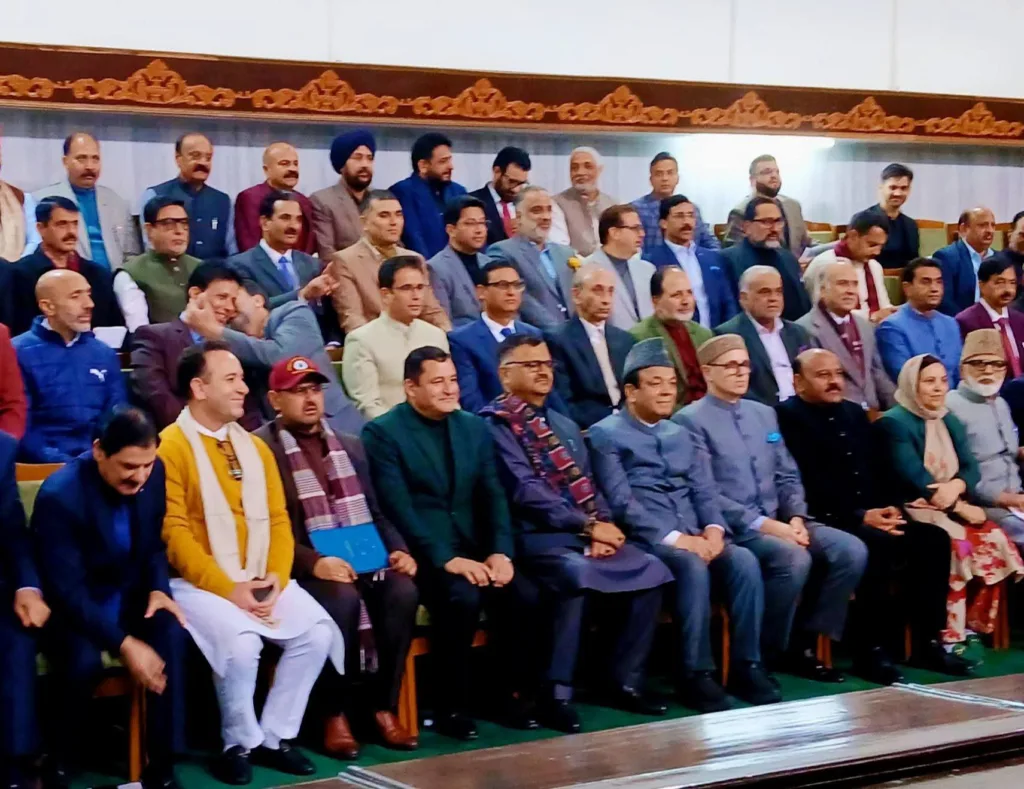
Politics in Kashmir is loud, emotional, and often bitter. Public speeches are filled with sharp attacks, harsh language, and constant blame. On television debates, in press conferences, and across social media, political leaders appear locked in permanent conflict. For the common Kashmiri, the message seems clear: these leaders are sworn enemies.
But that perception tells only half the story
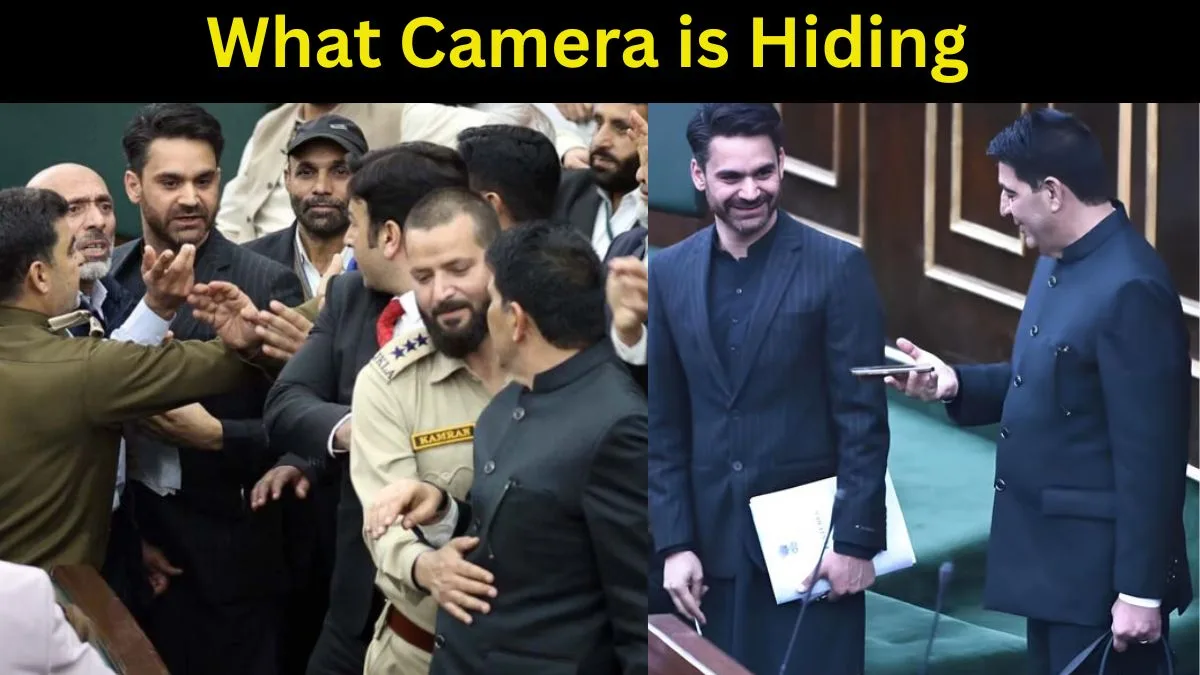
Behind the curtains of public politics lies a quieter, rarely discussed reality. Kashmiri politicians, despite their fierce public rivalry, are often connected by personal respect, shared culture, and long-standing relationships. Away from cameras, they attend each other’s family events, offer condolences during times of loss, and extend support in moments of difficulty. In private spaces, political bitterness gives way to human connection.
This is not unique to Kashmir; it is a global political phenomenon. However, in a conflict-sensitive region like Jammu and Kashmir, the gap between public posturing and private conduct carries deeper consequences.
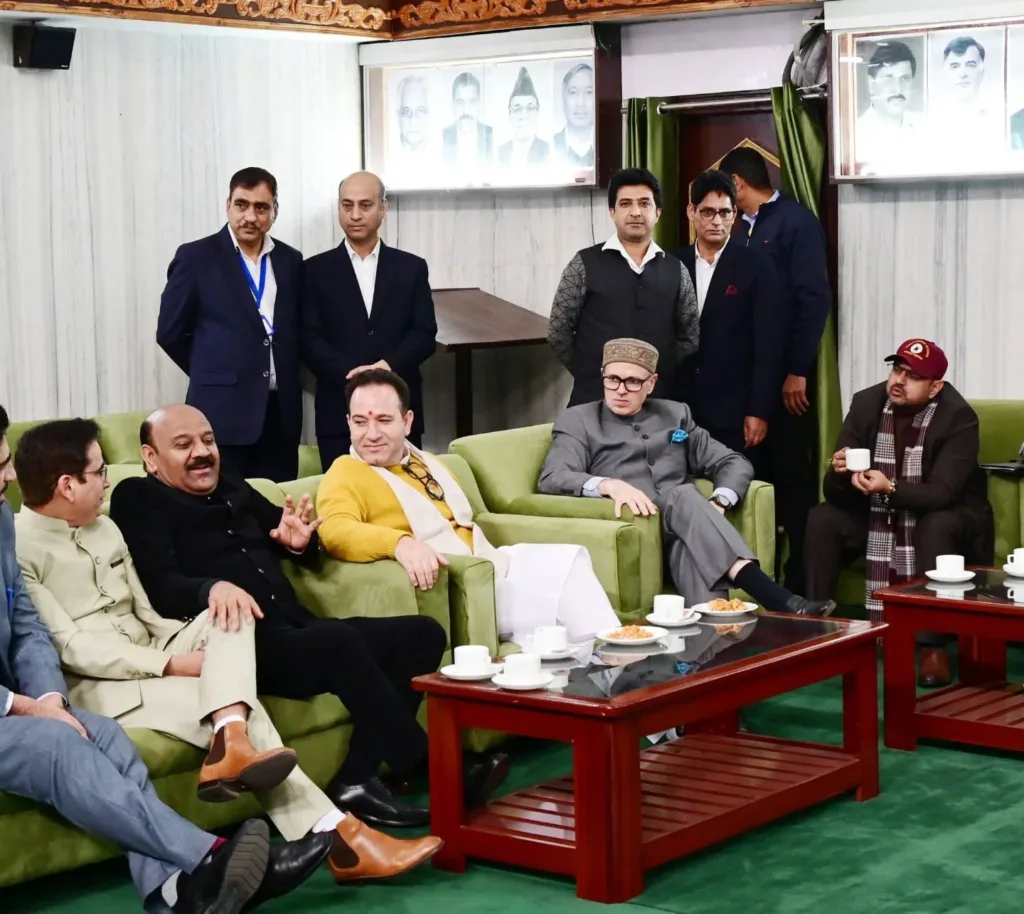
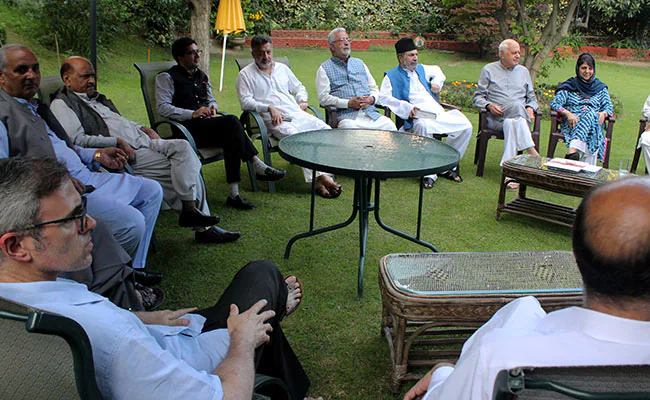
In public, leaders from different parties exchange strong statements, sometimes appearing incapable of sitting together. Yet in private settings—Ramadan iftar gatherings, weddings, funerals, and informal meetings—the scene is very different. They share traditional meals like wazwan, drink tea, laugh, recall old memories, and discuss issues affecting the people. These moments are real, but they are carefully kept away from public view.
The reason is political necessity. A visible display of warmth toward rivals risks alienating loyal supporters. Political survival demands a strong image of opposition, even if personal relations remain intact. As a result, political rivalry is performed on stage, while human bonds remain hidden.
The cost of this performance is paid by the people
Many ordinary Kashmiris, with their deep emotions and trusting nature, take political rhetoric at face value. They internalize the anger they see and begin to view fellow citizens through the same lens of hostility. Political rivalry at the top slowly translates into social division at the grassroots.
This is where the danger lies
Kashmiri politicians understand the difference between political competition and personal enmity. The public, however, is rarely shown this distinction. When leaders shout in public but reconcile in private, society is left carrying unnecessary bitterness, suspicion, and division.
It is important to state this clearly: Kashmiri leaders are not personal enemies of one another. Their disagreements revolve around power, policy, and votes—not hatred. Outside political platforms, many share a sense of brotherhood shaped by common culture, history, and social ties.
Recognizing this reality does not weaken democracy; it strengthens it. Disagreement is essential in politics, but manufactured hostility should not poison social harmony. In a region that has endured decades of pain and division, people deserve honesty, not theatrical hatred.
Politics may demand loud voices and sharp words, but Kashmir’s soul lies in its humanity, warmth, and shared traditions. True unity does not always require public displays of friendship. Yet when political theatre begins to divide society, it becomes necessary to remind ourselves: enemies on stage are often brothers at heart.
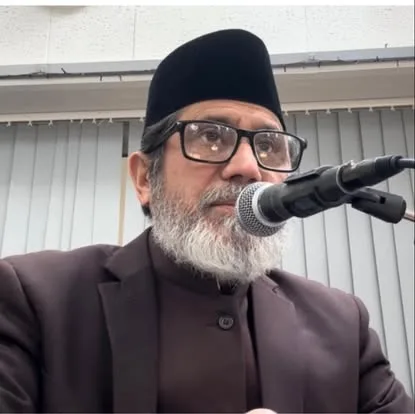
I admit that the reality is this: over the past fifty years I have trained thousands of people, delivered millions of Qur’an lessons and sermons, and tried to improve others’ character — yet I could not improve my own character to the standard it should have been.
Even now, I do not have the patience I should have. I do not have the tolerance I should have. I get angry very quickly, become agitated, and then my tongue completely slips out of control.Click Here To Follow Our WhatsApp Channel
Just the other day is a clear example. A business deal was done with an organisation. Initially, the discussion continued through messages and calls. The person on the other side turned out to be Pakistani, so the communication shifted from English to Urdu.
Later in the evening, I went to their office, passing through central London. The discussion was put into writing and turned into a deal. They issued an invoice, and trusting them, I made the full payment immediately. They said I would receive the item the next day at eleven.
The next day, I started waiting from ten o’clock. When it did not arrive by eleven, I immediately called — their phone was switched off. My temper flared up, and negative thoughts began flooding my mind, mixed with abuse: Pakistanis are not trustworthy; why did I trust them; what a fool I am to fall for their sweet talk; like Hatim Tai, I kicked his grave and handed over such a large amount in one go.
A short while later, someone from their office called and said, “Sir, it will reach you within an hour.”
Even after an hour, it still did not arrive. I called again, and the poor man kept saying politely, “Sir, please give us just one more hour.”
Another hour passed. I called their other office; from there too I received the same soft and courteous response: “Sir, there has been a small administrative issue.”
That’s when I completely lost control. I called and messaged for the third and fourth time, hurling abuse and using words close to outright insults, saying, You Pakistanis are all the same — cheats, fraudsters.
During this time, I started searching for contacts and emails of the police, intelligence, and scam and fraud departments to teach them a lesson. I threatened them, saying that if this was not resolved within two hours, I would personally come to their office and report them to all the relevant departments — this is not Pakistan, this is Britain, where you can commit fraud so easily.
Those poor people, one after another, kept pleading, apologising, while I was raging like fire.
Eventually, within two hours, the item I had purchased was delivered, and I finally calmed down.
Later, I felt deep regret over my behaviour and my words. I kept seeking forgiveness from Allah through prayers, and I also apologised to those Pakistani people.
And once again I started thinking: the reality is that over the past fifty years I have trained thousands of people and worked on improving their character, yet I could not improve my own character to the level it should have been.
Even now, I lack the patience I should have. I lack the tolerance I should have. I get angry too quickly, become provoked, and then my tongue is no longer under control.
May Allah forgive me and continue to grant me the ability to constantly reform myself.
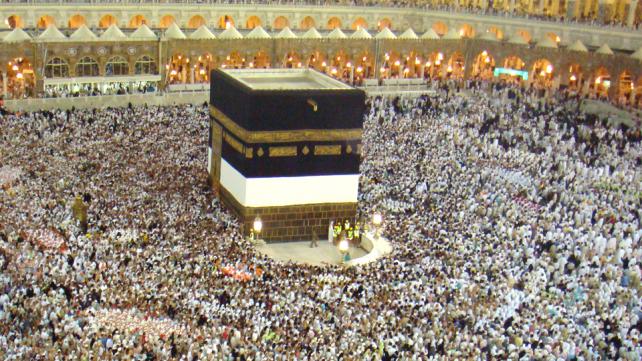
The Hajj Executive Office J&K Haj Committee, Srinagar/Jammu. Sub:Complaint regarding Haj training. Sir/ Madam, With due regard I have to express my concern about the Haj training sessions conducted by your committee. I have recently attended a training programme at Masjid Firdosabad Sunjwan,Jammu, where the trainer made irrelevant statements about Haj rituals and claimed Haj is not acceptable a pilgrim with a short or no beard on his face and exaggerated the importance of 100 rakats of Tahajjud during Haj. Such distortions are misleading and compromise the sanctity and spirit of Haj experience. The trainers lack in Islamic academic background and aren’t well equipped to impart updated training to facilitate the performance as per the standards of Haj. I, therefore, request you to kindly:
Review trainer qualifications and credentials
Ensure trainers are knowledgeable about Haj rituals and Islamic teachings
Take action to prevent such distortions in future training sessions
Include scholars with expertise in Fiqh and Hadith to oversee training content
Provide pilgrims with authentic study materials based on Quran and Sunnah
Conduct refresher courses for trainers to update their knowledge
Establish a feedback mechanism for pilgrims to report inaccuracies.
Lady Haj trainers should be inducted for the training of female pilgrims,
Ensure use of digital display systems such as Interactive whiteboard with maps of the holy sites. This will definitely help pilgrims to receive accurate information and perform their Haj with ease according to the teachings of Quran and Sunnah.
Sincerely, Abdul Qayyum Nadvi, Intending Pilgrim, Bathindi Jammu. *Copy to the worthy Chairperson for information; *Copy to the district Haj officers. Dated: 05.02.2026
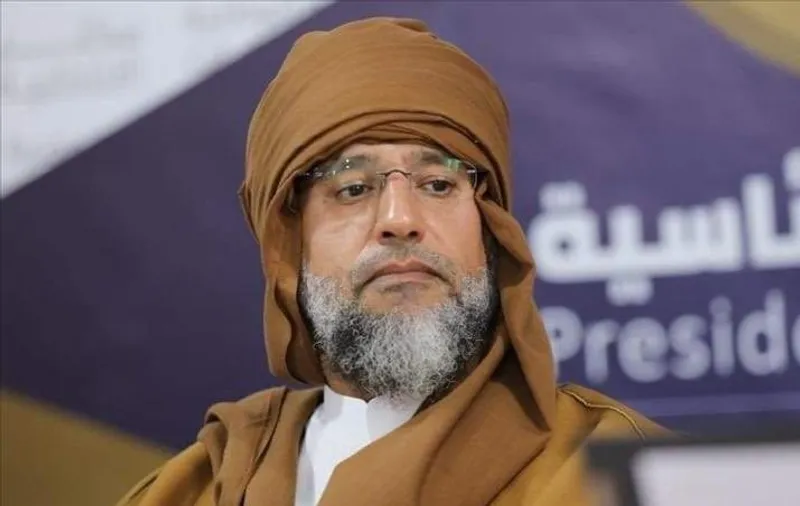
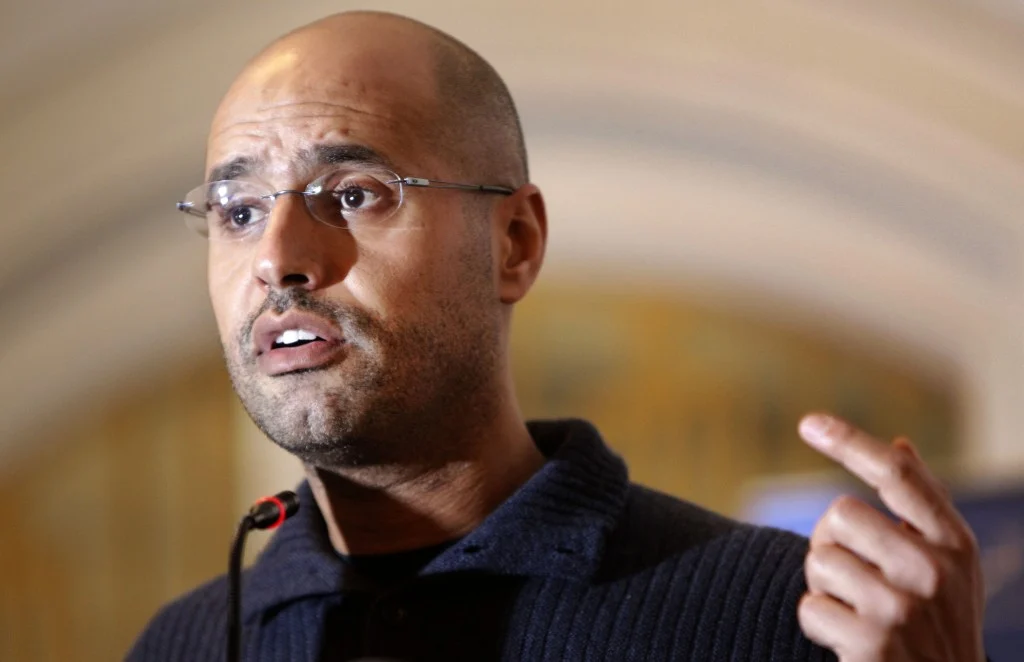
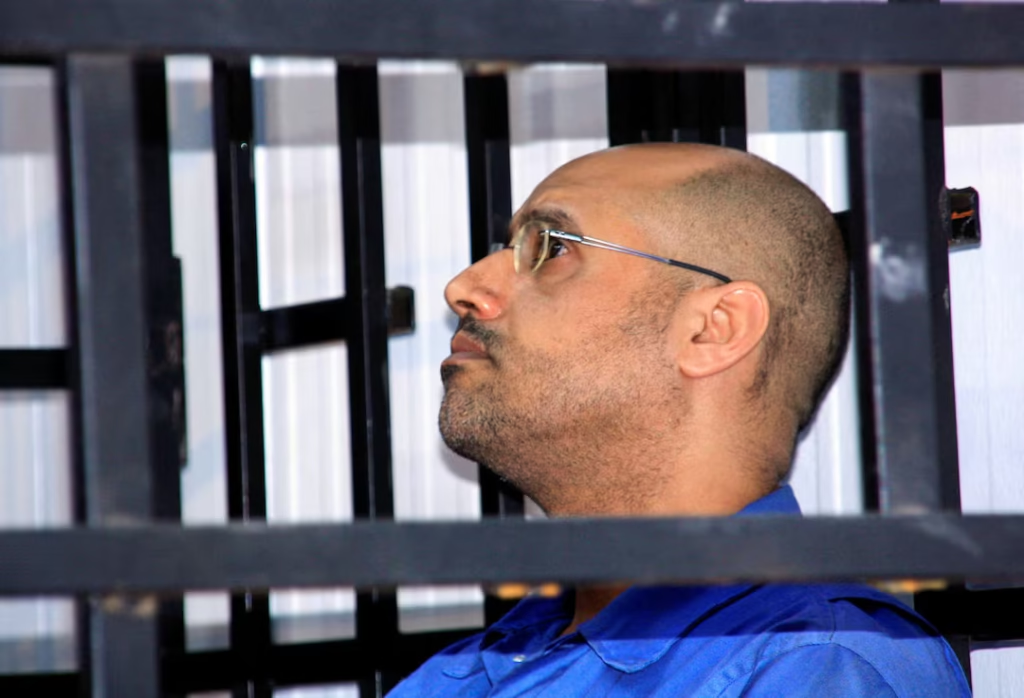
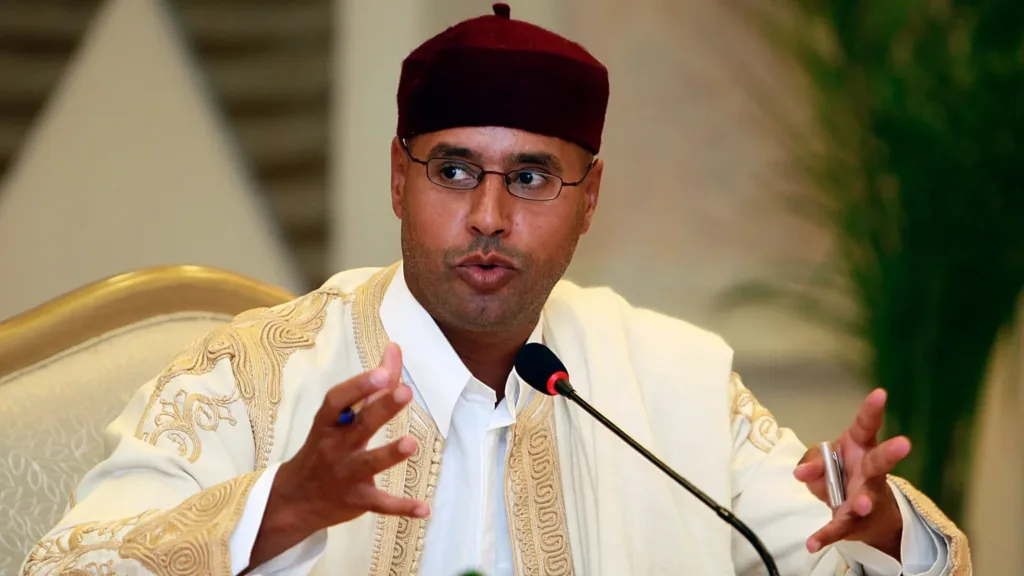
For more than a decade after Libya’s 2011 revolution, one name continued to cast a long shadow over the country’s broken politics: Saif al-Islam Gaddafi. Once groomed as his father’s successor, later a wanted war crimes suspect, and in recent years a controversial political comeback figure, Saif al-Islam symbolised Libya’s unresolved past.
Today, that chapter ended. Saif al-Islam Gaddafi was killed, according to reports, bringing a dramatic close to one of the most unsettling storylines of Libya’s post-revolution era. Click Here To Follow Our WhatsApp Channel
His death does not simply mark the fall of an individual. It exposes the depth of Libya’s failure to achieve justice, reconciliation and stable governance since the overthrow of Muammar Gaddafi.
From Reformist Image to Revolutionary Enemy
Before 2011, Saif al-Islam presented himself as the modern face of the Gaddafi regime. Educated in the UK and fluent in English, he spoke about reform, civil society and opening Libya to the world. Western governments saw him as a bridge to gradual change.
That image collapsed when protests erupted. In a televised speech, he warned Libyans of “rivers of blood” and pledged loyalty to the regime’s violent crackdown. The International Criminal Court later issued a warrant for his arrest for crimes against humanity.
From that moment, he became inseparable from the brutality of the old regime.
Capture, Survival and Political Return
Captured alive in 2011, Saif al-Islam spent years in detention under militia control, surviving while Libya descended into chaos. A death sentence issued in Tripoli and an unresolved ICC case kept him in legal limbo, while state authority continued to crumble.
His release in 2017 allowed him to quietly rebuild influence. By 2021, he re-emerged as a presidential candidate, appealing to tribes and communities exhausted by war and instability. His message was simple: unity, sovereignty and an end to chaos.
Though elections collapsed, he remained politically active, becoming a living reminder of how unfinished Libya’s revolution truly was.
Why His Death Matters
Saif al-Islam’s killing removes one of Libya’s most polarising figures, but it does not resolve the problems that allowed his return.
To supporters, he represented lost stability. To opponents, he embodied repression and bloodshed.
His survival for so long reflected the failure of Libya’s institutions — courts, governments and reconciliation efforts — to deliver justice or closure. His death, coming outside any clear legal process, underlines that failure even more sharply.
Conclusion: Closure Without Resolution
The death of Saif al-Islam Gaddafi ends a political ghost story, but it does not heal Libya’s wounds. The country remains divided, armed groups still dominate, and foreign influence continues to shape its future.
For some Libyans, his killing will feel like long-delayed justice. For others, it will deepen fears of endless cycles of revenge.
What is certain is this: Saif al-Islam Gaddafi’s life — and death — stand as proof that Libya’s revolution never truly finished. It removed a dictator, but never replaced him with a state strong enough to move forward.
Prof. Khurshid Iqbal Andrabi: A Life in Research, Teaching & Leadership
In the world of academia, few careers are as distinguished as those that masterfully weave together groundbreaking research, dedicated teaching, and visionary leadership. Professor Khurshid Iqbal Andrabi, the 19th Vice-Chancellor of the University of Kashmir, exemplifies this rare blend. His journey from the laboratories of Harvard to the administrative helm of one of India’s premier universities is a story of intellectual brilliance, unwavering commitment to education, and profound service to his homeland.
From Srinagar to the Global Scientific Stage
Born in Srinagar on July 15, 1963, Khurshid Andrabi’s academic prowess was evident early. His foundational training in biochemistry began at the prestigious Postgraduate Institute of Medical Education and Research (PGIMER) in Chandigarh, where he not only earned his master’s degree in 1985 with a gold medal and distinction but also completed his PhD in 1990.
The quest for deeper knowledge took him across the Atlantic for postdoctoral research at some of America’s finest institutions. His tenure at Harvard Medical School and Massachusetts General Hospital (1992-1996) was particularly formative. Here, he worked on insulin receptor signaling in collaboration with Nobel Laureate Edwin G. Krebs, immersing himself in the then-nascent field of molecular cell signaling—a focus that would define his life’s work.Click Here To Follow Our WhatsApp Channel
A Pioneer in Kashmir’s Biotechnology Landscape
After nearly a decade abroad, including a stint as an Assistant Professor at the Cleveland Clinic Foundation, Prof. Andrabi made a pivotal decision: to return to Kashmir and contribute directly to its academic growth. Joining the University of Kashmir as faculty, he played an instrumental role in establishing the Department of Biotechnology in 2003.
Under his stewardship as its founding head, the department grew from an idea into a nationally recognized centre of excellence, gaining support and acclaim from the Government of India’s Department of Biotechnology (DBT). This was a legacy-building act—creating an ecosystem for advanced biological research in the Valley that would nurture generations of future scientists.
The Researcher: Decoding Cellular Mysteries
At his core, Prof. Andrabi remained a dedicated researcher. His primary area of investigation is cell signaling, with a specific emphasis on the mTORC1 pathway. This complex biological mechanism is crucial for understanding cellular growth, metabolism, and survival. His work has provided significant insights into how dysregulation of this pathway contributes to major human ailments, including cancer, diabetes, and aging. With over 85 published research papers and the guidance of more than 25 PhD and 20 MPhil students, he has built a robust research legacy that continues to impact the global scientific community.
The Leader: Stewardship as Vice-Chancellor
In 2014, his proven capabilities as an administrator—having served as Dean, Head of Department, and Director of Research—led to his appointment as the Vice-Chancellor of the University of Kashmir. His tenure from 2014 to 2018 was marked by efforts to modernize academic infrastructure, promote research culture, and navigate the university through challenging times with a focus on stability and academic integrity. He championed the integration of the university’s rich traditional strengths with the demands of 21st-century science and humanities.
A Trusted Voice in Academia
Beyond the university campus, Prof. Andrabi’s expertise has been sought by numerous national and international bodies. He has served as a member of the University Grants Commission (UGC) Peer Team, contributed to advisory boards for the Department of Science and Technology (DST), and been associated with the Indo-Australian Higher Education Commission and the British Council for Higher Education. His role as an editor and reviewer for several international journals underscores his standing in the global academic fraternity.
The Enduring Legacy
Today, even after his vice-chancellorship, Prof. Khurshid Iqbal Andrabi remains a professor in the department he helped create—a full-circle moment for a man dedicated to the cycle of learning and mentorship. His life stands as a powerful testament to the idea that true academic greatness lies not just in personal achievement, but in the ability to build institutions, mentor minds, and illuminate pathways for others to follow. In the annals of Kashmiri and Indian academia, he is remembered not only as a scientist and a leader but as a builder of futures.
Article 35A: The Complete Story of Kashmir’s “Special Status” Law
For decades, a single constitutional provision stood at the heart of India’s most complex political and emotional debate: Article 35A. More than just a legal clause, it was the bedrock of Jammu & Kashmir’s unique identity within India—a symbol of autonomy for its supporters, and a mark of discrimination for its critics. To understand the journey of modern Jammu & Kashmir, you must understand the story of Article 35A: where it came from, what it did, why it sparked such passion, and how it came to an end.
1. The Origin Story: A Promise of Protection
Article 35A didn’t come from India’s original Constitution. It was born in 1954 through a Presidential Order rooted in Article 370—the article that granted Jammu & Kashmir its special autonomous status after it acceded to India in 1947. Think of it like this: Article 370 was the framework of the special relationship, and Article 35A was the key rule created under it. It was designed to protect the state’s demographic character after the turmoil of Partition by letting the state itself define who belonged there.
2. The Core Function: Defining the “Permanent Resident”
So what did Article 35A actually do? In simple terms, it gave the Jammu & Kashmir legislature the exclusive power to define the state’s “Permanent Residents.” Only these residents could access a special set of rights that were off-limits to other Indian citizens. This wasn’t just about voting—it was about creating a legal fence around jobs, land, and state benefits. Click Here To Follow Our WhatsApp Channel
3. The Special Rights: Land, Jobs and Identity
Under Article 35A, being a Permanent Resident came with concrete privileges:
Property Ownership: Only residents could buy land or a house in Jammu & Kashmir.
State Government Jobs: Public sector employment was reserved for them.
State Scholarships and Educational Aid.
Political Rights: Only residents could vote in state elections or run for the state assembly.
In essence, Article 35A made residency a prerequisite for full economic and political participation in the state.
4. The Rising Controversy: Charges of Discrimination
Over time, Article 35A became deeply controversial. Critics argued it was unfair and unconstitutional on several grounds:
Gender Bias: If a Kashmiri woman married an “outsider” (a non-resident Indian), she could lose her residency status and property rights—a rule later softened but not fully resolved.
Stranded Communities: Groups like the Valmikis (brought as sanitation workers in 1957) and West Pakistan Refugees (who fled in 1947/65) lived there for generations but were denied full residency rights—barring them from most jobs and property ownership.
Constitutional Questions: Many legal experts argued that because Article 35A was added via Presidential Order—bypassing Parliament’s amendment process—it was legally shaky. They also said it violated the Indian Constitution’s promise of equality and the right to settle anywhere in India.
5. The Legal and Political Standoff
For years, Article 35A was challenged in the Supreme Court, which heard arguments but never gave a final verdict. Politically, opinions were sharply split:
In Kashmir: Mainstream parties saw Article 35A as an “article of faith”—essential to protecting Kashmiri identity and autonomy.
In New Delhi and Jammu: Many, including the BJP and groups in Jammu, saw it as an unfair anomaly that held back investment, fueled separatism, and denied rights to women and refugees.
6. The Historic Revocation: August 2019
The debate reached a dramatic climax in August 2019. The Central Government took these decisive steps:
A New Presidential Order replaced the 1954 order that contained Article 35A, effectively voiding it.
Article 370 itself was revoked through a Parliamentary resolution.
Jammu & Kashmir was reorganized into two Union Territories.
Since Article 35A existed only through Article 370, its legal foundation disappeared overnight.
The Legacy: What Remains After Article 35A
Today, Article 35A is history—but its legacy is very much alive.
For Supporters of the move, its end corrected a “historical wrong,” opened the path for economic investment, and brought equality by allowing all Indian citizens to own property and access opportunities in the region.
For Critics, its revocation marked the unilateral end of a constitutional promise, deepening a sense of political disempowerment in Kashmir and raising concerns about demographic change.
Article 35A was more than law—it was a defining marker of identity and belonging. Its story captures the tension between regional autonomy and national integration, between protection and discrimination. Whether seen as a shield or a barrier, understanding Article 35A remains essential to understanding the past and navigating the future of Jammu & Kashmir.
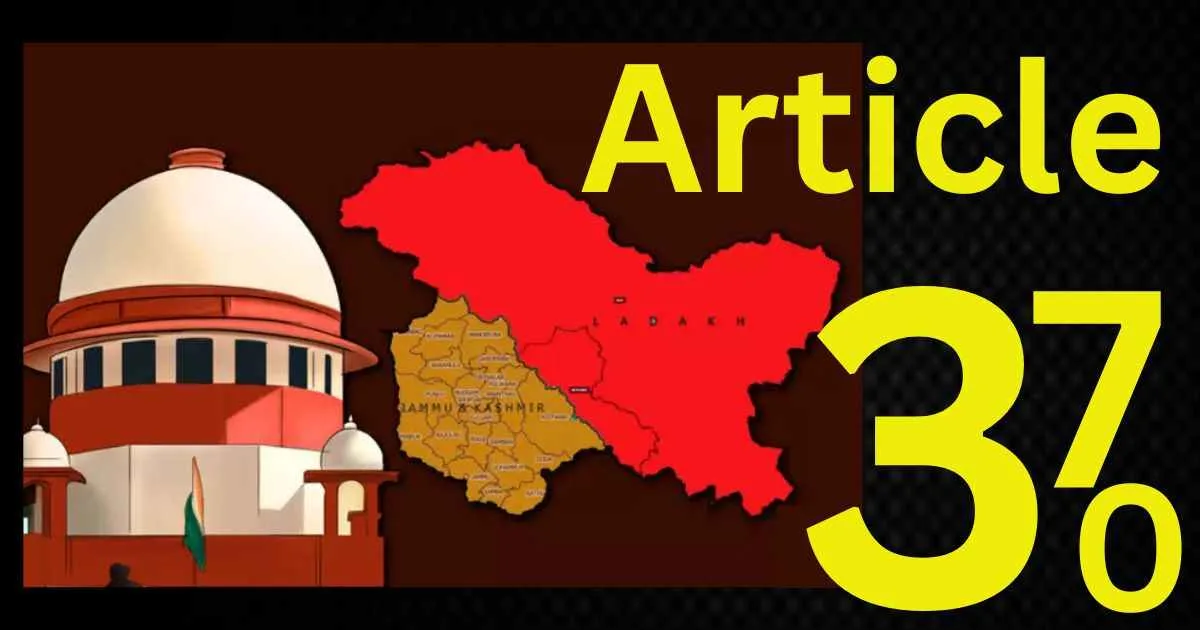
Article 370 was a key part of the Indian Constitution that gave special status to the region of Jammu and Kashmir. This provision allowed the area a level of independence not seen in other Indian states. Over the years, Article 370 sparked much debate and controversy. In 2019, the Indian government decided to remove it, leading to big changes in the region. This article explores the full story of Article 370, from its beginnings to its end, and what it means today. We’ll look at the history, the rules it set, how it was scrapped, and the effects on Jammu and Kashmir.
The Historical Background of Article 370
The story of Article 370 starts in the late 1940s, just after India gained independence from British rule. Jammu and Kashmir was a princely state ruled by Maharaja Hari Singh. In 1947, when India and Pakistan split, the Maharaja faced pressure from both sides. Pakistan-backed tribes invaded Kashmir, forcing the Maharaja to seek help from India.Click Here To Follow Our WhatsApp Channel
To get Indian military support, the Maharaja signed the Instrument of Accession on 26 October 1947. This document joined Jammu and Kashmir to India but only in matters of defence, foreign affairs, and communications. Other areas stayed under the state’s control. This setup formed the basis for Article 370 in the Indian Constitution, which came into force in 1950.
Article 370 was meant to be temporary. It was added to bridge the gap until Jammu and Kashmir could decide its future through a Constituent Assembly. In 1951, this assembly was formed, and by 1957, it had created the state’s own constitution. After that, the assembly dissolved, but Article 370 remained in place.
For decades, Article 370 symbolised the unique relationship between Jammu and Kashmir and the rest of India. It protected the region’s identity and autonomy amid ongoing disputes with Pakistan over Kashmir.
Key Provisions of Article 370
Article 370 outlined how the Indian Constitution applied to Jammu and Kashmir. Unlike other states, not all parts of the Constitution automatically covered the region. Instead, the President of India could extend provisions with the agreement of the state’s government.
Here are the main features:
Limited Central Power: The Indian Parliament could only make laws on defence, foreign affairs, finance, and communications without the state’s consent. For other matters, like land or education, the state had its own rules.
Own Constitution and Flag: Jammu and Kashmir had its own constitution and state flag, alongside the Indian one.
Residency Rights: Linked to Article 35A (added in 1954 via a presidential order), it defined ‘permanent residents’ and gave them special rights, such as buying property or getting government jobs. Outsiders could not easily settle or own land in the state.
No Emergency Powers: The President could not declare a financial emergency in the state under Article 360 of the Indian Constitution.
These rules aimed to preserve the cultural and demographic makeup of Jammu and Kashmir, a Muslim-majority area in a diverse country.
Article 35A: The Companion to Article 370
Article 35A was closely tied to Article 370. It came from a 1954 presidential order and let the Jammu and Kashmir legislature define who counted as a permanent resident. Only these residents could own land, vote in state elections, or access scholarships and jobs.
This article faced criticism for being discriminatory, especially against women who married outsiders—they could lose their rights. Supporters argued it protected the region’s identity from outside influence. When Article 370 was removed, Article 35A went with it.
The Abrogation of Article 370 in 2019
The push to end Article 370 grew stronger under the Bharatiya Janata Party (BJP), led by Prime Minister Narendra Modi. The party had promised to scrap it in their 2014 and 2019 election manifestos, seeing it as a barrier to full integration.
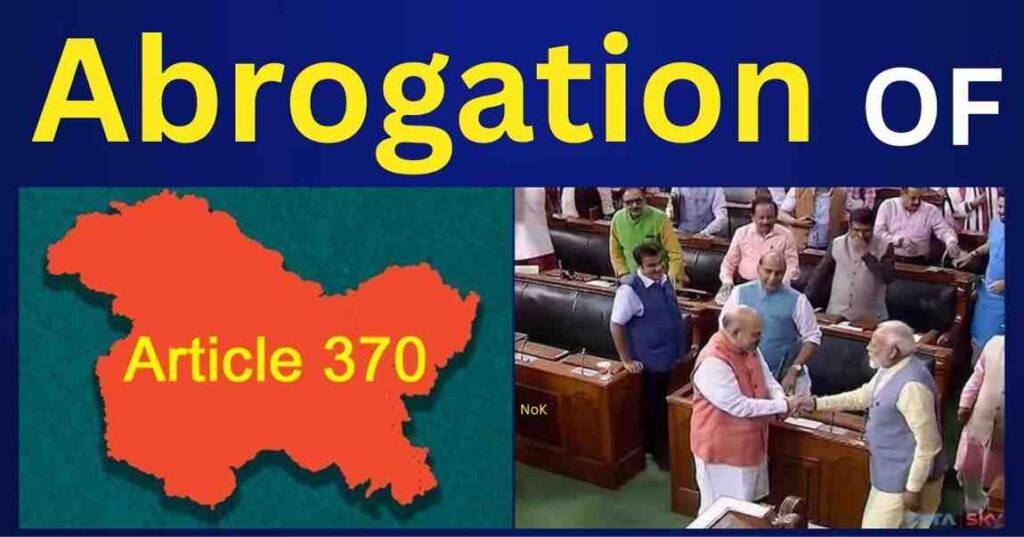
On 5 August 2019, while Jammu and Kashmir was under President’s Rule (meaning central control via the governor), Home Minister Amit Shah announced changes in Parliament. The government issued Presidential Order CO 272, which amended Article 367. This changed ‘Constituent Assembly’ to ‘Legislative Assembly’ in Article 370.
Since there was no state assembly, the governor’s approval stood in. This allowed the President to apply the full Indian Constitution to Jammu and Kashmir. The next day, 6 August 2019, Presidential Order CO 273 made most of Article 370 inoperative, except for a clause saying all Indian laws now applied.
At the same time, Parliament passed the Jammu and Kashmir Reorganisation Act, 2019. This split the state into two Union Territories: Jammu and Kashmir (with a legislature) and Ladakh (without one). The changes took effect on 31 October 2019.
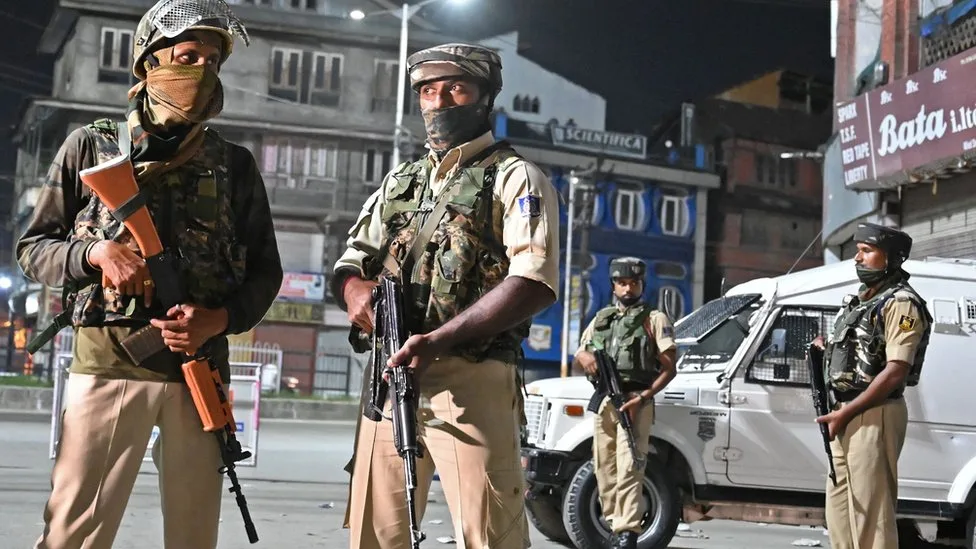
The move came with a communications blackout, curfews, and arrests of local leaders to prevent unrest. It drew mixed reactions—cheers from some parts of India, protests in Kashmir, and concern from abroad.
Legal Challenges and the Supreme Court Verdict
Many challenged the abrogation in the Supreme Court, arguing it was unconstitutional without the state’s consent. They said Article 370 became permanent after the Constituent Assembly dissolved in 1957.
On 11 December 2023, a five-judge bench unanimously upheld the changes. The court called Article 370 ‘temporary’ and said the President had the power to revoke it. It noted the abrogation promoted integration and development.
The judges ordered assembly elections by September 2024 and said Jammu and Kashmir should regain statehood ‘at the earliest’. This ruling ended major legal doubts but left some questions about the process.
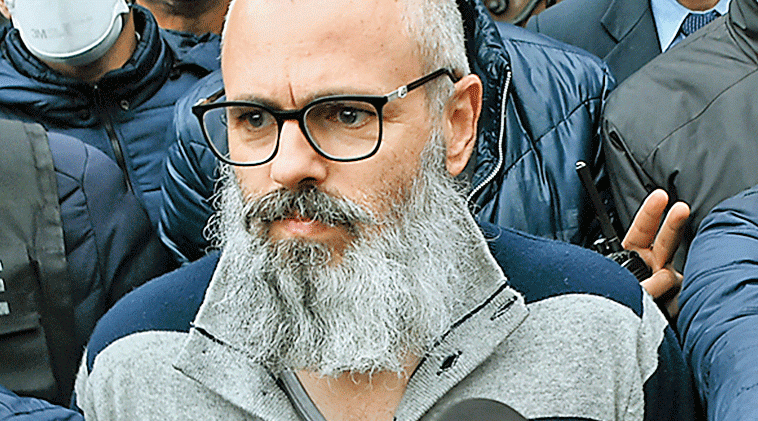
Omar Abdullah. Image Courtesy: PTI
Impacts of Abrogating Article 370 on Jammu and Kashmir
The end of Article 370 brought sweeping changes:
Political Shifts: Without special status, Jammu and Kashmir lost its separate constitution and flag. Elections in 2024 brought back a local government after years of central rule.
Economic Growth: The government claims investments have risen, with better infrastructure, tourism, and jobs. Laws now allow outsiders to buy land, aiming to boost development. By 2025, on the sixth anniversary, the Prime Minister highlighted improved security and progress.
Social Changes: Permanent residency rules ended, opening doors for non-locals. This raised fears of demographic shifts in the Muslim-majority area. Women’s rights improved in some ways, as old discriminatory laws vanished.
Security and Human Rights: Supporters say militancy dropped, with fewer attacks. Critics point to ongoing tensions, internet shutdowns, and claims of rights violations.
International View: Pakistan condemned the move, straining ties. The UN and others watched closely, but India called it an internal matter.
By 2026, symbols like the Tricolour lighting up Srinagar’s Lal Chowk on Republic Day show greater integration.
Current Status of Article 370 in 2026
As of February 2026, Article 370 remains abrogated. Jammu and Kashmir is a Union Territory with an elected assembly, while Ladakh stays without one. The Supreme Court’s 2023 verdict stands, and statehood restoration is discussed but not yet done.
The region sees ongoing development, but debates continue over autonomy and identity. The abrogation is seen as a step towards unity, yet it divides opinions in Kashmir.
Conclusion
Article 370 shaped Jammu and Kashmir’s place in India for nearly 70 years. Its abrogation in 2019 marked a bold shift towards full integration, upheld by the courts. While it promises growth and equality, it also raises questions about local rights and culture. Understanding Article 370 helps grasp India’s complex federal system and the ongoing Kashmir story. As time passes, its true impact will become clearer.
The Indian commodity market witnessed a historic and brutal selloff over the last weekend of January, sending shockwaves through investor portfolios. In an unprecedented move, gold prices on the Multi-Commodity Exchange (MCX) plummeted by around 20% in just two trading sessions, with silver following suit in a sharp decline. This dramatic collapse erased nearly two months of steady gains, leaving both leveraged traders and long-term investors reeling.
The Timeline of a Meltdown
The storm began brewing on Saturday. After a period of consistent weekly gains, gold prices on the MCX came under heavy pressure, closing down 5.4% at ₹1,69,470 per 10 grams for 24-carat gold. The real carnage, however, unfolded on Sunday, the Union Budget day.
The session opened with 24-carat gold at ₹1,46,800 per 10 grams.
Sustained and intense selling pressure, coupled with extreme intraday volatility, then pushed prices into a freefall.
By the end of the day, gold had crashed to ₹1,36,185 per 10 grams—marking a staggering near-20% drop from the levels seen just 48 hours prior.
Silver mirrored the panic. On the MCX, silver prices nosedived 9% in a single session on Sunday, landing at ₹2,65,900 per kilogram, abruptly halting its own strong bullish rally. Click Here To Follow Our WhatsApp Channel
The Global Context
The weakness was not isolated to India. International spot gold prices also witnessed a severe correction, tumbling over 9% to USD 4,887 per ounce. This global selloff added significant downward pressure on domestic prices, as India’s gold prices are intrinsically linked to international benchmarks, accounting for customs duty and the USD/INR exchange rate.
The “Why”: Unpacking the Perfect Storm
Market experts point to a confluence of factors that created this perfect storm:
Leveraged Positions Unwinding: The primary trigger is attributed to a massive unwinding of leveraged speculative positions. Over the preceding two months, a large number of investors and traders, attracted by the steady climb, had entered gold and silver trades using borrowed money (leverage). When prices began to fall, these leveraged positions faced margin calls, forcing traders to sell their holdings to cover losses. This selling triggered further price drops, creating a vicious downward spiral.
Profit-Booking After a Rally: The sharp and consistent price rises in both metals had built up significant paper profits. The initial dip on Saturday likely prompted a wave of profit-booking, which accelerated into panic selling on Sunday.
Budget Day Liquidity and Sentiment: The occurrence of the crash on Budget Day added a unique layer. Market participants often reposition portfolios ahead of major events, which can exacerbate volatility. While no direct policy trigger was identified, the overall market sentiment and liquidity conditions may have amplified the move.
Mystery of Large Institutional Trades: Speculation swirled about large institutional orders or “fat finger” trades (accidental large orders) that may have initiated the initial plunge. However, experts like Ajay Bagga, Banking and Market Expert, noted that such theories remain unverified. The sheer scale suggests a systemic rush for the exit rather than a single actor.
Expert Advice: Navigating the Aftermath
In the wake of the meltdown, experts are urging a calibrated, long-term perspective.
For Long-Term Investors: Analysts emphasize that the fundamental reasons for holding gold and silver—central bank buying, fiat currency debasement concerns, government deficits, and robust industrial demand for silver from EV and renewable sectors—remain intact. Household investors who hold physical gold or sovereign gold bonds (SGBs) without leverage are advised to stay the course.
A Caution Against Leverage: Ajay Bagga strongly cautioned against the use of leverage in volatile commodity markets. “The meltdown would have hurt these [leveraged] positions… let us keep the discourse measured and avoid the leverage,” he told ANI. The event serves as a stark reminder of the risks associated with borrowed money in trading.
Portfolio Reassessment: Investors were advised to reassess their asset allocation. Bagga suggested that those with a 10-15% strategic allocation to gold and silver may continue to hold for diversification. However, investors uncomfortable with such extreme volatility could consider liquidating to preserve capital and peace of mind.
Avoiding the Noise: The key takeaway is that commodity downturns can be prolonged and violent, but short-term noise should not derail long-term financial goals. Patience and a focus on core fundamentals, rather than speculative trading, are paramount.
Conclusion
The 20% gold crash is a dramatic lesson in market mechanics, highlighting the dangers of speculative leverage and the inherent volatility of commodity markets. While it has inflicted painful short-term losses, particularly on traders, it reinforces the classic investment wisdom: precious metals are best held as a long-term, non-leveraged hedge within a diversified portfolio, not as a short-term bet for exponential gains. The market’s focus now shifts to how prices stabilize and whether this event marks a deep correction or a change in the longer-term bullish trend.