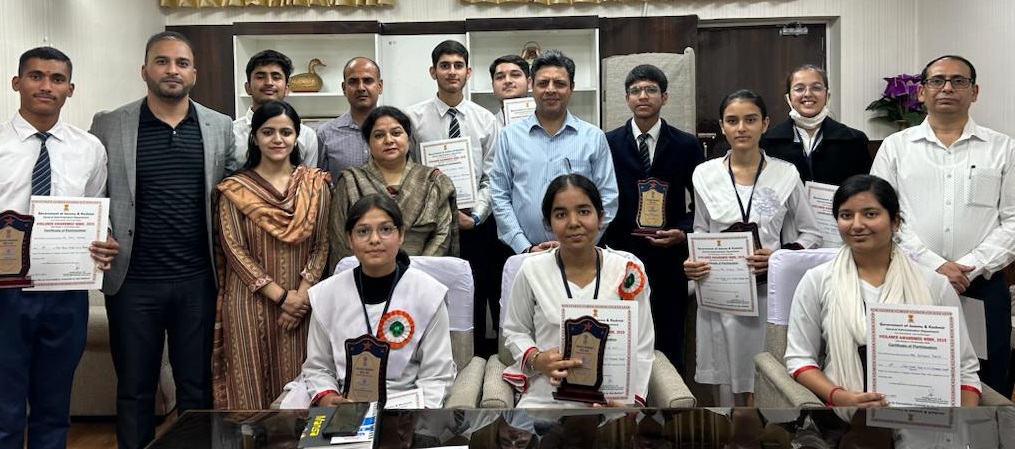
Students of J&K Commemorate Vigilance Awareness Week 2023 with Anti-Corruption Campaign at Civil Secretariat

To commemorate Vigilance Awareness Week 2023, students hailing from various educational institutions in Jammu and Srinagar undertook an awareness campaign addressing the issue of corruption. This initiative saw them conducting activities at both the Civil Secretariats in Jammu and Srinagar.

During the campaign, the students assumed the role of ‘Vigilance Ambassadors’ and disseminated informative pamphlets within the various offices of the Civil Secretariats. They engaged with officers and officials, imparting valuable insights on the scourge of corruption and methods to combat it within government establishments.

The Commissioner Secretary of the General Administration Department (GAD), Mr. Sanjeev Verma, lauded the enthusiastic involvement of these young ‘Vigilance Ambassadors’ in the awareness campaign. He also expressed his admiration for the educational institutions that participated in this noble endeavor.

Notably, Government SRML Model Higher Secondary School in Parade, Jammu, and Government Model Girls Higher Secondary School in Mubarak Mandi, Jammu, took part in the campaign at Civil Secretariat Jammu. Simultaneously, Government Girls Higher Secondary School in Amira Kadal, Srinagar, and Government Boys Higher Secondary School in Jawahar Nagar, Srinagar, lent their support to the campaign at Civil Secretariat Srinagar.

We have Made Significant Progress in Policeman’s Murder Case, No Mercy for Culprits: DGP Swain

After paying a visit to the slain cop’s home in Tangmarg, Swain shared that crucial leads have been obtained in the ongoing investigation. While refraining from disclosing specific details of the ongoing inquiry at this point, he assured the public that those responsible for this heinous act will face justice.

“We will not spare anyone involved in this crime,” he emphasized, stressing the significance of bringing the culprits to justice. Swain also expressed his deep condolences for the fallen officer, highlighting that this loss affects not only the police family but also the entire community.

Furthermore, Swain pointed out that the individuals across the border are not channeling funds into the region to promote welfare and development but rather to fuel terrorism and disrupt peace. He stressed the importance of unity within the local community to counteract these external influences and to create an environment that thwarts the intentions of those who wish to harm the region’s stability.

Swain, accompanied by ADGP Kashmir Vijay Kumar, DIG North Kashmir Vivek Gupta, and SSP Baramulla Amod Ashok Nagpure, visited the residence of the late Police Officer Ghulam Mohammad Dar in Wailoo, Tangmarg. They conveyed their heartfelt sympathies to the bereaved family and paid their respects to the memory of the officer who made the ultimate sacrifice in the line of duty.

“In a historic move, J&K’s longest-serving Police chief to hand over the reins to Senior IPS Officer, Rashmi Ranjan Swain” A significant transition is on the horizon for the Jammu and Kashmir Police force as Rashmi Ranjan Swain, a senior IPS officer from the 1991 batch, is set to take over as the new Director General of Police (DGP). This remarkable change of leadership is scheduled for the afternoon of October 31, when Swain will assume his new role, succeeding Dilbag Singh, who will retire on the same day, holding the distinction of being the longest-serving Police chief in J&K.

Swain is renowned for his unwavering commitment to integrity and has a rich history of service. Notably, he has held the position of Senior Superintendent of Police (SSP) in both Srinagar and Jammu, the capital cities. His impressive career has also seen him serve in various capacities during a central deputation that spanned over 15 years. He even ventured into foreign postings, an honor reserved for exceptional officers.

Official sources indicate that the formal appointment of Swain as the J&K Police chief is imminent, expected to be issued in the coming days.

A Look at Swain’s Profile During a tumultuous period from 2001 to 2004, marked by peak terrorism, Swain held the vital role of SSP in Srinagar and Jammu, respectively. His service record extends to other critical postings, such as SSP in Ramban, Poonch, and Leh.

Swain’s dedication and commitment to the cause of justice are well-documented. He also served as Assistant Inspector General and Deputy Inspector General of Police in the J&K Vigilance organization from 2004 to 2006, further solidifying his reputation as a diligent and capable officer.

A Return to J&K In June 2020, Swain was repatriated to J&K, following a request by the J&K government to the Central government for his services. His appointment as the intelligence chief of J&K on June 15 marked a turning point. Under his leadership, the support networks that fueled terrorism were dismantled, putting an end to the menace of stone pelting. Schools and businesses were able to function without disruptions.

Swain was instrumental in developing a doctrine that targeted not only the terrorists themselves but also those who harbored and supported them. Stringent action was taken against Over Ground Workers (OGWs) and networks aiding terrorists. Notably, his efforts helped stifle the flow of funding from across the border, effectively reducing terrorism’s impact in J&K.

In November 2021, the State Investigation Agency (SIA) was established in J&K to combat terrorism effectively. Swain’s leadership shone as he became the first director of SIA, cracking long-standing cases, including the murder of Mirwaiz-e-Kashmir, Molvi Muhammad Farooq. The SIA’s reach extended to investigating various terror-related cases, including narco-terrorism, resulting in arrests of suspects in other states.

Swain’s Recent Statements Swain, in his recent interactions during events organized by the J&K Police, emphasized the unique challenges the force faces in its mission to maintain peace in the region. He highlighted the necessity of protecting law-abiding citizens from violence, noting that a state of non-violence can only be achieved when people’s hearts and minds are free from fear.

He also stressed the importance of distinguishing between those who seek peaceful, lawful livelihoods and those with ulterior motives of promoting violence. Swain’s dedication to working against unlawful activities for the greater good of the people reflects the rich history of the J&K Police.

A Highly Respected Figure Former DGP K Rajendra, who served as DIG and IGP during Swain’s tenure as SSP in Ramban and Srinagar, expressed high regard for Swain’s capabilities. He commended Swain’s professionalism, describing him as an outstanding officer with exceptional competence, integrity, and an amicable character.

Rajendra emphasized Swain’s strong performance during his training and highlighted his exemplary handling of the post-Article 370 situation. He lauded Swain’s meticulous approach and noted his unwavering dedication to upholding the law.

As Rashmi Ranjan Swain prepares to take on the role of DGP, he brings with him a wealth of experience, dedication, and a strong commitment to the welfare and security of the people of Jammu and Kashmir. His appointment is anticipated to usher in a new era for the region’s police force, rooted in integrity and excellence.

J&K: Telephone Numbers of Important Government Officers from UT J&K


Help Line Number for general public of district Srinagar for grievance redressal

6006-3333-08

0194-3574-338

9419-208242

9419-208251

9419-014723

Commissioner Srinagar Municipal Corporation

0194-2470466

Vice Chairman 0194-2464015/
91-194-2464016 /
91-194-2464014 (Fax)

Vice Chairman

91-194-2493191 /
91-194-2493180 /
91-194-2493180 (Fax)

Director School Education Kashmir

0194-2455095 /
91-194-2459288

SKIMS Soura

Departmental Helpline Contact Information:

Telecom:

  • General Manager Telecom: +91-194-2474090 / +91-194-2474141 (Fax)
  • Deputy General Manager: +91-194-2481455 / +91-194-2452299
  • Divisional Engineer (Phone): +91-194-2500022 / +91-194-2500166 / +91-194-2452117
  • Divisional Engineer (OCB): +91-194-2476161
  • Divisional Engineer: +91-194-2452700
  • Divisional Engineer (Mobiles): +91-194-2481670
  • SDO (Phones): +91-194-2310773 / +91-194-2310961

Municipality:

  • Private Secretary: +91-194-2476931
  • Joint Commissioner: +91-194-2472678
  • Health Officer: +91-194-2450620
  • Secretary: +91-194-2455136

LCMA:

  • Personal Assistant: +91-194-2462881
  • Secretary: +91-194-2464016

SDA:

  • Deputy Director Land Management: +91-194-2490443
  • Secretary: +91-194-2493221

Education:

  • Director Colleges: +91-194-2479584
  • Chief Education Officer: +91-194-2476854

Hospitals:

  • SMHS: +91-194-2452013 / +91-194-2479063

Disaster Management:

  • Telephone: +91-194-2472580 / +91-194-2477033 / +91-194-2483229 / +91-194-2477054
  • Fax: +91-194-2452182

Sub-Control Rooms Numbers:

Central Shalteng (Police Station Parimpora): +91-194-2490027

Nowgam (Police Station Nowgam): +91-194-2439828

Rambagh (Police Station Saddar): +91-194-2432119

Panthachowk (Police Station Panthachowk): +91-194-222933

South (Police Station Shergarhi): +91-194-2311918

Nehru Park (Police Station Nehru Park): +91-194-2482646

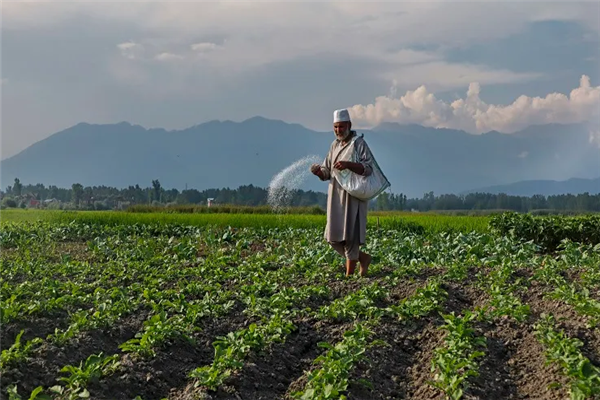
Jammu and Kashmir Agriculture: Battling Food Deficit and Nurturing Growth

Jammu and Kashmir, now a Union Territory, boasts breathtaking natural beauty, but when it comes to food production, it faces a significant challenge. The region is food deficit, with a substantial disparity between the production of food grains and their consumption. To meet the dietary needs of its residents, Jammu and Kashmir must import approximately 7 lakh metric tonnes of food grains annually.

As of the end of the 2013-14 fiscal year, the Kashmir Division achieved food grain production of 9.9 lakh metric tonnes. However, despite this substantial output, the deficit remains alarmingly high at 21.70%, which equates to about 2.65 lakh metric tonnes of food grains. Several factors contribute to this ongoing food deficit in Kashmir.

Geography and Climate:

The geographical and climatic conditions in Kashmir Division present formidable challenges to agriculture. A significant portion of the region is mono-cropped, which limits the diversity of crops that can be grown. Harsh weather conditions and terrain further hinder agricultural productivity.

Fragmented Land Holdings:

Another key factor contributing to the food deficit is the prevalence of small and fragmented land holdings. These fragmented plots minimize the scope for mechanization and the implementation of modern agricultural practices, which are essential for boosting production.

Land Conversion:

The conversion of agricultural land for horticultural and other non-agricultural purposes exacerbates the deficit. The shift towards non-agricultural land use reduces the arable land available for food grain production.

In a concerted effort to narrow the food deficit gap, the Agriculture Department of Jammu and Kashmir has been working tirelessly to enhance food crop production in the region. Several Centrally Sponsored Schemes have been put into action to incentivize farmers to adopt the latest agricultural technologies and best practices, all aimed at increasing production.

In recent years, the Agriculture Department has achieved remarkable success in enhancing the production levels of crucial crops such as paddy, maize, vegetables, and saffron. This achievement not only boosts food security but also improves the economic condition of local farmers. However, the journey towards self-sufficiency is ongoing, and there is much more work to be done to ensure a prosperous and food-secure future for the Union Territory.

Efforts are being made to further refine the implementation of agricultural schemes and strategies to bolster the agricultural sector. The aim is not only to reduce the deficit but also to help the region thrive agriculturally, leveraging its unique natural assets and overcoming the challenges that have long stood in the way of food security in Jammu and Kashmir. With determination and a strategic approach, the future holds the promise of a more self-sufficient and food-secure Union Territory.

You May Like

Kashmir Agriculture

Colleges In Kashmir From Anantnag To Kupwara

Anantnag Degree College

There are about 42 Government,13 Private Grant-in-Aid degree colleges and 7 Professional Institutions(Govt. Managed) in Kashmir Division. In kashmir there 8 Oriental Colleges and 75 Non Government affiliated Colleges also in Kashmir as per the data available by Jammu and Kashmir Higher Education Department. The colleges in Kashmir province are located in 10 districts. These districts include, Srinagar, Baramulla, Anantnag, Budgam, Kupwara, Pulwama, Ganderbal, Kulgam, Shopian and Bandipora. All the degree colleges of Kashmir Division are affiliated to the University of Kashmir.

District Anantnag

  • 1.Govt. Degree College, Dooru
  • 2.Govt. Degree College, Bijbehara
  • 3.Govt. Womens College Anantnag
  • 4.Govt. Boys College, Anantnag
  • 5.Govt. Degree College, Kokernag
  • 6.Govt. Degree College, Uttersoo, Anantnag
  • 7.Govt Degree College, Vailoo, Lamoo Anantnag

District Bandipora

  • 8.Hassan Shah Khoi-e-Hami Memorial Govt. Degree College, Bandipora
  • 9.Govt. Degree College, Gurez
  • 10.Govt Degree College, Sumbal

District Baramulla

  • 11.Govt. Degree College Women, Baramulla
  • 12.Govt. Degree College Women, Sopore
  • 13.Govt. Degree College, Uri
  • 14.Govt. Degree College, Pattan
  • 15.Govt. Degree College, Sopore
  • 16.Govt. Degree College Boys, Baramulla
  • 17.Govt Degree College, Hadipora, Rafiabad, Baramulla
  • 18.Govt Degree College, Tangmarg, Baramulla
  • 19.Govt Degree College, Magam, Tangmarg

District Budgam

  • 20.Govt. Degree College, Budgam
  • 21.Govt. Degree College, Beerwah
  • 22.Govt. Degree College, Khansahib, Budgam
  • 23.Govt Degree College, Chariesharief, Budgam

District Gaderbal

  • 24.Govt. Degree College, Ganderbal
  • 25.Govt Degree College, Kangan, Ganderbal

District Kulgam

  • 26.Govt. Degree College, Kulgam
  • 27.Govt. Degree College, Kilam, Kulgam
  • 28.Govt Degree College, Dhamal Hanjipora, Kulgam

District Kupwara

  • 29.Govt. Degree College of Handwara
  • 30.Govt. Degree College, Kupwara
  • 31.Govt. Degree College, Tangdhar
  • 32.Govt. Degree College, Sogam, Kupwara
  • 33.Govt Degree College Women, Kupwara

District Pulwama

  • 34.Govt. Degree College, Pulwama
  • 35.Govt. Degree College, Tral
  • 36.Govt. Degree College, Women , Pulwama
  • 37.Govt Degree College, Pampore, Pulwama

District Shopian

38.Govt. Degree College, Shopain

District Srinagar

  • 39.Vishwa Bharti Womens College, Rainawari Srinagar
  • 40.Gandhi Memorial College, Srinagar
  • 41.Govt. Women College, Nawakadal, Srinagar
  • 42.Govt Degree College, Bagi Dilawar Khan, Srinagar

Professional Colleges (Privately Managed)

  • 1.S.S.M. College of Engineering, Baramulla (B.E,MCA,MBA)
  • 2.Sopore Law College, Sopore, Kashmir (LLB, BA LLB)
  • 3.Kashmir Law College, Nowshera, Srinagar (LLB, BA LLB)
  • 4.Institute of Asian Medical Science Unani, Zakura, (BUMS)
  • 5.Bibi Haleema Nursing College, Srinagar (B.Sc Nursing)
  • 6.Kashmir Tibbiya College, Saida Kada, Srinagarl (BUMS)
  • 7.Kausar College of Computer Science, Nowshera, Srinagar (MCA)
  • 8.Sem College of Computer Science, Humhama (BCA)
  • 9.Max-Well College of Computer Science, Pulwama (BCA)
  • 10.Iqbal Institute of Technology and Management, Budgam (BCA)
  • 11.CASET Institute of Computer Science, Srinagar (BCA)
  • 12.Vitasta School of Law & Humanities (LLB, BA LLB)
  • 13.Master Institute of Information Technology, Pulwama (BCA)

Professional Institutions(Govt. Managed)

  • 1.Govt. Dental College, Srinagar (BDS)
  • 2.Govt. College of Education, Srinagar (B Ed; M.Ed)
  • 3.Institute of Music & Fine Arts, Srinagar (B. Muse, BFA)
  • 4.Govt. College of Physical Education, Ganderbal (B P Ed; M P Ed)
  • 5.Govt. Medical College, Srinagar (MBBS, Diploma in Anesthesiology, Gynecology; Ophthalmology, MD & MS)
  • 6.DOEACC, Rangreth Srinagar (MCA)
  • 7.Composite Regional Centre (BRT,PGDRP,B.Ed,Bachelor in Physiotherapy)

Oriental College District Budgam

1.Jamia Babul Ilm Oriental College, Mirgund, Budgam

District Srinagar

  • 2.Madinatul-Aloom, Hazratbal, Srinagar
  • 3.Darul-Aloom Hanfia Arabia College, Noor Bagh
  • 4.Govt. Oriental College, Baghi-Dilawaw Khan
  • 5.Islamic Oriental College, Tral, Kashmir
  • 6.Kamla Nehru Memorial, Maqhavidyala, Srinagar
  • 7.Jamiya-Tul-Banat, Umaer Colony Lal Bazar, Srinagar
  • 8.Anjuman Nusrat-Ul-Isla, Rajouri Kadal, Srinagar

Non Government affiliated Colleges

District Anantnag

  • 1.Al-Ahad College of Education -Anantnag (ACC)
  • 2.Jamia College of Education, (JCE) Brakpora, Anantn
  • 3.Rehmate Aalam College of Education(RAC)-Anantnag
  • 4.Shah-i-Hamdan College of Education (SHCE)-Siligam
  • 5.WEETA College of Education, Sangam, Anantnag

District Bandipora

  • 6.Al-Noor College of Education (ANC)-Bandipora
  • 7.Harmukh College of Education (HCE)-Bandipora
  • 8.Mehboob-ul-Aalam College of Education (MAC)
  • 9.Shaheen College of Education (SCE)-Bandipora
  • 10.Sheikh Hamza College of Education (SHC)-Bandipora
  • 11.Wular valley College of Education (WVC)-Bandipora

District Baramulla

  • 12.Alamdar College of Education (ACE)-Sopora
  • 13.Al-Huda College of Education (AHC)-Pattan
  • 14.Apex College of Education, (APCE)-Mazbug, Sopore
  • 15.Baba Payam-ud-din College of Education-(BPC)
  • 16.Franklin College of Education, Sopore-(FCE)
  • 17.Green Valley College of Education (GVC)-Dhobivan
  • 18.Gulzar Memorial College of Education (GME)-Sopore
  • 19.Jan Baz wali College of Education (JBW)-Baramulla
  • 20.Jehlum Educational Trust (JET)-Baramulla
  • 21.Kashmir College of Education Model Town(MTS)
  • 22.Kashmir Women’s College of Education (KWS)-Sopore
  • 23.Mother Terissa Memorial College of Education
  • 24.Muslim Educational Trust (MET) -Sopore
  • 25.Quality College of Education (QET) -Shreen
  • 26.Ramzan Memorial College of Education (RMCE)
  • 27.Sanctorium College of Education (StCE) ,Lalad,
  • 28.Subhan Institute of Educational Technology (SIET)
  • 29.Unique College of Education (UCE) Mirgund Pattan
  • 30.Welkin College of Education (WCE)- Sopore
  • 31.Kashmir Paradise College of Education (KPC)
  • 32.Affarwat College of Education,Janbazpora,Baramulla
  • 33.Pioneer College of Education,National Highway Hanjiwera Pattan,Baramulla

District Budgam

  • 34.C.E.D. (Culture and Education for Development) College of Education,Narbal
  • 35.S.K.T.T College of Education-B.K.Pora,Budgam
  • 36.Chinab Valley College of Education-Wagar, Budgam
  • 37.Kashmir Valley College of Education (KVC)-Nowgam
  • 38.KSERT College of Education-Humhama Budgam
  • 39.Sarfraz College of Education(SCE)-Hyderpora
  • 40.SEM College of Education-humhama Budgam
  • 41.Syed Ali Memorial Educational Trust-(SAMC)-Beerwah
  • 42.Sir Syed College of Education (SSM)-Soiteng, Lasjan
  • 43.S.M. Iqbal College of Education (SMI)-Rangreth

District Kulgam

  • 44.Islamic Discovery of Education,Pambai,Kulgam
  • 45.South Valley College of Education,Devsar Kulgam

District Kupwara

  • 46.Shiekh-ul-Aalam College of Education (SAC)-Kupwara
  • 47.ARR-RASHID College of Education Unisoo Handwara

District Pulwama

  • 48.Green Valley College of Education (GVC)-Lethpora
  • 49.Guru Nanak College of Education(GNCE)-Awantipora
  • 50.Kashmir Creative Education Foundation College of Education
  • 51.Soch Kral Memorial College of Education-(SKM)-
  • 52.Zakir College of Education -(ZMC)-Pulwama
  • 53.Insight Institute College of Education (IIET)
  • 54.G.A.Memorial college of Education,National Highway Barsu,Pampora,Pulwama
  • 55.Paramount College of Education,Pruchoo,Pulwama
  • 56.Maxwell Collegge of Education, Rajpora Road,Pulwama

District Shopian

  • 57.Srinagar College of Education (SgrCE)-Zainapora,Shopian
  • 58.Guardian College of Education, Shopian

District Srinagar

  • 59.Adnan College of Education, Batapora, Hazratbal
  • 60.Dr. Iqbal Teacher Traning College of Education
  • 61.Green Land College of Education (GLC)-Hawal
  • 62.Kausar College of Education (KCE)-Nowshera
  • 63.Lake City College of Education (LCE)-Shalimar
  • 64.Nund Reshi College of Education(NRC)-Natipora
  • 65.Popular College of Education (PCE)-Zainakoot, HMT
  • 66.Qumariya College of Education (QCE)
  • 67.Ramzan College of Education-Gulshan Nagar
  • 68.Raihan Educational Trust (RET)-Alasteng, Nagbal
  • 69.RESET College of Education-Baghnder-Lasjan,
  • 70.Rizwan Memorial College of Education (RMC),Srinagar Sumbal Road Asham
  • 71.Sadiq Memorial College of Education (SMC)-Soura
  • 72.Shanti Niketan College of Education (SNCE)-HMT
  • 73.Shadab College of Education (ShCE)-HMT Srinagar
  • 74.Tahira Khanams College of Education (TKC)
  • 75.Success College of Education,Padshahi Bagh,Srinagar

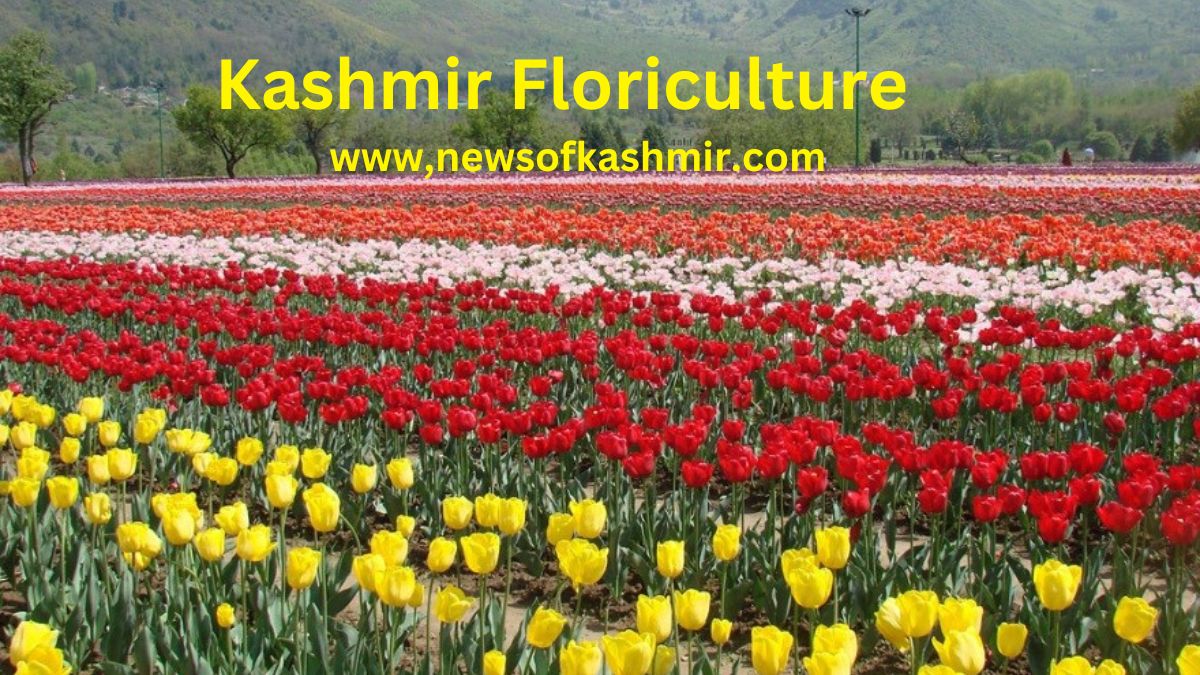
SKUAST-K Revolutionizing Kashmir’s Floriculture Industry

A one-week intensive entrepreneurship skill development program, backed by the Ministry of Micro, Small, and Medium Enterprises (MSME) of the Government of India, focused on unlocking entrepreneurial opportunities within the realm of commercial floriculture and crafting effective management strategies for budding startups. This enlightening initiative was orchestrated by the Division of Floriculture and Landscape Architecture within the Faculty of Horticulture at Sher-e-Kashmir University of Agricultural Sciences and Technology, Kashmir (SKUAST-K).

Sohail Allaqband, the distinguished representative from the Ministry of MSME, extended his insights to the enthusiastic participants, with a particular emphasis on the potential of this training program to pave the way for them to establish their own startups and become visionary entrepreneurs in the nation’s entrepreneurial landscape.

An important Memorandum of Understanding (MoU) was formalized between Biocarve Seeds and SKUAST-K, marking a significant step towards enhancing the floriculture sector in Kashmir. Prof. Allah Rang, the founder director of Biocarve Seeds, offered a glimpse into their remarkable journey, illustrating the establishment of an expansive 8000 kanals farm across various regions of Punjab. He also shared how his team, armed with technical expertise and crucial financial support, successfully connected grassroots farmers in Punjab to the realm of commercial floriculture. Prof. Rang aspired to replicate this success story for the benefit of Kashmiri farmers, facilitating the growth of their income through engagement in commercial floriculture. Furthermore, he expressed a desire to open doors for these farmers to access international markets, including the Netherlands, through a buy-back policy.

The esteemed Chief Guest, Prof. Haroon Naik, Director of Planning and Monitoring, underscored SKUAST-K’s pivotal role in nurturing budding entrepreneurs through skill-focused programs, generously sponsored by the Ministry of MSME. He shared his visionary perspective on commercial floriculture, highlighting it as a substantial avenue for young aspirants to establish themselves as successful entrepreneurs, with promising prospects in international markets.

Professor Naik also commended the innovative leadership of Vice Chancellor Professor Nazir A. Ganie, which has culminated in SKUAST-K emerging as the country’s premier agricultural university. In his address, Vice Chancellor Professor Ganie expressed the University’s strong commitment to fostering commercial floriculture, thereby offering a pathway for educated youth to improve their socio-economic status through entrepreneurship.

Professor Nelofer, from the Floriculture Division, enlightened the audience about the pivotal role of floriculture in fostering sustainable development, shedding light on the environmentally friendly aspects of the sector.

During an engaging interaction session, Dr. Z. A. Rather, Dr. Z. A. Qadri, Dr. Zahoor A. Rather, Dr. Riaz, and other participants engaged in a productive discussion about the roadmap to commercialization. Dr. Nasir Masoodi offered a comprehensive overview of the program, elucidating the myriad opportunities it presents to the youth in the field of floriculture.

Professor Imtiyaz T. Nazki, Head of the Division of Floriculture and Landscape Architecture at SKUAST-K, passionately addressed the participants, emphasizing key factors that could propel the commercial floriculture sector in Kashmir to new heights. He stressed the significance of niche crops and the region’s favorable agro-climatic conditions as pivotal elements for success.

Finally, Professor F. U. Khan extended a warm vote of gratitude to the chief guest and all the distinguished delegates, acknowledging their contributions to this enlightening program.

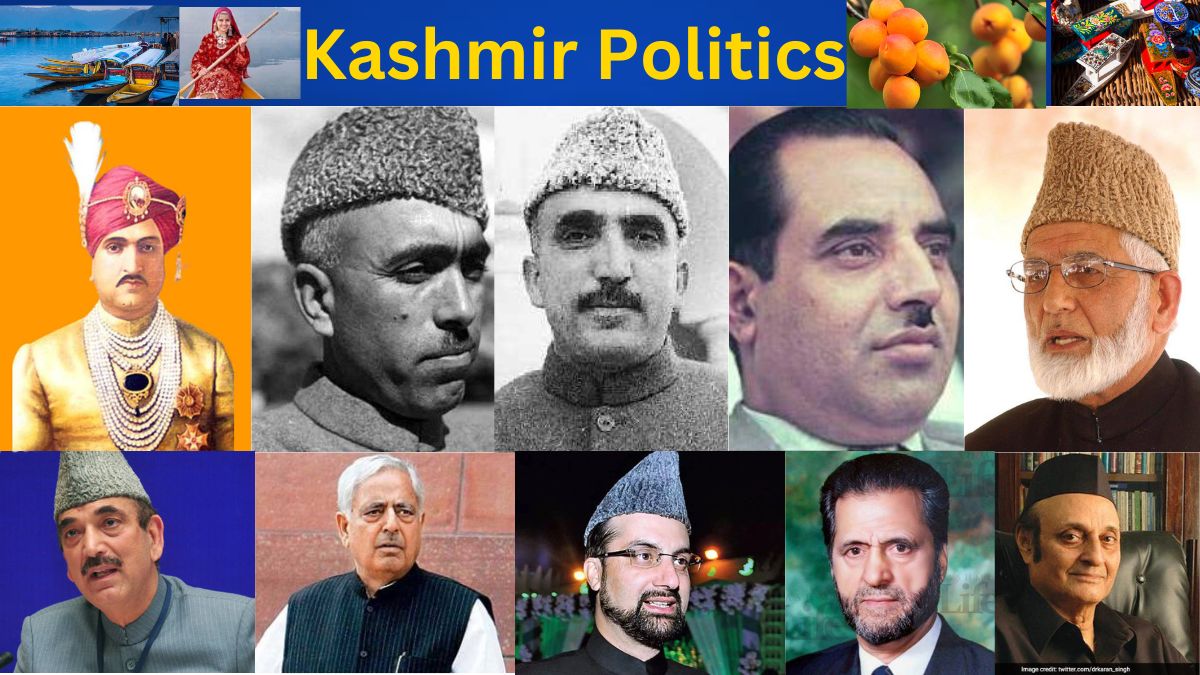
Kashmir Politics From Mahraja Hari Singh To Syed Ali Geelani

Kashmir Politics

The political landscape of Kashmir, an enchanting region in the northernmost part of the Indian subcontinent, is a captivating tapestry of culture, history, and diverse perspectives. With a rich and complex history that dates back centuries, Kashmir’s politics is a dynamic field that has evolved through time. This unique region, with its breathtaking landscapes and a multifaceted population, has its own set of challenges, aspirations, and political nuances that shape the local political discourse.

The political narrative of Kashmir extends beyond its picturesque scenery to encompass governance, cultural preservation, economic development, and regional dynamics. This introduction will provide an overview of the historical and contemporary aspects of Kashmir’s political landscape, exploring the various dimensions that contribute to its distinctive identity and political character. Without delving into the contentious sovereignty issues, we’ll uncover the intricacies of a region where politics is deeply intertwined with the aspirations and challenges of its people.

Maharaja Hari Singh, a prominent figure in the history of the princely state of Jammu and Kashmir, was born on September 23, 1895, in the royal family of Jammu. As the last ruling Maharaja of the princely state, Hari Singh played a crucial role during a period of significant political upheaval in the Indian subcontinent. His reign, which spanned from 1925 to 1947, witnessed the challenges of a changing political landscape as the Indian independence movement gained momentum.

Hari Singh ascended to the throne of Jammu and Kashmir at a time when the region was marked by diverse cultures, languages, and religious communities. His leadership was tested during the tumultuous times leading up to the partition of British India in 1947, when he faced the difficult decision of acceding to either India or Pakistan. The choices he made during this critical juncture had profound and lasting implications for the future of the region.

Beyond the political complexities, Maharaja Hari Singh was known for his contributions to the cultural and social development of Jammu and Kashmir. His legacy is a multifaceted one, reflecting the challenges and responsibilities of leading a princely state during a period of historic significance. This introduction merely scratches the surface of the life and times of Maharaja Hari Singh, a figure whose influence on the destiny of Jammu and Kashmir is indelible.

Bakshi Ghulam Mohammad, a prominent political figure in the post-independence era of India, was born on February 5, 1907, in the town of Rajouri, Jammu and Kashmir. He emerged as a key player in the political landscape of the region during a critical period marked by the integration of princely states into the newly formed Indian Union.

Bakshi Ghulam Mohammad’s political career gained momentum in the aftermath of Maharaja Hari Singh’s reign in Jammu and Kashmir. Serving as the Prime Minister of the state from 1953 to 1963, he navigated through the complex socio-political landscape, addressing the challenges of governance in a region with diverse ethnicities, languages, and religious communities. His tenure witnessed significant developments, including the establishment of the Constituent Assembly of Jammu and Kashmir, which played a crucial role in defining the political future of the state.

Known for his pragmatism and political acumen, Bakshi Ghulam Mohammad played a pivotal role in consolidating Jammu and Kashmir’s ties with the Indian Union. However, his political journey was not without controversy, as his leadership faced criticism and opposition from various quarters. Despite the challenges, Bakshi Ghulam Mohammad left an indelible mark on the political history of the region.

This introduction provides a glimpse into the life of Bakshi Ghulam Mohammad, shedding light on his contributions and the complex dynamics that characterized his tenure as a key political figure in the post-independence era of Jammu and Kashmir.

Sheikh Mohammad Abdullah, a towering figure in the political landscape of Jammu and Kashmir, was born on December 5, 1905, in Soura, a village near Srinagar. Fondly known as the “Lion of Kashmir,” Abdullah played a pivotal role in shaping the region’s destiny during a crucial period of transition and change.

As a charismatic leader and the founder of the Jammu & Kashmir National Conference, Sheikh Abdullah became the voice of the people, advocating for their rights and socio-economic development. His political journey saw him at the forefront of the struggle against the autocratic rule of the Maharaja in the princely state. Popularly known as the “Sher-e-Kashmir,” he spearheaded the demand for political autonomy and social justice.

Sheikh Abdullah’s influence extended beyond regional boundaries, engaging with national leaders and contributing to discussions on India’s political landscape. His leadership took a nuanced turn when he briefly held the position of Prime Minister of Jammu and Kashmir and later served as the Chief Minister.

The complex and multifaceted legacy of Sheikh Mohammad Abdullah is marked by his efforts to bridge cultural divides, empower the marginalized, and navigate the intricate socio-political dynamics of the region. This introduction only scratches the surface of the life and impact of a leader whose imprint on the history of Jammu and Kashmir remains indelible.

Abdul Gani Lone was a prominent political figure from Kashmir. Born on July 17, 1932, in the town of Kreeri in Baramulla district, Lone played a significant role in the political landscape of Jammu and Kashmir.

Abdul Gani Lone was associated with the Jammu & Kashmir People’s Conference, a political party that he co-founded in the late 1970s. He was known for his advocacy of political autonomy and his efforts to represent the aspirations of the people of Jammu and Kashmir on various platforms. Over the years, he engaged in dialogues with different stakeholders, seeking a peaceful resolution to the complex issues facing the region.

Lone’s political journey was marked by a commitment to dialogue and a belief in a peaceful resolution to the issues surrounding the region. Tragically, his life was cut short when he was assassinated on May 21, 2002, during a commemorative rally in Srinagar. His death was a significant event that had repercussions on the political landscape of Jammu and Kashmir.

It’s important to note that developments may have occurred since my last update, and for the latest and most accurate information about Abdul Gani Lone, I recommend checking recent and reliable sources.

Syed Ali Shah Geelani, a prominent political and religious figure, played a key role in shaping the political landscape of Jammu and Kashmir for several decades. Born on September 29, 1929, in the town of Zoorimunz, Gilgit-Baltistan, Geelani emerged as a steadfast advocate for the rights and self-determination of the people of Kashmir.

A prominent voice in Kashmiri politics, Geelani was associated with various political and religious movements throughout his life. He was a long-time member of the Jamaat-e-Islami and later became a prominent leader of the All Parties Hurriyat Conference, an amalgam of various separatist groups in the region. Geelani consistently called for the implementation of the United Nations resolutions on Kashmir and advocated for the right to self-determination for the people of the region.

Known for his uncompromising stance on the Kashmir issue, Syed Ali Shah Geelani faced various challenges and controversies during his political career. His advocacy for Kashmir’s independence or accession to Pakistan made him a polarizing figure, drawing both support and criticism.

Syed Ali Shah Geelani’s influence extended beyond political realms to include a significant religious following. His commitment to the Kashmir cause and his principled stand on the region’s political status have left a lasting impact on the complex and often contentious dynamics of Jammu and Kashmir.

Annual Conference Held at Darul Uloom Noor-ul-Islam Tral Pulwama

Dastar Bandi Programme Organised at Jamia Masjid Chowgam by Darul Uloom Syed ul Mursaleen

Mirwaiz-e-Kashmir: Deepen Commitment to Prophet Muhammad’s (PBUH) Teachings to Respond to Hurtful Actions

Dar-ul-Uloom Baba Nazuk Celebrates Annual Day,Moulana Syed Ahmad Khazir Shah Masoodi Attend Event in Kupwara

Kashmiri Culture : Language,Spirituality,Art,Cuisine,Traditions and Architectures

Kashmiri Culture

Culture refers to the shared beliefs, values, customs, traditions, behaviors, and practices that characterize a group or society. It encompasses the collective way of life of a particular group of people, providing a framework for how they interact, communicate, and understand the world around them. Culture can manifest in various forms, including language, religion, art, music, cuisine, clothing, rituals, and social norms.

Key aspects of culture include:

  1. Language: Language is a fundamental component of culture. It shapes communication and reflects the unique expressions and idioms of a group.
  2. Religion and Spirituality: Religious beliefs and practices often play a significant role in culture, influencing moral values and rituals.
  3. Art and Creativity: Art, music, literature, and other forms of creative expression are integral to cultural identity. They reflect the values and aesthetics of a society.
  4. Cuisine: Traditional foods and cooking methods are essential elements of culture. They provide insights into local ingredients, flavors, and eating habits.
  5. Traditions and Rituals: Cultural traditions and rituals, such as ceremonies, festivals, and rites of passage, are a way to celebrate and pass down cultural heritage.
  6. Social Norms: Social norms dictate acceptable behavior within a society. They include customs related to family, relationships, and social interactions.
  7. Dress and Attire: Clothing and attire often reflect cultural values, climate, and historical influences.
  8. Values and Beliefs: Cultural values shape the principles by which a society operates. They influence individual and collective decision-making.
  9. History and Heritage: A society’s history and heritage play a crucial role in shaping its culture, as past events and experiences inform present practices and identity.
  10. Architecture and Design: Architectural styles and design preferences can vary significantly from one culture to another.

Culture is not static; it evolves over time in response to social, political, economic, and technological changes. Additionally, cultures can blend and adapt as societies become more interconnected in the modern world. Understanding and respecting different cultures is essential for promoting tolerance, diversity, and effective communication in a globalized society.

Through the sands of time, cultures have been carefully nurtured and passed from one generation to the next, forming an unbreakable thread that weaves people together. This robust tapestry of culture not only forges connections among individuals but also fosters the development of vibrant and harmonious communities that share common cultural backgrounds. Culture, as a concept, has been expounded by scholars in myriad ways, encompassing a particular set of customs, ideas, and social norms inherent to a group of kindred individuals within a society. It embodies the collective mosaic of human existence, encapsulating behaviors, knowledge, language, art, traditions, attire, ethics, beliefs, sentiments; essentially, it comprises all that is acquired as essential by the denizens of a society. Culture is the repository of learned, normative patterns of behavior—a compendium of shared thought processes, emotions, and actions.

The significance of culture in our lives cannot be overstated, for it molds our identity and provides invaluable insights into our ancestral ethos. Our culture is the compass that guides us, endowing life with profound meaning and making each one of us unique amidst the diversity of the world.

Our beloved Kashmir, a pristine jewel on the Earth’s canvas, boasts not only of its natural beauty but also a rich cultural heritage that is an invaluable resource. The people of Kashmir, renowned for their warmth and amiability, have created a culture that is expansive and beguiling, leaving an indelible impression on all who venture into its embrace. Indeed, it is these deeply rooted cultural traditions that have etched an identity for Kashmir in the annals of history.

However, the winds of change blow forcefully across the globe, precipitating an open battle against cultures. In the name of modernization and westernization, societies find themselves on the precipice of relinquishing their cherished cultural moorings. Kashmir is no exception to this global trend. The allure of modernity has cast a shadow over the timeless traditions, prompting a contemplative examination of the delicate equilibrium between preserving cultural heritage and embracing progress.

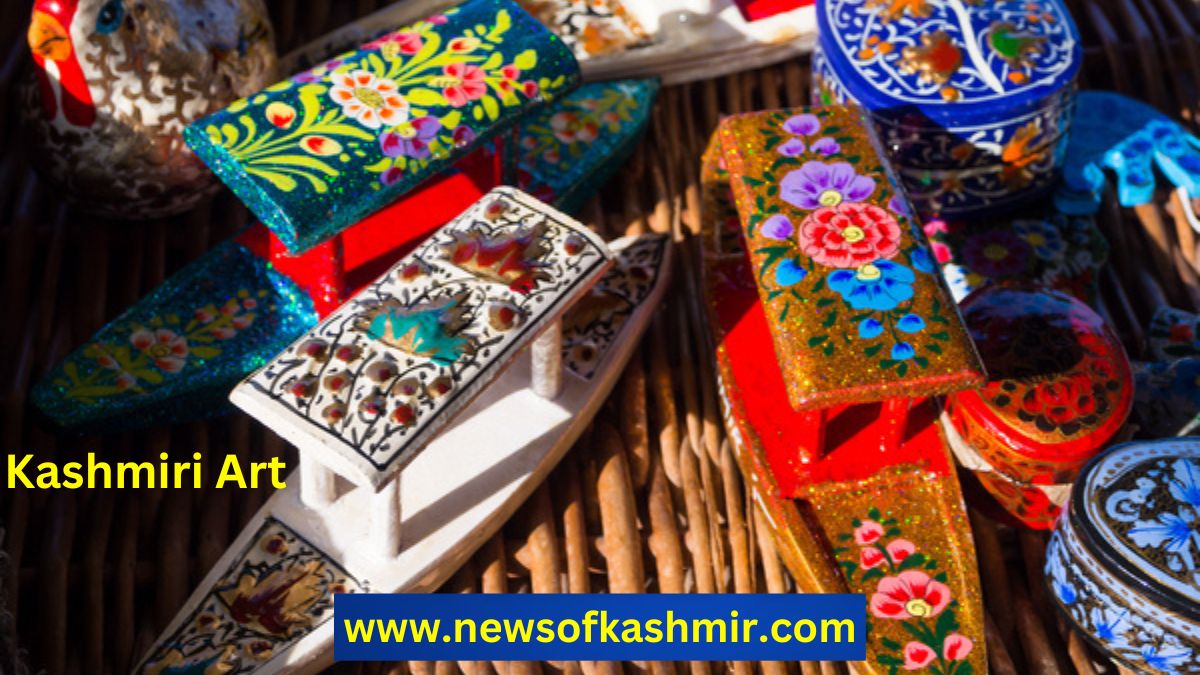
Kashmir Art earned Global Acclaim for their artistry and elegance

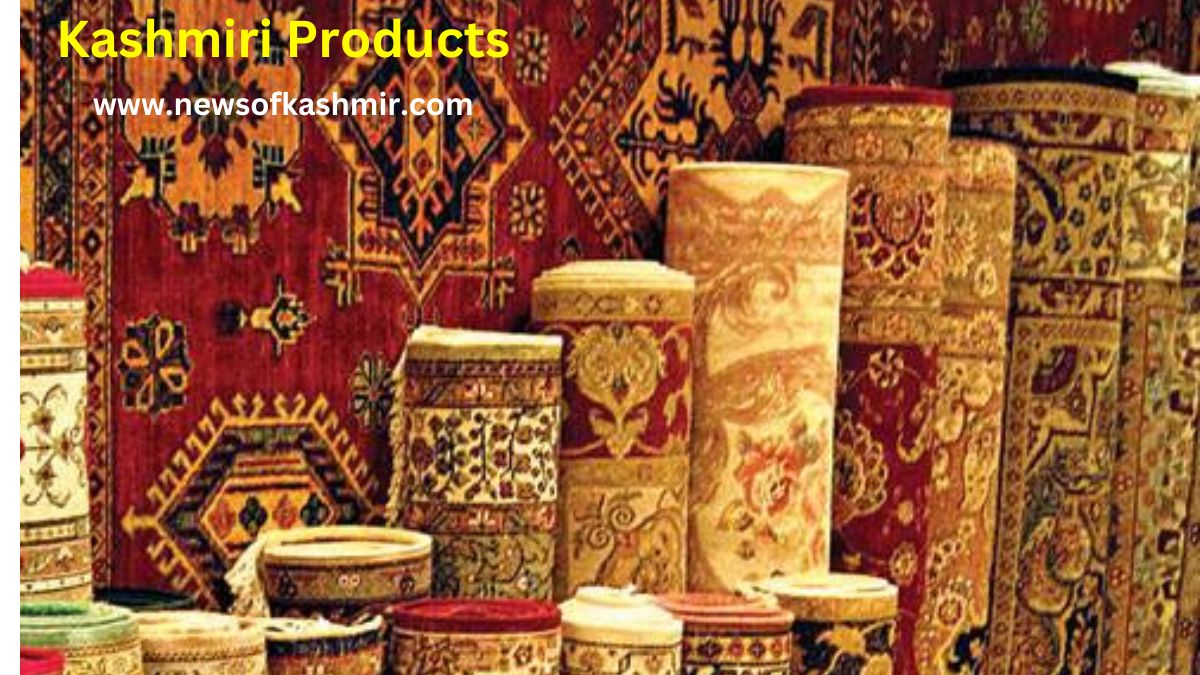
Kashmiri handicrafts have earned global acclaim for their artistry and elegance. The region’s rich cultural diversity has fostered a wide array of motifs, techniques, and crafts that resonate with the age-old heritage of Kashmir, honed to perfection over centuries. Whether it’s the renowned Kashmiri carpets, shawls, or the exquisite paper machie, these masterpieces are brought to life by the skilled hands of Kashmiri artisans.Click Here To Follow Our WhatsApp Channel

Kashmir stands as a beacon of Kashmiri handicraft manufacturing. We take immense pride in producing and directly offering Kashmiri handicrafts at their source, effectively cutting out the middlemen who have long exploited the creators. By joining forces with us, you become part of a movement to eradicate middleman exploitation in our business, forging a new era of partnership and commerce.

Currently, over 455 families are engaged in our Kashmir initiative, with approximately 300 families benefiting directly from our efforts. We are specialists in exporting hand-knotted carpets, paper machie, chain-stitch products, and exquisite handmade shawls, including the coveted pashmina shawls from Kashmir. Our services have already found appreciation among a diverse clientele worldwide. In this context, we can offer your organization select categories of our crafts to assess the market’s response, with a vision to establish a lasting business relationship in the near future.

Kashmiri handicrafts hold immense potential, both domestically and on the international stage. Whether it’s the enchanting Kashmiri carpets, the timeless allure of shawls, or the intricacy of paper machie, these treasures are embraced by admirers worldwide. We view your organization as a prime candidate for future collaborations. Initially, we are here to address any inquiries about the enchanting world of Kashmiri art and crafts. Our aim is to partner with your organization, extending comprehensive support to fulfill your and your clients’ needs for high-quality handicraft goods across various categories.

Kashmiri Products From Wood Carving to Calico Painting

Kashmir, often referred to as “Paradise on Earth,” is not only celebrated for its breathtaking natural beauty but also for its rich cultural heritage, which includes a wide array of traditional handicrafts and artistic expressions. These handicrafts and art forms are a testament to the region’s rich artistic traditions, intricate craftsmanship, and the legacy of skilled artisans who have passed down their expertise through generations. In this introduction, we will provide an overview of the diverse range of Kashmiri products that have garnered global recognition for their quality and beauty.

  1. Kashmiri Carpets: Kashmiri carpets are renowned for their exquisite hand-knotted designs and fine materials. These timeless pieces of art often feature intricate patterns inspired by nature and the rich cultural heritage of the region.
  2. Kashmiri Shawls: Kashmiri shawls are known for their warmth, softness, and intricate embroidery. Crafted from luxurious Pashmina wool, these shawls feature finely embroidered designs that reflect the region’s heritage.
  3. Wood Carving: Kashmiri wood carving is a craft of carving intricate and ornate designs into wooden items such as furniture and decor. The woodworkers showcase their artistry through detailed motifs and patterns.
  4. Chain Stitch: Chain stitch embroidery is a traditional form of textile embellishment, famous for its vibrant colors and nature-inspired designs. This art form adds a touch of elegance to various fabrics and textiles.
  5. Papier Machie: Papier-mâché is the art of creating intricate and decorative items using paper pulp, which is then painted with vivid colors and motifs. These handcrafted pieces are both visually appealing and culturally significant.
  6. Crewel: Crewel embroidery is a freehand embroidery technique that features intricate floral motifs worked with thick wool thread. The designs are a testament to the artisan’s skill and creativity.
  7. Namdha: Namdha rugs and carpets are made by matting layers of wool using water and friction. These traditional pieces often feature colorful motifs, adding a touch of tradition and artistry to homes.
  8. Phool Kari: Phool Kari, which translates to “flower work,” involves the exquisite art of embroidering floral motifs onto fabrics, creating beautifully embellished textiles and clothing.
  9. Basohli Painting: Basohli painting is a style of miniature painting originating from the Basohli region of Kashmir. These paintings are characterized by their vibrant colors and intricate depictions of Hindu mythology and historical tales.
  10. Calico Painting: Calico painting, also known as Kalamkari, is a textile art form that involves hand-painting or block-printing intricate designs on fabrics, which are then used to create exquisite textiles and wall hangings.

These Kashmiri handicrafts and art forms are not just products; they are a reflection of the rich cultural heritage and artistic prowess of the Kashmiri people. Each piece tells a story, carries a piece of history, and represents the enduring legacy of skilled artisans who continue to produce these exquisite creations for the world to admire and cherish.

If You Want to know more About Kashmir Please Click HERE

You May like:

No alliance in J&k assembly elections ,We will fight elections of our own