On Saturday, the Department of Wildlife successfully captured a ‘man-eater’ leopard at Zamboor Pattan in Uri, located in the Baramulla district of north Kashmir.
The leopard is believed to be the same one that attacked and killed a four-year-old girl approximately ten days ago in Zamboor Pattan. The animal had also made several other unsuccessful attempts to attack locals.
After the tragic incident involving the young girl, the Department of Wildlife intensified their efforts, installing two cages in the area. Their vigilance paid off when the suspected leopard was found trapped in one of the cages this morning.
Local residents have expressed their relief and praised the wildlife officials for their diligent efforts in capturing the dangerous animal. (GNS)
Kashmiri handicrafts are renowned worldwide for their exquisite craftsmanship and cultural significance. Nestled in the majestic landscapes of Kashmir, these crafts embody centuries of heritage and artistic brilliance. From intricately woven carpets to delicate shawls and mesmerizing papier-mâché, each piece showcases the unparalleled skill of Kashmiri artisans.
Adopting a philosophy of direct manufacturing and marketing, Kashmir bridges the gap between artisans and admirers, eliminating exploitative middlemen. With your support, we aim to revolutionize our industry, promoting transparency and collaboration. Currently, our efforts support over 455 families, with around 300 directly benefiting from our initiatives.
We specialize in exporting hand-knotted carpets, exquisite papier-mâché, intricate chain-stitch embroidery, and luxurious shawls, including the highly sought-after pashmina. Having served discerning clients globally, we now extend our offerings to your esteemed organization. We propose an initial showcase of select crafts to gauge market interest, paving the way for a long-term partnership.
The appeal of Kashmiri handicrafts transcends borders, with carpets, shawls, and papier-mâché reaching every corner of the globe. We view your organization as a crucial partner in our journey ahead. As we embark on this collaborative venture, we are ready to address any inquiries about Kashmiri artistry, offering unwavering support to meet your needs and those of your clientele. Together, let’s unlock the boundless potential of these timeless treasures.
Kashmiri Handicrafts: A Showcase of Timeless Artistry and Cultural Heritage
Kashmiri handicrafts are renowned worldwide for their exquisite craftsmanship and cultural significance. Nestled in the majestic landscapes of Kashmir, these crafts embody centuries of heritage and artistic brilliance. Each piece showcases the unparalleled skill of Kashmiri artisans. Here are the key products:
Hand-Knotted Carpets
Delicate Shawls
Pashmina Shawls
Papier-Mâché
Chain-Stitch Embroidery
Adopting a philosophy of direct manufacturing and marketing, Kashmir bridges the gap between artisans and admirers, eliminating exploitative middlemen. With your support, we aim to revolutionize our industry, promoting transparency and collaboration. Currently, our efforts support over 455 families, with around 300 directly benefiting from our initiatives.
Having served discerning clients globally, we now extend our offerings to your esteemed organization. We propose an initial showcase of select crafts to gauge market interest, paving the way for a long-term partnership.
The appeal of Kashmiri handicrafts transcends borders, with these products reaching every corner of the globe. We view your organization as a crucial partner in our journey ahead. As we embark on this collaborative venture, we are ready to address any inquiries about Kashmiri artistry, offering unwavering support to meet your needs and those of your clientele. Together, let’s unlock the boundless potential of these timeless treasures.
Jammu & Kashmir, the 19th largest state in India, is nestled predominantly in the Himalayan mountains. It stands unique as the only state in India with a Muslim-majority population.
Best Time to Visit Kashmir
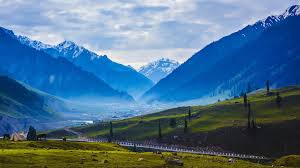
Mughal emperor Jahangir famously called Kashmir “heaven on earth,” a title that draws numerous tourists to its breathtaking landscapes. The ideal time to visit Kashmir is from March to August, encompassing two beautiful seasons: spring (March to early May) and summer (early May to late August). During these months, visitors can enjoy the vibrant spring blossoms and the cool, pleasant summer weather, creating an enchanting experience that leaves a lasting impression.
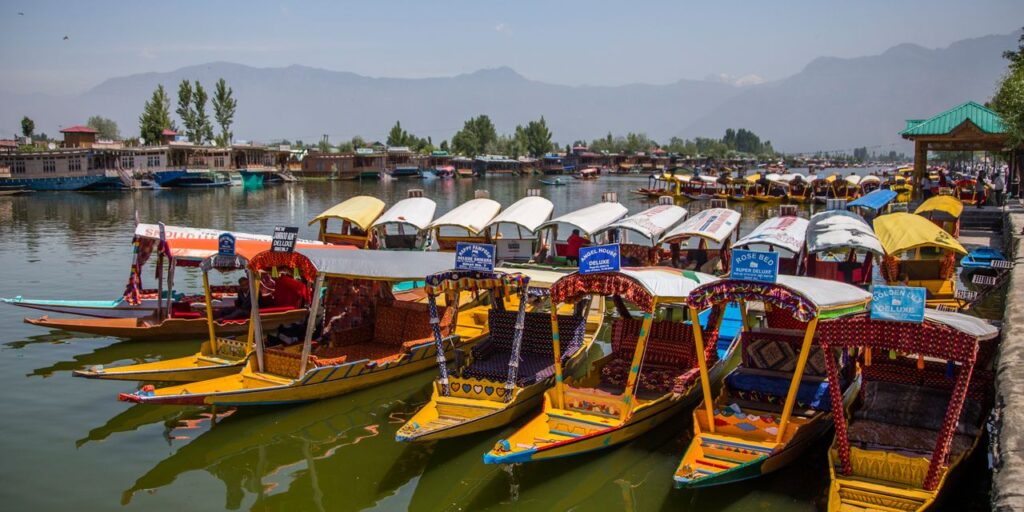
Kashmir’s allure is undeniable, often inspiring visitors to plan their next trip immediately. The resplendent Mughal Gardens, with their fragrant rows of flowers, and the serene shikharas gliding over Dal Lake against a backdrop of majestic mountains, transport tourists to another realm. Kashmir’s unique charm is truly mesmerizing.
Kashmir experiences all four seasons: summer, monsoon, autumn, and winter. Each season offers its own distinct beauty and experiences.
Conclusion
The best time to visit Kashmir is from March to August, a period often referred to as “the heaven on earth” due to its pristine beauty. The two best seasons for visiting are spring (March to early May) and summer (early May to late August).
Peak Season: Summer
Shoulder Season: Autumn
Low Season: Monsoon
Kashmir in Summer (March to May)
Temperature: Summer temperatures range from 9°C to 31°C.
Weather: Warm days and cooler nights characterize the summer weather. Locals may use ceiling fans during the day, but nights can still be quite cold.
Significance: Kashmir is a favored honeymoon destination, with the romantic shikhara rides on Dal Lake being particularly popular. Summer is also a great time to observe local life and stay in houseboats.
Why Visit: The Mughal Gardens are in full bloom, and the Amarnath Yatra pilgrimage takes place. Destinations like Pahalgam and Sonamarg are especially stunning during this time.
Things to Know: Summer is peak season, so expect higher prices for hotels, flights, and local services. Booking in advance can help avoid these issues.
Tips: Pack warm clothes for the evenings and nights, and use sunscreen and lip balm during the day. Don’t miss trying the authentic Kashmiri wazwan dining experience.
Kashmir in Monsoon (June to September)
Temperature: Ranges from 15°C to 30°C.
Weather: Monsoon rains reduce the summer heat, especially in Jammu, which can become humid. Srinagar remains comfortably cool.
Significance: The monsoon is considered off-season, but it offers unique experiences like apple-picking.
Why Visit: Off-season deals on hotels and flights, and fewer crowds. Monsoon brings a pleasant and comfortable climate.
Things to Know: Rain can affect sightseeing plans, so check weather forecasts before your trip.
Tips: Bring rain gear, such as raincoats, jackets, and sturdy boots. Even though it’s not as cold as winter, evenings can be chilly.
Kashmir in Winter (November to February)
Temperature: Lows can drop below 0°C, with highs around 15°C.
Weather: Significantly colder with frequent snowfall in Srinagar, Gulmarg, and Sonmarg. Jammu remains milder.
Significance: Winter is ideal for winter sports like skiing and snowboarding, especially in Gulmarg.
Why Visit: The snow-covered Pir-Panjal range and winter sports make it an enchanting destination.
Things to Know: Activities like shikhara rides and visiting Mughal Gardens are not feasible in winter. Book in advance to avoid high prices.
Tips: Pack plenty of warm clothes, including thermal wear. Stay hydrated by drinking warm water or kahwa.
Kashmir in Autumn (October to November)
Temperature: Ranges from 9°C to 20°C.
Weather: Cool days with chilly nights, sometimes reaching 0°C. Mornings can be misty, but the autumn sun is refreshing.
Significance: Autumn in Kashmir is breathtaking, with chinar trees turning copper and gold, creating a spectacular landscape.
Why Visit: The beautiful autumn foliage, apple-picking season, and reasonably cool weather make this a great time to visit.
Things to Know: It’s shoulder season, so fewer tourists and better deals on accommodations and flights.
Tips: Pack as though for winter, as it can still be quite cold. Check for local apple-picking activities to participate in.
For those planning a trip, Thomas Cook offers exciting Kashmir Tour Packages to ensure you experience the best of this beautiful region. The snow-capped mountains and unique Kashmiri experiences await you.
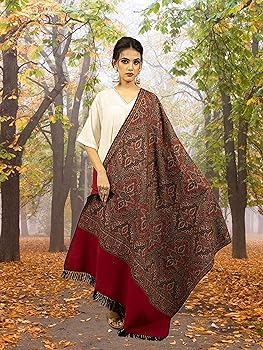
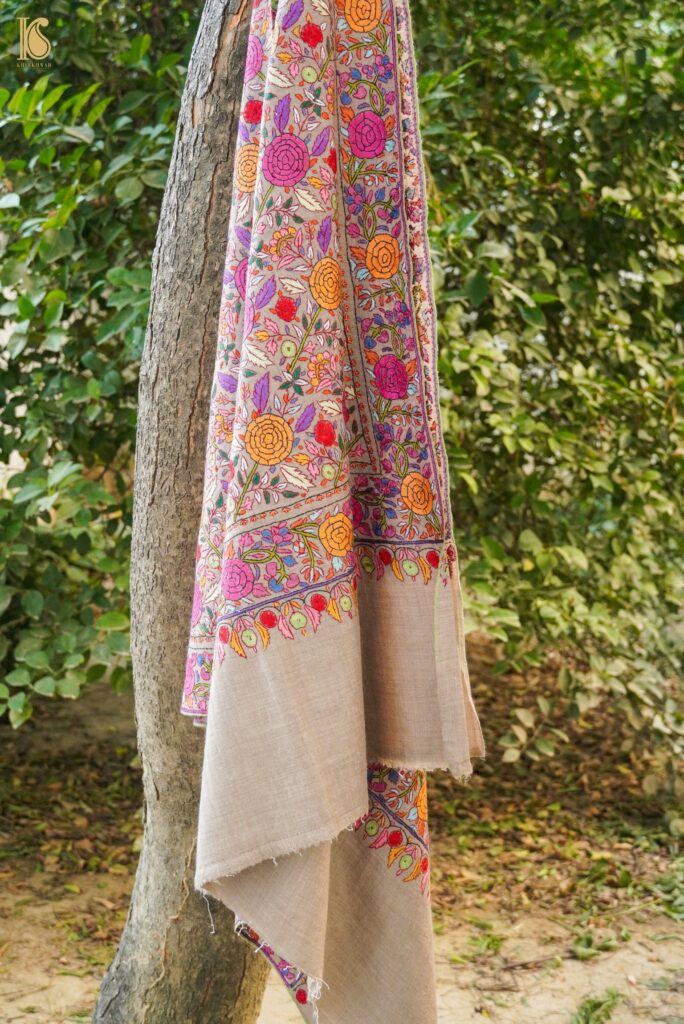
Nestled amidst the breathtaking landscapes of the Himalayas lies a treasure trove of artistry and craftsmanship – the Kashmiri shawls. These exquisite pieces of woven elegance have transcended time, captivating hearts with their intricate designs, luxurious warmth, and rich cultural heritage.
Originating from the picturesque Kashmir Valley, these shawls have a history as rich and diverse as the region itself. The art of weaving Kashmiri shawls dates back centuries, with roots tracing back to the Mughal era. It was during this time that the craft flourished under the patronage of emperors who recognized the unparalleled beauty and craftsmanship of these textiles.
One of the distinguishing features of Kashmiri shawls is the meticulous process involved in their creation. Traditionally made from fine cashmere wool, which is sourced from the underbelly of Himalayan goats, these shawls are known for their unparalleled softness and warmth. The wool is meticulously hand-spun and hand-woven by skilled artisans, a process that can take weeks or even months to complete depending on the intricacy of the design.
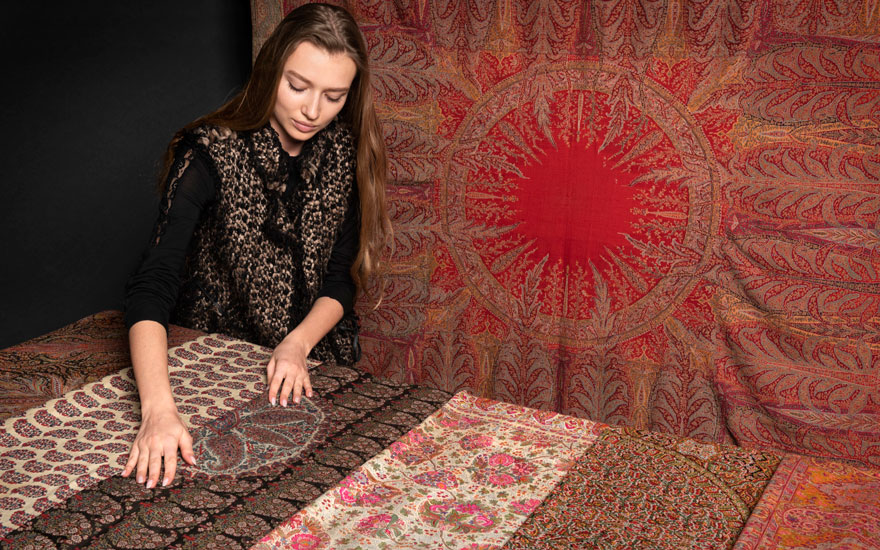
What truly sets Kashmiri shawls apart is the exquisite craftsmanship and attention to detail that goes into their making. The most renowned types of Kashmiri shawls include Pashmina, Jamawar, and Kani shawls, each distinguished by its unique weaving techniques and motifs.
Pashmina shawls, often referred to as “soft gold” due to their luxurious texture, are prized for their fine weave and lightweight feel. Made from the ultra-soft undercoat of the Changthangi breed of goats, these shawls are renowned for their unmatched warmth and softness.
Jamawar shawls, on the other hand, are known for their elaborate paisley patterns and intricate designs. Historically, these shawls were adorned with motifs inspired by Persian and Mughal art, reflecting the cultural influences that have shaped the region over the centuries.
Kani shawls, perhaps the most labor-intensive of them all, are crafted using a traditional wooden loom known as a ‘Kani.’ This technique allows artisans to weave intricate patterns into the fabric using small wooden sticks called ‘kanis.’ The result is a mesmerizing tapestry of colors and designs that tell stories of tradition and heritage.
Beyond their aesthetic appeal, Kashmiri shawls hold deep cultural significance for the people of the region. For centuries, these shawls have been passed down as heirlooms, cherished symbols of love, and affection. They are worn during weddings, festivals, and other special occasions, serving as a testament to the rich cultural heritage of Kashmir.
However, despite their timeless beauty, Kashmiri shawls face challenges in the modern world. Mass production and imitation have led to a decline in the demand for authentic handcrafted shawls, threatening the livelihoods of artisans who have dedicated their lives to preserving this age-old tradition.
To ensure the survival of this cherished craft, efforts are being made to promote and preserve the art of Kashmiri shawl making. Non-profit organizations and government initiatives are working to provide training and support to artisans, empowering them to continue their craft in the face of economic challenges.
In a world dominated by fast fashion and mass-produced goods, the allure of Kashmiri shawls lies in their timeless elegance and unparalleled craftsmanship. They are not just garments but symbols of tradition, heritage, and craftsmanship, weaving together stories of a land steeped in history and culture. As we celebrate the beauty of Kashmiri shawls, let us also pledge to preserve and protect this invaluable heritage for generations to come.
Kashmiri shawls are renowned for their distinctive characteristics, which set them apart as prized textiles of exquisite craftsmanship and unparalleled beauty. Here are some key features that define Kashmiri shawls:
Luxurious Material: Kashmiri shawls are traditionally made from fine cashmere wool, sourced from the underbelly of Himalayan goats. This wool, also known as pashmina, is renowned for its exceptional softness, warmth, and lightweight feel.
Intricate Weaving: One of the most striking features of Kashmiri shawls is the intricate weaving techniques employed in their creation. Skilled artisans meticulously hand-spin and hand-weave the wool, often using traditional wooden looms and techniques passed down through generations.
Elaborate Designs: Kashmiri shawls are adorned with elaborate designs and motifs, ranging from intricate paisleys to floral patterns and geometric shapes. These designs are often inspired by Persian, Mughal, and local Kashmiri art, reflecting the cultural influences that have shaped the region over centuries.
Rich Colors: Kashmiri shawls are known for their rich and vibrant colors, achieved through natural dyes sourced from plants, minerals, and other organic materials. These colors add depth and richness to the intricate patterns woven into the fabric.
Versatility: While traditionally worn as shawls to provide warmth during the cold winters of Kashmir, these textiles have evolved to include a wide range of garments such as scarves, stoles, wraps, and even intricately woven blankets.
Fine Detailing: The craftsmanship of Kashmiri shawls is characterized by fine detailing and meticulous attention to detail. From the delicate weave of the fabric to the intricate embroidery and embellishments, every aspect of the shawl is crafted with precision and care.
Cultural Significance: Kashmiri shawls hold deep cultural significance for the people of the region, serving as symbols of tradition, heritage, and craftsmanship. They are often passed down as heirlooms from one generation to the next, cherished for their beauty and sentimental value.
Timeless Elegance: Perhaps the most defining characteristic of Kashmiri shawls is their timeless elegance. Despite changes in fashion trends and styles, these shawls continue to captivate hearts with their timeless appeal and enduring beauty.
Overall, Kashmiri shawls are not just garments but works of art, woven with skill, passion, and a deep appreciation for the rich cultural heritage of the Kashmir Valley.
Kashmiri hotels offer a unique blend of traditional hospitality, modern amenities, and breathtaking views of the region’s natural beauty. Here’s an overview:
Types of Accommodation:
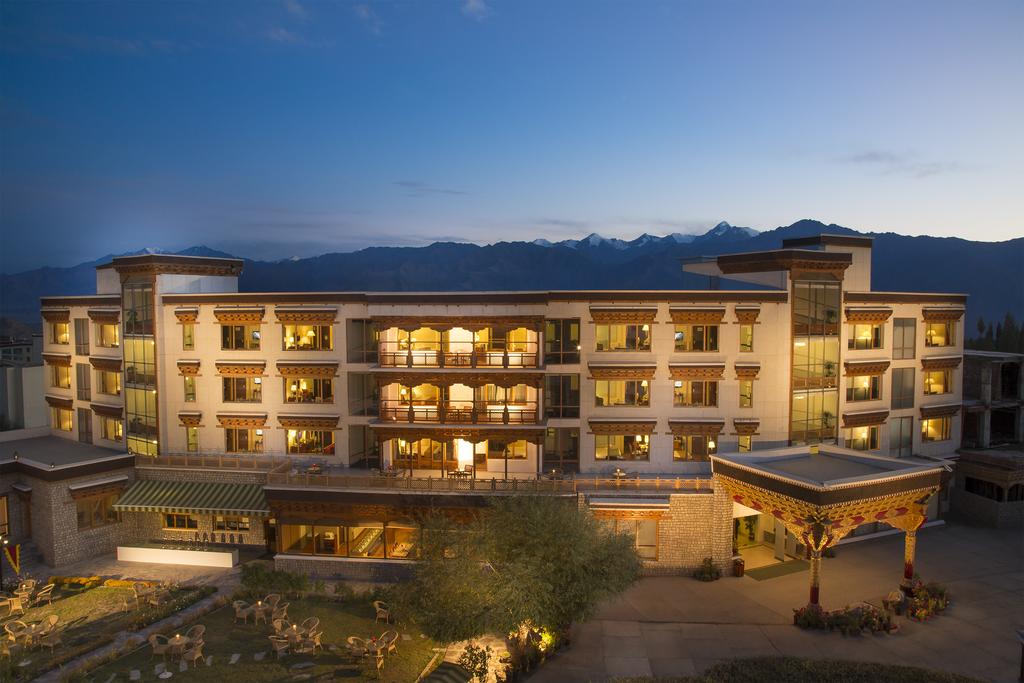
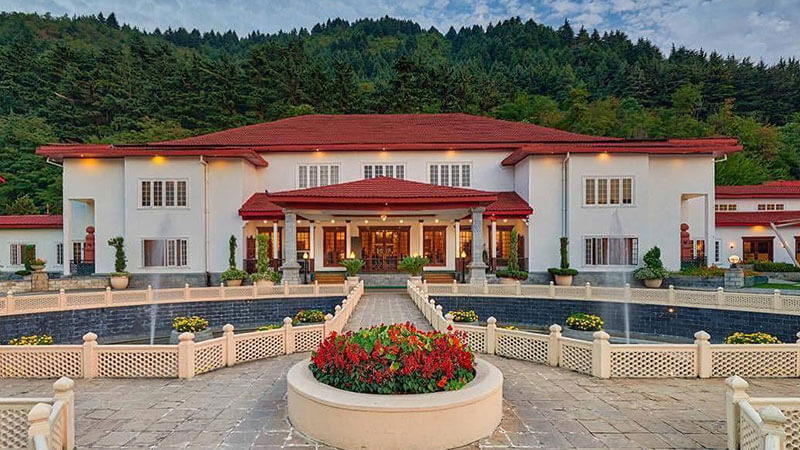
Luxury Hotels: High-end hotels such as The Lalit Grand Palace, Vivanta Dal View by Taj, and Radisson Srinagar offer luxurious amenities, fine dining, and stunning views of the surrounding landscapes.
Mid-Range Hotels: Options like Hotel Heevan, Pine Spring Hotel, and Solar Residency provide comfortable accommodations with good amenities at a more affordable price.
Budget Hotels: Hotels like Hotel City Grace, Hotel Pacific, and Hotel Milad cater to budget travelers, offering basic amenities and a convenient location.
Houseboats: Unique to the region, houseboats on Dal Lake and Nigeen Lake provide a distinctive experience, combining traditional Kashmiri craftsmanship with modern comforts. Popular options include Gurkha Houseboats and Butt’s Clermont Houseboats.
Key Locations:
Srinagar: The capital city, known for Dal Lake, Mughal gardens, and historic sites, hosts a wide range of hotels catering to different budgets.
Gulmarg: Famous for its skiing resorts and scenic beauty, Gulmarg has several luxury and mid-range hotels like The Khyber Himalayan Resort & Spa and Hotel Highlands Park.
Pahalgam: A popular base for trekking and Amarnath Yatra, Pahalgam offers hotels like Pahalgam Hotel and Hotel Heevan Pahalgam.
Sonamarg: Known for its beautiful landscapes and adventure activities, Sonamarg has hotels like Hotel Snowland and Hotel Thajwas Glacier.
Features and Amenities:
Scenic Views: Many hotels offer rooms with views of mountains, lakes, and lush gardens.
Traditional Decor: Kashmiri hotels often feature traditional wooden furnishings, intricate carpets, and local art.
Cuisine: On-site restaurants typically serve a mix of traditional Kashmiri cuisine, Indian, and international dishes.
Activities: Many hotels organize activities like shikara rides, trekking, skiing, and sightseeing tours.
Considerations:
Seasonal Variations: Prices and availability can vary significantly with seasons. Winter sports are popular in Gulmarg, while spring and summer attract tourists to Srinagar and Pahalgam.
Security: Due to the region’s sensitive nature, security measures are often stringent, especially in high-end hotels.
Local Hospitality: Kashmiri hospitality is renowned for its warmth and personalized service, enhancing the overall guest experience.
In summary, Kashmiri hotels cater to a wide range of preferences and budgets, offering unique experiences that blend natural beauty, cultural heritage, and modern amenities.
Available Facilities in Kashmiri Hotels
Accommodation Options:
Luxury suites and rooms
Mid-range and budget rooms
Traditional houseboats
Dining:
Multi-cuisine restaurants
Traditional Kashmiri cuisine
Coffee shops and lounges
In-room dining services
Room Amenities:
Wi-Fi and internet access
Air conditioning/heating
Flat-screen TVs with satellite channels
Mini-bars and tea/coffee makers
Private bathrooms with hot/cold water
Recreational Facilities:
Gardens and outdoor seating areas
Spa and wellness centers
Fitness centers and gyms
Indoor and outdoor swimming pools
Adventure activities like skiing, trekking, and shikara rides
Business Services:
Conference and meeting rooms
Business centers with internet and printing services
Event planning and banquet facilities
Travel and Transport:
Airport pick-up and drop-off services
Car rental and taxi services
Travel desks for tour arrangements
Shuttle services to popular tourist spots
Safety and Security:
24-hour security
CCTV surveillance
Safe deposit boxes
Fire safety systems
Additional Services:
Laundry and dry cleaning
Concierge services
Currency exchange
Medical assistance on call
Childcare and babysitting services
Special Experiences:
Traditional Kashmiri décor and handicrafts
Cultural performances and events
Guided tours and excursions
Houseboat stays with unique traditional experiences
Kashmiri hotels strive to provide a comfortable and enriching experience, blending modern amenities with the region’s rich cultural heritage.
Tasty Food in Kashmiri Hotels
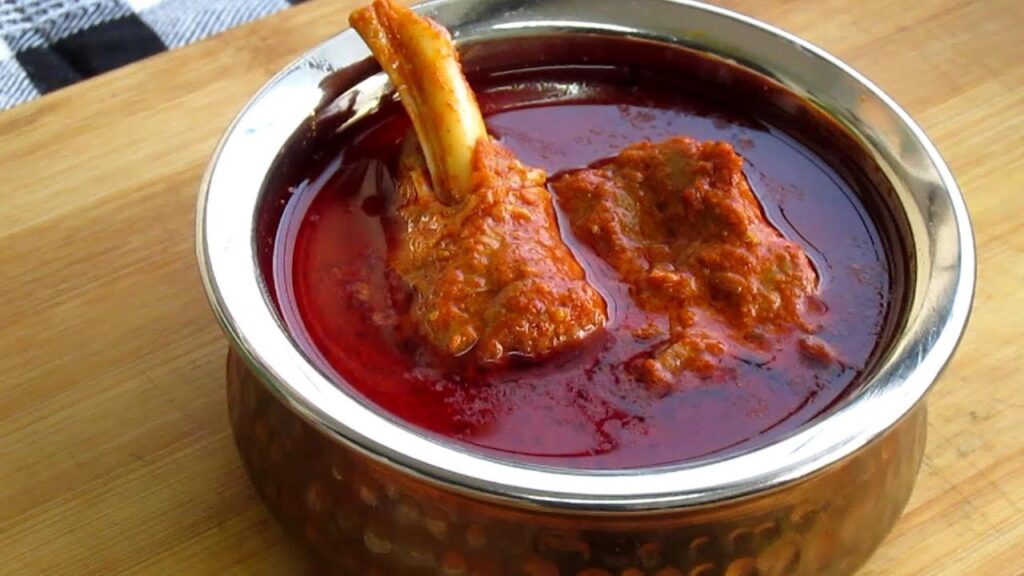
Rogan Josh:
A signature dish of tender lamb cooked in a rich, aromatic gravy made with yogurt, garlic, and a blend of Kashmiri spices.
Yakhni:
A soothing and flavorful yogurt-based mutton curry, seasoned with cardamom and dry mint, perfect for those who enjoy mild yet rich flavors.
Dum Aloo:
Baby potatoes cooked in a spicy, tangy tomato-based gravy, flavored with a variety of spices and herbs.
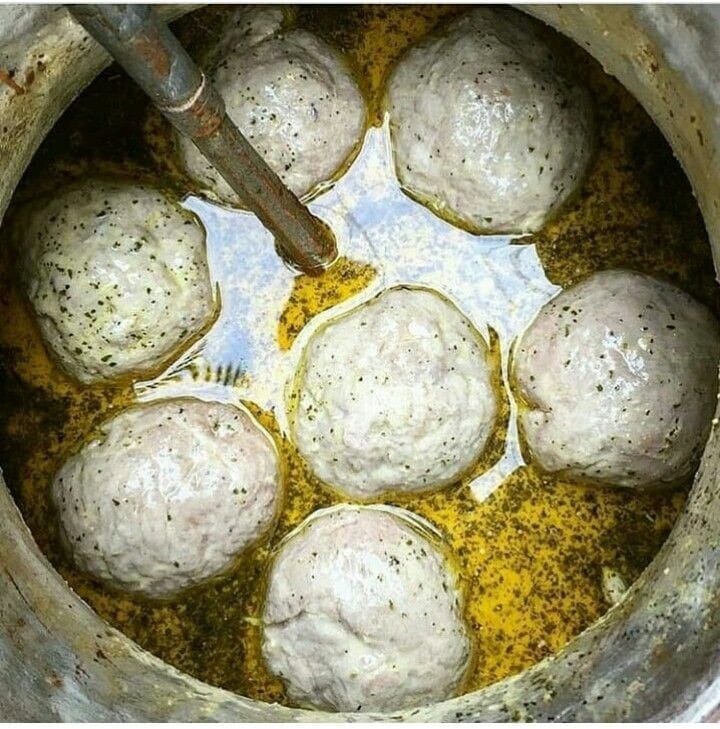
Gushtaba:
A traditional delicacy of minced mutton balls cooked in a creamy yogurt gravy, seasoned with spices and saffron.
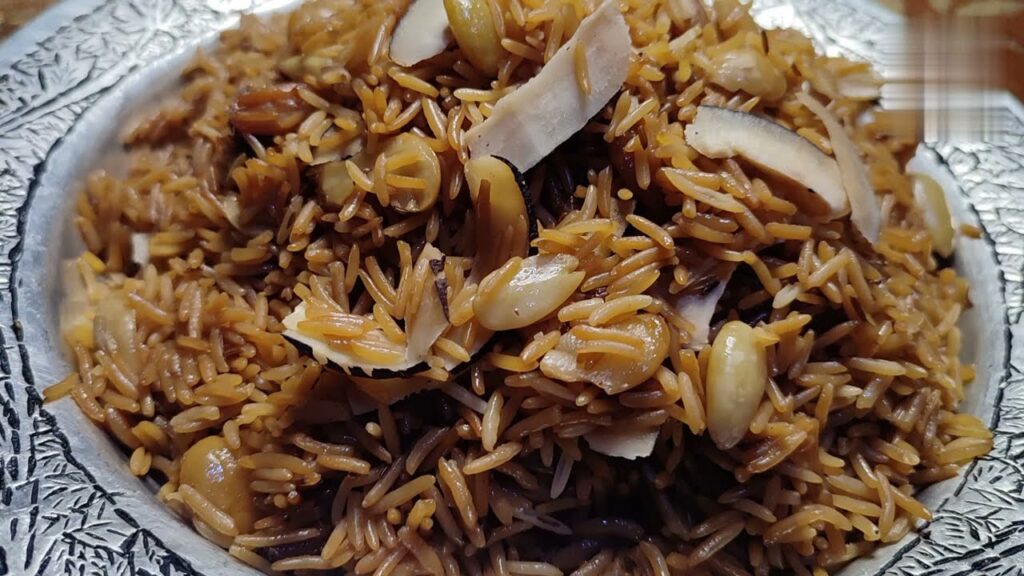
Kashmiri Pulao:
Fragrant rice cooked with saffron, dry fruits, nuts, and aromatic spices, often served with a side of rich gravies.
Haak:
A simple yet flavorful dish made from collard greens, sautéed with mild spices and often enjoyed as a side dish.
Rajma:
Red kidney beans cooked in a thick tomato-based gravy, flavored with traditional Kashmiri spices, often served with steamed rice.
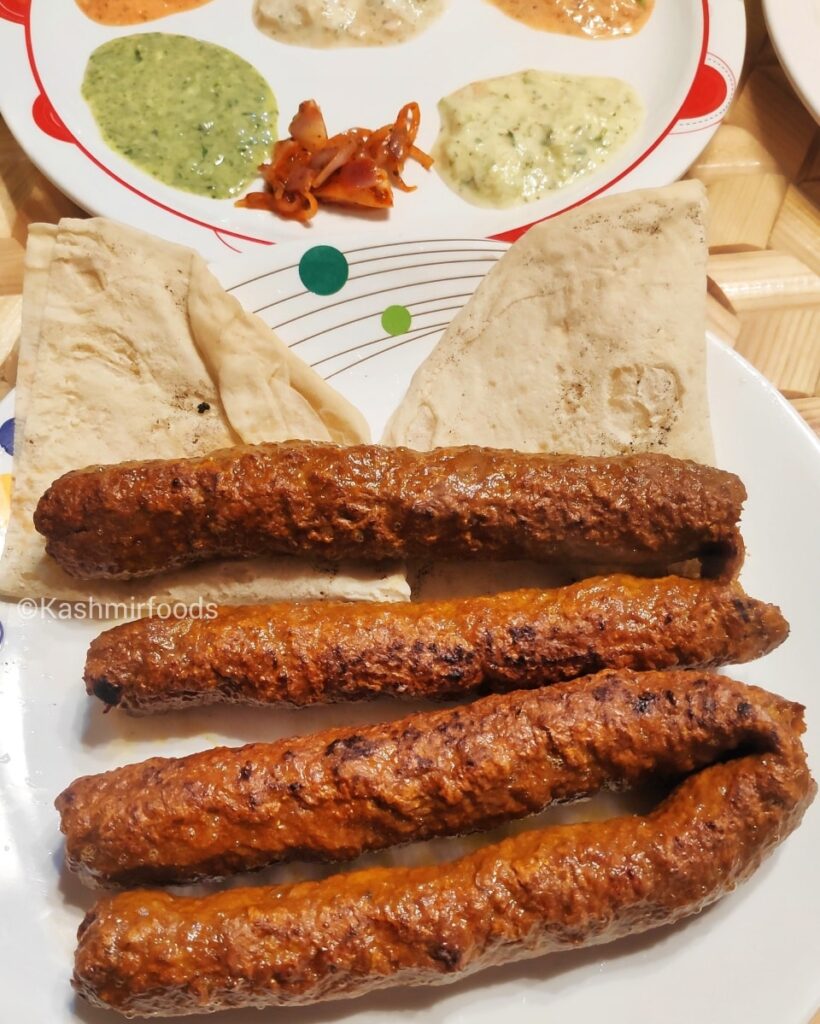
Tabak Maaz:
Lamb ribs marinated in yogurt and spices, then fried until crispy and golden, offering a delightful crunch with every bite.
Kahwa:
A traditional Kashmiri green tea brewed with saffron, cardamom, cinnamon, and garnished with almonds and walnuts, providing a warm and fragrant beverage experience.
Modur Pulao:
A sweet rice dish made with milk, sugar, saffron, and dry fruits, offering a delightful dessert option.
Nadur Monje:
Fried lotus stem fritters, crispy on the outside and tender on the inside, often served as a popular snack.
Sheer Chai:
A traditional salty pink tea made with milk, baking soda, and salt, often enjoyed during breakfast or special occasions.
These dishes, rich in flavor and tradition, offer a culinary journey through Kashmiri cuisine, blending spices, herbs, and unique ingredients to create unforgettable dining experiences.
Tabinda Jan, a student of Euro Presentation Secondary School, Nai Basti Anantnag, has emerged as the topper in the JKBOSE Class 10th results with an outstanding score of 99.6%. Expressing her aspirations, Tabinda revealed her ambition to pursue a career as a neurosurgeon.
In an exclusive interview with Rising Kashmir, Tabinda shared her journey to success, mentioning that while she expected good marks, becoming the top scorer came as a pleasant surprise. She attributed her achievement to a supportive family environment where her father, a government employee, and her mother, a homemaker, nurtured a conducive atmosphere for her studies. Tabinda also acknowledged her brother’s assistance during challenging times, particularly in winter.
Reflecting on her study habits, Tabinda emphasized maintaining consistency rather than last-minute cramming, which she believes reduces stress and enhances clarity in understanding subjects. She plans to focus on medical subjects to pursue her dream of becoming a neurosurgeon.
In a message to fellow students, Tabinda congratulated those who succeeded and encouraged those who didn’t to stay motivated and resilient, emphasizing that class 10th marks are not definitive in one’s journey to success.
When asked about her inspiration, Tabinda credited her parents for their unwavering support and encouragement throughout her academic journey.
Security measures have been significantly increased in Srinagar and other parts of Kashmir ahead of Prime Minister Narendra Modi’s visit on June 20 to celebrate International Yoga Day, according to officials.A police officer at Police Headquarters informed Rising Kashmir that security in Srinagar and surrounding areas has been bolstered in anticipation of the Prime Minister’s arrival.
“A high-level meeting regarding PM Modi’s security arrangements took place in Srinagar, attended by heads of various agencies. Several standard operating procedures (SOPs) have been formulated for the arrangements, which will be implemented until June 20,” he stated.
Additional police and paramilitary forces have been deployed at critical locations, including the route from Airport Road to SKICC. Enhanced security measures such as CCTV surveillance, checkpoints, and frisking points have been established to address potential threats.The officer noted that Special Operations Group (SOG) personnel will be present in the city to monitor for any suspicious activities. J&K Police Commandos, along with CRPF personnel, have been positioned around the SKICC to prevent any untoward incidents.
“Checkpoints and inspection points will continue to operate along major highways in the Valley to prevent any incidents. Vehicles entering Kashmir at Qazigund are being thoroughly searched. Special teams have been assigned to key junctions to thwart any threats. We remain on high alert,” he said.In Srinagar, police and paramilitary forces have erected barricades at multiple locations, and similar measures are being taken in other major towns to inspect vehicles. As part of the security preparations for the PM’s visit, tight security has been deployed around the SKICC along the banks of Dal Lake.
Prime Minister Narendra Modi is scheduled to visit Srinagar on June 20 and participate in the Yoga Day event on June 21. He will arrive in Kashmir on June 20 and stay overnight. The following morning, he will join the Yoga Day activities.
The Jammu and Kashmir administration, led by Lieutenant Governor Manoj Sinha, has been put on high alert in preparation for the PM’s visit. The Jammu and Kashmir Sports Council (JKSC) has been tasked with overseeing the arrangements for the Yoga Day event.A JKSC official stated that preparations for the visit are underway. “We have asked Yoga teams and instructors to get ready for the significant event. We are fully engaged in preparations,” he said.”We have instructed various sports divisions to gather 3,000 athletes to participate in the mega event,” he added, noting that special training sessions are being held for the athletes in Srinagar.
The Life and Legacy of Maharaja Hari Singh: From Independence to Exile
Hari Singh, born in September 1895 at the Amar Mahal palace in Jammu, was the sole surviving son of Raja Amar Singh and Bhotiali Chib. In 1923, upon the death of his uncle, he ascended to the throne as the Maharaja of Jammu and Kashmir. During India’s independence in 1947, Singh initially wished for Jammu and Kashmir to remain independent. However, faced with an invasion by tribal forces and the Pakistan Army, he signed the Instrument of Accession to India on 26 October 1947, securing military assistance from Indian troops. Despite remaining the titular Maharaja until 1952, the Indian government abolished the monarchy, and Singh spent his final years in Bombay, passing away on 26 April 1961.
Singh’s reign was marked by considerable turmoil. He faced a significant agitation in Kashmir in 1931 and rebellions in Poonch and Gilgit-Baltistan. Controversially, he was also involved in the 1947 Jammu massacres. Educated at Mayo College and later at the British-run Imperial Cadet Corps in Dehradun, Singh was well-prepared for leadership. In 1915, he was appointed commander-in-chief of the State Forces, and by 1926, he ascended the throne following his uncle Pratap Singh’s death, under British intervention.
Hari Singh’s coronation in February 1926 was an elaborate affair, divided into religious and official ceremonies. As a ruler, Singh initiated significant reforms, including free elections and the establishment of the Praja Sabha, Jammu and Kashmir’s Legislative Assembly. He implemented progressive laws under the Ranbir Penal Code, promoted compulsory primary education, banned child marriage, and opened places of worship to lower-caste individuals.
In 1930, Singh attended the First Round Table Conference in London, advocating for an All-India Federation and equal status for Indians within the British Commonwealth. Following India’s independence, Singh’s initial stance of independence for Jammu and Kashmir shifted due to escalating violence and invasion threats. His appeal to India for military aid led to the state’s accession to India and subsequently the first Indo-Pakistan War.
Under pressure from Indian leaders Nehru and Patel, Singh appointed his son Karan Singh as Prince Regent in 1949, and later as ‘Sadr-e-Riyasat’ in 1952, marking the end of the monarchy. Despite his contentious relationships with both Nehru and Kashmiri leader Sheikh Abdullah, Singh’s legacy continued through various commemorations, including statues and parks in his honor.
After his exile from Jammu and Kashmir post-accession, Singh lived in Bombay until his death. His ashes were spread across Jammu and Kashmir, in accordance with his wishes. Hari Singh’s life was also marked by personal scandals, including a notable blackmail case in 1921 and his lavish spending habits. Despite his four marriages, only his last wife, Tara Devi Sahiba of Kangra, bore him a son, Karan Singh.
Singh’s legacy is remembered through various memorials and statues, celebrating his contributions and reforms in Jammu and Kashmir. His birth anniversary on 23 September is now a public holiday in the region, reflecting his enduring influence on its history.
The Legacy of Bakshi Ghulam Mohammed: Architect of Modern Kashmir
Bakshi Ghulam Mohammed served as the Prime Minister of Jammu and Kashmir for eleven years, from 1953 to 1964. His tenure was marked by remarkable administrative skills, courage, and practical wisdom, leading to significant progress in the state.
Born in 1907, Bakshi Ghulam Mohammed received his education at C.M.S Tyndale Biscoe School. He began his career as a school teacher in remote areas like Skardu and Leh and later worked with the Kashmir branch of the All India Spinners’ Association. In 1927, he joined Sheikh Mohammed Abdullah in advocating for the civic and political rights of the Muslim population under the Dogra rulers, which led to the formation of the Muslim Conference in 1930.
Bakshi’s organizational skills and dedication were evident during the struggle. He formed unions for students and workers and endured several imprisonments, including a harsh sixteen-month term in Reasi sub-Jail. His bravery earned him the title “Khalid-e-Kashmir,” reminiscent of the famed Muslim general Khalid-bin-Walid.
By 1938, the movement for responsible government had gained support across communities, leading to the renaming of the Muslim Conference to the National Conference. During this time, Bakshi operated underground to evade the state police. In 1946, amid the “Quit Kashmir” movement, he fled to British India when a warrant was issued for his arrest. He traveled extensively to garner support for the Kashmir cause, returning home after the warrant was withdrawn following Mahatma Gandhi’s visit to Kashmir.
In October 1947, Sheikh Mohammed Abdullah was released from prison and became Prime Minister, appointing Bakshi as Deputy Prime Minister with the Home portfolio. In 1948, during Sheikh Abdullah’s absence, Bakshi served as Chief Administrator. In August 1953, after Sheikh Abdullah’s dismissal and arrest, Bakshi became the Prime Minister and President of the National Conference through a majority vote.
As Prime Minister, Bakshi was a transformative leader, earning the moniker “Architect of Modern Kashmir” for his developmental work. He connected deeply with people at the grassroots level, fostering significant popularity across the state. His efforts laid the foundation for a prosperous “Naya Kashmir,” earning widespread acclaim.
Politically, Bakshi faced challenges from the Plebiscite Front, formed in 1955, but maintained firm control over state affairs. In May 1963, following Congress’s losses in several by-elections, the AICC under the Kamaraj plan recommended that certain ministers resign to strengthen party work. Despite not being a Congress member, Bakshi offered a token resignation, which was accepted along with those of other ministers.
Bakshi’s eleven-year tenure as Prime Minister is considered the Golden Period in Jammu and Kashmir’s post-independence history. He staunchly defended the state’s special status within India and was the last to hold the title of Prime Minister of Kashmir.
In 1964, Bakshi led the opposition against Chief Minister Ghulam Mohammed Sadiq. Later that year, despite having majority support in the Assembly, he was arrested and detained under the Defence of India Rules. He was released on health grounds in December 1964 and announced his retirement from politics in June 1965. However, his popularity persisted, and in 1967, he was elected to the Lok Sabha on a National Conference ticket, defeating the Congress nominee by a significant margin. He served in the Lok Sabha until 1971.
Bakshi Ghulam Mohammed passed away in July 1972, leaving behind a legacy of modernizing Kashmir and freeing it from ignorance, hunger, poverty, and backwardness.
Ghulam Mohammed Sadiq: From Prime Minister to Chief Minister of Jammu and Kashmir
Ghulam Mohammed Sadiq, an alumnus of Islamia College in Lahore and Aligarh Muslim University, played a significant role in Jammu and Kashmir’s political landscape. Initially serving in Sheikh Abdullah’s cabinet from 1947 to 1953, he later led the National Conference party from 1957 to 1961 before joining the Indian National Congress. In 1964, he was elected Prime Minister of Jammu and Kashmir. The following year, the J&K Constitution was amended, replacing the position of Prime Minister with Chief Minister, making Sadiq the state’s first Chief Minister under the new title in 1965.
Tragically, Sadiq died in office from a heart attack on December 12, 1971, at the age of 50. His death occurred in a Chandigarh hospital, where he had been receiving treatment for jaundice for three weeks. At the time, Indian and Pakistani forces were engaged in conflict within the state.
Sadiq had a long and varied political career. He first served in the state legislature of Jammu and Kashmir in 1934 under British rule and became chairman of the state’s Muslim Conference in 1939. After the 1947 partition, he was appointed Minister of Development in the Indian-administered part of Kashmir and later held positions as president of the Constituent Assembly and Minister of Health and Education. His leadership of the National Conference party lasted from 1957 to 1961.
Known for his honesty and good intentions, Sadiq faced challenges in pushing for a more democratic administration due to the sensitive nature of Kashmir’s political situation, where the aspirations of the Muslim population were often viewed as a challenge to Indian authority.
Earlier in 1971, the Jammu and Kashmir police uncovered a plot to assassinate Sadiq and kidnap other ministers, allegedly organized by Pakistan through the Plebiscite Front, an outlawed opposition group. Despite these challenges, Sadiq’s commitment to his duties remained steadfast until his untimely death.
Syed Mir Qasim: Champion of Kashmir’s Democratic Movement and Political Leader
Syed Mir Qasim (1921 – 12 December 2004) was a prominent Indian politician who served as the Chief Minister of Jammu and Kashmir from 1971 to 1975. His political journey began during the British Raj, where he emerged as a leader of the non-sectarian, pro-democracy Quit Kashmir movement, advocating against the monarchical rule of Maharaja Hari Singh, which led to his imprisonment.
Following India’s independence, Qasim played a key role in drafting the Constitution of Jammu and Kashmir and held various important positions at both the state and union levels. He was instrumental in establishing the Indian National Congress in Kashmir. After the death of Ghulam Mohammed Sadiq, Qasim took over as the Chief Minister of Jammu and Kashmir. In 1975, he resigned to facilitate the return of Sheikh Abdullah, following an accord between Abdullah and the Indian Government.
Qasim detailed his experiences and the broader struggle of Kashmiris in his autobiography, “My Life and Times,” published in September 1992. The book offers valuable insights into the Quit Kashmir movement and the complex issues surrounding Kashmir’s accession to India instead of joining Pakistan.
Syed Mir Qasim passed away in an ambulance near India Gate in New Delhi on 12 December 2004, at the age of 83. Honoring his wishes, he was buried in his birthplace, Dooru in Kashmir, where thousands attended his funeral peacefully. In 2005, he was posthumously awarded the Padma Bhushan, India’s third-highest civilian award, by President APJ Abdul Kalam.
Sheikh Mohammad Abdullah: A Key Figure in Jammu and Kashmir’s Political Landscape
Sheikh Mohammad Abdullah (5 December 1905 – 8 September 1982) was an influential Indian politician who played a pivotal role in the politics of Jammu and Kashmir. He was the founding leader of the All Jammu and Kashmir Muslim Conference, which later became the Jammu and Kashmir National Conference. Abdullah served as the first elected Prime Minister of Jammu and Kashmir after its accession to India, advocating for self-rule and opposing Maharaja Hari Singh’s regime.
Abdullah’s tenure as the first elected Prime Minister of Jammu and Kashmir was marked by significant political turbulence. His advocacy for self-rule and democratic governance led to his eventual imprisonment by the Indian government, citing his alleged support for insurgent activities. On 8 August 1953, he was dismissed from his position, and Bakshi Ghulam Mohammad replaced him. In 1965, the titles ‘Sadr-i-Riyasat’ and ‘Prime Minister’ were changed to ‘Governor’ and ‘Chief Minister’, respectively. Abdullah returned to power as Chief Minister in 1974 after reaching an accord with Prime Minister Indira Gandhi and remained in office until his death in 1982.
Early Life
Born on 5 December 1905 in Soura, a suburb of Srinagar, Abdullah faced early challenges, losing his father two weeks after his birth. In his autobiography, Aatish-e-Chinar, he claims his great-grandfather was a Hindu Brahmin who converted to Islam under the influence of a Sufi preacher. Abdullah’s father was a middle-class manufacturer and trader of Kashmiri shawls. Abdullah, the youngest of six siblings, started his education at a traditional school or maktab, learning Quranic recitation and basic Persian texts. He later attended several schools, culminating in his matriculation from Punjab University in 1922.
Higher Studies
After completing his matriculation, Abdullah joined Shri Pratap (S. P.) College, aiming initially for a medical career but later shifted to general science at Prince of Wales College in Jammu, where he was denied admission. He then attended Islamia College, Lahore, and graduated from there. In 1930, Abdullah obtained an M.Sc. in Chemistry from Aligarh Muslim University. His time at Aligarh exposed him to liberal and progressive ideas, shaping his future political ideology.
Political Beginnings
In the 1920s, political associations were banned, but Abdullah was part of the Islamia School Old Boys Association and later the Fateh Kadal Reading Room Party, where he discussed political issues with peers. This group gained recognition after presenting their views on government recruitment policies to the Regency Council in 1930.
Muslim Conference
Influenced by Molvi Abdullah, a Kashmiri polymath, Abdullah and his colleagues formed the Kashmir Muslim Conference in 1932, which later became the National Conference in 1939. This change aimed to include all oppressed sections of society, not just Muslims. The National Conference became a significant political force under Abdullah’s leadership, advocating for the rights of all communities.
Electoral Politics
The 1931 agitation led to the establishment of the Praja Sabha in 1934, an elected legislative assembly, but real power remained with the Maharaja. In 1951, Abdullah’s government held elections to a Constituent Assembly, marking the beginning of democratic governance in the state. His close relationship with Jawaharlal Nehru, leader of the Indian National Congress, further strengthened his political position.
Quit Kashmir Agitation and Arrest
In 1946, Abdullah launched the Quit Kashmir agitation against Maharaja Hari Singh, leading to his imprisonment. He was released in 1947, just before the accession of Jammu and Kashmir to India. Appointed head of an emergency administration, he played a crucial role during the tumultuous period following the accession.
Dismissal and Reconciliation
In 1953, Abdullah was dismissed and imprisoned on charges of conspiracy. He was released in 1964 and later worked as a bridge between India and Pakistan. His efforts to resolve the Kashmir issue through dialogue marked a significant phase in his political career.
Later Years and Legacy
After his release, Abdullah returned to power as Chief Minister following the 1974 Indira-Sheikh accord. He served in this capacity until his death in 1982. Abdullah’s life and work significantly impacted Jammu and Kashmir’s political landscape, earning him the title “Sher-e-Kashmir” (Lion of Kashmir).
Abdullah’s legacy is commemorated in various institutions and landmarks, such as the Sher-e-Kashmir University of Agricultural Sciences and Technology and the Sher-i-Kashmir Institute of Medical Sciences. His life has been documented in works like The Flame of the Chinar, a 1998 documentary, and he remains a central figure in the region’s history.
Dr Farooq Abdullah
Dr. Farooq Abdullah (born October 21, 1937) is an esteemed Indian politician who currently serves as the President of the Jammu & Kashmir National Conference. Throughout his career, he has held the position of Chief Minister of Jammu and Kashmir multiple times since 1982 and served as the Union Minister for New and Renewable Energy from 2009 to 2014. He is the son of Sheikh Abdullah, the first elected Chief Minister of Jammu and Kashmir, and the father of Omar Abdullah, a former Chief Minister of the state.
ANI_20240511152
Early Life and Education
Farooq Abdullah was born to Sheikh Abdullah, a prominent statesman and leader of the National Conference, and Begum Akbar Jehan Abdullah. He received his early education at Tyndale Biscoe School before earning an MBBS degree from SMS Medical College, Jaipur. He later traveled to the UK to practice medicine.
Family
Farooq Abdullah is married to Molly, a British-origin nurse. They have one son, Omar, and three daughters, Safia, Hinna, and Sara. Omar Abdullah has been active in state and national politics, serving as a member of the Lok Sabha and as Chief Minister of Jammu and Kashmir. Sara was married to Congress leader Sachin Pilot, though they have recently divorced.
Political Career
Farooq Abdullah entered politics by being elected to the Lok Sabha unopposed from the Srinagar constituency in the 1980 General Election.
Chief Minister: 1982–1984
Farooq Abdullah stepped into the political arena of Jammu and Kashmir as a novice when he was appointed president of the National Conference in August 1981, largely due to being Sheikh Abdullah’s son. After his father’s death in 1982, he became the Chief Minister. However, his government collapsed in 1984 when his brother-in-law Ghulam Mohammad Shah led a faction of the National Conference to break away, with Congress support.
1984–1996
In 1986, after the communal riots in South Kashmir, G.M. Shah’s government was dismissed, and a new National Conference-Congress government was formed with Farooq Abdullah as Chief Minister following the Rajiv-Farooq accord. The 1987 elections, which were marred by allegations of rigging, saw the National Conference-Congress alliance win, but the period was marked by increased militancy and the exodus of Kashmiri Pandits. Abdullah resigned in protest after Jagmohan was appointed governor and subsequently moved to the UK.
Chief Minister: 1996–2002
Returning to India, Abdullah won the 1996 Legislative Assembly elections and served a full six-year term as Chief Minister. In 1999, the National Conference joined the Atal Bihari Vajpayee-led National Democratic Alliance, and Omar Abdullah was appointed as a Union Minister of State for External Affairs.
Subsequent Political Career
In the 2002 Legislative Assembly elections, Farooq Abdullah aimed to continue his political career at the central level while Omar Abdullah led the National Conference. The party lost, and a coalition government headed by Mufti Mohammad Sayeed took office. Farooq Abdullah was subsequently elected to the Rajya Sabha in 2002 and re-elected in 2009, later resigning to win a Lok Sabha seat from Srinagar. He served as the Cabinet Minister of New and Renewable Energy in the UPA government.
In the 2014 General Election, Abdullah contested the Srinagar seat but was defeated by PDP candidate Tariq Hameed Karra. However, in a 2017 by-election, he won the seat again by defeating PDP candidate Nazir Ahmed Khan.
Detention and Recent Developments
On September 16, 2019, Abdullah was detained under the Public Safety Act following the revocation of Article 370. He was released after seven and a half months on March 13, 2020. In 2022, he was proposed as the Opposition’s candidate for the President of India by several leaders, including Mamata Bannerjee, but he declined to remain active in politics and focus on issues concerning the Kashmir Union Territory.
Mufti Mohammad Sayeed
Mufti Mohammad Sayeed (January 12, 1936 – January 7, 2016) was a prominent Indian politician who served as the Chief Minister of Jammu and Kashmir twice, from November 2002 to November 2005 and again from March 2015 to January 2016. He held significant positions, including Minister of Tourism in Rajiv Gandhi’s cabinet and Home Minister of India in V. P. Singh’s cabinet. Initially part of the National Conference under G. M. Sadiq, he eventually joined the Indian National Congress before moving to Janata Dal in 1987 and later founding the People’s Democratic Party (PDP). His daughter, Mehbooba Mufti, currently leads the PDP.
Early Life
Mufti Sayeed was born on January 12, 1936, in Bijbehara, Anantnag district, within the princely state of Jammu and Kashmir in British India. He hailed from a Kashmiri Muslim family of clerics. Sayeed completed his early education in Srinagar and obtained a law degree and a postgraduate degree in Arabic from Aligarh Muslim University before entering politics.
Political Party Affiliations
Sayeed began his political career in the 1950s with the Democratic National Conference, a splinter group of the Jammu & Kashmir National Conference led by Ghulam Mohammed Sadiq. He was appointed district convenor of the party, which later merged back into the National Conference in 1960. In 1962, he was elected to the Legislative Assembly from Bijbehara and became a Deputy Minister after Sadiq became Chief Minister in 1964. The National Conference merged with the Indian National Congress in 1965, making Sayeed a Congress member.
In 1972, he became a cabinet minister and president of the state Congress unit. He joined Rajiv Gandhi’s government in 1986 as Minister of Tourism. In 1987, he left Congress to join V. P. Singh’s Jan Morcha, becoming the first Muslim Home Minister in the Union Cabinet of India from 1989 to 1990. He rejoined Congress under P. V. Narasimha Rao but left again in 1999 to form the Jammu and Kashmir People’s Democratic Party with his daughter, Mehbooba Mufti. The PDP won 18 assembly seats in the 2002 elections and formed a coalition government with Congress, with Sayeed serving as Chief Minister for three years.
During his tenure, Sayeed merged the autonomous Special Operations Group with the Jammu and Kashmir Police. His leadership coincided with a peace process led by Indian Prime Ministers Atal Bihari Vajpayee and Manmohan Singh and Pakistani President Pervez Musharraf, resulting in the opening of the Line of Control (LOC) for trade and bus services.
Chief Minister: Second Tenure (2015–2016)
In the 2014 Jammu and Kashmir Legislative Assembly election, the PDP emerged as the largest party but fell short of a majority. Sayeed became Chief Minister again in 2015 following a coalition agreement between the PDP and the BJP.
Union Minister for Home Affairs
In 1989, shortly after becoming Union Home Minister, Sayeed’s third daughter, Rubaiya, was kidnapped and later released under pressure. His tenure witnessed the exodus of Kashmiri Hindus and multiple attacks on his life by Kashmiri separatists.
Death
Mufti Mohammad Sayeed was admitted to AIIMS hospital in New Delhi on December 24, 2015, with neck pain and fever. His condition worsened, leading to multi-organ failure, and he passed away on January 7, 2016, just days before his 80th birthday. His death prompted reactions from Prime Minister Narendra Modi, Home Minister Rajnath Singh, and the 14th Dalai Lama. Sayeed was buried with state honors at his ancestral burial ground in Bijbehara. Former Chief Ministers Omar Abdullah and Ghulam Nabi Azad attended his funeral. Condolences poured in from various political leaders, including former President Pranab Mukherjee and Delhi Chief Minister Arvind Kejriwal. Following his death, the PDP supported Mehbooba Mufti as the next Chief Minister, a decision the coalition ally BJP did not oppose.
Mufti Mohammad Sayeed was laid to rest in Dara Shikoh Garden, Bijbehara.
Absolutely, here’s the article you requested:
The Enigmatic Legacy of Syed Ali Shah Geelani: Champion of Kashmiri Separatism
Syed Ali Shah Geelani, a towering figure in the tumultuous landscape of Kashmir, left an indelible mark on the region’s history. Born in 1929, Geelani’s journey from the classrooms of Sopore to the corridors of power in Kashmir was marked by fervent advocacy for the Kashmiri cause.
Early Years and Ideological Foundations
Geelani’s educational pursuits in Sopore and later theological studies in Lahore laid the groundwork for his unwavering commitment to the Islamist ideology of Jamaat-e-Islami. Influenced profoundly by the teachings of Maulana Abul A’la Maududi, Geelani emerged as a prominent member of Jamaat-e-Islami Kashmir in the 1950s, setting the stage for his future political endeavors.
Political Ascendancy and Struggle
Entering the political arena in the 1970s, Geelani found himself navigating the complex landscape of Kashmiri politics. His three terms in the Jammu and Kashmir Legislative Assembly on a Jamaat-e-Islami ticket showcased his early foray into electoral politics. However, disillusioned by allegations of electoral malpractice, Geelani resigned in 1989, signaling a shift towards a more confrontational approach.
Architect of Separatist Movements
In 1993, Geelani played a pivotal role in the formation of the All Parties Hurriyat Conference (APHC), a coalition of Kashmiri separatist groups. Despite initial leadership roles, his staunch pro-Pakistan and pro-jihadist stance led to fractures within the alliance, culminating in the formation of his own faction of the Hurriyat Conference. Geelani’s fiery rhetoric and unwavering commitment to Kashmir’s accession to Pakistan galvanized support among segments of the populace, while drawing the ire of Indian authorities.
Controversy and Confrontation
Geelani’s uncompromising stance on Kashmir’s status as an integral part of Pakistan made him a lightning rod for controversy. Accused by Indian authorities of fomenting violence and acting as a proxy for Pakistan, he became a polarizing figure in the region. His calls for strikes and protests, coupled with his perceived role in the rise of militancy, further cemented his status as a controversial figure.
Legacy and Ongoing Debate
Geelani’s death in 2021 marked the end of an era, yet his legacy continues to reverberate across Kashmir and beyond. While some laud him as a valiant champion of Kashmiri self-determination, others decry him as a radical ideologue whose actions exacerbated violence in the region. The debate surrounding Geelani’s legacy underscores the complexities of Kashmir’s political landscape and serves as a poignant reminder of the enduring struggle for autonomy and identity.
In Conclusion
Syed Ali Shah Geelani’s enigmatic legacy epitomizes the multifaceted nature of Kashmiri separatism. His unwavering commitment to the Kashmiri cause, coupled with his controversial methods, ensures that his impact on the region’s history will be debated for generations to come. As Kashmir continues to grapple with its political destiny, Geelani’s legacy serves as a poignant reminder of the enduring quest for justice and self-determination in the Valley.
Lieutenant Governor of J&K, Manoj Sinha on Thursday has congratulated the students who passed JKBOSE class 10th annual Regular examinations-2024.
In a post on X, LG Sinha wrote, “Congratulations to all students who cleared @Office_JKBoSE Class Xth Annual Regular Examination-2024.Heartening to note that girls have performed exceptionally well.”“I appreciate teachers & parents for their support & dedication. Best wishes to students for your future endeavors”, he said.
The Jammu and Kashmir Board of School Education on Thursday announced results of annual exams of 10tth standard with an overall pass percentage of over 79 percent.Candidates who have appeared for the examination can check the scores on the official website at jkresults.nic.in.The students can check results here https://jkresults.nic.in/jkboseresults.aspx
Deputy Inspector General of Police (DIG) Ramban-Doda Range, Shridhar Patil visited the spot in Chattergala in Jammu and Kashmir’s Bhaderwah on Wednesday where an exchange of fire had taken place on Tuesday, resulting in injuries to soldiers.The search operation is still going on.
“Last night when our personnel at the check post started checking (in Chattergala), our sentry saw some suspicious movement (of terrorists) and they challenged them. After that challenge, firing was done from there and then the exchange of fire continued for around one and a half hours. Our jawans, both from the army and the police, have fought bravely and we have started searching that area today,” Patil said, speaking to ANI on Wednesday.
Patil said that the Army, the Special Operations Group and the Kathua police have roped in the search operation since the area is hilly and forested.“It is a hilly and forested area. It is taking some time to search. The army and the Special Operations Group (SOG) police are searching together. We have also involved the Kathua police because the area in the South connects with Kathua, so we have started a joint search in that area,” the DIG added.
Speaking about the number of terrorists involved in the encounter, he said, “I cannot confirm the number of terrorists. It seems there is a group of terrorists.”“One policeman has been injured in last night’s exchange of fire…We are updated with the movement of this (terrorist) group. Soon we will neutralise them…,” he added.
Five jawans and a sub-divisional special police officer (SDPO) were injured in the encounter that began after terrorists opened fire at a joint checkpost of police and Rashtriya Rifles at an army base in the Chattargala area on the Bhadarwah-Pathankot road in Doda.
This comes in the wake of the terror attack in Hiranagar village in Kathua district on Tuesday night in which one terrorist was killed and Sunday’s terror attack in Reasi in which ten pilgrims were killed.
On Tuesday evening ultras attacked a house in Saida Sukhal village in Hiranagar village in Kathua, a senior police officer said. One Central Reserve Police Force (CRPF) jawan and one terrorist were killed in the encounter between terrorists and security personnel. A hunt has been launched to track another terrorist who managed to escape.
Security Forces are conducting a search operation in the Hiranagar area following the terror attack last night, Dr Vijay Raina, Chief Medical Officer of Kathua said.Earlier on Sunday, at least nine people were killed and 42 others were injured in the attack on a bus carrying pilgrims from Shiv Khori shrine that took place in Reasi district. The bus plunged into a gorge following the attack.
The Jammu and Kashmir police have said that the terrorist group Lashkar-e-Taiba is believed to be behind the attack. JK police have formed 11 teams to investigate the attack.A team from the National Investigation Agency (NIA) assessed the situation in Reasi on Monday and the NIA’s forensic team is working on collecting evidence. (ANI)