Fire and Emergency Services J&K: History, Expansion, and Key Functions

Fire and Emergency

The Fire and Emergency Services in Jammu and Kashmir (J&K) began in 1893 as the Srinagar Fire Brigade. Back then, some towns had their own small fire brigades. Early firefighting tools included axes for cutting through burning buildings and buckets for throwing water. Later, steam engines replaced these methods. These steam engines, which were powered by burning firewood to heat water, were transported on carts pulled by firemen.

Initially, the department had just 5 fire stations and 60 firemen, making it the third oldest fire brigade in India after Mumbai (1803) and Kolkata (1822). Today, it is the fourth largest fire service in the country, expanding from 5 to 180 fire stations across the Union Territory.

The motto of the Fire and Emergency Services is “We serve to Save.” The department’s officers and firefighters are always ready to respond to emergencies. They risk their lives to protect others and have made significant sacrifices in their line of duty. The department is deeply grateful for their bravery.

The department has acquired advanced firefighting and disaster management equipment and is constantly working to improve its infrastructure. Training is also a top priority to ensure that its personnel are well-prepared for emergencies.

Until 1978, the Fire Services were part of the J&K Police. Since then, they have operated as an independent department within the J&K Government. In 2004, the department’s role expanded to include disaster management and rescue operations for both natural and man-made disasters. It was officially renamed “Fire and Emergency Services, J&K” by Government Order No. Home-196 (Fire) on June 8, 2004.

Key Functions of the Department:

  • Protecting life and property.
  • Managing disasters.
  • Firefighting and reducing damage from fires, including during terrorist attacks, cross-firing, and bomb/mine blasts.
  • Rescue operations during floods and heavy rains.
  • Dewatering during floods.
  • Providing clean drinking water during floods and droughts.
  • Evacuating people in rural and urban areas.
  • Search and rescue during earthquakes.
  • Fire prevention and public awareness through media, seminars, lectures, inspections, fire audits, risk assessments, and mock drills.
  • Setting up temporary fire stations during VIP visits, public events, and festivals, including the Holy Amarnath Ji Yatra.
  • Maintaining a large fleet of firefighting vehicles, equipment, and portable pumps.
  1. Headquarters Srinagar
    Contact: 101, 0194-2452222, 2452155, 2479488
    Category: A
  2. Gaw Kadal
    Contact: 0194-2455053
    Category: C
  3. Dalgate
    Category: C
  4. Habbakadal
    Contact: 0194-2455058
    Category: C
  5. Waniyar (Safakadal)
    Contact: 0194-24520037
    Category: C
  6. Nowshehra
    Contact: 0194-2402555
    Category: C
  7. M.R. Gunj
    Contact: 0194-2455038
    Category: C
  8. Rainawari
    Contact: 0194-2507032
    Category: C
  9. Hazratbal
    Contact: 0194-2415045
    Category: D
  10. Raj Bhavan
    Contact: 0194-2100312
    Category: D
  11. New Secretariat
    Contact: 9697482768
    Category: D
  12. Syed Hamidpora
    Contact: 0194-2503219
    Category: C
  13. Brari Nambal (Babadem)
    Contact: 0194-2452674
    Category: C
  14. Gupkar (Temporarily relocated)
    Category: D
  15. Veer Chattabal
    Contact: 0194-2103614
    Category: D
  16. Rawalpora
    Contact: 0194-2100355
    Category: D
  17. Nowgam
    Contact: 0194-2316194
    Category: D
  18. M.A. Road
    Contact: 9797270977
    Category: D
  19. Soura
    Contact: 0194-2402789
    Category: D
  20. Shalimar
    Contact: 0194-2464545
    Category: D
  21. Hariniwas HCM’s Residence
    Contact: 9596185183
    Category: D
  22. Rangreth
    Contact: 8803128921
    Category: D
  23. Brain Nishat
    Contact: 0194-2100358
    Category: D

River Fire Stations

  1. Nehru Park (I)
    Contact: 0194-2500500
    Category: E
  2. Nehru Park (II)
    Category: E

Fire Posts

  1. Khankah-e-Moula
    Contact: 9469490391
    Category: F
  2. Makhdoom Sahib
    Contact: 0194-2101019
    Category: F
  3. Zadibal
    Contacts: 9469242834, 9858742615
    Category: F
  4. Shali Store
    Contact: 9858390426
    Category: F
  5. Pallapora, Noorbagh
    Contact: 9906991685
    Category: F
  6. Central Jail Srinagar
    Contact: 9697384740
    Category: F

Fire and Emergency Stations Contact List District Ganderbal

  1. Kangan
    Contact: 0194-2418222
    Category: D
  2. Ganderbal
    Contacts: 0194-2416390, 2416060, 241659
    Category: D
  3. Gund Kangan
    Contact: 0194-2145495
    Category: D
  4. Lar
    Contacts: 0194-2145689, 9419516257
    Category: D
  5. Batweena Ganderbal
    Contacts: 0194-2145704, 9797052034
    Category: D
  6. Safapora
    Contact: 0194-218023
    Category: D

Fire and Emergency Stations Contact List District Budgam

  1. Charar-e-Sharief – A
    Contact: 01951-253534
    Category: D
  2. Charar-e-Sharief – B
    Contact: 01951-253014
    Category: D
  3. Budgam
    Contacts: 01951-255222, 256482
    Category: D
  4. Magam
    Contact: 01951-272232
    Category: D
  5. Chadoora
    Contact: 01951-257453
    Category: D
  6. Beerwa
    Contact: 01951-275255
    Category: D
  7. Pakharpora
    Contact: 01951-247055
    Category: D
  8. Khan Sahib
    Contact: 01951-277381
    Category: D

Fire Post

  1. Charar-e-Sharief
    Contact: 01951-253534
    Category: F

Fire and Emergency Stations Contact List District AnantNag

  1. Anantnag-I
    Contacts: 101, 01932-222822, 227831, 217634
    Category: C
  2. Anantnag-II
    Contact: 01932-292570
    Category: D
  3. Bijbehara
    Contact: 01932-234222
    Category: C
  4. Pahalgam
    Contact: 01936-243222
    Category: D
  5. Dooru
    Contact: 01932-230222
    Category: D
  6. Kokernag
    Contact: 01932-244222
    Category: D
  7. Seer Hamdan
    Contact: 9596419053
    Category: D
  8. Sallar
    Contact: 01936-210003
    Category: D
  9. Achchabal
    Contact: 01932-241222
    Category: D
  10. Shangus
    Contact: 01932-217002
    Category: D
  11. Kawarigam
    Contact: 01932-217702
    Category: D
  12. Aishmuqam
    Contact: 01936-242222
    Category: D
  13. Seriguphwara
    Contact: 01932-290645
    Category: D
  14. Mattan
    Contact: 01932-237188
    Category: D

Fire Posts

  1. Aishmuqam
    Contact: 9797803046
    Category: F
  2. Khiram
    Contacts: 01932-214869, 9419558211
    Category: F
  3. Krari
    Contact: 8803055412
    Category: F
  4. Larkipora
    Contact: 7298974142
    Category: F

Fire and Emergency Stations Contact List District Kulgam

  1. Kulgam
    Contact: 01931-260222
    Category: D
  2. Damhal Hanjipora
    Contact: 9596326821
    Category: D
  3. Yaripora
    Contact: 9797708770
    Category: D
  4. Danev Kandimarg
    Contact: 9906777938
    Category: D
  5. Bahibagh
    Contact: 7298832660
    Category: D
  6. Manzgam
    Contact: 9906457549
    Category: D
  7. Qazigund
    Contact: 01931-235222
    Category: D
  8. Jawahar Tunnel
    Contact: 9906430819
    Category: D

Fire Posts

  1. Badijulan
    Contact: 9906725993
    Category: F
  2. Ashmuji
    Contact: 9596138285
    Category: F
  3. Waltengo Nar
    Contact: 7298766261
    Category: F

Fire and Emergency Stations Contact List District Pulwama

  1. Pulwama
    Contacts: 101, 01933-241222
    Category: D
  2. Tral
    Contact: 01933-250222
    Category: D
  3. Awantipora
    Contact: 01933-247331
    Category: D
  4. Khrew
    Contact: 01933-245200
    Category: D
  5. Pampore
    Contact: 01933-222041
    Category: D
  6. Rajpora
    Contact: 9596160170
    Category: D
  7. Kakapora
    Contact: 01933-265001
    Category: D
  8. Drubgam
    Contact: 01933-276101
    Category: D
  9. Lassipora
    Category: D

Fire Post

  1. Pinglana
    Contact: 9858817856
    Category: F

Fire and Emergency Stations Contact List District Shopian

  1. Shopian
    Contact: 01933-260222
    Category: D
  2. Zainapora
    Contact: 9419004428
    Category: D
  3. Keegam
    Contact: 9858321701
    Category: D
  4. Kellar
    Contact: 9858445523
    Category: D
  1. Baramulla-I
    Contacts: 101, 01952-234222, 238252
    Category: C
  2. Baramulla-II (Old Town)
    Contact: 9858337197
    Category: D
  3. Sopore-I
    Contacts: 101, 01954-222222, 22418
    Category: B
  4. Sopore-II
    Category: D
  5. Pattan
    Contact: 01954-231222
    Category: D
  6. Dangiwatcha
    Contact: 01954-235599
    Category: D
  7. Tangmarg
    Contact: 01954-254422
    Category: D
  8. Kreeri
    Contact: 01952-257222
    Category: D
  9. Uri
    Contact: 01956-244305
    Category: D
  10. Sangrama
    Contact: 01954-293222
    Category: D
  11. Seelu
    Contact: 01954-215866
    Category: D
  12. Rohama
    Contact: 01954-243222
    Category: D
  13. Kunzer Tangmarg
    Contact: 01954-255199
    Category: D
  14. Wanigam Payeen
    Contact: 01954-231146
    Category: D
  15. Kachwa Muqam
    Contact: 01952-217139
    Category: D
  16. Gulmarg
    Contact: 01954-254414
    Category: D
  1. Bandipora
    Contacts: 01957-225222, 225320
    Category: D
  2. Hajin
    Contact: 01954-265222
    Category: D
  3. Sumbal
    Contact: 01954-230322
    Category: D
  4. Ajas
    Contact: 01954-291420
    Category: D
  5. Gurez
    Contact: 01957-255211
    Category: D
  6. Naidkhai Sonawari
    Contact: 01954-290050
    Category: D
  7. Tulail
    Category: D

Fire and Emergency Stations Contact List District Kupwara

  1. Kupwara
    Contacts: 101, 01955-252222
    Category: D
  2. Handwara
    Contact: 01955-262222
    Category: D
  3. Trehgam
    Contact: 01955-244222
    Category: D
  4. Sogam
    Contact: 01955-233222
    Category: D
  5. Karnah/Tangdar
    Contact: 01958-2452222
    Category: D
  6. Kalaroos
    Contact: 01955-2190171
    Category: D
  7. Vilgam
    Contact: 01955-210497
    Category: D
  8. Lalpora
    Contact: 01955-212612
    Category: D
  9. Haihama
    Contact: 01955-218025
    Category: D
  10. Kuligam
    Contact: 01955-212411
    Category: D
  11. Kralpora
    Contact: 01955-246222
    Category: D
  12. Tikkipora
    Contact: 01955-211888
    Category: D
  13. Magam Handwara
    Contact: 01955-212926
    Category: D
  14. Kralgund
    Contact: 9906867703
    Category: D
  15. Kalamabad
    Contact: 9797153230
    Category: D
  16. Pahroo
    Contact: 9697468327
    Category: D
  17. Redi Chowkibal
    Contact: 9906832161
    Category: D
  18. Drugmulla
    Contact: 990670179
    Category: D
  19. Devar Inderbugh (Dardpora)
    Contact: 8803953953
    Category: D

The Ultimate Guide to Kashmir: Best Times to Visit, Most Beautiful Places, Top Hotels, and Unique Destinations

Kashmir, often referred to as “Paradise on Earth,” is renowned for its beautiful landscapes and rich cultural heritage. If you’re planning a trip to this stunning region, you might have several questions in mind: When is the best time to visit? Which places are the most beautiful? Where should you stay? How long should you spend exploring? Let’s dive into these questions and more to help you plan the perfect Kashmir adventure.

When is the Best Time to Visit Kashmir?

The best time to visit Kashmir depends largely on what you want to experience. Here’s a breakdown of the different seasons and what they offer:

Spring (March to May)

Spring is a delightful time to visit Kashmir. The weather is mild, with temperatures ranging from 11°C to 19°C. The snow starts melting, and the gardens, especially the famous Mughal gardens, begin to bloom with vibrant flowers. This is a great time for sightseeing and outdoor activities, and the landscapes are lush and green.

Summer (June to August)

Summer is another excellent time to visit Kashmir, particularly if you enjoy pleasant temperatures and clear skies. Daytime temperatures range from 16°C to 30°C, making it perfect for exploring the region’s natural beauty. It’s also the peak tourist season, so you’ll find a lot of activities and festivals taking place. However, be prepared for higher accommodation prices and larger crowds.

Autumn (September to November)

Autumn is arguably the most picturesque time in Kashmir. The region is bathed in golden hues as the leaves change colour, and the weather is still quite pleasant, with temperatures ranging from 8°C to 23°C. This is a fantastic time for photography and nature walks, as the landscapes are particularly stunning.

Winter (December to February)

Winter transforms Kashmir into a snow-covered wonderland, especially in places like Gulmarg, which becomes a haven for skiing and snowboarding enthusiasts. Temperatures can drop below freezing, and heavy snowfall is common. If you enjoy snow sports or the tranquillity of a snowy landscape, winter is the time to visit. However, be mindful of potential travel disruptions due to weather conditions.

Which Places in Kashmir are the Most Beautiful?

Kashmir is dotted with atractive locations, each offering its own unique charm. Here are some of the most beautiful places you should consider visiting:

Srinagar

Srinagar, the summer capital of Jammu and Kashmir, is famous for its beautiful Dal Lake and Nigeen Lake, where you can enjoy a shikara ride. The Mughal gardens, including Shalimar Bagh and Nishat Bagh, showcase stunning floral displays and historical architecture. Srinagar’s old city is also worth exploring for its traditional markets and historic sites.

Gulmarg

Known as the “Meadow of Flowers,” Gulmarg is a lush green valley surrounded by snow-capped peaks. It’s famous for its skiing slopes in winter and its beautiful golf course in summer. The Gulmarg Gondola, one of the highest cable cars in the world, offers spectacular views of the surrounding mountains.

Pahalgam

Pahalgam, often referred to as the “Valley of Shepherds,” is a serene town located along the Lidder River. It’s an excellent base for trekking and outdoor activities. The nearby Betaab Valley, named after a Bollywood film, and Aru Valley are popular for their stunning scenery and peaceful environment.

Sonamarg

Sonamarg, meaning “Meadow of Gold,” is known for its pristine glaciers. The Thajiwas Glacier, a short trek from the town, offers spectacular views and a chance to experience the raw beauty of the Himalayas.

Where Should You Stay in Kashmir?

Choosing the right place to stay can enhance your Kashmir experience. Here are some notable hotels and accommodation options:

The Lalit Grand Palace Srinagar

This historic hotel, located in Srinagar, is known for its luxurious accommodations and beautiful surroundings. The Lalit Grand Palace Srinagar offers stunning views of the Dal Lake and the surrounding mountains, along with exquisite dining options and top-notch amenities.

Hotel Hilltop Gulmarg

If you’re heading to Gulmarg, Hotel Hilltop is a popular choice. It provides comfortable accommodation with easy access to the skiing slopes and the Gondola ride. The hotel’s location offers beautiful views of the surrounding meadows and mountains.

Pahalgam Hotel

In Pahalgam, the Pahalgam Hotel is well-regarded for its scenic location by the Lidder River. It offers cosy rooms and excellent service, making it a great base for exploring the town and its surrounding areas.

Sonamarg Meadows

For those visiting Sonamarg, Sonamarg Meadows provides a range of comfortable accommodations with easy access to the natural attractions in the area. The hotel offers stunning views of the surrounding meadows and mountains.

How Many Days Should You Spend in Kashmir?

The number of days you should spend in Kashmir depends on how much you want to explore. Here’s a rough guide:

Short Trip (3-4 Days)

If you have limited time, focus on the key highlights. You could spend a day exploring Srinagar, including Dal Lake and the Mughal gardens. Another day could be dedicated to Gulmarg for skiing or enjoying the Gondola ride. A day in Pahalgam or Sonamarg would round off a short trip.

Moderate Trip (5-7 Days)

With 5 to 7 days, you can explore more thoroughly. Spend a couple of days in Srinagar, including some time for shopping and exploring local markets. Allocate two days each for Gulmarg and Pahalgam or Sonamarg, depending on your interests. This allows you to experience both the natural beauty and the cultural aspects of the region.

Extended Trip (7+ Days)

For a more relaxed and comprehensive visit, an extended stay of a week or more allows you to explore Kashmir’s diverse attractions at a leisurely pace. You can spend time in each major destination, including Srinagar, Gulmarg, Pahalgam, and Sonamarg, and perhaps even explore off-the-beaten-path locations.

Which Place is Known as Mini Kashmir?

The term “Mini Kashmir” is often used to describe places that resemble the natural beauty and charm of Kashmir but are located outside the region. Munsiyari in Uttarakhand is one such place. Nestled in the Himalayas, Munsiyari offers similar stunning views and landscapes as Kashmir, making it a popular destination for those who want to experience a Kashmir-like environment without travelling to the region itself.

Which Place is Known as Mini Gulmarg?

Auli, located in Uttarakhand, is often referred to as the “Mini Gulmarg” due to its similar alpine beauty and snow-covered slopes. Auli is a popular destination for skiing and winter sports, much like Gulmarg in Kashmir. It offers beautiful views and a variety of outdoor activities, making it a great alternative for those who can’t visit Kashmir.

Which Place is Known as Chota London in Kashmir?

Pahalgam is sometimes referred to as “Chota London” (Little London) because of its serene environment and beautifull setting, which remind some visitors of the charm of London’s countryside. The town’s lush green meadows and cool climate give it a distinctly calm and appealing atmosphere.

What is Known as Chota Kashmir?

Shalimar Garden in Srinagar is often called “Chota Kashmir” or “Little Kashmir” because it sumup the essence of Kashmir’s natural beauty and Mughal garden design in a more compact form. The garden showcases the traditional Mughal style with beautiful water features, terraced lawns, and vibrant flowers.

Conclusion

Kashmir offers a wealth of experiences, from its stunning landscapes and vibrant cultures to its luxurious hotels and unique destinations. Whether you’re looking for the best time to visit, the most beautiful places to explore, or the best accommodations, this guide provides all the essential information to help you plan an unforgettable trip.

By considering the right time to visit, exploring key destinations, and choosing the best places to stay, you can make the most of your Kashmir adventure. Whether you’re marveling at the snow-capped peaks, enjoying the lush meadows, or soaking in the local culture, Kashmir is sure to leave you with lasting memories.

Exploring the Main Sources of Income in Jammu and Kashmir: Agriculture, Tourism, Handicrafts, and Government Employment

Kashmir Tourism 2025

Jammu and Kashmir, located in the northern part of India, is known for its spectacular landscapes and rich cultural heritage. From its snow-capped mountains to its lush valleys, the region’s natural beauty is unparalleled. Yet, beyond its picturesque scenery, Jammu and Kashmir’s economy is supported by a diverse range of sectors. In this article, we’ll delve into the main sources of income in this unique region: agriculture, tourism, handicrafts, and government employment.

Agriculture: The Backbone of Rural Economy

Agriculture has long been the backbone of Jammu and Kashmir’s economy, sustaining a large part of the population. The region’s diverse topography and varied climatic conditions create an environment conducive to the cultivation of a wide range of crops.

Crops and Farming Practices

In the Jammu region, agriculture is characterised by the cultivation of staple crops such as wheat, rice, and maize. The fertile alluvial soil in the plains of Jammu supports the cultivation of these staple crops, which are essential for local food security. Farmers in this region use traditional methods alongside modern techniques to optimise crop yields.

In the Kashmir Valley, the focus shifts to high-value crops. The valley is renowned for its saffron, which is one of the most expensive spices in the world. The unique climate and soil conditions in regions like Pampore provide the ideal conditions for saffron cultivation. The spice’s delicate flowers are harvested by hand, and the process is both labour-intensive and time-consuming.

Horticulture: A Fruitful Industry

Horticulture also plays a crucial role in the agricultural sector. The Kashmir Valley is famous for its apple orchards, which produce a variety of apple types, including the renowned Kashmiri apple. Apples from this region are known for their crispness and sweetness, making them highly sought after in domestic and international markets.

In addition to apples, other fruits such as cherries, apricots, walnuts, and almonds are grown in the region. The cultivation of these fruits not only supports local farmers but also contributes significantly to the region’s economy through exports.

Challenges and Future Prospects

Despite its importance, agriculture in Jammu and Kashmir faces several challenges. Issues such as inadequate irrigation facilities, land degradation, and the impact of climate change pose threats to agricultural productivity. The region is also prone to natural disasters such as floods and landslides, which can damage crops and disrupt farming activities.

Efforts are being made to address these challenges through various government schemes and initiatives aimed at improving irrigation infrastructure, introducing modern farming techniques, and providing financial support to farmers. The focus is also on promoting organic farming and increasing the value of agricultural products through better marketing strategies.

Tourism: The Jewel of Jammu and Kashmir’s Economy

Tourism is another major source of income for Jammu and Kashmir. The region’s stunning natural beauty and rich cultural heritage make it a popular destination for tourists from around the world.

Natural Attractions

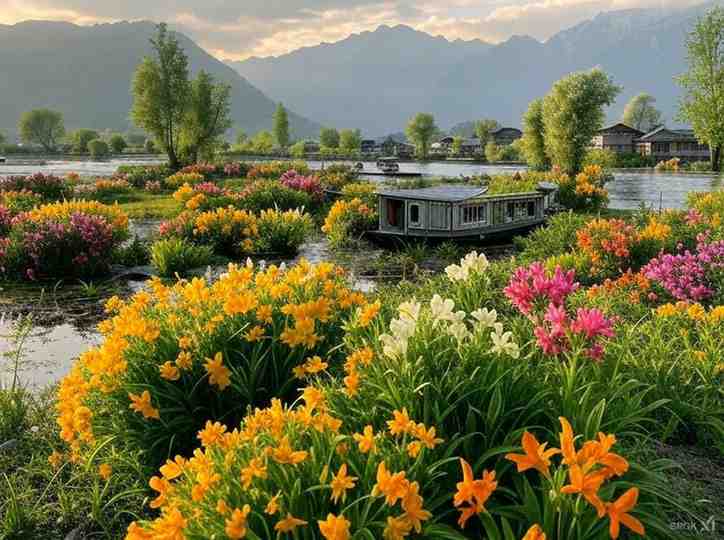
Jammu and Kashmir is blessed with a range of natural attractions that draw tourists year-round. The snow-capped peaks of the Himalayas, particularly in areas like Gulmarg and Pahalgam, offer excellent opportunities for skiing and trekking. The picturesque Dal Lake and Nigeen Lake in Srinagar, with their traditional houseboats and shikaras (wooden boats), provide a unique experience for visitors seeking tranquillity and scenic beauty.

The region’s lush green meadows, such as those in Sonamarg, and the pristine environment of the Dachigam National Park, home to the endangered Hangul deer, are also significant draws for nature enthusiasts.

Cultural and Historical Significance

In addition to its natural beauty, Jammu and Kashmir has a rich cultural and historical heritage. The region is home to several ancient temples, such as the Vaishno Devi Temple in Katra, which attracts millions of pilgrims each year. The Mughal gardens of Srinagar, including Shalimar Bagh and Nishat Bagh, are renowned for their architectural beauty and historical significance.

Traditional Kashmiri crafts, including carpets, shawls, and paper-mâché items, are also a part of the cultural tourism experience. Visitors often purchase these items as souvenirs, which supports local artisans and contributes to the region’s economy.

Challenges and Tourism Development

Tourism in Jammu and Kashmir has faced its share of challenges, including political instability and security concerns. However, the government and local authorities are continuously working to promote the region as a safe and attractive tourist destination. Efforts are being made to improve infrastructure, enhance safety measures, and offer a range of activities that cater to different types of travellers.

The development of eco-tourism and sustainable tourism practices is also a priority. By promoting responsible tourism, the region aims to protect its natural resources while providing economic benefits to local communities.

Handicrafts: Preserving Tradition and Generating Income

Jammu and Kashmir is renowned for its traditional handicrafts, which are an important source of income for many families. The region’s rich cultural heritage is reflected in its crafts, which are celebrated for their intricate designs and high-quality craftsmanship.

Notable Handicrafts

One of the most famous handicrafts from the region is the Kashmiri shawl. These shawls are made from fine wool or silk and are often embroidered with elaborate patterns. The artistry involved in creating these shawls is passed down through generations, and they are highly valued both domestically and internationally.

Kashmiri carpets are another renowned product, known for their intricate designs and high quality. The weaving of these carpets is a time-honoured tradition, and each piece is often handcrafted with great skill and precision.

Paper-mâché items from the region are also popular. These items, which include decorative boxes, trays, and figurines, are made using a traditional technique that involves layering paper and applying intricate designs.

Economic Impact and Challenges

Handicrafts contribute significantly to the region’s economy by providing employment to artisans and supporting local businesses. However, the sector faces challenges such as competition from mass-produced items and fluctuating market conditions. The decline in traditional craftsmanship skills due to the younger generation’s migration to urban areas for better opportunities also poses a challenge.

To support the handicrafts industry, efforts are being made to promote these products through exhibitions and fairs, both within India and abroad. There is also a focus on modernising traditional techniques and exploring new markets to sustain the industry’s growth.

Government Employment: A Stable Source of Income

Government employment is a significant source of income for many residents of Jammu and Kashmir. The public sector provides jobs in various fields, including administration, education, and health services.

Public Sector Jobs

In Jammu and Kashmir, the government is a major employer, with many people working in administrative roles at various levels. This includes positions in local, state, and central government offices, as well as public sector enterprises.

Educational institutions, including schools and universities, are another major source of employment. Teachers and administrative staff in these institutions are employed by the government, contributing to job stability and providing a steady income for many families.

The health sector, including hospitals and clinics, also offers employment opportunities. Medical professionals, including doctors, nurses, and support staff, are employed by government health facilities, ensuring that the population has access to medical services.

Challenges and Opportunities

Government employment provides job security and benefits, but it also faces challenges such as bureaucratic inefficiencies and limited opportunities for career advancement. The region is also grappling with issues related to recruitment and the need for modernisation in various public sector departments.

To address these challenges, there is a focus on improving administrative processes, enhancing training and development programs, and exploring opportunities for public-private partnerships. These efforts aim to create a more efficient and dynamic public sector that can better serve the needs of the region’s residents.

Conclusion

Jammu and Kashmir’s economy is supported by a diverse range of sectors, each contributing to the region’s financial health and stability. Agriculture remains a vital source of income, with the cultivation of staple crops and high-value produce such as saffron and apples. Tourism, with its natural attractions and cultural heritage, draws visitors from around the world and provides significant economic benefits. Handicrafts, reflecting the region’s rich traditions, support local artisans and contribute to the economy. Government employment offers stability and security to many residents.

Despite the challenges faced by each sector, ongoing efforts to address issues and promote sustainable growth are crucial for the region’s economic development. By balancing traditional strengths with modern advancements, Jammu and Kashmir can continue to thrive and offer opportunities for its people while preserving its unique cultural and natural heritage.

The Revenue of Tourism in Kashmir: An Overview

Tourism is a major source of income for Kashmir, known for its stunning scenery and cultural richness. However, understanding how much revenue tourism brings in can be a bit complex, as figures can change from year to year. Here’s a simple overview of tourism revenue in Kashmir, including recent trends and future prospects.

How Much Money Does Tourism Bring in?

Historical Figures

Before the COVID-19 pandemic, tourism in Kashmir was a big contributor to the region’s economy. In the year 2018-2019, tourism brought in around ₹8,000-10,000 crore (about $1 billion – $1.3 billion). This revenue came from visitors both from India and abroad who enjoyed the beautiful landscapes, historical sites, and cultural experiences that Kashmir has to offer.

Impact of COVID-19

The pandemic had a huge impact on tourism globally, including in Kashmir. Travel restrictions and lockdowns meant that fewer tourists could visit, causing a significant drop in revenue. In 2020 and 2021, tourism revenue in Kashmir fell by roughly 70% compared to the years before the pandemic.

Recent Recovery

As the world began to recover from the pandemic, so did Kashmir’s tourism sector. By the end of 2023, tourism revenue in Kashmir was estimated to be recovering, though not quite back to pre-pandemic levels. The revenue during this period was around ₹5,000-7,000 crore (approximately $600 million – $900 million). The increase in visitors and spending has been encouraging, but the industry is still working to fully bounce back.

What Contributes to Tourism Revenue?

  1. Accommodation and Hospitality: Hotels, guesthouses, and houseboats are major sources of income. Places like Srinagar are well-known for their beautiful houseboats and luxury hotels, which attract many tourists.
  2. Transport and Travel Services: Revenue also comes from transportation services such as taxis, shikaras (traditional boats), and tour operators. The transport infrastructure, including roads and airports, helps facilitate tourism.
  3. Local Crafts and Souvenirs: Kashmir is famous for its handicrafts, such as shawls, carpets, and paper-mâché items. Tourists often buy these items as souvenirs, which supports local artisans and contributes to tourism revenue.
  4. Recreational Activities: Activities like skiing in Gulmarg, trekking, and other adventure sports are popular among tourists. These activities generate additional income and support local businesses.

Looking Ahead: Future Prospects

To boost tourism revenue in the future, the government and local authorities are focusing on several key areas:

  1. Improving Infrastructure: Upgrading roads, airports, and accommodation facilities to make the region more accessible and comfortable for tourists.
  2. Diversifying Tourism Options: Promoting different types of tourism, such as eco-tourism and cultural tourism, to attract a wider range of visitors.
  3. Marketing and Promotion: Increasing efforts to market Kashmir’s attractions through various channels, including online platforms and travel fairs.
  4. Sustainable Tourism: Implementing practices that protect the environment and preserve cultural heritage while ensuring that local communities benefit from tourism.

Conclusion

Tourism is a vital part of Kashmir’s economy, bringing in significant revenue and supporting many local businesses. Although the sector was hit hard by the COVID-19 pandemic, there are signs of recovery as more tourists return. By continuing to improve infrastructure, diversify tourism offerings, and promote the region, Kashmir aims to enhance its tourism revenue and ensure long-term growth.

Bhand Pather: Kashmir’s Vibrant Folk Theatre Tradition

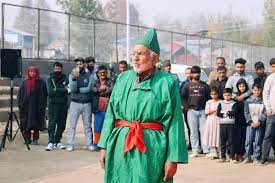
Kashmir, often called ‘Paradise on Earth,’ is known for its stunning views and rich culture. But beyond its natural beauty, Kashmir is also famous for a unique and lively form of folk theatre called Bhand Pather. This entertaining art combines music, dance, and acting to explore and comment on important social issues.

What Does Bhand Pather Mean?

To understand Bhand Pather, it helps to break down the name:

  • Bhand: This word means ‘actor’ or ‘performer’.
  • Pather: This means ‘to act’ or ‘to imitate’.

So, Bhand Pather is about actors performing and imitating real-life situations, often in a funny way. It’s a way to reflect and comment on life through acting.

A Long History

Bhand Pather has a long history in Kashmir. It is believed to have started around 1324 and has been an important part of Kashmiri culture ever since. Over the centuries, it has evolved but still keeps its traditional charm.

In the past, Bhand Pather was performed during local gatherings and festivals. It was a popular way for people to come together and enjoy a good show. Even though times have changed, Bhand Pather remains a beloved tradition in Kashmir.

What Happens in a Bhand Pather Show?

Bhand Pather shows are known for their high energy and fun style. Here’s what you can expect:

  • Colourful Costumes: Actors wear bright and elaborate outfits that make the performance visually exciting. These costumes often reflect traditional styles.
  • Humorous Acting: The acting is exaggerated and comedic. Actors use funny voices and physical comedy to entertain the audience. This humour helps to discuss serious topics in a light-hearted way.
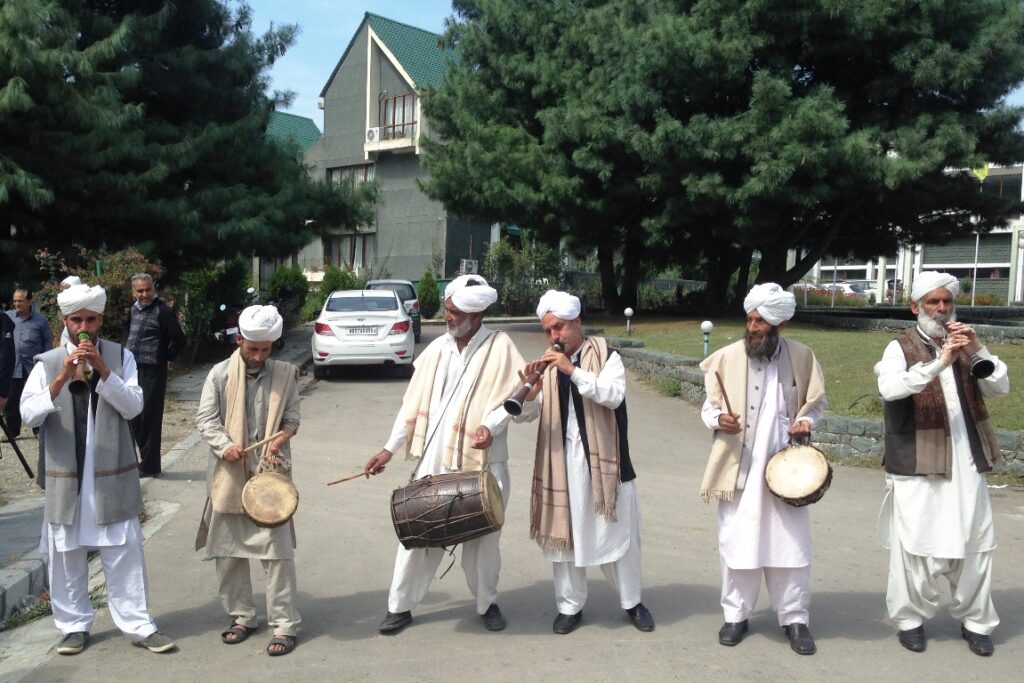
  • Music and Dance: Music and dance are key parts of Bhand Pather. Performances include traditional songs and dances that add rhythm and mood. The dance moves enhance the visual appeal of the show.
  • Storytelling: Bhand Pather stories often focus on social issues like politics, religion, and social norms. The actors use humour and satire to highlight these issues, making people think and laugh at the same time.

Why Is Bhand Pather Important?

Bhand Pather is more than just entertainment; it serves several important roles in Kashmiri society:

  • Social Commentary: It provides a way to talk about and reflect on social problems. The performances often bring attention to issues and encourage people to think about solutions.
  • Cultural Identity: Bhand Pather is a big part of Kashmiri culture. It helps keep traditional values and customs alive. Through its stories and performances, it connects people to their heritage.
  • Community Building: Bhand Pather shows bring people together. They are a chance for the community to share laughter and emotions. These performances strengthen social bonds and create a sense of unity.

Challenges and Revival

Over time, Bhand Pather has faced challenges. Conflicts and social changes have made it harder to keep the tradition alive. However, many people are working hard to revive it and ensure it continues.

Efforts are being made to support and promote Bhand Pather. Performances are being organized, and there is a push to educate younger generations about this important art form. These efforts are crucial for keeping Bhand Pather alive.

The Future of Bhand Pather

Bhand Pather is an important part of Kashmir’s cultural heritage. It helps people connect with the past, understand the present, and shape the future. Supporting and preserving this tradition is key to maintaining Kashmir’s cultural identity.

Here’s how you can help:

  • Attend Performances: By going to Bhand Pather shows, you support the artists and help keep the tradition alive.
  • Learn About Its History: Knowing more about Bhand Pather’s history enhances your appreciation of the art form.
  • Promote the Art Form: Sharing information about Bhand Pather and encouraging others to learn about it helps raise awareness.
  • Support Artists: Many artists rely on Bhand Pather for their livelihood. Supporting them through attendance or donations helps sustain their work.

Notable Bhand Pather Plays and Artists

Some Bhand Pather plays and artists are especially well-known. These notable works and individuals often highlight the best of Bhand Pather:

  • Famous Plays: Certain plays are remembered for their impactful storytelling and performances. These often address important social issues.
  • Renowned Artists: Skilled Bhand Pather artists are celebrated for their creativity and contribution to the art form. Their performances are known for their talent and connection with the audience.

Conclusion

Bhand Pather is a treasured form of Kashmiri folk theatre. With its lively mix of music, dance, and acting, it provides a unique way to explore important social issues. This tradition reflects Kashmiri culture and offers valuable insights into the region’s heritage.

As Bhand Pather faces challenges, it is important to support and promote this art form. By attending performances, learning about its history, and supporting the artists, we help ensure that Bhand Pather continues to be a vibrant part of Kashmiri culture for future generations.

Whether you are a long-time fan or new to Bhand Pather, there is much to discover and appreciate about this remarkable tradition. Its blend of humour, music, and social commentary makes it a special and enduring part of Kashmiri heritage.

(writen By S Koul)

You May Like:

Kashmiri Culture : Language,Spirituality,Art,Cuisine,Traditions and Architectures

Baba Nagri Shrine’s Community Kitchen Feeds Thousands Daily and Tens of Thousands During Urs

Walnut Wood: The Heart of Kashmir’s Craftsmanship

Kashmir, often called ‘Paradise on Earth,’ is famous for its stunning views and rich culture. But beyond its beautiful landscapes, Kashmir is also known for its impressive crafts. Among these, walnut wood carving is particularly special, showcasing the region’s deep artistic heritage and the extraordinary skill of its artisans.

Nature’s Gift, Artist’s Canvas

In Kashmir, walnut trees grow high in the region’s forests. These trees produce a type of wood that is as beautiful as the scenery around them. Walnut wood is known for its rich, dark colour, fine grain, and strong durability. For generations, Kashmiri craftsmen have preferred walnut wood for their art because it is not only lovely but also practical.

The wood’s natural features make it a perfect material for carving. The deep colour of walnut wood gives a warm, rich look to any finished piece. Its grain is smooth, which helps artisans create detailed designs. And because walnut wood is strong, it holds up well over time, making it ideal for both decorative and functional items.

The Naqqash: Master of Wood

The term ‘naqqash’ refers to skilled artisans who carve walnut wood. These craftsmen are the heart and soul of this traditional art form. The process of carving walnut wood is intricate and requires a lot of skill and patience. Naqqash artisans have spent years perfecting their craft, turning simple pieces of wood into stunning works of art.

Each naqqash has their own special techniques. Some use delicate engraving to create detailed patterns, while others use raised carving to give a 3D effect. The artistry involved is impressive, with each piece showing the craftsman’s attention to detail and dedication. Every cut and carve is done with care, resulting in beautifully crafted items that are both artistic and functional.

Motifs: Stories in Wood

The designs carved into walnut wood are as intricate as the landscapes of Kashmir itself. Common motifs include floral patterns, which are inspired by the natural beauty of the region. One popular design is the chinar leaf, a symbol of the changing seasons in Kashmir. These designs often have an elegant and symmetrical look, influenced by Persian art.

Another motif found in walnut wood carvings is the dragon, a design commonly seen on Kashmiri shawls. These dragons are intricately carved and add a touch of mystique to the woodwork. The motifs not only enhance the beauty of the pieces but also tell stories of Kashmir’s rich culture and history.

Beyond Aesthetics: The Functional Beauty

While walnut wood carvings are admired for their beauty, they are also very practical. The wood is used to make a wide range of items, from elaborate furniture to everyday objects like bowls and trays. This blend of beauty and functionality is a hallmark of Kashmiri craftsmanship.

Ornate furniture made from walnut wood is often seen in royal homes, showcasing its elegance and durability. Items like carved chests, tables, and chairs are not just decorative; they are built to last. On the other hand, simple items like bowls and trays, while less elaborate, are equally valued for their practicality and the craftsmanship behind them.

The functional aspect of walnut wood carvings means that they are used in daily life, adding a touch of beauty to ordinary objects. This combination of form and function is what makes walnut wood so special in Kashmiri art.

A Symphony of Senses

Handling a piece of walnut wood craftsmanship is a multi-sensory experience. The smooth, warm texture of the wood feels pleasant to touch. The intricate carvings offer a visual treat, with every detail reflecting the skill of the artisan.

The scent of walnut wood is also noteworthy. It has a subtle, natural fragrance that reminds you of the forests of Kashmir. This fragrance adds to the overall experience, making walnut wood items not just visually appealing but also enjoyable to handle.

Preserving a Legacy

In today’s world of mass production, traditional crafts like walnut wood carving face challenges. Modern techniques and materials often overshadow handmade items, leading to a decline in traditional crafts. However, there is a growing awareness of the importance of preserving these crafts.

The unique appeal of handmade walnut wood items and the increasing focus on sustainability are helping to revive interest in this art form. Many young artisans are now embracing the craft, bringing new ideas and designs to traditional techniques. This blending of old and new helps keep the craft alive and relevant.

Efforts are being made to support and promote walnut wood carving. Organisations and individuals are working to raise awareness about the value of these handcrafted items. By supporting traditional crafts, we help ensure that they continue to be a part of our cultural heritage.

Walnut Wood: More Than Just Wood

Every piece of walnut wood is more than just a material; it tells a story. It reflects the natural beauty of Kashmir, the skill of the artisan, and the rich cultural heritage of the region. Walnut wood carvings are a testament to the enduring spirit of Kashmiri craftsmanship.

When we appreciate walnut wood items, we are not just admiring their beauty. We are also recognising the hard work and tradition that goes into creating them. Each piece is a link to the past, a reminder of the skills passed down through generations.

By choosing to buy and cherish walnut wood items, we help support the artisans and their craft. We also contribute to preserving an important part of Kashmir’s cultural heritage. It is through our appreciation and support that these traditional crafts can continue to thrive.

Conclusion

Walnut wood carving in Kashmir is a beautiful and important part of the region’s cultural heritage. The rich, dark wood, combined with the skill of the artisans, creates pieces that are both functional and artistic. From intricate carvings to practical items, walnut wood showcases the talent and dedication of Kashmiri craftsmen.

The art of walnut wood carving is not just about creating beautiful objects; it is about preserving a tradition and celebrating the craftsmanship that has been passed down through generations. As we admire and use walnut wood items, we help keep this rich tradition alive for future generations to enjoy.

Whether you are drawn to the elegance of carved furniture or the simplicity of everyday objects, walnut wood offers a unique glimpse into the artistry and heritage of Kashmir. By valuing and supporting these handcrafted treasures, we ensure that the legacy of walnut wood carving continues to shine.

(Writen By Firdoos Ahmad a columnist From kashmir’s South Kashmir)

You May Like:

Kashmiri Handicrafts: Timeless Artistry and Cultural Heritage

Kashmir Art earned Global Acclaim for their artistry and elegance

Muskh Budji: The Rich History and Unique Flavor of Kashmiri Aromatic Rice

A Fragrant Delight

Kashmir is famous for its stunning scenery and rich culture, but it also has a special culinary treasure: Muskh Budji, or Kashmiri Aromatic Rice. This rice is loved for its wonderful smell, delicate taste, and unique texture. It’s a key ingredient in Kashmiri cooking, adding a special touch to many dishes.

A Royal Heritage

Muskh Budji is often called the ‘King of Rice’ due to its rich history. It has been a favourite in Kashmiri royal kitchens for centuries. Grown in the high regions of the Kashmir Valley, this rice needs specific climate conditions and careful farming. The name ‘Muskh Budji’ comes from the Persian words for ‘musk’ (a strong, pleasant smell) and ‘budji’ (rice), which perfectly describes its aromatic qualities.

The Essence of Kashmir

What makes Muskh Budji stand out is its unique smell, which is a mix of nuts and freshly baked bread. This lovely fragrance enhances the dishes it is used in, making every meal special. The rice grains are short and plump, with a pearly white colour. When cooked, they stay firm, offering a nice contrast between a soft, fluffy inside and a slightly chewy outside.

A Culinary Masterpiece

Muskh Budji is an essential part of many Kashmiri dishes. It is used in Wazwan, a grand multi-course meal that shows off Kashmiri cooking skills. Muskh Budji is perfect for making fragrant pulaos and rich biryanis, adding a touch of elegance to each dish. It’s also versatile enough to be used in modern recipes.

Beyond the Plate

Muskh Budji isn’t just tasty; it’s also good for you. As a whole grain, it is high in fibre, which is important for good digestion. It provides long-lasting energy because it contains complex carbohydrates and is low in fat and cholesterol, making it a heart-healthy choice.

Preserving a Legacy

Despite its many benefits, Muskh Budji is facing challenges. The popularity of high-yield hybrid rice varieties has led to a drop in Muskh Budji cultivation. However, there is growing awareness about the need to protect this traditional rice. Efforts are being made to promote its cultivation and consumption, ensuring that this valuable part of Kashmiri food culture remains.

A Taste of Paradise

If you enjoy trying new foods, Muskh Budji is something you shouldn’t miss. Its unique smell, delicate taste, and special texture make it an exceptional ingredient. Enjoying Muskh Budji not only treats your taste buds but also helps preserve a key element of Kashmiri heritage.

Cooking with Muskh Budji

To make the most of Muskh Budji, follow these simple tips:

  • Rinse Thoroughly: Wash the rice several times in cold water until it runs clear to remove extra starch.
  • Soak: Soak the rice in water for about 30 minutes before cooking to improve its texture and ensure it cooks evenly.
  • Perfect Ratio: Use a 1:2 ratio of rice to water when cooking. For example, if you use 1 cup of rice, use 2 cups of water.
  • Gentle Cooking: Cook the rice on low to medium heat to keep its flavour and aroma intact.
  • Fluff: After cooking, use a fork to fluff the rice and separate the grains. This helps to release any remaining steam and makes the rice fluffy.

Recipes to Try

  • Kashmiri Pulao: A classic dish where Muskh Budji is cooked with spices, saffron, and dried fruits.
  • Muskh Budji Biryani: A fragrant rice dish with layers of meat or vegetables and spices.
  • Kashmiri Kheer: A creamy rice pudding made with Muskh Budji, milk, sugar, and cardamom.
  • Muskh Budji with Yogurt: A simple and delicious combination of cooked Muskh Budji served with yogurt and a sprinkle of cumin powder.

Conclusion

Muskh Budji is more than just a type of rice; it represents Kashmir’s rich food heritage. Its delightful smell, gentle taste, and special texture make it an exceptional ingredient. By enjoying Muskh Budji, you not only treat yourself to a unique culinary experience but also help preserve an important part of Kashmiri culture. Celebrate the magic of Muskh Budji and enhance your meals with this special rice.

You May Like:

Capturing the Essence: Kashmiri Shawls – A Tapestry of Tradition and Timeless Elegance

A Tapestry of Treasures: Exploring the Rich Diversity of Kashmiri Products

Kashmiri Products From Wood Carving to Calico Painting

Is Floriculture Profitable in Kashmir ?

Kashmir, famous for its beautiful landscapes and rich culture, is also known for its vibrant flower gardens. As the region looks to develop its economy, floriculture—growing flowers for sale—has become a promising industry. But is floriculture really profitable in Kashmir? Let’s explore the opportunities and challenges in this sector.

The Appeal of Floriculture in Kashmir

1. Ideal Climate:
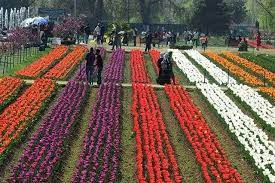
Kashmir’s cool climate and fertile soil are perfect for growing flowers. The distinct seasons and moderate temperatures help flowers like tulips, daffodils, roses, and lilies thrive. The annual Tulip Festival in Srinagar highlights the region’s potential for floriculture.

2.Rising Demand:
There is increasing demand for flowers in local markets and abroad. More people are looking for flowers for events, weddings, and festivals. This growing demand opens up opportunities for Kashmiri flower growers to sell their products both locally and internationally.

3.Government Support:
The Jammu and Kashmir government has recognised the potential of floriculture and offers support through various schemes. These include subsidies for seeds and equipment, training programs, and improved market infrastructure. This backing aims to help the industry grow and become more profitable.

Opportunities in Floriculture

1.Diversifying Crops:
Farmers can boost their income by combining floriculture with traditional farming. Growing flowers alongside vegetables or fruits makes good use of land and increases overall farm earnings. High-value flowers, like exotic orchids, can bring in more money and attract special markets.

2. Tourism Potential:
Kashmir’s beauty and flower variety offer opportunities for agri-tourism. Flower gardens could attract tourists, providing extra income through entry fees, tours, and flower-picking activities. This could also lead to new businesses, such as floral workshops and local crafts.

3.Job Creation:
Expanding the floriculture industry can create jobs in rural areas, helping to reduce unemployment and offer new sources of income. Jobs related to flower growing, packaging, marketing, and transport can boost the local economy.

Challenges and Considerations

1.Market Access and Infrastructure:
A major challenge is getting flowers to the market and having good infrastructure. In winter, snow can block roads and delay flower deliveries. Improving storage facilities and transport systems is crucial to keep flowers fresh and reduce losses.

2.Pest and Disease Control:
Managing pests and diseases is essential in floriculture. These problems can reduce flower quality and yield. Farmers need to invest in pest control and follow best practices to prevent and manage plant diseases. Training and modern farming techniques can help address these issues.

3.Investment and Risk:
Starting a floriculture business requires a significant initial investment for seeds, equipment, and land preparation. The industry can also be unpredictable, with profits varying based on market conditions. Investors need to consider these risks and plan for long-term success.

Conclusion

Floriculture in Kashmir offers exciting opportunities for economic growth and diversification. With its suitable climate, increasing market demand, and government support, the sector has the potential to be profitable. However, addressing challenges like infrastructure, pest management, and investment risks is crucial. As the industry develops, floriculture could become a key part of Kashmir’s agricultural economy, enhancing its global reputation and bringing prosperity to its communities.

HelpLine
Jammu18001807200
Kashmir18001807201
As per Department of Floriculture J&K Website

You can Contact Higher Authorities on these Contacts:

Directorate of Floriculture, Parks and Gardens Department Kashmir. 0194-2482032 kshflori@rediffmail.com
Directorate of Floriculture, Parks and Gardens Department Jammu. 0191-2435121 floriculturejammu@gmail.com
Administrative Departments Srinagar. 01942506595
Administrative Departments Jammu.

Srinagar Hits Season’s Hottest Night for Second Consecutive Time, Tying Historic Temperature Record

For the second consecutive night, Srinagar, the summer capital of Jammu and Kashmir, has experienced the hottest night of the season, with temperatures reaching 24.8 degrees Celsius.

Independent weather forecaster Faizan Arif Keng reported to the Kashmir News Observer (KNO) that Srinagar’s minimum temperature of 24.8 degrees Celsius was 6.0 degrees above the seasonal average. This temperature ties with the second highest minimum ever recorded in the city, matching the mark set on July 26, 2021. The record for the highest minimum temperature remains at 25.2 degrees Celsius, noted on July 21, 1988.

However, a significant drop in temperatures is anticipated for Jammu and Kashmir starting today, according to weather predictions.

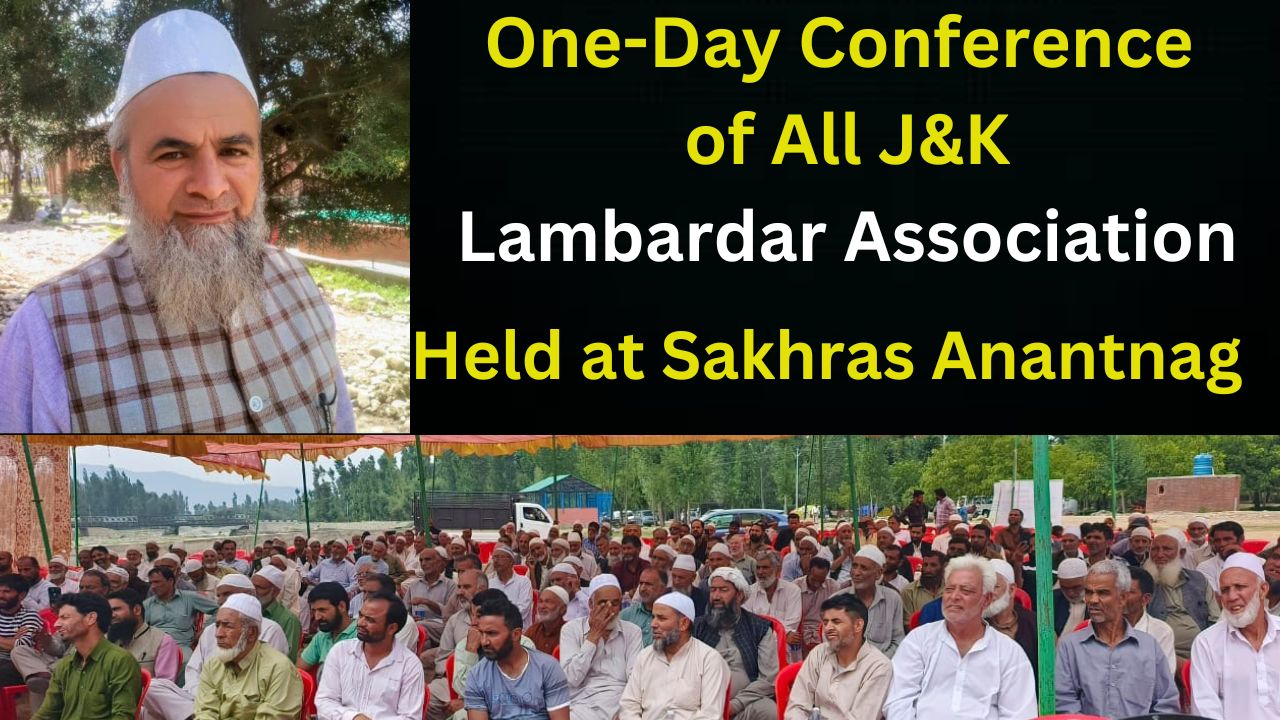
One-Day Conference of All Jammu and Kashmir Lambardar Association Held at Sakhras Anantnag

Anantnag, July 27, 2024 – All Jammu and Kashmir Lambardar Association convened a one-day conference at Sakhras Anantnag, witnessing the participation of a significant number of Lambardars from various districts and tehsils across the valley. The meeting commenced with the recitation of the Holy Quran.

Presiding over the conference was the association’s President, Haji Bashir Ahmed Teli, joined by General Secretary Ghulam Hasan Mir, Publicity Secretary Gh. Mohi-ud-Din Bhat, and District Presidents, each of whom highlighted the myriad challenges faced by the Lambardars.

In his concluding address, President Haji Bashir Ahmed Teli illuminated the historical and ongoing struggles of the Lambardars. He emphasized their bravery during times of crisis, noting that while rulers and high-ranking officials fled the state, Lambardars remained steadfast despite life-threatening risks. Tragically, approximately 450 Lambardars lost their lives, and their children were compelled to take on their roles, continuing to serve under perilous conditions.

President Haji Bashir Ahmad Teli expressed deep regret over the government’s disregard for these sacrifices. He condemned recent appointments made unlawfully and unconstitutionally, bypassing the Lambardari Act/Rules and High Court orders, and following the directions of Patwaris, Tehsildars, and Naib Tehsildars. Such actions, he stated, are unprecedented anywhere in India.

The association firmly demanded the immediate reinstatement and substantial promotion of Lambardars to rectify these injustices. Furthermore, President Haji Bashir Ahmad Teli called for the early release of honorariums halted since February 20, 2023, and the filling of vacant posts with legitimate heirs, as practiced in other states and Union Territories.

The association also urged the government to increase the monthly salary of Lambardars from Rs 1501 to match the daily wage of a laborer, citing the inadequacy of Rs 1501 in the current era of inflation. Additionally, any future decisions regarding Lambardars should be made in consultation with the association to ensure their interests are safeguarded.

Lastly, the association requested an immediate meeting with Lt. Governor Jenab Manoj Sinha Sahab to discuss and resolve these longstanding issues. They expressed hope that the Lt. Governor would personally take an interest in addressing and solving their problems.

Hotel Gulmarg Wood: Luxury Meets Nature in the Heart of Gulmarg

Gulmarg, known for its stunning winter scenery and exciting sports, has long attracted travellers. At the heart of this beautiful area is Hotel Gulmarg Wood, a place where luxury and nature come together perfectly. This is not just a hotel; it’s an experience, offering a chance to enjoy the majestic Himalayas while relaxing in supreme comfort.

A Building in Harmony with Nature

Hotel Gulmarg Wood is more than just a hotel; it’s a marvel of design. Its architecture fits seamlessly into the natural landscape, creating a harmonious blend with its surroundings. Imagine large windows providing breathtaking views of snow-covered peaks, and interiors decorated with warm wood and earthy colours that create a cosy atmosphere. The hotel’s design beautifully combines human creativity with the beauty of nature.

Delicious Dining

At Hotel Gulmarg Wood, you’ll find a range of dining options. The hotel’s restaurants serve a variety of dishes, from traditional Kashmiri food to international favourites. Picture enjoying a hearty Wazwan meal while looking out over the snowy mountains, or dining under the stars. The chefs at the hotel are skilled in making dishes that are both delicious and visually impressive.

Relaxation and Wellness

The hotel offers a top-notch spa where you can unwind and rejuvenate. Treat yourself to relaxing massages, holistic treatments, or simply chill out in the sauna or steam room. The peaceful atmosphere of the spa, combined with the expertise of the therapists, will leave you feeling refreshed and revitalised.

Adventure Awaits

For those who love adventure, Gulmarg is the place to be. Hotel Gulmarg Wood is the ideal spot to start exploring the exciting activities in the area. Whether you’re into skiing, snowboarding, or trekking through beautiful forests, there’s something for everyone. The hotel’s concierge can help with renting equipment, arranging guided tours, and providing expert advice, making sure your adventure is unforgettable.

Eco-Friendly Luxury

Hotel Gulmarg Wood is dedicated to being environmentally friendly. The hotel uses eco-friendly practices and supports local communities to lessen its impact on the environment while offering a luxurious stay. By staying at Hotel Gulmarg Wood, you’re not only enjoying a special retreat but also helping to preserve the natural beauty of the region.

Special Experiences

The hotel also offers unique experiences beyond its luxurious rooms and amenities. Imagine sipping hot chocolate by a warm fire while enjoying live music, or attending an evening showcasing local culture. The hotel’s events team can organise personalised experiences to make your stay truly memorable.

A Tradition of Excellent Service

Hotel Gulmarg Wood is more than just a place to stay; it’s a destination in its own right. The hotel’s tradition of outstanding hospitality ensures that every guest feels like part of the family. The friendly and attentive staff work hard to make sure your stay is perfect.

Conclusion

Hotel Gulmarg Wood is a haven where the charm of the Himalayas meets the height of luxury. It’s a place to reconnect with nature, enjoy unparalleled comfort, and make lasting memories. Whether you’re looking for adventure, relaxation, or simply a stunning getaway, this hotel offers an experience that will leave you enchanted.

Hotel Address

Near Ski Helipad, Gulmarg, Near Ski Helipad, Gulmarg, Gulmarg – 193403, Jammu and Kashmir, India

Reservoir Road, Gulmarg 193403, J&K, India
Land Line No. 01954 254448
Cell Phone No. (+91) 9070333700, 9079239999
reservation@therosewoodhotel.com

The hotel is situated 62 kilometres from Srinagar Airport. Your journey starts with a scenic ninety-minute drive to The Rosewood, passing through serene meadows and wooded hills. You can catch direct flights to Srinagar from Delhi (about an hour) and Mumbai (approximately 2 hours and 45 minutes) daily.

You May Like :

Celebrating Achievements, Security, and Flavors in Kashmiri Hotels: A Journey Through Top Performers, Precautionary Measures, and Culinary Delights

Whispers Through Time: Nedou’s Hotel, A Chronicle of Kashmir’s Soul

The Khyber Himalayan Resort & Spa: A Symphony of Timeless Elegance and Enchanting Hospitality in Gulmarg

Vivanta Dal View Unveils a Stylish Haven in the Heart of the Kashmir Valley

To Know More About Gulmarg Please click Here :

Gulmarg: A Paradise for Adventure Seekers