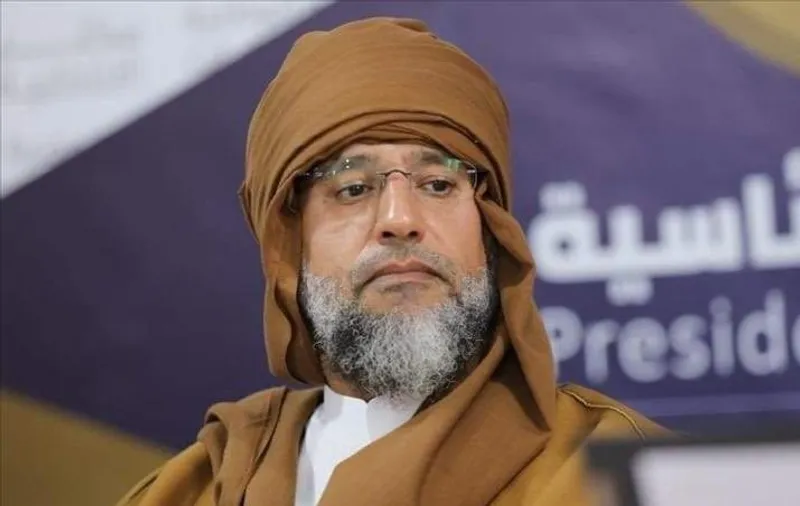
The Shadow Finally Ends
For more than a decade after Libya’s 2011 revolution, one name continued to cast a long shadow over the country’s broken politics: Saif al-Islam Gaddafi. Once groomed as his father’s successor, later a wanted war crimes suspect, and in recent years a controversial political comeback figure, Saif al-Islam symbolised Libya’s unresolved past.
Today, that chapter ended.
Saif al-Islam Gaddafi was killed, according to reports, bringing a dramatic close to one of the most unsettling storylines of Libya’s post-revolution era. Click Here To Follow Our WhatsApp Channel
His death does not simply mark the fall of an individual. It exposes the depth of Libya’s failure to achieve justice, reconciliation and stable governance since the overthrow of Muammar Gaddafi.
From Reformist Image to Revolutionary Enemy
Before 2011, Saif al-Islam presented himself as the modern face of the Gaddafi regime. Educated in the UK and fluent in English, he spoke about reform, civil society and opening Libya to the world. Western governments saw him as a bridge to gradual change.
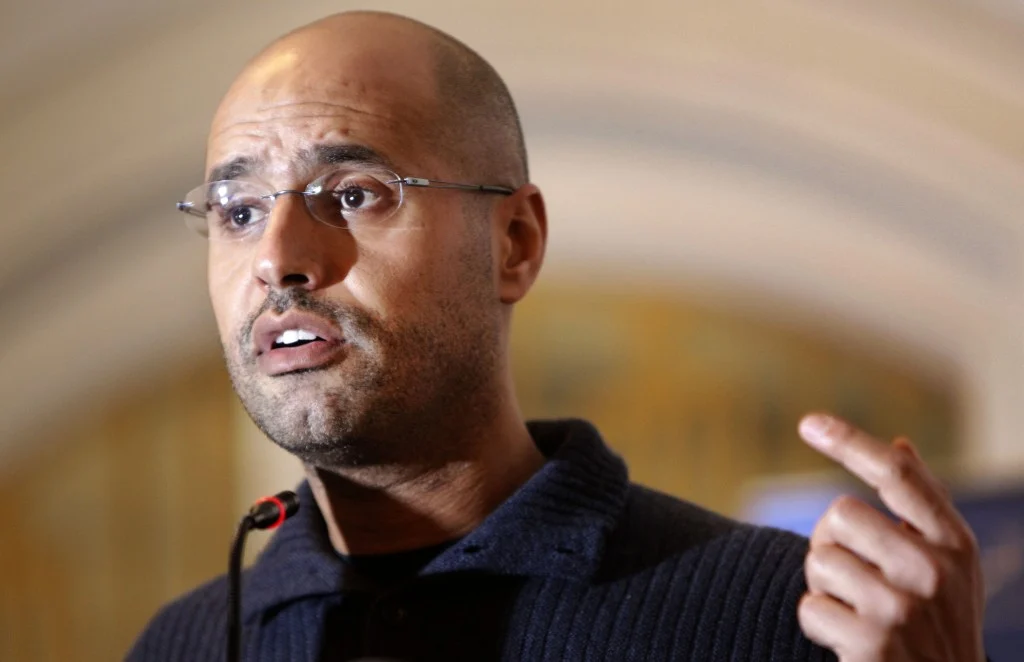
That image collapsed when protests erupted. In a televised speech, he warned Libyans of “rivers of blood” and pledged loyalty to the regime’s violent crackdown. The International Criminal Court later issued a warrant for his arrest for crimes against humanity.
From that moment, he became inseparable from the brutality of the old regime.
Capture, Survival and Political Return
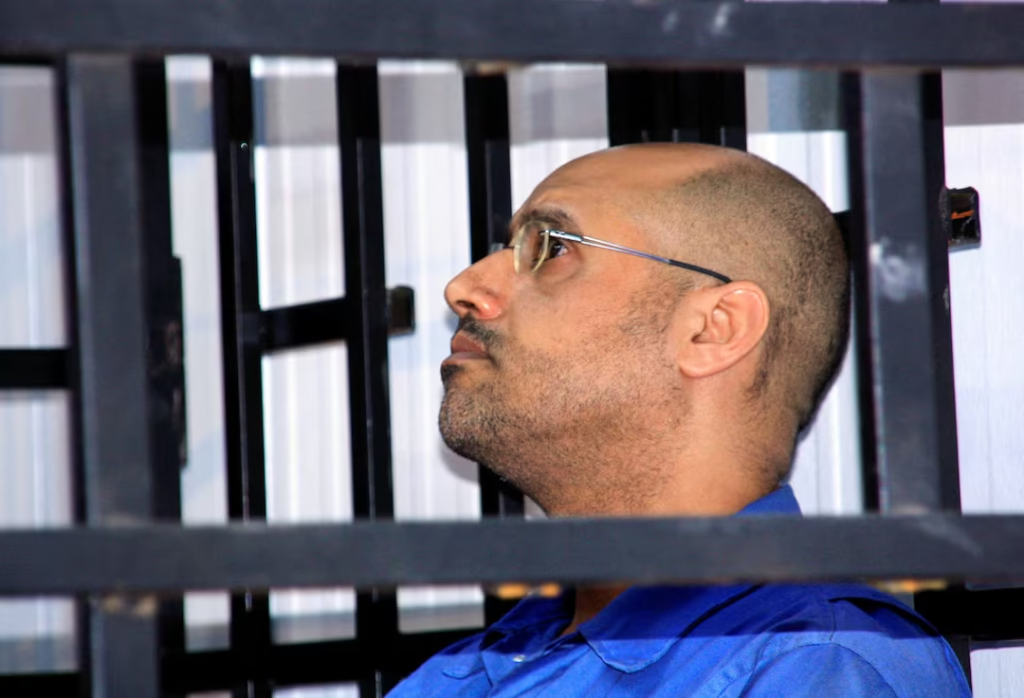
Captured alive in 2011, Saif al-Islam spent years in detention under militia control, surviving while Libya descended into chaos. A death sentence issued in Tripoli and an unresolved ICC case kept him in legal limbo, while state authority continued to crumble.
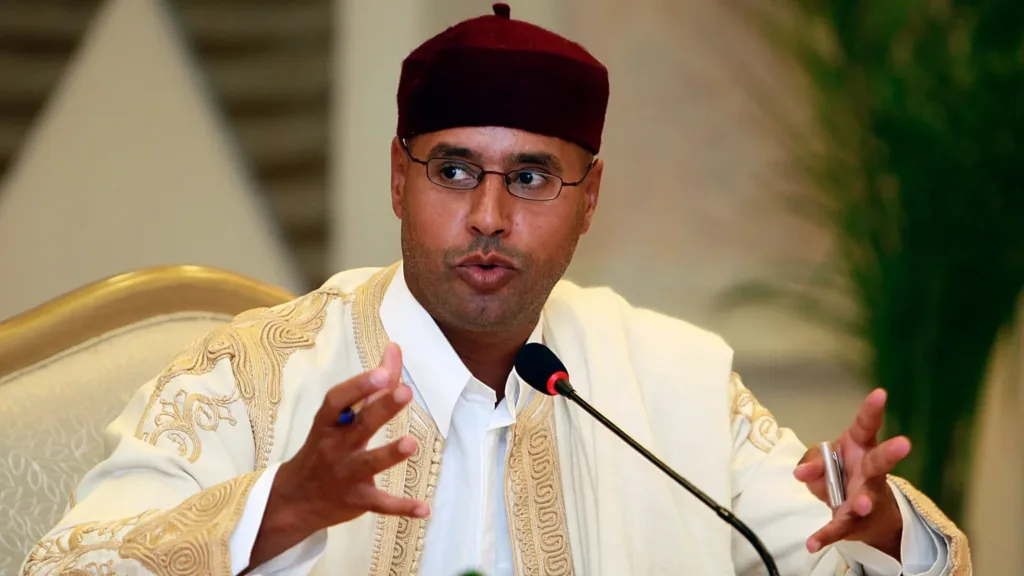
His release in 2017 allowed him to quietly rebuild influence. By 2021, he re-emerged as a presidential candidate, appealing to tribes and communities exhausted by war and instability. His message was simple: unity, sovereignty and an end to chaos.
Though elections collapsed, he remained politically active, becoming a living reminder of how unfinished Libya’s revolution truly was.
Why His Death Matters
Saif al-Islam’s killing removes one of Libya’s most polarising figures, but it does not resolve the problems that allowed his return.
To supporters, he represented lost stability.
To opponents, he embodied repression and bloodshed.
His survival for so long reflected the failure of Libya’s institutions — courts, governments and reconciliation efforts — to deliver justice or closure. His death, coming outside any clear legal process, underlines that failure even more sharply.
Conclusion: Closure Without Resolution
The death of Saif al-Islam Gaddafi ends a political ghost story, but it does not heal Libya’s wounds. The country remains divided, armed groups still dominate, and foreign influence continues to shape its future.
For some Libyans, his killing will feel like long-delayed justice. For others, it will deepen fears of endless cycles of revenge.
What is certain is this:
Saif al-Islam Gaddafi’s life — and death — stand as proof that Libya’s revolution never truly finished. It removed a dictator, but never replaced him with a state strong enough to move forward.
You Might Also Like:
At 13, This Kashmiri Boy Built 31 Apps and AI Tools
Delhi Court Convicts Kashmiri Separatist Asiya Andrabi in UAPA Case
Why Is Omar Abdullah Silent as a Kashmiri Shawl Seller Is Brutally Attacked in Uttarakhand?