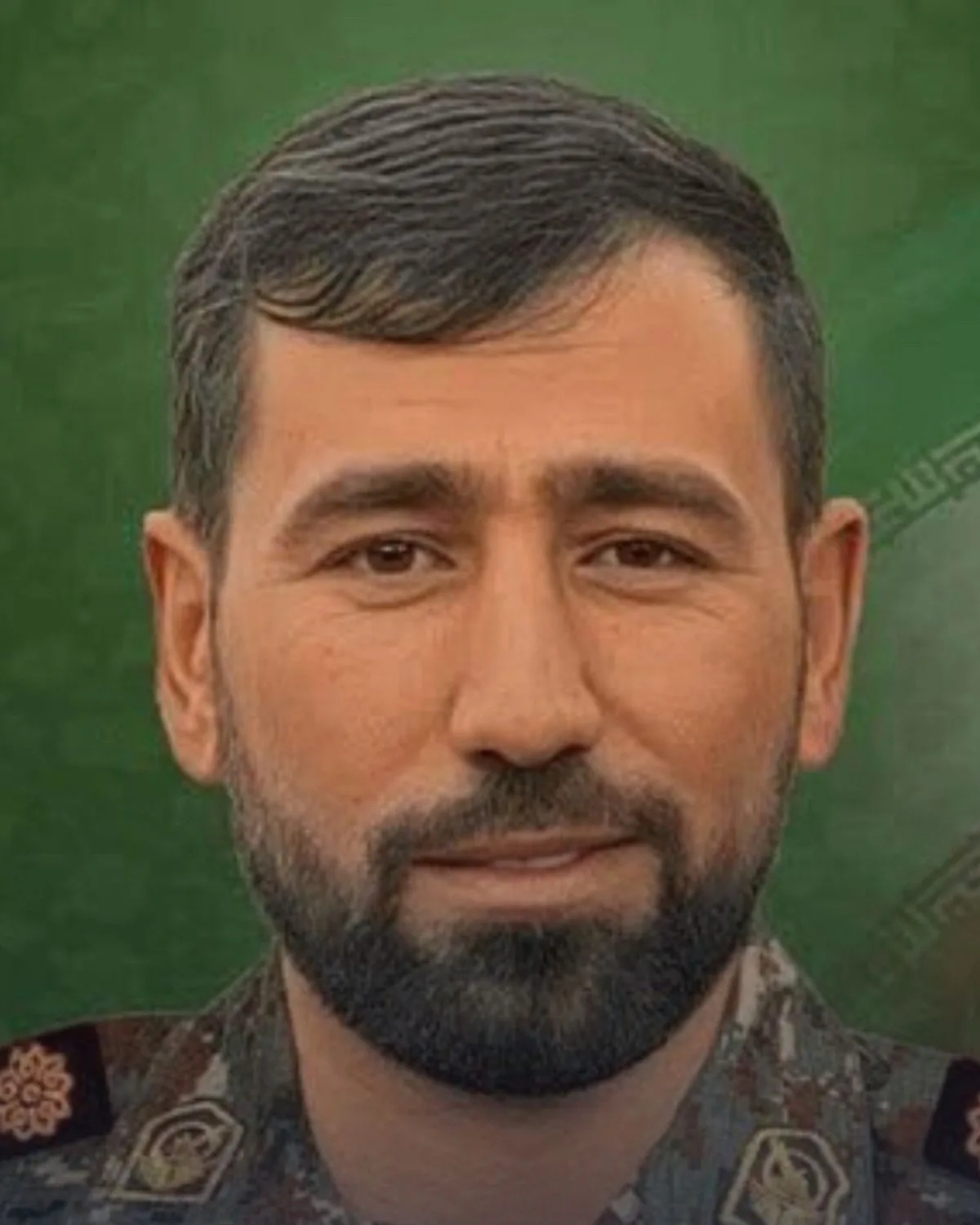
An Iranian Revolutionary Guard commander, Mohsen Shahavand, has been killed in Andimeshk city in Iran’s Khuzestan province, according to Iranian state media.
Footage aired by local outlets showed funeral ceremonies taking place on April 7, confirming his death as part of the ongoing conflict involving the United States, Israel, and Iran. Click Here To Follow Our WhatsApp Channel
Where the Incident Happened
The killing took place in Andimeshk, a strategically important city located north of Ahvaz in southwestern Iran.
Khuzestan is a key region for Iran’s oil production and infrastructure, making it highly sensitive during the current conflict.
Details about how the strike was carried out — whether by airstrike, drone, or other means — have not been independently confirmed.
Part of a Wider Pattern of Targeted Strikes
The death of Mohsen Shahavand comes amid a series of targeted killings of senior Iranian military officials.
Just a day earlier, Iran confirmed the death of Majid Khademi, its intelligence chief, in a similar strike.
Other high-ranking figures reportedly killed in recent weeks include:
- Alireza Tangsiri
- Mohammad Pakpour
- Amir Nasirzadeh
These losses are seen as a major blow to Iran’s military leadership, particularly within the Islamic Revolutionary Guard Corps (IRGC).
Context: Rising Tensions in the Region
The incident comes during an intense phase of the conflict between the US, Israel, and Iran.
US President Donald Trump has recently issued strong warnings, demanding that Iran reopen the Strait of Hormuz or face further military action.
The waterway is vital for global oil supply, and ongoing disruptions have already pushed energy prices higher worldwide.
Iran’s Response and Global Concerns
Iranian officials have condemned the killings and warned of retaliation. State media has highlighted funeral ceremonies to build public support and show resistance.
Experts warn that continued targeting of military leaders could lead to further escalation, including missile attacks, proxy conflicts, and threats to global energy routes.
High-Risk Situation
The situation remains highly volatile, with no clear signs of de-escalation.
While targeted strikes weaken Iran’s command structure, analysts caution that they could also provoke stronger responses and widen the conflict across the region.
What Happens Next?
As tensions continue to rise, the coming days will be crucial. Further strikes or retaliation could shape the next phase of the conflict.
The killing of Mohsen Shahavand highlights the growing intensity of the confrontation and the risks of a broader regional crisis.
You Might Also Like:
US Rescues Downed Pilot from Iran in High-Risk Operation, Trump Declares “We Got Him”
Dr.Fatemeh Ardeshir-Larijani Ousted from Emory, Visa Revoked After Protests Over Iran Links