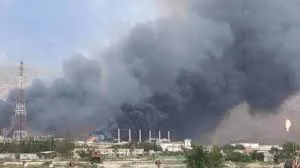
A major oil refinery on Iran’s Lavan Island was hit early Wednesday in what officials described as an “enemy attack”, just hours after a two-week ceasefire between the United States and Iran came into effect.
Iranian state media said the refinery, which produces around 55,000 barrels per day, was struck at about 10 a.m. local time. Fires broke out but were quickly brought under control, and no casualties were reported.
There were also reports of explosions at nearby energy sites, possibly including Sirri Island, raising concerns about wider targeting of Iran’s oil infrastructure.Click Here To Follow Our WhatsApp Channel
Attack Raises Questions Over Ceasefire
Iran has not officially named who carried out the strike, but called it a “cowardly attack”.
Speculation in regional media has pointed towards possible involvement of Israel or US-linked forces, although no confirmation has been given. Israel has already stated it paused strikes under the ceasefire arrangement.
The incident has immediately raised doubts about the stability of the newly agreed truce.
Fragile Ceasefire Under Pressure
The ceasefire, announced late Tuesday, was aimed at reducing tensions after weeks of intense conflict.
US President Donald Trump described it as a major step forward, saying the US would pause strikes if Iran allowed safe passage through the Strait of Hormuz, a key global oil route.
Iran accepted the terms and agreed to allow controlled transit during the two-week period. Talks between both sides are expected to begin in Islamabad to work towards a longer-term deal.
However, US officials have already warned that the ceasefire remains fragile.
Iran Responds with Strikes Across Gulf
Following the refinery attack, Iran launched drones and ballistic missiles targeting infrastructure in Gulf countries.
- Kuwait: The military intercepted multiple drones aimed at oil facilities, power plants, and water systems. Some infrastructure damage was reported.
- United Arab Emirates: Air defences were activated as missiles targeted energy sites, including a gas facility in Abu Dhabi. Minor injuries were reported.
- Other Areas: Alerts were also issued in Bahrain and nearby regions.
Iran described these strikes as retaliation for attacks on its energy facilities.
Global Impact and Market Concerns
The conflict has already disrupted global energy supplies, especially due to earlier tensions in the Strait of Hormuz, which handles about 20% of the world’s oil shipments.
While oil markets had briefly stabilised after the ceasefire announcement, the latest attacks could trigger fresh volatility if the situation worsens.
What Happens Next
World leaders have welcomed the ceasefire but urged all sides to stick to it.
However, analysts warn that the involvement of multiple players, including regional allies and proxy groups, makes the situation highly unpredictable.
With peace talks expected soon in Islamabad, the coming days will be crucial in deciding whether this ceasefire holds — or collapses into further escalation.
For now, the situation remains tense, with both sides watching closely as events continue to unfold.
You Might Also Like:
US Rescues Downed Pilot from Iran in High-Risk Operation, Trump Declares “We Got Him”
Dr.Fatemeh Ardeshir-Larijani Ousted from Emory, Visa Revoked After Protests Over Iran Links