Exploring the Main Sources of Income in Jammu and Kashmir: Agriculture, Tourism, Handicrafts, and Government Employment

Kashmir Tourism 2025

Jammu and Kashmir, located in the northern part of India, is known for its spectacular landscapes and rich cultural heritage. From its snow-capped mountains to its lush valleys, the region’s natural beauty is unparalleled. Yet, beyond its picturesque scenery, Jammu and Kashmir’s economy is supported by a diverse range of sectors. In this article, we’ll delve into the main sources of income in this unique region: agriculture, tourism, handicrafts, and government employment.

Agriculture: The Backbone of Rural Economy

Agriculture has long been the backbone of Jammu and Kashmir’s economy, sustaining a large part of the population. The region’s diverse topography and varied climatic conditions create an environment conducive to the cultivation of a wide range of crops.

Crops and Farming Practices

In the Jammu region, agriculture is characterised by the cultivation of staple crops such as wheat, rice, and maize. The fertile alluvial soil in the plains of Jammu supports the cultivation of these staple crops, which are essential for local food security. Farmers in this region use traditional methods alongside modern techniques to optimise crop yields.

In the Kashmir Valley, the focus shifts to high-value crops. The valley is renowned for its saffron, which is one of the most expensive spices in the world. The unique climate and soil conditions in regions like Pampore provide the ideal conditions for saffron cultivation. The spice’s delicate flowers are harvested by hand, and the process is both labour-intensive and time-consuming.

Horticulture: A Fruitful Industry

Horticulture also plays a crucial role in the agricultural sector. The Kashmir Valley is famous for its apple orchards, which produce a variety of apple types, including the renowned Kashmiri apple. Apples from this region are known for their crispness and sweetness, making them highly sought after in domestic and international markets.

In addition to apples, other fruits such as cherries, apricots, walnuts, and almonds are grown in the region. The cultivation of these fruits not only supports local farmers but also contributes significantly to the region’s economy through exports.

Challenges and Future Prospects

Despite its importance, agriculture in Jammu and Kashmir faces several challenges. Issues such as inadequate irrigation facilities, land degradation, and the impact of climate change pose threats to agricultural productivity. The region is also prone to natural disasters such as floods and landslides, which can damage crops and disrupt farming activities.

Efforts are being made to address these challenges through various government schemes and initiatives aimed at improving irrigation infrastructure, introducing modern farming techniques, and providing financial support to farmers. The focus is also on promoting organic farming and increasing the value of agricultural products through better marketing strategies.

Tourism: The Jewel of Jammu and Kashmir’s Economy

Tourism is another major source of income for Jammu and Kashmir. The region’s stunning natural beauty and rich cultural heritage make it a popular destination for tourists from around the world.

Natural Attractions

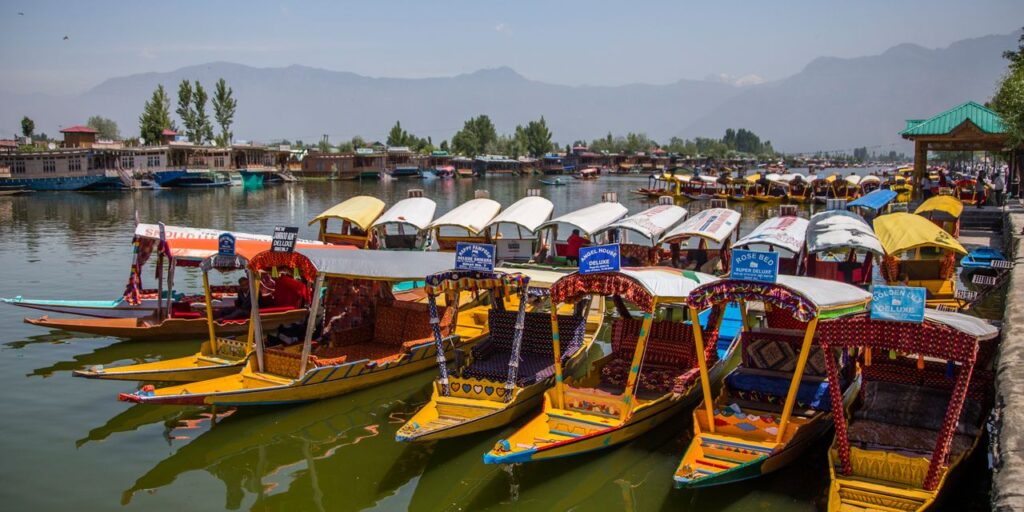
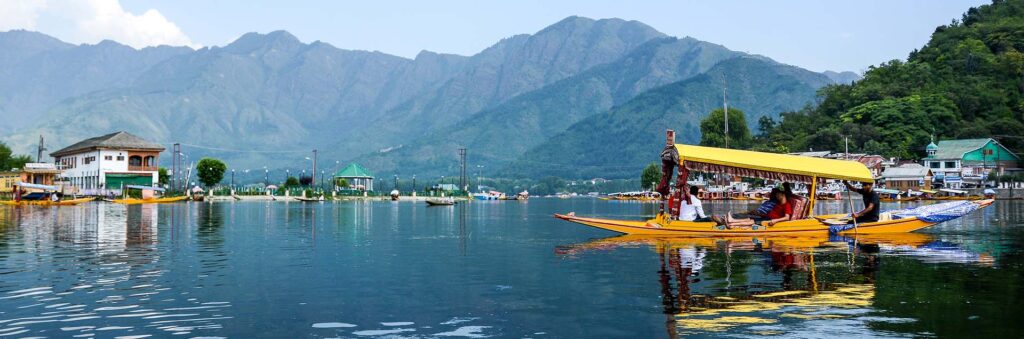
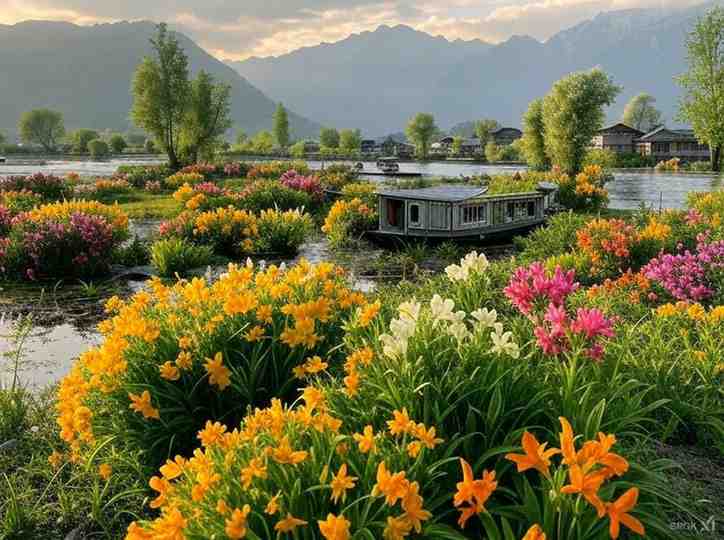
Jammu and Kashmir is blessed with a range of natural attractions that draw tourists year-round. The snow-capped peaks of the Himalayas, particularly in areas like Gulmarg and Pahalgam, offer excellent opportunities for skiing and trekking. The picturesque Dal Lake and Nigeen Lake in Srinagar, with their traditional houseboats and shikaras (wooden boats), provide a unique experience for visitors seeking tranquillity and scenic beauty.

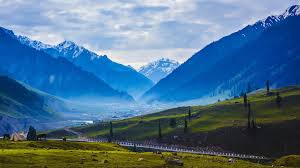
The region’s lush green meadows, such as those in Sonamarg, and the pristine environment of the Dachigam National Park, home to the endangered Hangul deer, are also significant draws for nature enthusiasts.

Cultural and Historical Significance

In addition to its natural beauty, Jammu and Kashmir has a rich cultural and historical heritage. The region is home to several ancient temples, such as the Vaishno Devi Temple in Katra, which attracts millions of pilgrims each year. The Mughal gardens of Srinagar, including Shalimar Bagh and Nishat Bagh, are renowned for their architectural beauty and historical significance.

Traditional Kashmiri crafts, including carpets, shawls, and paper-mâché items, are also a part of the cultural tourism experience. Visitors often purchase these items as souvenirs, which supports local artisans and contributes to the region’s economy.

Challenges and Tourism Development

Tourism in Jammu and Kashmir has faced its share of challenges, including political instability and security concerns. However, the government and local authorities are continuously working to promote the region as a safe and attractive tourist destination. Efforts are being made to improve infrastructure, enhance safety measures, and offer a range of activities that cater to different types of travellers.

The development of eco-tourism and sustainable tourism practices is also a priority. By promoting responsible tourism, the region aims to protect its natural resources while providing economic benefits to local communities.

Handicrafts: Preserving Tradition and Generating Income

Jammu and Kashmir is renowned for its traditional handicrafts, which are an important source of income for many families. The region’s rich cultural heritage is reflected in its crafts, which are celebrated for their intricate designs and high-quality craftsmanship.

Notable Handicrafts

One of the most famous handicrafts from the region is the Kashmiri shawl. These shawls are made from fine wool or silk and are often embroidered with elaborate patterns. The artistry involved in creating these shawls is passed down through generations, and they are highly valued both domestically and internationally.

Kashmiri carpets are another renowned product, known for their intricate designs and high quality. The weaving of these carpets is a time-honoured tradition, and each piece is often handcrafted with great skill and precision.

Paper-mâché items from the region are also popular. These items, which include decorative boxes, trays, and figurines, are made using a traditional technique that involves layering paper and applying intricate designs.

Economic Impact and Challenges

Handicrafts contribute significantly to the region’s economy by providing employment to artisans and supporting local businesses. However, the sector faces challenges such as competition from mass-produced items and fluctuating market conditions. The decline in traditional craftsmanship skills due to the younger generation’s migration to urban areas for better opportunities also poses a challenge.

To support the handicrafts industry, efforts are being made to promote these products through exhibitions and fairs, both within India and abroad. There is also a focus on modernising traditional techniques and exploring new markets to sustain the industry’s growth.

Government Employment: A Stable Source of Income

Government employment is a significant source of income for many residents of Jammu and Kashmir. The public sector provides jobs in various fields, including administration, education, and health services.

Public Sector Jobs

In Jammu and Kashmir, the government is a major employer, with many people working in administrative roles at various levels. This includes positions in local, state, and central government offices, as well as public sector enterprises.

Educational institutions, including schools and universities, are another major source of employment. Teachers and administrative staff in these institutions are employed by the government, contributing to job stability and providing a steady income for many families.

The health sector, including hospitals and clinics, also offers employment opportunities. Medical professionals, including doctors, nurses, and support staff, are employed by government health facilities, ensuring that the population has access to medical services.

Challenges and Opportunities

Government employment provides job security and benefits, but it also faces challenges such as bureaucratic inefficiencies and limited opportunities for career advancement. The region is also grappling with issues related to recruitment and the need for modernisation in various public sector departments.

To address these challenges, there is a focus on improving administrative processes, enhancing training and development programs, and exploring opportunities for public-private partnerships. These efforts aim to create a more efficient and dynamic public sector that can better serve the needs of the region’s residents.

Conclusion

Jammu and Kashmir’s economy is supported by a diverse range of sectors, each contributing to the region’s financial health and stability. Agriculture remains a vital source of income, with the cultivation of staple crops and high-value produce such as saffron and apples. Tourism, with its natural attractions and cultural heritage, draws visitors from around the world and provides significant economic benefits. Handicrafts, reflecting the region’s rich traditions, support local artisans and contribute to the economy. Government employment offers stability and security to many residents.

Despite the challenges faced by each sector, ongoing efforts to address issues and promote sustainable growth are crucial for the region’s economic development. By balancing traditional strengths with modern advancements, Jammu and Kashmir can continue to thrive and offer opportunities for its people while preserving its unique cultural and natural heritage.

The Revenue of Tourism in Kashmir: An Overview

Tourism is a major source of income for Kashmir, known for its stunning scenery and cultural richness. However, understanding how much revenue tourism brings in can be a bit complex, as figures can change from year to year. Here’s a simple overview of tourism revenue in Kashmir, including recent trends and future prospects.

How Much Money Does Tourism Bring in?

Historical Figures

Before the COVID-19 pandemic, tourism in Kashmir was a big contributor to the region’s economy. In the year 2018-2019, tourism brought in around ₹8,000-10,000 crore (about $1 billion – $1.3 billion). This revenue came from visitors both from India and abroad who enjoyed the beautiful landscapes, historical sites, and cultural experiences that Kashmir has to offer.

Impact of COVID-19

The pandemic had a huge impact on tourism globally, including in Kashmir. Travel restrictions and lockdowns meant that fewer tourists could visit, causing a significant drop in revenue. In 2020 and 2021, tourism revenue in Kashmir fell by roughly 70% compared to the years before the pandemic.

Recent Recovery

As the world began to recover from the pandemic, so did Kashmir’s tourism sector. By the end of 2023, tourism revenue in Kashmir was estimated to be recovering, though not quite back to pre-pandemic levels. The revenue during this period was around ₹5,000-7,000 crore (approximately $600 million – $900 million). The increase in visitors and spending has been encouraging, but the industry is still working to fully bounce back.

What Contributes to Tourism Revenue?

  1. Accommodation and Hospitality: Hotels, guesthouses, and houseboats are major sources of income. Places like Srinagar are well-known for their beautiful houseboats and luxury hotels, which attract many tourists.
  2. Transport and Travel Services: Revenue also comes from transportation services such as taxis, shikaras (traditional boats), and tour operators. The transport infrastructure, including roads and airports, helps facilitate tourism.
  3. Local Crafts and Souvenirs: Kashmir is famous for its handicrafts, such as shawls, carpets, and paper-mâché items. Tourists often buy these items as souvenirs, which supports local artisans and contributes to tourism revenue.
  4. Recreational Activities: Activities like skiing in Gulmarg, trekking, and other adventure sports are popular among tourists. These activities generate additional income and support local businesses.

Looking Ahead: Future Prospects

To boost tourism revenue in the future, the government and local authorities are focusing on several key areas:

  1. Improving Infrastructure: Upgrading roads, airports, and accommodation facilities to make the region more accessible and comfortable for tourists.
  2. Diversifying Tourism Options: Promoting different types of tourism, such as eco-tourism and cultural tourism, to attract a wider range of visitors.
  3. Marketing and Promotion: Increasing efforts to market Kashmir’s attractions through various channels, including online platforms and travel fairs.
  4. Sustainable Tourism: Implementing practices that protect the environment and preserve cultural heritage while ensuring that local communities benefit from tourism.

Conclusion

Tourism is a vital part of Kashmir’s economy, bringing in significant revenue and supporting many local businesses. Although the sector was hit hard by the COVID-19 pandemic, there are signs of recovery as more tourists return. By continuing to improve infrastructure, diversify tourism offerings, and promote the region, Kashmir aims to enhance its tourism revenue and ensure long-term growth.

1.08-cr Tourists Visited Jammu & Kashmir till June 2024

The tourism sector in Jammu and Kashmir has witnessed unprecedented growth post abrogation of Article 370, and a total of 1.08 crore tourists visited in the last six months this year, Ministry of Home Affairs (MHA) told the Rajya Sabha on Wednesday.

Citing a report availed to the MHA by the Jammu and Kashmir government, Union Minister of State for Home Nityanand Rai said “The tourism sector has recorded an annual average growth rate of 15.13 per cent during the last three years”.

As per the Minister, a total of 1,08,41,009 tourists visited Jammu and Kashmir between January to June 2024 and 2,11,24,674 in 2023– all-time high so far– followed by the visit of 1,88,64,332 tourists in 2022, 1,13,14,884 in 2021 and 34,70,834 tourists in 2020.

He clarified that the footfall in the tourism sector in 2020 was due to the Covid pandemic.

The government of Jammu and Kashmir has reported that several measures have been taken that led to significant improvement in the tourism sector including Jammu and Kashmir Tourism Policy 2020 notified by the government.

Other measures comprise availing of incentives under the Jammu and Kashmir Industrial Policy- 2021 considering the status of industry to the tourism sector in the Union Territory.

The government also notified the homestay guidelines to accommodate the increasing number of tourists and to give benefits to the locals from the economic gains of the tourism sector.The government has also notified Jammu and Kashmir Film Policy- 2021, and Houseboat Policy – 2020, identified 75 off-beat destinations, said the Minister.

Border tourism has picked up in Jammu and Kashmir and hitherto unknown locations have been opened up for tourism like Gurez, Keran, Teetwal and R S Pura, and the Union Territory is also emerging in adventure and Golf tourism.

“The government of Jammu and Kashmir has undertaken various infrastructure projects to boost the tourism sector and it also is emerging as an international tourist destination after successful hosting of major events such as the 3rd G-20 Tourism Working Group Meeting,” Rai said.
Modern infrastructure and the growing number of luxury hotels and resorts make Jammu and Kashmir a prime location for destination weddings and MICE (Meetings, Incentives, Conferences and Exhibitions) tourism, he said.

“The government of Jammu and Kashmir has reported that due to the above initiatives, the contribution of Tourism in Gross State Domestic Product (GSDP) has increased from 7.84 per cent in FY 2019-20 to 8.47 per cent in Financial Year 2022-23,” added the Minister. (ANI)

Tourism Department Invites Indian Cricket Team to Celebrate T20 World Cup Victory in Kashmir

The Jammu and Kashmir Tourism Department has warmly invited the Indian cricket team to continue their celebrations in the scenic region, often referred to as the Crown of Incredible India.

The department expressed its pride and enthusiasm in hosting the champions, emphasising the distinctive cultural and natural splendour of Jammu and Kashmir.

In a post on X, the J&K Tourism Department said, “Congratulations to Team India on winning the T20 World Cup 2024!! We welcome our champions to visit Jammu and Kashmir to continue the celebrations! It would be an honour to host you in the Crown of Incredible India.”

India has ended its 11-year-long ICC trophy drought, securing their first ICC title since the Champions Trophy in 2013. Notably, India is the first team to have captured the title undefeated.

Kashmir: The Best Times to Visit Heaven on Earth

Jammu & Kashmir: A Piece of Heaven on Earth

Jammu & Kashmir, the 19th largest state in India, is nestled predominantly in the Himalayan mountains. It stands unique as the only state in India with a Muslim-majority population.

Best Time to Visit Kashmir

Mughal emperor Jahangir famously called Kashmir “heaven on earth,” a title that draws numerous tourists to its breathtaking landscapes. The ideal time to visit Kashmir is from March to August, encompassing two beautiful seasons: spring (March to early May) and summer (early May to late August). During these months, visitors can enjoy the vibrant spring blossoms and the cool, pleasant summer weather, creating an enchanting experience that leaves a lasting impression.

Kashmir’s allure is undeniable, often inspiring visitors to plan their next trip immediately. The resplendent Mughal Gardens, with their fragrant rows of flowers, and the serene shikharas gliding over Dal Lake against a backdrop of majestic mountains, transport tourists to another realm. Kashmir’s unique charm is truly mesmerizing.

Kashmir experiences all four seasons: summer, monsoon, autumn, and winter. Each season offers its own distinct beauty and experiences.

Conclusion

The best time to visit Kashmir is from March to August, a period often referred to as “the heaven on earth” due to its pristine beauty. The two best seasons for visiting are spring (March to early May) and summer (early May to late August).

  • Peak Season: Summer
  • Shoulder Season: Autumn
  • Low Season: Monsoon

Kashmir in Summer (March to May)

  • Temperature: Summer temperatures range from 9°C to 31°C.
  • Weather: Warm days and cooler nights characterize the summer weather. Locals may use ceiling fans during the day, but nights can still be quite cold.
  • Significance: Kashmir is a favored honeymoon destination, with the romantic shikhara rides on Dal Lake being particularly popular. Summer is also a great time to observe local life and stay in houseboats.
  • Why Visit: The Mughal Gardens are in full bloom, and the Amarnath Yatra pilgrimage takes place. Destinations like Pahalgam and Sonamarg are especially stunning during this time.
  • Things to Know: Summer is peak season, so expect higher prices for hotels, flights, and local services. Booking in advance can help avoid these issues.
  • Tips: Pack warm clothes for the evenings and nights, and use sunscreen and lip balm during the day. Don’t miss trying the authentic Kashmiri wazwan dining experience.

Kashmir in Monsoon (June to September)

  • Temperature: Ranges from 15°C to 30°C.
  • Weather: Monsoon rains reduce the summer heat, especially in Jammu, which can become humid. Srinagar remains comfortably cool.
  • Significance: The monsoon is considered off-season, but it offers unique experiences like apple-picking.
  • Why Visit: Off-season deals on hotels and flights, and fewer crowds. Monsoon brings a pleasant and comfortable climate.
  • Things to Know: Rain can affect sightseeing plans, so check weather forecasts before your trip.
  • Tips: Bring rain gear, such as raincoats, jackets, and sturdy boots. Even though it’s not as cold as winter, evenings can be chilly.

Kashmir in Winter (November to February)

  • Temperature: Lows can drop below 0°C, with highs around 15°C.
  • Weather: Significantly colder with frequent snowfall in Srinagar, Gulmarg, and Sonmarg. Jammu remains milder.
  • Significance: Winter is ideal for winter sports like skiing and snowboarding, especially in Gulmarg.
  • Why Visit: The snow-covered Pir-Panjal range and winter sports make it an enchanting destination.
  • Things to Know: Activities like shikhara rides and visiting Mughal Gardens are not feasible in winter. Book in advance to avoid high prices.
  • Tips: Pack plenty of warm clothes, including thermal wear. Stay hydrated by drinking warm water or kahwa.

Kashmir in Autumn (October to November)

  • Temperature: Ranges from 9°C to 20°C.
  • Weather: Cool days with chilly nights, sometimes reaching 0°C. Mornings can be misty, but the autumn sun is refreshing.
  • Significance: Autumn in Kashmir is breathtaking, with chinar trees turning copper and gold, creating a spectacular landscape.
  • Why Visit: The beautiful autumn foliage, apple-picking season, and reasonably cool weather make this a great time to visit.
  • Things to Know: It’s shoulder season, so fewer tourists and better deals on accommodations and flights.
  • Tips: Pack as though for winter, as it can still be quite cold. Check for local apple-picking activities to participate in.

For those planning a trip, Thomas Cook offers exciting Kashmir Tour Packages to ensure you experience the best of this beautiful region. The snow-capped mountains and unique Kashmiri experiences await you.

You May Like:

Kashmir Tourism: Exploring the Paradise on Earth

Main pillars of Kashmir Tourism

America’s Tourism Initiative: Ready to Boost Kashmir’s Allure on the Global Stage

Kashmir Valley Sees Record Influx of Tourists Amid Heatwave and Improved Safety

Kashmir Valley Sees Record Influx of Tourists Amid Heatwave and Improved Safety

The Kashmir Valley has experienced a remarkable surge in tourism, welcoming over eleven lakh tourists in the first six months of this year, according to tourism department officials. The data indicates that of the 1,155,289 visitors, 22,612 were international tourists. Officials expect an increase in foreign arrivals starting from June.

Amid a severe heatwave across the country, several states and union territories have announced summer vacations, leading to a significant expected rise in tourist numbers. Currently, all hotels in key tourist destinations are fully booked until June 15.

An official shared that this year has already seen 11.5 million tourists. In comparison, 21.1 million tourists visited the valley in 2023, 18.8 million in 2022, 11.3 million in 2021, and 3.4 million in 2020.

The start of the Amarnath Yatra at the end of June is expected to further boost tourist numbers. Many devotees enjoy visiting various sites in Kashmir, and officials are hopeful that this year’s figures will exceed those of last year.

Bilal Ahmad, a Shikara rower, commented on the positive impact of tourism on his business over the past three years. “Tourism has been thriving, and so have our earnings. This year, festivals like kayaking and car racing have boosted tourism. However, the government should address inflation. Air tickets are very expensive; if trains start running from Kashmir, it will help significantly. Currently, 95% of the law and order situation is stable,” he noted.

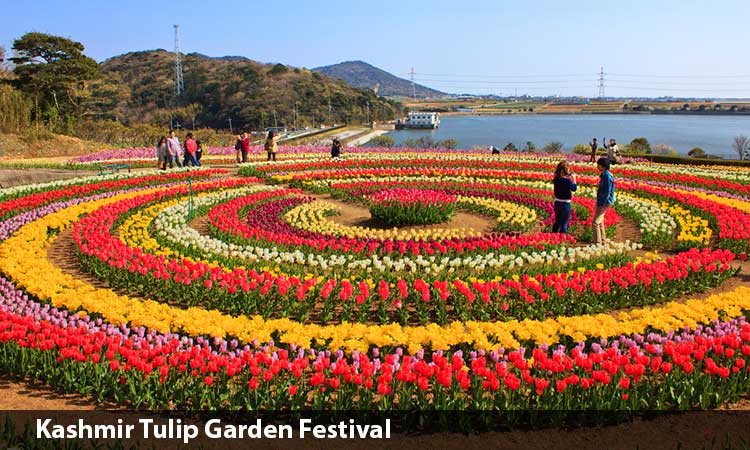
In recent years, record-breaking numbers of tourists have visited the Tulip Garden, and a similar trend is expected during this peak summer season. The Department of Tourism is making every effort to assist tourists and stakeholders to attract more visitors to the Kashmir Valley.

Mohammad Faizan, a 23-year-old tourist from Surat, shared his experience with Rising Kashmir. “Kashmir is truly heaven. In our city, the temperature can reach up to 47 degrees, which is unbearable. In Kashmir, we haven’t experienced temperatures higher than 32 degrees, which makes it heaven on earth,” he said.

A hotel owner in Srinagar noted the notable improvement in law and order, marked by a decline in incidents like stone-pelting. “Tourists feel safe. The government has taken many initiatives, such as hosting the G-20 event, F4 race, and major launches, and has been promoting the region globally. We are also opening offbeat destinations like the border villages of Keran, Gurez, and Bangus. Additionally, we are witnessing a rise in religious tourism,” he said.

Divisional Commissioner Kashmir Unveils Plans to Boost Tourism and Address Local Concerns in Gulmarg

In a significant effort to boost tourism and address local issues, Divisional Commissioner (Div Com) Kashmir, Vijay Kumar Bidhuri, visited Gulmarg on Thursday and held a series of meetings with various stakeholders, including hoteliers, ponywalas, tourist guides, and All Terrain Vehicle (ATV) drivers.

The meetings, which took place at the esteemed Golf Club Gulmarg, centered on enhancing the tourism experience, tackling the challenges faced by local businesses, and exploring new sustainable development opportunities in the region.

Bidhuri underscored the importance of collaborative efforts between the administration and local stakeholders to ensure a thriving tourism sector that benefits the local economy.

Waseem Raja, Chief Executive Officer of the Gulmarg Development Authority, provided a comprehensive briefing during the visit. He outlined initiatives to promote eco-friendly tourism and enhance the overall tourist experience, including safety protocols, upgraded facilities, and promotional strategies to attract more visitors.

Hoteliers raised concerns about infrastructure maintenance, safety measures, and promotional activities needed to draw more tourists. Ponywalas and ATV members discussed the necessity for better facilities and regulatory measures to ensure visitor safety and satisfaction.

In response, the Div Com directed the CEO of the Gulmarg Development Authority to designate specific routes for ponywalas and ATV drivers, aiming to enhance the regulation and management of their activities. This directive seeks to improve organization and oversight of their movements.

Additionally, the Div Com emphasized the provision of uniforms and identity cards for registered ponywalas, ATV drivers, and tourist guides. This measure aims to promote professionalism and accountability within the industry while making it easier for tourists to identify service providers. By implementing these measures, authorities can better monitor and enforce compliance with regulations, thereby enhancing safety and integrity in the tourism sector.

Bidhuri assured all stakeholders of the administration’s commitment to addressing their concerns and working towards

Trout Treasures: Discovering Kashmir’s Angler’s Paradise

Nestled amidst the majestic Himalayas, Kashmir Valley unfolds a breathtaking tapestry of nature’s bounty. Crystal-clear, cold-water streams gurgle through verdant valleys, their waters fed by snow-capped peaks. Mighty springs bubble forth, nourishing lush green meadows and thick pine forests. High-altitude lakes shimmer like sapphires, reflecting the grandeur of the surrounding mountains. This captivating landscape, aptly christened the “Angler’s Paradise,” is a haven for fishing enthusiasts from all corners of the globe.

The allure of Kashmir for anglers lies in its unique ecosystem. The abundance of freshwater bodies, from the turbulent mountain streams to the serene high-altitude lakes, provides the perfect habitat for a thriving fish population. The star attraction, undoubtedly, is the trout. Rainbow and brown trout, known for their spirited fight and delectable flesh, call these pristine waters home.

A Symphony of Streams and Lakes

The valley boasts a network of vibrant streams, each a potential battleground for the determined angler. The mighty Lidder stream, meandering through dramatic gorges, is a renowned trout haven. The Wangath, Gurez, Hamal, Lam, Sindh, Kishenganga – the list goes on. These streams, along with countless smaller nalas (streams), offer diverse fishing experiences. Some flow with a gentle current, ideal for fly-fishing, while others tumble down rugged terrain, demanding a more adventurous approach.

High-altitude lakes like Krishansar and Vishansar, accessible only through scenic treks, offer a glimpse of untouched beauty and the chance to encounter elusive trophy fish. The sparkling waters of these lakes, nestled amidst breathtaking mountain vistas, present a truly unforgettable angling experience.

A Paradise Meticulously Maintained

The Jammu & Kashmir Department of Fisheries plays a crucial role in preserving this angler’s paradise. The department meticulously divides the streams into designated “trout beats,” ensuring sustainable fishing practices. These designated stretches allow for controlled angling, protecting the delicate ecosystem while offering anglers a structured and rewarding experience. A detailed list of these beats is readily available for those planning their fishing expeditions.

The Angling Season: A Time for Connection with Nature

The magical world of Kashmiri angling opens its doors in the spring. From April to September, the waters come alive with the vibrant energy of the trout season. This period offers anglers the perfect opportunity to experience the thrill of the chase, the serenity of the natural surroundings, and the satisfaction of a successful catch. However, it’s important to note that the season’s duration can be subject to change by the Directorate of Fisheries, depending on prevailing conditions.

Beyond the Catch: A Holistic Experience

Kashmir’s allure extends far beyond the thrill of the catch. The very act of fishing in this breathtaking valley becomes an immersive experience in nature’s embrace. The crisp mountain air invigorates the body, the mesmerizing scenery soothes the soul, and the rhythmic gurgling of the streams provides a natural soundtrack. Whether casting a line in a secluded meadow or navigating a rugged stream, anglers become part of this captivating ecosystem.

A Legacy of Sustainable Angling

Kashmir’s rich tradition of angling thrives on the principles of responsibility and respect for nature. Fly-fishing, the preferred method in the valley, is a practice that prioritizes skill and finesse over brute force. Strict regulations are in place to ensure the preservation of the fish population. A daily catch limit and a minimum size requirement ensure that the ecosystem remains healthy and productive for generations to come.

A Call to the Adventurous Angler

For those seeking an unparalleled fishing adventure, Kashmir beckons. With its diverse waterways, stunning scenery, and commitment to sustainable practices, the valley offers an experience unlike any other. Whether you’re a seasoned angler or just starting your journey into the world of fly-fishing, Kashmir promises a challenge, a connection with nature, and memories that will linger long after the last cast is made.

So, pack your rods, breathe in the fresh mountain air, and embark on a journey to Kashmir, the Angler’s Paradise.

Unveiling the Enchantment of Srinagar: A Journey Through Paradise

Srinagar, nestled amidst the breathtaking Himalayas and cradled by the serene Jhelum River, is a tapestry woven with vibrant colors and captivating charm. Its name, translating to “the city of wealth and abundance” in Sanskrit, aptly reflects the richness of both its natural beauty and cultural heritage. Here, amidst the snow-capped peaks and crystal-clear waters, lies a haven far removed from the frenetic pace of urban life.

A Feast for the Senses: Unveiling Srinagar’s Magical Beauty

Srinagar’s heart throbs with the rhythm of its iconic lakes. The jewel in the crown is undoubtedly Dal Lake, a mesmerizing expanse adorned with vibrant houseboats and shikaras, traditional Kashmiri boats. As you glide across its surface, the surrounding mountains draped in lush greenery and blossoming orchards create a picture postcard scene. A short journey away lies Nagin Lake, a serene haven where swimming, diving, and boating offer a refreshing escape.

A Walk Through History: Unveiling Srinagar’s Architectural Treasures

Atop the Takht-e-Suleiman hill stands the majestic Shankaracharya Temple, believed to be Kashmir’s oldest shrine dedicated to Lord Shiva. Its imposing presence serves as a testament to the region’s rich spiritual heritage. For nature lovers, the Mughal Gardens are a paradise on earth. Chashma Shahi, Nishat Garden, and Shalimar Garden, each a masterpiece of Mughal landscaping, burst with vibrant blooms, transporting you to a bygone era of grandeur.

Beautiful scenic view of Dal Lake, Jammu and Kashmir, India

Beyond the Lakes: Unveiling Srinagar’s Adventure Playground

The surrounding hills beckon adventure seekers. For those with a thirst for adrenaline, options abound: fishing, golfing, mountaineering, skiing, trekking, river rafting, paragliding, kayaking, and camping are just a few ways to experience the thrill of the Himalayas.

A Culinary Delights: Unveiling the Flavors of Srinagar

Srinagar’s culinary scene is a symphony of spices. Cinnamon, cardamom, cloves, saffron, and a medley of other aromatic ingredients weave their magic into the city’s delectable cuisine. Rice dishes are a staple, while non-vegetarian options like mutton, chicken, and fish tantalize the taste buds. The Wazwan, a traditional multi-course feast, is a true gourmet experience. Don’t miss iconic dishes like Rista, Seekh Kebabs, Rogan Josh, and Gushtaba, guaranteed to leave you wanting more.

A Shopper’s Paradise: Unveiling the Treasures of Srinagar

Srinagar’s allure extends beyond its natural beauty. The city thrives on a vibrant tapestry of handicrafts. Exquisite Pashmina shawls, hand-woven carpets, intricate papier-mâché work, and luxurious silks and tweeds are just a few of the treasures you can find here. Don’t forget to explore the woodwork, pherans (traditional Kashmiri garments), metalware, and stunning wall hangings showcasing the region’s rich artistic heritage. Each piece is a unique creation, a reminder of the skill and artistry that define Kashmiri craftsmanship.

A Glimpse into Nature’s Embrace: Unveiling Srinagar’s Flora and Fauna

While forests cover a relatively small area, they provide a haven for a diverse range of animals. Musk deer, hangul (Kashmiri stag), rhesus macaques, leopards, and leopard cats are just some of the creatures that call this region home. The skies above are a canvas for a vibrant birdlife display. The Himalayan Snowcock, Red-billed Chough, Griffon Vulture, and Indian Mynah are frequent visitors to the lake areas and surrounding hills.

Finding the Perfect Season: Unveiling the Best Time to Visit Srinagar

Srinagar’s altitude of 1,730 meters makes it one of India’s coolest regions. Summers offer a welcome respite, with pleasant days calling for light woolens or thick cotton clothes. Winters, however, transform the landscape with a blanket of snow, dipping temperatures to near freezing. Even Dal Lake freezes over, creating a mesmerizing spectacle. Spring emerges as the ideal time to truly savor Srinagar’s beauty, with the captivating combination of pleasant weather and blooming landscapes.

Finding Your Home Away from Home: Unveiling Srinagar’s Accommodation Options

Srinagar caters to a wide range of travelers, offering a diverse selection of accommodation. From luxury hotels with all the modern amenities to budget-friendly options, you’re sure to find the perfect fit. For a truly unique experience, consider staying on a houseboat on Dal Lake, allowing you to wake up to the gentle lapping of the water and stunning vistas.

Unveiling the Path to Paradise: How to Reach Srinagar

Srinagar is easily accessible by air, rail, and road. Srinagar International Airport connects the city to various parts of India. Jammu serves as the nearest major railway station, followed by a convenient road

(Writen By Tourist Guide Nazir Kashmiri )

Sonamarg tragedy: Four dead, one missing as Tavera plunges into river; rescue operation underway, investigations ongoing

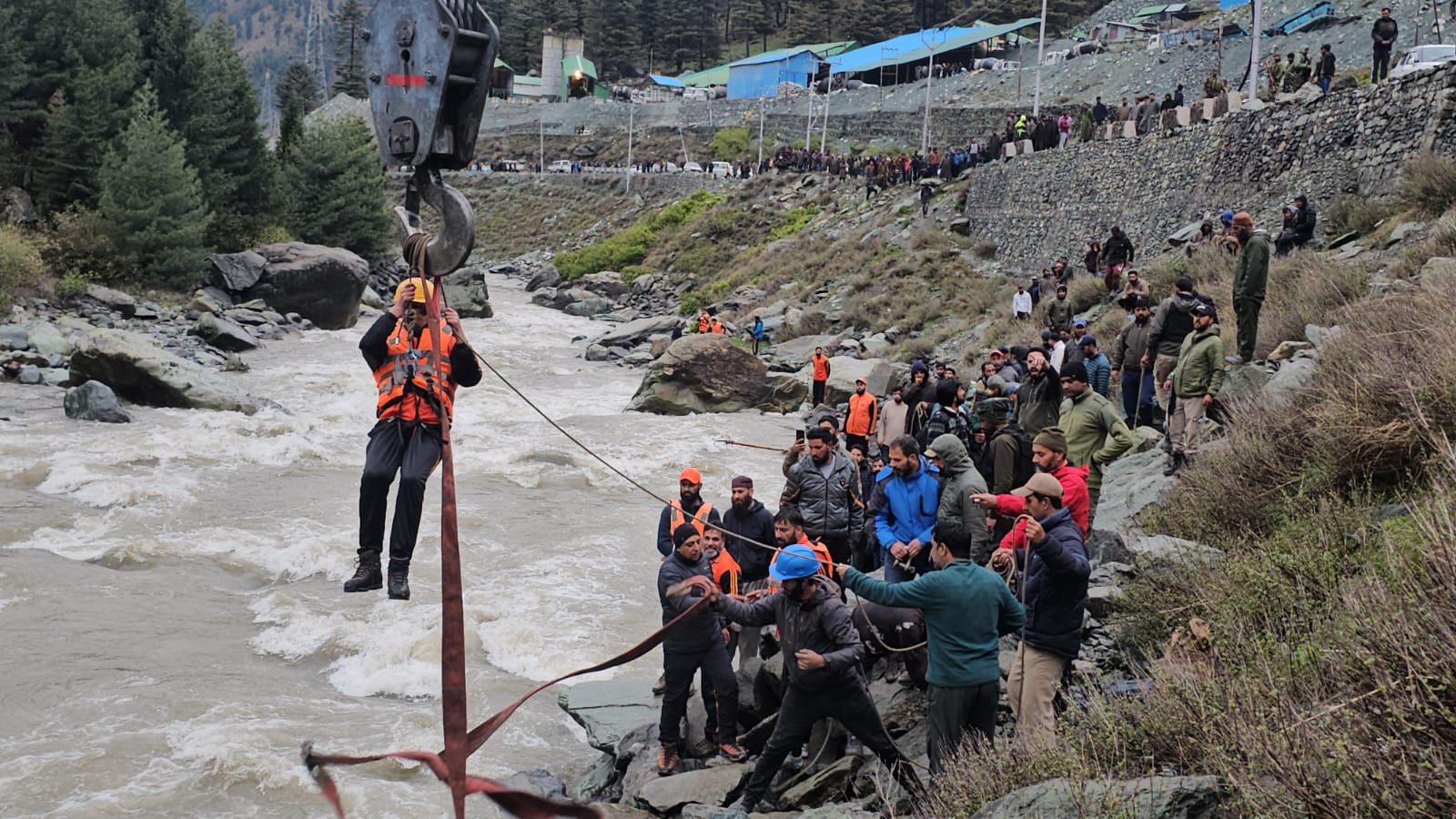
In a tragic turn of events near Gagangeer Hung in the picturesque Sonamarg region of central Kashmir’s Ganderbal district, a Tavera vehicle carrying sightseers veered off the road, resulting in four confirmed fatalities, one individual still unaccounted for, and two rescued with injuries.

The harrowing incident unfolded as the Tavera (bearing registration number 8950/JK13B) careened into the Nallah Sindh following a loss of control by the driver, causing eight passengers to be submerged in the river.

Promptly upon receiving the distress call, a meticulously coordinated rescue operation swung into action, spearheaded by the diligent efforts of SSP Ganderbal Sandeep Gupta, SHO P/S Gund Lateef Ali, SHO Sonamarg Turk Zahoor, and a coalition of rescue units including SDRF Gund Component, 34 Assam Rifles, CRPF 118 Bn, Traffic Police, Tourist Police, APCO Company, along with local volunteers, PHC Kullan and Sonamarg teams, Tehsildar Gund, and Fire Services, among others. This concerted endeavor led to the successful retrieval of two injured tourists, swiftly transported for medical attention at PHC Kullan and subsequently SKIMS Soura for advanced care.

Tragically, amidst the ongoing rescue mission, the bodies of four tourists have been recovered from the river, while one individual remains missing according to preliminary reports. Remarkably, the driver of the vehicle survived the ordeal.

Efforts persist as officials strive to locate the missing person and retrieve the submerged vehicle from the depths of the Sindh river. Concurrently, investigations into the circumstances surrounding the accident are underway, with a comprehensive understanding anticipated upon the conclusion of the rescue operations.

Tulip Garden in Srinagar Temporarily Closes its Gates as Blooms Fade

“Beginning Wednesday evening, the gates of the enchanting Tulip Garden in Srinagar will gently close, temporarily bidding farewell to eager visitors. Adorning the picturesque backdrop of the renowned Dal Lake, the decision to close its gates stems from the delicate dance of nature – the blooming tulips gracefully diminishing in numbers.

In the bustling month since its opening, a staggering 4.25 lakh souls wandered through its vibrant pathways, soaking in the colorful spectacle. Comparatively, last year witnessed the joyous footsteps of 3.60 lakh admirers gracing the garden’s grounds. As nature’s canvas transitions, so does the garden’s embrace, awaiting the next chapter of bloom and beauty.”