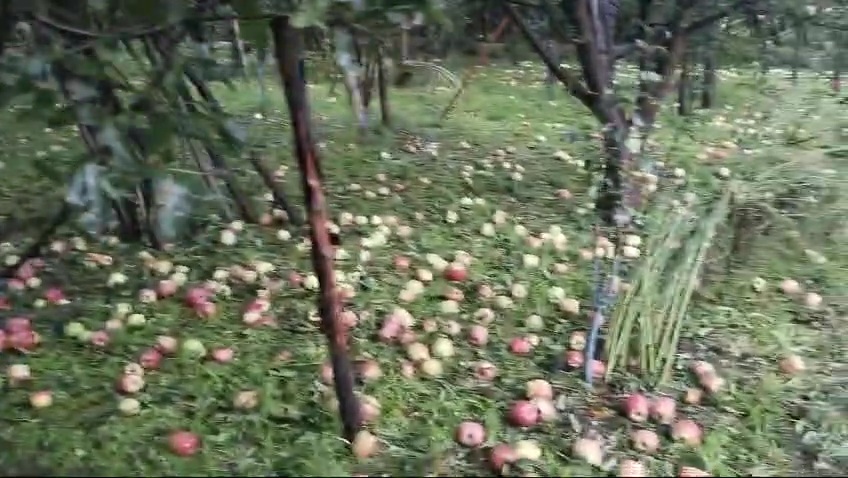
The prices of Kashmiri apples have fallen and people in Jammu and Kashmir’s Poonch are buying them at low rates. Local residents gave credit to Mughal Road which reduces transportation time and urged the government to keep this road open for 12 months.
Mughal Road proves to be an effective link between Poonch and Kashmir as it facilitates the transportation of vegetables and fruits to the region. The road is an important link for trade and movement.
A resident says, “Around 15-20 years ago, we used to buy apples for Rs 150 to Rs 200 per kg. Today, we are buying those apples for Rs 40 to Rs 50 per kg. The reason for this is the Mughal Road…The government played a big role as they opened the Mughal road. It is a vital link for trade and transportation…We get all the vegetables and fruits from Kashmir in a mere 4 to 5 hours. We request the government to keep this road open for 12 months rather than opening it just for 3-4 months.”
He further said that if any accident occurs or someone is ill then by the time they are generally shifted to Jammu by that time they can be sent to Kashmir for treatment.
“This will only be possible if Mughal Road is opened for 12 months. Mughal Road is a gift to Poonch and Rajouri. Till the time Mughal Road is open we will get good quality of fruits and vegetables,” he added.
Mughal Road connects Rajouri and Poonch with Srinagar in the Kashmir Valley by a short route. The road generally gets blocked during heavy snowfall in the winter season. (ANI)
Introduction to Saffron: The World’s Costliest Spice
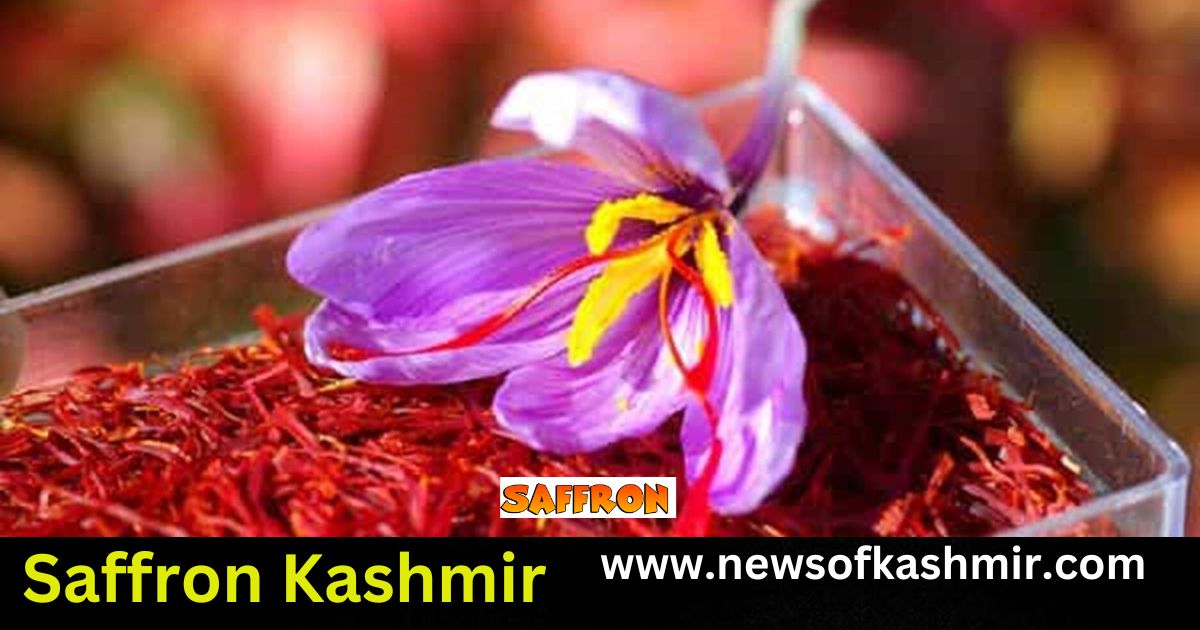
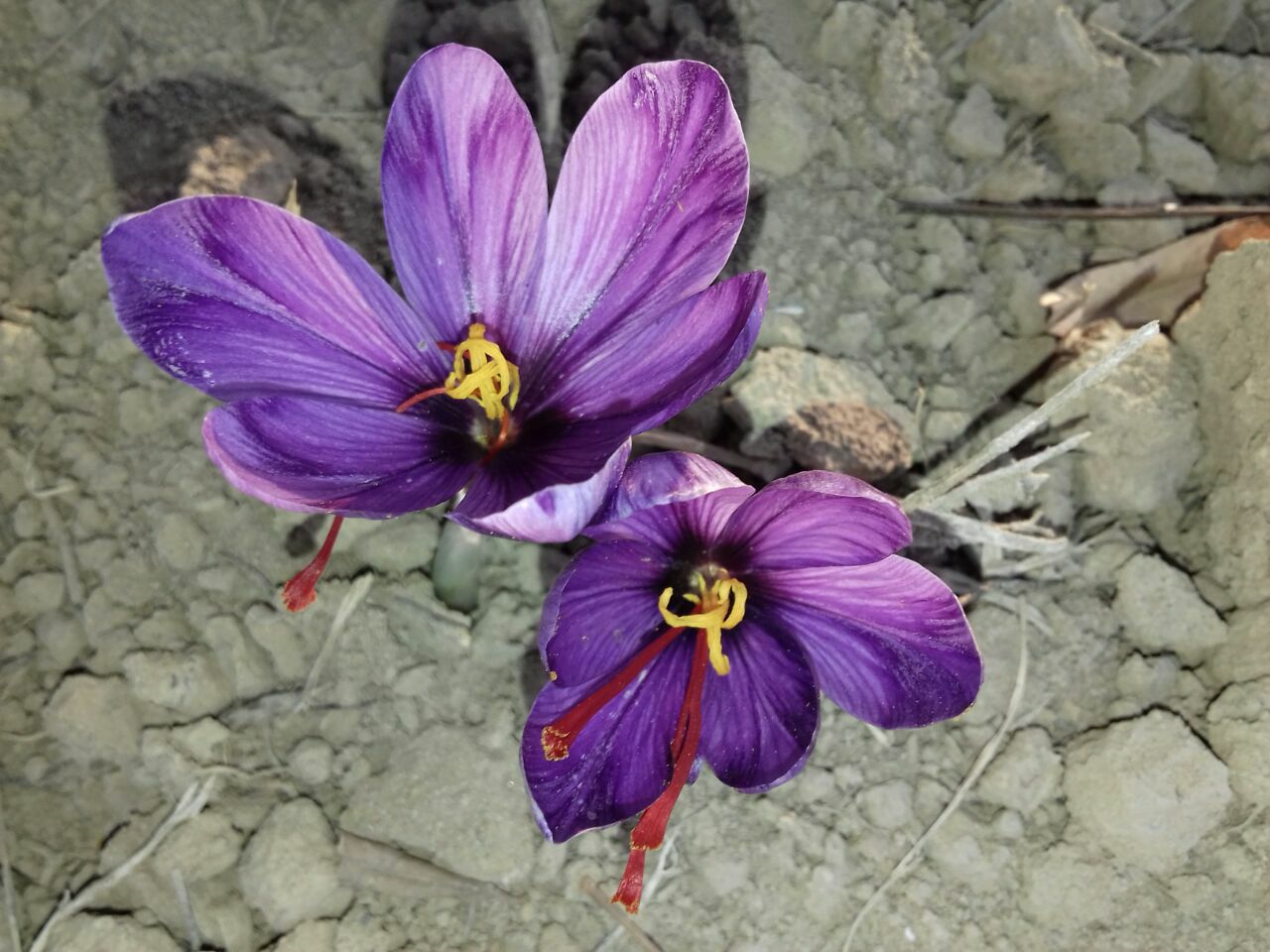
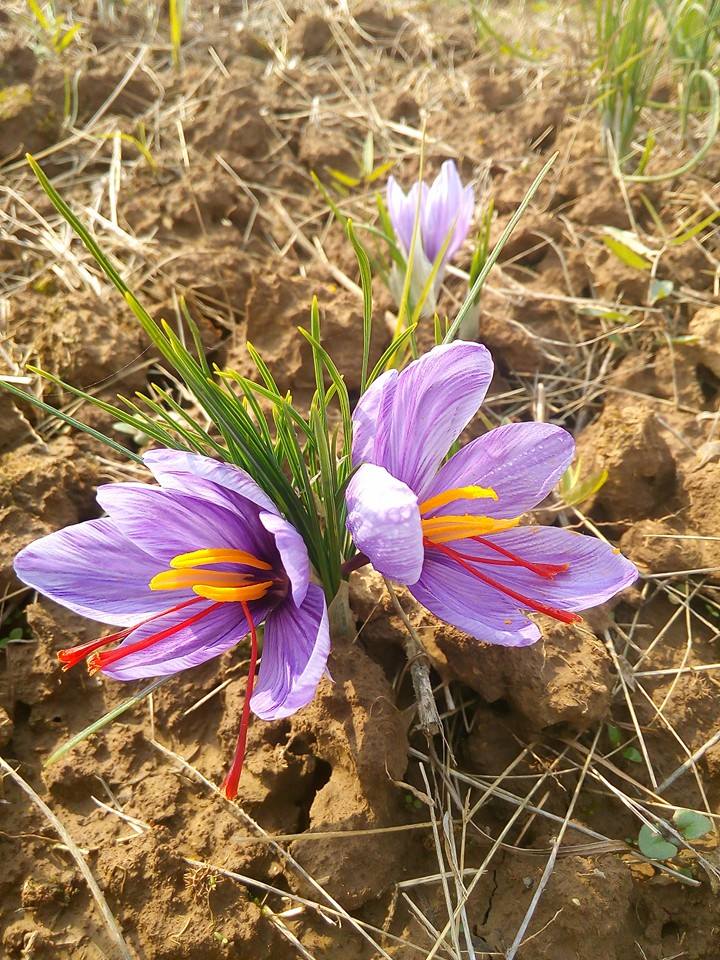
Saffron, often called “red gold,” is renowned for its vibrant colour, rich aroma, and flavourful essence. Derived from the flower Crocus sativus, known as the saffron crocus, this spice holds a unique position in culinary and cultural histories. The saffron crocus blooms with deep crimson stigmas, which are carefully hand-harvested, dried, and eventually transformed into the delicate threads that season and colour dishes around the world. From its early cultivation across Eurasia to becoming a staple in various world cuisines, saffron has long been admired for its rarity and value. Today, it is largely produced in Iran, followed by Afghanistan and Kashmir, and it continues to command an extraordinary price due to its labor-intensive harvesting process.
Saffron’s Origin and Cultivation History
Saffron’s journey through history is as rich as its colour. Ancient texts reveal that it was highly valued and cultivated as early as the 7th century BC, and it played a role in the cultures of Persia, Greece, and the Mediterranean. Origin theories suggest that saffron likely descended from Crocus cartwrightianus, a wild crocus native to the eastern Mediterranean, especially Greece and Crete. The spice eventually spread across continents through trade routes, taking root in North Africa, India, and beyond.
As a sterile plant, Crocus sativus relies on human intervention to propagate, a process that involves carefully dividing and replanting corms, small underground storage organs resembling bulbs. These corms only survive for one season but can produce several smaller “cormlets,” which can be replanted in the next growing season.
The Saffron Crocus and Its Growing Conditions
The saffron crocus requires a specific climate to thrive. Typically grown in Mediterranean-like regions, the plant prefers hot, dry summers and cooler, moist winters. Although it can survive mild frost, it’s sensitive to overly damp conditions and shade. For optimal growth, saffron crocus fields are usually located on sunny slopes and are planted in loose, well-draining soil with high organic content. Traditionally, saffron is grown on raised beds to prevent water accumulation around the corms.
Regions with the right balance of rainfall and temperature, such as Kashmir, Iran, and Greece, produce high-quality saffron. While Iranian saffron, the most prevalent variety, has a softer colour and flavour, Kashmiri saffron is distinguished by its deep purple hue and intense aroma, making it particularly sought after.
The Harvesting Process: From Flowers to Threads
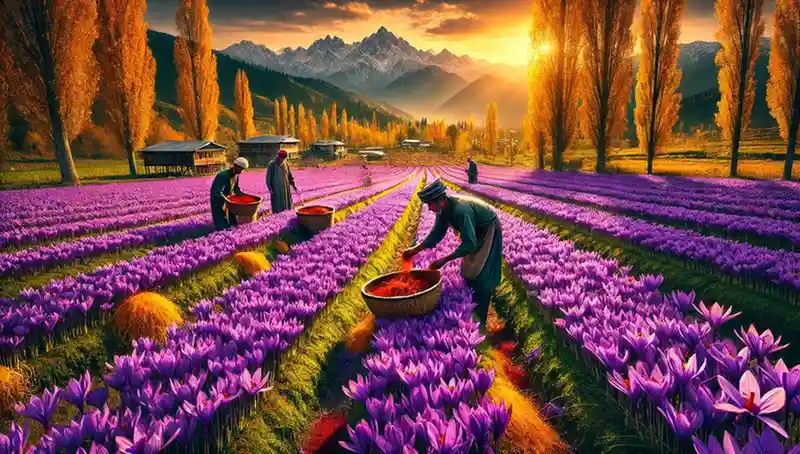
Harvesting saffron is one of the most labour-intensive processes in spice production. Each saffron flower yields only three delicate stigmas, or threads, which are handpicked at dawn to preserve their aroma and flavour. Because each stigma weighs so little, approximately 150,000 flowers are required to produce a single kilogram of saffron. Harvesters work quickly to prevent the flowers from wilting in the sun, with the entire flowering window lasting only one to two weeks.
Once collected, the saffron stigmas are dried, a step that intensifies their flavour and aroma. Dried saffron threads are stored in airtight containers to protect them from light and air exposure, which can degrade their potency.
Chemical Composition and Unique Properties of Saffron
Saffron’s distinct aroma and vibrant colour are thanks to unique chemical compounds. Key components include:
Picrocrocin: This compound is responsible for saffron’s slightly bitter taste.
Safranal: The main component behind saffron’s aroma, it develops as picrocrocin breaks down during drying.
Crocin: This carotenoid pigment gives saffron its brilliant yellow-orange hue and is easily absorbed in water, making it ideal for culinary applications.
These compounds also give saffron antioxidant and anti-inflammatory properties, contributing to its historical use in traditional medicine.
Modern-Day Cultivation Techniques
Today, saffron farmers use advanced techniques to improve yield and quality. Depth of planting and spacing of corms are carefully managed, as these affect both the quality and quantity of flowers. In Mediterranean and subtropical climates, such as those found in Greece and Spain, corms are planted between 7 to 15 centimetres deep, with closer spacing to maximise flower yield.
Soil quality is also critical. Growers enhance soil richness by applying organic fertilisers, though excessive fertilisation is avoided to prevent compromising the delicate saffron flavour. Where rainfall is minimal, such as in Iran and Spain, irrigation systems ensure that the plants receive adequate moisture without waterlogging.
Economic and Cultural Importance of Saffron
Saffron’s high market value, often reaching thousands of pounds per kilogram, reflects its labour-intensive harvesting and processing. In some regions, saffron cultivation is a significant economic driver, providing jobs and sustaining local communities. For instance, Iran produces almost 90% of the world’s saffron, with production primarily in the Khorasan region.
Beyond its economic significance, saffron holds cultural and culinary importance across many societies. It is revered in Indian cuisine, for example, where it adds colour and fragrance to dishes like biryanis and sweets. Similarly, Persian dishes often feature saffron for its unique aroma and vivid hue. In Europe, particularly in Spain and Italy, saffron enhances traditional dishes like paella and risotto.
Challenges in Saffron Production
The delicate nature of saffron cultivation makes it vulnerable to climate and environmental factors. Excessive rainfall, frost, or long periods of dampness can damage crops, while pests such as rodents and nematodes pose additional threats. Crop diseases like corm rot, especially prevalent in humid climates, can destroy an entire yield if not managed carefully.
In recent years, researchers have explored natural methods to mitigate these risks, including using beneficial bacteria to enhance corm growth and yield. This practice has shown promise in promoting healthy corm development and increasing saffron output.
Saffron Varieties and Quality Differences
There are several regional varieties of saffron, each with its distinct characteristics. Spanish saffron, known for its subtle aroma and colour, is generally milder compared to Italian and Greek varieties. In contrast, Kashmiri saffron, or Crocus sativus ‘Cashmirianus,’ has a deep maroon colour and strong flavour, making it highly valued but also rare due to export restrictions.
Specialty saffron varieties, like Italy’s “Aquila” saffron, are recognised for their high safranal and crocin content, which enhances both aroma and colour. Such varieties are often certified with geographical indications, protecting their status and origin.
Conclusion: Saffron’s Enduring Legacy
Saffron’s rarity, rich history, and distinct sensory qualities make it one of the most treasured spices in the world. From the meticulous cultivation of the crocus to the labour-intensive harvesting process, saffron embodies the delicate balance between nature and human effort. Although largely produced in a few key regions, saffron’s influence extends globally, enriching culinary, medicinal, and cultural practices across societies.
Its enduring appeal lies not only in its unique flavour and aroma but also in the intricate journey each thread takes from field to table. As global demand grows, efforts to cultivate and protect this precious spice will ensure that saffron remains a cherished part of our cultural and culinary heritage.
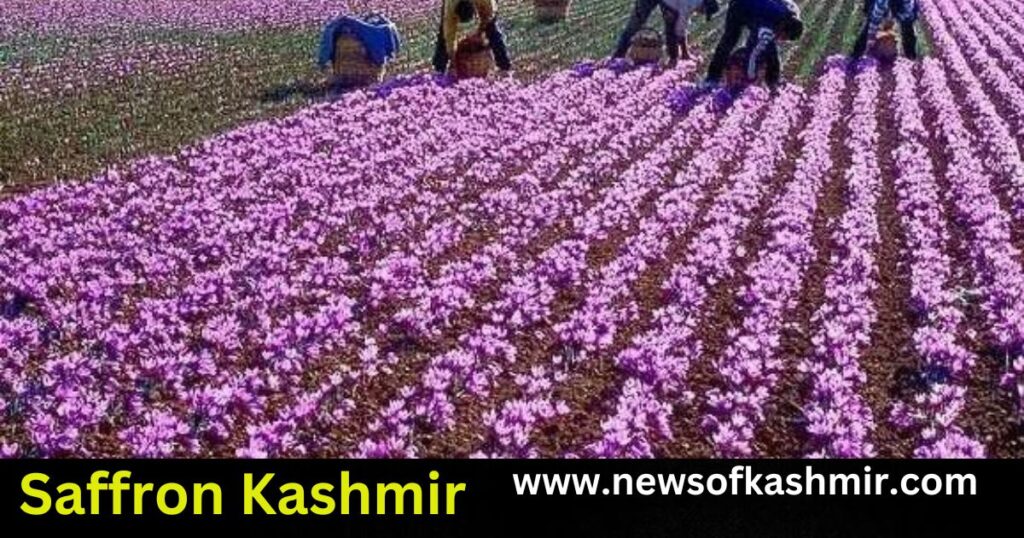
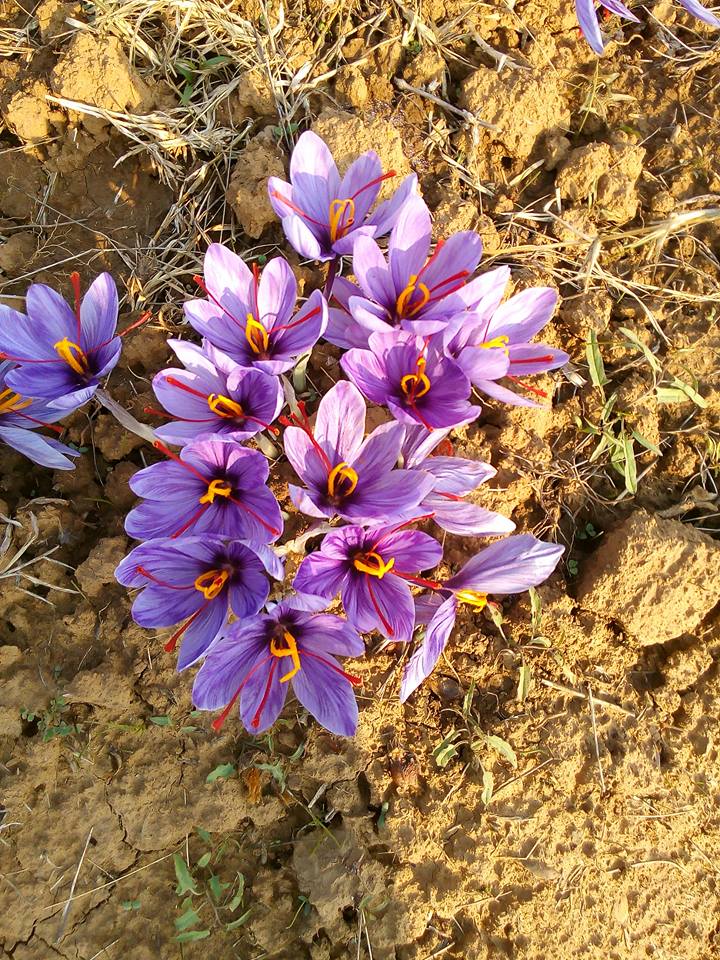
In South Kashmir’s Pulwama district, the historic town of Pampore is celebrated as the “Saffron Town” of India. Known for producing one of the world’s finest varieties of saffron, Pampore has been home to this heritage crop for centuries. The vibrant purple flowers and the precious red threads harvested from them are central to Kashmir’s economy and cultural identity. However, this legacy faces significant challenges due to shifting weather patterns and limited irrigation facilities, putting the future of saffron farming in Pampore at risk.
In recent years, local saffron farmers have experienced an unpredictable climate, with prolonged dry spells affecting saffron yields. Despite the government’s initiatives under the National Saffron Mission (NSM), bore wells dug nearly 14 years ago to ensure irrigation remain non-functional. Farmers are now calling on the government to make these bore wells operational, arguing that sustainable irrigation could not only stabilise production but also help attract younger generations back to saffron farming.
The Decline of Saffron Yield in Pampore
Saffron cultivation in Pampore heavily depends on timely rains during the flowering period, particularly in August and September. In recent years, rainfall patterns have become unpredictable, leading to prolonged dry spells that directly impact saffron yields. This season, farmers reported a notable reduction in saffron flower production, with many citing inadequate and delayed rainfall as a key reason.
Ghulam Ahmad Ganie, a saffron farmer from Pampore, shared his disappointment, comparing this year’s yield to the previous year’s production. According to Ganie, the lack of rainfall and the absence of functional irrigation systems have severely impacted his crop. “The government set up bore wells years ago, but without activation, they are of no use. We cannot irrigate our fields, leaving us vulnerable to climate variations,” he explained. His concerns echo across Pampore, as farmers watch their once-thriving saffron fields struggle under the weight of changing weather patterns.
National Saffron Mission and the Bore Wells Initiative
Under the National Saffron Mission, launched in the early 2010s, bore wells were established across Pampore and nearby villages to provide reliable irrigation to saffron fields. The initiative aimed to make Pampore’s saffron cultivation more resilient by introducing modern irrigation techniques to help offset climate challenges. The government invested in these bore wells as part of a larger plan to revitalise the saffron industry and increase productivity.
However, despite the efforts and resources allocated to the project, these bore wells have not been made operational. According to Mohammad Iqbal Khan, Chief Agriculture Officer of Pulwama, the bore wells were completed in line with the Detailed Project Report (DPR) of the NSM. Khan mentioned that around 77 bore wells are currently functional, yet many farmers have not taken ownership of these wells, which is required to start using them. Without a reliable water source, farmers are left reliant on natural rainfall, which has become increasingly unpredictable in recent years.
Farmers’ Struggles and Their Plea for Support
For Pampore’s saffron farmers, the inoperable bore wells represent more than just a missed opportunity—they are a symbol of ongoing struggles and unfulfilled promises. The lack of irrigation is not only reducing yields but is also affecting the economic viability of saffron farming. Mohammad Arfat Ganie, another local farmer, shared his frustration over this situation. His family has been cultivating saffron for generations, yet he fears that without assured irrigation, the tradition may not continue.
“Many youths are moving away from saffron cultivation due to low returns,” Arfat explained. The uncertainty surrounding saffron farming income has discouraged younger generations from taking up the trade, threatening the continuity of Pampore’s saffron heritage. Arfat and other farmers are calling on the government to operationalise the bore wells as soon as possible. For them, this step could help reverse the trend of declining interest in saffron farming by making it a more secure and profitable livelihood option.
The Impact of Climate Change on Saffron Cultivation
Saffron is a crop that is sensitive to weather conditions, and any fluctuation in temperature, rainfall, or humidity can drastically impact its growth. In Kashmir, changing weather patterns have created new challenges for saffron farmers, making traditional farming methods less effective. The prolonged dry spells that Pampore experienced this season are becoming more frequent, raising concerns about the long-term future of saffron cultivation in the region.
Irrigation plays a crucial role in maintaining saffron fields, especially when natural rainfall fails to provide the necessary moisture. Without functional irrigation systems, farmers have little control over water availability, making their crops vulnerable to unpredictable weather. As a result, the once-flourishing saffron industry in Pampore is now grappling with lower productivity and economic challenges.
The Labour-Intensive Nature of Saffron Farming
Saffron farming is not only sensitive to weather but is also labour-intensive, requiring meticulous care from planting to harvesting. Farmers work tirelessly under often harsh conditions, such as intense sunlight, to maintain their saffron fields. The process of extracting saffron threads is delicate and requires precision, adding to the time and effort required to produce even a small quantity of saffron.
Mohammad Ashraf Ganie, another local farmer, highlighted the physical demands of saffron farming, which are compounded by the low yields this year. “The yield this year is below expectations, and this makes the labour-intensive process even more difficult,” Ashraf shared, underscoring how the lack of irrigation adds an extra burden to an already challenging task. For these farmers, activating the bore wells or providing support to establish private wells would be a lifeline, helping them to improve productivity and make their efforts worthwhile.
Addressing the Ownership Issue of Bore Wells
One of the main reasons the bore wells remain unused is a lack of clear ownership. While the NSM installed the bore wells, the project anticipated that farmers would take ownership and assume responsibility for their maintenance. However, this transfer of ownership has not happened in many cases, leaving the bore wells inactive.
Chief Agriculture Officer Mohammad Iqbal Khan pointed out that the bore wells are functional and available for use, provided that farmers take ownership. However, the farmers argue that they lack the resources to maintain and operationalise these wells independently. Some have suggested that the government should offer additional support to help them manage the bore wells or provide alternative funding to encourage shared ownership among farming communities.
The Broader Implications for Pampore’s Saffron Heritage
The challenges facing Pampore’s saffron farmers extend beyond individual livelihoods, impacting the entire region’s cultural and economic identity. Saffron farming has deep roots in Kashmir, and the crop is cherished both locally and globally for its unique flavour, aroma, and health benefits. However, without a sustainable irrigation solution, Pampore risks losing its reputation as India’s saffron capital.
The departure of younger generations from saffron farming highlights a broader issue of rural-to-urban migration driven by economic hardships. As more youths seek alternative careers, Pampore’s saffron heritage faces the threat of decline. Farmers like Arfat are concerned that, if left unchecked, this trend could irreversibly alter the cultural fabric of their community.
Proposed Solutions and Future Steps
To address the irrigation challenges in Pampore, several steps could be considered. First, the government could prioritise the operationalisation of existing bore wells, either by providing subsidies or technical support to help farmers activate them. Alternatively, farmers could be offered assistance in building private wells or other irrigation systems suited to their specific needs.
Another possible solution is the formation of farmer cooperatives, where farmers collectively assume responsibility for bore well management. This approach could foster a sense of shared ownership and make it easier for farmers to access the necessary resources. By collaborating, farmers could also advocate more effectively for government support, ensuring their voices are heard.
Finally, creating awareness programs about the importance of irrigation and sustainable saffron farming could help attract younger generations back to the trade. By highlighting saffron farming as a viable and respected profession, these programs could counter the trend of youth migration and preserve Pampore’s saffron heritage for future generations.
Conclusion: A Call to Preserve Kashmir’s Saffron Legacy
Saffron farming in Pampore is not just an occupation; it is a centuries-old tradition that holds cultural, economic, and symbolic value. However, the challenges posed by climate change and inadequate irrigation infrastructure threaten the continuity of this heritage. As farmers struggle with declining yields and limited resources, they are urging the government to step in and activate the bore wells, offering them a reliable means of irrigation.
Addressing the concerns of Pampore’s saffron farmers is essential not only for safeguarding their livelihoods but also for preserving the rich heritage of Kashmir’s saffron. By providing the necessary support and ensuring sustainable farming practices, the government can help revive Pampore’s saffron industry and ensure that this legacy continues to thrive. For the farmers of Pampore, a functional irrigation system could be the key to revitalising saffron farming, securing their future, and passing down a cherished tradition to generations to come.
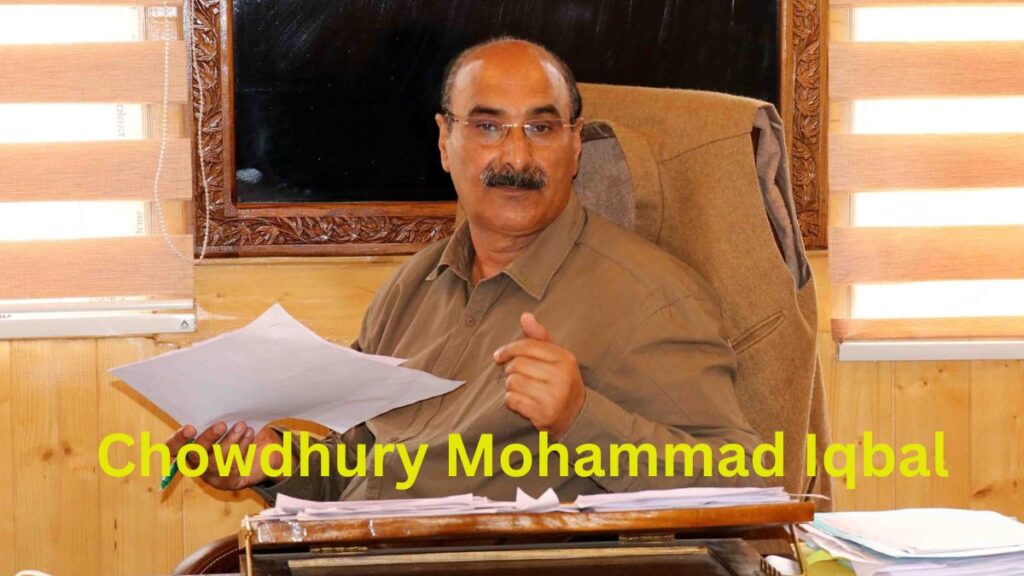
The Director Agriculture Kashmir, Chowdhury Mohammad Iqbal today visited saffron areas of Pampore to take stock of the crop scenario.
During the visit, the Director inspected flower picking in different fields and took feedback from the concerned saffron growers.While having discussion with the farmers, he underlined the efforts by the department for strengthening saffron cultivation.
Amid saffron flowers in full bloom, Iqbal said that saffron flowers are becoming one of the major tourist attractions these days.
The Director said the department is working for area expansion under saffron crop and different stakeholders are on board in this endeavour. He said that department has identified saffron farmers (nurseries) for saffron corm multiplication so that the seed could be provided to more and more farmers and the crop could be introduced in newer areas.
Director said that over the years saffron farmers are now adopting modern cultural practices, technologies in the field of saffron cultivation. He said the role of the India International Saffron Trade Centre (IIKSTC) has been commendable not only in providing different mandatory services but also in the capacity building of the saffron growers.
He said after getting G.I tag there is a vast potential in saffron crop and in coming times it would play a vital role in the socio-economic transformation of farming community of the area in particular and agriculture economy of the region in general. He said under HADP a special project is under implementation for the promotion of saffron crop.
In a significant development for the agricultural landscape of North Kashmir, Mudasir Ahmad Bhat, a 27-year-old farmer from Heevan Narvaw in Baramulla district, has successfully grown saffron in his native area for the first time. This remarkable achievement not only marks a new chapter in his farming journey but also holds promise for the region’s economy and agricultural diversification.
Saffron, often referred to as “red gold,” is one of the most valuable spices in the world, known for its unique flavor, vibrant color, and medicinal properties. Traditionally cultivated in regions like Pampore in South Kashmir, saffron cultivation in North Kashmir has been minimal. Mudasir’s pioneering effort could pave the way for more farmers in the area to explore this lucrative crop.
Mudasir’s journey began with a deep-rooted passion for agriculture, inspired by his family’s farming background. Determined to innovate and enhance his farming practices, he researched various crops suitable for the region’s climate and soil. After thorough investigation and guidance from agricultural experts, he decided to take the bold step of cultivating saffron.
Starting with a small plot of land, Mudasir faced numerous challenges, including understanding the specific requirements for saffron cultivation, such as the need for well-drained soil, proper irrigation, and a favorable climate. He dedicated countless hours to preparing the land, planting saffron bulbs, and ensuring they received the right amount of care and attention. His commitment and perseverance paid off when he witnessed the first blooms of saffron crocus in his fields.
The successful harvest has been a moment of immense pride for Mudasir and his family. “Seeing the saffron flowers bloom was a dream come true,” he shared. “It felt surreal to watch something I had worked so hard for come to life. This experience has been incredibly rewarding and motivating.”
With the initial success under his belt, Mudasir is now planning to expand his saffron cultivation. He envisions increasing the area under cultivation and potentially collaborating with neighboring farmers to create a cooperative that can enhance saffron production in the region. By sharing knowledge and resources, he hopes to inspire others to consider saffron as a viable crop, ultimately contributing to the economic development of North Kashmir.
The impact of saffron cultivation extends beyond individual farmers; it has the potential to stimulate local economies, create job opportunities, and promote sustainable agricultural practices. As demand for saffron continues to grow globally, regions like North Kashmir could position themselves as emerging players in the saffron market, attracting both domestic and international buyers.
Local agricultural officials have expressed their support for Mudasir’s initiative, emphasizing the importance of diversifying crops in the region. By encouraging farmers to explore new opportunities, they aim to enhance food security and resilience against climate change. Mudasir’s success serves as a testament to the potential that lies within North Kashmir’s agricultural sector.
As Mudasir embarks on this exciting journey, he remains committed to sharing his knowledge and experiences with fellow farmers. He believes that education and collaboration are key to unlocking the full potential of saffron cultivation in North Kashmir. Through workshops and community meetings, he aims to equip others with the skills and information needed to succeed in this endeavor.
In conclusion, Mudasir Ahmad Bhat’s pioneering saffron cultivation in North Kashmir is a remarkable achievement that holds great promise for the region’s agricultural landscape. His dedication, innovative spirit, and vision for the future exemplify the potential for growth and diversification in local farming. As he looks ahead to expanding his saffron fields, Mudasir is not just cultivating a spice; he is nurturing hope for a prosperous agricultural future in North Kashmir.
Ajaz Ahmad Bhat, IAS, Director Sericulture J&K, today conducted an extensive inspection of the ongoing works in Jammu Division. Mr.Bhat also held a detailed review meeting at the Directorate Office, Jammu to assess the progress of various developmental initiatives in the Jammu Division.
During the review, Mr.Bhat stressed the importance of efficiently utilizing funds under key schemes such as the Holistic Agriculture Development Programme (HADP), CAPEX, and Centrally Sponsored Schemes (CSS), including the “SILK SAMAGRA” initiative. He urged the officers to ensure the swift execution of projects and the achievement of targets within the shortest possible time.
A key focus of the meeting was on expanding the area under mulberry plantation and boosting seed production at the departmental level. Mr.Bhat emphasized the need for concerted efforts to support farmers in rearing silkworms, enhancing the quality of cocoon production, and ultimately increasing farmers’ income.
District officers presented their progress reports, detailing the various annual developmental activities under Capex, CSS (SILK SAMAGRA), and HADP.The achievements in each district were highlighted with the officers providing updates on their respective targets.
In the concluding session of the meeting Mr.Bhat called for a proactive and sustained effort by all officers, urging them to adopt a hands-on approach by increasing field visits and engaging with farmers regularly. He stressed the importance of obtaining first-hand information on the issues faced by farmers and addressing their concerns promptly. Furthermore, he directed that staff work in a mission-oriented manner, with clear accountability for their assigned duties, to ensure the comprehensive development of Sericulture in the region.
The meeting was attended by the Additional Director Jammu, officers from Jammu Division, and the ICs of Seed Stations from the region. All participants were encouraged to work collaboratively towards fulfilling the long-term vision of the department and improving the livelihoods of farmers engaged in sericulture. (KNS
Continuing its efforts to strengthen the agricultural sector and empower Farmer Producer Organizations (FPOs), J&K Bank today conducted second workshop in Jammu to educate farmers on the various credit schemes available with the banks. The workshop also focused on the process of creating credit linkages for FPOs to ensure better access to financial services.
Representatives from more than Sixty FPOs from Jammu Division participated in the event, which was aimed at enhancing their financial literacy and facilitating greater access to credit. MD & CEO Baldev Prakash chaired the workshop in presence of General Manager (NABARD) Vikas Mittal, Director Horticulture C L Sharma, MD JKRLM Shubhra Sharma, Bank’s General Manager (Credit) Ashutosh Sareen, General Manager & Divisional Head (Jammu) Sunit Kumar, Deputy General Manager Rakesh Magotra, LDMs, DDM’s NABARD, and other senior officers of the Bank & Agriculture department.
Speaking on the occasion, MD & CEO Baldev Prakash said,” The Hon’ble Prime Minister’s vision of doubling farmers’ income laid the foundation for a transformative shift in Indian agriculture, focusing on improving productivity, reducing input costs and enhancing market access. This visionary goal has not only driven innovations in farming practices but also expanded the scope of agri-business, with a strong emphasis on value addition, infrastructure development and financial inclusion”.
He added,” I think now is the best time for the agriculture sector with proactive support from the Government of Jammu & Kashmir under schemes like the Holistic Agriculture Development Programme (HADP) and support for Farmer Producer Organizations (FPOs), there is a golden opportunity for farmers to thrive. The convergence of modern technology, enhanced credit accessibility and robust government initiatives makes this the ideal time to engage in scaling up of agriculture and horticulture-related activities. The focus on creating a sustainable, growth-oriented agricultural ecosystem in Jammu & Kashmir is ensuring that farmers are well-equipped to capitalize on emerging opportunities, paving the way for a prosperous future in this sector”.
J&K Bank, he said, is here to ensure that your efforts are recognized, while challenges are addressed and potential is fully realized. “Together, we can achieve the vision of a thriving, sustainable agricultural economy where our farmers stand empowered and resilient”, he added.
In his remarks, GM NABARD highlighted the importance of FPOs in enhancing agricultural productivity and ensuring that farmers can collectively access financial services. “Our partnership with J&K Bank is aimed at empowering FPOs with the knowledge and tools they need to succeed. By deepening financial inclusion and creating effective credit linkages, we can ensure that farmers receive the necessary support to improve their livelihoods.” Assuring the participants on the occasion, General Manager Ashutosh Sareen said that JK Bank is fully committed to supporting FPOs in their journey. “As the primary institution of this region, we understand that access to credit is a key enabler in making these initiatives successful”, he said.
Bank’s efforts, he added, have been aligned with the needs of farmers and the Bank is continuously working to design financial products that meet the unique requirements of FPOs, whether it’s working capital, term loans or infrastructure support.
“In collaboration with NABARD and other stakeholders, we aim to ensure that no farmer or FPO is left behind due to a lack of financial resources”, he said.
Earlier Bank’s Divisional Head Sunit Kumar delivered the welcome address and Bank’s Deputy General Manager Rakesh Magotra delivered a detailed presentation on functioning of the FPOs and various credit products of the Bank for development of agriculture segment.
MD JKRLM Shubhra Sharma, Director Horticulture C L Sharma and Joint Director Agriculture Satish Sharma also spoke during the workshop and apprised the participating FPOs about the government’s initiatives
The participants expressed appreciation for the Bank’s commitment to provide them timely and appropriate financial solutions for agriculture and its allied activities.
The workshop also included interactive segments, wherein farmers engaged with Bank officers to clarify their queries and discuss the specific credit needs of their organizations. The participants also discussed the bottlenecks they face currently in availing the facilities from the Bank.
Notably, first such workshop was organized in Kashmir this month, which was attended by forty FPO representatives. The initiative is part of Bank’s vision to promote the growth of the agricultural sector through financial inclusion and credit accessibility, contributing to the overall economic development of Jammu & Kashmir.
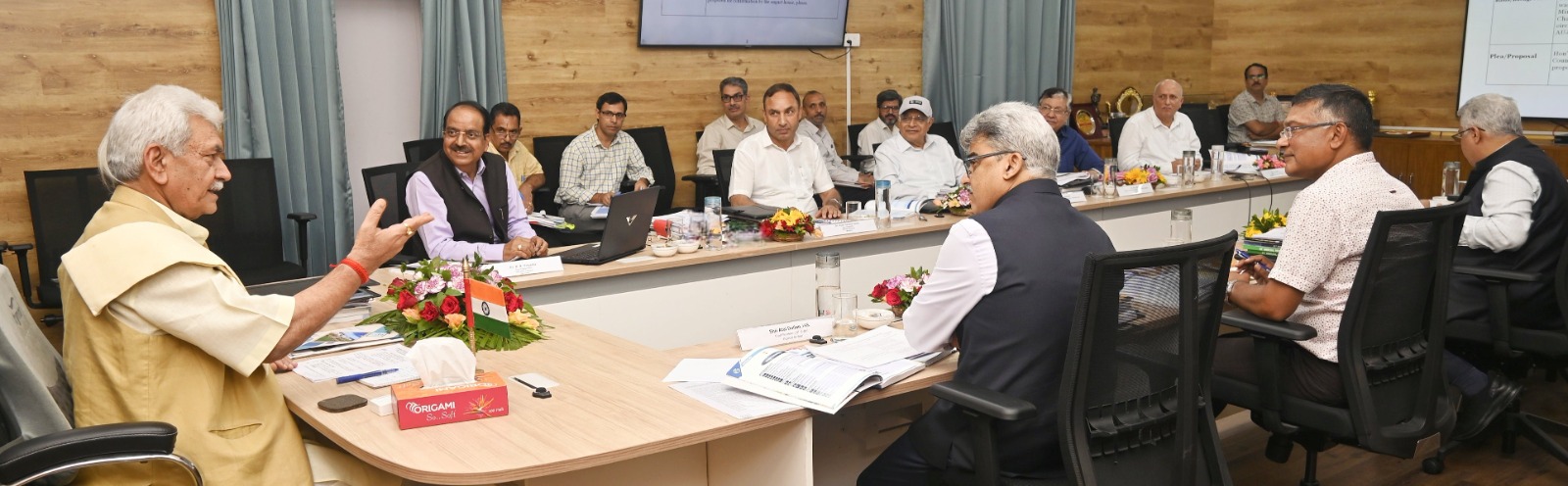
The meeting was attended by Atal Dulloo, Chief Secretary; Shailendra Kumar, Principal Secretary, Agriculture Production Department; Sh Santosh D Vaidya, Principal Secretary, Finance Department; Dr Mandeep Kumar Bhandari, Principal Secretary to Lt Governor; Dr. BN Tripathi, Vice Chancellor, SKUAST Jammu; Prof. Nazir A. Ganai, Vice Chancellor, SKUAST Kashmir; Prof. P.L. Gautam, Pro-Chancellor, Career Point University Hamirpur; Dr. M.C Sharma, former Director, Indian Veterinary Research Institute, Izatnagar, Bareilly; Prof Anil Kumar, Registrar, SKUAST-Jammu and other senior officers, in person and through virtual mode.
The University Council headed by Lt Governor deliberated on addressing key challenges in agriculture and allied sectors alongwith taking the research and innovation from Lab to the Field to increase productivity.
The Lt Governor stressed that the University should adopt modern and sustainable agriculture practices and put more focus on developing interface with the farming community and implementation of e-office.
The meeting also appreciated the performance of the University under National Agricultural Higher Education Project (NAHEP).
The Council gave in-principle approvals to various agenda points presented during the meeting including adoption of UGC based qualification for the post of the Assistant Registrar, Assistant Comptroller and ICAR norms for posts of Subject Matter Specialists.
Dr. BN Tripathi, Vice Chancellor SKUAST Jammu presented the progress report of the University. He apprised the meeting that the University has made significant improvement in research, patents and publications.
The Jammu and Kashmir Civil Society Forum (JKCSF) on Sunday demanded an immediate survey of the intense damage caused to the fruit, rice, and vegetable crop after an intense hailstorm and gusty winds ripped the fields in south Kashmir on Monday (2 Sept). In a statement, the JKCSF said that its chairman, Abdul Qayoom Wani has raised the issue with the LG administration, calling for an immediate survey of the affected areas, especially in the districts of Kulgam and Shopian. “The hailstorms and gusty winds proved a bolt from blue for the orchardists and farmers of Shopian and Kulgam districts as the ripened crops got damaged and the hopes of fruit growers were dashed to ground. These growers need immediate survey of the damage followed by the proper compensation so that they can survive the losses,” the statement said. The population in rural kashmir is mostly dependent on agriculture and horticulture for livelihood and when ripe crops get damaged, the farmers not only suffer financial losses but face mental depression as well, the statement said.The forum has appealed the govt to compensate the affected growers and others associated with the business so that their families may not face starvation.
Expressing profound grief and sorrow over the losses suffered by fruit growers and farmers due to the recent hailstorm in south Kashmir’s Shopian and Kulgam districts, Apni Party President Syed Mohammad Altaf Bukhari urged the administration to initiate a thorough assessment of the crop losses in order to provide adequate compensation to those affected.
He promised that “if the Apni Party secures a public mandate in the upcoming assembly polls, it will introduce a special compensation package for the orchardists and farmers who suffered significant losses due to the gusty winds and hailstorm.”
Pertinently, the recent heavy rains, hailstorms, and gusty winds have caused significant damage to fruit and other agricultural crops in the Shopian and Kulgam districts. Reports say that the worst hit villages in Shopian are Wachi, Kapran, Rawalpora, Kachdora, Kachdora Check, Vehil, Zaipora, and Reshnagri, while as in Kulgam most affected villages Pombay, Arreh, Kadder, Qazigund, and adjoining areas.
In his statement issued here, Syed Mohammad Altaf Bukhari said, “I am deeply saddened to learn that an intense hailstorm has caused extensive damage to apple crops in various villages across Shopian and Kulgam districts. I urge the administration to deploy official teams to the affected areas to assess the losses so that the victims can be adequately compensated.”
He promised that “If the Apni Party receives a public mandate in the upcoming assembly polls, it will announce a special compensation package for those affected by the adverse weather in these two districts.”
“In these challenging times, the Apni Party stands in solidarity with the victims, and I assure them that we will leave no stone unturned to secure fair compensation for them,” he added.