PSLV Makes Comeback as ISRO Launches EOS-N1 Mission with Key Defence and Private Satellites
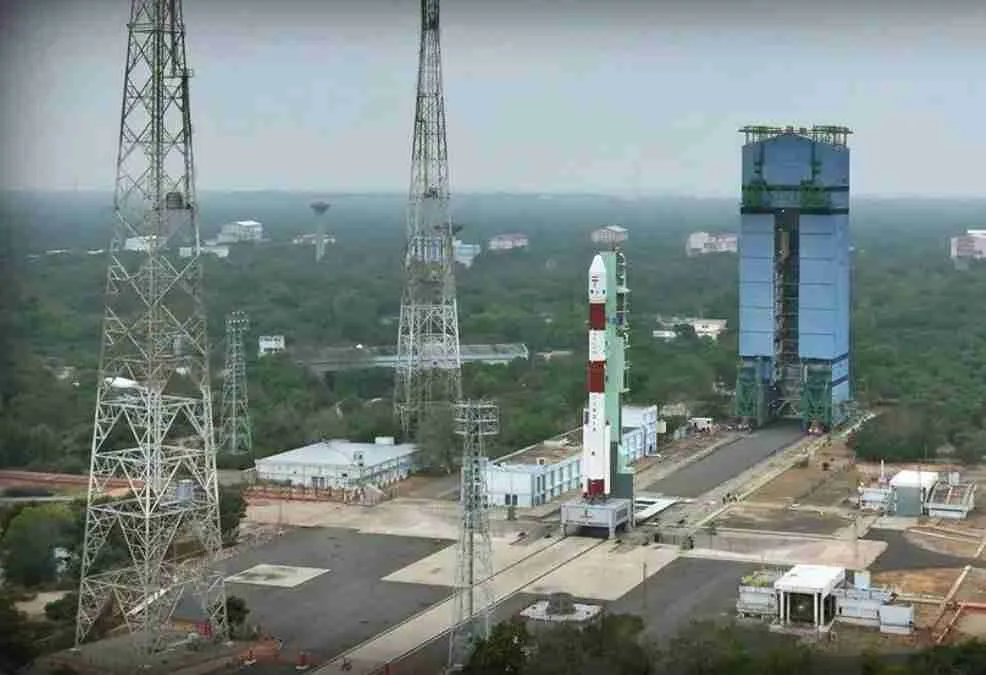
India’s most trusted rocket, the Polar Satellite Launch Vehicle (PSLV), returned to action on Monday with its 64th mission, marking an important moment for the country’s space programme after last year’s setback.
The mission, named PSLV-C62 / EOS-N1, lifted off from the Satish Dhawan Space Centre at 10:18 am, carrying a total of 15 satellites into space.Click Here To Follow Our WhatsApp Channel
Mission Status: Success Under Review
While the launch itself went as planned, Indian Space Research Organisation (ISRO) has not yet officially declared the mission a full success.
ISRO Chairman V Narayanan said that a deviation was observed in the third stage of the rocket. He confirmed that mission data is currently being analysed and that more details will be shared soon.
Importantly, he did not label the mission as either a success or a failure, indicating that the final assessment is still underway.
What Did PSLV-C62 Carry?
The rocket carried:
- EOS-N1, the main Earth Observation satellite
- 14 co-passenger satellites planned for Sun Synchronous Orbit
- Kestrel Initial Demonstrator (KID), placed on a planned re-entry trajectory
Among the payloads was a highly classified surveillance satellite named Anvesha, developed by the Defence Research and Development Organisation (DRDO).
Why the Anvesha Satellite Is Important
The Anvesha satellite is designed to give India advanced imaging capabilities, allowing it to:
- Monitor sensitive border areas
- Track movements with high accuracy
- Strengthen national security and defence planning
Experts say such satellites play a crucial role in modern defence by providing real-time intelligence and precise mapping of hostile positions.
Big Moment for India’s Private Space Sector
This mission is historic for another major reason. For the first time, a single Indian private company — Dhruva Space, based in Hyderabad — contributed seven satellites to a PSLV launch.
This highlights a major shift in India’s space ecosystem, where private companies are now:
- Designing satellites
- Managing launches
- Providing ground station and mission support services
Once dominated entirely by ISRO, India’s space sector is now becoming a public–private partnership model.
Why This Launch Really Matters
The importance of this mission goes beyond satellites.
- The previous PSLV mission in May 2025 failed due to a third-stage anomaly
- PSLV is known as India’s most reliable workhorse rocket
- A successful return is vital to restore confidence among:
- International clients
- Defence planners
- Commercial satellite operators
Even as ISRO reviews the third-stage data, the launch itself sends a strong message that corrective steps have been taken seriously.
A New Chapter for India’s Space Programme
This mission reflects two key trends:
- ISRO’s resilience in learning from setbacks and returning to flight
- The rise of Indian private space companies as serious contributors
Together, they show that India’s space journey is entering a new phase — one that blends national capability with private innovation.
You Might Also Like:
At 13, This Kashmiri Boy Built 31 Apps and AI Tools
Zohran Mamdani: The Fearless New York Leader Speaking Truth When Others Stay Silent
NYC Mayor Zohran Mamdani Calls Maduro’s Capture an Act of War, Warns of Legal and Human Impact