All Parties Hurriyat Conference (APHC) has expressed pain and sorrow over the kiling of a former police officer in Baramulla on Sunday. In a statement, issued to KNS Hurriyat Conference also expressed sympathy and condolences with the bereaved family.Hurriyat Conference said that such killings are a blot on humanity and only bring disgrace to the people and place where they are committed.
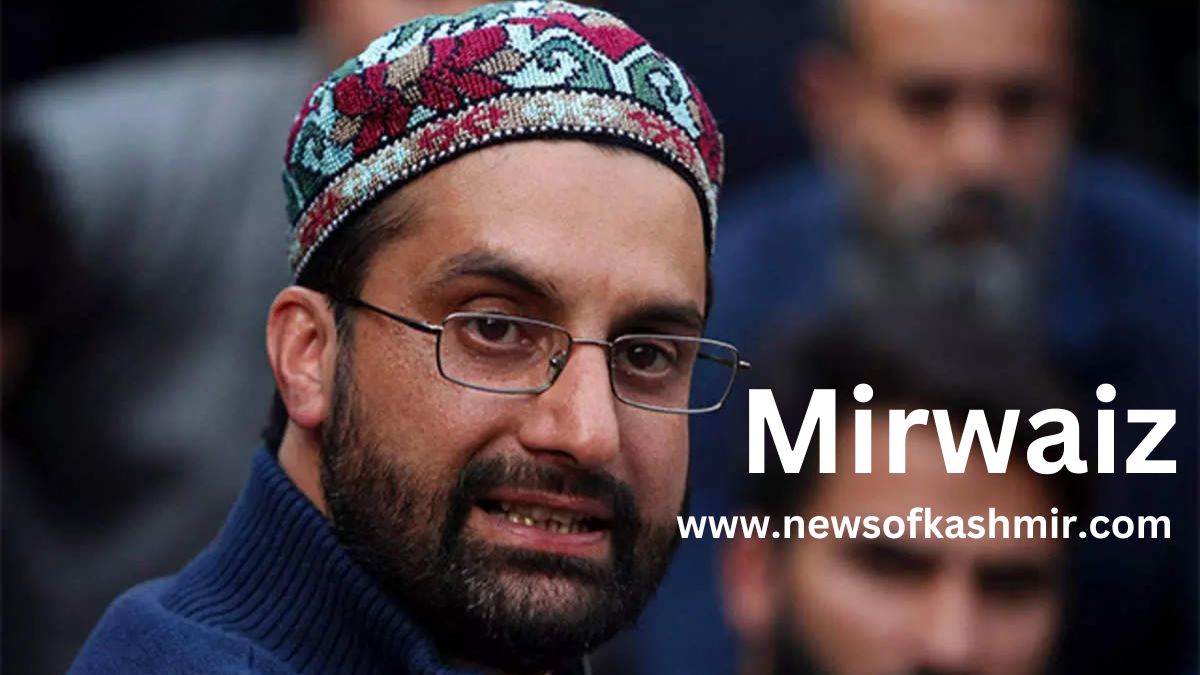
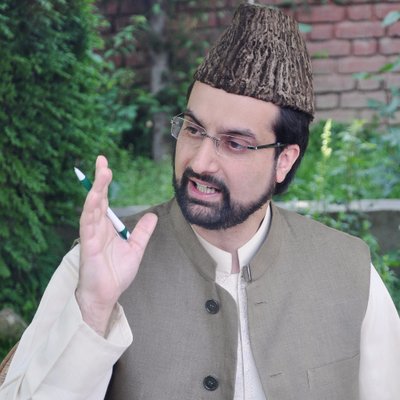
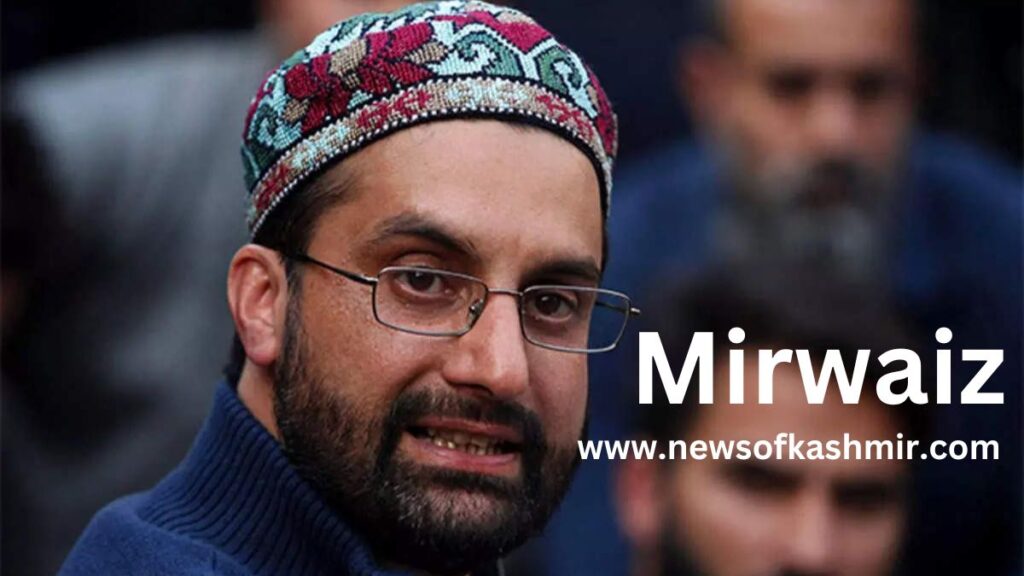
1.Hurriyat Conference Leader Mirwaiz ?
“They are no solution to resolve conflicts and only cause grief and suffering.” APHC said that each day blood is spilled in J&K, yet claims of normalcy are made. “We have always believed that unless the basic issue of Kashmir is not addressed, we will keep witnessing bloodshed,” it said.(KNS)
2.Hurriyat Conference Leader Mirwaiz?
The Hurriyat Conference is a political coalition of various parties and groups in the Kashmir Valley of Jammu and Kashmir, a region disputed between India and Pakistan. The term “Hurriyat” means “liberty” or “freedom” in Urdu. The Hurriyat Conference advocates for the right to self-determination for the people of Kashmir and often expresses discontent with the political status quo.
There are two factions of the Hurriyat Conference:
All Parties Hurriyat Conference (APHC): This faction was formed in 1993 and is led by Mirwaiz Umar Farooq. It generally supports a peaceful resolution to the Kashmir issue through dialogue and negotiations. The APHC has often called for the implementation of United Nations resolutions on Kashmir and the involvement of the people of Kashmir in the resolution process.
Hurriyat Conference (G): This faction, also known as the Geelani faction, is led by Syed Ali Shah Geelani. It has been more rigid in its approach and is often associated with a more hardline stance, including advocating for Kashmir’s accession to Pakistan.
Hurriyat Leader Mirwaiz
The Hurriyat Conference has played a significant role in the political landscape of Kashmir, particularly during times of unrest. Its leaders and members have been involved in various initiatives, negotiations, and protests related to the Kashmir issue. It’s important to note that the political situation in Kashmir is complex, and there are diverse opinions and perspectives among the people living in the region.
The Special Crime Wing (Crime Branch) in Srinagar took a significant step on Saturday by presenting a charge sheet before the Chief Judicial Magistrate Ganderbal. The charge sheet pertains to an individual who secured admission in the BUMS course using fraudulent documents.
1.Crime Branch investigating matter , What Shahid Ul Islam Revealed During Investigation
According to a statement released to Kashmir News Service (KNS) by the Crime Branch, the charge sheet for Case FIR No. 17/2023 was submitted to the Hon’ble Court of Chief Judicial Magistrate Ganderbal on December 22, 2023. The accused, identified as Shahid-ul-Islam, son of Ghulam Nabi Mir and a resident of Prang, Kangan, Ganderbal, faces charges under sections 420, 465, 468, 471, and 201 of the RPC for his involvement in offenses related to the use of fake/forged documents.
The accused allegedly utilized a counterfeit 10+2 certificate to secure admission in the BUMS course and even managed to obtain a government job to which he was not entitled. The case was initially registered at the Police Station Special Crime Wing (Crime Branch Kashmir) based on a complaint filed by Dr. Zaffar Shaheen, son of Ghulam Mohammad Teeli and a resident of Manigam, Ganderbal.
The complaint alleged that Shahid-ul-Islam had gained admission to the BUMS Course for the 2014 session at the Institute of Asian Medical Sciences, affiliated with the University of Kashmir, using a fabricated 10+2 marks certificate. Subsequently, the accused applied for a “Provisional Registration Certificate” to the Registrar, Board of Ayurvedic/Unani System of Medicine, based on the same forged certificate. This led to the initiation of an inquiry under Reg. No. ME: 01/2022 at the Special Crime Wing, Crime Branch Kashmir, Srinagar, which eventually resulted in the registration of the current case.
1.During the investigation, relevant records were obtained and seized, and statements from individuals familiar with the case were recorded. It was uncovered that the accused had presented a fake 10+2 marks certificate at the Institute of Asian Medical Sciences to secure admission in the BUMS program for the 2014 session. Furthermore, the investigation revealed that, after completing the course, the accused applied for the position of Medical Officer (AYUSH) using the degree certificate of BUMS and the fraudulent 10+2 marks certificate. The accused was selected for the role, as evidenced by order No. 08 DRHSG of 2014 dated 20.01.2014 issued by the Director Rural Health Mission, J&K. However, the individual was later terminated from government services through Govt. order No. 178 of 2022 dated 12.12.2022, issued by the Secretary Health and Medical Education Department, J&K.
Based on the facts and circumstances that emerged during the investigation, the charge sheet against the accused has been presented before the Hon’ble Court of CJM Ganderbal, where he has been remanded to judicial custody.
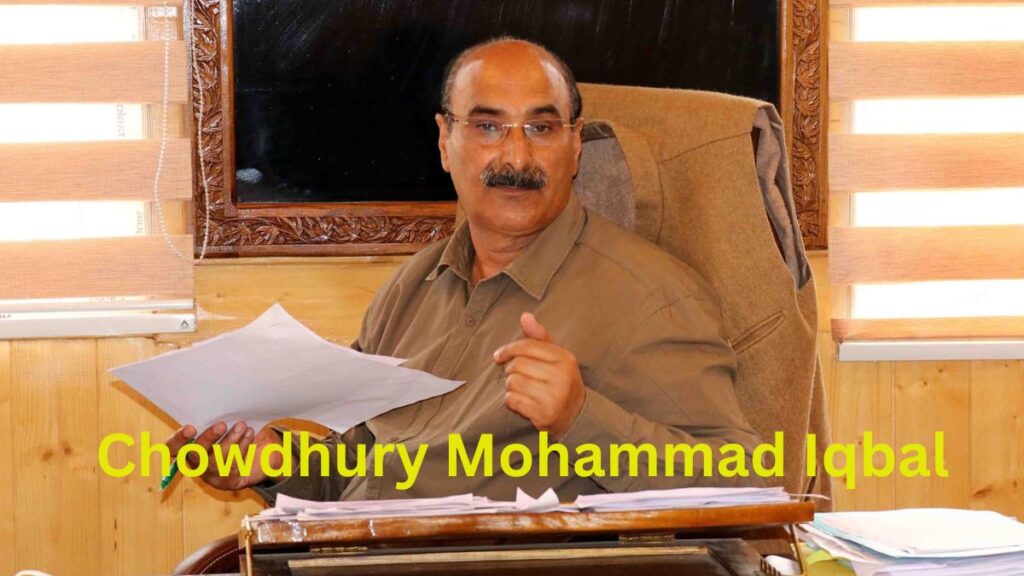
The Director Agriculture Kashmir, Chowdhury Mohammad Iqbal today inaugurated a one day awareness cum training programme on ‘Promotion of Niche Crops in the UT of Jammu and Kashmir’ under holistic agriculture development program at Agriculture Complex Lalmandi, here.The programme was organised by an advanced research station for saffron and seed spices, SKUAST- Kashmir in collaboration with the Department of Agriculture and Farmer welfare Kashmir.
1.Chowdhury Mohammad Iqbal Director Agriculture Kashmir
2. What is Agriculture
3.Director Agriculture Kashmir Chowdhury Mohammad Iqbal
To Know More About Agriculture Please click HERE In his inaugural address, Director Agriculture Chowdhury Mohammad Iqbal highlighted the importance of promotion of niche crops like saffron, kala zeera and mushkbudjii.Chowdhury Mohammad Iqbal said that under HADP special attention has been given in this direction and many interventions are on for the promotion and development of niche crops like saffron.
Chowdhury Mohammad Iqbal said that our niche crops had a vast potential in terms of economic growth and sustainability. Chowdhury Mohammad Iqbal impressed upon the participants to organise more such programs in coming times so that more and more young educated farmers could be made aware of the economic potential of niche crops. The programme was attended by senior scientist Research station seed and spices Dusso Pampore Dr. Bashir Ahmad Allaie, Nodal Officer ZBNF Sheikh Imran and other stakeholders
1.Agriculture is the practice of cultivating soil, producing crops, and raising livestock for human use and consumption. It involves a variety of activities, including planting and harvesting crops, breeding and raising animals, and managing the land for optimal productivity. Agriculture is a fundamental human activity that has evolved over thousands of years, playing a crucial role in providing food, fiber, and other raw materials for human societies.
Key components of agriculture include:
Crop Cultivation: Growing plants for food, fiber, or other purposes. Major crops include grains (such as wheat, rice, and corn), fruits, vegetables, and industrial crops like cotton.
Livestock Farming: Raising animals for various products, including meat, milk, eggs, and wool. Common livestock includes cattle, sheep, goats, pigs, and poultry.
Agronomy: The science and practice of soil management and crop production. This involves optimizing soil health, choosing appropriate crops, and implementing cultivation techniques for maximum yield.
Horticulture: The cultivation of fruits, vegetables, and ornamental plants. Horticulture includes practices such as gardening, orcharding, and floriculture.
Agribusiness: The business of agricultural production, encompassing everything from farming and food processing to distribution and retail.
Sustainable Agriculture: A farming approach that aims to balance the needs of the present without compromising the ability of future generations to meet their own needs. It focuses on environmental stewardship, economic viability, and social responsibility.
Precision Agriculture: The use of technology, such as GPS, sensors, and data analytics, to optimize various aspects of farming, including resource utilization, crop management, and decision-making.
Agriculture has undergone significant changes over time, with advancements in technology, mechanization, and biotechnology playing a crucial role in increasing productivity. The development of agriculture has been a key factor in the growth of human civilizations, allowing communities to settle and thrive by producing a consistent and reliable food supply.
2.Kashmir, a region in the northern part of the Indian subcontinent, is known for its breathtaking landscapes and diverse climate. Agriculture in Kashmir has been a significant part of the region’s economy and culture for centuries. The unique geography and climate of Kashmir influence the types of crops grown and the agricultural practices followed.
Key features of agriculture in Kashmir include:
Climatic Conditions: Kashmir experiences four distinct seasons—spring, summer, autumn, and winter. The region’s climate varies from temperate to sub-arctic, with heavy snowfall in winter. The diverse climate allows for the cultivation of a variety of crops.
Major Crops: Rice is a staple crop in Kashmir, and paddy fields are a common sight. Other important crops include wheat, barley, maize, and fruits such as apples, cherries, apricots, and almonds. Saffron, one of the most expensive spices globally, is also grown in certain areas of Kashmir.
Horticulture: The region is renowned for its horticultural activities. Fruit orchards are widespread, and Kashmir apples are particularly famous. The Jammu and Kashmir region is one of the leading producers of apples in India.
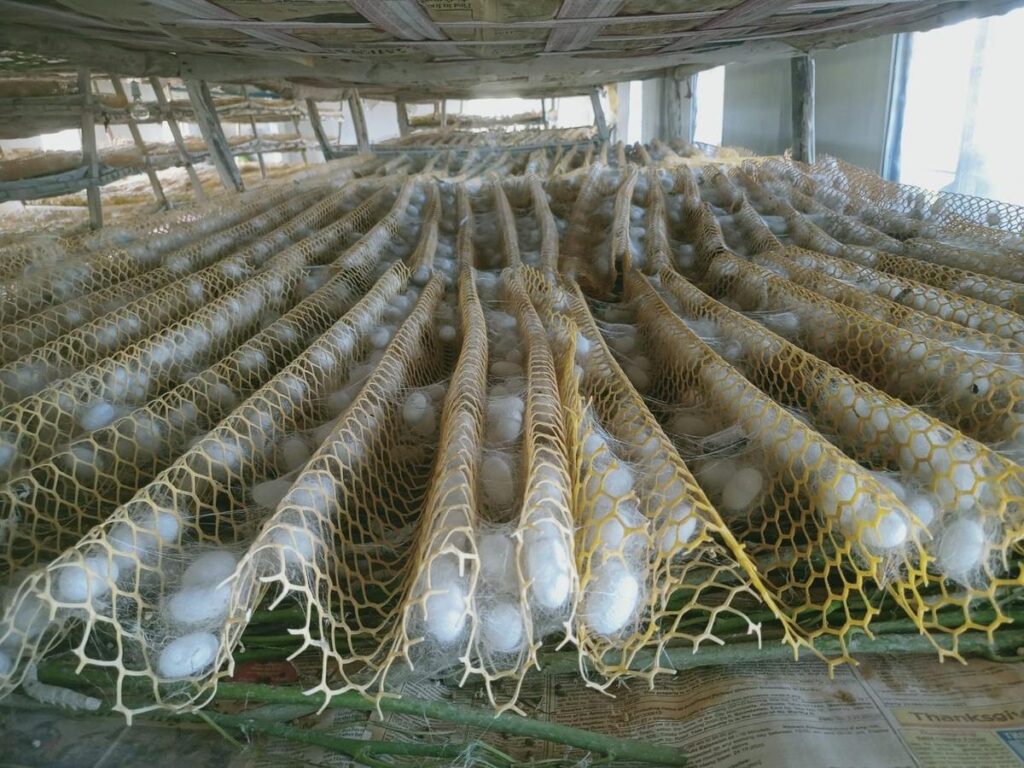
Sericulture: Sericulture, or silk farming, is practiced in some areas of Kashmir. Mulberry cultivation and silkworm rearing contribute to the production of silk.
Vegetable Cultivation: Vegetables such as potatoes, carrots, turnips, and greens are grown in the region. The fertile soils and suitable climate provide favorable conditions for vegetable farming.
Irrigation: Traditional irrigation methods, including the use of canals and water channels, have been historically employed. Additionally, modern irrigation practices are increasingly being adopted to enhance crop yields.
Challenges: Like many agricultural regions, Kashmir faces challenges such as changing weather patterns, land fragmentation, and the need for modernization. Political factors and periodic unrest in the region can also impact agricultural activities.
Tourism and Agriculture: The picturesque landscapes of Kashmir, coupled with its agricultural activities, contribute to the region’s appeal for tourism. The integration of agriculture and tourism has led to the development of agro-tourism in some areas.
Overall, agriculture in Kashmir is diverse and plays a vital role in the livelihoods of the people. The region’s agricultural practices have evolved over time, blending traditional methods with modern techniques to address the challenges and opportunities presented by its unique climate and geography.
3.The Director of Agriculture Chowdhury Mohammad Iqbal provides guidance and leadership to the department’s staff and officers. They also coordinate work between different sections within the department and act as a liaison officer with other departments and the Secretariat Administration.
Here are some recent activities of the Director of Agriculture for Kashmir:
June 27, 2023: Attended a training-cum-workshop on the implementation of the Pradhan Mantri Fasal Bima Yojna (PMFBY)
May 9, 2022: Visited areas of Parishad Budgam that were affected by hailstorms
September 12, 2023: Inaugurated a two-day district-level seminar on beekeeping in Srinagar
August 19, 2023: Visited the seed multiplication farm (SMF) Tapper Kreeri to assess various agricultural activities
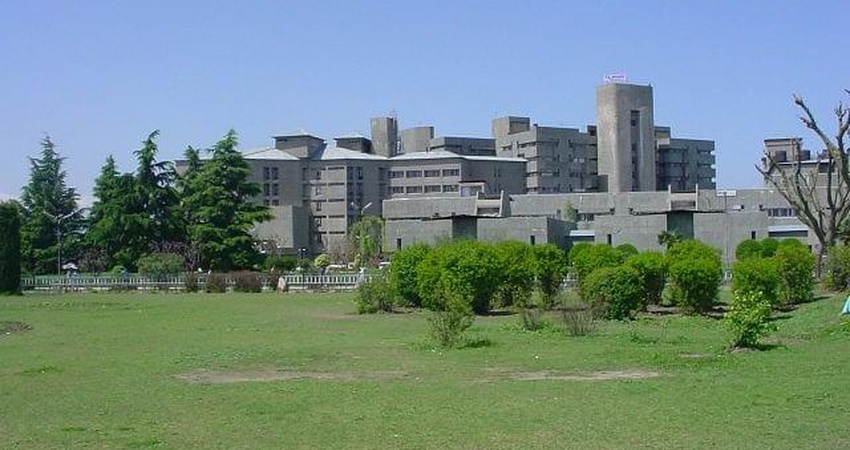
In a significant stride towards advancing patient care, the Department of Urology & Kidney Transplant at SKIMS (Sher-i-Kashmir Institute of Medical Sciences) achieved a groundbreaking milestone by successfully conducting a Swap Kidney Transplant, marking the first such procedure in the Union Territory of Jammu and Kashmir.
Director of SKIMS/EOSG commended Prof. Saleem Wani, Head of the Department of Urology & Kidney Transplant Unit, and associated departments for this notable achievement. Emphasizing that patient care is a top priority at SKIMS, the swap transplant performed by the Urology & Kidney Transplant Department is recognized as a major breakthrough in kidney transplantation, underscoring the institution’s commitment to pioneering advances in patient care.
Prof. Saleem Wani, HOD of Urology & KTU, provided details about the landmark surgery. The procedure involved a 59-year-old patient from South Kashmir with diabetes and end-stage renal disease (ESRD) on dialysis since November 2022. His wife, the only available kidney donor, faced a positive CDC cross-match, hindering the transplant. Simultaneously, a 33-year-old patient from Bandipora with CKD stage 5 had his mother as the only kidney donor, but their blood groups did not match. Through a successful swap (donor exchange), both patients received blood group-matched and immunologically compatible kidney donations.
Prof. Wani highlighted the importance of Swap Transplant as a solution to organ shortage, a significant obstacle in kidney transplantation. He emphasized that SKIMS, with its capabilities, successfully conducted the surgery, offering hope to helpless patients. SKIMS, a major contributor to the country’s organ transplant program, has performed over 550 kidney transplants, addressing the critical need for organ availability.
To overcome organ shortage, Prof. Wani underscored the significance of Cadaver Transplant, Swap Transplant, and ABO incompatible Transplant. The Department of Urology & KTU is actively working on awareness programs in collaboration with SOTTO (State Organ & Tissue Transplant Organization) and is exploring the initiation of ABO incompatible kidney transplants in the near future.
Prof. Wani acknowledged the constant support and close coordination of the Department of Nephrology, Department of Anaesthesia, and the Department of Immunology. He expressed gratitude to the entire team, including Prof. Arif, Hamid, Dr. Rouf Khawaja, Dr. Sajad Malik, Dr. Sajad Para, Dr. Saqib (Urology), Prof. Ashraf Bhat, Prof. Imtiyaz Wani, Prof. Muzaffar Wani, Dr. Manzoor, Dr. Rais (Nephrology), Prof. Showkat Gurcoo, Dr. Khalid (Anesthesiology), and Prof. Zaffar Amin Shah (Immunology). Special appreciation was given to Kidney Transplant Coordinators Ms. Yasmin and Ms. Ishrat for their efforts in counseling the families.
Ajaz Ahmad Bhat (IAS), the Director of the Sericulture Development Department in Jammu and Kashmir, recently conducted an extensive field visit to Anantnag District. The purpose of his visit was to evaluate the progress of ongoing development projects and assess the overall performance of the department in the district.
During the visit, Director Ajaz Ahmad Bhat inspected various Mulberry Farms, Blocks, Nurseries, and Seed Stations in Achabal. Additionally, he visited the newly constructed office building of the District Sericulture Office at Sarnal, Anantnag. The main focus of the visit was to closely monitor the ongoing developmental works and ensure the efficient functioning of the department.
Director Ajaz Ahmad Bhat urged the officers of the Sericulture Development Department to work collaboratively to achieve developmental targets and ensure that expenditures are booked by or before March 25, 2024. He specifically directed the District Sericulture Officers to promptly inspect the progress of developmental projects being executed by engineering wings in Jammu and Kashmir.
Expressing his satisfaction with the financial support from the government, Director Ajaz Ahmad Bhat highlighted that adequate funds are being provided to complete all projects and integrate the department into the Holistic Agriculture Development Programme (HADP).
During the visit, Director Bhat engaged in a detailed interaction with departmental employees, urging them to work on a mission mode to conduct extensive mulberry plantation. He emphasized the importance of supplementing leaf reserves and providing technical guidance to Cocoon Growers to enhance cocoon production and income generation. The Director assured that Cocoon Auction Markets would be conducted on time, with preparations underway.
While visiting Seed Station Achabal, Director Bhat emphasized the crucial role of the Seed Sector in Sericulture and stressed the need to increase seed production capacity for departmental self-sufficiency. He informed that infrastructure upgrades, particularly at the Seed Station Achabal, are in progress to modernize and enhance seed-related facilities.
Director Ajaz Ahmad Bhat underscored the importance of capacity building for Silkworm Rearers and the sharing of technical guidance by field functionaries. He highlighted the need for rearers to stay informed about the latest sericulture practices and techniques to prevent diseases and boost cocoon production, ultimately augmenting the income of rearers.
Speaking at the event, Director Ajaz Ahmad Bhat assured that Departmental DPCs would be conducted in due course after evaluating employee performance. He emphasized that the promotion prospects of deserving employees would be safeguarded, and stagnation would not be allowed to hinder the future of Sericulture Department employees under his leadership.
Director Ajaz Ahmad Bhat expressed his vision for the department, stating that efforts would be made to establish more reeling and weaving units across Jammu and Kashmir. This initiative aims to encourage local consumption of the region’s produced cocoon, with a call for more people, especially the youth, to participate and benefit from available departmental schemes. He emphasized the potential of sericulture as a cash crop for income generation, citing its short rearing period and minimal space requirements compared to other crops in the region.
In response to the money-doubling scam that has victimized several individuals, Divisional Commissioner Kashmir, Vijay Kumar Bidhuri, asserted on Wednesday that those who deceived people for financial gain will not escape punishment.
1.Divisional Commissioner’s Warning
2.Law Enforcement Action
3.Assurance of Justice
Addressing reporters in Srinagar, Bidhuri, according to KNS, highlighted that the police and other security agencies have taken serious note of the money-doubling issue, and a thorough investigation is currently underway.
He emphasized that individuals involved in fraudulent activities will be held accountable and will not evade punishment. Bidhuri expressed astonishment at how people fell prey to the scammers’ tactics, noting the increasing prevalence of online fraud in today’s digital age.
Acknowledging the evolving nature of frauds and scams, he remarked, “Today, we are all aware that online frauds and scams have gained momentum. Unlike the past, where people physically visited offices, the risk of deception is higher in the online realm. Therefore, individuals should exercise caution and verify details before engaging in any financial transactions.”
Bidhuri assured the public that those who have been scammed will see justice, and the legal process will unfold as necessary. He affirmed, “Regardless of who the perpetrators are, they will not escape punishment, and the law will follow its due course.
Divisional Commissioner’s Warning: Divisional Commissioner Kashmir, Vijay Kumar Bidhuri, issues a stern warning to scammers involved in the money-doubling scam.
Law Enforcement Action: Police and security agencies are actively investigating the money-doubling issue, indicating a crackdown on those responsible for defrauding individuals.
Accountability Emphasized: Bidhuri asserts that those who committed fraud will not go unpunished, emphasizing a commitment to holding individuals accountable for their actions.
Surprise at Victim Count: Expressing surprise at the number of people falling victim to the scam, Bidhuri highlights the increased vulnerability in the digital age, urging caution and verification of details before engaging in financial dealings.
Evolution of Fraud: Acknowledging the changing landscape of fraud, the Divisional Commissioner notes the shift from physical office visits to online transactions, emphasizing the need for heightened vigilance
Assurance of Justice: Regardless of the nature of the scam, Bidhuri assures the public that justice will be served, with the legal process taking its course to bring the perpetrators to account.
On Monday evening, a tragic incident unfolded in North Kashmir’s Bandipora district as a dedicated Special Police Officer lost his life due to a sudden heart attack. According to information obtained by Rising Kashmir, SPO Mehraj uddin Lone from Chittibanday Bandipora experienced a severe heart attack. Swift action was taken, and he was promptly transported to DH Bandipora. Despite the immediate medical response, doctors at the hospital declared him deceased upon arrival. The late Mehraj uddin Lone was serving at the Police station Hajin, adding a somber note to the loss of a valuable member of the law enforcement community.
SPOs, short for Special Police Officers, emerged as part of the extra-constitutional structures devised by the state’s policymakers during the gubernatorial regime of 1995. These individuals, often youth, are enlisted at the district level by SSPs (Senior Superintendents of Police) without a formal hire and fire policy in place. Despite being poorly equipped and donning khaki uniforms, they can be found performing a variety of roles, ranging from overseeing traffic on congested roads to playing a supportive role alongside soldiers in encounters. While they bear a visible resemblance to regular police officers, they lack the provision of leave.
1.The origin and purpose of SPOs were recently elucidated by the home ministry in response to a question posed in the state assembly. According to the ministry, the fundamental concept behind SPOs is to provide auxiliary assistance to law enforcement agencies in their efforts against terrorism. Additionally, the engagement of local youth as SPOs aims to involve the community in its own protection and to support the Jammu and Kashmir Police and security forces in combating the menace of militancy. This multifaceted role positions SPOs as integral components in the broader strategy to address security challenges in the region.
2.The Jammu and Kashmir Police (J&K Police) is the law enforcement agency responsible for maintaining law and order in the union territory of Jammu and Kashmir. The police force plays a crucial role in ensuring the safety and security of the region’s residents, as well as addressing various law enforcement challenges.
Key Features of the J&K Police:
History: The J&K Police has a rich history dating back to the princely state era. Over the years, it has evolved to meet the changing security dynamics in the region.
Jurisdiction: The J&K Police operates across the entire union territory, which includes the regions of Jammu, Kashmir, and Ladakh. It has the responsibility of maintaining law and order in both urban and rural areas.
Roles and Responsibilities:
Law Enforcement: J&K Police is primarily responsible for enforcing the law, preventing and investigating crimes, and ensuring public safety.
Counterterrorism: Given the security challenges in the region, the police force actively participates in counterterrorism operations to combat insurgency and militancy.
Traffic Management: J&K Police manages traffic in urban areas, ensuring smooth flow and enforcing traffic rules and regulations.
Specialized Units: The police force includes various specialized units to address specific challenges:
Anti-Terrorism Squad (ATS): Engaged in counterterrorism operations.
Criminal Investigation Department (CID): Responsible for investigating complex criminal cases.
Special Operations Group (SOG): Specialized in counterinsurgency operations.
Challenges: The region has faced ongoing security challenges, including militancy, insurgency, and cross-border tensions. J&K Police works in collaboration with the central armed forces to address these challenges.
Community Engagement: To foster community involvement in maintaining law and order, the J&K Police often engages in community policing initiatives. This involves building trust and cooperation between the police and the local population.
Modernization Efforts: The police force undergoes modernization efforts to enhance its capabilities. This includes the adoption of advanced technology for crime detection, communication, and surveillance.
Personnel: The J&K Police is staffed by trained personnel, including officers and constables. The force is committed to upholding the principles of justice, fairness, and professionalism.
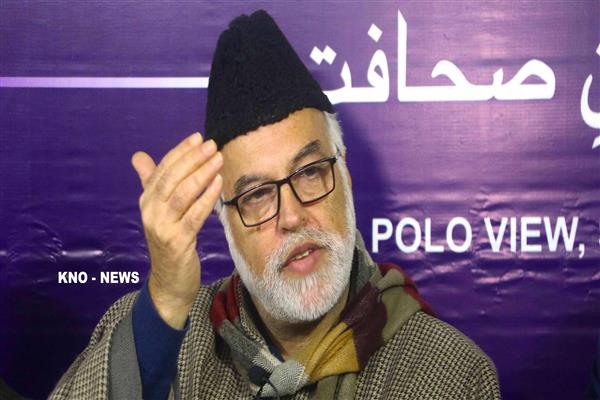
Hurriyat Conference (M) chairman Mirwaiz Molvi Umar Farooq on Monday said that though the decision of the Supreme Court on Article 370 abrogation is sad, but it was not unexpected in the present circumstances.
Talking to KNS, Mirwaiz said that those people who at the time of the partition of the subcontinent, facilitated the accession of J&K and reposed their faith in the promises and assurances given to them by the Indian leadership must feel deeply betrayed. He said that for the rest of the state as it existed in August 1947 remains divided on the ceasefire line, and hence continues to be a bleeding humanitarian and political issue, begging redressal. (KNS)
An Introduction
Mirwaiz Umar Farooq is a prominent political and religious figure hailing from the Kashmir Valley, a region characterized by its complex socio-political landscape. Born on March 23, 1973, Mirwaiz Umar Farooq inherited his position as the Mirwaiz, or spiritual leader, from his father, Mirwaiz Muhammad Farooq, who was assassinated in 1990. The Farooq family has long been associated with the leadership of the religious and socio-political movement in Kashmir.
Mirwaiz Umar Farooq is recognized for his significant role in advocating for the rights and aspirations of the people of Kashmir. He has been a vocal proponent of a peaceful resolution to the Kashmir conflict and has engaged in various diplomatic and political initiatives to address the longstanding issues in the region. As the Mirwaiz, he holds a crucial position in the religious and cultural life of Kashmiri society, and his influence extends beyond religious matters to encompass broader political and social issues.
Throughout his career, Mirwaiz Umar Farooq has faced numerous challenges, navigating the delicate balance between his religious leadership and his role in the political arena. His efforts have been instrumental in shaping the discourse surrounding the Kashmir conflict, both within the region and on the international stage. As a figure with influence over a significant portion of the Kashmiri population, Mirwaiz Umar Farooq continues to play a crucial role in the ongoing efforts to find a peaceful and just resolution to the complex issues facing the people of Kashmir.
Mirwaiz Umar Farooq is a prominent political figure known for his involvement in the complex and sensitive political landscape of Kashmir. As the Mirwaiz, or spiritual leader, he has played a dual role, seamlessly integrating his religious authority with political activism. His political stance has primarily revolved around advocating for the rights and self-determination of the people of Kashmir.
Mirwaiz Umar Farooq has consistently called for a peaceful resolution to the Kashmir conflict, emphasizing dialogue and diplomacy as the means to address the grievances of the Kashmiri people. He has been an advocate for a just and comprehensive solution that takes into account the aspirations of the region’s residents. Throughout his political career, he has engaged in various initiatives aimed at fostering dialogue between conflicting parties and seeking international attention for the Kashmir issue.
In addition to his commitment to a peaceful resolution, Mirwaiz Umar Farooq has also highlighted human rights violations in the region, drawing attention to issues such as civilian casualties, curfews, and the impact of militarization on the daily lives of Kashmiris. His political discourse has often focused on the need for the international community to intervene and facilitate a fair and impartial resolution to the conflict.
Mirwaiz Umar Farooq’s political journey has not been without challenges. He has faced periods of house arrest and restrictions on his movement, yet he continues to be a key player in the Kashmiri political landscape. His ability to navigate the complexities of both religious and political spheres has allowed him to maintain credibility and influence among the people of Kashmir.
As a leader with a deep understanding of the historical and geopolitical context of the Kashmir conflict, Mirwaiz Umar Farooq remains an influential figure in the ongoing efforts to find a lasting and peaceful solution to one of the most protracted conflicts in the world. His political contributions continue to shape the discourse surrounding Kashmir, both at the local and international levels.
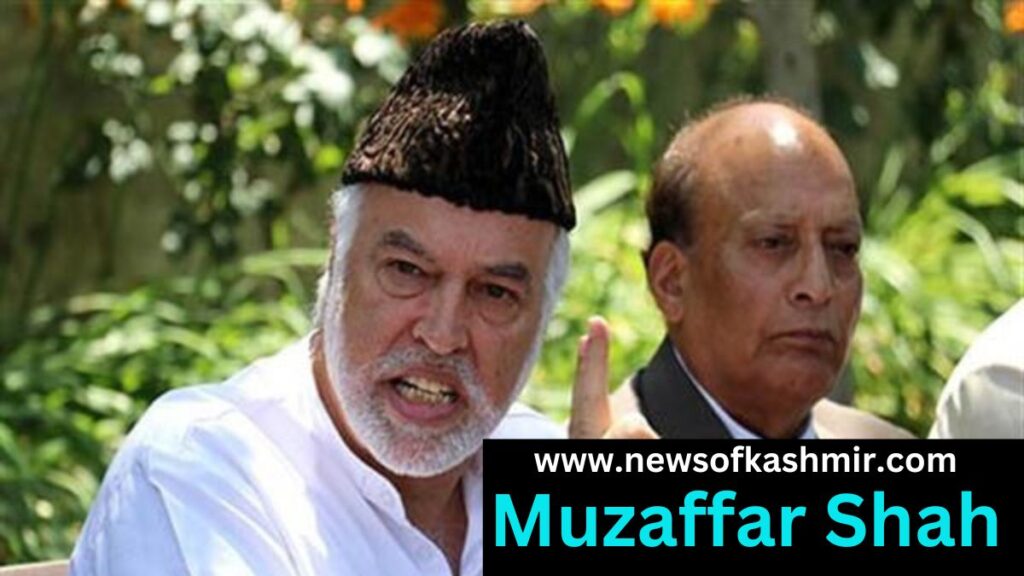
As the Supreme Court prepares to announce its verdict on Monday regarding a series of petitions challenging the abrogation of Article 370 provisions in Jammu and Kashmir, Muzaffar Shah, the senior leader and vice president of Awami National Conference, underscored on Sunday that the upcoming proceedings not only entail a verdict but also represent a significant litmus test for the apex court.
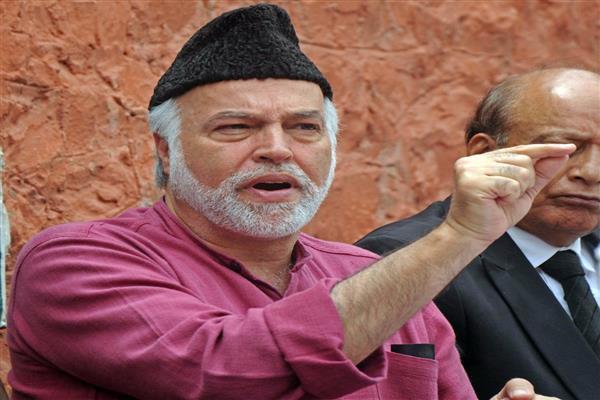
Muzaffar Shah
In an exclusive interview with a national news channel, Shah shared his perspectives in anticipation of the constitution bench, led by Chief Justice of India (CJI) D Y Chandrachud, delivering its judgment on Monday, December 11, regarding the challenge to the abrogation of Article 370.
He stressed that the gravity of the situation extends beyond a mere decision; it constitutes a pivotal examination of the Supreme Court’s mettle. Shah highlighted that the government altered the status of Jammu and Kashmir by abrogating Article 370 on August 5, 2019.
“The court must determine tomorrow whether the government’s action was justified or not, taking into account the absence of adequate information and consent from the people. The spotlight will be on the apex court and its bench as they face a momentous trial,” he remarked.
“It boils down to whether the government’s actions on August 5 were in line with constitutional principles or not. We have faith that the esteemed apex court will uphold its constitutional values and deliver a verdict that aligns with the interests of the people of Jammu and Kashmir,” he affirmed (KNS).
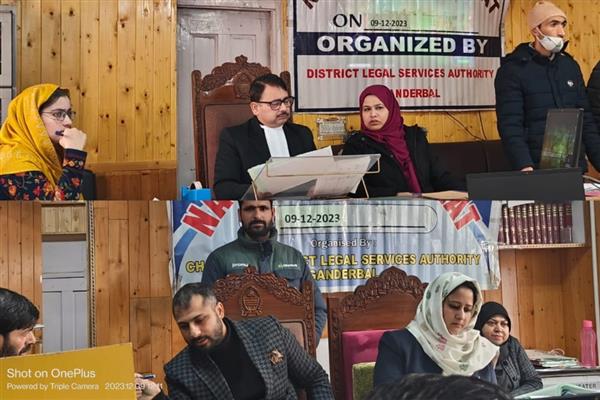
In accordance with the National Legal Service Authority calendar and pursuant to the directives of the Jammu and Kashmir Legal Services Authority, the 4th National Lok Adalat took place on Saturday across all Kashmir districts. District Legal Services Authorities (DLSAs) organized the event for the amicable settlement of diverse cases, aligning with the unique initiative by the Government of India to promote alternative dispute resolution and alleviate the burden on the regular court system.
Under the guidance of Hon’ble Justice N. Kotiswar Singh, Chief Justice of the High Court of J&K and Ladakh (Patron-in-Chief) J&K Legal Services Authority, and Hon’ble Justice Tashi Rabstan, Executive Chairman J&K Legal Services Authority, the National Lok Adalat aimed to address cases spanning Civil, Criminal Compoundable, Cheque bounce, Traffic Challans, Bank matters, MACT, Land Compensation, Matrimonial, Electricity, and Pre-litigation matters.
In Baramulla, Justice Sanjeev Kumar, Judge, Hon’ble High Court of Jammu and Kashmir and Ladakh, inaugurated the event, emphasizing the significance of Lok Adalat in resolving disputes outside conventional court systems. He urged the Legal Services fraternity to expedite resolutions for long-pending cases within Lok Adalats.
Justice Sanjeev Kumar handed over cheques worth Rs. 31 lakhs to victims, highlighting the event’s commitment to rehabilitation. A total of 9 benches were constituted, resulting in the amicable settlement of 500 out of 800 cases.
In Srinagar, Jawad Ahmed, Chairman District Legal Services Authority, inaugurated the National Lok Adalat at District Court Complex Srinagar. The event saw the settlement of 52,774 out of 58,811 matters, realizing Rs.18,42,60,478 as the settlement amount.
Similar successful outcomes were witnessed in Budgam, Ganderbal, Anantnag, Pulwama, Kulgam, Shopian, and Bandipora, where the National Lok Adalat effectively resolved numerous cases, emphasizing the substantial impact of the initiative in providing timely and effective resolutions. The concerted efforts of the legal fraternity, along with active participation from litigants, resulted in the amicable settlement of cases and the realization of settlement amounts across various districts.