The Court of City Judge/JMIC Srinagar has directed Bemina Police Station to register a First Information Report (FIR) against a senior Journalist, and three associates (names withheld) for alleged involvement in a violent home invasion, theft, and issuing of life threats.
The court order, issued by City Judge Abdul Bari on September 25, came after a complaint from lady resident of Gousia Colony Srinagar, who accused the journalist and his 3 associates of forcibly entering her home, looting valuables, and intimidating her family.
According to the petition, the incident dates back to January 9 this year when the lady, who works outside the home, returned to find her house ransacked. She alleged that the accused had broken the locks and taken away jewelry, cash, certificates, and household items. In her statement, she described her house as having been reduced to a “concrete block” after the raid.
The complainant further alleged that she and her family have faced repeated harassment and assaults from the group, who claim a property deal with her husband, though she maintains she was not a party to any such agreement. She also submitted video evidence to the court to substantiate her claims.
In the petition the lady had said that she was forced to seek judicial recourse after no case was registered against the accused. Taking cognizance of the complaint, Judge Abdul Bari observed that the allegations amounted to cognizable offenses under Section 175(3) of the Bharatiya Nagarik Suraksha Sanhita (BNSS). He subsequently ordered the police to file an FIR and submit a compliance report within 30 days. [KNT]
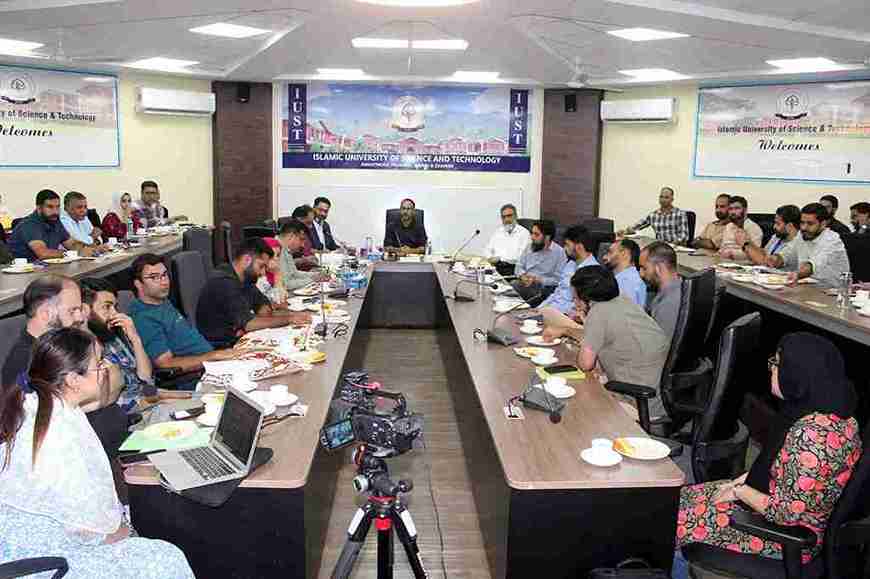
The Islamic University of Science and Technology (IUST) concluded a two-day Training and Capacity Building Workshop on “Earthquake Risk Mitigation and Management”, held on September 24–25. The workshop was organised by the Centre for Disaster Risk Reduction (CDRR) in collaboration with the Departments of Civil Engineering and Architecture, IUST, and the Department of Disaster Management, Relief, Rehabilitation & Reconstruction (DMRRR), Govt. of J&K.
The event brought together academics, government officials, engineers, and students to address the pressing challenges of earthquake risks in the multi-hazard prone Himalayan region of Jammu & Kashmir. Attendees from District Disaster Management Authorities (DDMAs), Public Works (R&B) Department, Srinagar Municipal Corporation (SMC), Srinagar Development Authority (SDA), other government departments, and academic institutions were felicitated with certificates.
Experts including Prof. Harsh K. Gupta (President, Geological Society of India), Prof. Shakil Ahmad Romshoo (Vice Chancellor, IUST), Dr. Saurabh Shiradhonkar (IIT Roorkee), Dr. Rakesh Chandra (University of Kashmir), Mr. Arjimand Hussain (International Development Practitioner), Dr. Shujaat Hussain Buch (IUST), Dr. Midhat Fayaz (University of Kashmir), and Er. Muttahir Hussain shared practical insights, highlighting critical issues and the need for effective earthquake risk reduction and management.
Over the two days, the workshop featured thematic sessions on developing an earthquake-resilient society, traditional architecture of Kashmir, and earthquake safety; a panel discussion on the seismic vulnerability of the Kashmir Valley; sessions on micro-seismic zonation, rapid visual screening (RVS) of buildings for seismic hazard, seismic assessment of structures for risk reduction; along with several group brainstorming exercises.
The inaugural session featured Chief Guest Prof. Harsh K. Gupta, who spoke on the region’s seismic vulnerability; Vice Chancellor Prof. Shakil Ahmad Romshoo, who stressed the importance of earthquake risk mitigation; and Guest of Honour Prof. Muzaffar Ahmad (Former Member, National Disaster Management Authority), who emphasized stronger DRR policies, early warning systems, and building code enforcement. The valedictory session was presided over by Dean of Research, Dr. Aabid Hussain Shalla, while Er. Mir Aijaz Ahmad, Head, Department of Civil Engineering, presented a detailed summary of the workshop’s proceedings.
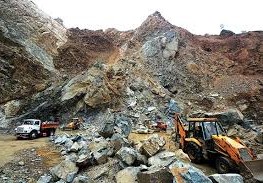
The Jammu and Kashmir Government has constituted a high-level committee to examine and finalize modalities for reviving customary stone quarrying activities at Panthachowk, Saderkoot, Bala Bandipora, and other locations.
As per an order issued by the General Administration Department (GAD) a copy of which lies with news agency JKNS, the committee is headed by the Special Secretary, Mining Department, and includes representatives from the Forest, Revenue, Jal Shakti, Rural Development, Geology & Mining Departments, the University of Kashmir, and the J&K Pollution Control Committee.
The panel has been tasked with reviewing the legal framework, assessing environmental impacts, exploring administrative mechanisms, and suggesting sustainable and community-sensitive approaches for quarrying operations.
It has been directed to submit a detailed report with recommendations within 30 days to facilitate informed decision-making on the revival of stone quarrying in the Union Territory.
The Islamic University of Science and Technology (IUST) in Awantipora, Jammu and Kashmir, has celebrated a significant milestone with six of its scientists being featured in the 2025 edition of Stanford University’s prestigious “Top 2% Global Scientists” list. This ranking, compiled by Stanford in collaboration with Elsevier, identifies the world’s most influential researchers based on citation impact and bibliometric indicators across 22 scientific fields and 174 sub-fields, representing roughly the top 100,000 scientists globally.
Leading the recognition is Prof. Shakil A. Romshoo, Vice Chancellor of IUST and an expert in hydrology, glaciology, and climate sciences. This marks his sixth consecutive year on the list. Prof. Romshoo is an elected fellow of the Indian Academy of Sciences, the Indian Society of Remote Sensing, and the Indian Society of Geomatics, underscoring his sustained contributions to environmental and earth sciences.
The other honored faculty members are:
Prof. Shakeel Ahmad from the Centre for Disaster Risk Reduction
Dr. Basharat Nabi Dar from the Department of Food Technology
Dr. Manzoor Ahmad Rather from the Department of Chemistry
Dr. Muzaffar Ahmad Macha from the Watson and Crick Centre for Molecular Medicine
Dr. Shakeel Ahmad Khanday from the Department of Physics
This collective achievement highlights IUST’s evolving status as a research-intensive institution, with growing output in high-impact areas like disaster management, food science, chemistry, molecular medicine, and physics.
Insights from Prof. Romshoo
Congratulating the team, Prof. Romshoo emphasized the role of institutional efforts in building a robust research ecosystem. He noted that these inclusions reflect the university’s increasing scholarly impact and quality. Highlighting the importance of academic collaborations, Prof. Romshoo said that partnerships with leading institutions, including the IITs and other institutes of national importance, are instrumental in nurturing talent and expanding research horizons.
This news, reported across multiple outlets on September 21, 2025, serves as inspiration for emerging researchers in India, particularly in regions like Kashmir, where IUST continues to foster innovation amid challenging terrains.
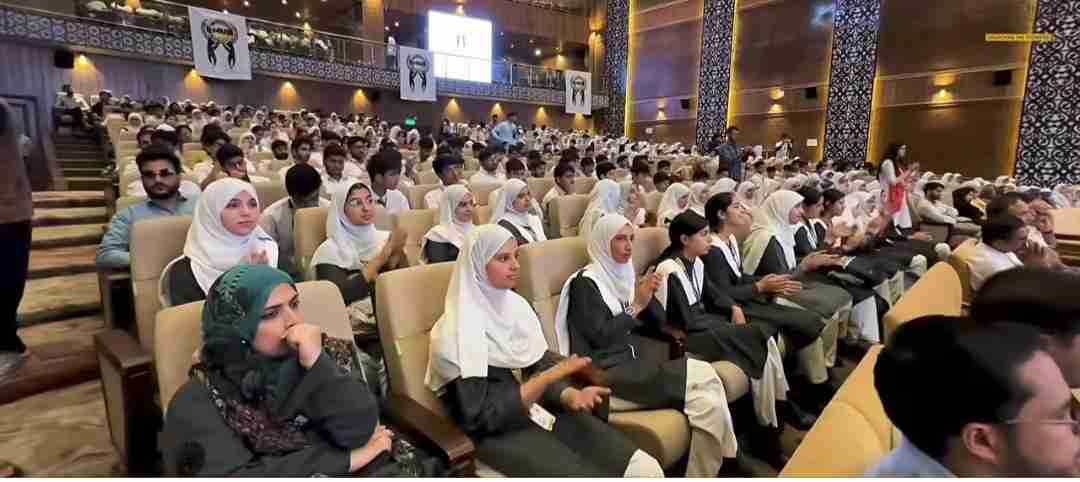
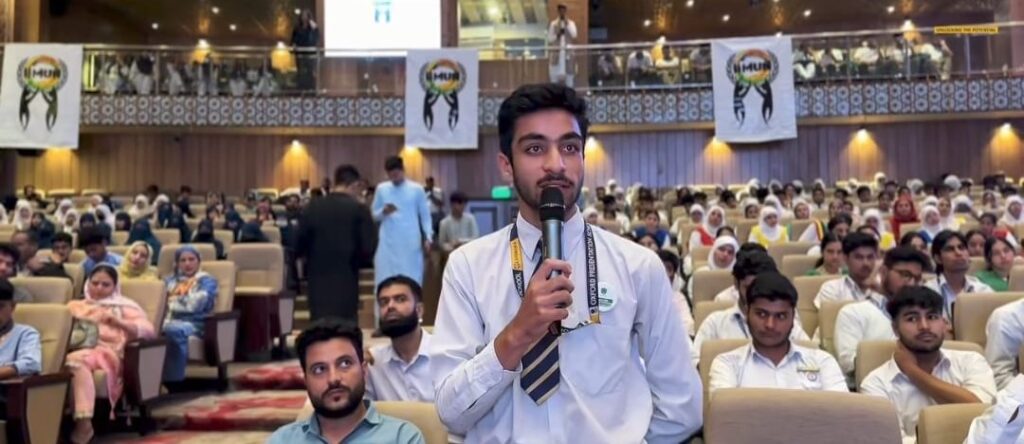
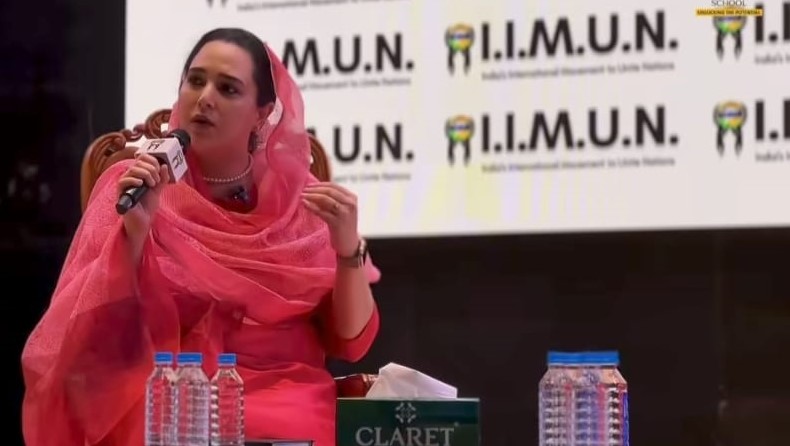
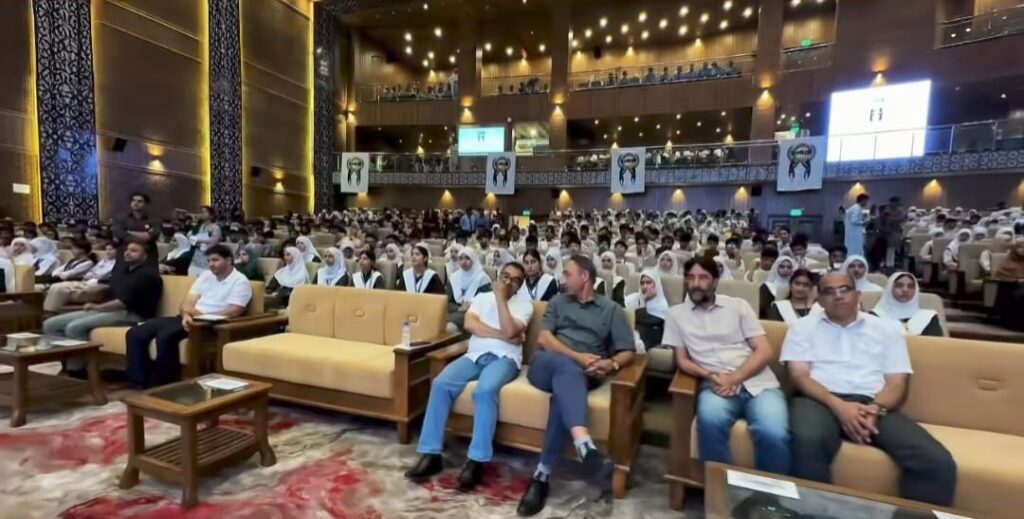
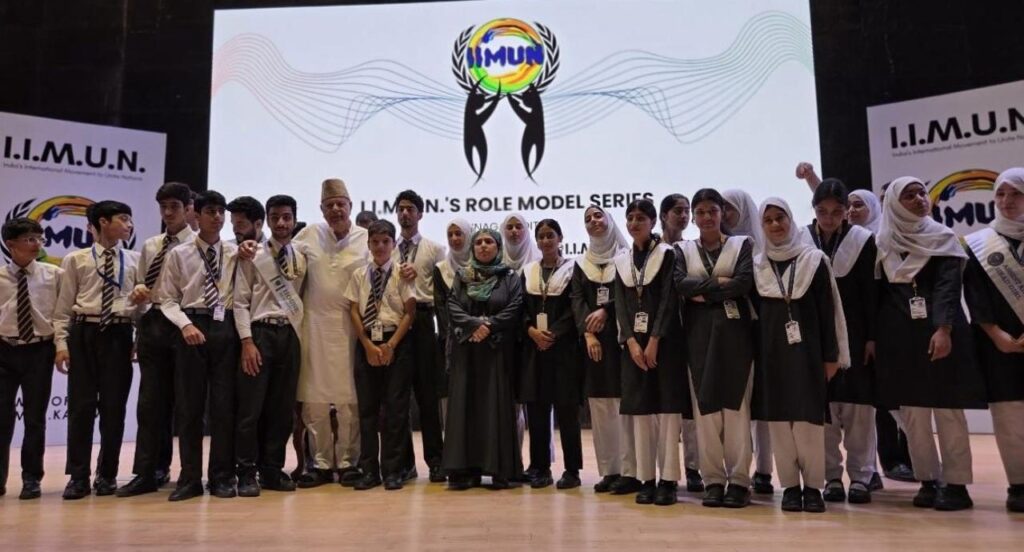
The India’s International Movement to Unite Nations (IIMUN), a prestigious platform for young minds to engage in diplomacy and global discourse, returned to Kashmir with a remarkable edition in 2025. First launched in the region in 2016, this year’s event in South Kashmir was hosted by Oxford Presentation School Anantnag (OPS) on September 20 and 21, 2025. The grand opening ceremony took place at SKUAST Shalimar, setting the stage for two days of intellectual rigor, collaboration, and leadership. With students from various schools participating in spirited debates, the event solidified OPS’s legacy as a hub of dialogue and diplomacy in South Kashmir.
Opening Ceremony and Participation
The event kicked off on September 18, 2025, with a vibrant opening ceremony at SKUAST Shalimar, attended by thousands of enthusiastic students. The presence of renowned actress Ridhi Dogra added a touch of inspiration, as she motivated the delegates to dream big and lead with confidence. Jammu and Kashmir Assembly Leader of Opposition Sunil Sharma also addressed the gathering, praising the youth’s passion and stating, “This experience reaffirms my belief in the transformative power of young minds.” The ceremony set an energetic tone for the two-day event.
Hosted by OPS, the conference welcomed delegates from several schools, including OPS itself, Ayesha Ali Kulgam, CATS, Euro Presentation, and many others. These young diplomats showcased their skills in tackling pressing global and regional issues, embodying the spirit of IIMUN, which engages over 150,000 schools across India in fostering leadership and critical thinking.
Committees and Discussions
The delegates were divided into seven committees, each focusing on a unique and relevant topic, encouraging rigorous debates and collaborative problem-solving. The committees were:
JKLA (Jammu and Kashmir Legislative Assembly): Focused on the restoration of statehood in Jammu and Kashmir, addressing regional governance and autonomy.
IPSS (International Press and Strategic Studies): Revisited the Shimla Agreement, analyzing its relevance to the Kashmir issue.
UNSC (United Nations Security Council): Discussed the Israel-Palestine conflict, exploring pathways to peace amid global attention.
UNHRC (United Nations Human Rights Council): Reviewed the global rise in internet shutdowns and their impact on human rights.
ICIJ (International Consortium of Investigative Journalists): Focused on the role of press and media in shaping global narratives.
Lok Sabha: Deliberated on ensuring peace in the Kashmir region, proposing actionable solutions.
IPL (Indian Premier League): Engaged in a creative simulation of the IPL Mega Auctions 2026, blending strategy and entertainment.
These committees provided a platform for students to engage in thought-provoking discussions, hone their public speaking skills, and collaborate on innovative solutions to complex issues.
Event Highlights
The two-day event was not only intellectually stimulating but also memorable for its warm hospitality. Lunch was served on both days, complemented by high tea, fostering a sense of camaraderie among participants. The debates were marked by passion and eloquence, with delegates presenting well-researched arguments and creative resolutions.
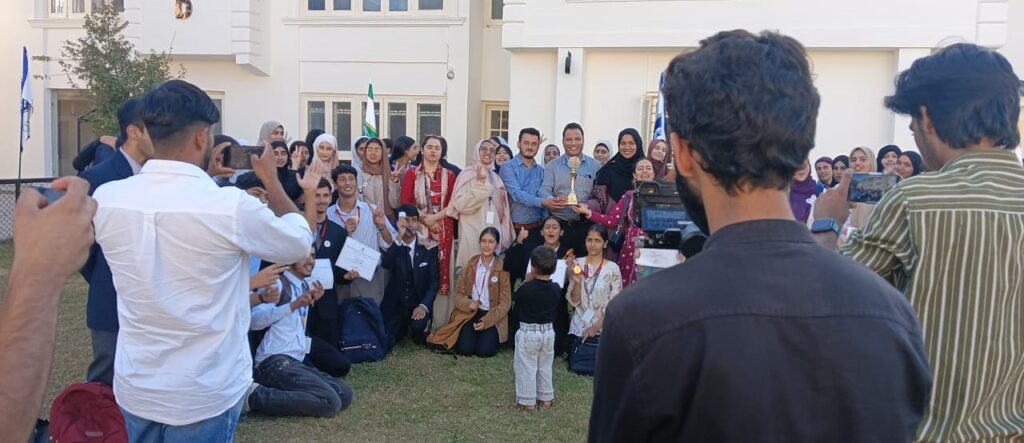
The closing ceremony was a highlight, graced by esteemed guests who recognized the outstanding performances of the delegates. Awards such as Best Delegate, Outstanding Delegate, and Honorable Mention were bestowed upon talented participants, celebrating their diplomatic prowess. Oxford Presentation School emerged as the overall winner of IIMUN 2025 for South Kashmir, a testament to its students’ exceptional preparation and leadership.
Impact and Legacy
IIMUN 2025 at OPS was more than just a conference; it was a transformative experience that empowered young students to think critically, articulate their views, and engage with global challenges. The event showcased South Kashmir’s potential as a hub for intellectual and diplomatic excellence, leaving a lasting legacy of dialogue and leadership.
By hosting this prestigious event, Oxford Presentation School demonstrated its commitment to nurturing the next generation of leaders. The success of IIMUN 2025 in South Kashmir underscores the importance of such platforms in fostering unity, understanding, and innovative solutions among youth.
Conclusion
The IIMUN 2025 event at Oxford Presentation School was a resounding success, uniting students from diverse backgrounds to debate, collaborate, and inspire. With its victory in the South Kashmir edition, OPS has set a high standard for future events, proving that young minds can drive meaningful change. As the delegates return to their schools, they carry with them not only awards but also the skills and confidence to shape a better future.
Nestled in the northernmost reaches of India, Jammu and Kashmir has long been hailed as a “Paradise on Earth,” a moniker bestowed by Mughal Emperor Jahangir in the 17th century. With its snow-capped Himalayan peaks, emerald valleys, serene lakes, and vibrant cultural tapestry, Kashmir remains a timeless destination for travelers seeking natural splendor and spiritual solace. Despite recent challenges, from political unrest to isolated incidents like the April 2025 Pahalgam attack, the Valley’s allure endures, drawing adventurers, nature lovers, and culture enthusiasts to its breathtaking landscapes and warm hospitality. As of September 2025, Kashmir is rebounding as a must-visit gem, blending adventure, heritage, and tranquility.
A Tapestry of Natural Wonders
Kashmir’s geography is a masterpiece of contrasts, from the serene Dal Lake to the rugged Zojila Pass. Srinagar, the summer capital, serves as the gateway, where shikara rides on Dal and Nigeen Lakes offer glimpses of floating gardens and vibrant houseboats. The Mughal Gardens—Shalimar, Nishat, and Chashme Shahi—showcase Persian-inspired symmetry, with terraced lawns and fountains framed by the Zabarwan Hills. A cable car ride to the Apharwat Peak in Gulmarg, India’s premier ski destination, reveals panoramic views of snow-draped slopes, even in summer, while its golf course, one of Asia’s highest, tempts enthusiasts.
Pahalgam, known as the “Valley of Shepherds,” enchants with its Lidder River, pine forests, and trails to Betaab Valley and Aru. Sonamarg, the “Meadow of Gold,” is a trekker’s paradise, offering routes to Thajiwas Glacier and high-altitude lakes like Vishansar and Krishansar. For thrill-seekers, Dudhpathri and Yusmarg—lesser-known meadows—provide offbeat camping and horseback riding amid untouched vistas. The Amarnath Yatra, a spiritual trek to a sacred cave at 3,888 meters, draws pilgrims annually, though it requires careful planning due to its July-August window and security measures.
Must-Visit Destinations
Highlights
Srinagar
Dal Lake shikara rides, Mughal Gardens, Shankaracharya Temple
Gulmarg
Skiing, gondola ride, golfing, alpine meadows
Pahalgam
Lidder River, Betaab Valley, horse riding, trekking
Sonamarg
Thajiwas Glacier, Great Lakes Trek, adventure sports
Dudhpathri & Yusmarg
Offbeat meadows, camping, pristine landscapes
Cultural Riches: A Blend of Traditions
Kashmir’s cultural mosaic is as captivating as its scenery. The Valley is a confluence of Hindu, Muslim, and Buddhist influences, reflected in its architecture, cuisine, and festivals. Hazratbal Shrine, a gleaming white mosque on Dal Lake, holds spiritual significance, while the ancient Martand Sun Temple in Anantnag showcases 8th-century Kashmiri architecture. Pashmina shawls, handwoven carpets, and papier-mâché crafts from Srinagar’s old city markets are treasures for shoppers, with artisans preserving centuries-old techniques.
Kashmiri cuisine is a sensory delight. Wazwan, a multi-course feast, features dishes like Rogan Josh (spiced lamb curry), Gushtaba (meatballs in yogurt), and Tabak Maaz (crispy lamb ribs), best savored at local dhabas or homestays. Vegetarian options like Dum Aloo and Haak Saag (Kashmiri greens) cater to diverse palates. Kahwa, a saffron-infused green tea with almonds, is a warm staple, especially in winter. Festivals like Navreh (Kashmiri New Year) and Eid bring communities together, with music, dance, and shared meals.
Adventure and Serenity: Something for Every Traveler
Kashmir caters to all. Adrenaline junkies can try white-water rafting on the Sindh River, paragliding in Aharbal, or skiing in Gulmarg, which hosted the 2024 Khelo India Winter Games. Nature lovers find solace in the Great Lakes Trek, a 7-9 day journey through alpine lakes, or birdwatching in Hokersar Wetland, a haven for migratory species like Siberian cranes. For relaxation, houseboat stays on Dal Lake offer tranquility, with sunrise views over the water and mountains.
Winter transforms Kashmir into a snowy wonderland, with Gulmarg’s slopes drawing skiers from December to March. Summer (April-June) is ideal for trekking and sightseeing, while autumn (September-November) paints the Valley in golden hues, perfect for photography. Monsoon treks require caution due to slippery trails, but the lush greenery is rewarding.
Navigating Challenges: Safety and Practical Tips
Recent events, including the April 2025 Pahalgam attack, raised safety concerns, but authorities have bolstered security with increased patrolling and tourist helplines (J&K Tourism: 1800-103-1060). The rotten meat scandal of August 2025, involving over 12,000 kg of unfit meat seized across the Valley, has dented culinary trust, but strict FSSAI regulations and certifications like “Eat Safe Kashmir” are restoring confidence. Travelers are advised to dine at reputable establishments and verify meat sources, especially for halal preferences.
Travel Tips:
Getting There: Srinagar International Airport connects to Delhi, Mumbai, and other cities. Trains to Jammu, followed by a 6-8 hour drive to Srinagar, are scenic. Buses and cabs ply from Jammu or Delhi.
Permits: Inner Line Permits are needed for areas like Nubra or Pangong near the LoC; apply via J&K Tourism or online.
Packing: Layered clothing for fluctuating weather, sturdy shoes for treks, and sunscreen for high-altitude UV exposure.
Connectivity: Prepaid SIMs work sporadically; opt for postpaid or local Wi-Fi. Cash is king in remote areas.
Respect Culture: Dress modestly, especially at religious sites, and seek permission before photographing locals.
Sustainability and Responsible Tourism
Kashmir’s fragile ecosystem faces threats from over-tourism and climate change. Glacial retreat in Sonamarg and littering in Gulmarg highlight the need for eco-conscious travel. Initiatives like Clean Kashmir campaigns and homestay programs promote sustainable tourism, supporting local economies. Travelers should stick to marked trails, avoid single-use plastics, and choose eco-friendly operators. The J&K Tourism Department’s 2025 plan includes solar-powered houseboats and waste management systems to preserve the Valley’s pristine beauty.
Why Kashmir Endures as Paradise
Despite challenges, Kashmir’s magic lies in its ability to heal and inspire. The call of the muezzin over Dal Lake, the crunch of snow underfoot in Gulmarg, the aroma of kahwa in a village homestay—these moments linger long after the journey ends. Social media buzzes with awe: “Kashmir isn’t a place, it’s a feeling,” one X post raves, capturing its ethereal pull. With 1.5 million tourists in 2024 and growing numbers in 2025, the Valley is reclaiming its crown as India’s jewel.
Kashmir is more than a destination; it’s a symphony of nature, culture, and resilience. Whether you’re chasing adventure, history, or peace, this paradise on Earth delivers, inviting you to lose yourself in its embrace—and find yourself anew.
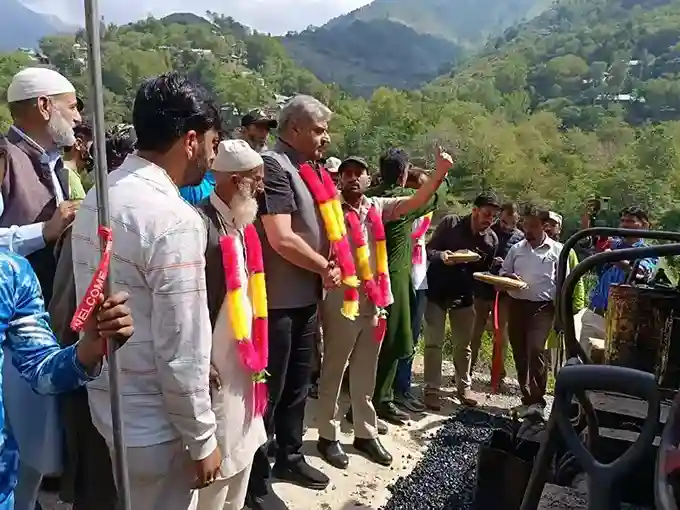
Continuing the momentum of road development works in Banihal constituency, National Conference leader and MLA Banihal, Sajjad Shaheen, today kick-started the macadamisation of the Banihal–Chanjloo road, fulfilling a long-pending demand of the local population.
Shaheen said that this project is part of the broader initiative to strengthen road connectivity across the constituency and follows the recent macadamisation of the Banihal–Lamber and Banihal–Dooligam roads. He expressed confidence that these works will greatly ease the hardships of commuters, ensure safer and smoother travel, and improve access to far-flung villages.
“Improved connectivity is the backbone of development. Our people have suffered due to poor road conditions for decades. The present government under Hon’ble Chief Minister Omar Abdullah has prioritised road infrastructure, and Banihal is now witnessing projects that were long overdue,” Shaheen said.
The MLA extended gratitude to the Chief Minister and Deputy Chief Minister for their support, noting that more roads approved under the Banihal–Gool constituency plan will be taken up in a phased manner. He assured the people that quality work and time-bound completion will remain his top priority.
Shaheen reiterated his resolve to continue pursuing all developmental projects with missionary zeal, emphasising that no village in Banihal will be left disconnected from the mainstream of development.
Local residents warmly welcomed the initiative and expressed optimism that the pace of development in Banihal will continue with renewed energy.
A tragic road accident in Jogi Lanker, Rainawari area of Srinagar on Wednesday claimed the life of a schoolgirl and left several others injured.
According to officials, the mishap involved an Eco vehicle carrying multiple passengers, including schoolchildren. The injured were immediately rushed to JLNM Hospital for treatment.
Doctors, however, declared one of the victims — identified as Madiha, 15, daughter of Farooq Ahmad Bhat of Gurpora — as “brought dead.”
Authorities said further details regarding the condition of the injured and the exact circumstances of the accident are being ascertained.
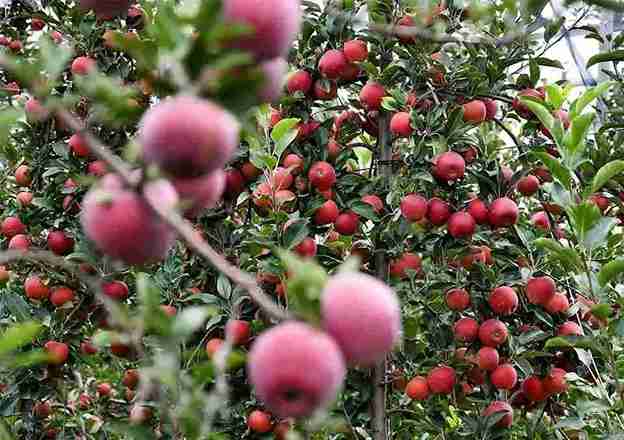
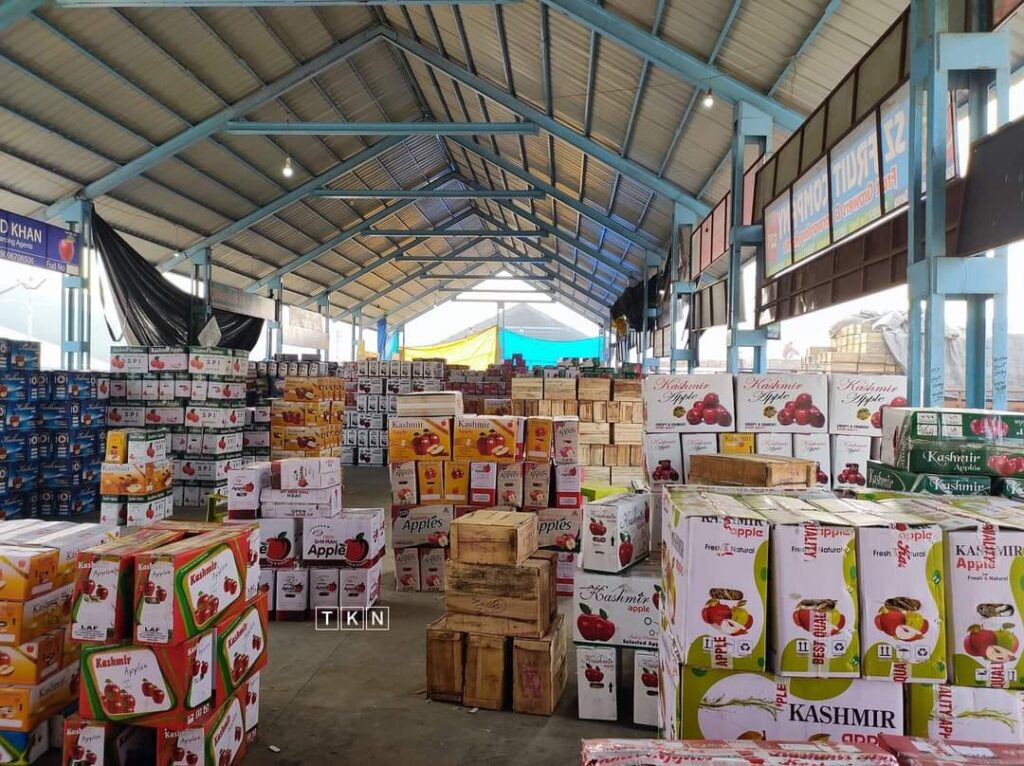
Kashmir’s apple industry, the pride of the Valley and a major part of its economy, is now facing one of its darkest moments. Continuous rains since late August have triggered landslides and floods, shutting down the 290-kilometre Srinagar–Jammu National Highway (NH-44). This road is Kashmir’s only all-weather lifeline to markets across India. For more than two weeks, it has remained blocked for heavy vehicles, leaving thousands of apple-laden trucks stranded.
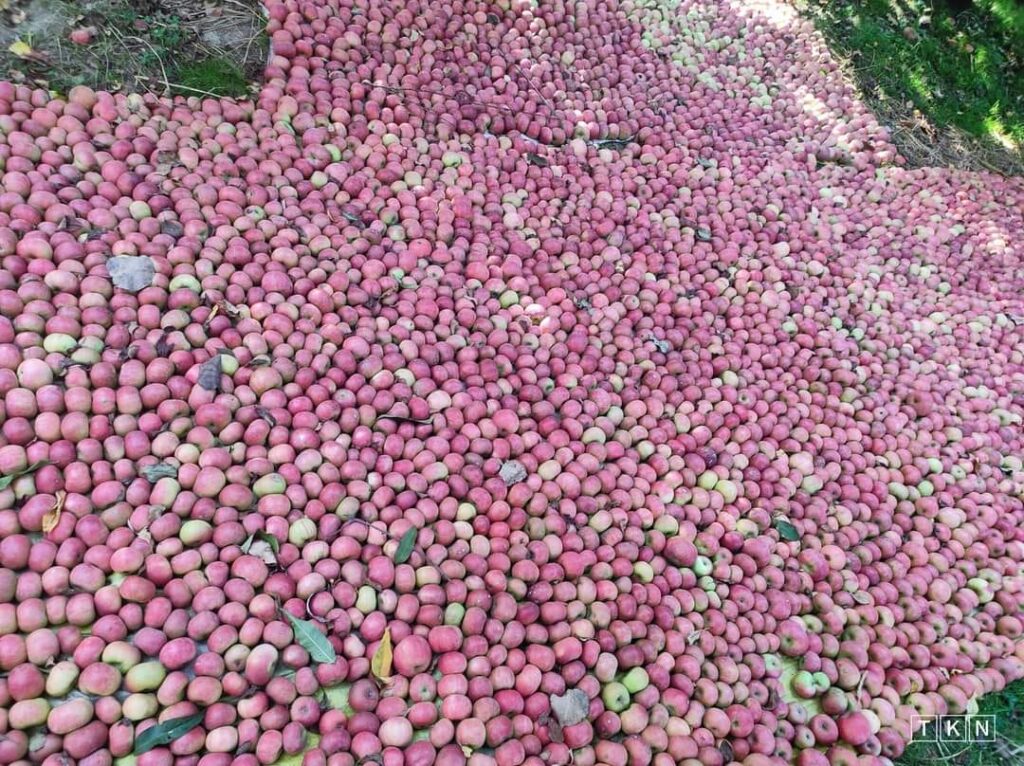
The impact has been devastating. Growers and traders are watching helplessly as their produce rots inside trucks stuck in long queues near Qazigund, Banihal, and Ramban. Viral videos on social media show juice dripping from trucks full of spoiling apples and pears, a heartbreaking sight for families who depend on this harvest for survival.
Why the Apple Industry Matters
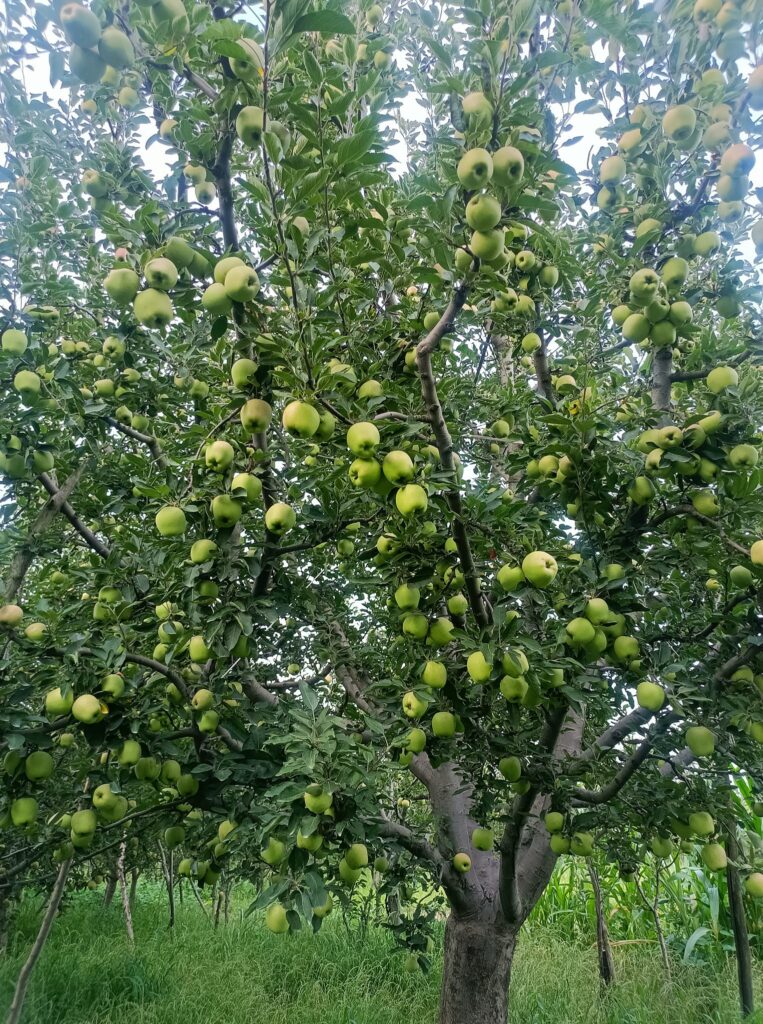
Kashmir’s horticulture sector is the backbone of the rural economy. Apples alone make up 70–80% of India’s domestic production, generating around ₹10,000–12,000 crore every year and providing livelihoods for over 3 million people. From packaging to cold storage and transport, nearly every household in the Valley is connected to this industry in some way.
This year, the road closure has put up to 30% of the harvest at risk, especially early-season varieties like Gala and Bagogosha pears. For farmers, the losses are not just about money – they mean the difference between survival and bankruptcy.
The Scale of the Losses
Spoilage: Around 2,000–4,000 trucks carrying fruit have been stuck for days. Each truck holds 700–1,200 boxes worth ₹10–15 lakh. Current estimates suggest losses of ₹1,000–1,200 crore, which could rise to ₹6–7 billion if the situation continues.
Market Disruption: Sopore, Asia’s second-largest fruit market, suspended auctions multiple times this month. With mandis (fruit markets) closed in protest, daily outflows of 200–300 trucks have stopped. Apple prices have already fallen by ₹200–300 per box.
Ripple Effect: Cold stores, packaging units, and labourers are sitting idle. Transport costs have tripled. Many small farmers are delaying harvests or dumping produce because they cannot afford to keep waiting.
Voices from the Valley
Farmers across Kashmir are speaking of despair. Ghulam Nabi Lone, an apple grower from Shopian, said he lost more than 1,500 boxes of fruit. “We were already hit by floods and heatwaves earlier this year. Now this highway closure is pushing us to the edge,” he explained.
On social media, people are sharing videos of rotten apples being thrown away in South Kashmir. Many posts tag politicians and officials, pleading for urgent action to save the harvest.
Protests and Political Pressure
Frustration has spilled onto the streets:
Fruit Growers’ Union: The Kashmir Valley Fruit Growers and Dealers Union (KVFGDU) called for two-day strikes and mandi shutdowns across Sopore, Baramulla, Anantnag, and other towns. Their demand is simple – clear the fruit trucks first.
Political Leaders: Chief Minister Omar Abdullah blamed the Centre for failing to act quickly. PDP’s Iltija Mufti met the Lieutenant Governor, urging him to treat this as a crisis. Veteran leader M.Y. Tarigami went further, calling the situation a “death knell” for farmers and demanding crop insurance plus more transport options.
Government Response: Horticulture Minister Javed Ahmad Dar visited Qazigund on 15 September and promised limited clearance for trucks. The National Highways Authority of India says light vehicles can pass, but full restoration for heavy trucks will take longer.
Attempts at Relief
A ray of hope came when Indian Railways launched a daily parcel train from Budgam to Delhi’s Adarsh Nagar on 13 September. Two coaches are currently reserved for 18 tonnes of apples, with scope to expand for saffron and walnuts. The Lieutenant Governor called it a “faster and economical” lifeline.
However, growers argue that one train cannot replace the thousands of trucks that usually leave the Valley each day. They are asking for more trains, quick repairs to the Mughal Road, and crop insurance schemes to cover repeated disasters.
Long-Term Questions
This crisis highlights a painful reality: Kashmir’s apple economy relies almost entirely on a single road that is highly vulnerable to landslides and weather extremes. Experts warn that unless the region diversifies its transport network and builds climate resilience, similar crises will continue to strike in the coming years.
For now, farmers are being advised to hold off harvesting wherever possible by using Controlled Atmosphere (CA) stores. But for many who have already plucked their fruit, time has run out.
Conclusion
The apple crisis of 2025 is more than just an economic setback – it is a human tragedy. Families who nurtured their orchards for years are now dumping produce on the roadside. The highway blockade has turned Kashmir’s proudest industry into a symbol of helplessness. Unless urgent steps are taken to restore transport and provide relief, the Valley may face irreparable damage to its economic backbone – and the lives tied to it.
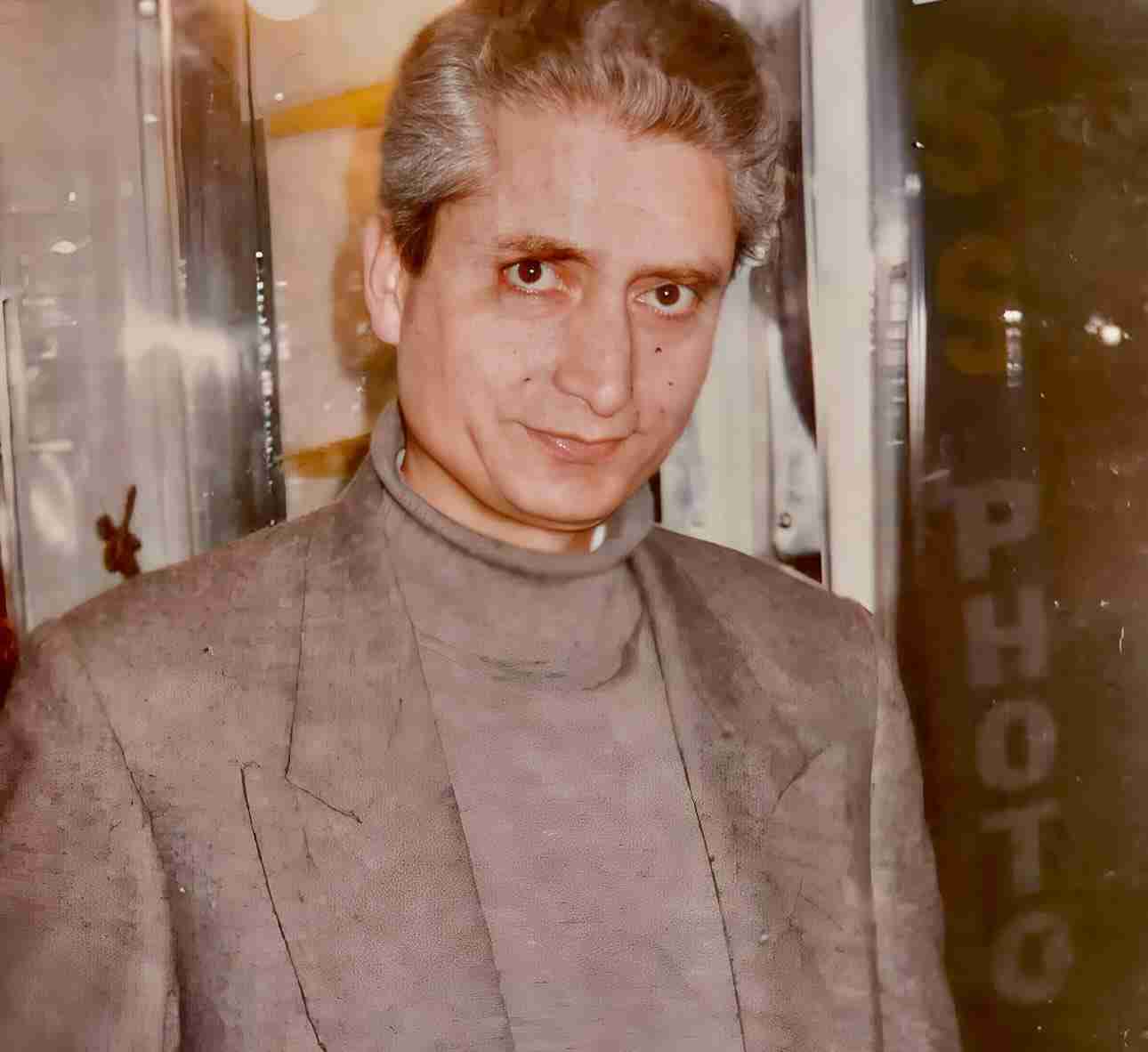
In the early hours of September 13, 2025, the medical fraternity in Jammu and Kashmir mourned the loss of one of its most esteemed figures: Prof. Syed Ashaq Hussain Naqshbandi. The former Principal and Dean of Government Medical College (GMC) Srinagar, and Ex-Head of the Department of Surgery at SMHS Hospital, succumbed to a prolonged illness, marking the end of an era for Kashmiri medicine. His passing has elicited an outpouring of tributes from colleagues, students, and the community, underscoring his indelible contributions to healthcare, education, and human compassion.
A Distinguished Career in Medicine and Leadership
Prof. Naqshbandi was a towering presence in Kashmir’s medical landscape, renowned for his surgical expertise and administrative acumen. As Principal of GMC Srinagar—one of the region’s premier medical institutions—he spearheaded initiatives that elevated standards in medical education and patient care during a tumultuous period in the Valley. His tenure as Dean further solidified his role in shaping the next generation of doctors, emphasizing ethical practice and resilience in the face of adversity.
Prior to his leadership roles, Prof. Naqshbandi served as Head of the Department of Surgery at Shri Maharaja Hari Singh (SMHS) Hospital in Srinagar, where he performed countless life-saving procedures and mentored aspiring surgeons. His work extended beyond the operating theater; he was a vocal advocate for accessible healthcare in rural and conflict-affected areas, often bridging gaps between policy and practice. Colleagues remember him as a meticulous clinician whose calm demeanor under pressure saved innumerable lives, particularly during emergencies exacerbated by regional unrest.
Born into a respected family in Kashmir, Prof. Naqshbandi’s journey in medicine was marked by dedication and humility. The “Naqshbandi” suffix reflects his spiritual lineage tied to the Naqshbandi Sufi order, a tradition of scholarly and ethical pursuit that likely influenced his holistic approach to healing—treating not just the body, but the spirit as well.
The News of His Passing: A Sudden Void
Family sources confirmed that Prof. Naqshbandi passed away peacefully after battling illness for an extended period. The news broke on the morning of September 13, 2025, prompting immediate condolences across social media and news outlets in Kashmir. His Namaz-e-Janaza (funeral prayer) was scheduled for 11:00 AM that day at the historic graveyard of Naqashband Sahib Shrine in Srinagar, a poignant location symbolizing his deep-rooted connection to the region’s cultural and spiritual heritage.
Local media outlets, including Greater Kashmir, Kashmir Horizon, and Glacier Times, were quick to report the loss, highlighting his legacy as a “noble human being” and “accomplished surgeon.” On X (formerly Twitter), tributes poured in from accounts like @TahirPeerzada_, who described him as “not only an accomplished surgeon but also a noble human being,” praying for his eternal peace in Jannah. Other posts from @thenawakadal and @indepth_news echoed the sentiment, sharing photos and urging the community to recite Sura-e-Fatiha for the departed soul.
Tributes and Legacy: Echoes from the Community
The outpouring of grief reflects the profound impact Prof. Naqshbandi had on those around him. Students who trained under him recall his mentorship as transformative, instilling values of empathy and precision. “He was a father figure to us all,” one former resident shared in a social media post, crediting him for navigating the challenges of medical training in Kashmir.
His contributions to GMC Srinagar were particularly notable during his principalship, where he focused on infrastructure upgrades, faculty development, and integrating modern surgical techniques into the curriculum. Even in retirement, he remained active in advisory roles, offering guidance on public health initiatives amid ongoing regional health crises.
Beyond academia, Prof. Naqshbandi’s compassion shone through in his community service. He was known for volunteering in free medical camps and supporting underprivileged patients, embodying the Sufi principles of service (khidmat). His passing comes at a time when Kashmir’s healthcare system continues to grapple with resource constraints, making his absence all the more keenly felt.
A Call to Honor His Memory
As Srinagar bids farewell to Prof. Syed Ashaq Hussain Naqshbandi, the medical community vows to carry forward his vision of compassionate, equitable healthcare. Institutions like GMC Srinagar have yet to issue an official statement, but informal gatherings at the college and SMHS Hospital are planned to honor his life.
In a region often defined by resilience, Prof. Naqshbandi’s story is one of quiet strength and unwavering commitment. May his legacy inspire future generations of healers. The community is encouraged to offer prayers and support his family during this time of sorrow. Allah SWT grant him the highest ranks in Jannah and provide sabr (patience) to his loved ones.