The Jammu and Kashmir government on Wednesday said that 135,925 houses have been constructed under the Pradhan Mantri Grameen Awaas Yojana (PMAY-G) in the last two years.
In response to a question by MLA Arjun Gupta, the minister incharge for the Rural Development and Panchayati Raj, said that since the Socio-Economic Caste Census (SECC) 2011 and AwaasPlus database have been completely saturated, there is no separate target for the 2024-25 financial year.
However, the remaining spillover target of 140,021 houses from previous phases will be completed in the current financial year, he said.
He said that 109,412 houses were built in Jammu Division, while 26,513 houses were constructed in Kashmir Division—(KNO)
Chief Minister Omar Abdullah today informed the Legislative Assembly that a 50MVA, 220/33kV GIS Grid Sub-Station at Batkote (Pahalgam) has been proposed under the perspective transmission plan for Jammu and Kashmir for the period 2022-27.
While responding to a starred question by MLA Altaf Ahmad Wani, the Chief Minister, who also holds the portfolio of Power Department, stated that the projects under the transmission plan, including the Batkote Grid Station, are being implemented in a phased manner, depending on load growth and technical feasibility.
“As per the current guidelines issued under the Ministry of Power/Tariff Policy, projects exceeding the threshold limits set by the Joint Electricity Regulatory Commission (JERC) can be executed through the Tariff-Based Competitive Bidding (TBCB) mode. Based on JERC regulations, which fix ₹100 crore as the threshold limit, the most suitable mode for the project is being examined, and a decision will be taken in due course, considering the prevailing price levels,” the Chief Minister stated.
Regarding land acquisition, the Chief Minister informed the House that the identification of land for the proposed Grid Substation is currently underway.
The Jammu and Kashmir Government on Tuesday said that the proposal to construct the road from Kapran Anantnag to Dessa Doda has been sent to the Union Ministry of Road Transport and Highways but it hasn’t been sanctioned yet.
Replying to the question of MLA, G A Mir, Minister for the Road and Buildings Department said that inter-district and inter-area road connectivity is a priority of the department.”These projects are taken up subject to availability of the required resources,” he said.
“Kapran-Desa road is envisaged to connect Kapran in Anantnag District and Dessa in Doda District.The matter regarding declaration of this road as National Highway and taking up its construction has been taken up several times with the Union Ministry of Road Transport and Highways. The sanction, however, is still awaited. Detailed survey and DPR preparation can be taken up after the union ministry gives its nod, ” the Minister said.
He said that Anantnag Dooru Verinag (ADV) road, which is about 24.64 Kms in length is an intermediate road with an average carriage way width of about 5.5m and average roadway width of 7.5m while the entire length of the road is a blacktopped surface.
“About 4.5 Kms of the said road has been resurfaced by way of macadamization during the current financial year. However, there is no proposal under consideration for the widening of this road,” he said.
“The Annual Action Plan for construction/ upgradation of roads to be taken up during the Financial Year 2025-26 has not been framed yet. However, inputs of the elected public representatives shall be duly considered,” the Minister said—(KNO)
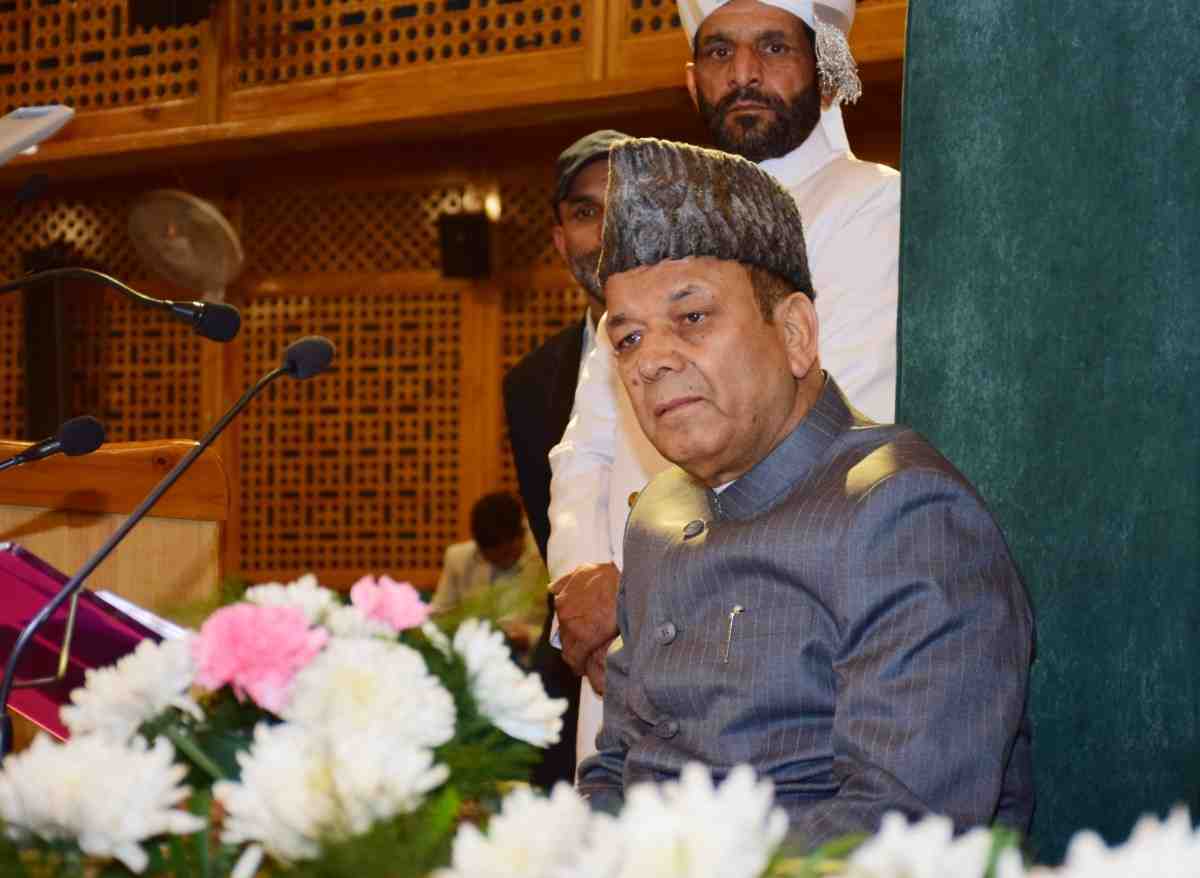
Amid uproar in the Jammu and Kashmir Assembly on Monday, the Speaker Abdul Rahim Rather said that the Billawar killings could not be discussed in the House, as it falls outside the Assembly. Citing Section 32 of the Jammu & Kashmir Reorganisation Act-2019, the Speaker explained that issues related to police and public order are not within the Assembly’s domain. “The Lieutenant Governor (LG) has already ordered an inquiry into the Billawar killings,” the Speaker said, adding that the matter was being looked into by the concerned authorities. The Speaker also stated that the controversy surrounding the Gulmarg fashion show could not be raised in the House, as an inquiry is already underway. “Chief Minister Omar Abdullah has ordered an investigation into the fashion show. We cannot discuss matters that are under investigation,” he clarified. The Speaker also condemned the assault on MLA Bani, Dr. Rameshwar Singh, and called for a thorough investigation into the incident. “The House condemns the attack on Dr. Rameshwar Singh and calls for a thorough inquiry,” he added. With both matters under investigation, the Speaker emphasised that discussions would not be allowed until the inquiries were completed.
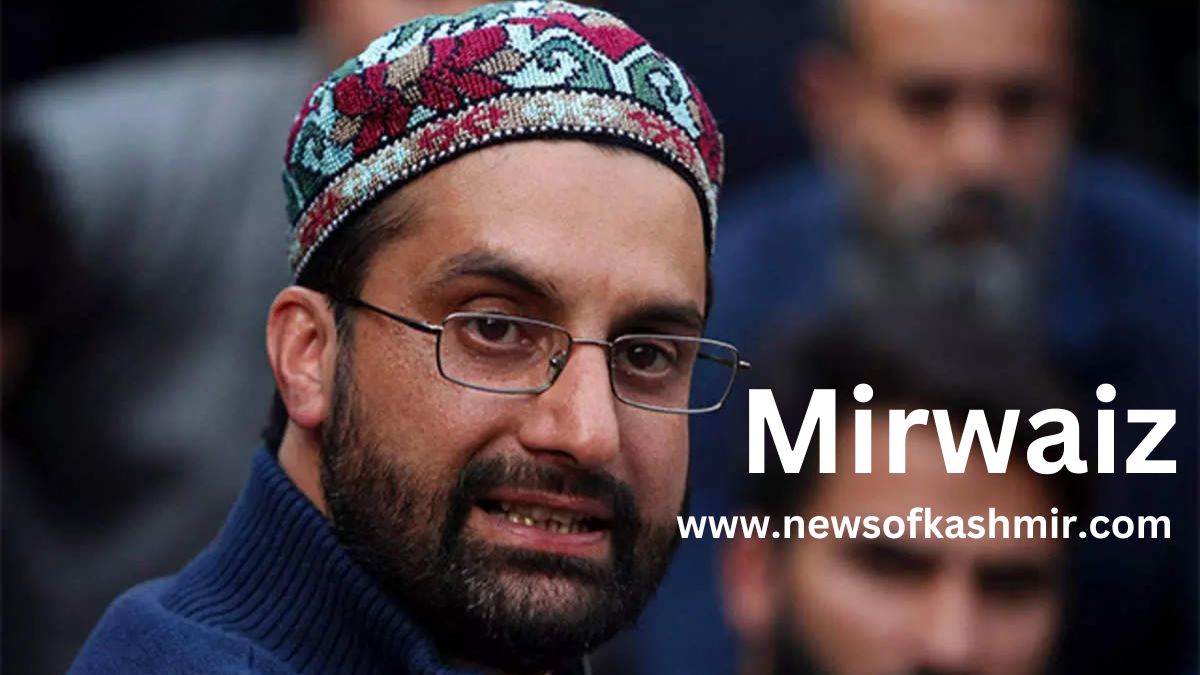
Mirwaiz-e-Kashmir, Molvi Umar Farooq on Sunday has strongly condemned a fashion show held in Gulmarg during the holy month of Ramzan, calling it an act of “obscenity in the name of tourism promotion.”
Taking to social media platform X, Mirwaiz expressed outrage over the event, which has sparked widespread criticism after videos and images went viral online.
“Outrageous! That in the holy month of Ramzan, an obscene fashion show is organized in #Gulmarg, pictures & videos from which have gone viral, sparking shock and anger among people. How could it be tolerated in the valley known for its Sufi, saint culture and the deeply religious outlook of its people? Those involved should be immediately held accountable,” he wrote.
Reiterating his stance, he added, “Such obscenity in the name of tourism promotion will not be tolerated in #Kashmir.!”
Jammu and Kashmir Congress MLA Ghulam Ahmad Mir praised the J-K budget and said it is based on “overall development and welfare.” Mir added that there could not have been a better budget at present.
“This is a positive Budget which is focused on overall development and welfare. In the current situation, there could not have been a better Budget than this”, Ghulam Ahmad Mir said while speaking to the reporters on Friday.
Earlier, Jammu and Kashmir Chief Minister Oman Abdullah presented the state budget in the assembly on Friday and emphasised that the region is on the path of lasting peace.
It is the first budget to be presented by the elected government in the last seven years. He mentioned that the state’s GST compliance has increased and expressed commitment to aligning with Sustainable Development Goals (SDG).
Abdullah highlighted that the budget focused on empowering youth and women, addressing regional disparities, and striving for the restoration of statehood.
The budget includes an allocation of Rs 815 crores for agriculture, which is expected to generate 2.88 lakh jobs. The state will promote a two-crop pattern and focus on expanding horticulture. The government also plans to boost wool processing and promote the leather tanning industry, which is expected to help the local economy.
Abdullah emphasized the state’s ongoing journey towards peace, noting that Jammu and Kashmir are now on the path of lasting peace after decades of unrest.
Tourism is another major focus, with the government projecting a volume of 2.36 crore tourists in 2024. Events like the Kashmir Marathon, which hosted 1,800 global participants, and the growing popularity of places like Shiv Khori and Dudh Pathri led to the inflow of tourists in the state.
The budget has provisioned Rs 390.20 crore for tourism development, with plans to increase homestays, promote water sports, and develop Sonmarg as a winter sports destination. Jammu will see a new water park in Sidhra, and Basholi will be developed as an adventure destination.
The JK CM stressed the importance of transparency in welfare measures and stated that the government is focused on empowering sectors like agriculture, tourism, and local industries. (ANI)
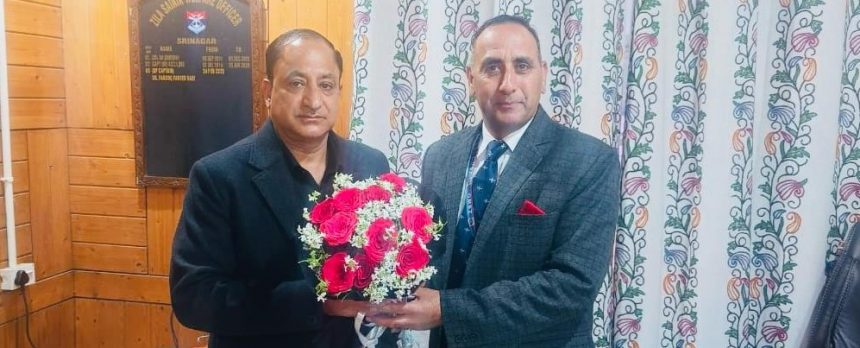
Ajaz Ahmad Bhat, IAS, Director, Sericulture J&K today called on Dr. Farooq Fareed Nabi, Zila Sainik Welfare Officer, Srinagar, at his office.
The meeting was held in a cordial and vibrant atmosphere, where both officers engaged in extensive deliberations on various important issues, particularly focusing on the welfare and skill development of ex-servicemen and the widows of martyred soldiers.
During the discussions, Mr. Bhat emphasized the importance of including the widows of martyrs and retired ex-servicemen in the skill development programs of the Sericulture Department.
He highlighted that equipping them with the latest sericulture techniques would not only provide them with sustainable livelihood opportunities but also enable them to support their families more effectively.
Mr. Bhat further elaborated on the various schemes and benefits available under the Sericulture Development Department and stressed the need to spread awareness among ex-servicemen and their families about these opportunities. He assured that the department would extend all possible support to train and empower them, ensuring their socio-economic upliftment.
Dr. Farooq Fareed Nabi appreciated the initiative and expressed his willingness to collaborate with the Sericulture Department in facilitating the participation of ex-servicemen and the families of martyrs in sericulture-based income-generating activities. He acknowledged the potential of sericulture as a viable economic activity and lauded the department’s commitment to integrating this section of society into its development programs.
The meeting concluded on a positive note, with both officers agreeing to work in close coordination to implement skill development initiatives that would benefit ex-servicemen and the widows of martyrs in Jammu and Kashmir.
Kashmir, often called “Paradise on Earth,” is a destination that captivates travelers with its breathtaking landscapes, serene lakes, snow-capped mountains, and rich cultural heritage. Nestled in the northernmost part of India, this region offers an unforgettable experience for nature lovers, adventure enthusiasts, and anyone seeking a peaceful escape. If you’re wondering how to travel Kashmir and make the most of your journey, this guide will walk you through everything you need to know—from planning your trip to exploring its hidden gems.
Why Travel Kashmir?
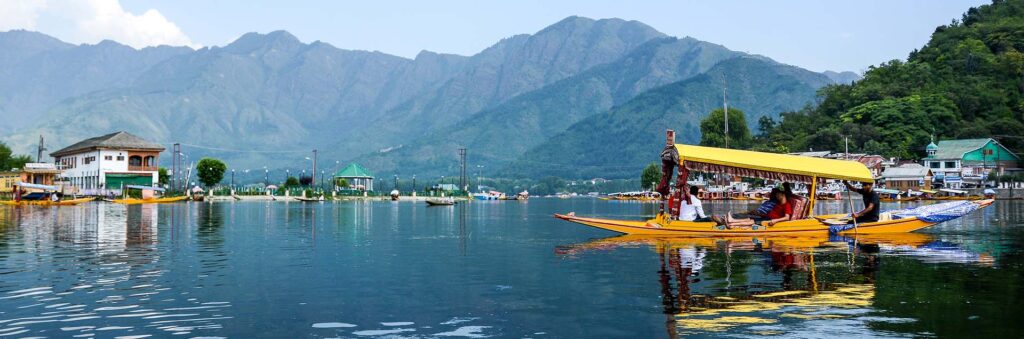
Before diving into the logistics, let’s talk about why Kashmir deserves a spot on your travel list. Imagine gliding on a shikara (traditional wooden boat) across the shimmering Dal Lake, surrounded by the majestic Himalayas. Picture strolling through vibrant Mughal gardens, skiing down powdery slopes in Gulmarg, or sipping warm Kashmiri kahwa (tea) while gazing at a sunset over the Lidder River. Kashmir blends natural beauty with a unique culture shaped by centuries of history, making it a must-visit destination.
Best Time to Travel Kashmir
Timing your trip is key to experiencing Kashmir at its finest. The region enjoys four distinct seasons, each offering a different flavor:
Spring (March to May): Ideal for witnessing blooming tulips and almond blossoms, especially at the Indira Gandhi Memorial Tulip Garden in Srinagar. Temperatures range from 10°C to 20°C, perfect for sightseeing.
Summer (June to August): A popular time to escape the heat of the plains, with temperatures between 15°C and 30°C. This is peak season for houseboat stays and exploring hill stations like Pahalgam and Sonmarg.
Autumn (September to November): The Chinar trees turn fiery red and gold, creating a painterly landscape. It’s less crowded, with mild weather (5°C to 20°C).
Winter (December to February): Snow blankets the region, turning Gulmarg into a skiing paradise. Temperatures can drop below 0°C, so pack heavy woolens if you’re chasing a winter wonderland.
For most travelers, spring and summer are the easiest seasons to travel Kashmir, though winter appeals to snow enthusiasts.
How to Reach Kashmir
Kashmir is well-connected, offering multiple travel options depending on your starting point:
By Air: The fastest way is to fly into Sheikh ul-Alam International Airport in Srinagar. Direct flights operate from major Indian cities like Delhi, Mumbai, and Bangalore. From the airport, taxis or pre-booked cabs can take you to your destination.
By Train: The nearest major railway station is Jammu Tawi, about 270 kilometers from Srinagar. From there, hire a taxi or take a shared jeep to reach Kashmir in 6–8 hours, passing scenic routes along the way.
By Road: For an adventurous journey, drive or take a bus from cities like Delhi (around 800 km) or Jammu. The Srinagar-Jammu National Highway offers stunning views but can close temporarily during heavy snow or landslides, so check conditions beforehand.
Top Destinations to Explore in Kashmir
Once you arrive, Kashmir unfolds a variety of destinations to suit every traveler’s taste. Here are the highlights:
Srinagar: The heart of Kashmir, famous for Dal Lake, houseboats, and Mughal gardens like Shalimar Bagh and Nishat Bagh. Don’t miss a shikara ride or a visit to the bustling Lal Chowk market.
Gulmarg: A winter sports haven, Gulmarg boasts one of the world’s highest ski lifts (the Gulmarg Gondola). In summer, its meadows bloom with wildflowers, perfect for hiking or pony rides.
Pahalgam: Known as the “Valley of Shepherds,” this peaceful town along the Lidder River is a base for treks like the Amarnath Yatra and a spot for trout fishing or picnics.
Sonmarg: The “Meadow of Gold” offers glacier views, horseback rides, and a gateway to the Thajiwas Glacier trek. It’s a paradise for adventure seekers.
Betaab Valley: Named after the Bollywood movie Betaab, this lush valley near Pahalgam is a picnic spot with crystal-clear streams and pine forests.
How to Plan Your Kashmir Itinerary
A well-planned itinerary ensures you cover Kashmir’s diversity without feeling rushed. Here’s a sample 5-day plan:
Day 1: Arrive in Srinagar, settle into a houseboat, and enjoy a shikara ride on Dal Lake.
Day 2: Explore Srinagar’s Mughal gardens, Shankaracharya Temple, and local markets.
Day 3: Take a day trip to Gulmarg, ride the Gondola, and try skiing or snowboarding (winter) or a meadow walk (summer).
Day 4: Head to Pahalgam, visit Betaab Valley, and relax by the Lidder River.
Day 5: Drive to Sonmarg, explore the glacier, and return to Srinagar for departure.
Adjust the pace based on your interests—add a day for shopping or an extra trek if you’re adventurous.
Where to Stay in Kashmir
Accommodation options cater to all budgets:
Houseboats: A quintessential Kashmir experience, available on Dal and Nigeen Lakes. Prices range from $20 to $100 per night, depending on luxury level.
Hotels & Resorts: From budget guesthouses (starting at $10–$15) to 5-star properties like The Lalit Grand Palace ($150+), Srinagar, Gulmarg, and Pahalgam have it all.
Homestays: For a local vibe, try homestays in smaller villages like Aru or Tangmarg ($15–$30).
Book in advance during peak seasons to secure your spot.
What to Pack for Kashmir
Packing smart ensures comfort:
Clothing: Layered outfits for spring/summer; heavy jackets, thermals, and gloves for winter.
Footwear: Sturdy walking shoes or snow boots, depending on the season.
Essentials: Sunglasses, sunscreen, a hat, and a reusable water bottle. Carry cash, as ATMs can be sparse outside Srinagar.
Local Cuisine to Try
Kashmiri food is a treat for the senses. Sample these:
Rogan Josh: A spicy lamb curry with saffron and yogurt.
Wazwan: A multi-course feast featuring meat dishes like gushtaba and tabak maaz.
Kahwa: A warm green tea infused with almonds and cardamom.
Modur Pulav: Sweet saffron rice with dry fruits.
Visit local eateries like Mughal Darbar in Srinagar for authentic flavors.
Travel Tips for Kashmir
Permits: Foreigners may need an Inner Line Permit for border areas like Gurez Valley—check with local authorities.
Connectivity: Prepaid SIMs from outside Jammu & Kashmir don’t work here; buy a local postpaid SIM or rely on hotel Wi-Fi.
Safety: Kashmir is generally safe for tourists, but stay updated on local advisories and avoid isolated areas at night.
Respect Culture: Dress modestly, especially at religious sites, and ask permission before photographing locals.
Budgeting Your Kashmir Trip
A 5-day trip can cost anywhere from $200 to $800 per person, depending on travel style:
Budget: Shared taxis, guesthouses, and local food (~$200–$300).
Mid-range: Private cabs, houseboats, and guided tours (~$400–$600).
Luxury: Flights, 5-star hotels, and curated experiences (~$800+).
Final Thoughts on Traveling Kashmir
Traveling Kashmir is like stepping into a postcard where every corner reveals a new wonder. Whether you’re drawn by its serene beauty, adventurous trails, or warm hospitality, this region promises memories that linger long after you leave. Plan ahead, pack your curiosity, and let Kashmir weave its magic around you.
Ready to travel Kashmir? Start with Srinagar’s tranquil waters and let the journey unfold. Paradise awaits!
J&K Peoples Conference President and MLA Handwara Sajad Lone has welcomed the Justice and Development Front’s foray into mainstream politics, highlighting its roots in Jamaat-e-Islami.
Acknowledging his past differences with Jamaat, Lone expressed satisfaction over the emergence of a political force from among those who have endured hardship.
“I have had differences with Jamaat in the past. But I am so happy that from amongst the victims a party has emerged,” he stated.
He underscored the significance of this development, asserting, “Victim will understand the pain of the victim. Pretenders will always remain pretenders. Time for the pretenders to make way for victims.”
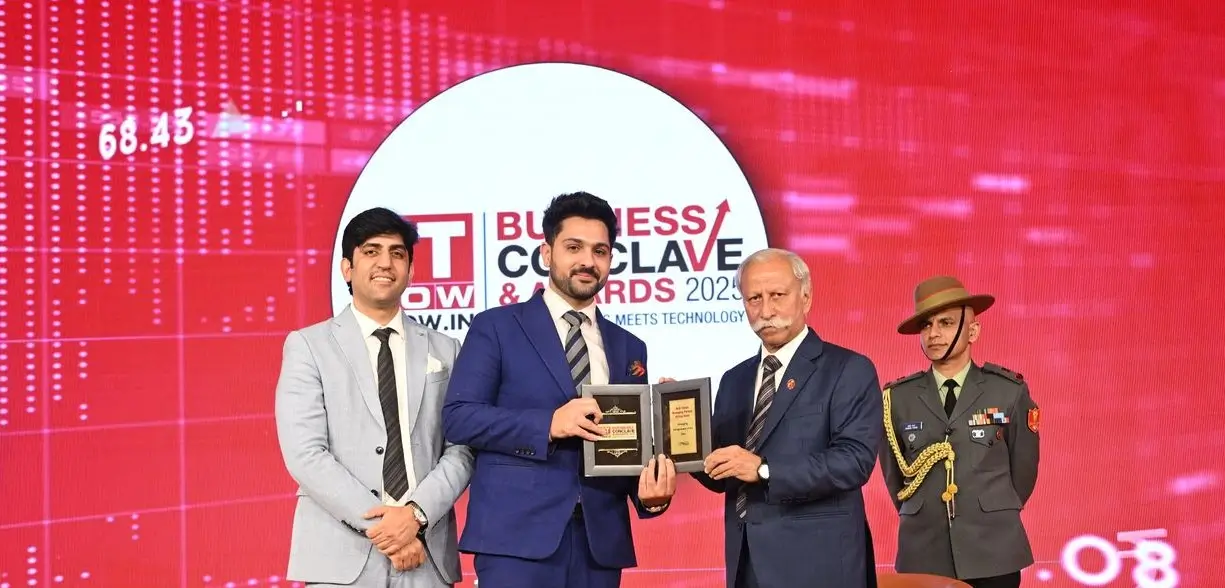
Aqib Chaya, a young entrepreneur from Jammu and Kashmir, has been honored with the Emerging Youth Entrepreneur of the Year award at the ET Now Business Conclave.
The prestigious award was presented by Lieutenant Governor of Arunachal Pradesh, Lt Gen Kaiwalya Trivikram Parnaik, in recognition of Chaya’s contributions to youth-driven innovation and sustainable tourism.
Chaya’s efforts in promoting entrepreneurship and sustainable business practices have positioned him as a role model for aspiring entrepreneurs in the region. His initiatives have not only fostered local economic growth but also highlighted the immense potential of Jammu and Kashmir in the business and tourism sectors.
The recognition at a national platform like the ET Now Business Conclave underscores the growing impact of young innovators from Jammu and Kashmir, reinforcing their role in shaping a dynamic and progressive business landscape.
Chaya’s achievement has been widely appreciated by the business community and youth leaders, who see his success as an inspiration for the next generation of entrepreneurs.