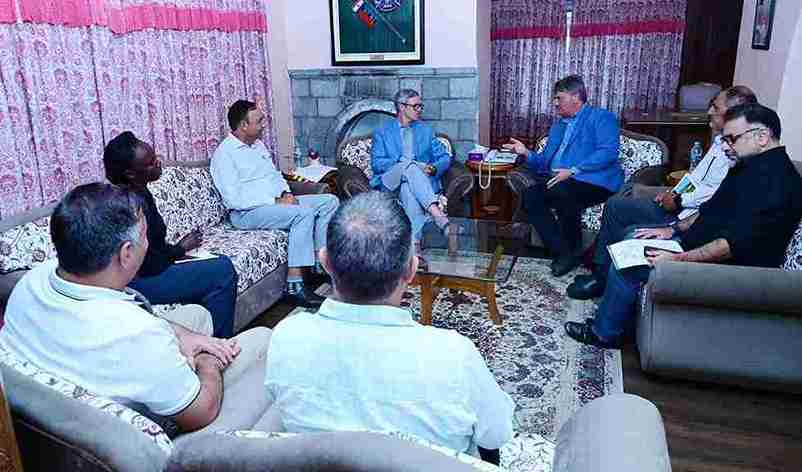
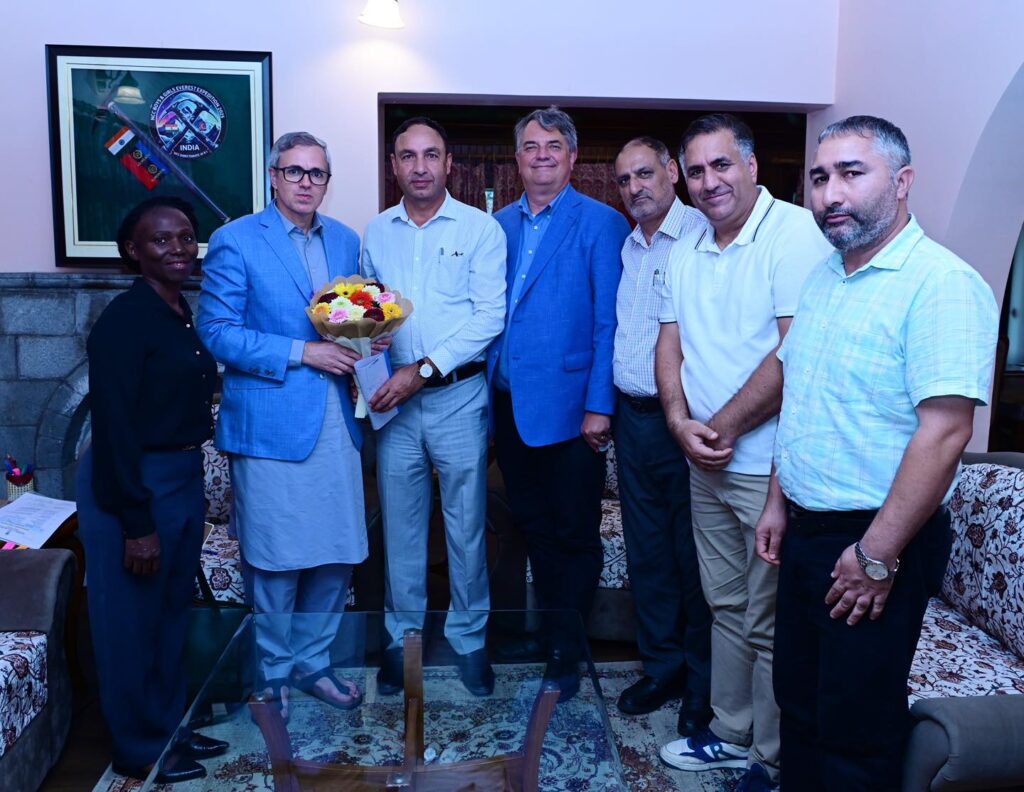
Vice-Chancellor of Sher-e-Kashmir University of Agricultural Sciences and Technology, Kashmir (SKUAST-K), along with a delegation from the International Crops Research Institute for the Semi-Arid Tropics (ICRISAT), called on Chief Minister Omar Abdullah on Wednesday to discuss key initiatives for strengthening agriculture in Jammu and Kashmir.
The meeting focused on collaborative measures aimed at boosting productivity, improving farmers’ incomes, and ensuring sustainable use of resources in the region. The Vice-Chancellor briefed the Chief Minister about SKUAST-K’s recent research achievements in horticulture, crop diversification, and livestock management. He also highlighted the challenges farmers face, including climate change, soil degradation, and lack of advanced post-harvest technologies.
Representatives from ICRISAT shared their expertise in climate-resilient crops, dryland farming systems, and water-use efficiency. They emphasised the need for introducing innovative technologies and farmer-centric models to ensure long-term food and livelihood security in Jammu and Kashmir, especially in semi-arid and hilly areas.
Chief Minister Omar Abdullah appreciated the joint efforts of SKUAST-K and ICRISAT, underlining the government’s commitment to transforming agriculture into a profitable and modern sector. He assured full support in creating policy frameworks that would enable large-scale adoption of scientific practices. “Farmers are at the heart of J&K’s economy, and empowering them with the latest research and technology is our top priority,” he said.
The discussions also explored opportunities for skill development, farmer training programs, and international collaborations to link local produce with wider markets. The CM directed concerned departments to extend cooperation with SKUAST-K and ICRISAT for timely execution of projects.
The meeting ended on a positive note with all stakeholders reaffirming their commitment to strengthen agricultural research, promote sustainable practices, and secure a better future for farming communities across J&K.
The Economic Offences Wing (Crime Branch Kashmir) today carried out searches at several locations in District Anantnag in connection with case FIR No. 16/2025 under Section 318 (4) BNS 2023 and arrested an accused person namely Shahid Rehman Bhat S/o Ab. Rehman Bhat R/o Shangus, Nowgam District Anantnag (Proprietor of M/s AR Trading Agri Services Pvt. Ltd) involved in swindling crores of rupees.
In a Pree Release issued to Rising Kashmir,the CBK said, “The brief facts of the case are that the Economic Offences Wing (Crime Branch Kashmir) received multiple written complaints, wherein it was alleged that Shahid Rehman Bhat S/o Ab. Rehman Bhat R/o Shangus, Nowgam District Anantnag (Proprietor of M/s AR Trading Agri Services Pvt. Ltd) has cheated them on the pretext of providing them High Density Apple Plants.”
“The complainants further alleged that the accused after receiving huge amount of money neither provided those High Density Apple Plants nor returned the money but has gone into hiding. Perusal of the bank transaction statements submitted by the complainants reveal that the accused has grabbed Crores of rupees from innocent complainants/farmers,”it reads.
“The accused filed a bail application before the Hon’ble Court of Law however, the bail application has been rejected by the Hon’ble Court of Addl. Sessions Judge Anantnag on the basis of strong objections and prima facie prosecutable evidence submitted by Crime Branch Kashmir.
The Sher-e-Kashmir University of Agricultural Sciences & Technology of Kashmir (SKUAST-K) has announced a golden opportunity for job aspirants across Jammu and Kashmir. The university has invited online applications for the recruitment of Assistant Registrar and Assistant Comptroller posts. Candidates meeting the eligibility criteria can apply through the official website www.skuastkashmir.ac.in by 10th August 2025.
Fill out the online application form with accurate information.
Upload required documents, photograph, and signature.
Pay the application fee.
Submit the form and take a printout for future reference.
⚠️ No other mode of application will be accepted.
📢 Important Instructions
Applicants must go through the official notification carefully before applying.
Any form of misinformation or incomplete applications may lead to rejection.
Ensure that all documents, especially the proof of category and qualification, are uploaded properly.
Keep checking the official website for updates on the syllabus, exam date, and interview schedule.
📞 Help Desk
For queries related to online application submission, candidates can reach out to the university’s recruitment cell through contact details available on the website.
Conclusion: The SKUAST Kashmir recruitment for Assistant Registrar and Assistant Comptroller posts is an excellent opportunity for postgraduates seeking a government job in the education sector. Interested candidates are encouraged to apply before the last date – 10th August 2025.
The Economic Offences Wing (Crime Branch Kashmir) today registered FIR against an individual namely Shahid Rehman Bhat S/o Ab. Rehman Bhat R/o Tulbagh Shangus, District Anantnag accused of defrauding numerous innocent people under the false promise of providing High Density Apple Plants.
As per the press release issued to Rising Kashmir the CBK said that ,”The Economic Offences Wing (Crime Branch Kashmir) registers FIR against an individual namely Shahid Rehman Bhat S/o Ab. Rehman Bhat R/o Tulbagh Shangus, District Anantnag accused of defrauding numerous innocent people under the false promise of providing High Density Apple Plants.”
“The case pertains to several complaints received by Economic Offences Wing (Crime Branch Kashmir), alleging therein that one Shahid Rehman Bhat S/o Ab. Rehman Bhat R/o Shangus, Nowgam, District Anantnag (Proprietor of M/s AR Trading Agri Services Pvt. Ltd) has cheated them on the pretext of providing High Density Apple Plants. The complainants further alleged that the accused after receiving huge amount of money neither provided them High Density Apple Plants nor returned the money, and after receiving the money he has gone into hiding. The perusal of the bank transaction statements submitted by the complainants reveal that the alleged accused has grabbed amount in crores from the innocent complainants/ farmers,”the statement added.
The criminal act on the part of the accused Shahid Rehman Bhat S/o Ab. Rehman Bhat R/o Tulbagh Shangus, District Anantnag (Proprietor of M/s AR Trading Agri Services Pvt. Ltd) prima facie discloses commission of offence punishable U/S 318 (4) BNS 2023. Cognizance is taken and case is accordingly registered at P/S Economic Offences Wing (Crime Branch Kashmir).
PDP MLA from Pulwama, Waheed Para on Monday called for the establishment of an Enforcement Directorate within the Horticulture Department to enforce strict quality control measures in J&K.
He emphasized the urgent need for regulating pesticide use to protect farmers from the harmful effects of inferior products.
In the Assembly today, MLA Pulwama Waheed Para raised serious concerns about the widespread use of substandard pesticides, which are severely affecting farmers and the apple industry in Kashmir. He highlighted the massive losses in crop yield and quality, particularly in the apple sector, which plays a vital role in the region’s economy.
While addressing the grants for the horticulture and agriculture departments, the MLA urged the government to implement policies that prioritize support for farmers, including access to quality agricultural inputs, sustainable farming practices, and fair pricing for produce. He also stressed the importance of training farmers on safe pesticide usage and holding those selling substandard chemicals accountable.
Para concluded by calling for long-term solutions to strengthen and support J&K’s farming community, ensuring both their livelihood and the sustainability of the region’s agricultural industry.
When you think of apples, you probably picture the classic red, green, or yellow varieties that fill supermarket shelves. But have you ever heard of the Black Diamond Apple? This unique fruit is a rare and mysterious gem in the world of apples. With its deep, dark purple skin and crisp, sweet flesh, the Black Diamond Apple is not just a treat for the taste buds but also a feast for the eyes. In this article, we’ll explore everything you need to know about this extraordinary fruit—its characteristics, qualities, benefits, and where it can be cultivated outside of its native home in Tibet, China.
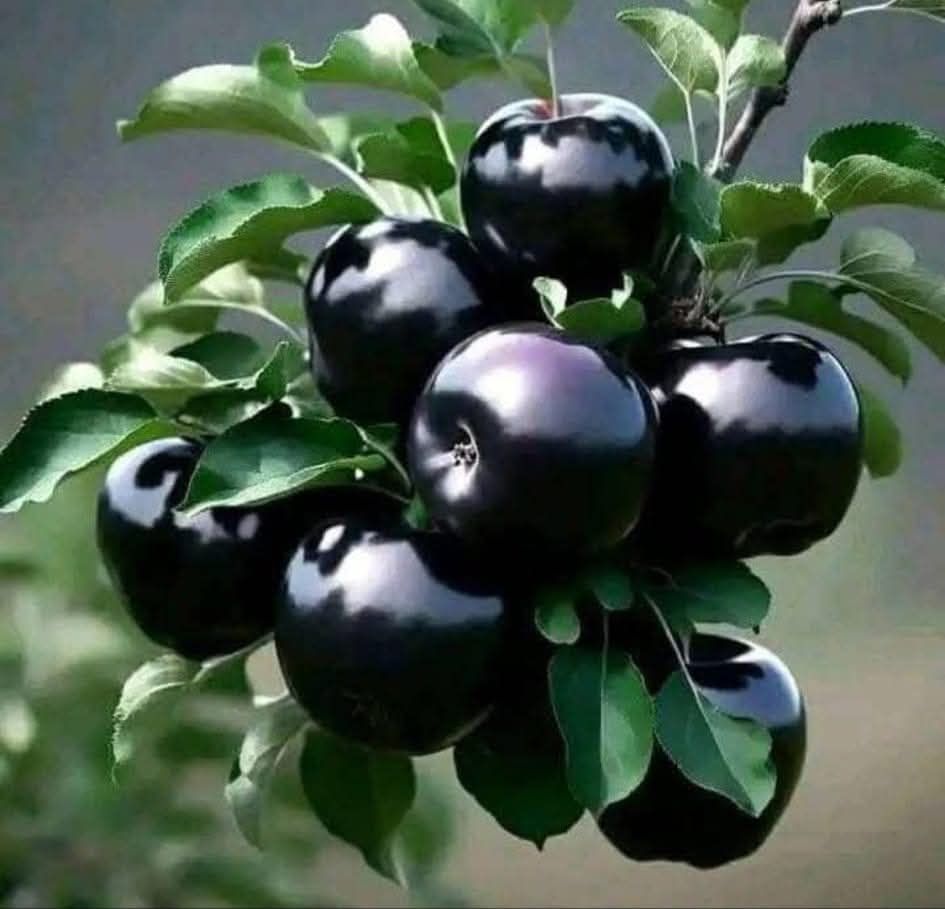
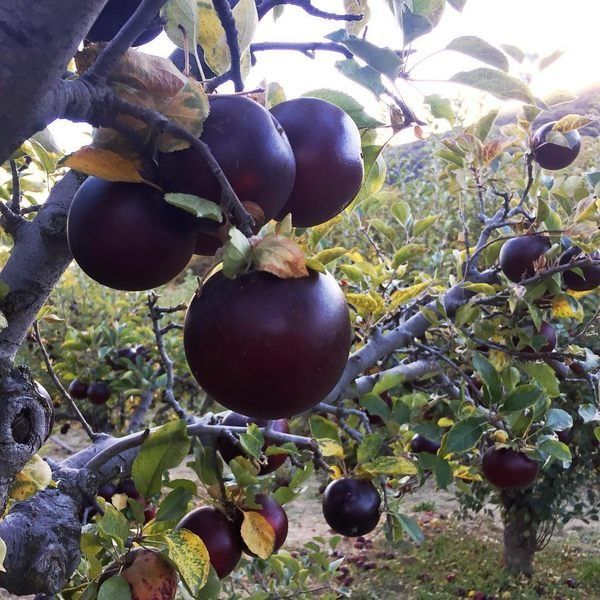
The Black Diamond Apple is a rare variety of apple that stands out due to its striking dark purple, almost black skin. It’s not genetically modified or artificially coloured—its unique appearance is entirely natural. This apple is a type of Huaniu apple, which is a popular variety in China. However, the Black Diamond Apple is a special cultivar that thrives in specific conditions, giving it its distinctive look and flavour.
Image Source / Pintrest
The name “Black Diamond” comes from its dark, glossy skin, which resembles the colour of a black diamond gemstone. These apples are not only visually stunning but also have a unique taste and texture that sets them apart from other apple varieties.
Characteristics of the Black Diamond Apple
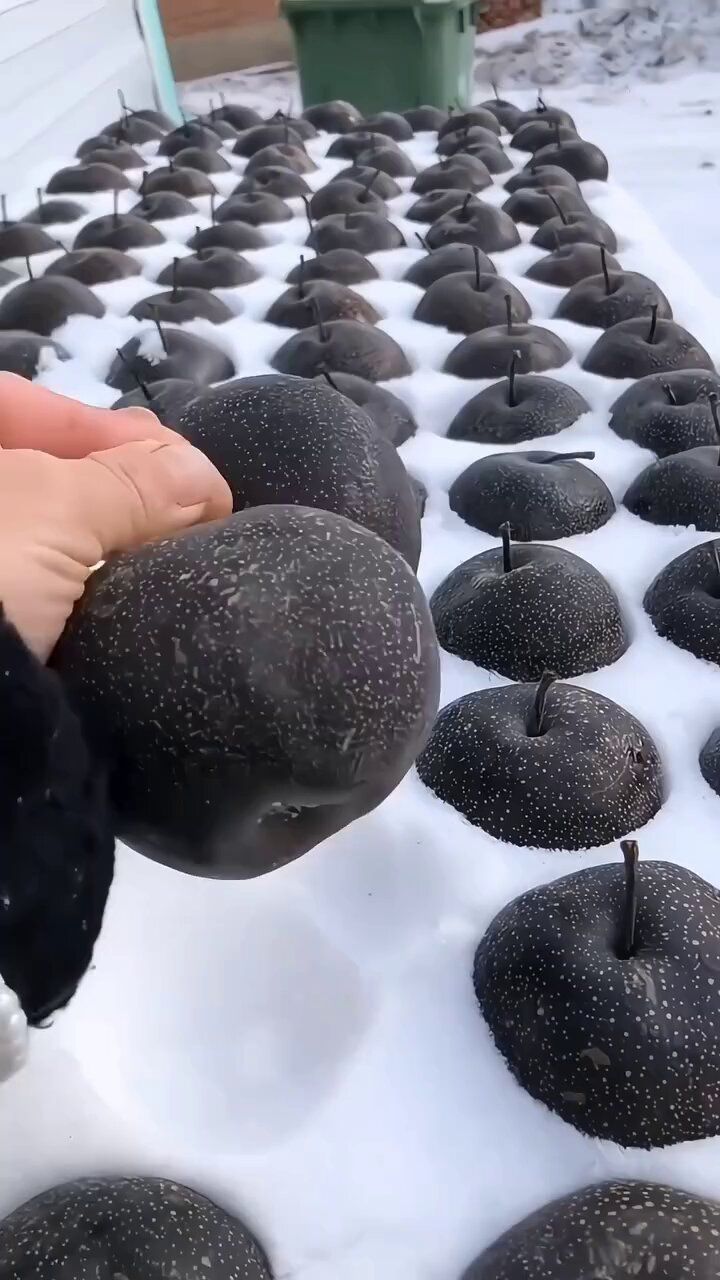
Appearance: The most striking feature of the Black Diamond Apple is its deep purple, almost black skin. The colour is so intense that it can appear black under certain lighting conditions. The skin is glossy and smooth, giving the apple a luxurious, jewel-like appearance. Inside, the flesh is white or pale yellow, providing a beautiful contrast to the dark exterior.
Size and Shape: Black Diamond Apples are medium to large in size, similar to other popular apple varieties like Fuji or Gala. They have a round shape with a slightly flattened top and bottom.
Taste and Texture: The flesh of the Black Diamond Apple is crisp, juicy, and sweet with a hint of tartness. The flavour is often described as a mix between a Honeycrisp and a Fuji apple, making it a delightful treat for apple lovers. The texture is firm, making it perfect for eating fresh or using in recipes.
Aroma: These apples have a mild, pleasant aroma that is slightly floral and fruity. The scent is not overpowering but adds to the overall sensory experience of eating the fruit.
Why is the Black Diamond Apple So Rare?
The Black Diamond Apple is rare for several reasons:
Specific Growing Conditions: This apple variety thrives in high-altitude regions with cool climates, such as the mountains of Tibet. The unique combination of intense sunlight, cool temperatures, and well-drained soil in these areas contributes to the apple’s dark colour and unique flavour.
Limited Cultivation: The Black Diamond Apple is primarily grown in the Nyingchi region of Tibet, where the conditions are ideal for its cultivation. The limited geographic range and the challenges of growing apples at high altitudes make it difficult to produce these apples on a large scale.
Labour-Intensive Harvesting: Harvesting Black Diamond Apples requires careful hand-picking to avoid damaging the fruit. This labour-intensive process adds to the cost and rarity of the apples.
High Demand and Low Supply: Due to their unique appearance and flavour, Black Diamond Apples are in high demand, especially in luxury markets. However, the limited supply makes them a rare and expensive fruit.
Nutritional Benefits of Black Diamond Apples
Like other apple varieties, Black Diamond Apples are packed with nutrients that offer numerous health benefits. Here are some of the key nutritional benefits of this unique fruit:
Image Source / Pintrest
Rich in Antioxidants: The dark purple skin of the Black Diamond Apple is rich in anthocyanins, a type of antioxidant that helps protect the body against free radicals. Antioxidants are known to reduce inflammation, boost the immune system, and lower the risk of chronic diseases like heart disease and cancer.
High in Fiber: Apples are an excellent source of dietary fiber, and the Black Diamond Apple is no exception. Fiber aids in digestion, promotes gut health, and helps maintain a healthy weight by keeping you feeling full for longer.
Vitamin C: Black Diamond Apples contain a good amount of vitamin C, which is essential for a healthy immune system, skin health, and wound healing.
Low in Calories: These apples are low in calories, making them a healthy snack option for those looking to maintain or lose weight.
Hydration: With their high water content, Black Diamond Apples help keep you hydrated, especially during hot weather or after physical activity.
Heart Health: The fiber, antioxidants, and potassium in Black Diamond Apples contribute to heart health by lowering cholesterol levels, reducing blood pressure, and improving circulation.
Culinary Uses of Black Diamond Apples
The unique flavour and texture of Black Diamond Apples make them a versatile ingredient in the kitchen. Here are some ways you can enjoy this rare fruit:
Fresh Eating: The crisp, juicy flesh of the Black Diamond Apple makes it perfect for eating fresh. Simply wash the apple and enjoy it as a healthy snack.
Salads: Add slices of Black Diamond Apple to salads for a burst of sweetness and colour. They pair well with greens, nuts, cheese, and vinaigrette dressings.
Desserts: Use Black Diamond Apples in desserts like pies, tarts, crisps, and crumbles. Their sweet-tart flavour and firm texture hold up well during baking.
Juices and Smoothies: Blend Black Diamond Apples into juices or smoothies for a refreshing and nutritious drink.
Cheese Platters: Serve slices of Black Diamond Apple on cheese platters for a luxurious touch. They pair beautifully with sharp cheeses like cheddar or blue cheese.
Preserves: Make jams, jellies, or apple butter with Black Diamond Apples to enjoy their unique flavour year-round.
Where Can Black Diamond Apples Be Cultivated Outside of Tibet, China?
While the Black Diamond Apple is native to the Nyingchi region of Tibet, it is possible to cultivate this unique fruit in other parts of the world with similar growing conditions. Here are some factors to consider when growing Black Diamond Apples outside of Tibet:
Image Source / Pintrest
Climate: Black Diamond Apples thrive in cool, high-altitude climates with plenty of sunlight. Regions with cold winters and mild summers are ideal for growing these apples.
Soil: Well-drained, fertile soil with a slightly acidic pH is best for Black Diamond Apples. The soil should be rich in organic matter to support healthy growth.
Altitude: These apples are typically grown at altitudes of 3,100 to 3,500 meters (10,000 to 11,500 feet) above sea level. While it may be challenging to replicate these exact conditions, similar high-altitude regions could potentially support Black Diamond Apple cultivation.
Pollination: Like other apple varieties, Black Diamond Apples require cross-pollination to produce fruit. Planting compatible apple varieties nearby can help ensure successful pollination.
Pest and Disease Management: Black Diamond Apples are susceptible to the same pests and diseases as other apple varieties. Regular monitoring and proper care are essential to keep the trees healthy.
Potential Regions for Cultivation
Himalayan Regions (India, Nepal, Bhutan): The Himalayan regions share similar high-altitude and cool climate conditions with Tibet, making them potential candidates for Black Diamond Apple cultivation.
Andes Mountains (South America): The high-altitude regions of the Andes Mountains in countries like Peru, Bolivia, and Chile could provide suitable conditions for growing Black Diamond Apples.
Rocky Mountains (USA): Certain areas in the Rocky Mountains, particularly in Colorado and Wyoming, have the cool climate and high altitude needed for Black Diamond Apple cultivation.
Alps (Europe): The Alps in countries like Switzerland, Austria, and France offer cool climates and high altitudes that could support the growth of Black Diamond Apples.
New Zealand: New Zealand’s cool climate and fertile soil make it a potential location for growing Black Diamond Apples.
Challenges of Growing Black Diamond Apples Outside Tibet
While it is possible to grow Black Diamond Apples in other regions, there are several challenges to consider:
Adaptation: The Black Diamond Apple is adapted to the specific conditions of Tibet, and it may take time for the trees to acclimate to new environments.
Cost: Establishing orchards in high-altitude regions can be expensive due to the need for specialised equipment and labour.
Market Demand: While Black Diamond Apples are highly sought after, the market for these luxury fruits may be limited in some regions.
Climate Change: Changes in climate patterns could affect the growth and quality of Black Diamond Apples, even in suitable regions.
Conclusion
The Black Diamond Apple is a true marvel of nature, combining stunning beauty, unique flavour, and impressive health benefits. While it remains a rare and exclusive fruit due to its specific growing conditions, its popularity continues to grow as more people discover its charms. Whether you’re lucky enough to taste one or dream of cultivating your own, the Black Diamond Apple is a testament to the wonders of the natural world. With careful planning and the right conditions, it may one day be possible to enjoy this extraordinary fruit beyond the mountains of Tibet. Until then, it remains a rare gem, cherished by those who have had the privilege of experiencing its magic.
In the serene district of Shopian, nestled in the picturesque valleys of Jammu and Kashmir, a young woman has become the beacon of innovation in farming. Syedah Shazia Latif, an LLM graduate and a PhD scholar, is not only excelling academically but also spearheading a farming revolution that combines tradition, modernity, and sustainability. Her story is an inspiring blend of education, entrepreneurship, and a commitment to reimagining agriculture in her homeland.
The Genesis of an Innovator
Born and raised in Molu Chitragam, a quaint village in Shopian, Syedah Shazia Latif was always deeply connected to her roots. Despite her academic pursuits, which led her to earn an LLM and pursue a PhD, she remained keenly aware of the potential in Kashmir’s rich but underutilised agricultural landscape.
Shazia’s journey into farming began in 2019, driven by a desire to explore uncharted territory in agriculture. Her goal was not just to engage in farming but to create an integrated ecosystem that combined flora and fauna for sustainable productivity. “Farming is not just about cultivating land; it’s about innovation, creating ecosystems, and bringing value to what we have,” she explained.
Introducing the Emus: A First for Kashmir
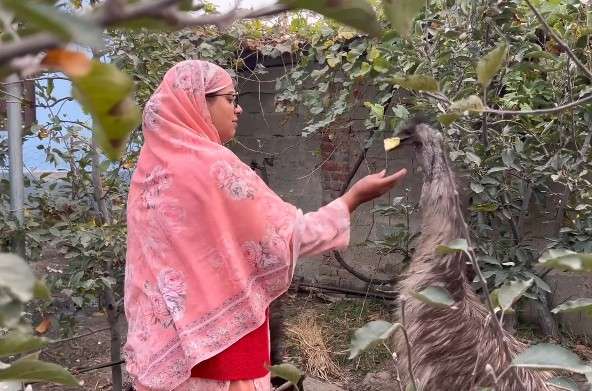
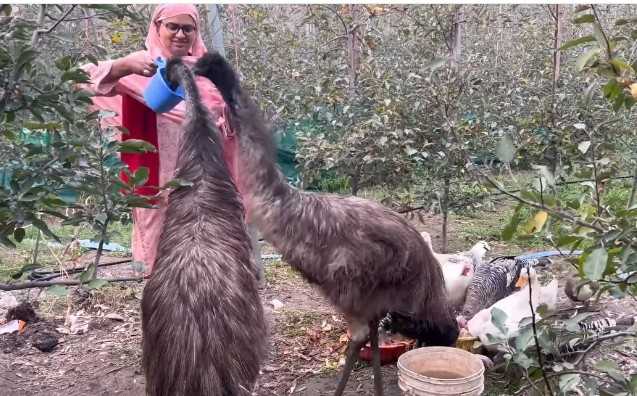
One of Shazia’s most groundbreaking initiatives was the introduction of Emus, the national bird of Australia, to her farm. The Emu, the world’s second-largest bird after the ostrich, is known for its adaptability and economic value. Its meat, oil, and feathers are prized globally, and it has the potential to diversify traditional farming practices.
“I initially wanted to bring ostriches, but due to the challenges involved, I opted for Emus,” Shazia said. “They are easier to manage and still provide excellent opportunities for farming diversification. Inshallah, I hope to bring ostriches in the future as well.”
The inclusion of Emus has not only added an exotic element to her farm but has also generated significant interest among locals and experts alike. Videos of her farm showcasing these majestic birds have gone viral on social media, drawing widespread admiration.
Integrated Farming: A Model for Sustainability
Shazia’s farm is much more than a space for Emus; it is a vibrant ecosystem teeming with life. Her integrated farming model includes poultry, exotic birds, rabbits, fisheries, and vegetable cultivation. By combining these elements, she has created a self-sustaining system where the outputs of one component serve as inputs for another.
“For example, the waste from poultry and rabbits can be used as organic manure for vegetables, while the fish pond contributes to water management,” she explained. “This interconnected approach maximises productivity while minimising waste.”
Such a model not only enhances profitability but also addresses critical issues like food security and environmental sustainability, making it a replicable model for others in the region.
Recognition and Impact
Shazia’s hard work and innovative approach have not gone unnoticed. In 2022, she was honoured with the prestigious Governor’s Award for her contributions to farming. This recognition has further motivated her to expand her initiatives and inspire others to follow suit.
Her efforts have already had a tangible impact on her community. Many young people, inspired by her example, have started exploring opportunities in agriculture and allied fields.
Education Meets Entrepreneurship
Shazia’s academic background sets her apart from many traditional farmers. Her LLM qualification and ongoing PhD studies have equipped her with critical thinking skills and a research-oriented mindset, which she applies to her farming practices.
“Education helps you see possibilities where others see challenges,” she said. “It has given me the confidence to experiment and the resilience to face setbacks.”
Despite her academic commitments, Shazia manages her farm with dedication and passion, proving that education and entrepreneurship can go hand in hand.
Message to the Youth
One of Shazia’s most compelling messages is directed at the youth of Kashmir, who often grapple with unemployment and limited opportunities. “Whether you’re educated or not, don’t sit idle or wait for government jobs,” she urged. “The land we have is a treasure trove of opportunities. With the right mindset and effort, anyone can create something meaningful.”
She also emphasises the importance of leveraging government subsidies and schemes in agriculture, horticulture, and fisheries. “There are so many resources available if you’re willing to look for them. Use these to innovate and create a sustainable livelihood,” she advised.
The Road Ahead
Shazia has ambitious plans for the future. Apart from introducing ostriches to her farm, she aims to expand her integrated farming model and collaborate with other farmers and researchers to promote sustainable practices.
She is also keen on using her platform to raise awareness about the potential of agriculture in Jammu and Kashmir. “Farming can be a game-changer for our region, but it requires a shift in mindset and the willingness to adopt new methods,” she said.
A Beacon of Hope
In a region often associated with challenges, Shazia’s story is a testament to the power of determination and innovation. By blending her academic achievements with entrepreneurial zeal, she has not only transformed her farm but also inspired a wave of optimism in her community.
Her journey from a scholar to a farmer and innovator demonstrates that with the right blend of education, passion, and perseverance, one can truly make a difference.
As Syedah Shazia Latif continues to revolutionise farming in Kashmir, her work stands as a shining example of what is possible when tradition meets innovation.
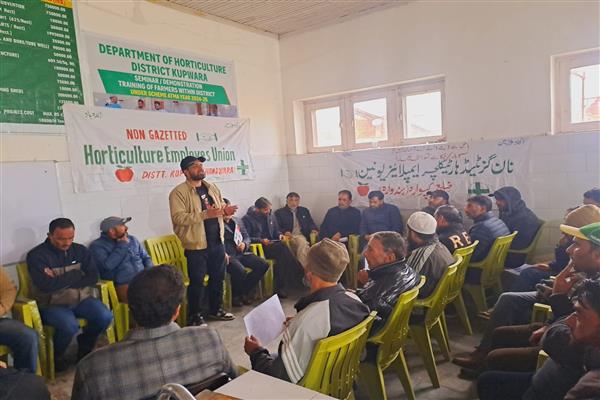
Employees of the Horticulture Department in Kupwara held a protest demonstration on Saturday, demanding the release of their salaries.The employees gathered in Handwara, raising slogans such as “We want justice,” “Release our salaries,” and “Salaries are our justice.”
The employees stated that recently the court had ordered the release of wages to temporary employees and had issued an order for the seizure of DDO (Drawing and Disbursing Officer) powers from the Chief Horticulture Officer of Kupwara.As a result, permanent employees are facing issues regarding the disbursement of their salaries.
The protest was also joined by TUCC leader Amir Geelani, who urged the government to review its decision and address the employees’ concerns.
Geelani also highlighted that some employees have family members with cancer, and they are unable to afford treatment. Many employees have taken loans from banks and are struggling to pay their monthly installments. (KNS)
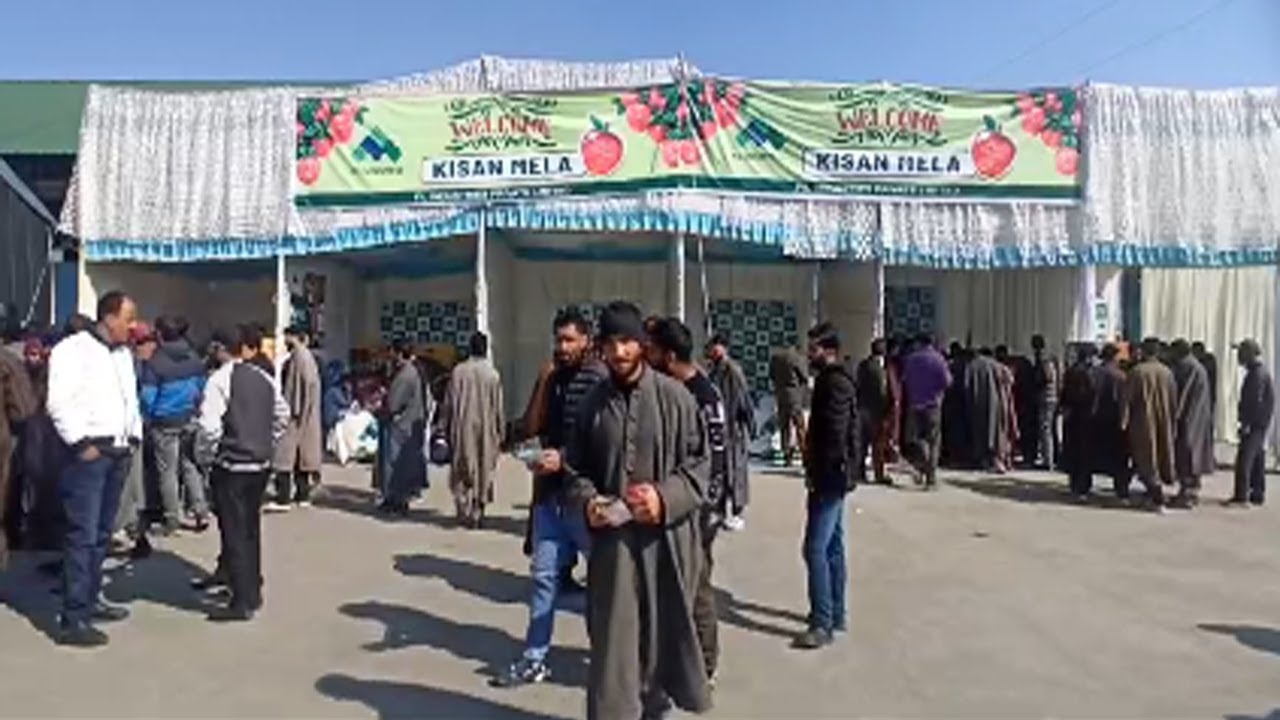
A Kisan Mela is being organised at Old Fruit Mandi Shopian on Thursday, November 21 from 10:30 AM onwards by the Department of Agriculture and allied departments.
The Deputy Commissioner (DC) Shopian, Mohammad Shahid Saleem Dar has invited the public in general and students in particular to participate in the day-long event.
Post visit, the students have also been invited to participate in an essay competition titled ‘Kisan Mela, an opportunity to have knowledge and first-hand exposure of self-employment schemes in the district.’
The visit and competition is open to all students.Top 10 essay writers will be recognized and rewarded afterwards in a separate function.
The Mela cum exhibition aims to promote awareness about self-employment schemes and schemes for agricultural development. It will provide a platform for knowledge sharing and on the spot registration for schemes.
Various allied and employment generation based departments will showcase and exhibit their schemes, services, and products. Besides progressive farmers and agri entrepreneurs will also have stalls installed there.
People’s Democratic Party Youth President and MLA Pulwama, Waheed ur Rehman Parra on Sunday, expressed deep concern on Sunday over the deteriorating state of Pulwama’s horticulture industry, saying that it is being crippled by administrative dysfunction and negligence. Parra called for the immediate intervention of Lieutenant Governor Manoj Sinha to address the mounting challenges facing the sector.
He said that with unemployment rising across the region, the local economy, which is largely sustained by horticulture, is under severe threat. He stressed that the backbone of the region is being suffocated by the failure of the local horticulture department to fulfil its duties. “The department is in shambles, “leaving farmers abandoned in their struggle for development, pollution control, and proper shop allotments.”
He said the struggles faced by fruit traders and truckers are due to the region’s inadequate infrastructure. Issues such as outdated storage facilities and a lack of cold chain management are causing significant financial losses for those trying to transport and sell their produce.
Parra emphasized that the Pulwama mandi is operating without proper sheds, and there has been no macadamization, leaving the entire area engulfed in dust. “Fruits are being stored in makeshift tin sheds installed by the traders themselves without any government support. The irony is that the government, which claims to support the fruit industry, has provided no assistance. All their promises have fallen flat and proved to be a hoax,” he said.
He said that the environmental pollution, continues to harm orchards and fruit crops in the district. He called for immediate pollution control measures to protect Pulwama’s agricultural output from further damage.
Parra condemned the ongoing delays in providing proper market spaces, noting that without adequate facilities, farmers are unable to sell their produce effectively, resulting in worsening financial hardships.
He stressed the daily struggles faced by truckers transporting horticultural products, who must contend with poor infrastructure and logistical challenges. “Our fruit traders and truckers suffer daily due to inadequate infrastructure and the government’s failure to act. This is not just about Pulwama but the entire supply chain that links us to national markets. Immediate intervention is needed to safeguard these livelihoods,” he said.
Parra warned of the urgent need to save the rural economy and the fruit industry, saying, “There is a dire need to protect the rural economy and our fruit industry. All those directly or indirectly associated with this sector are facing a terrible crisis. It is heartbreaking to see how many livelihoods are being threatened, yet there has been no intervention from the government to save this vital industry.”
He called for urgent reform within the horticulture department, arguing that its inefficiency has worsened the situation for all stakeholders. “Farmers are left to fend for themselves,” he said, “as the department continues to fail in its basic duties of upgrading infrastructure and providing essential services.”
Parra urged Lieutenant Governor Manoj Sinha to intervene immediately and called for a comprehensive overhaul of the horticulture department, along with a robust development plan that includes infrastructure upgrades, pollution control, and proper market facilities for farmers and traders. “Pulwama’s horticulture industry is on the verge of collapse,” he warned. “Without swift intervention, we risk losing not just a key economic driver but also the livelihoods of thousands of families dependent on it.”(KNS)