SKUAST-K Innovation Centre Leads in Startups and Internationalisation; Momina Khan Wins Global Fellowship

The SKUAST-K Innovation, Incubation & Entrepreneurship Centre is dedicated to guiding young innovators towards realising their startup potential. Its efforts have earned it the top spot as the leading incubator in the Union Territory of Jammu and Kashmir, as recognised by the Department of Science and Technology, Jammu and Kashmir on their official website. To date, the centre has established over 45 DPIIT-recognised startups, supported 35 intellectual properties, filed more than 70 patents, raised ₹23 crore in funding, and garnered 65 innovation awards. This is all achieved under the astute guidance of Vice Chancellor SKUAST-K.

In its mission to internationalise education, SKUAST-K, supported by the Department of Science and Technology in New Delhi under the Inclusive Technology Business Incubation Scheme, is fulfilling its commitment to the university’s fourth mandate: Innovations & Entrepreneurship. A prime example is Ms. Momina Khan, a serial graduate working on a novel sero-biotech idea (currently under patent) at the Innovation Centre. She has been awarded the prestigious international Innovation Fellowship “InteRussai” at Skoltech Innovation Centre, Moscow, to work under the mentorship of a global expert for one month. Skoltech will fully fund her fellowship.

Ms. Momina received mentorship from Naveed Hamid, CEO of SKIIE Centre, and support from the Dean, faculty members of COTS Mirgund, and university biotechnologists. Vice Chancellor Prof. Nazir A. Ganai extended his congratulations to Ms. Momina and her mentors for this remarkable achievement. He also commended Prof. Haroon R. Naik, the SKIIE Board of Directors, and the SKIIE Centre team for their exceptional mentoring and commitment to internationalising the university’s innovation and entrepreneurship mandate.

Training Program Empowers Tribal Farmers with Modern Pulses Technology at SKUAST-K

The Dryland Agriculture Research Station at Sher-e-Kashmir University of Agricultural Sciences and Technology, Kashmir (SKUAST-K) recently hosted a comprehensive training program for tribal farmers as part of the All India Coordinated Research Project on Pulses. This initiative was supported by the ICAR-Indian Institute of Pulse Research in Kanpur.

Held in Khiram village, Anantnag, the event saw the participation of over 30 tribal farmers along with SKUAST-K scientists, including Prof. Sher Ahmad Dar, Dr. Latief Ahmad, and Dr. Mushtaq Ahmad Dar.

During the event, Prof. Sher Ahmad Dar discussed the pivotal role of modern agricultural technologies in enhancing the socio-economic conditions of tribal farming communities. He outlined the advancements achieved by the AICRP Pulses Srinagar Centre at SKUAST-Kashmir and urged farmers to embrace these innovations to boost their livelihoods.

Dr. Latief Ahmad, a Scientist at DARS and Outreach Incharge for the AICRP on Pulses, detailed the various initiatives undertaken by SKUAST-K to address the specific needs of tribal farmers. He introduced new pulse varieties tailored for high-altitude regions and underscored the importance of adhering to recommended agricultural practices for improved yields and sustainability.

The program also provided farmers with essential resources, including free tarpaulin sheets, agricultural equipment, field pea seeds, and educational materials. Prof. Mushtaq Ahmad Dar expressed gratitude to the funding agencies, stakeholders, and farmers for their contributions to the successful execution of the program.

Watermelon Cultivation Takes Root in Ganderbal: A New Frontier for Kashmir’s Agriculture

The agricultural landscape of Jammu and Kashmir, traditionally celebrated for its rich variety of fruits such as apples, apricots, cherries, walnuts, and almonds, is experiencing a fresh and promising development. In the Ganderbal district, known for its exceptional grapes and cherries, local farmers are now exploring the cultivation of watermelons, a shift that marks a significant evolution in the region’s agricultural practices.

Historically, watermelon cultivation has been limited to warmer regions like Gujarat, Bangalore, and Maharashtra. However, advancements in technology and modern farming techniques have enabled the introduction of this juicy fruit to the cooler climes of Kashmir. This innovation has been particularly evident in Ganderbal’s villages, including Ahan, Batwin, Zazna, Waskura, and Khanpur, where farmers are successfully growing watermelons.

Shabir Ahmed, a farmer from Ganderbal, has been at the forefront of this new agricultural trend. Initially undertaken as an experimental venture three years ago, watermelon farming has proven to be economically rewarding. Ahmed notes, “If farmers are provided with the right information, knowledge, and awareness, watermelon cultivation could significantly boost incomes.” Despite this year’s prolonged dry spell impacting yields, Ahmed remains optimistic about the future, citing the strong local demand for watermelon during the summer months.

The cultivation of watermelons in Ganderbal is not merely a seasonal curiosity but a well-thought-out agricultural strategy. The region’s cooler temperatures and the use of greenhouse projects allow for the sowing of watermelon seeds in March and April, with harvests ready by July-August. This off-season availability gives Ganderbal a unique advantage, as watermelons from other parts of India are not typically available during this period.

Local farmers are hopeful that with increased support from the horticulture and agriculture departments, watermelon cultivation can be scaled up significantly. One farmer emphasised that with the right guidance, the income potential from this crop could be substantial. He also highlighted the possibility of exporting Ganderbal’s watermelons to other parts of India, capitalising on the fruit’s off-season availability and unique taste.

Chief Agriculture Officer of Ganderbal, Shahnawaz Ahmad, confirmed that this year marks the first commercial attempt at watermelon cultivation in the district. He praised the crop’s potential to be grown as an intercrop, noting that Kashmiri watermelons could soon become a sought-after export item due to their distinctive flavour and seasonal advantage.

The agriculture department has been instrumental in this new initiative, dedicating around 50 hectares of land in the Batwina and surrounding areas to watermelon cultivation. The department has collaborated with local farmers to introduce genetically modified seeds of various melon varieties, an experiment that has shown promising results.

The staggered ripening and harvesting season in Kashmir could ensure a steady supply of watermelons in the region even after the peak season ends elsewhere, adding valuable diversity to the local agricultural offerings. As watermelon cultivation continues to expand in Ganderbal, the potential benefits are clear: enhanced farmer incomes, increased agricultural diversity, and the possibility of placing Kashmiri watermelons on the national map.

With ongoing support and investment in infrastructure, the new watermelon venture in Ganderbal could become a cornerstone of the region’s agricultural economy, marking a significant step forward for Jammu and Kashmir’s farming sector.

SKUAST Kashmir Marks Milestone with Orientation for B.Tech in AI for Agriculture

On Thursday, SKUAST Kashmir hosted an orientation program for the inaugural cohort of its B.Tech in Artificial Intelligence in Agriculture, positioning itself as the first agricultural university in India to offer such a groundbreaking course.

This pioneering degree, available exclusively through SKUAST Kashmir in collaboration with IIT Mandi, is set to revolutionize the field by equipping students with advanced skills to address contemporary agricultural challenges through state-of-the-art technology. This program is the first of its kind in India, focusing specifically on the integration of AI within the agricultural sector.

The orientation took place at the university and was chaired by the Vice Chancellor of SKUAST Kashmir, with Ambassador Chinthapally Rajasekhar (IFS) serving as the guest of honor. Key university figures present included Prof. Nelofar Banday (Dean of Students Welfare), Prof. S.A. Gangoo (Dean of the Faculty of Forestry), Prof. Feroz Bhat (Dean of the Faculty of Fisheries), Prof. Azmat Alam Khan (OSD to the Vice Chancellor), and Prof. Rohitashav Kumar (Associate Dean of COAET).

Prof. Rohitashav Kumar opened the event with a welcome address and a comprehensive overview of the program’s significance, detailing the carefully crafted curriculum and course structure.

Industry representatives such as Mr. Manu Mehta from Fore Solutions, Mr. Rohit Agarwal from Partex Solutions, and Mr. Moorty Kanagraj from Enthutech Solutions also spoke at the event. They commended the university for launching this much-needed program and motivated students to engage with it passionately. They also extended their support for the program’s success.

IIT Mandi was represented by Dr. Tushar Jain (Dean of Students and Expert in Climate-Controlled Agriculture), Dr. Shyam Masakapalli (Associate Professor of Smart Agriculture and Plant Biology), and Dr. Radhe Shyam (AI and Robotics Expert). They emphasized the significance of the B.Tech in AI for Agriculture and highlighted IIT Mandi’s role in preparing students for future challenges. They also noted that students will spend the final two years of their degree at IIT Mandi.

Prof. Nazir A. Ganai welcomed the new students and urged them to lead the way in agricultural technology and future job creation. He underscored the transformative potential of AI and ML in agriculture and praised the Associate Dean and his team for their initiative.

During the event, Prof. Ganai distributed starter kits to the students, including Lenovo tablets, microcontroller kits, and essential university information. These kits were sponsored by Fore Solutions and Enthu Technology Solutions Coimbatore.

Ambassador Chinthapally Rajasekhar expressed his enthusiasm for SKUAST Kashmir’s innovative approach and commended the university’s efforts to internationalize education. He also offered continued support for these initiatives.

Exploring the Main Sources of Income in Jammu and Kashmir: Agriculture, Tourism, Handicrafts, and Government Employment

Kashmir Tourism 2025

Jammu and Kashmir, located in the northern part of India, is known for its spectacular landscapes and rich cultural heritage. From its snow-capped mountains to its lush valleys, the region’s natural beauty is unparalleled. Yet, beyond its picturesque scenery, Jammu and Kashmir’s economy is supported by a diverse range of sectors. In this article, we’ll delve into the main sources of income in this unique region: agriculture, tourism, handicrafts, and government employment.

Agriculture: The Backbone of Rural Economy

Agriculture has long been the backbone of Jammu and Kashmir’s economy, sustaining a large part of the population. The region’s diverse topography and varied climatic conditions create an environment conducive to the cultivation of a wide range of crops.

Crops and Farming Practices

In the Jammu region, agriculture is characterised by the cultivation of staple crops such as wheat, rice, and maize. The fertile alluvial soil in the plains of Jammu supports the cultivation of these staple crops, which are essential for local food security. Farmers in this region use traditional methods alongside modern techniques to optimise crop yields.

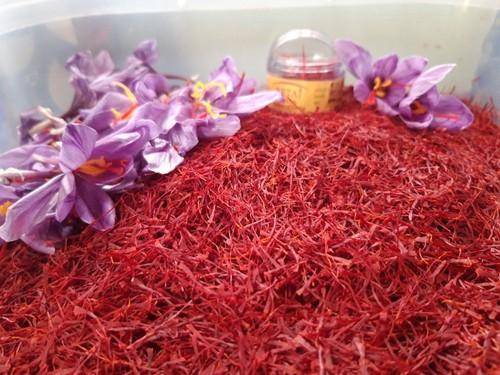
In the Kashmir Valley, the focus shifts to high-value crops. The valley is renowned for its saffron, which is one of the most expensive spices in the world. The unique climate and soil conditions in regions like Pampore provide the ideal conditions for saffron cultivation. The spice’s delicate flowers are harvested by hand, and the process is both labour-intensive and time-consuming.

Horticulture: A Fruitful Industry

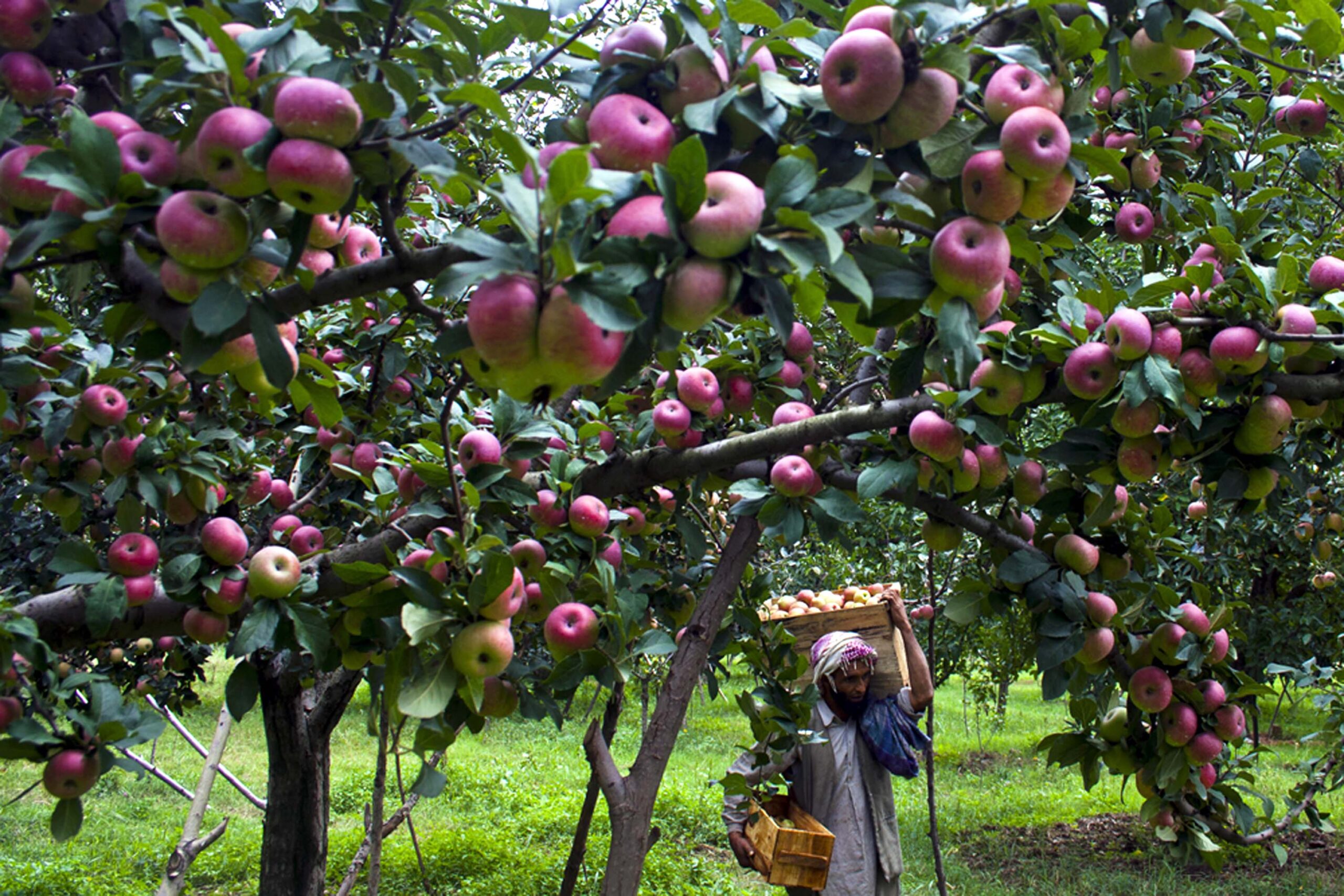
Horticulture also plays a crucial role in the agricultural sector. The Kashmir Valley is famous for its apple orchards, which produce a variety of apple types, including the renowned Kashmiri apple. Apples from this region are known for their crispness and sweetness, making them highly sought after in domestic and international markets.

In addition to apples, other fruits such as cherries, apricots, walnuts, and almonds are grown in the region. The cultivation of these fruits not only supports local farmers but also contributes significantly to the region’s economy through exports.

Challenges and Future Prospects

Despite its importance, agriculture in Jammu and Kashmir faces several challenges. Issues such as inadequate irrigation facilities, land degradation, and the impact of climate change pose threats to agricultural productivity. The region is also prone to natural disasters such as floods and landslides, which can damage crops and disrupt farming activities.

Efforts are being made to address these challenges through various government schemes and initiatives aimed at improving irrigation infrastructure, introducing modern farming techniques, and providing financial support to farmers. The focus is also on promoting organic farming and increasing the value of agricultural products through better marketing strategies.

Tourism: The Jewel of Jammu and Kashmir’s Economy

Tourism is another major source of income for Jammu and Kashmir. The region’s stunning natural beauty and rich cultural heritage make it a popular destination for tourists from around the world.

Natural Attractions

Jammu and Kashmir is blessed with a range of natural attractions that draw tourists year-round. The snow-capped peaks of the Himalayas, particularly in areas like Gulmarg and Pahalgam, offer excellent opportunities for skiing and trekking. The picturesque Dal Lake and Nigeen Lake in Srinagar, with their traditional houseboats and shikaras (wooden boats), provide a unique experience for visitors seeking tranquillity and scenic beauty.

The region’s lush green meadows, such as those in Sonamarg, and the pristine environment of the Dachigam National Park, home to the endangered Hangul deer, are also significant draws for nature enthusiasts.

Cultural and Historical Significance

In addition to its natural beauty, Jammu and Kashmir has a rich cultural and historical heritage. The region is home to several ancient temples, such as the Vaishno Devi Temple in Katra, which attracts millions of pilgrims each year. The Mughal gardens of Srinagar, including Shalimar Bagh and Nishat Bagh, are renowned for their architectural beauty and historical significance.

Traditional Kashmiri crafts, including carpets, shawls, and paper-mâché items, are also a part of the cultural tourism experience. Visitors often purchase these items as souvenirs, which supports local artisans and contributes to the region’s economy.

Challenges and Tourism Development

Tourism in Jammu and Kashmir has faced its share of challenges, including political instability and security concerns. However, the government and local authorities are continuously working to promote the region as a safe and attractive tourist destination. Efforts are being made to improve infrastructure, enhance safety measures, and offer a range of activities that cater to different types of travellers.

The development of eco-tourism and sustainable tourism practices is also a priority. By promoting responsible tourism, the region aims to protect its natural resources while providing economic benefits to local communities.

Handicrafts: Preserving Tradition and Generating Income

Jammu and Kashmir is renowned for its traditional handicrafts, which are an important source of income for many families. The region’s rich cultural heritage is reflected in its crafts, which are celebrated for their intricate designs and high-quality craftsmanship.

Notable Handicrafts

One of the most famous handicrafts from the region is the Kashmiri shawl. These shawls are made from fine wool or silk and are often embroidered with elaborate patterns. The artistry involved in creating these shawls is passed down through generations, and they are highly valued both domestically and internationally.

Kashmiri carpets are another renowned product, known for their intricate designs and high quality. The weaving of these carpets is a time-honoured tradition, and each piece is often handcrafted with great skill and precision.

Paper-mâché items from the region are also popular. These items, which include decorative boxes, trays, and figurines, are made using a traditional technique that involves layering paper and applying intricate designs.

Economic Impact and Challenges

Handicrafts contribute significantly to the region’s economy by providing employment to artisans and supporting local businesses. However, the sector faces challenges such as competition from mass-produced items and fluctuating market conditions. The decline in traditional craftsmanship skills due to the younger generation’s migration to urban areas for better opportunities also poses a challenge.

To support the handicrafts industry, efforts are being made to promote these products through exhibitions and fairs, both within India and abroad. There is also a focus on modernising traditional techniques and exploring new markets to sustain the industry’s growth.

Government Employment: A Stable Source of Income

Government employment is a significant source of income for many residents of Jammu and Kashmir. The public sector provides jobs in various fields, including administration, education, and health services.

Public Sector Jobs

In Jammu and Kashmir, the government is a major employer, with many people working in administrative roles at various levels. This includes positions in local, state, and central government offices, as well as public sector enterprises.

Educational institutions, including schools and universities, are another major source of employment. Teachers and administrative staff in these institutions are employed by the government, contributing to job stability and providing a steady income for many families.

The health sector, including hospitals and clinics, also offers employment opportunities. Medical professionals, including doctors, nurses, and support staff, are employed by government health facilities, ensuring that the population has access to medical services.

Challenges and Opportunities

Government employment provides job security and benefits, but it also faces challenges such as bureaucratic inefficiencies and limited opportunities for career advancement. The region is also grappling with issues related to recruitment and the need for modernisation in various public sector departments.

To address these challenges, there is a focus on improving administrative processes, enhancing training and development programs, and exploring opportunities for public-private partnerships. These efforts aim to create a more efficient and dynamic public sector that can better serve the needs of the region’s residents.

Conclusion

Jammu and Kashmir’s economy is supported by a diverse range of sectors, each contributing to the region’s financial health and stability. Agriculture remains a vital source of income, with the cultivation of staple crops and high-value produce such as saffron and apples. Tourism, with its natural attractions and cultural heritage, draws visitors from around the world and provides significant economic benefits. Handicrafts, reflecting the region’s rich traditions, support local artisans and contribute to the economy. Government employment offers stability and security to many residents.

Despite the challenges faced by each sector, ongoing efforts to address issues and promote sustainable growth are crucial for the region’s economic development. By balancing traditional strengths with modern advancements, Jammu and Kashmir can continue to thrive and offer opportunities for its people while preserving its unique cultural and natural heritage.

The Revenue of Tourism in Kashmir: An Overview

Tourism is a major source of income for Kashmir, known for its stunning scenery and cultural richness. However, understanding how much revenue tourism brings in can be a bit complex, as figures can change from year to year. Here’s a simple overview of tourism revenue in Kashmir, including recent trends and future prospects.

How Much Money Does Tourism Bring in?

Historical Figures

Before the COVID-19 pandemic, tourism in Kashmir was a big contributor to the region’s economy. In the year 2018-2019, tourism brought in around ₹8,000-10,000 crore (about $1 billion – $1.3 billion). This revenue came from visitors both from India and abroad who enjoyed the beautiful landscapes, historical sites, and cultural experiences that Kashmir has to offer.

Impact of COVID-19

The pandemic had a huge impact on tourism globally, including in Kashmir. Travel restrictions and lockdowns meant that fewer tourists could visit, causing a significant drop in revenue. In 2020 and 2021, tourism revenue in Kashmir fell by roughly 70% compared to the years before the pandemic.

Recent Recovery

As the world began to recover from the pandemic, so did Kashmir’s tourism sector. By the end of 2023, tourism revenue in Kashmir was estimated to be recovering, though not quite back to pre-pandemic levels. The revenue during this period was around ₹5,000-7,000 crore (approximately $600 million – $900 million). The increase in visitors and spending has been encouraging, but the industry is still working to fully bounce back.

What Contributes to Tourism Revenue?

  1. Accommodation and Hospitality: Hotels, guesthouses, and houseboats are major sources of income. Places like Srinagar are well-known for their beautiful houseboats and luxury hotels, which attract many tourists.
  2. Transport and Travel Services: Revenue also comes from transportation services such as taxis, shikaras (traditional boats), and tour operators. The transport infrastructure, including roads and airports, helps facilitate tourism.
  3. Local Crafts and Souvenirs: Kashmir is famous for its handicrafts, such as shawls, carpets, and paper-mâché items. Tourists often buy these items as souvenirs, which supports local artisans and contributes to tourism revenue.
  4. Recreational Activities: Activities like skiing in Gulmarg, trekking, and other adventure sports are popular among tourists. These activities generate additional income and support local businesses.

Looking Ahead: Future Prospects

To boost tourism revenue in the future, the government and local authorities are focusing on several key areas:

  1. Improving Infrastructure: Upgrading roads, airports, and accommodation facilities to make the region more accessible and comfortable for tourists.
  2. Diversifying Tourism Options: Promoting different types of tourism, such as eco-tourism and cultural tourism, to attract a wider range of visitors.
  3. Marketing and Promotion: Increasing efforts to market Kashmir’s attractions through various channels, including online platforms and travel fairs.
  4. Sustainable Tourism: Implementing practices that protect the environment and preserve cultural heritage while ensuring that local communities benefit from tourism.

Conclusion

Tourism is a vital part of Kashmir’s economy, bringing in significant revenue and supporting many local businesses. Although the sector was hit hard by the COVID-19 pandemic, there are signs of recovery as more tourists return. By continuing to improve infrastructure, diversify tourism offerings, and promote the region, Kashmir aims to enhance its tourism revenue and ensure long-term growth.

J&K Launches Skill Development Program for Sericulture with New Resources and Support

Ajaz Ahmad Bhat IAS, Director of Sericulture, kicked off a three-day Skill Development Training Program on Thursday. This initiative is part of the Silk SAMAGRA-II and Holistic Agriculture Development Programme (HADP) aimed at advancing human resource development in Jammu and Kashmir.

The event featured the launch of the “Silk Mark Journal” and “Resham Booklets,” which are designed to spread knowledge and best practices in the sericulture industry. Dr. M. Maheshwari, Director of the Central Sericultural Research & Training Institute (CSR&TI), Central Silk Board, Ministry of Textiles, Government of India, Pampore, was the Special Guest of Honor.

As part of the program, rearing kits were handed out to progressive farmers in Srinagar and Budgam Districts, highlighting the department’s dedication to empowering the sericulture community.

During his address, Director Bhat emphasized the importance for stakeholders to utilize the department’s resources, including technical support, disease-free silkworm rearing disinfectants, rearing tool kits, and phased financial assistance for constructing rearing sheds.

Silkworm rearers and farmers present expressed their gratitude to Director Bhat for his unwavering commitment and efforts, which they believe will significantly contribute to the sector’s development.

Director Bhat also urged officers to accelerate the preparation of Detailed Project Reports (DPRs) for submission to the government. This initiative aims to establish community rearing halls across J&K, providing landless and marginal farmers with the opportunity to engage in silkworm rearing under the department’s supervision—a critical step for the sector’s sustainable growth.

The program underscored the department’s commitment to a thriving and innovative sericulture industry through ongoing human development initiatives and training.

Director Bhat expressed appreciation to the Hon’ble Lieutenant Governor, Chief Secretary, Principal Secretary of the Agriculture Production Department, and Member Secretary of the Central Silk Board for their support in revitalizing the sericulture industry in J&K.

Dr. Maheshwari of CSR&TI Pampore reaffirmed her full support for the Sericulture Department and local farmers. She emphasized the significance of skill development training programs and expressed hope that such initiatives will continue to be organized, promoting scientific practices in silkworm rearing to enhance silk production in J&K.

Garlic: The Golden Bulb Boosting Farmers’ Livelihoods and Kulgam District’s Economy

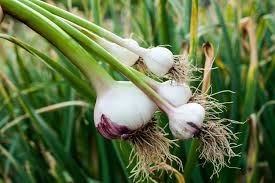
Garlic, the ODOP (One District One Product) product of District Kulgam, is famous for its golden brown husk, bulbous form, and low acidity. It plays a crucial role in sustaining local farmers’ livelihoods and significantly boosting the district’s economy.

The unique cold and high-altitude climate of Kulgam is ideal for producing high-quality garlic, fostering economic growth and community sustainability. Under the Government of India’s ODOP initiative, Kulgam’s garlic has been highlighted for its exceptional quality.

ODOP aims to promote balanced regional development by selecting, branding, and promoting a unique product from each district. For Kulgam, this product is garlic, renowned for its distinctive golden brown husk, bulbous form, and lower acidity compared to other varieties.

Local farmers, supported by the Agricultural Department, attest to the superior quality of Kulgam garlic. Agriculture experts highlight that Kulgam cultivates one of the finest garlic varieties in the country, with 166 hectares dedicated to garlic farming, yielding 1,826 metric tons of dry garlic annually.

This production generates substantial revenue of 7.30 crore rupees for the district. Experts note that the versatility of Kulgam garlic, used in various forms such as fresh, dry, paste, and pickles, is a key factor in its selection for the ODOP initiative. The natural chemicals in Kulgam garlic are of such high quality that they are unmatched.

The District Administration, under the ODOP initiative, is driving a ‘garlic revolution,’ ensuring that Kulgam continues to thrive and reach new heights in agricultural excellence.

You May Like :

Er. Rashid Thanks Voters After Historic Win, AIP Focuses on Securing His Release

2 former CMs lose NC Dominate Kashmir in Parliamentary Elections

EPG Celebrates World Environment Day 2024 with Grand Event at Greenland Paramedical & Nursing College

Kashmir’s Agricultural Splendor: A Tapestry of Treasures from Saffron to Mushrooms

Kashmir, the “Paradise on Earth,” is not just breathtakingly beautiful, but also a land brimming with agricultural riches. Despite its vast potential, the valley’s honey production remains a fraction of what it could be. However, this doesn’t overshadow the abundance of other agricultural products that Kashmir offers, making it a significant contributor to India’s agricultural basket.

Honey: A Sweet Promise

While Kashmir boasts a diverse flora ideal for honey production, official figures reveal only 40,000 bee colonies, far below its potential. This fragrant golden liquid holds immense promise, and initiatives like the Honey Processing Unit set up in Tripura by Khadi and Village Industry Board offer valuable insights for future development.

Saffron: The King of Spices

Kashmir stands tall as a leading global producer of saffron, the world’s most expensive spice. Pampore, with its extensive saffron cultivation, rivals Iran and Spain for the title of the world’s largest saffron producer. These delicate crimson threads, meticulously handpicked from the saffron crocus flower, have been prized for their culinary, medicinal, and coloring properties for millennia.

Apricots: A Nutritional Powerhouse

Ladakh, a region within Jammu and Kashmir, is India’s primary producer of apricots. These sweet-tart stone fruits are not just delicious but also packed with nutrients, making them a true superfood. Apricot harvesting takes place in late summer and early autumn, with the Khalsi Block of Kargil contributing significantly to the national yield.

Apples: The Crown Jewel of Kashmiri Horticulture

Apple production reigns supreme in the Kashmir Valley, accounting for a staggering 90% of the valley’s total crop and over 60% of India’s apple production. Apples dominate the horticultural sector, occupying the largest area under fruit cultivation and significantly contributing to the state’s GDP.

Walnuts: The “Royal Nut”

Jammu and Kashmir is India’s leading producer of walnuts, a “royal nut” thriving in cold climates. The UT boasts extensive walnut cultivation across districts like Anantnag, Pulwama, Kupwara, and Budgam. Doda district in the Jammu region also contributes significantly to walnut production. Kashmir boasts the highest productivity of walnuts, with Anantnag and Budgam leading the pack.

Almonds: Memory Boosters from the Himalayas

Almonds, known for their memory-enhancing properties, find a home in the specific hilly areas of Jammu and Kashmir with favorable climates. The sweet variety of almonds cultivated here is ‘Prunus amygdalis var dulcis.’ While almond cultivation is restricted to designated areas, it remains an important contributor to the state’s agricultural output.

Kala Zeera: A Gurez Valley Treasure

Nestled in the Himalayas, Gurez Valley, a part of Bandipora district, is a treasure trove of agricultural and medicinal products. One such gem is Kala Zeera, also known as black cumin. This prized crop, used in various cuisines and medicinal products, holds immense potential for production expansion and economic upliftment for Kashmiri farmers.

Kashmiri Mushk Budji Rice: An Aromatic Delight

Muskeh Budji rice, a short-grain aromatic variety, thrives in the higher reaches of the Kashmir Valley. This unique rice offers a harmonious blend of taste, aroma, and rich texture. Its cultivation is restricted to specific areas like Sagam, Panzgam, and Soaf Shali of Anantnag district and the Beerwah belt of Budgam district.

Kashmiri Mishri Cherry: Sweetening Lives

Kashmir is famed for its exceptionally sweet cherry variety. Contributing nearly 95% of India’s total cherry output, Kashmir produces a bounty of 12,000 to 13,000 metric tonnes of cherries annually. Packed with essential nutrients and minerals, these cherries have been a cherished part of Kashmiri agriculture for generations.

Kashmiri Gucchi Mushroom: A Prized Delicacy

Morel mushrooms, locally known as “Gucchi” in India, are a prized culinary treasure found in the foothills of Jammu and Kashmir. These exotic wild mushrooms, rich in antioxidants and boasting a GI tag, are a staple in celebratory feasts like weddings. Their high price point, ranging from Rs. 10,000 to Rs. 30,000 per kilogram, reflects their unique flavor and health benefits.

Kashmiri Rajma: A Comforting Staple

Rajma, a popular kidney bean dish in northern India, finds some of its finest varieties in Jammu and Kashmir. The Peerah rajma of Ramban and the slightly sweet rajma from Chinta Valley in Doda district are particularly renowned.

Conclusion

Kashmir’s agricultural bounty extends far beyond these highlighted products. From vegetables and pulses to

Empowering Youth Through Forestry Entrepreneurship: A Collaborative Awareness Program

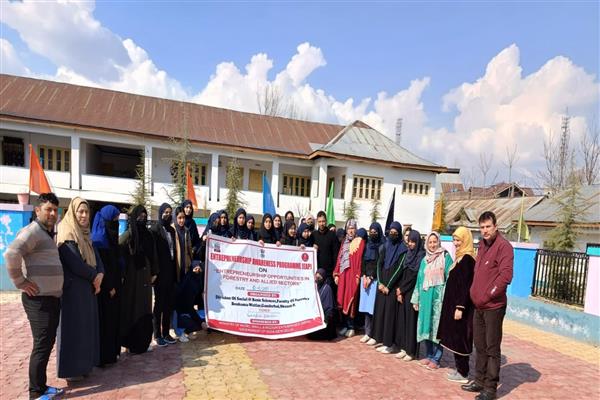
The Division of Social and Basic Sciences at the Faculty of Forestry, Sher-e-Kashmir University of Agricultural Sciences and Technology of Kashmir (SKUAST-K), situated in Benhama-Watlar, Ganderbal, recently organized a day-long awareness program in partnership with the Government Girls Higher Secondary School, Ganderbal, Kashmir. The primary goal of this initiative was to educate current and former students of the Higher Secondary School about the entrepreneurial opportunities available in forestry and related fields.

Dr. Syed Naseem Geelani, the coordinator of the program, stressed the importance of such endeavors in preparing young individuals for the challenges they may face in the job market. Attendees were informed about various Micro, Small & Medium Enterprises (MSME) programs and skill development opportunities, aimed at empowering unemployed youth. The discussion centered on forestry-based enterprises, including nursery technology, sustainable logging practices, eco-tourism, and wildlife conservation, highlighting potential avenues for sustainable livelihoods in rural communities. Additionally, the exploration of opportunities in medicinal and aromatic plants offered promising prospects for enhancing livelihoods in these regions.

A comprehensive presentation underscored the critical importance of forests and forest-related products, emphasizing their role in sustaining life by producing oxygen. The imperative to conserve and protect forest resources was emphasized. Dr. Geelani also elaborated on various training programs offered by the university, notably focusing on the lucrative domain of mushroom cultivation and its manifold benefits.

In furtherance of environmental conservation efforts, a plantation drive featuring various deodar plants was conducted on campus in collaboration with the Division of SAF, FoF. Dr. Geelani expressed gratitude to Prof GM Bhat, the Head of the Division of SAF, for providing the saplings.

Acknowledgment was extended to the Principal of Government Girls Higher Secondary Ganderbal and their team, including Mrs. Qurat, Lecturer of Botany, and Mr. Riyaz Ahmad, Lecturer of Geography, for their valuable collaboration and coordination.

The collective efforts and support from various stakeholders, including the Honorable Vice-Chancellor, Director of Planning and Monitoring, Dean of the Faculty of Forestry, and the sponsoring agency, the Ministry of Micro, Small & Medium Enterprises (MSME) Government of India, were gratefully acknowledged. (KNS)

Farewell Meet Held for Retiring Officials of Sericulture Development Department in J&K

The Sericulture Development Department in Jammu and Kashmir bid a fond farewell to Syed Mohammad Ayub, Section Officer, and Imtiyaz Ahmad Dar, Orderly, from the Directorate of Sericulture Development Department in Srinagar as they retire after years of dedicated service.

Under the chairmanship of Ajaz Ahmad Bhat (IAS), Director of Sericulture in Jammu and Kashmir, a farewell gathering was organized. The event was graced by the presence of the Development Officer from Sericulture Dev. Department ISDP Sonawari, along with esteemed senior officers and colleagues.

Director Ajaz Ahmad Bhat (IAS) commended the retiring officials for their unwavering commitment to their duties. He extended his heartfelt wishes for their future, hoping for a joyous, healthy, and fulfilling retirement.

As a token of appreciation, Director Ajaz Ahmad Bhat (IAS) concluded the gathering by presenting mementos to both Syed Mohammad Ayub and Imtiyaz Ahmad Dar.