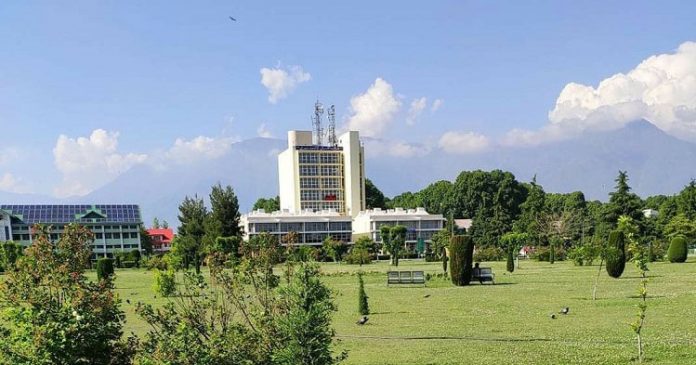
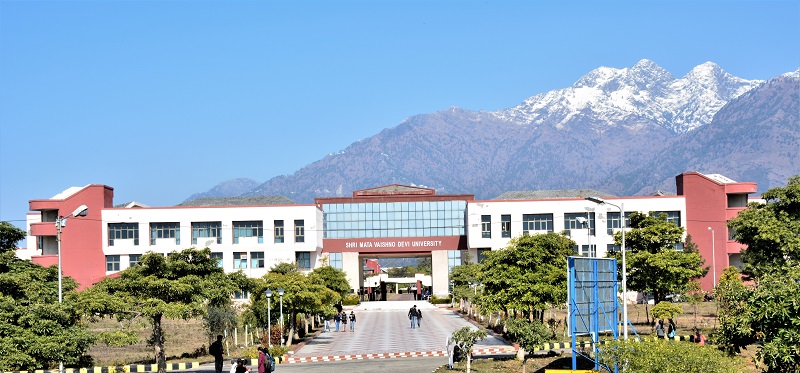
According to an order issued by the Principal Secretary of the Higher Education Department (HED), Alok Kumar, it states, “In the interest of administration, it is hereby ordered that the Principal of Government College of Education, Srinagar, shall also serve as the Nodal Principal of Colleges in the Kashmir Division, alongside her existing duties. This decision relieves Professor Dr. Sheikh Ajaz Bashir, Director of Colleges, J&K, of his role as Nodal Principal for Kashmir Division, effective immediately.”Click Here To Follow Our WhatsApp Channel
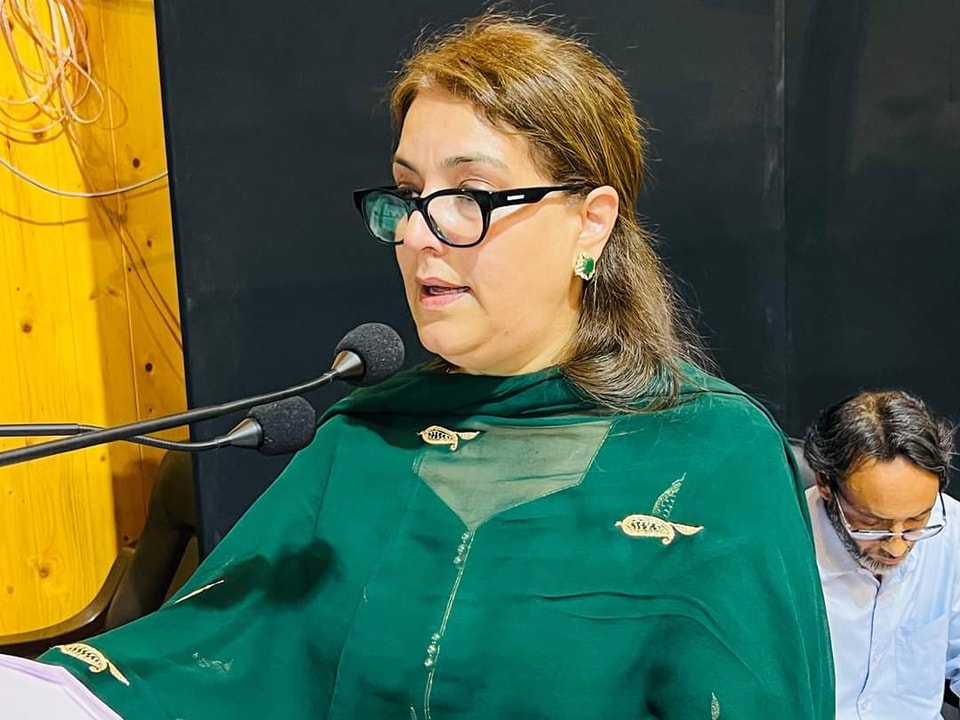
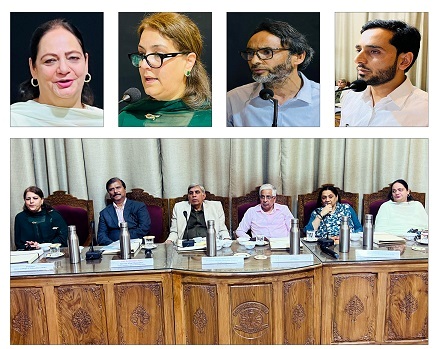
During the event, faculty members of the Government College of Education, led by senior faculty member Professor Dr. Nazir Ahmad Bhat, extended their congratulations to Professor Dr. Seema Naz on her new appointment as Nodal Principal for the Kashmir Division Colleges.
On behalf of the faculty, Dr. Bhat assured full support for advancing the higher education department and improving the student community’s welfare.
In her address to the staff, Professor Dr. Seema Naz emphasised the importance of teamwork and urged everyone to maintain transparency and integrity in all their efforts.
Education is often heralded as the beacon of light that guides individuals and societies towards progress and enlightenment. It plays a crucial role in shaping minds, nurturing talents, and fostering a sense of self-awareness and confidence. However, the current educational landscape, particularly in regions like Kashmir, faces numerous challenges that impede its effectiveness. From inadequate infrastructure to a shortage of qualified and compassionate teachers, these issues significantly affect the quality of education and the overall development of students. This article delves into the various facets of the educational system, highlighting its importance, identifying existing problems, and calling for necessary reforms to ensure a brighter and more equitable future for all learners.
The article underscores the essential role of education in personal and societal development, particularly highlighting the challenges within the educational system in Kashmir. Here’s a summary in more humanised UK English:
**The Importance of Education**: Education is portrayed as a vital gift that illuminates the mind and purifies the heart. It empowers individuals to fulfil their dreams and make meaningful contributions to society. Without it, tackling life’s challenges would be much harder.
**Current Issues in Education**: The article criticises the current education system for its many flaws. It points out that while there are skilled and qualified teachers, there are also many who fail to do justice to their profession. This inadequacy negatively impacts students.
**Teacher-Student Relationship**: A major concern raised is the behaviour of some teachers towards their students. If a teacher is harsh, it can instil fear and anxiety in young children, making them dread going to school. Supportive and compassionate teachers are essential for a positive learning experience.
**Infrastructure Problems**: The article describes the poor infrastructure in many schools, especially in Kashmir. Many students are forced to study in unsuitable conditions, such as without proper shelter, which hampers their ability to learn effectively.
**Need for Qualified Teachers**: Simply building more schools and colleges isn’t enough. There is a dire need for qualified, dedicated teachers who can genuinely understand and cater to their students’ needs. The article also suggests updating the curriculum to better align with modern times and the students’ cognitive abilities.
**Social and Psychological Impact**: The emotional and psychological impact on children, especially those who have lost their fathers due to the ongoing conflict in Kashmir, is profound. These children often experience feelings of guilt, anger, and depression, which affect their education and overall well-being.
**Role of Social Reformers**: There’s a call for social reformers to address these issues effectively and take steps to improve both educational and social conditions in the region.
**Overall Development**: Education is vital for individual and national progress. Every effort must be made to provide a conducive learning environment, including love, compassion, and proper educational resources for children, to ensure a brighter future.
—
In essence, the article calls for urgent attention to improve the educational system, ensure better infrastructure, and provide a supportive environment for students to thrive. It highlights that education is not just about academics but also about nurturing and supporting the emotional and psychological well-being of children.
Education is very important for both individuals and society. It helps people understand themselves and achieve their dreams. However, the education system, especially in places like Kashmir, has many problems. There are not enough good teachers, and some schools have poor buildings where children study in difficult conditions. Harsh treatment from some teachers can make students afraid of school. The article calls for better-qualified teachers, improved school buildings, and a more modern curriculum to help students succeed. It also highlights the emotional struggles of children affected by conflict and the need for social reformers to address these issues. In short, education needs serious improvements to ensure a better future for all children.
(writer : Asma ara ,a famous writer and educationist from Kashmir Valley)
The analysis of enrolment data for the academic years 2023-24 and 2022-23, based on UDISE+ data from government schools, indicates a decline of 61,451 students over one year.
This decrease in enrolment is evident when comparing UDISE data for 2022-23 with that of 2023-24. According to official documents, this decline has been identified across 554 schools in J&K within the year.In light of this troubling revelation, the Directorate of Samagra Shiksha J&K has instructed all Chief Education Officers (CEOs) to validate the data and investigate the reasons behind the decline in school enrolment.
“Several schools are showing a significant decline. 554 schools have been identified which are showing a decrease of 61,451 in enrolment,” states an official communication addressed to all CEOs.
The Directorate of Samagra Shiksha has attached a list of these schools with the official communication, highlighting those where enrolments have dropped by more than 50 students compared to the previous year.
“You are requested to review and validate the provided details and communicate any insights or reasons elucidating the observed decline in enrolment,” the official document reads.CEOs have been asked to submit their reports by July 3, 2024.
“The report should be authenticated by the concerned Chief Education Officer so that the J&K-level report can be finalised at an early date. Your immediate attention to this matter within the given timeframe is of paramount importance,” the document reads.
This decline in enrolment has been noted despite the annual enrolment drives conducted by the School Education Department (SED) over the past few years.The department claimed to have registered over one lakh new admissions in schools across various classes.
Despite these claims of increased student enrolment in previous years, the analysis of UDISE data has shown a decline of over 61,000 students in just one year.
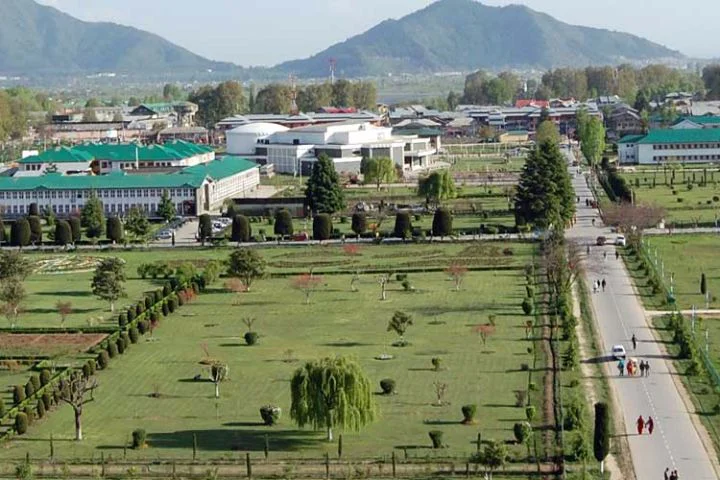
The Government College of Education (GCoE) M A Road Srinagar hosted a two-day national conference on Tuesday focusing on “NEP 2020: Innovative Pedagogical Approaches and Evaluation Reforms in Higher Education.” The event was inaugurated by Prof. Dinesh Singh, a prominent educationist and Chairperson of the JK Higher Education Council. The conference saw participation from notable dignitaries across the country, including Prof. A. Ravinder Nath, Vice-Chancellor of the Central University of Kashmir; Prof. Umesh Rai, Vice-Chancellor of Jammu University; Prof. Manisha Priyam from the National Institute of Educational Planning and Administration, New Delhi; Prof. (Dr.) Yasmeen Ashai, Director of Colleges, J&K; Prof. (Dr.) Wilayat Rizvi, Registrar of Cluster University; Prof. (Dr.) Syed Nazir Simnani, Principal GDC Bemina; and Prof. (Dr.) Ghulam Jeelani Qurashi, Principal SP College. Faculty members and research scholars from various colleges across J&K also attended.
Academicians from Delhi University, TISS Mumbai, Jammu University, and Jamia Millia Islamia were present at the inaugural session. Prof. Dinesh Singh, the Chief Guest, emphasized the essence of true education, highlighting the significance of deep-spirited activities and citing examples of influential figures like Gandhi, Kabir, Einstein, Mendel, and Milton.
In a special address, Prof. A. Ravinder Nath, VC of CUK, noted that J&K is leading the way in implementing NEP-2020. He discussed key aspects of NEP-2020, including learner-centric education, inclusiveness, holistic approaches, personalized degree design, and the academic bank of credits. Prof. Umesh Rai, VC of JU, stressed the importance of connecting education with real-life experiences beyond classroom walls.
Prof. (Dr.) Yasmeen Ashai, Director of Colleges and patron of the conference, elaborated on the conference theme. Prof. Manisha Priyam from NIEPA spoke about the national perspective on NEP-2020, covering pedagogical approaches, evaluation reforms, breaking disciplinary boundaries, comparing AI and the human mind, open book exams, and creating a knowledge society.
Prof. Seema Naz, Principal of the host college, welcomed the guests and presented an overview of the institution’s achievements in teaching, learning, innovation, internships, and infrastructure development.
The conference will conclude on June 26, 2024, with paper presentations from scholars across J&K on topics such as innovative pedagogical approaches, multi-mode teaching, and assessment and evaluation in higher education.
Tabinda Jan, a student of Euro Presentation Secondary School, Nai Basti Anantnag, has emerged as the topper in the JKBOSE Class 10th results with an outstanding score of 99.6%. Expressing her aspirations, Tabinda revealed her ambition to pursue a career as a neurosurgeon.
In an exclusive interview with Rising Kashmir, Tabinda shared her journey to success, mentioning that while she expected good marks, becoming the top scorer came as a pleasant surprise. She attributed her achievement to a supportive family environment where her father, a government employee, and her mother, a homemaker, nurtured a conducive atmosphere for her studies. Tabinda also acknowledged her brother’s assistance during challenging times, particularly in winter.
Reflecting on her study habits, Tabinda emphasized maintaining consistency rather than last-minute cramming, which she believes reduces stress and enhances clarity in understanding subjects. She plans to focus on medical subjects to pursue her dream of becoming a neurosurgeon.
In a message to fellow students, Tabinda congratulated those who succeeded and encouraged those who didn’t to stay motivated and resilient, emphasizing that class 10th marks are not definitive in one’s journey to success.
When asked about her inspiration, Tabinda credited her parents for their unwavering support and encouragement throughout her academic journey.
Lieutenant Governor of J&K, Manoj Sinha on Thursday has congratulated the students who passed JKBOSE class 10th annual Regular examinations-2024.
In a post on X, LG Sinha wrote, “Congratulations to all students who cleared @Office_JKBoSE Class Xth Annual Regular Examination-2024.Heartening to note that girls have performed exceptionally well.”“I appreciate teachers & parents for their support & dedication. Best wishes to students for your future endeavors”, he said.
The Jammu and Kashmir Board of School Education on Thursday announced results of annual exams of 10tth standard with an overall pass percentage of over 79 percent.Candidates who have appeared for the examination can check the scores on the official website at jkresults.nic.in.The students can check results here https://jkresults.nic.in/jkboseresults.aspx
For the past 34 years, the people of Kashmir have faced immense challenges due to ongoing militancy. This prolonged conflict has deeply affected all aspects of life in the region, with education being one of the most significant areas impacted. Despite these adversities, the resilience and determination of Kashmiris to pursue education remain strong. Let’s delve into the struggles and triumphs of education in Kashmir amidst the backdrop of militancy.
The Impact of Militancy on Education
The ongoing conflict has had a profound effect on the educational landscape in Kashmir. Schools and colleges have often been caught in the crossfire, leading to frequent closures. This has disrupted the academic calendar and hampered students’ ability to learn consistently. Many educational institutions have been damaged or destroyed, making it difficult to provide a safe learning environment.
Psychological Effects on Students
Living in a conflict zone has severe psychological impacts on children and young adults. Exposure to violence, loss, and uncertainty can lead to stress, anxiety, and trauma, which in turn affect their ability to concentrate and learn. The constant state of unrest makes it hard for students to focus on their studies, and many suffer from mental health issues that are often unaddressed due to a lack of resources.
The Role of Educators
Teachers in Kashmir face unique challenges. They have to navigate through disrupted schedules, limited resources, and the psychological trauma of their students. Despite these hurdles, many educators remain dedicated to their mission of teaching. They often go beyond their professional duties, providing emotional support and guidance to their students. Their resilience and commitment are crucial in maintaining a semblance of normalcy in the educational process.
Community and Government Initiatives
In response to the challenges, various community and government initiatives have been implemented to support education in Kashmir. Local NGOs and international organizations have stepped in to rebuild schools, provide learning materials, and offer psychological support. The government has also taken steps to improve the situation by introducing schemes to ensure that education continues despite the disruptions. Online education platforms have been promoted, especially during times when physical attendance in schools is not possible.
The Rise of Online Education
The advent of online education has provided a significant boost to learning in Kashmir. With internet access becoming more widespread, students can now access educational resources and continue their studies from home. Online classes, digital textbooks, and e-learning platforms have become invaluable tools for ensuring that education does not come to a standstill, even during periods of heightened conflict.
Success Stories and Hope
Despite the adversities, there have been numerous success stories from the region. Many Kashmiri students have excelled academically, gaining admission to prestigious institutions both within India and abroad. These success stories serve as beacons of hope and inspiration for others, demonstrating that determination and hard work can overcome even the most daunting challenges.
The Importance of Education for Peace
Education plays a vital role in fostering peace and rebuilding societies affected by conflict. In Kashmir, education can be a powerful tool for promoting understanding, tolerance, and reconciliation. By educating the youth, we can equip them with the skills and knowledge needed to build a more peaceful and prosperous future. Investing in education is investing in peace, as it helps to break the cycle of violence and create opportunities for dialogue and development.
Conclusion
The last 34 years of militancy have undeniably taken a toll on education in Kashmir, but the spirit of learning has not been extinguished. The resilience of students, educators, and communities in the face of adversity is truly inspiring. By continuing to support educational initiatives and providing the necessary resources, we can help ensure that the children of Kashmir receive the education they deserve. Education is not just a means to personal growth; it is a pathway to peace and a brighter future for the entire region. Let us stand together to prioritize and protect the right to education for all, especially in conflict-affected areas like Kashmir.
Education is often seen as the key to a brighter future. It plays a crucial role in shaping individuals, communities, and entire nations. While it may seem like a simple process of going to school, learning involves much more than just reading books and passing exams. It’s about personal growth, understanding the world, and finding our place in it. Let’s explore why education is so important in human life.
Building Knowledge and Skills
At its core, education equips us with the knowledge and skills needed to navigate the world. From basic literacy and numeracy to advanced sciences and arts, learning opens our minds to a wealth of information. This foundation is essential for everyday tasks, such as reading a newspaper, calculating expenses, or understanding health information. Without education, even these simple tasks would be challenging.
Promoting Personal Growth
Education is not just about acquiring facts; it’s also about personal development. It helps us develop critical thinking, problem-solving skills, and the ability to communicate effectively. These skills are vital in making informed decisions and solving the problems we encounter in life. Moreover, education encourages curiosity and a love for learning, which can lead to a lifetime of exploration and discovery.
Enhancing Career Opportunities
One of the most tangible benefits of education is improved career prospects. Higher levels of education often lead to better job opportunities and higher salaries. In today’s competitive job market, having a good education can set you apart from others. It provides the credentials and knowledge needed to pursue a wide range of careers and adapt to the ever-changing job landscape.
Fostering Social Development
Education also plays a significant role in social development. It teaches us about different cultures, traditions, and perspectives, promoting empathy and understanding. Schools are often the first place where we learn to interact with others outside our family, making it a critical environment for developing social skills. Through education, we learn the importance of cooperation, respect, and working together towards common goals.
Empowering Individuals and Communities
An educated individual is often more empowered to make choices that positively impact their life and the lives of those around them. Education can break the cycle of poverty by providing people with the tools they need to improve their circumstances. When people are educated, they are more likely to participate in civic activities, understand their rights, and contribute to the community’s development.
Supporting Health and Well-being
Education also has a direct impact on health and well-being. Educated individuals are more likely to make informed health choices, understand medical instructions, and seek timely medical help. Education, especially for women, has been shown to reduce infant mortality rates and improve the overall health of families. Knowledge about hygiene, nutrition, and disease prevention can lead to healthier lifestyles and longer lives.
Driving Economic Growth
On a larger scale, education is a cornerstone of economic development. Countries with higher education levels tend to have stronger economies. Educated citizens are more productive, innovative, and capable of driving technological advancements. This, in turn, creates jobs, boosts economic growth, and improves the quality of life for everyone in the country.
Encouraging Equality
Education promotes equality by providing everyone with the opportunity to succeed, regardless of their background. It is a powerful tool for leveling the playing field and giving disadvantaged individuals the chance to improve their lives. Education helps to reduce social and economic inequalities by opening doors to better opportunities and fostering a more inclusive society.
Conclusion
In conclusion, education is essential for the growth and development of individuals and societies. It provides the knowledge and skills needed to face life’s challenges, promotes personal and social development, and opens doors to better career opportunities. It empowers people to make informed decisions, supports health and well-being, drives economic growth, and encourages equality. Investing in education is investing in a brighter future for all. So, let’s value and prioritize education, for it truly is the foundation of a better world.
In shadows deep, where dreams may hide, Education’s light, a steady guide. It opens doors, it clears the way, And turns the night to brightest day.
With every word, a world is born, Each lesson learned, a new dawn’s morn. The mind, once bound by ignorance’ chain, Finds freedom, and begins to reign.
It shapes the heart, it molds the soul, It makes us strong, it makes us whole. Through books and wisdom, we shall grow, And learn the things we did not know.
A path to hope, a bridge to peace, In education, all dreams increase. It teaches us to seek, to strive, To understand, to seek, to thrive.
Not just in facts, but in the grace, Of empathy and the human race. Through knowledge, we begin to see, A world that’s filled with harmony.
So cherish learning, seek the truth, No matter age, no matter youth. For in its hands, the world is bright, And education grants us sight.
More About Education
Education stands as a cornerstone of human progress, shaping lives and communities alike. It is far more than a formal process confined to classrooms; education fuels personal growth, societal harmony, and collective advancement. Its role in human life is both profound and multifaceted, touching every corner of existence and creating endless possibilities.
Through education, individuals gain the knowledge and skills necessary to navigate an increasingly complex world. From basic literacy to advanced disciplines, education provides a foundation for critical thinking, problem-solving, and innovation. It allows people to understand their surroundings, question the unknown, and explore opportunities that would otherwise remain hidden.
Beyond the acquisition of knowledge, education is a tool for self-discovery and empowerment. It helps individuals develop confidence, discipline, and moral integrity. Education inspires curiosity and encourages a lifelong pursuit of learning, offering tools to adapt to challenges and seize new chances as they arise.
On a societal level, education is a powerful equaliser. It bridges gaps across socio-economic divides and brings opportunities to those who might otherwise face barriers. When communities are educated, they flourish. People become more engaged in civic duties, fostering cooperation, reducing inequality, and building a fairer society. Education promotes understanding and empathy, teaching individuals to value diversity and embrace the richness of different perspectives.
Economically, education serves as a driving force for growth and stability. Skilled and knowledgeable workforces stimulate innovation and productivity, lifting industries and strengthening national economies. The ripple effects of education extend to better job prospects, improved health outcomes, and increased social cohesion, ensuring a brighter future for all.
Education also plays a critical role in addressing global challenges. From climate change to public health, informed citizens are better equipped to devise and implement sustainable solutions. It instils the values of responsibility and awareness, which are essential for preserving our shared world.
For individuals, education is not just a means to an end but a journey of transformation. It provides the tools to dream and achieve, to question and learn, and to understand the essence of what it means to be human. As society invests in education, it lays the groundwork for a more just, compassionate, and prosperous world.
The importance of education cannot be overstated. It is the key to unlocking potential, breaking down barriers, and building a brighter future for all. Every step taken to improve access to education is a step toward a more enlightened and empowered global community. Let us recognise its value and work collectively to ensure that its light reaches every corner of the world.
Universities and higher education institutions in India will now have the flexibility to admit students twice a year, similar to the admission process followed by universities abroad, according to University Grants Commission (UGC) Chairman Jagadeesh Kumar. This new policy will commence from the 2024-25 academic session, with two admission cycles in July-August and January-February.
“If Indian universities can offer admission twice a year, it will benefit many students,” said UGC Chairman Kumar on Tuesday. “For instance, those who missed admission in the July-August session due to delayed board results, health issues, or personal reasons can now apply in January-February. This biannual admission process will help maintain student motivation as they won’t have to wait a full year if they miss a cycle.”
Currently, UGC regulations allow higher education institutions (HEIs) to admit students only once per academic year, beginning in July-August. An academic session spans twelve months, from July-August to May-June.
The UGC had previously decided during its 571st commission meeting on July 25, 2023, to permit biannual admissions for Open and Distance Learning (ODL) and online modes starting January and July each year. In July 2022, 19,73,056 students enrolled, with an additional 4,28,854 joining in January 2023 through ODL and online programs.
Given the positive response and interest in ODL and online biannual admissions, the UGC, in its meeting on May 15 this year, made a policy decision to extend this option to regular mode programs. HEIs can now admit students twice a year, either in January-February or July-August, from the upcoming academic year.
Institutions that have the required infrastructure and teaching faculty can take advantage of this opportunity to increase student intake and offer new programs in emerging areas. Offering biannual admissions is not mandatory; it is a flexible option provided by the UGC for institutions seeking to expand their enrollment and program offerings. To implement this, HEIs must amend their institutional regulations accordingly.
“With biannual admissions in place, industries can also conduct campus recruitment twice a year, improving employment opportunities for graduates,” added Kumar. Biannual admissions will also help HEIs plan their resources, such as faculty, labs, classrooms, and support services, more efficiently, leading to better functional flow within the university.
Kumar noted that universities worldwide already follow a biannual admission system. If Indian institutions adopt this cycle, it could enhance their international collaborations and student exchanges, improving global competitiveness and aligning with global educational standards.
Biannual admissions can significantly increase the Gross Enrolment Ratio and help India become a ‘Global Study Destination,’ as envisioned in the National Education Policy (NEP) 2020. Kumar emphasized that HEIs adopting biannual admissions need to address administrative intricacies, plan for the efficient use of resources, and provide seamless support systems for students admitted at different times of the year.
“HEIs can maximize the benefits of biannual admissions only if they adequately prepare faculty members, staff, and students for the transition,” Kumar concluded.
In an interview with Rising Kashmir, Asmat Riyaz shared her achievements. In 2023, she scored 534 points in NEET-2023, securing a seat in the BDS program at Government Dental College Srinagar. However, her primary goal was to secure a seat in the MBBS program, for which she achieved 603 points.
Asmat detailed her educational journey, stating, “I completed my primary education at New Era Islamia Public School in my native village, Yadipora, from Nursery to 8th grade. Subsequently, I attended MET Sopore and Government Higher School Palhallan Pattan for my 9th to 12th grade.”
She highlighted that she prepared for the NEET exams through self-study, which she found beneficial as it allowed her to tailor her study schedule to her preferences. Asmat also used YouTube channels to clarify her concepts.
“My brother has been an invaluable source of support and guidance. He passed the CET exams in 2016, and with his help, I was able to succeed in the NEET exams in both 2023 and 2024,” she said.
Asmat also expressed gratitude for the unwavering support from her parents during her preparation. She noted that students who cannot afford coaching centers can still prepare for NEET using study materials available on the internet and YouTube, which are accessible resources for self-study globally.
“Students should never lose hope. With hard work, they too can succeed in qualifying for the NEET exams,” Asmat encouraged.