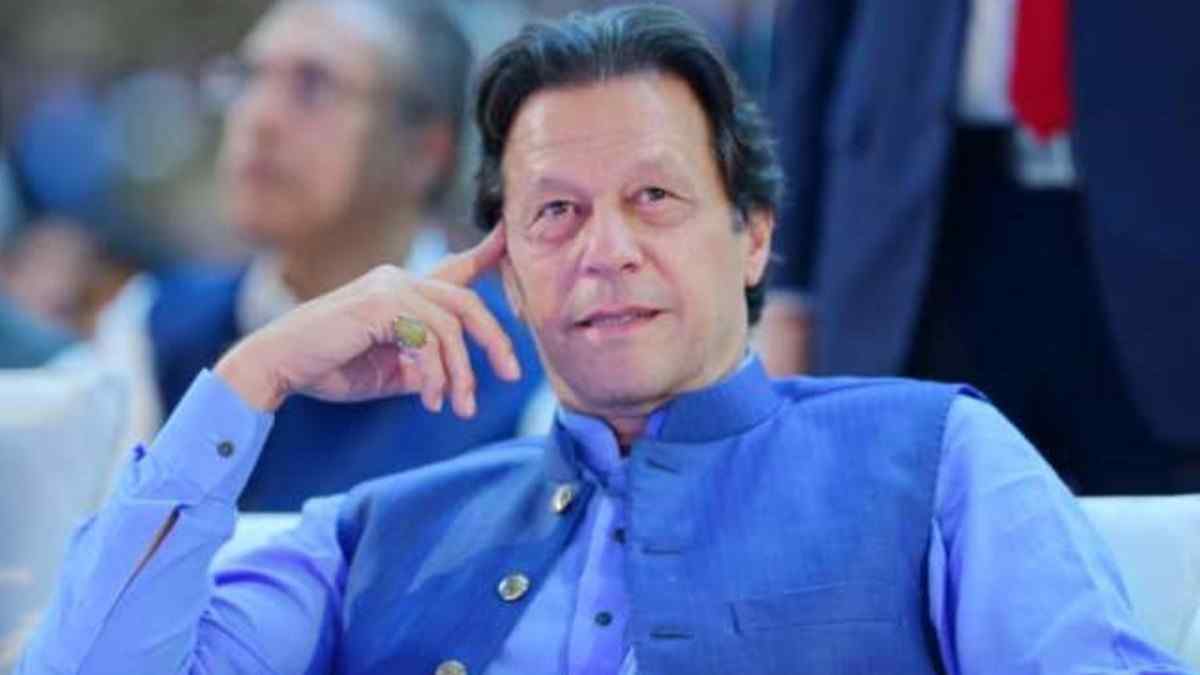
Why India Is Alarmed by Pakistani Cleric Ibtisam Elahi Zaheer’s Bangladesh Visit Near Sensitive Border Zones ?

Ibtisam Elahi Zaheer

Ibtisam Elahi Zaheer (sometimes spelled Ibtisam Ilahi Zaheer) is a prominent Pakistani Islamic scholar, preacher, and political figure born on August 19, 1971, or January 12, 1972, depending on sources. He is the son of Ehsan Elahi Zaheer, a well-known scholar of the Ahl-e-Hadith movement, a conservative Sunni Islamic sect, who was assassinated in Lahore, Pakistan, in 1987, reportedly due to sectarian tensions with Shia groups. Ibtisam has followed in his father’s footsteps, becoming a key leader in Pakistan’s religious and political landscape.

  • Leadership Roles: Ibtisam is the Chief Organizer and Secretary General of Markazi Jamiat Ahle Hadith, a major Ahl-e-Hadith organization in Pakistan that promotes strict adherence to the Quran and Sunnah (teachings of Prophet Muhammad). He also chairs the Quran O Sunnah Movement Pakistan, a platform focused on spreading Islamic teachings.
  • Political Ambitions: He has run for office as a candidate for Pakistan’s National Assembly, representing the Ahl-e-Hadith community, though he has not won a seat. His political activities often blend religious rhetoric with calls for social and political change aligned with Islamic principles.
  • Education and Outreach: Ibtisam holds a degree in engineering and a master’s in English, which he uses to deliver articulate and fiery speeches in Urdu, English, and Arabic. He is known for his extensive international travels for da’wah (Islamic propagation), addressing topics like Islamic unity, the Palestinian cause, and criticism of Shia beliefs, which has made him a polarizing figure.
  • Public Presence: His Facebook page, with over 52,000 followers, regularly shares updates about his sermons, religious events, and community work. He also maintains a YouTube presence, where his lectures attract thousands of views, often focusing on religious revivalism and anti-Western sentiments.

Why Did Ibtisam Visit Bangladesh?

On October 25, 2025, Ibtisam arrived in Dhaka, Bangladesh, for what he and his supporters describe as a religious tour. His stated purpose was to deliver sermons, attend Islamic conferences, and engage with local Muslim communities. Bangladesh, with its large Muslim population and history of Ahl-e-Hadith influence, is a natural destination for preachers like Ibtisam. However, his activities have raised significant concerns in India due to his proximity to the India-Bangladesh border and his controversial connections.

Detailed Timeline of His Activities in Bangladesh

Ibtisam’s itinerary in Bangladesh includes several stops, particularly in areas close to the India-Bangladesh border, which has heightened India’s suspicions. Here’s a detailed breakdown of his activities based on available information:

  • October 25, 2025 – Arrival in Dhaka: Ibtisam landed in Dhaka, welcomed by local religious figures, including members of Bangladesh’s Ahl-e-Hadith community. His visit was publicized on social media as a religious mission to strengthen Islamic scholarship and unity.
  • October 27, 2025 – Visit to Chapainawabganj: Ibtisam traveled from Naudpara to Chapainawabganj, a district in northwest Bangladesh that shares a porous border with India’s Malda district in West Bengal. He was accompanied by Sheikh Abdul Razzaq bin Yusuf, a Bangladeshi cleric known for his Salafi-leaning sermons.
    • Meetings in Nachole: In Chapainawabganj, they visited Nachole, a border town, and held closed-door meetings at local mosques. Indian intelligence sources claim these meetings involved discussions with local religious leaders, though the exact content remains unclear.
    • Provocative Speech: During a public gathering in Chapainawabganj, Ibtisam delivered a speech urging attendees to “be ready to sacrifice yourself for the cause of Islam.” Indian media outlets, such as India Today, flagged this as potentially inflammatory, interpreting it as a call to radical action, though Pakistani and Bangladeshi sources argue it was a standard religious exhortation about devotion.
  • Upcoming Schedule:
    • November 1, 2025: Ibtisam is scheduled to visit Joypurhat, another district in northern Bangladesh, for a religious gathering.
    • November 2, 2025: He will travel to Nagaon for similar activities, likely involving sermons and meetings with local scholars.
    • November 6–7, 2025: He is set to attend a major Salafi conference in Dangipara, Rajshahi, expected to draw thousands of attendees. This event is organized by Bangladesh’s Ahl-e-Hadith network and will feature prominent clerics.
    • November 8, 2025: Ibtisam is expected to return to Pakistan, concluding his tour.

Historical Context of His Travels

This is not Ibtisam’s first engagement in the region. His father, Ehsan Elahi Zaheer, traveled to Bangladesh and India in the 1970s and 1980s for da’wah, building networks that Ibtisam has inherited. The Ahl-e-Hadith movement has a small but dedicated following in Bangladesh, and Ibtisam’s visit aligns with efforts to strengthen these ties. His international preaching has also taken him to countries like Saudi Arabia, the UK, and Malaysia, where he promotes a puritanical interpretation of Islam.

Why the “Conspiracy” Concerns?

India’s alarm over Ibtisam’s visit stems from his connections to Hafiz Muhammad Saeed, the founder of Lashkar-e-Taiba (LeT), a Pakistan-based terrorist group responsible for the 2008 Mumbai attacks, which killed 166 people and injured over 600. Saeed, a UN-designated global terrorist with a $10 million U.S. bounty, is a senior figure in the Ahl-e-Hadith movement, and Ibtisam is described as a “long-term associate” of his. While Ibtisam has not been directly linked to terrorism, his ideological alignment with Saeed and LeT’s broader network raises red flags.

Here’s a detailed look at the factors fueling India’s suspicions:

  1. Proximity to the India-Bangladesh Border:
    • Chapainawabganj, where Ibtisam visited, is just across from India’s Malda district in West Bengal. This 4,096-km border is notoriously porous, with issues like smuggling, human trafficking, and illegal crossings. Indian intelligence agencies fear Ibtisam’s presence in sensitive border areas could be a cover for reconnaissance or radicalization efforts targeting India’s Northeast (states like Assam, Tripura, and West Bengal).
    • The Northeast has a history of unrest, including ethnic tensions and Islamist militancy. The presence of Rohingya refugees, some of whom have been linked to extremist groups, adds to India’s concerns about cross-border radicalization.
  2. Connections to Zakir Naik:
    • In 2024, Ibtisam met Zakir Naik, a fugitive Indian preacher wanted by India for hate speech, incitement to terrorism, and money laundering. Ascot. Naik, who fled India in 2016 and now lives in Malaysia, visited Pakistan in 2024, where he was hosted by Ahl-e-Hadith groups, including those linked to Ibtisam. Their meeting was publicized, with photos circulating on social media.
    • Naik’s Peace TV channel, banned in India and Bangladesh for promoting extremism, has been accused of inspiring radical groups. Indian authorities see Ibtisam’s association with Naik as evidence of a broader extremist network.
  3. Bangladesh’s Political Instability:
    • Since August 2024, Bangladesh has faced political turmoil after the ousting of Prime Minister Sheikh Hasina’s government following violent protests. The interim government, led by Muhammad Yunus, has struggled to maintain stability, and reports suggest a rise in Islamist influence, including from groups like LeT and Jamaat-e-Islami.
    • Indian media outlets, such as India Today, India.com, and News18, have described Ibtisam’s visit as part of a “major conspiracy” or “evil plot” orchestrated by Hafiz Saeed to destabilize India’s Northeast. They allege Pakistan’s intelligence agency, ISI, may be using religious figures like Ibtisam to expand LeT’s influence in Bangladesh and infiltrate India.
  4. Ahl-e-Hadith’s Militant Ties:
    • The Ahl-e-Hadith movement, while primarily religious, has been linked to militancy in Pakistan. LeT, which shares its ideology, has used religious networks to recruit and fundraise. The UN and U.S. monitor such groups for terror financing, and Ibtisam’s leadership in this movement makes him a person of interest.

No concrete evidence has been made public to prove Ibtisam is directly involved in a terrorist plot, but his connections, provocative rhetoric, and choice of locations have prompted Indian agencies to act cautiously. The Border Security Force (BSF) and other agencies have increased patrols along the West Bengal-Bangladesh border.

Different Perspectives

  • Indian Media and Government:
    • Indian outlets portray Ibtisam’s visit as a deliberate move by Pakistan to fuel unrest in India’s Northeast, a region with complex ethnic and religious dynamics. They frame it as part of a “hybrid warfare” strategy, combining religious radicalization with militant activities. Articles cite his speech and border visits as evidence of intent to radicalize local Muslims or facilitate cross-border operations.
    • The Indian government has not issued an official statement, but security sources quoted in the media emphasize the need for vigilance, especially given recent arrests of suspected LeT operatives in Assam and West Bengal.
  • Pakistani and Bangladeshi Sources:
    • In Pakistan and Bangladesh, Ibtisam’s visit is presented as purely religious. His supporters, including on his active Facebook page, share videos and photos of his sermons, focusing on Islamic unity and charity work. They dismiss India’s concerns as exaggerated or politically motivated to malign Pakistan and Bangladesh’s Ahl-e-Hadith community.
    • Local Bangladeshi clerics, like Sheikh Abdul Razzaq, have hosted Ibtisam warmly, emphasizing his role as a scholar, not a political or militant figure.
  • Global Watchdogs:
    • Internationally, figures like Ibtisam are monitored due to the overlap between Ahl-e-Hadith networks and militant groups. The U.S. Treasury and UN Security Council have sanctioned individuals and charities linked to LeT for terror financing, though Ibtisam himself has not been named in such designations.

Broader Implications

Ibtisam’s visit comes at a time of heightened India-Pakistan tensions, exacerbated by ongoing border disputes and Pakistan’s alleged support for cross-border terrorism. India’s Northeast, with its diverse population and history of insurgency, is particularly vulnerable to external interference. The Rohingya refugee crisis, with over 1 million refugees in Bangladesh, has also created fears of extremist recruitment, as some Rohingya have been linked to groups like Arakan Rohingya Salvation Army (ARSA).

For Bangladesh, hosting figures like Ibtisam risks straining relations with India, a key economic and diplomatic partner. The interim government, already grappling with internal challenges, may face pressure to monitor or restrict such visits to avoid appearing complicit in India’s eyes.

What’s Next?

Indian authorities are closely tracking Ibtisam’s movements, with increased border surveillance and intelligence-gathering in West Bengal and the Northeast. Bangladesh’s government has not publicly commented on the issue, but security cooperation with India may come under scrutiny. Ibtisam’s remaining events, especially the high-profile Rajshahi conference, will likely draw further attention from Indian agencies.

Ex‑CIA Officer John Kiriakou Says US “Purchased” Pervez Musharraf, Condemns Pakistani Elite’s Corruption

Pervez Musharraf

In a recent interview with ANI, former CIA officer John Kiriakou made explosive claims about the United States’ dealings with Pakistan during General Pervez Musharraf’s tenure. Kiriakou, who served 15 years in the CIA, alleged that the U.S. effectively “purchased” Musharraf’s cooperation through substantial financial aid. He also criticized the deep-rooted corruption among Pakistan’s political elite, highlighting the stark contrast between their lavish lifestyles and the struggles of ordinary citizens.Click Here To Follow Our WhatsApp Channel


U.S. Financial Influence on Musharraf

Kiriakou revealed that the U.S. provided millions of dollars in military and economic aid to Pakistan during Musharraf’s rule. He stated, “We essentially just purchased Musharraf,” emphasizing that dealing with autocratic leaders allowed the U.S. to bypass concerns about public opinion and media scrutiny. This financial support granted the U.S. significant influence over Pakistan’s policies and actions. @mathrubhumi


Pakistan’s Nuclear Arsenal Under U.S. Oversight

According to Kiriakou, Musharraf handed over control of Pakistan’s nuclear arsenal to the U.S., allowing American authorities to monitor and secure the country’s nuclear capabilities. This unprecedented level of oversight was reportedly a condition for continued U.S. support, reflecting the strategic importance of Pakistan’s nuclear assets in the broader context of global security. Defense News


Corruption Among Pakistan’s Political Elite

Kiriakou criticized the opulent lifestyles of Pakistan’s political leaders, contrasting them with the poverty faced by the general populace. He recounted an incident during a visit to Benazir Bhutto’s residence in Dubai, where she expressed frustration over her husband’s purchase of another luxury car. Kiriakou questioned how such extravagance could coexist with widespread deprivation, highlighting the systemic corruption within the political elite. @mathrubhumi


Benazir Bhutto’s Lavish Exile

During her exile in Dubai, Benazir Bhutto resided in a $5 million palace, a stark contrast to the economic hardships faced by many Pakistanis. Kiriakou’s observations underscore the disparity between the ruling class’s wealth and the struggles of ordinary citizens, raising questions about the ethical implications of such inequality.


Musharraf’s Balancing Act

Kiriakou suggested that Musharraf’s cooperation with the U.S. was a strategic move to maintain the support of Pakistan’s military establishment. By aligning with American interests, Musharraf could secure vital aid and resources, while also appeasing domestic military factions that prioritized regional security concerns, particularly regarding India.


Internal Political Instability in Pakistan

Expressing concern over Pakistan’s political landscape, Kiriakou warned that ongoing internal divisions could escalate into widespread unrest. He noted that the country has a history of political turmoil, with leaders often failing to implement transformative policies, leading to public disillusionment and potential violence.


The U.S.-Pakistan Alliance Post-9/11

Following the September 11 attacks, the U.S. sought to strengthen its alliance with Pakistan to combat terrorism. Kiriakou’s revelations shed light on the extent of this partnership, including significant financial investments and strategic cooperation, which had long-term implications for both nations’ foreign policies.


Musharraf’s Reversal on Taliban Support

In his memoir, Musharraf admitted to reversing Pakistan’s support for the Taliban after realizing that a confrontation with the U.S. would be detrimental to Pakistan’s military, economy, and national unity. This shift in policy highlights the complex geopolitical calculations that influenced Pakistan’s foreign relations during Musharraf’s tenure.


Conclusion

John Kiriakou’s insights into the U.S.-Pakistan relationship during Pervez Musharraf’s rule provide a candid look at the interplay between international diplomacy, financial influence, and domestic politics. His revelations about the “purchase” of Musharraf’s cooperation and the corruption within Pakistan’s elite offer a critical perspective on the challenges facing the nation. As Pakistan continues to navigate its political landscape, these accounts serve as a reminder of the complexities involved in global alliances and the impact of leadership decisions on national integrity.

Saudi Arabia Appoints Sheikh Dr. Saleh Al-Fawzan as New Grand Mufti After Sheikh Abdulaziz Al-Sheikh’s Passing

Dr. Saleh Al-Fawzan

On October 22, 2025, Saudi Arabia’s King Salman bin Abdulaziz Al Saud appointed Sheikh Dr. Saleh bin Fawzan Al-Fawzan as the country’s new Grand Mufti, the highest religious authority in the kingdom. This decision was made following a recommendation from Crown Prince and Prime Minister Mohammed bin Salman and was announced by the state-run Saudi Press Agency.Click Here To Follow Our WhatsApp Channe

Along with becoming Grand Mufti, Sheikh Al-Fawzan has also been named Chairman of the Council of Senior Scholars and President of the General Presidency for Scholarly Research and Ifta, with the rank of minister. His appointment comes after the death of the previous Grand Mufti, Sheikh Abdulaziz bin Abdullah Al-Sheikh, who held the position for 25 years and passed away on September 23, 2025. The Grand Mufti’s rulings are widely followed by Sunni Muslims around the world, making this a highly significant appointment.


Early Life and Education

Sheikh Al-Fawzan was born on September 28, 1935, in Ash-Shamasiyyah, a town in Saudi Arabia’s Al-Qassim Province. He belongs to the Al-Wadāʿīn branch of the Al-Shammās clan of the Ad-Dawāsir tribe. Orphaned at a young age, he was raised by his family and began learning religion under Sheikh Hamoud bin Suleiman Al-Tilal, the local mosque imam. Under his guidance, Al-Fawzan memorised the Quran, learned reading and writing, and developed a strong foundation in Islamic knowledge.

He attended public school when it opened in 1950 and later studied at Imam Muhammad bin Saud Islamic University in Riyadh, earning a bachelor’s degree in Sharia (Islamic law), a master’s with a thesis on “The Art of Inheritance,” and a doctorate on permissible and prohibited foods in Islamic law.


Career and Contributions

Sheikh Al-Fawzan has had a long and influential career in Islamic scholarship:

  • Teaching Roles: He taught at Riyadh’s Institute of Knowledge and later at the College of Principles of Religion. He also served as director of the Higher Institute of Judiciary while continuing to teach.
  • Religious Leadership: He has been a member of the Council of Senior Scholars, the Fiqh Council in Mecca (affiliated with the Muslim World League), and the Permanent Committee for Scholarly Research and Ifta. He supervises programs for Hajj preachers and advises on Islamic matters.
  • Public Outreach: Sheikh Al-Fawzan is widely known for his radio programme Noor ala al-Darb (“Light on the Path”), through which he has explained Islamic rulings to millions. He has also written many books, delivered lectures, appeared on television, and shared fatwas on social media.
  • Mentorship: He was influenced by prominent scholars, including former Grand Mufti Abdulaziz bin Baz, focusing on precise, evidence-based Islamic rulings.

He is a Salafi scholar with ultraconservative views rooted in the Wahhabi tradition, which follows strict Sunni interpretations.


Controversies

Sheikh Al-Fawzan has sometimes attracted criticism for his conservative opinions:

  • In 2003, he stated, “Slavery is a part of Islam. Slavery is part of jihad…”, defending historical practices.
  • In 2017, he reportedly referred to Shiites as “brothers of Satan” when asked about Sunni-Shiite relations.
  • In 2016, he issued a fatwa banning the mobile game Pokémon Go, calling it a form of gambling.

These statements highlight the tensions between Saudi Arabia’s religious establishment and the social reforms being introduced by Crown Prince Mohammed bin Salman, such as allowing women to drive and reopening cinemas.


Reactions

The appointment has sparked discussions on X (formerly Twitter). Official accounts, regional news outlets, and geopolitical analysts have highlighted the leadership change. Reactions have been largely neutral to positive among pro-Saudi voices, with few immediate controversies reported as of October 23, 2025.


Significance

The new Grand Mufti will play a crucial role in shaping religious discourse in Saudi Arabia and beyond. His guidance will influence Islamic rulings and interpretations at a time when the kingdom is balancing traditional religious values with ongoing social reforms.


In Summary: Sheikh Dr. Saleh Al-Fawzan’s appointment marks the continuation of a strong, conservative religious presence in Saudi Arabia. While respected for his scholarship, his views remain conservative, and his leadership will be closely watched by both Saudi citizens and the global Muslim community.


US Vice President JD Vance Warns Hamas of “Obliteration” if It Refuses to Disarm, Israel to Decide Troop Presence

JD Vance Warns Hamas

 US Vice President JD Vance said that Hamas would be “obliterated” if it refuses to disarm, and that Israel will decide which foreign troops, if any, may be deployed in Gaza.

Speaking at a press conference on Tuesday in Kiryat Gat, just north of Gaza, Vance said Hamas fighters could be spared if the group cooperates. “If it doesn’t cooperate … Hamas is going to be obliterated,” he said.Click Here To Follow Our WhatsApp Channe

Vance emphasised that the White House will not pressure Israel on the presence of foreign troops, calling it “a question for the Israelis to agree to.” He added that Turkey could play a significant role.

As mediators are working toward a possible second phase of the truce, the US official acknowledged the challenges ahead. “Can I say with 100 per cent certainty that it’s going to work? No … but you do difficult things by trying,” he said.

He also addressed frustrations over the slow recovery of hostages and bodies. “Some of these hostages are buried under thousands of pounds of rubble. Some of the hostages, nobody even knows where they are,” he said, appealing for “a little bit of patience.”

The truce has faced tests from mutual accusations of violations, but both Israel and Hamas have publicly reaffirmed their commitment, Xinhua news agency reported.

Vance, who arrived in Israel on Tuesday, is expected to meet Israeli leaders, including Prime Minister Benjamin Netanyahu. US Special Envoy to the Middle East Steve Witkoff and Jared Kushner, son-in-law of US President Donald Trump, were already in Israel ahead of Vance’s visit.

Putin Demands Full Control of Donetsk in Call With Trump as Condition to End Ukraine War: Washington Post

Vladimir Putin

Russian President Vladimir Putin has reportedly demanded that Ukraine surrender full control of Donetsk as a condition for ending the ongoing war, according to a Washington Post report citing two senior officials familiar with the conversation.Click Here To Follow Our WhatsApp Channel

The demand came during a recent phone call between Putin and U.S. President Donald Trump, the report said. The Russian leader, who has sought to capture Donetsk for over a decade, sees the region as strategically vital for securing Russia’s influence in eastern Ukraine.

Despite Trump’s optimism about brokering peace, officials said Putin’s stance indicates no real softening of his territorial ambitions. Russia and its proxy forces have claimed parts of Donetsk since 2014 but have never managed to take full control through force.

In his public statement after meeting Ukrainian President Volodymyr Zelenskyy at the White House on Friday, Trump did not endorse the Russian demand. Instead, he expressed hope for a negotiated peace, writing on social media:

Trump
Donald Trump, Russian President Vladimir Putin and Ukrainian President Volodymyr Zelenskyy. — Reuters/File

“It is time to stop the killing and make a DEAL! Enough blood has been shed… Let both claim victory, let history decide!”

Sources told Washington Post that Putin offered to cede partial control of two other regions — Zaporizhzhia and Kherson — in exchange for full authority over Donetsk. U.S. officials viewed this as a minor adjustment from earlier demands made at the Anchorage summit in August, though European diplomats dismissed it as a superficial compromise.

A senior European diplomat compared the offer to “selling Ukrainians their own leg in exchange for nothing,” highlighting widespread scepticism in Kyiv and European capitals.

Neither the White House nor the Kremlin immediately commented on the report.

The front lines in Ukraine have remained largely stagnant over the past year, with Russia controlling around 20 percent of Ukrainian territory since launching its full-scale invasion in February 2022.

Trump, who recently helped secure a ceasefire and prisoner exchange in Gaza, has renewed his focus on ending the war in Ukraine. He is expected to meet Putin in Budapest in the coming weeks to continue discussions, with U.S. Secretary of State Marco Rubio overseeing preparations for the summit.

The report also revealed that Trump’s special envoy, Steve Witkoff, pressed Ukraine during Friday’s meeting about possibly handing over Donetsk — echoing a common Kremlin talking point about the region’s Russian-speaking population. Ukrainian officials, however, rejected this reasoning, noting that language use does not equate to political allegiance.

Despite hopes for long-range Tomahawk missiles, Ukraine left the Washington talks empty-handed. Trump said he preferred to end the conflict diplomatically rather than through additional arms shipments.

Ukraine has signalled conditional support for Trump’s proposed ceasefire along the current front lines, provided it comes with strong security guarantees from the U.S. and Europe to prevent future Russian aggression.

As winter approaches, Ukraine braces for renewed Russian attacks on its energy infrastructure, even as both sides weigh the next steps toward a potential peace deal that remains as fragile as ever.

Dangal Star Zaira Wasim Marries in Private Nikaah Ceremony

Khawaja Asif Accuses Taliban of Fighting India’s Proxy Battle

Khawaja Asif

Islamabad: Pakistan’s Defence Minister Khawaja Asif has once again sparked controversy after linking India to Islamabad’s growing tensions with Afghanistan.

Speaking to Samaa TV, Asif warned that India “could play dirty at the border,” adding that Pakistan was fully prepared for a “two-front war” if hostilities broke out with both India and Afghanistan.Click Here To Follow Our WhatsApp Channel

When asked about the possibility of Indian provocations along the Line of Control, Asif said, “No, absolutely, you cannot rule that out. There are strong possibilities.”

The interviewer then questioned whether the government had discussed the matter with Prime Minister Shehbaz Sharif. Asif confirmed, “Yes, strategies are in place. I can’t discuss them publicly, but we are prepared for any eventuality.”


Earlier Remarks on India and Afghanistan

This is not the first time Khawaja Asif has made such claims. Earlier this week, during an interview with Geo News, he accused the Taliban-led Afghan government of fighting a “proxy war” on behalf of India.

Ignoring Pakistan’s long record of supporting extremist groups, Asif said, “I have my doubts that the ceasefire will hold, because the decisions of the [Afghan] Taliban are being sponsored by Delhi. Right now, Kabul is fighting a proxy war for Delhi.”

His remarks have raised eyebrows both domestically and internationally, with analysts warning that such statements could further damage already fragile regional relations.


Pakistan-Afghanistan Tensions

Asif’s latest comments come shortly after Islamabad and Kabul agreed to a 48-hour ceasefire following deadly cross-border clashes. Dozens of troops and civilians were killed earlier this week in heavy fighting along the Pakistan-Afghanistan border.

The violence marked one of the worst flare-ups between the two neighbours in months. Relations have soured since Pakistan accused Afghan authorities of harbouring militants linked to attacks inside its territory, a claim that Kabul has repeatedly denied.

The short-term truce, which began late Wednesday, aims to de-escalate the situation. However, given the history of mistrust between the two sides, security experts remain sceptical about how long the calm will last.


Regional Outlook

Analysts say Asif’s repeated references to India serve as a diversion from Pakistan’s deepening domestic security and economic crises.
By reviving the “two-front threat” narrative, Islamabad may be attempting to rally national sentiment amid rising pressure from internal militant violence and worsening ties with Afghanistan.

Observers also note that India has largely avoided commenting on Asif’s remarks, maintaining silence over Pakistan’s internal political and military rhetoric.


Would you like me to add a clickbait-style headline and SEO meta description (around 18 words) for this report too?

Islamabad: Pakistan’s Defence Minister Khawaja Asif has once again sparked controversy after linking India to Islamabad’s growing tensions with Afghanistan.

Speaking to Samaa TV, Asif warned that India “could play dirty at the border,” adding that Pakistan was fully prepared for a “two-front war” if hostilities broke out with both India and Afghanistan.

When asked about the possibility of Indian provocations along the Line of Control, Asif said, “No, absolutely, you cannot rule that out. There are strong possibilities.”

The interviewer then questioned whether the government had discussed the matter with Prime Minister Shehbaz Sharif. Asif confirmed, “Yes, strategies are in place. I can’t discuss them publicly, but we are prepared for any eventuality.”


Earlier Remarks on India and Afghanistan

This is not the first time Khawaja Asif has made such claims. Earlier this week, during an interview with Geo News, he accused the Taliban-led Afghan government of fighting a “proxy war” on behalf of India.

Ignoring Pakistan’s long record of supporting extremist groups, Asif said, “I have my doubts that the ceasefire will hold, because the decisions of the [Afghan] Taliban are being sponsored by Delhi. Right now, Kabul is fighting a proxy war for Delhi.”

His remarks have raised eyebrows both domestically and internationally, with analysts warning that such statements could further damage already fragile regional relations.


Pakistan-Afghanistan Tensions

Asif’s latest comments come shortly after Islamabad and Kabul agreed to a 48-hour ceasefire following deadly cross-border clashes. Dozens of troops and civilians were killed earlier this week in heavy fighting along the Pakistan-Afghanistan border.

The violence marked one of the worst flare-ups between the two neighbours in months. Relations have soured since Pakistan accused Afghan authorities of harbouring militants linked to attacks inside its territory, a claim that Kabul has repeatedly denied.

The short-term truce, which began late Wednesday, aims to de-escalate the situation. However, given the history of mistrust between the two sides, security experts remain sceptical about how long the calm will last.


Regional Outlook

Analysts say Asif’s repeated references to India serve as a diversion from Pakistan’s deepening domestic security and economic crises.
By reviving the “two-front threat” narrative, Islamabad may be attempting to rally national sentiment amid rising pressure from internal militant violence and worsening ties with Afghanistan.

Observers also note that India has largely avoided commenting on Asif’s remarks, maintaining silence over Pakistan’s internal political and military rhetoric.


Intense Pakistan–Afghanistan Border Clashes Leave Dozens Dead and Injured

Afghanistan Border Clashes

Intense overnight clashes between Pakistani and Afghan forces have killed and injured dozens along the border between Pakistan’s Chaman district and Afghanistan’s Spin Boldak, marking one of the deadliest flare-ups in recent months, according to Al Jazeera and multiple news agencies.

Both sides traded accusations over who triggered the hostilities, which erupted late Tuesday and continued for several hours. Afghan Taliban spokesman Zabihullah Mujahid claimed that Pakistani forces initiated the fighting by firing “light and heavy weapons” into Afghan territory, killing 12 to 15 civilians and injuring more than 100 others, including 80 women and children, AFP quoted a district hospital official reports Al Jazeera.

Mujahid asserted that Taliban forces “returned fire,” destroying Pakistani military positions and capturing weapons and tanks. However, Pakistani officials rejected the Afghan version, blaming the Taliban for attacking a Pakistani military post and the surrounding areas. Reuters, citing unnamed security sources, reported that six Pakistani soldiers were killed and four civilians wounded during the five-hour exchange.

In a statement, Pakistan’s army said its troops had “effectively repulsed” the assault, killing 15 to 20 Taliban fighters and inflicting additional casualties. It also said its forces had faced separate attacks from the Taliban earlier in the night in Kurram district, further north.

Eyewitnesses in Chaman as reported by the media, described chaotic scenes as shelling struck residential areas. “People are in a very difficult situation. Shells are falling in people’s homes,” Najibullah Khan, a resident, told reporters as reported by Al Jazeera. The border hostilities follow a series of deadly exchanges over the past week. On Saturday, both sides traded heavy fire across multiple frontier points, leaving dozens dead. Although the clashes briefly halted after mediation efforts by Saudi Arabia and Qatar, most border crossings remain closed. According to Afghan officials, last weekend’s strikes were in retaliation for what Kabul alleged were Pakistani violations of Afghan airspace, claiming it had killed 58 Pakistani soldiers in return.

The renewed fighting highlights high tensions between Islamabad and Kabul, driven by Pakistan’s accusations that Afghanistan harbours Tehreek-e-Taliban Pakistan (TTP) militants responsible for cross-border attacks. The Taliban government denies the charges, insisting it does not allow Afghan soil to be used against any country.

Muridke Massacre: Over 13 Dead and 200 Injured as TLP’s ‘Gaza March’ Turns Into Deadly Clash

Muridke Massacre

Overview of the Muridke Protest Violence

Negotiations between TLP leaders and government officials collapsed late on October 12, leading to a pre-dawn “dispersal operation” by law enforcement starting around 3 a.m. on October 13. Protesters, numbering in the thousands, reportedly responded with stones, petrol bombs, spiked batons, and gunfire, while police used tear gas, batons, and live rounds to clear the area. The operation lasted several hours, resulting in widespread arson (over 40 vehicles burned), arrests (more than 100 TLP members detained), and a temporary internet and mobile blackout in the region to curb coordination.

By evening, authorities declared the area cleared, roads reopened, and normalcy restored in nearby Islamabad and Rawalpindi. Educational institutions resumed operations after a four-day suspension, and mobile services were fully restored. However, the death toll remains a point of fierce contention, with unverified social media reports amplifying claims far beyond official figures.

Casualty Figures: Official vs. Reported

Casualty numbers vary dramatically between government statements, TLP claims, and eyewitness/social media accounts. Official reports emphasize restraint by police and attribute violence to protesters, while TLP accuses state forces of a “massacre.” Independent verification is limited due to the communications blackout and restricted media access during the clashes.

Source TypeDeathsInjuriesKey Details
Official (Punjab Police/Government)4–5 (including 1–2 police officers, 3 TLP members, and 1 bystander)56–112 (mostly police; some protesters)Police claim operation was in “self-defense” after protesters fired first. SHO Shehzad Nawaz (Factory Area) killed by gunfire; another officer possibly crushed. No confirmation of mass burning of bodies.
TLP/Party Spokespersons11–282 (all TLP members)50–1,500 (mostly TLP workers)TLP chief Hafiz Saad Hussain Rizvi reportedly shot multiple times and in critical condition (denied by police IGP). Claims include protesters “burned alive” in containers and armored vehicles running over crowds.
Media Reports (Mixed/International)10–13 (TLP members and police)150–200+NDTV/Express Tribune report 11–13 killed; News18 cites “grand operation” with 13 dead, 150+ injured. Some outlets note unverified videos of bodies on streets.
Social Media/Eyewitness Claims70–282+ (mostly TLP protesters)500–2,000+ (critical cases untreated)Viral videos show gunfire, burning vehicles, and alleged crushed bodies. Claims of “warzone” conditions, with protesters mowed down by armored trucks. TLP supporters label it “state brutality”; critics call TLP “terrorists.” No independent confirmation of >200 deaths.

The “more than 200 killed” figure originates primarily from TLP spokespersons and unverified social media posts, which gained traction amid the blackout. Hospital sources cited in Geo.tv report far fewer admissions, describing higher claims as “exaggerated.” International outlets like BBC and Arab News stick to lower figures (5–13 deaths), noting the lack of on-ground access. Over the prior days (October 10–12), cumulative clashes in Lahore and en route added ~11 TLP deaths per TLP claims.

Broader Context and Reactions

  • TLP’s Motive: Initially protesting a US-brokered Gaza ceasefire (which Pakistan supported), the march shifted to general pro-Palestine solidarity. TLP has a history of violent rallies, including a 2021 blockade that killed dozens.
  • Government Response: Punjab CM Maryam Nawaz called the unrest “treason and terrorism.” PM Shehbaz Sharif reviewed security with Interior Minister Mohsin Naqvi. Lawyers’ groups condemned police action and demanded inquiries.
  • Public Sentiment on X: Posts reflect polarization—sympathy for protesters as “martyrs” vs. support for crackdown against “extremists.” Videos of chaos (gunfire, flames) are widespread but undated/unverified.
  • Humanitarian Concerns: Over 100 arrests, with calls for medical aid to injured. Rights groups may investigate, but no major international outcry yet.

Taliban Reverses Ban on Women Journalists After Backlash During Muttaqi’s India Visit

Dr. Mohammad Sultan Khuroo: From Sopore’s Spiritual Roots to Global Excellence in Gastroenterology and Hepatology

TLP Leader Syed Ahmed Shah Bukhari Killed in Muridke Clash During Pro-Palestine March in Punjab

Lahore Police Book TLP Chief Saad Rizvi in Terrorism and Attempted Murder Case After Violent Clashes

Saad Rizvi

Lahore Police have filed a case against Tehreek-e-Labbaik Pakistan (TLP) chief Saad Rizvi, his associate Anas Rizvi, and several other party members. They have been charged with terrorism, attempted murder, and attacking government officers after violent clashes in the city.

The case was registered at Nawan Kot Police Station following a fight between police and TLP supporters at Yateem Khana Chowk. According to the police report, Saad Rizvi and Anas Rizvi fired shots that killed one person, while another man named Saifullah died after being hit by stones thrown by protesters.

Saad Rizvi Injured

Police said seven officers, including the station head, were injured in the attack, and two bystanders were also hurt. The FIR adds that the protesters blocked Multan Road, shouted slogans against the state, and damaged public property.

The police said operations are continuing to find and arrest more people involved.

TLP’s media team in Lahore, however, said that the police started firing and shelling soon after the group announced its “Labbaik Aqsa” march from Lahore to Islamabad. They claimed that live bullets were fired from a bridge near Minar-e-Pakistan, killing and injuring several of their members.

Meanwhile, State Minister for Interior Talal Chaudhry said the government will not be blackmailed by any group or extremist organization. He warned that anyone who breaks the law will face strict action.

He added that while peaceful protest is everyone’s right, violence and attacks on public property will not be accepted. Security in Islamabad and Rawalpindi has been tightened to protect citizens, and several troublemakers have already been arrested.

The minister also said the protesters were carrying sticks, chemicals, and police-style masks, showing that they planned for violence. He stressed that the government will protect public safety and bring all lawbreakers to justice.

TLP had earlier announced its “Labbaik Aqsa” march for Friday, but the Punjab Police launched a crackdown to stop it. The clashes led to two deaths and several injuries among both police and protesters, leaving the situation tense in Lahore.

Taliban Reverses Ban on Women Journalists After Backlash During Muttaqi’s India Visit

Dr. Mohammad Sultan Khuroo: From Sopore’s Spiritual Roots to Global Excellence in Gastroenterology and Hepatology

TLP Leader Syed Ahmed Shah Bukhari Killed in Muridke Clash During Pro-Palestine March in Punjab

TLP Leader Saad Rizvi Injured in Police Firing Amid Violent Clashes During Pro-Palestine March in Lahore

Saad Rizvi Injured

Violent clashes erupted in Lahore on Monday as supporters of the Tehreek-e-Labbaik Pakistan (TLP) attempted to march toward Islamabad in a pro-Palestinian demonstration. The protest, organized under the banner of the “Labbaik Ya Aqsa Million March,” aimed to express solidarity with Palestinians amid the ongoing Gaza conflict.Click Here To Follow Our WhatsApp Channel

Clashes and Casualties

The situation escalated when protesters attempted to remove police blockades, leading to confrontations with law enforcement. According to police reports, demonstrators opened fire, resulting in the death of a Station House Officer (SHO) and injuries to several officers. TLP claims that multiple members were killed and injured, including their leader, Saad Rizvi, who reportedly sustained multiple bullet wounds and remains in critical condition.

Nationwide Protests

The news of Rizvi’s injury has sparked nationwide protests, with TLP supporters blocking key roads and burning tires in major cities. The unrest has led to widespread disruptions, with authorities deploying additional security forces to maintain order.

Government Response

In response to the violence, the Pakistani government has intensified security measures, including road closures and internet shutdowns in affected areas. Prime Minister Maryam Nawaz Sharif convened a high-level meeting to address the situation and ensure the safety of citizens.

International Reactions

The U.S. Embassy in Islamabad had issued a security alert prior to the protests, warning of potential unrest. The embassy has advised its citizens to exercise caution and avoid areas experiencing demonstrations.

As of now, the situation remains tense, with authorities and TLP supporters engaged in a standoff. The government has urged for calm and dialogue, while TLP continues to demand the release of their leader and justice for those affected by the clashes.

The international community is closely monitoring the developments, expressing concern over the potential for further violence and instability in the region.

Watch Dr. Tariq Rasool’s Message to Kashmir’s Apple Orchard Owners: Diseases, Causes

A Reflection on Surat-al-Ankabut : Faith, Effort, and the Delusion of Self-Sufficiency

Mehbooba Mufti Criticizes Government for Criminalizing Kashmiris, Condemns Seizure of Geelani’s Widow’s Home