Fear of Visa Cancellation Grips Foreign Students in US Over Palestine Support

Fear of Visa Cancellation

The United States, long considered a beacon of academic freedom and opportunity, is witnessing a growing wave of anxiety among international students, particularly those who have expressed support for Palestine. In recent months, reports of visa cancellations targeting foreign students involved in pro-Palestinian activism have sparked widespread fear, raising concerns about freedom of speech, academic liberty, and the broader implications for global education. The Trump administration’s aggressive immigration policies, coupled with the use of artificial intelligence to monitor social media activity, have created a chilling effect on campuses across the country, leaving students uncertain about their future in the U.S.

The Crackdown on Pro-Palestinian Activism

Since the escalation of the Israel-Palestine conflict following Hamas’s October 7, 2023, attack, which killed 1,200 people and took over 250 hostages, pro-Palestinian protests have surged on U.S. college campuses. Students have organized rallies, encampments, and divestment campaigns, calling for an end to Israel’s military actions in Gaza, where over 48,000 Palestinians have been killed, according to Gaza authorities. These demonstrations, while largely peaceful, have been met with increasing scrutiny by the Trump administration, which has framed them as antisemitic or supportive of terrorism.

In January 2025, President Donald Trump signed an executive order aimed at combating antisemitism on campuses, explicitly threatening to cancel visas and deport non-citizen students deemed “Hamas sympathizers.” Secretary of State Marco Rubio has been vocal about the policy, stating that the State Department has revoked over 300 student visas, with daily actions targeting those involved in pro-Palestinian activism. By April 2025, estimates suggest that nearly 1,500 students across more than 120 institutions have had their visas revoked or legal status terminated, with some reports indicating the number could be as high as 4,700.

High-profile cases, such as that of Mahmoud Khalil, a Palestinian graduate student at Columbia University, and Rümeysa Öztürk, a Turkish doctoral student at Tufts University, have drawn significant attention. Khalil, a green card holder, was detained by Immigration and Customs Enforcement (ICE) in March 2025, accused of being a threat to U.S. foreign policy due to his role as a negotiator in campus protests. Öztürk, arrested by masked agents in broad daylight, faced allegations of supporting Hamas based on an op-ed she co-authored calling for her university to acknowledge the “Palestinian genocide.” These cases, among others, highlight the administration’s use of the Immigration and Nationality Act of 1952, which allows the deportation of non-citizens whose presence is deemed to have “potentially serious adverse foreign policy consequences.”

The Role of Artificial Intelligence

A particularly controversial aspect of this crackdown is the State Department’s use of AI to monitor the social media accounts of tens of thousands of student visa holders. Launched as part of Rubio’s “Catch and Revoke” program, this AI-driven initiative scans for content perceived as supportive of Hamas or critical of U.S. foreign policy. News reports of past demonstrations and lawsuits filed by Jewish students alleging antisemitism are also cross-referenced to identify targets.

Human rights advocates have raised alarms about the potential for errors and misidentifications in this surveillance system. The American-Arab Anti-Discrimination Committee has warned that the program represents an “alarming erosion of constitutionally protected free speech and privacy rights.” The Foundation for Individual Rights and Expression (FIRE) argues that AI tools are ill-equipped to navigate the nuances of the Israeli-Palestinian conflict, risking the misinterpretation of legitimate political expression. For instance, posts expressing solidarity with Palestinian civilians or criticizing Israel’s actions in Gaza could be flagged as support for terrorism, even if they contain no explicit endorsement of Hamas.

Impact on International Students

The fear of visa revocation has profoundly altered the daily lives of international students, particularly those from Muslim-majority or Arab countries. Many have taken drastic measures to protect themselves, including deactivating social media accounts, avoiding protests, and limiting discussions about Palestine in academic settings. A Georgetown University junior, a dual Canadian-Iranian national, deactivated her X account to safeguard her citizenship application, stating, “With the way I see everyone’s social media being scrutinized, it’s not worth the risk.” Others, like a West Bank-born graduate student, continue to speak out despite the risks, driven by the urgency of the humanitarian crisis in Gaza.

The lack of transparency in the visa revocation process exacerbates this fear. In many cases, students receive vague notifications citing “additional information” or “inconsistent conduct with visa classification” without specific reasons. Universities, often informed of revocations through the Student and Exchange Visitor Information System (SEVIS), are left scrambling to support affected students, many of whom face immediate deportation proceedings. At the University of California, Davis, Chancellor Gary May noted that seven students and five recent graduates had their visas canceled without explanation, describing the situation as “distressing” for the campus community.

For students like Chinmay Deore, a 21-year-old Indian student at Harvard, the sudden termination of their immigration status is devastating. Deore’s dreams of completing his education were shattered when his visa was revoked, leaving him facing deportation and an uncertain future. The emotional toll is immense, with students reporting feelings of betrayal after sacrificing personal comforts to pursue education in the U.S.

Legal and Ethical Concerns

Legal experts and advocacy groups argue that the visa cancellations violate constitutional protections. The First Amendment guarantees freedom of speech and assembly to all individuals in the U.S., regardless of citizenship status. The American Civil Liberties Union (ACLU) has condemned the crackdown as a “blatant threat” to academic freedom, likening it to McCarthy-era tactics. Carrie DeCell, a senior staff attorney at the Knight First Amendment Institute, asserts that deporting non-citizens based on political speech is unconstitutional.

However, the federal government’s broad authority over immigration complicates legal challenges. The Supreme Court has historically upheld expansive presidential powers under immigration law, as seen in the 2018 decision upholding Trump’s travel ban on Muslim-majority countries. Some conservative scholars, like Ilya Shapiro of the Manhattan Institute, argue that visa revocations are a legitimate enforcement of immigration regulations, particularly for those perceived to support groups designated as terrorist organizations by the U.S.

Ethically, the policy raises questions about the role of universities as spaces for open discourse. Critics argue that the administration’s actions pressure institutions to police student activism, undermining their mission to foster critical thinking. The capitulation of elite universities like Harvard, which severed ties with Palestinian institutions under federal pressure, has drawn particular scrutiny.

Broader Implications

The visa crackdown is part of a larger immigration agenda that includes pausing green card processing for refugees and issuing directives against transgender athletes. Immigration attorneys view it as a deliberate signal about who is unwelcome in the U.S., particularly nonwhite students from marginalized backgrounds. The policy risks deterring future international students, potentially diminishing the U.S.’s status as a global education hub.

On campuses, the crackdown has polarized communities. Some students support the measures, arguing that advocacy for Hamas crosses a line into supporting terrorism. Others, including Jewish pro-Palestinian groups like IfNotNow, denounce the policy as exploiting fears of antisemitism to suppress dissent. The absence of parallel efforts to address Islamophobia, despite documented incidents during protests, further fuels accusations of bias.

Looking Ahead

As legal battles unfold, the fate of affected students remains uncertain. Federal judges have issued temporary stays in some cases, such as Khalil’s, but the broader policy shows no signs of abating. Advocacy groups are mobilizing, with organizations like the ADC and ACLU urging universities to resist federal pressure and protect their students. Student-led movements, such as Students for Justice in Palestine, continue to organize, though with heightened caution.

For international students, the U.S. is no longer the safe haven it once appeared to be. The fear of visa cancellation has cast a long shadow over their academic aspirations, forcing them to navigate a precarious balance between activism and self-preservation. As Maria Alejandra Romero Cuesta, a Colombian student at George Mason University, put it, “I’m afraid to walk the streets, unless it’s at a rally.” Her resolve reflects the resilience of many, but also the high stakes of speaking out in an increasingly hostile environment.

The international community, too, is watching closely. The erosion of free speech protections in the U.S. could have ripple effects, emboldening other nations to crack down on dissent under the guise of national security. For now, the struggle for academic freedom and the right to protest continues, with international students at the forefront of a battle that tests the core values of American democracy.

India Condemns Killing of Hindu Leader Bhabesh Chandra Roy in Bangladesh, Slams Interim Government Over Minority Safety

Bhabesh Chandra Roy

In a strongly worded diplomatic statement, India has condemned the recent kidnapping and brutal murder of Bhabesh Chandra Roy, a prominent Hindu minority leader in northern Bangladesh. The Indian Ministry of External Affairs expressed deep concern over the worsening situation for minority communities in Bangladesh and accused the Muhammad Yunus-led interim government of failing to ensure their safety.

The Incident

Bhabesh Chandra Roy, aged 58, was kidnapped from his residence in Basudebpur village in the Dinajpur district of Bangladesh. According to reports, Roy received a phone call around 4:30 pm on Wednesday, believed to be from his attackers. Within 30 minutes, four men on two motorcycles arrived at his home and forcibly took him to Narabari village, where he was allegedly beaten. He was later returned to his home in an unconscious state and rushed to a local hospital in Dinajpur, where doctors declared him dead on arrival.

This incident has shocked both local and international communities, especially given Roy’s stature as a vocal advocate for the Hindu minority in the region.

India’s Official Response

India’s Ministry of External Affairs issued a strong statement expressing its grief and anger over the killing. “We have noted with distress the abduction and brutal killing of Shri Bhabesh Chandra Roy, a Hindu minority leader in Bangladesh,” the ministry said. The statement further alleged that this was not an isolated event but part of a larger trend of systematic persecution of Hindu minorities in Bangladesh.

“This killing follows a pattern… even as the perpetrators of previous such events roam with impunity,” the statement said, holding the interim government responsible for failing to protect its minority populations. The Indian government has urged the Bangladeshi authorities to take swift and strict action against those responsible and ensure justice is served.

Political Reactions in India

The murder of Bhabesh Chandra Roy has also sparked political outrage within India. Congress president Mallikarjun Kharge criticised Prime Minister Narendra Modi’s recent diplomatic engagement with Muhammad Yunus, calling it ineffective in addressing the concerns of minorities in Bangladesh.

“In Bangladesh, religious minorities, especially our Hindu brothers and sisters, are continuously facing atrocities,” Kharge said. “The brutal murder of a prominent Hindu community leader, Mr Bhabesh Chandra Roy, is evidence that Prime Minister Narendra Modi’s cordial meeting with Bangladesh’s Chief Advisor has failed.”

Kharge also cited parliamentary data suggesting there had been at least 76 attacks on Hindus in Bangladesh in the past two months, resulting in 23 deaths. He claimed that violence against other minority groups was also on the rise.

In response, BJP spokesperson Charu Pragya defended the Prime Minister’s diplomacy, stating that India’s relationship is with Bangladesh as a nation, not any specific regime. She also accused the Congress party of hypocrisy and failing to address similar issues within India, especially in states like West Bengal.

International Concerns

The United States also weighed in on the deteriorating situation in Bangladesh by reissuing a travel advisory. The advisory warns American citizens to reconsider visiting Bangladesh due to increasing incidents of violence, including targeted attacks on religious minorities.

“Kidnappings have occurred in the region… including those targeting members of religious minorities,” the advisory stated, also mentioning threats from separatist groups, political unrest, and terrorist activities.

US government employees stationed in Bangladesh have been prohibited from traveling to specific regions deemed high-risk.

Call for Accountability and Protection

The tragic death of Bhabesh Chandra Roy has not only intensified diplomatic tensions between India and Bangladesh but has also brought international attention to the plight of minorities in the region. Human rights organisations are now calling for independent investigations and more robust protections for vulnerable communities.

India has made it clear that it expects the interim Bangladeshi government to take immediate and transparent action to ensure such incidents do not repeat. As regional and global focus sharpens on minority rights, the pressure is mounting on Dhaka to deliver justice and rebuild trust among its communities.


Conclusion:
The killing of Bhabesh Chandra Roy marks a grim reminder of the dangers faced by minority communities in politically unstable environments. India’s strong response reflects both diplomatic concern and domestic pressure to protect Hindu minorities abroad. The world will now be watching closely to see how Bangladesh addresses this crisis.

Half a Million U.S.-Funded Weapons Unaccounted for After Taliban Takeover: UN and BBC Reports

Taliban

A troubling new report from the BBC, corroborated by the United Nations, has revealed that approximately 500,000 weapons — part of the vast military stockpile seized by the Taliban during their takeover of Afghanistan in 2021 — are now either missing, smuggled, or sold to militant groups.

When the Taliban swiftly regained control of Afghanistan in August 2021, they inherited a significant cache of military equipment. A former Afghan official, speaking to the BBC under anonymity, stated that close to one million items of weaponry and equipment, primarily supplied and funded by the United States, were seized. This included modern firearms like the M4 and M16 rifles, along with older weapons left behind after decades of conflict.

Taliban

According to sources familiar with a closed-door United Nations Security Council Sanctions Committee meeting in Doha, the Taliban themselves admitted that at least half a million pieces of military equipment are now “unaccounted for.” This staggering number has raised significant concerns among global security experts and intelligence communities.

Weapons Reaching Militants

The UN report, released in February, confirms that Al-Qaeda affiliates — including Tehreek-e-Taliban Pakistan (TTP), the Islamic Movement of Uzbekistan, the East Turkestan Islamic Movement, and Yemen’s Ansarullah movement — have gained access to these Taliban-captured weapons. These arms are reaching militants either directly through Taliban sources or via the black market, according to the report.

Despite these findings, Taliban officials deny the accusations. Hamdullah Fitrat, the deputy spokesperson for the Taliban government, told the BBC that “all light and heavy weapons are securely stored,” rejecting any claims of smuggling or loss.

Black Market and Local Commanders

However, UN investigations paint a different picture. A 2023 UN report stated that the Taliban allowed local commanders — many of whom operate autonomously — to keep around 20% of the weapons they had seized. This decentralised control has fuelled a thriving black market, where weapons are freely traded, gifted, or sold as commanders seek to build loyalty and consolidate power.

Adding to the concern, a former journalist from Kandahar revealed that an open arms market flourished in the city for over a year after the Taliban takeover. Although that market has since gone underground, it now operates through WhatsApp, with commanders and wealthy individuals buying and selling American-made weapons with ease.

U.S. Accountability and Oversight Failures

The Special Inspector General for Afghanistan Reconstruction (Sigar) has long raised alarms about inadequate tracking of U.S. military equipment in Afghanistan. A 2022 Sigar report acknowledged that the Department of Defense (DoD) had serious “shortfalls” in tracking weapons over the past decade, and criticised the State Department for providing “limited, inaccurate, and untimely information” regarding the extent of equipment left behind. The State Department has rejected these claims.

Sigar also noted that overlapping efforts from different U.S. departments made it impossible to determine exactly how many weapons and vehicles were supplied to Afghan forces over the years.

Political Fallout in the U.S.

The issue has become highly politicised in the United States. Former President Donald Trump, during a cabinet meeting, slammed the U.S. withdrawal and vowed to reclaim the estimated $85 billion worth of equipment, although this number is debated. He said:

“Afghanistan is one of the biggest sellers of military equipment in the world, you know why? They’re selling the equipment that we left.”

He added that the U.S. might even consider paying to get the weapons back, though experts widely believe such efforts would be futile.

In response, Taliban spokesperson Zabiullah Mujahid insisted that the seized weapons now belong to Afghanistan. He stated:

“We seized these weapons from the previous administration and will use them to defend the country and counter any threats.”

The Reality on the Ground

While U.S. forces claimed to have disabled much of the high-end equipment before withdrawal, reports suggest otherwise. The Taliban have successfully used Humvees, firearms, and other tactical gear, even if advanced vehicles and helicopters remain largely idle due to operational challenges.

According to former Sigar head John Sopko, the idea of reclaiming the weapons is “pointless.” The cost and risks involved would far exceed the potential benefits.


Conclusion

The unaccounted-for weapons represent a serious global security threat, particularly as they continue to flow into the hands of extremist organisations across Central and South Asia, the Middle East, and beyond. Despite denials from the Taliban, the UN and multiple intelligence sources remain firm in their warnings. As the U.S. and its allies assess their next steps, the legacy of the 2021 withdrawal continues to cast a long shadow over regional stability.

Harvard Defies Trump Demands Amid $2.3 Billion Funding Freeze and Antisemitism Crackdown

Trump Demands

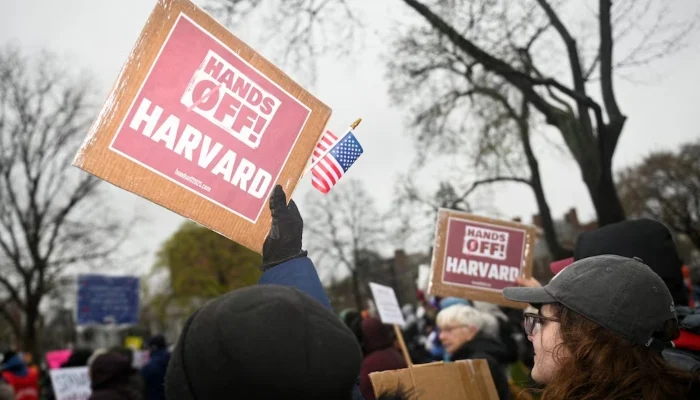
Harvard University, one of the world’s most prestigious academic institutions, has found itself at the centre of a growing conflict with the Trump administration. On Monday, Harvard publicly rejected a series of demands from the federal government that the university described as an attack on its independence and core values. In response, the Trump administration announced an immediate freeze on $2.3 billion in federal funding to the school, escalating a high-stakes battle over free speech, academic freedom, and how universities respond to allegations of antisemitism.

Rising Tensions and Allegations

The conflict stems from pro-Palestinian protests that have taken place on numerous U.S. college campuses over the past 18 months, including at Harvard. The Trump administration claims these demonstrations have given rise to widespread antisemitism and has launched a sweeping review of federal funding for major universities. Last month, officials began investigating nearly $9 billion in federal contracts and grants awarded to Harvard, citing what they say is a failure to address antisemitism effectively.

In a scathing letter, the Department of Education accused Harvard of fostering a “troubling entitlement mindset” and demanded sweeping changes to the way the university operates. These demands included auditing faculty and students for political bias, hiring and admitting solely on merit without regard to race or nationality, and reporting international students who violate conduct rules to immigration authorities.

Harvard’s Response

Harvard President Alan Garber strongly pushed back against the administration’s approach, stating that the federal demands would effectively place Harvard under government control and threaten its mission as a private academic institution. In a public letter, Garber wrote, “No government — regardless of which party is in power — should dictate what private universities can teach, whom they can admit and hire, and which areas of study and inquiry they can pursue.”

While Garber acknowledged the seriousness of addressing antisemitism, he made it clear that the university would not comply with requirements that compromise its constitutional rights or academic standards. “Freedom of thought and inquiry, along with the government’s longstanding commitment to respect and protect it, has enabled universities to contribute in vital ways to a free society,” he wrote.

Wider Impact on U.S. Universities

Harvard is not alone in facing scrutiny from the Trump administration. Columbia University, another Ivy League institution, has already seen $400 million in federal funding suspended and is reportedly being pressured into a consent decree that would legally bind it to follow government directives in combating antisemitism. Like Harvard, some Columbia professors have responded by suing the federal government.

The administration’s actions also include cancelling student visas and beginning deportation proceedings against foreign students involved in pro-Palestinian demonstrations. These measures have drawn sharp criticism from academics, civil liberties groups, and legal experts who warn that the government is overstepping its authority and endangering free speech on campus.

Legal Challenges and Financial Moves

To defend its position, a group of Harvard professors recently filed a lawsuit challenging the federal review of university funding. The lawsuit argues that the government’s actions violate both the First Amendment and established norms of academic freedom.

Meanwhile, to prepare for the possibility of a prolonged funding shortfall, Harvard is seeking to borrow $750 million from Wall Street. The move reflects growing concern over the long-term financial impact of losing federal support, which plays a key role in funding research, scholarships, and academic programmes.

A Deepening National Debate

At the heart of this confrontation is a broader debate over the role of higher education in American society, particularly the balance between government oversight and institutional autonomy. The Trump administration argues it is safeguarding taxpayer money and fighting discrimination, while universities insist that academic freedom must be protected from political interference.

As the situation unfolds, the outcome could shape the future of higher education across the country. For now, Harvard stands firm in its resistance, vowing to defend its values and resist what it sees as an unprecedented intrusion by the federal government.

Israeli Soldiers Sign Letter Demanding Gaza War End and Captive Negotiations

Israeli Soldiers

Israeli soldiers have signed a letter calling for an end to the war in Gaza and speeding up of negotiations for the return of native captives from the war-torn territory, Al Jazeera reported on Tuesday.

Al Jazeera cited Israeli Army Radio as stating that a group of 150 Golani Brigade members have joined the call to end the war, adding their names to thousands of others in a sign of dissent that has alarmed the Israeli government.

Several petitions have been circulating within the Israeli military since last week. The first was signed by 1,000 Israeli Air Force reserves and was followed by others circulated among veterans and officers serving within the armoured corps, navy and other military units. A separate petition was signed by 200 Israeli military doctors on Sunday.

Gaza Children
Copyright Ahmad Hasaballah/Getty Images

Israeli Prime Minister Benjamin Netanyahu has threatened to dismiss active-duty soldiers who sign petitions, as per Al Jazeera.

Hamas is reviewing a new ceasefire proposal from Israel and will respond “as soon as possible” as the movement’s spokesperson Sami Abu Zuhri told Al Jazeera that the “request to disarm Hamas is not acceptable to even hear”. Israeli forces killed at least 15 Palestinians in attacks on Gaza since dawn on Monday, Al Jazeera reported, with the latest strikes targeting tent shelters in the north and south of the enclave.

Gaza’s Health Ministry said that at least 50,983 Palestinians are confirmed dead and 1,16,274 wounded in the Israel-Gaza conflict. At least 1,139 people were killed in Israel during the Hamas-led attacks on October 7, 2023. More than 200 were taken captive, as per Al Jazeera.

The UN humanitarian agency, Office for the Coordination of Humanitarian Affairs (OCHA), also said that “violence is surging” in the occupied West Bank, according to its latest monthly update.

“Aid groups are stepping in, but we must not let the West Bank become another Gaza,” OCHA’s office in Palestine said in a post on X.

According to OCHA’s data, 44,285 people were displaced in January and February 2025 in the occupied West Bank. Of those, the vast majority, 38,710 were displaced by fighting between Israeli soldiers and Palestinian fighters in the north of the West Bank. (ANI)

Israel-Gaza War: A Prolonged and Devastating Conflict

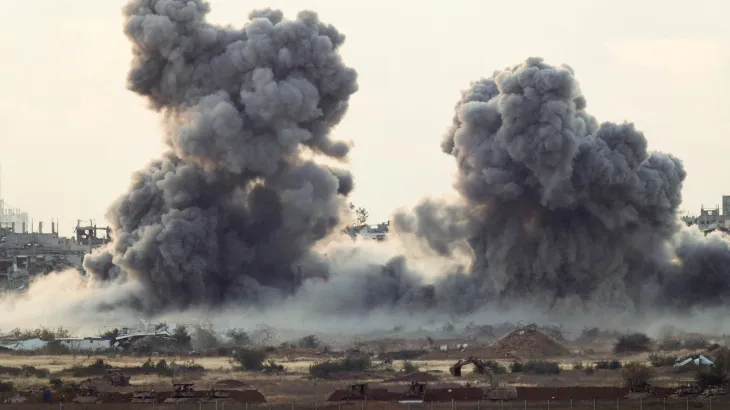
The ongoing conflict between Israel and Hamas in the Gaza Strip has become one of the most intense and prolonged episodes in the region’s history, leaving tens of thousands dead and entire communities devastated. The war, which began on October 7, 2023, continues to rage into 2025 with no comprehensive ceasefire agreement reached despite international efforts.


How It Began: The October 7 Attacks

The war erupted after Hamas, the Palestinian group that governs Gaza, launched a large-scale surprise attack on southern Israel on October 7, 2023. The assault included a barrage of rockets, border infiltrations, and attacks on Israeli civilians and military posts. Over 1,139 Israelis were killed, and more than 200 people were taken hostage, including both civilians and soldiers. This marked one of the deadliest days in Israel’s history.

In response, Israel launched a full-scale military operation in Gaza, aimed at dismantling Hamas’s military infrastructure, securing the release of hostages, and preventing future attacks.


Casualties and Humanitarian Impact

Since the beginning of the war, Gaza’s Health Ministry reports that over 50,983 Palestinians have been killed and 116,274 injured. Many of the casualties are reported to be women and children, and thousands of homes, hospitals, and schools have been destroyed.

Gaza, already under a tight blockade for over a decade, has faced a worsening humanitarian crisis. Shortages of food, water, electricity, and medical supplies have led to widespread displacement and suffering.

Gaza,
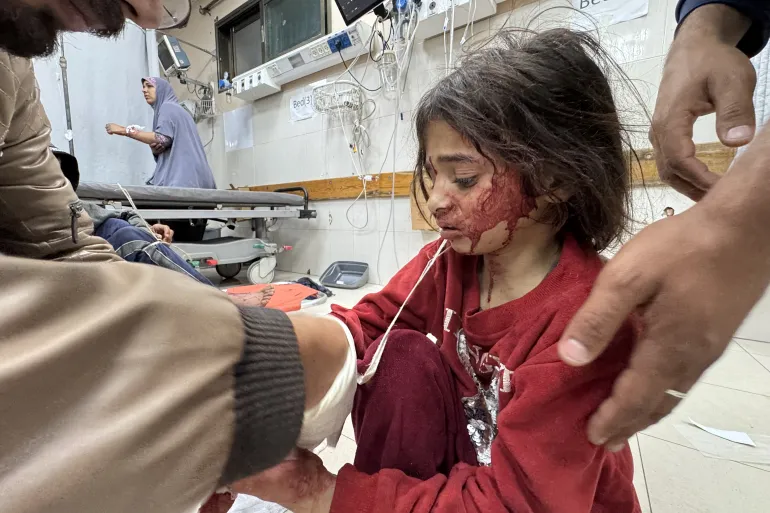
An injured Palestinian child is brought into Nasser Hospital in Khan Younis [Abdallah F.S. Alattar/Anadolu] Aljazeera

According to the United Nations Office for the Coordination of Humanitarian Affairs (OCHA), violence has also escalated in the occupied West Bank, where over 44,000 Palestinians have been displaced in the first two months of 2025 alone, mostly due to clashes with Israeli forces and settlers.


Mounting Internal Dissent in Israel

In a significant development, 150 Israeli soldiers from the Golani Brigade have signed a letter calling for an immediate end to the war in Gaza and a speed-up in negotiations to secure the return of Israeli captives still held by Hamas. This letter adds to a growing wave of dissent within the Israeli military.

Previously, over 1,000 Israeli Air Force reservists, 200 military doctors, and other active-duty soldiers and veterans across various branches also signed petitions calling for a reevaluation of Israel’s war strategy.

The growing dissent is being seen as a challenge to Prime Minister Benjamin Netanyahu’s leadership, who has taken a hardline stance on continuing the war until Hamas is completely disarmed and dismantled. Netanyahu has threatened to dismiss active-duty soldiers who sign public petitions, accusing them of undermining military discipline and national security.


Ceasefire Talks and International Pressure

Despite multiple rounds of negotiations — often mediated by countries like Egypt, Qatar, and the United States — no lasting ceasefire has been agreed upon. Recently, Israel submitted a new ceasefire proposal to Hamas. However, Hamas spokesperson Sami Abu Zuhri stated the group’s rejection of any demand that includes disarmament, calling it “unacceptable to even hear.”

International pressure on both sides is mounting. Human rights groups, the UN, and countries across the globe have called for an immediate ceasefire, release of captives, and opening of humanitarian corridors. Aid agencies have warned that if conditions do not improve, Gaza could face complete collapse.


Conclusion

As of April 2025, the Israel-Gaza war remains ongoing, with no clear end in sight. While the calls for peace grow louder both within Israel and globally, political divisions, deep mistrust, and humanitarian tragedies continue to fuel a cycle of violence.

The world watches closely, hoping for a breakthrough in negotiations that could lead to a lasting peace — but until then, the region remains trapped in one of the most tragic and complex conflicts of the modern era.

Trump Administration Freezes $2.2 Billion Funding to Harvard University in Massachusetts Over Antisemitism Dispute

Trump Administration Freezes

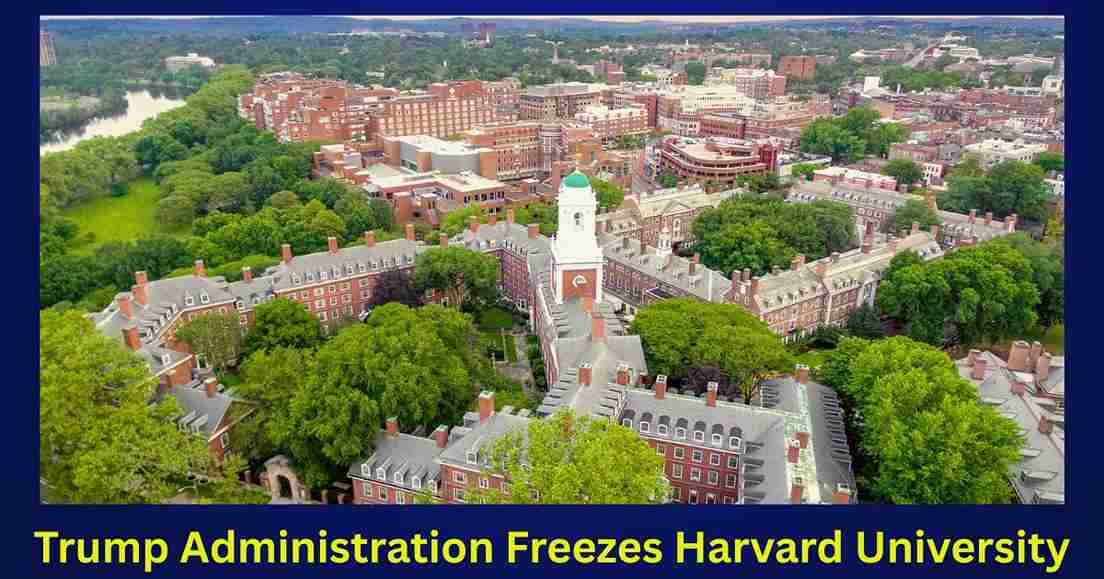
The Trump administration has taken a bold and controversial step by freezing over $2.2 billion in multi-year grants and contracts to Harvard University in Massachusetts. The move, confirmed by the administration’s Joint Task Force to Combat Antisemitism, comes amid growing tensions between the federal government and some of the country’s top universities over how they are handling rising incidents of antisemitism on campus.

Background of the Decision

The decision follows a statement from Harvard University President Alan M. Garber, who declared that the university would not comply with certain federal demands aimed at curbing antisemitic activity on campus. According to the administration, these demands were issued to ensure that universities uphold civil rights laws and protect Jewish students from harassment and discrimination.

Garber stated in his letter that Harvard had been presented with an “updated and expanded list of demands” late on a Friday night. These demands were tied to maintaining the university’s financial relationship with the federal government. Garber criticized the nature of these conditions, arguing that they went beyond addressing antisemitism and amounted to direct interference in the intellectual and academic freedom of the institution.

“We have informed the administration through our legal counsel that we will not accept their proposed agreement. The University will not surrender its independence or relinquish its constitutional rights,” Garber said in a strong response.

Statement from the Joint Task Force

In its announcement, the Joint Task Force to Combat Antisemitism said the freeze includes $2.2 billion in grants and $60 million in contracts allocated to Harvard. The task force stressed that federal investment in education comes with a responsibility to uphold civil rights laws and ensure campuses remain safe and inclusive for all students.

“Harvard’s statement today reinforces the troubling entitlement mindset that is endemic in our nation’s most prestigious universities,” the task force said. “The harassment of Jewish students is intolerable. The disruption of learning that has plagued campuses in recent years is unacceptable.”

The statement further warned that universities unwilling to take meaningful steps to combat antisemitism risk losing federal taxpayer support.

Broader Crackdown on Ivy League Schools

This funding freeze is part of a wider federal investigation into antisemitism on college campuses, particularly following pro-Palestinian protests that have intensified since October 2023. President Trump’s administration has launched a probe into multiple Ivy League institutions, suspending federal funding for all Ivy League schools except the University of Pennsylvania and Dartmouth College.

A recent review by the federal task force also revealed that Harvard holds nearly $9 billion in federal grants and contracts — funding now at risk if the university continues to oppose the administration’s terms.

Impact and Implications

The move has ignited a national debate on the balance between academic independence and government oversight. Critics of the Trump administration argue that the freeze sets a dangerous precedent by pressuring universities to align with political expectations or face financial consequences. Others, however, have applauded the administration for taking decisive action to address rising antisemitism and protect Jewish students.

The administration has also announced plans to detain and deport foreign students who were involved in organizing anti-Israel protests. Officials say such measures are necessary to curb extremism and restore safe learning environments.

Conclusion

The freezing of Harvard’s federal funding marks a significant and controversial moment in the ongoing clash between university autonomy and government mandates. As the situation unfolds, the outcome could reshape how American universities respond to civil rights issues, manage campus protests, and maintain federal relationships in a politically charged climate. Whether Harvard will eventually compromise or stand firm on its principles remains to be seen — but the stakes, both financially and politically, are undeniably high.

Certainly! Here’s a more detailed introduction about Harvard University that you can use in articles or reports:


Harvard University, located in Cambridge, Massachusetts, is one of the most prestigious and oldest institutions of higher education in the world. It was established in 1636 by the Massachusetts Bay Colony and named after its first benefactor, John Harvard. As the oldest university in the United States, Harvard has a long-standing reputation for academic excellence, influential research, and leadership in education.

The university is part of the Ivy League and comprises 13 schools and institutes, including the well-known Harvard College (for undergraduate studies), Harvard Law School, Harvard Medical School, Harvard Business School, the Harvard Kennedy School, and the Harvard Graduate School of Education, among others.

Harvard has a diverse student body, with thousands of students from all 50 U.S. states and more than 100 countries. It offers undergraduate, graduate, and professional programs in a wide range of fields including science, engineering, medicine, law, business, arts, and humanities.

The university’s sprawling library system is the largest academic library in the world, housing over 20 million volumes. Harvard is also known for its strong emphasis on research and innovation, and it has consistently been ranked among the top universities globally.

With a massive endowment — one of the largest of any educational institution in the world — Harvard supports extensive academic research, student scholarships, and global initiatives. The university’s alumni network includes U.S. presidents, Nobel laureates, world leaders, tech innovators, and leading figures in literature, science, and business.

Harvard’s main campus lies along the Charles River in Cambridge, but the university also has facilities and affiliated institutions in nearby Boston, such as the Harvard Medical School and affiliated hospitals.

Despite its elite status, Harvard continues to work on issues of accessibility, inclusion, and academic freedom — often placing it at the centre of national and international discussions on education, ethics, and public policy.


Magnitude 4.0 Earthquake Jolts Nepal, No Casualties Reported

Earthquake Jolts Nepal

An earthquake of magnitude 4.0 jolted Nepal on Tuesday, a statement by the National Center for Seismology (NCS) said.As per the NCS, the earthquake occurred at a depth of 25km, making it susceptible to aftershocks.

In a post on X, the NCS said, “EQ of M: 4.0, On: 15/04/2025 04:39:02 IST, Lat: 28.76 N, Long: 82.01 E, Depth: 25 Km, Location: Nepal.”

Shallow earthquakes are more dangerous than deeper ones due to their greater energy release closer to the Earth’s surface, causing stronger ground shaking and increased damage to structures and casualties, compared to deeper earthquakes, which lose energy as they travel to the surface. Nepal is the 11th most earthquake-prone country in the world.

Nepal is situated along the Himalayas, where there is a lot of seismic activity. It is located on a convergent boundary, where the Indian and Eurasian tectonic plates collide. This collision causes stress and strain to build up in the crust, which is eventually released in the form of earthquakes.

Nepal is also located in a subduction zone, where the Indian Plate is sliding underneath the Eurasian Plate. This subduction process further increases the stress and strain on the crust, and can also lead to Nepal earthquakes. The collision of these plates is also responsible for the uplift of the Himalayan mountains.

This movement generates immense pressure and stress, which can be released as earthquakes.
Many buildings in Nepal are made of unreinforced masonry, which is not very strong and can easily collapse in an earthquake. Much of Nepal is remote and mountainous, which can make it difficult to provide relief and assistance in the aftermath of an earthquake. (ANI)

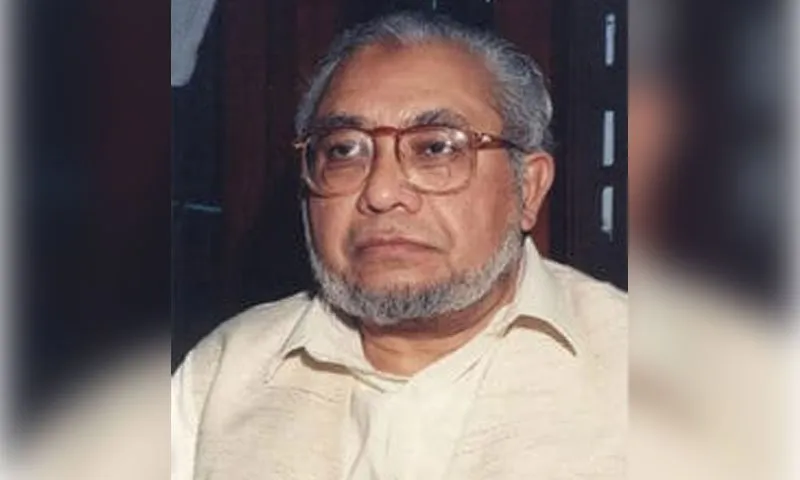
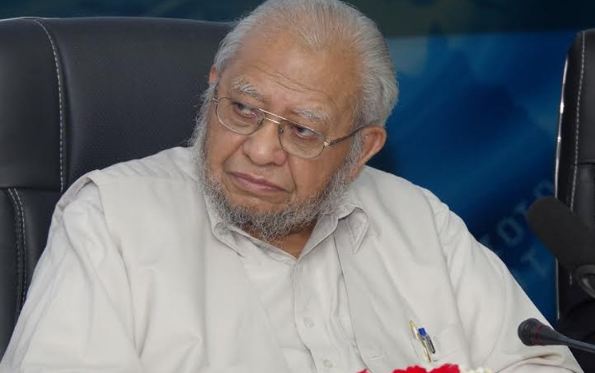
Professor Khurshid Ahmed Passes Away at 93: A Loss to Pakistan’s Intellectual and Islamic Legacy

Professor-Khurshid-Ahmed

A remarkable chapter in Pakistan’s academic, political, and religious history came to a close with the passing of Professor Khurshid Ahmed. The 93-year-old scholar breathed his last, leaving behind a legacy that spans decades of intellectual, educational, and ideological contribution to Pakistan and the Muslim world.

A Towering Personality in Many Fields

Professor Khurshid Ahmed was more than just an individual. He was a multifaceted personality who played vital roles as an economist, educationist, political leader, religious thinker, and international representative. He served as the Deputy Ameer of Jamaat-e-Islami Pakistan and was known as a powerful voice of the Islamic world, not just within the country, but globally.

His demise is being seen as a huge intellectual and moral loss not only for Pakistan but for the entire Muslim Ummah.

Contributions to Islamic Economics

One of Professor Khurshid Ahmed’s most lasting contributions lies in the field of Islamic economics. He was considered a pioneer of this field and helped lay the scientific foundation for Islamic economic theory. His research and publications on Islamic finance, ethical economics, and the caliphate system have been widely accepted and respected throughout the academic world.

His books and articles became references in many universities and think tanks, and his teachings inspired generations of students and economists seeking an ethical alternative to modern economic systems.

Educational and Academic Services

Professor Khurshid was associated with various prestigious institutions, including the Islamic Research Institute. He played a key role in promoting Islamic ideology within academic circles and was known for defending Islamic values in higher education forums both at home and abroad.

His writings have been translated into multiple languages, and his ideas continue to be studied and discussed around the world.

Political and Movement Leadership

Professor Khurshid Ahmed’s political journey was deeply tied to the Jamaat-e-Islami, where he served as Deputy Ameer for several decades. He also represented the party in the Senate of Pakistan, where his calm and balanced speaking style, supported by powerful arguments, earned him the respect of allies and opponents alike.

He was closely associated with Maulana Syed Abul Ala Maududi, the founder of Jamaat-e-Islami, and was considered a key movement thinker who helped shape the party’s ideological direction.

International Recognition and Roles

Professor Khurshid Ahmed also had a strong international presence. He represented Pakistan in global platforms such as the Organisation of Islamic Cooperation (OIC) and the Islamic Development Bank (IDB). His voice carried weight in discussions about Islamic society, economy, and education at the global level.

In recognition of his outstanding contributions, he was honoured with several national and international awards.

A Life That Inspired Thousands

Throughout his life, Professor Khurshid Ahmed influenced thousands of students, researchers, and scholars. He was a mentor, a guide, and a source of inspiration to many who sought to combine knowledge with faith.

A Final Prayer

As the nation mourns the passing of a great mind and pure soul, prayers are being offered for his forgiveness and elevation in the hereafter.

“May Allah Almighty forgive Professor Khurshid Ahmed, accept his good deeds, raise his ranks, and grant him a place in the highest levels of Paradise. May Allah also give strength and patience to his family, his students, and the entire Muslim Ummah. Ameen.”


US Tariffs to Impact Only 0.1% of India’s GDP, Says PHDCCI

US Tariffs

The PHD Chamber of Commerce and Industry (PHDCCI), a leading industry body in India, has reassured stakeholders that the reciprocal tariffs introduced by the United States under President Donald Trump’s trade policy framework will have a negligible effect on India’s economy. According to PHDCCI’s analysis, the tariffs are projected to impact just 0.1% of India’s Gross Domestic Product (GDP), underscoring the country’s economic resilience and adaptability in the face of global trade challenges.

In a detailed statement released on April 12, 2025, PHDCCI emphasized that India’s robust economic fundamentals, competitive pricing, and proactive government policies will help mitigate any adverse effects from the US tariffs. The organization highlighted the stability of India’s policy environment, the growing strength of its domestic manufacturing sector, and the nation’s increasing focus on self-reliance as key factors enabling it to weather external pressures.

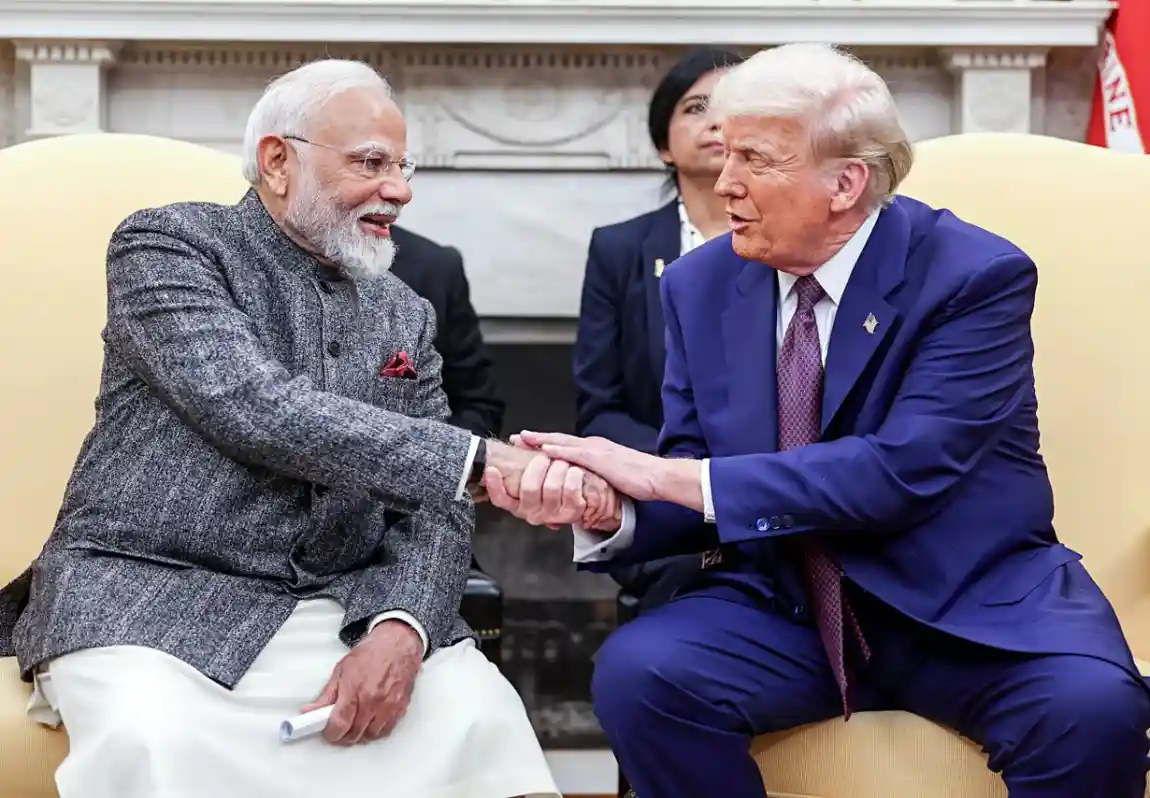
Modi-Trump Unite

A Strong Foundation for Resilience

Hemant Jain, President of PHDCCI, attributed India’s ability to absorb the tariff impact to the government’s flagship initiatives, such as Make in India, Atmanirbhar Bharat (Self-Reliant India), and the Production Linked Incentive (PLI) schemes. These programs have been instrumental in bolstering domestic industries, strengthening supply chains, and enhancing the overall business ecosystem in India.

“Thanks to India’s price competitiveness and supportive government policies, we anticipate only a 0.1% impact on GDP,” Jain said. “Our industrial base is strong, and the ongoing reforms are creating a favorable environment for sustained growth.”

Jain further noted that India’s diversified trade relationships and growing domestic consumption are critical buffers against external shocks. While certain sectors may experience short-term challenges due to the tariffs, the overall economic outlook remains positive, supported by rising investor confidence and a dynamic consumer market.

Sectoral Impacts: Challenges and Opportunities

While the tariffs are expected to have a limited macroeconomic impact, PHDCCI acknowledged that some industries might face temporary setbacks. Sectors such as precious and semi-precious stones, textiles and apparel, marine products, vehicles and auto components, chemical products, and iron and steel articles could see moderate disruptions due to increased costs or reduced demand in the US market.

Trump
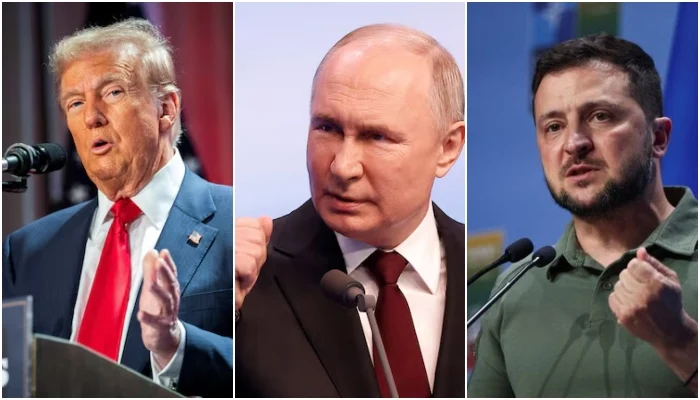
Donald Trump, Russian President Vladimir Putin and Ukrainian President Volodymyr Zelenskyy. — Reuters/File

However, Jain pointed out that other sectors are likely to benefit from the evolving global trade landscape. India’s pharmaceutical industry, for instance, is well-positioned to capitalize on rising global demand for affordable, high-quality medicines. Similarly, the petroleum sector is expected to gain from competitive pricing and India’s strategic advantages in energy exports.

“The diversity of India’s economy ensures that while some sectors may face challenges, others will find new opportunities,” Jain explained. “Our pharmaceutical and petroleum industries, in particular, are likely to see positive outcomes due to their cost-effectiveness and global competitiveness.”

Domestic Strength and Global Trade Diversification

One of the key factors shielding India from the tariffs is its growing reliance on domestic consumption. Over the past few years, India has made significant strides in boosting internal demand, reducing its dependence on export markets. This shift has been complemented by government policies aimed at fostering innovation, improving infrastructure, and promoting entrepreneurship.

Additionally, India has been actively diversifying its global trade partnerships. Strengthened ties with regions such as the Middle East, Latin America, South Africa, and other parts of Asia have opened new avenues for Indian exports. PHDCCI noted that Indian products are increasingly in demand worldwide, thanks to their competitive pricing and improvements in quality and reliability.

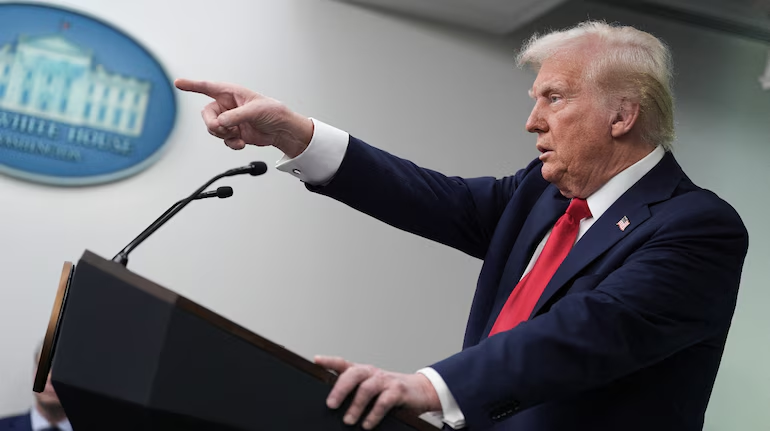
trump

“India’s consumer market is expanding rapidly, and our trade links with emerging markets are growing stronger,” Jain said. “This diversification ensures that we are not overly reliant on any single market, which is a significant advantage in today’s volatile global trade environment.”

A Cautious Yet Optimistic Outlook

The US administration’s decision to implement a 90-day pause on the tariffs has been welcomed by PHDCCI as a constructive step. However, Jain urged Indian exporters to remain vigilant, as the pause may not necessarily translate into a permanent reprieve. He advised businesses to continue focusing on innovation, cost optimization, and market diversification to stay competitive.

Looking ahead, PHDCCI expressed optimism about the potential for deeper economic collaboration between India and the United States. Jain called for negotiations toward a balanced and mutually beneficial free trade agreement (FTA) that could pave the way for long-term growth and stability in bilateral trade.

“An FTA with the US could unlock tremendous opportunities for both nations,” Jain said. “By aligning our economic interests, we can create a framework that supports sustainable growth and strengthens global trade.”

India’s Path Forward

Despite the challenges posed by global trade uncertainties, PHDCCI remains confident in India’s ability to maintain its economic momentum. The organization highlighted the government’s commitment to structural reforms, digital transformation, and sustainable development as key drivers of future growth.

With its young and dynamic workforce, expanding technological capabilities, and strategic geopolitical positioning, India is well-equipped to navigate the complexities of the global economy. The minimal projected impact of the US tariffs is a testament to the country’s resilience and its ability to adapt to changing circumstances.

As India continues to strengthen its domestic industries and expand its global footprint, PHDCCI believes the nation is on track to emerge as a leading economic powerhouse. “India’s growth story is far from over,” Jain concluded. “With the right policies and a forward-looking approach, we are poised to achieve even greater heights in the years to come.”

Meghan Markle Reveals Postpartum Pre-eclampsia Battle, Praised for Opening Up About Birth Trauma

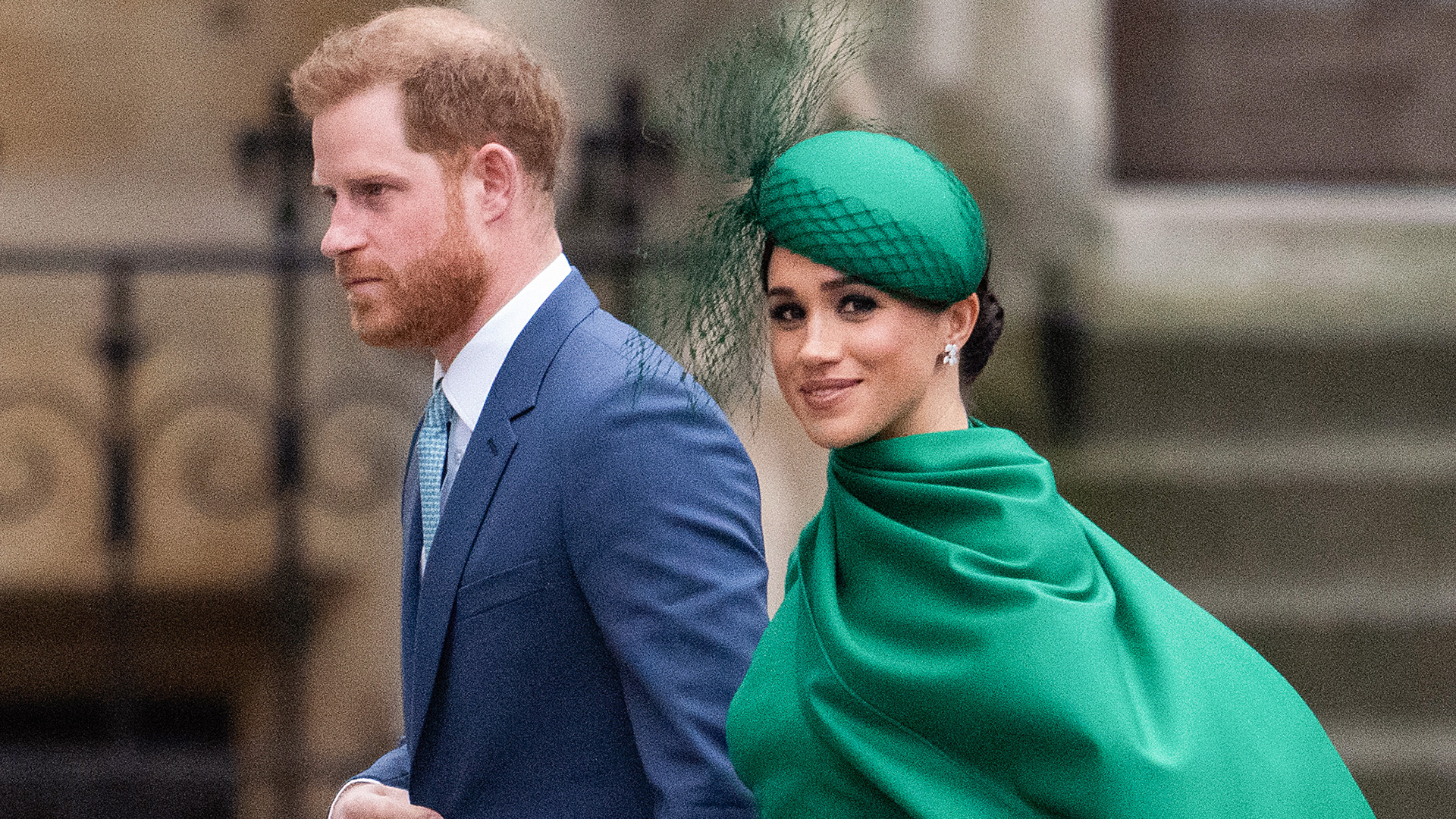
Meghan Markle

Meghan Markle recently opened up about being diagnosed with postpartum pre-eclampsia.

During the debut episode of her new podcast series Confessions of a Female Founder, the Duchess of Sussex discussed a “rare and scary” medical condition with her guest Whitney Wolfe Herd.

Meghan said, “you’re still trying to juggle all these things and the world doesn’t know what is happening, quietly, and in the quiet you are still trying to show up for people.”

Now, the CEO of the UK’s Birth Trauma Association, a charity that supports women and families after traumatic births, praised Meghan for bringing up the “difficult” conversation.

Kim Thomas told Mirror, “So when something goes wrong or isn’t expected, as in Meghan’s case, it can almost be doubly traumatic, and can feel extra shocking.”

Praising Meghan, Kim said, “It’s been great that quite a lot of high-profile women have spoken out about their birth traumas because it can make others feel less alone, but there’s never an expectation on them that they must speak about it.”

“It can be difficult for all women, but especially women like Meghan who are in the public eye and they have been through something awful, something traumatic, and yet the public expects them to be out and about, probably wearing a nice dress and waving, because they’re not aware of what they’ve been through,” Kim Thomas added of Meghan Markle.

It is worth mentioning that the Duchess of Sussex did not clarify in Confessions of a Female Founder episode that if postpartum pre-eclampsia experience was after Prince Archie, 5, or Princess Lilibet, 3.