India–US Trade Deal Sparks Concern Among Kashmiri Apple, Walnut, and Almond Growers

India–US Trade Deal

The recently announced India–US trade deal has been welcomed by business leaders and government officials as a step forward in strengthening economic ties between the two countries. However, in Jammu and Kashmir, especially in the Valley’s orchard belts, the agreement has raised serious concerns among farmers who depend on apples, walnuts, and almonds for their livelihoods.

While the deal promises better market access for Indian exports to the United States, it also allows increased entry of American agricultural products into India. For many Kashmiri growers, this has triggered fears of tougher competition, falling prices, and long-term damage to local farming.Click Here To Follow Our WhatsApp Channel

What Is the India–US Trade Deal About?

India and the United States have been negotiating trade terms for several years. The new agreement is being described as an interim or framework deal, paving the way for a broader bilateral trade agreement in the near future.

Under this deal:

  • India has agreed to reduce or remove import duties on several US products, including some agricultural goods.
  • The United States has agreed to lower tariffs on Indian exports, such as textiles, handicrafts, pharmaceuticals, and other goods.
  • Both countries aim to increase trade volumes and strengthen strategic ties.

Government officials say the deal is “balanced” and protects sensitive sectors. However, agriculture remains a highly sensitive issue, especially in regions like Kashmir where farming is the backbone of the local economy.

Why Agriculture Is a Sensitive Issue

Agriculture supports millions of families in India. In Jammu and Kashmir, horticulture alone provides direct or indirect employment to a large section of the population. Apples, walnuts, and almonds are not just crops—they are the main source of income for entire communities.

Any policy that affects pricing, imports, or market demand can have immediate consequences for farmers. This is why even small tariff changes are closely watched.

Impact on Kashmiri Apples

Kashmir is one of India’s largest apple-producing regions, known for high-quality fruit that is sold across the country. Farmers already face challenges such as high input costs, weather uncertainty, and transportation issues.

Under the trade deal:

  • US apples may receive limited, quota-based access to the Indian market.
  • A minimum import price and customs duty are expected to remain in place to prevent very cheap imports.

The government says these safeguards will protect Indian apple growers. However, farmer groups worry that even limited imports of premium US apples could affect prices in higher-end markets, where Kashmiri apples are usually sold.

Apple growers fear that over time, increased imports could weaken their bargaining power and reduce profits.

Walnuts and Almonds: Bigger Cause for Worry

Walnuts and almonds are where concerns are strongest.

Kashmir produces some of India’s finest walnuts and almonds, known for their taste and natural quality. However, India also imports large quantities of these nuts, mainly from the United States.

As part of the trade deal:

  • Import duties on US walnuts and almonds are expected to be reduced significantly.
  • Some categories may even see near-zero duties over time.

This could make American walnuts and almonds cheaper in Indian markets. Farmers in Kashmir fear that this will push down prices for local produce, making it harder for them to compete.

Many growers say their production costs are already high, and cheaper imports could directly hit their incomes.

What the Government Says

The central government has assured that:

  • Staple crops like rice, wheat, dairy, pulses, and poultry are fully protected.
  • Genetically modified farm products are not being allowed.
  • Safeguards are in place to prevent sudden market flooding.

Officials argue that walnuts and almonds are already imported in large quantities, and the deal only formalises existing trade trends. They also say that high-quality Kashmiri produce will continue to have demand.

Farmers’ Reactions in Kashmir

Despite assurances, farmer unions and horticulture groups in Kashmir remain unconvinced.

Many growers describe the deal as risky for hill farmers, warning that even small price drops can have serious consequences. Some farmer groups have called for protests and consultations before the final agreement is signed.

They are demanding:

  • Clear protection policies for local produce
  • Better minimum support mechanisms
  • Investment in storage, processing, and export facilities for Kashmiri fruits and nuts

Experts Give Mixed Opinions

Agriculture experts are divided.

Some believe the deal will not immediately harm farmers and could even open export opportunities for premium Indian produce in the US market. Others warn that long-term exposure to cheaper imports could slowly weaken local farming systems, especially in fragile regions like Kashmir.

Much, they say, will depend on how strictly safeguards are enforced and how markets respond in the coming months.

Conclusion: Opportunity or Threat?

The India–US trade deal has the potential to boost overall trade and strengthen international ties. For consumers, it may mean more choices and lower prices. For exporters, it could open new doors.

But for Kashmiri apple, walnut, and almond growers, the deal brings uncertainty. While protections exist on paper, farmers fear that increased imports could affect prices and livelihoods over time.

As the agreement moves towards final implementation, all eyes will be on how the government balances global trade ambitions with the needs of local farmers. For Kashmir’s orchard owners, the coming seasons will reveal whether this deal is truly balanced—or a gamble with their future.

At 13, This Kashmiri Boy Built 31 Apps and AI Tools

Delhi Court Convicts Kashmiri Separatist Asiya Andrabi in UAPA Case

2 British Tourists Deported from India Over ‘Free Palestine’ Stickers

2 British Tourists

2 British tourists of Pakistani origin were recently ordered to leave India while visiting Pushkar, Rajasthan. During a check, local police found “Free Palestine” stickers in their luggage.

The police reported the matter to immigration officials. Shortly after, the tourists were given a “Leave India” notice and were sent back to the UK. Click Here To Follow Our WhatsApp Channel

The Legal Reason

The Indian government used the Foreigners Act of 1946 to justify the move. Under this law, the government can deport any foreign visitor if they believe the person might:

  • Disturb the public peace.
  • Involve themselves in local political issues.
  • Break the rules of a standard tourist visa.

The police stated that carrying or handing out these stickers could cause unrest or lead to arguments between different groups in the community.

The Bigger Picture

In India, tourist visas are strictly for sightseeing, not for political activism. The authorities believe that foreigners should not get involved in sensitive global or local political debates while in the country.

While some people feel the punishment was too harsh for just having stickers, the Indian government maintains that it has the right to protect its national security and social harmony however it sees fit.


At 13, This Kashmiri Boy Built 31 Apps and AI Tools

Delhi Court Convicts Kashmiri Separatist Asiya Andrabi in UAPA Case

Evacuation of Kashmiri Students from Iran to Begin Tomorrow, First Flight Set to Leave Tehran

flight

JK Students Association Pushes for Evacuation of Indian Students Stranded in Iran

The Jammu and Kashmir Students Association (JKSA) on Thursday took up the issue of Indian students, including those from Jammu and Kashmir, stranded in Iran amid rising security concerns.

The association raised the matter with the Office of the External Affairs Minister and the Jammu and Kashmir Chief Minister’s Office, seeking urgent intervention to ensure the safety and evacuation of students.Click Here To Follow Our WhatsApp Channel

Government Assures Close Monitoring

JKSA National Convenor Nasir Khuehami said the association has received assurances from both offices that the situation is being closely monitored.

“The Ministry of External Affairs is actively engaged, and efforts are underway to ensure the safety and secure return of Indian students,” Khuehami said.

Embassy Begins Evacuation Preparations

According to Khuehami, students from several universities in Iran informed JKSA that the Indian Embassy in Tehran has already collected their personal details and passports. This, he said, clearly indicates that preparations for coordinated assistance and evacuation are in progress.

He expressed hope that these steps would lead to a safe and timely return of students, easing the anxiety of families in Jammu and Kashmir.

First Evacuation Flight Scheduled

Khuehami further said that following the reopening of Iran’s airspace for civilian traffic after a temporary shutdown, the first evacuation flight is scheduled to depart from Tehran to Delhi tomorrow.

“All students have been registered, and the Embassy has completed the collection of required details and passports. The first batch has been advised to remain ready by 8:00 AM,” he added.

First Batch of Students Identified

It is expected that students from Golestan University, along with a few students from SBUMS and TUMS, will be part of the first evacuation batch.

Khuehami said the final passenger list will be shared later tonight once it is officially confirmed by authorities.

More Flights Expected

The evacuation process is being coordinated by Indian authorities in close coordination with the Indian Embassy in Tehran. Additional flights are expected in the coming days to ensure the safe return of all remaining students.

“This development has brought much-needed relief to students and families across Jammu and Kashmir, who have been under immense stress due to the worsening security situation,” Khuehami said.

He added that JKSA hopes the evacuation will proceed smoothly and in phases, ensuring that every remaining student is brought home safely at the earliest.

Pahalgam Railway Line Is About Future, Not Fear—Connectivity Is Development

British actor Riz Ahmed Performs Umrah With Wife Fatima Farheen Mirza, Shares Quiet Spiritual Journey

Riz Ahmed

British actor Riz Ahmed, known for his powerful roles in films such as Sound of Metal and The Night Of, has recently performed the Umrah pilgrimage in Makkah along with his wife, Fatima Farheen Mirza.

The couple quietly shared moments from their spiritual journey, offering a rare glimpse into a deeply personal and faith-filled experience.Click Here To Follow Our WhatsApp Channel


A Calm and Meaningful Pilgrimage

During their Umrah, Riz Ahmed and Fatima Farheen Mirza visited key holy cities, including:

  • Jeddah
  • Makkah
  • Madinah

Reports described the journey as grounding, reflective and transformative, centred on faith, humility and togetherness. The couple were seen wearing simple pilgrim attire (Ihram), blending in with other pilgrims and keeping the experience private and respectful.


Shared Moments on Social Media

Fatima Farheen Mirza shared reflections from the pilgrimage on her social media account, describing the journey as deeply meaningful for them as a couple. Though brief and understated, her words resonated with many followers.

The images and posts quickly spread across platforms such as Instagram, Threads, Facebook and X, where fans described the moment as heartwarming and blessed, with many responding with “Masha’Allah”.


Faith and Privacy

Riz Ahmed has long been open about his Muslim identity, yet he has consistently kept his personal life away from the spotlight. This Umrah journey stood out not for publicity, but for its quiet sincerity.

Observers noted how the actor, despite global fame, chose to experience the pilgrimage like any other believer — without special treatment or display — reflecting a strong sense of humility and devotion.


Why This Moment Matters

The rare public glimpse into this spiritual milestone highlights:

  • Riz Ahmed’s connection to faith
  • His low-key approach to celebrity life
  • The importance of shared spiritual journeys in personal relationships

For many fans, the images served as a reminder that moments of faith and reflection can exist beyond fame and success.


The Umrah pilgrimage by Riz Ahmed and Fatima Farheen Mirza has been widely seen as a quietly inspiring example of devotion, unity and spiritual balance in a fast-moving world.

Iran Confirms 114 Government Personnel Killed in Protests, Warns US of Strong Retaliation

Foreign-Linked Riots

Iran has acknowledged that 114 government personnel — including police, Basij and other security-force members — have been killed amid nationwide protests, according to state-linked reporting. The admission comes as Tehran issued stark warnings that any US military intervention would be met with a strong and direct response. (Al Jazeera)


The immediate facts

State-affiliated outlets, notably the semi-official Tasnim news agency, have been publishing names and provincial breakdowns of security personnel killed during clashes with demonstrators. Tasnim’s compiled lists have been updated repeatedly by Iranian media, and a cumulative total reported in state coverage now stands at 114 security and government-affiliated personnel killed in the unrest. International news organisations note that these lists reflect Tehran’s internal accounting of losses among its forces. (Al Jazeera) Click Here To Follow Our WhatsApp Channel

At the same time, rights monitors and independent organisations put the overall human toll of the unrest far higher — encompassing predominantly civilian deaths — and have reported several hundred fatalities across the country since the protests began. The disparity between state and independent counts is large and remains difficult to reconcile because of heavy restrictions on communications and media access inside Iran. (Reuters)


How the protests escalated

The demonstrations began in late December 2025 amid an acute economic crisis — marked most visibly by the collapse of the rial and soaring inflation — and rapidly broadened from bread-and-butter grievances to mass public anger against the political status quo. Within days the unrest spread beyond a handful of cities to dozens of provinces, drawing tens of thousands into the streets. Security forces mounted vigorous crackdowns in major urban centres, and confrontations turned violent in numerous locations. (Bloomberg.com)

Iranian authorities say some incidents involved organised, armed groups they describe as “terrorists” or “outsiders”, and they have blamed foreign interference — chiefly the United States and Israel — for stoking violence. The government narrative has emphasised the deaths among security personnel to underline the scale of what it portrays as an existential threat. Tasnim and other state outlets have used the casualty lists to support that framing. (Tasnim News)


State figures versus independent tallies

There are two separate but overlapping tallies to understand:

  • State / security-linked counts: Iranian state and semi-official agencies are publishing lists of security personnel casualties; the number widely cited in state media is 114 killed. These lists include police, Basij volunteers and other government-affiliated staff. (Al Jazeera)
  • Independent human-rights estimates: Rights groups and monitoring organisations reporting from inside and outside Iran place the overall death toll in the hundreds. A US-based monitoring group reported more than 500 deaths in the first two weeks of unrest, the large majority of whom are identified as protesters; these tallies also indicate thousands of arrests. International news outlets stress that such figures are provisional and hard to verify because of the communications blackout. (Reuters)

These contrasting figures illustrate both the scale of violence and the difficulty of obtaining independently verifiable casualty data while internet access and independent reporting are severely restricted. (Amnesty International)


Tehran’s warning: retaliation if the US attacks

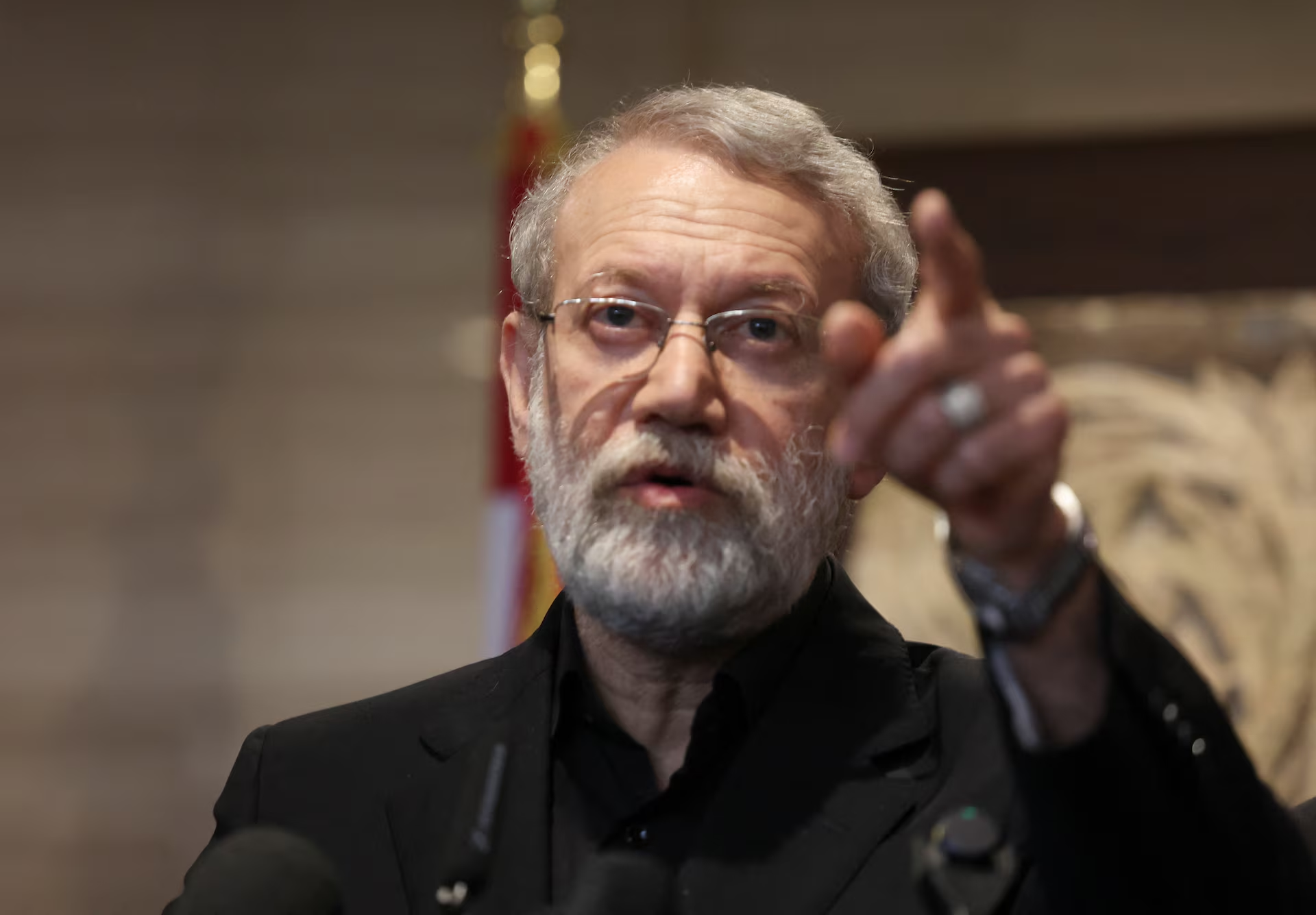
Iran’s political leadership has explicitly warned the United States against any military strikes. Parliament speaker Mohammad Bagher Qalibaf and other senior figures told lawmakers and state media that US or Israeli strikes would be considered acts of war and would be met with retaliation against American and Israeli bases and assets in the region. Tehran framed the warning as defensive, saying any external attack would legitimise counter-strikes. (Reuters)

The rhetoric followed public statements from senior US figures that indicated Washington was considering a range of options in response to Tehran’s crackdown, from diplomatic pressure and sanctions to covert measures and limited kinetic action. US officials have said they are monitoring the situation closely, although they have not publicly confirmed plans for direct military strikes. The combination of hawkish rhetoric on both sides has heightened fears of a dangerous escalation. (AP News)


Domestic measures: blackout, arrests and legal crackdown

To stifle coordination and reporting, Iranian authorities implemented broad internet restrictions and localised blackouts; observers say these measures have seriously hampered independent documentation of events. In parallel, security forces have carried out mass arrests — rights monitors report thousands detained — and courts have signalled swift legal action against those labelled as organisers or “terrorists”. State television and pro-government outlets have broadcast footage and statements portraying security forces as under siege. (Amnesty International)


International reaction

The unrest and Iran’s warnings prompted immediate international concern. Western governments and human-rights bodies have urged restraint and called for independent investigations into killings and mass arrests. Some foreign leaders and commentators expressed support for Iranian demonstrators; others warned against foreign military involvement that could further destabilise the region. The UN and a number of states expressed alarm at reports of heavy casualties and urged all parties to avoid escalation. (The Guardian)


What this means for regional stability

The combined effect of large-scale internal unrest, rising casualties among both protesters and security personnel, and threats of cross-border retaliation raises the risk of a wider regional crisis. Iran’s explicit naming of US and Israeli assets as potential targets, coupled with public speculation in Washington about military options, creates a precarious environment in which miscalculation or a limited strike could rapidly spiral. Analysts warn that, even absent direct strikes, the situation is likely to increase proxy tensions across the Middle East and complicate international diplomatic responses. (Reuters)


Looking ahead

At home, the immediate prospects appear grim: continued street protests, harsh security measures, and constrained reporting will likely keep casualty figures contested and the humanitarian situation opaque. Internationally, careful diplomacy will be required to avoid a military escalation that neither side appears to want in public — but both have signalled readiness to respond forcefully if provoked.

Independent verification of the full scale of the fatalities — both the government’s 114 security personnel and the much higher rights-group totals of overall deaths — remains essential for any credible international assessment. For now, the competing narratives and hardline rhetoric underscore how a domestic crisis has swiftly taken on strategic regional and global significance. (Al Jazeera)


Sources (selected)

Reporting and updates from Tasnim, Al Jazeera, Reuters, AP, Amnesty International and independent monitoring groups; further coverage by The Guardian and regional outlets. Specific references used above: Tasnim / state media reports and compiled lists; Reuters reporting on casualty estimates and Iran’s warning to the US; Al Jazeera live updates and Tasnim citations; Human Rights Activists News Agency and AP tallies; Amnesty commentary on restrictions and verified killings. (Tasnim News)


Suspected Pakistani Drones Spotted Along IB and LoC in Jammu and Kashmir, Army Opens Fire in Rajouri, Samba, Poonch

Pakistani drone

Security forces picked up movement of suspected drones in several forward areas along the International Border (IB) and Line of Control (LoC) in Samba, Rajouri and Poonch districts of Jammu and Kashmir on Sunday evening, officials said.All the flying objects came from the Pakistan side, and returned after hovering over Indian territory for few minutes, they said.Click Here To Follow Our WhatsApp Channel

According to officials, security forces have launched a search operation on the ground after noticing the suspected drones activity in the forward areas.Army troops guarding the Nowshera sector along the LoC in Rajouri, fired from medium and light machine guns on observing drone movement over Gania-Kalsian village around 6.35 pm, they said.

Another drone was noticed at Khabbar village in Teryath in Rajouri district at 6.35 pm. The flying object, with blinking light, came from the direction of Dharmsal village in Kalakote and moved further towards Bharakh, officials said.

A drone-like object with blinking light was also seen hovering for several minutes over Chak Babral village in Ramgarh sector of Samba around 7.15 pm, they said.Another drone-like object was seen moving from the direction of Tain towards Topa in Mankote sector, located along the LoC, in Poonch district at 6.25 pm.

On Friday night, security forces recovered an arms consignment, allegedly dropped by a drone that originated in Pakistan, in Paloora village of Ghagwal near the IB in Samba district. The recovery included two pistols, three magazines, 16 rounds and a grenade, they added.

Iran Says Dozens of Security Personnel Killed in Foreign-Linked Riots Across Provinces

Foreign-Linked Riots

The governor of Isfahan has confirmed that 30 security personnel were killed during recent foreign-backed riots in the province.

Speaking on Sunday, Ali Ahmadi said funeral processions for the fallen personnel will be held on Monday. He also confirmed that a two-month-old baby is among the civilians who lost their lives during the violence.Click Here To Follow Our WhatsApp Channel

Local reports said the riots caused major damage in Isfahan, including the burning of ten mosques.

In neighbouring Fars Province, at least 12 security personnel were killed, according to Ibrahim Bayani, Director General of the provincial Martyrs’ Foundation department.

Meanwhile, Masoud Modaqq, Commander of Iran’s Police Special Units, said eight personnel from his force were also killed during the riots.

The funeral ceremonies planned for Monday will take place alongside a nationwide rally condemning armed attacks and acts of terrorism. Iranian authorities say foreign-linked groups hijacked public protests over economic problems and turned them violent.

The total number of security personnel and civilians killed across the country has not yet been officially announced. Reports have also emerged of attacks on hospitals and aid centres.

In the northern province of Gilan, one volunteer from the Red Crescent was killed during an attack. Five other Red Crescent workers were injured in different parts of the country.

Iranian officials said peaceful protests over economic difficulties are allowed and will be addressed, but violence, arson, and sabotage will not be tolerated.

Authorities said the unrest was fuelled by public anger over rising living costs and the sharp fall in the value of the rial. They blamed these problems on US sanctions targeting Iran’s central bank and oil exports.

Security and judicial officials also announced that several armed terror cells have been dismantled and foreign-linked suspects arrested.

Iranian leaders accused American and Israeli figures of encouraging violence. They referred to statements by Donald Trump and former US Secretary of State Mike Pompeo, which Iranian officials say promoted unrest.

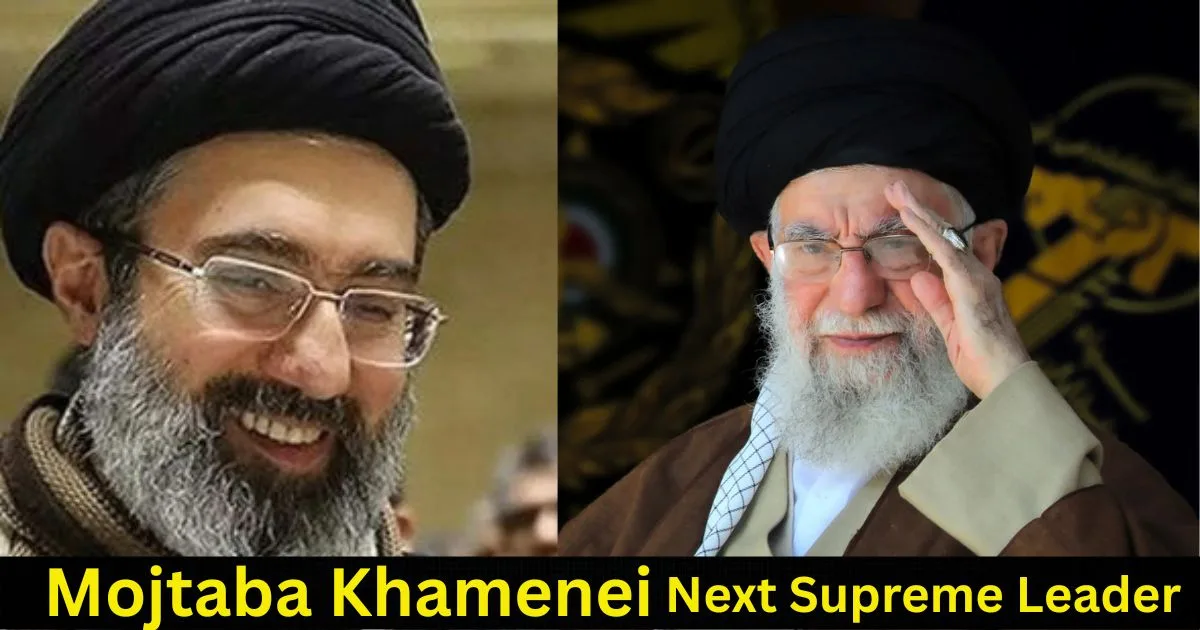
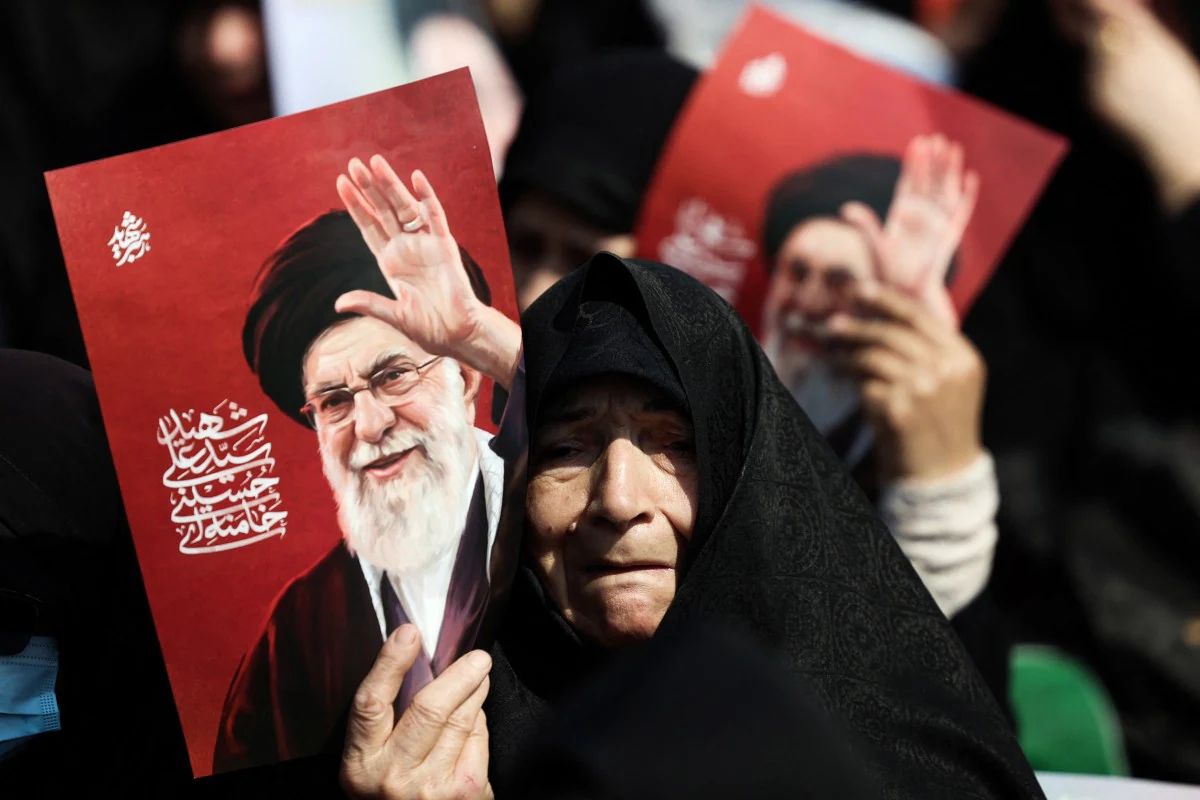
On Friday, Iran’s Supreme Leader Ayatollah Seyyed Ali Khamenei said the Islamic Republic would not back down against vandals and would not tolerate those acting as foreign agents.

Trump Briefed on Military Options as Iran Protests Enter Fourteenth Day

trump

According to a report by the New York Times, US President Donald Trump has recently been briefed on several military options related to Iran.

The report said these options include limited strikes on selected sites in Tehran. Some of these sites are linked to the Iranian regime’s internal security system and are not purely military. The briefings are part of wider planning as the US administration considers diplomatic, economic, and military steps to prevent further violence by Iranian authorities.Click Here To Follow Our WhatsApp Channel

Earlier, Trump said the United States is ready to support Iran, saying the country is looking towards “freedom” like never before. In a post on Truth Social, he wrote that Iran is seeing a new hope for freedom and that the US stands ready to help.

US Senator Lindsey Graham added to speculation about possible American action. In a social media post, he addressed the Iranian people, saying their long struggle may soon end and that their courage has been noticed by Trump and others who support freedom. He said Iran cannot become great while religious leaders remain in power.

Graham later replied to Trump’s post, strongly supporting him and calling for freedom for the Iranian people. He said the current leadership in Iran must end for the country to move forward.

Meanwhile, protests in Iran continued for the fourteenth day in a row on Saturday. Security has been tightened as demonstrations spread across many cities.

According to the Institute for the Study of War, protest activity is continuing despite a nationwide internet shutdown. The group recorded 60 protests across 15 provinces since early January 10. Of these, 25 were medium-sized and eight were large.

What began as protests over rising living costs has now turned into a nationwide movement. Demonstrators are demanding an end to the Islamic Republic, which has ruled Iran since the 1979 revolution.

Sheikh Mohammed bin Rashid Highlights Power of Content Creation at Dubai’s 1 Billion Followers Summit

Sheikh Mohammed bin Rashid

His Highness Sheikh Mohammed bin Rashid Al Maktoum, Vice President and Prime Minister of the UAE and Ruler of Dubai, underlined the growing power of content creation during his visit to the fourth 1 Billion Followers Summit.

The world’s largest event for the global content creator economy is taking place in Dubai from January 9 to 11, 2026, under the theme “Content for Good.” The summit brings together creators, innovators, and industry leaders from around the world.Click Here To Follow Our WhatsApp Channel

During the summit, Sheikh Mohammed also attended the graduation ceremony of 522 content creators and new media specialists. They completed advanced training programmes organised by the UAE Government Media Office and the New Media Academy, aimed at promoting responsible and effective digital communication.

The event has also welcomed global digital stars, including MrBeast, who spoke about using massive online reach to create real-world impact. He shared insights from his charity-driven initiatives, including the “1 Billion Acts of Kindness” campaign.

The summit is being held across several iconic Dubai locations, including Emirates Towers, Dubai International Financial Centre, and the Museum of the Future. These venues highlight Dubai’s role as a global hub for creativity, innovation, and digital influence.

As Sheikh Mohammed emphasised, investing in people who create meaningful and responsible content is essential for future progress. With its global reach, influential speakers, and strong focus on positive impact, the 1 Billion Followers Summit 2026 continues to inspire creators to use their platforms for the greater good.

The summit runs until January 11, celebrating the growing power of digital content in shaping the modern world.

Introduction to Sheikh Mohammed bin Rashid Al Maktoum

His Highness Sheikh Mohammed bin Rashid Al Maktoum (Arabic: محمد بن راشد آل مكتوم) is one of the most influential and visionary leaders in the modern Arab world. Born on July 15, 1949, in Dubai, he serves as the Vice President and Prime Minister of the United Arab Emirates, as well as the Ruler of Dubai. Since assuming these roles in January 2006 following the passing of his brother Sheikh Maktoum bin Rashid Al Maktoum, Sheikh Mohammed has been the driving force behind Dubai’s remarkable transformation from a modest trading port into a global hub for business, tourism, innovation, and culture.

As the third son of the late Sheikh Rashid bin Saeed Al Maktoum — the visionary founder of modern Dubai — Sheikh Mohammed grew up witnessing the early foundations of the emirate’s development. His leadership has been defined by bold ambition, strategic foresight, and an unwavering commitment to progress, turning Dubai into one of the world’s most dynamic and resilient cities.

Here are some iconic portraits capturing the essence of His Highness Sheikh Mohammed bin Rashid Al Maktoum:

Beyond his political and governmental roles, Sheikh Mohammed is widely recognized as a poet, an accomplished equestrian, and a passionate advocate for youth empowerment, education, and positive global change. He frequently shares inspirational thoughts on social media, emphasizing themes of hope, hard work, and building a brighter future — principles that have guided his initiatives like the 1 Billion Followers Summit and numerous global humanitarian efforts.

Here are additional inspiring moments from His Highness:

Under his stewardship, the UAE has achieved unprecedented milestones in economic diversification, space exploration, sustainability, and happiness-focused governance. Sheikh Mohammed’s philosophy — “We are building a new reality for our people, a new future for our children, and a new model of development” — continues to inspire millions worldwide.

As Dubai marks two decades of his rule in 2026, His Highness Sheikh Mohammed bin Rashid Al Maktoum remains a symbol of visionary leadership, resilience, and the relentless pursuit of excellence.

Calling for Benjamin Netanyahu’s Kidnapping: Khawaja Asif’s Dangerous and Delusional Foreign Policy Thinking

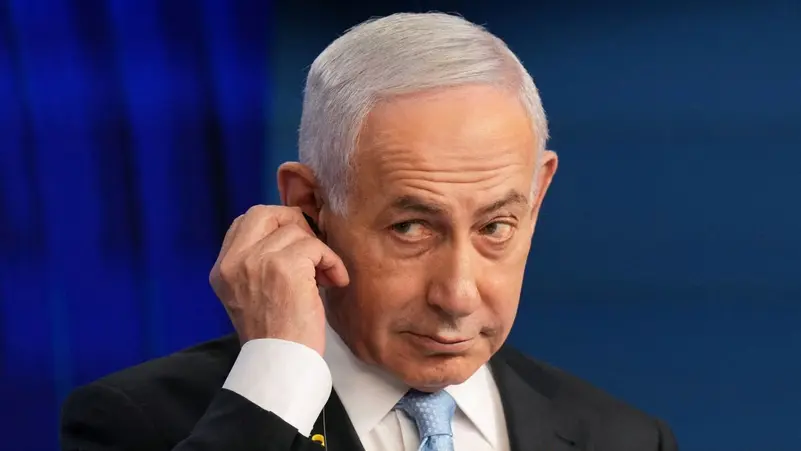
Benjamin Netanyahu

Pakistan’s Defence Minister Khawaja Asif shocked international audiences after publicly suggesting that Israeli Prime Minister Benjamin Netanyahu should be kidnapped and put on trial. While criticism of Israel’s actions in Gaza is widespread across the world, Asif’s remarks crossed a serious line — from political condemnation into reckless fantasy.

This was not a carefully framed legal argument. It was an emotional and dangerous statement that exposed a deep misunderstanding of diplomacy, international law, and global power realities.

Moral Anger Without Strategic Sense

There is no doubt that the war in Gaza has triggered global outrage. Governments, human rights groups, and international bodies have raised serious concerns. Even institutions like the International Criminal Court have come into the discussion.

However, moral anger does not give a licence to promote illegal acts. Calling for the abduction of a sitting prime minister is not justice — it is a violation of international norms. No serious state resolves war crimes allegations through kidnapping. Courts function through treaties, arrests based on jurisdiction, and legal cooperation, not televised threats.

The United States Angle: Pure Fantasy

Asif’s suggestion that the United States should seize Netanyahu reveals a complete detachment from reality. Israel is America’s closest strategic ally in the Middle East. The two countries share intelligence, military coordination, and decades of political alignment.

Expecting Washington to abduct the leader of Israel is not just unrealistic — it is absurd. Such an action would shatter global stability, undermine US credibility, and trigger consequences far beyond the Gaza conflict. No US administration, regardless of political party, would even consider such a move.

Dragging Turkey Into the Narrative

Equally misguided was Asif’s appeal to Turkey. While Ankara has criticised Israel in strong terms, Turkey remains a NATO member and a state bound by international law. Any attempt to abduct a foreign head of government would amount to state-sponsored criminality and invite massive diplomatic and economic retaliation.

This is not how international justice works. Suggesting otherwise reduces complex geopolitics to simplistic street-level slogans.

Domestic Applause, Global Embarrassment

Statements like these are often aimed at domestic audiences. In Pakistan, strong anti-Israel sentiment exists, especially during the Gaza conflict. Loud rhetoric brings short-term applause at home, but it comes at a heavy international cost.

Pakistan is already navigating economic pressure, diplomatic challenges, and the need for international cooperation. When senior ministers speak irresponsibly, it reinforces the image of a country driven by emotion rather than policy. That damages credibility — not just of the speaker, but of the state itself.

Hurting the Palestinian Cause

Ironically, such extreme language weakens the very cause Asif claims to support. The Palestinian issue requires careful diplomacy, legal consistency, and global coalition-building. When leaders promote illegal and impossible actions, they give critics an easy excuse to dismiss genuine humanitarian concerns as political noise.

Justice is not advanced by shouting the loudest. It is advanced by building pressure through law, diplomacy, and international consensus.

Leadership Demands Responsibility

Foreign policy is not a television debate. Words spoken by defence ministers carry weight far beyond studio walls. They influence how a country is viewed, trusted, and engaged with.

By calling for the kidnapping of Benjamin Netanyahu, Khawaja Asif showed not strength, but political immaturity. Strong leadership demands restraint, clarity, and an understanding of consequences. This episode delivered none of those.

Conclusion

Condemning violence is legitimate. Demanding accountability is reasonable. But promoting illegal fantasies under the banner of justice is neither moral nor effective.

Khawaja Asif’s remarks were not bold diplomacy — they were reckless theatre. And in global politics, theatre without strategy does not change reality; it only exposes weakness.