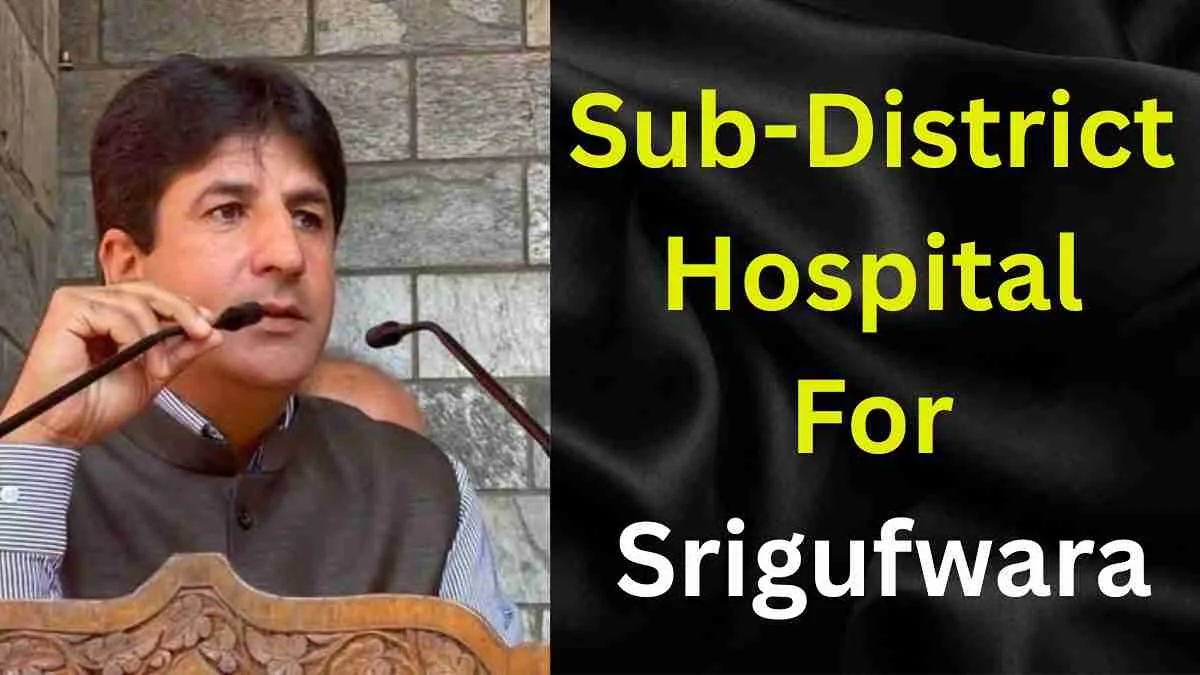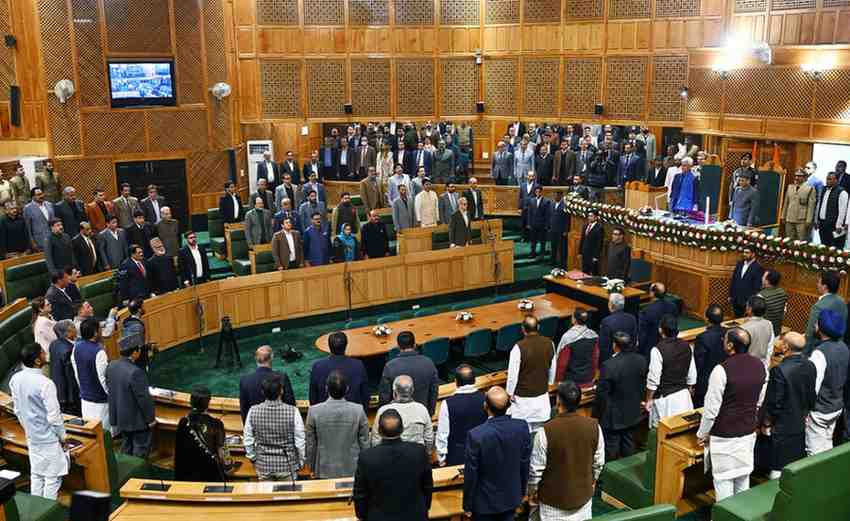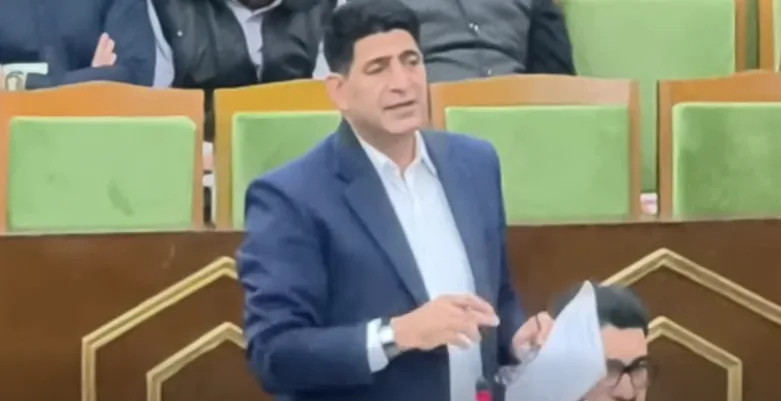
Dr. Bashir Ahmad Veeri, MLA from Srigufwara–Bijbehara constituency, on Tuesday raised a strong demand in the Jammu and Kashmir Assembly for the upgradation of healthcare facilities in his constituency, particularly seeking district hospital status for Bijbehara and the establishment of a sub-district hospital in Srigufwara.
Speaking during the ongoing Assembly session, Dr. Veeri highlighted the growing healthcare needs of the area and said existing facilities were inadequate to cater to the increasing patient load. He stressed that upgrading Sub-District Hospital Bijbehara to a district-level hospital would reduce the burden on tertiary hospitals and ensure timely medical care for people of South Kashmir. Click Here To Follow Our WhatsApp Channel
The legislator also called for a dedicated sub-district hospital in Srigufwara to strengthen healthcare delivery at the grassroots level, especially in emergencies. Emphasizing that healthcare is a basic necessity, Dr. Veeri urged the government to reflect these demands in the current budget and take concrete steps for early implementation.
His demands were welcomed by local residents, who have long been seeking improved medical infrastructure in the region.
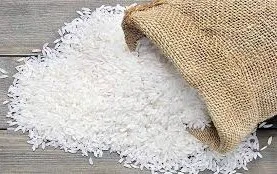
The government has confirmed it is actively checking rice sold in shops across Jammu and Kashmir, including Srinagar, to stop the sale of poor-quality or adulterated products.
Health Minister Sakeena Itoo shared the update in the legislative assembly on Wednesday, after being asked by Legislator Shamim Firdous about the issue of ‘adulterated rice’. Click Here To Follow Our WhatsApp Channel
She provided detailed figures from this financial year (2025-26). So far, health officials have collected 121 samples of rice from the market. These were sent to accredited labs for testing.
Out of the 110 results received back, a concerning 7 samples failed the quality standards. The government has already started legal action against those sellers by filing cases in court under food safety laws.
The Minister explained what was wrong with the failed samples. Three were found to have less Folic Acid than the legal requirement, which is an important nutrient. The other four contained too many “chalky” grains, meaning the rice kernels were of poor texture and quality.
The Health Department has assured that these regular market inspections and sample checks will continue across the region to protect consumers.
The public healthcare system in Jammu and Kashmir is facing an acute manpower shortage, with nearly 10,000 posts lying vacant across health institutions and government medical colleges, the government informed the Legislative Assembly on Wednesday.
The information was provided in response to a question raised by newly elected Budgam MLA Aga Muntazir Mehdi. Health and Medical Education Minister Sakeena Itoo acknowledged the large-scale vacancies and said the government is actively working to expedite the recruitment process to fill all sanctioned posts.Click Here To Follow Our WhatsApp Channel
As per the details shared in the House, Government Medical College (GMC) Jammu has 538 gazetted and 904 non-gazetted vacant posts, while GMC Srinagar is short of 434 gazetted and 174 non-gazetted staff.
GMC Baramulla has 431 vacancies out of a sanctioned strength of 1,304, while GMC Anantnag has 424 vacant postsagainst 1,098 sanctioned positions. GMC Rajouri is facing a shortage of 125 faculty posts, and GMC Udhampur has 668 vacancies out of 799 sanctioned posts.
The Family Welfare Department has 573 vacant posts out of 2,276 sanctioned positions.
The Directorate of Health Services, Kashmir (DHSK)—the primary healthcare provider in rural Kashmir—is struggling with 388 gazetted and 2,797 non-gazetted vacancies, severely impacting primary and secondary healthcare services across the Valley.
Similarly, the Directorate of Health Services, Jammu (DHSJ) is grappling with 1,489 vacant posts, the House was informed.
Minister Sakeena Itoo said filling these vacancies could provide significant relief to the healthcare system while also creating employment opportunities for thousands of unemployed youth in the Union Territory.
The Jammu and Kashmir government said on Tuesday that vital healthcare facilities in Bandipora district are getting a major upgrade. This is happening under national health schemes, including the Pradhan Mantri Ayushman Bharat Health Infrastructure Mission (PM-ABHIM).
She stated that the 100-bed District Hospital in Bandipora already has important facilities like a CT scan, a dialysis unit, and oxygen plants. Under recent COVID-response funds, the hospital has also added new, specialised wards:
A 12-bed paediatric Intensive Care Unit (ICU).
A 30-bed oxygen-supported ward for children.
A 10-bed ICU for mothers.
Looking ahead, the minister confirmed that under the PM-ABHIM scheme, a major 50-bed Critical Care Block has been approved for the hospital. The bidding process is complete and work is set to begin soon. Additionally, construction has started on a new public health laboratory and 12 smaller health units across the district’s blocks.
The minister also addressed delays in finishing two new Primary Health Centre buildings in Gund Jehangir and Zurimanz. She explained the hold-up was due to a change in how the projects are funded, but confirmed the Health Department is now releasing the necessary money.
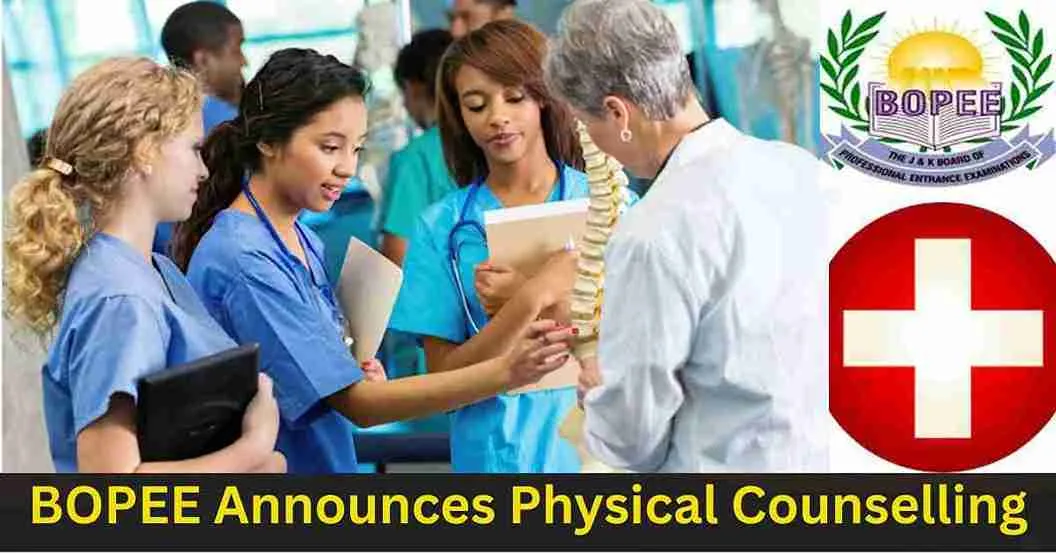
In a much-awaited decision, the Jammu and Kashmir Board of Professional Entrance Examinations (BOPEE) has announced a physical round of counselling for 50 supernumerary MBBS seats. This move is aimed at supporting students who lost their seats following the de-recognition of Shri Mata Vaishno Devi Medical College, Katra, earlier this month.
The newly created seats will be adjusted across various Government Medical Colleges in Jammu and Kashmir, ensuring that affected students do not face any break in their academic journey.Click Here To Follow Our WhatsApp Channel
According to BOPEE, the decision has been taken on the directions of the Health & Medical Education Department, along with official communication from the National Medical Commission, through its Medical Assessment and Rating Board (MARB).
As per the notification, students who were earlier allotted provisional MBBS seats at SMVD Medical College through BOPEE notifications dated October 25, November 18, and December 22, 2025, are eligible to take part in this counselling process.
BOPEE clarified that the creation of 50 additional supernumerary seats is meant to safeguard students’ academic progress and avoid any loss of an academic year.
The physical counselling session is scheduled for January 24, 2026 (Saturday) and will begin at 10:00 AM at BOPEE offices in Jammu and Srinagar. Candidates must report between 10:00 AM and 11:00 AM for attendance and registration.
Under this arrangement, seven MBBS seats each have been created in Government Medical Colleges located in Baramulla, Doda, Handwara, Kathua, Rajouri, and Udhampur. Additionally, eight seats have been allocated to Government Medical College Anantnag.
This step is being seen as a major relief for students affected by the college de-recognition, bringing clarity and stability to their medical education future.
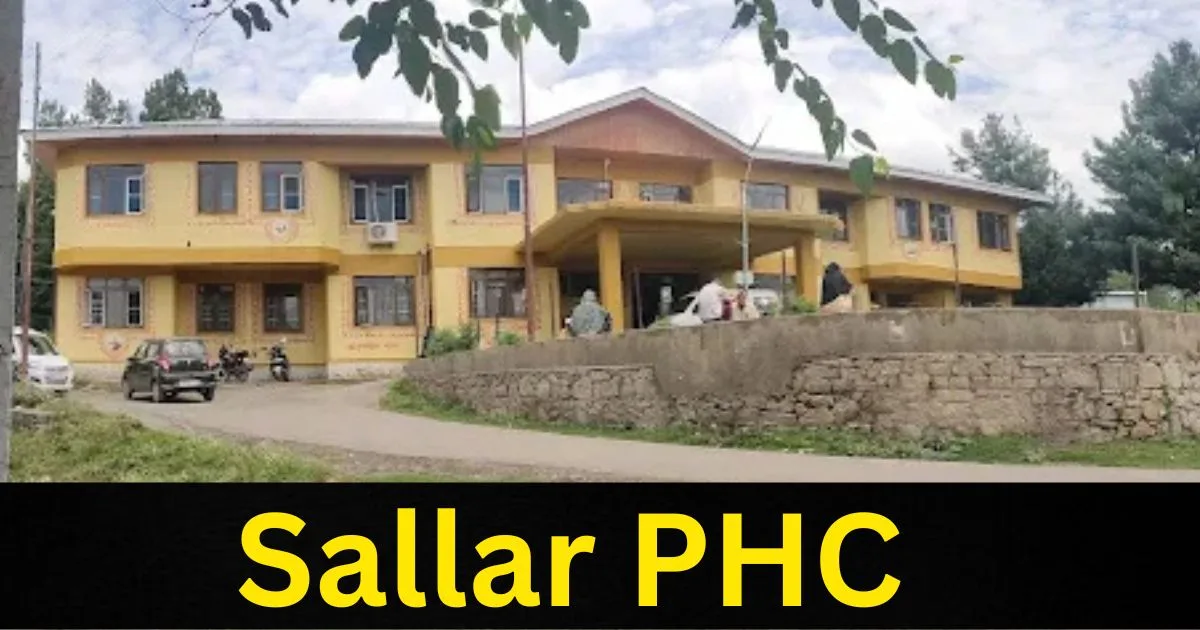
In the calm yet challenging landscape of South Kashmir, the village of Sallar has long depended on its Primary Health Centre (PHC) as the first point of medical care. Situated on an important route leading to Pahalgam and the Amarnath Yatra, the area serves not just locals but also tourists and pilgrims. Today, residents say the time has come for the government to fulfil its long-standing promise and upgrade the Sallar PHC into a full-fledged Sub-District Hospital (SDH) Click Here To Follow Our WhatsApp Channel
Locals say the demand is not political, but born out of daily hardship. In nearly a 40-kilometre stretch from Pahalgam to Bijbehara, there is no properly equipped hospital to handle emergencies, surgeries, or specialised treatment. The existing PHCs, including Sallar, work with limited staff, basic facilities, and inadequate diagnostic tools. Anything beyond minor treatment forces patients to travel over 30 kilometres to Anantnag District Hospital.
For residents, this gap often turns critical situations into life-threatening ones. Pregnant women facing complications, farmers injured during work, or elderly patients needing urgent care must travel long distances on narrow and difficult roads. During winter, when snow blocks routes and visibility drops, delays become even more dangerous. Many families recall painful incidents where patients reached the district hospital too late.
The Sallar PHC is among the oldest health centres in Anantnag district. Despite limited resources, it has continued to serve people during conflicts, natural disasters, and routine emergencies. In 2023, it even ranked second among PHCs in Jammu and Kashmir under the National Health Mission, highlighting its performance and potential. Yet, residents say, it remains stuck at the primary level with outdated infrastructure.
Over the years, several inspections, public meetings, and official visits have raised hopes. In December 2025, reports suggested that a committee under Indian Public Health Standards (IPHS) had proposed upgrading seven PHCs to SDH level, with Sallar placed high on the list. Assurances were also given about new IPD and OPD blocks. However, as 2026 begins, locals say nothing has moved on the ground.
The recent exclusion of Sallar PHC from the Tele Medicine Scheme has added to the frustration. Residents believe this decision has denied them even temporary access to specialist consultations, further widening the healthcare gap. “We keep hearing about budgets, procedures, and priorities, but for us these delays mean real suffering,” locals said.
While residents acknowledge improvements in healthcare across Jammu and Kashmir—such as new medical colleges, critical care blocks, and expanded health schemes—they say rural areas like Sallar continue to be overlooked. With existing SDHs in Bijbehara and Shangus, people question why this crucial belt, which sees heavy tourist and pilgrimage movement, remains underserved.
Upgrading Sallar PHC to an SDH would mean inpatient facilities, emergency care, specialist doctors, diagnostic labs, and ambulance services. Locals say this would reduce pressure on Anantnag District Hospital, save lives, and strengthen healthcare support for both residents and visitors.
The community, including farmers, shopkeepers, students, and elders, has united behind the demand. Local advocates have raised the issue repeatedly, and residents say they are prepared to submit formal representations through health authorities and official grievance portals if needed.
For the people of Sallar, healthcare is not a privilege but a basic right. They say upgrading the PHC is not just about buildings or beds—it is about dignity, safety, and trust in governance. After years of waiting, residents say the message is clear: the time for promises is over, and the time for action has arrived.
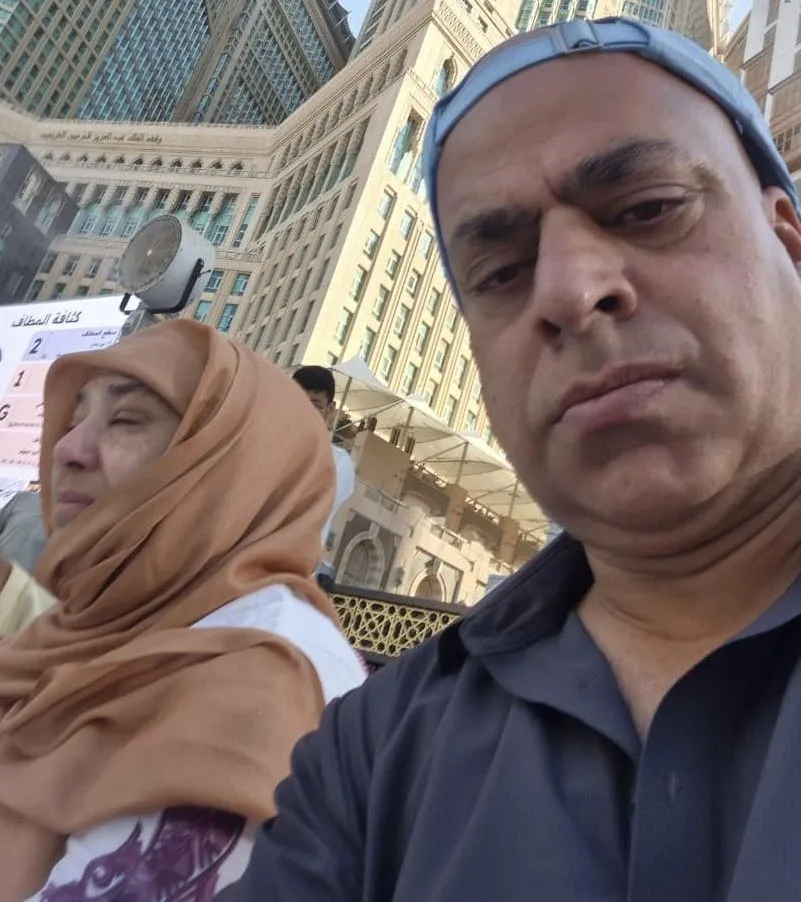
A Srinagar-based dental doctor, Dr. Rouf Jeelani, has made an emotional appeal to the government, seeking urgent help to airlift his critically ill wife from Mecca in Saudi Arabia to Srinagar for specialised medical treatment.
Dr. Jeelani had travelled to Saudi Arabia with his wife to perform Umrah when she suddenly suffered a stroke during their stay in Mecca. She was immediately taken to a local hospital, where she remains admitted in critical condition. Doctors have reportedly informed the family that her recovery could take several months, or even up to a year.
Facing a painful situation far away from home, Dr. Jeelani has sought the intervention of Manoj Sinha, the Lieutenant Governor of Jammu and Kashmir, and Chief Minister Omar Abdullah. He has urged them to take up the matter with the Ministry of External Affairs to arrange her urgent medical evacuation to Srinagar.
In his appeal, Dr. Jeelani said he is going through the most difficult phase of his life and feels helpless under the circumstances. He said being in a foreign country, combined with his wife’s critical condition, has placed immense emotional strain on the family.
“I request the authorities and kind-hearted people to help me bring my wife back to Srinagar for proper medical care. I am facing the worst situation of my life,” he said.
Family members, relatives, friends, and well-wishers have also appealed to the authorities to take swift and compassionate action. They stressed that time is crucial and that immediate intervention could be vital for the patient’s safe transfer and recovery.
The family has expressed hope that the concerned authorities will respond quickly to this humanitarian appeal, considering the seriousness and urgency of the situation.
The Supreme Court of India on Monday sought responses from the Union Ministries of Law, Health, and AYUSH on a plea demanding that AYUSH doctors be recognised as ‘Registered Medical Practitioners’ under the law, similar to allopathic doctors. Click Here To Follow Our WhatsApp Channel
The court also issued notice on a request to review and update provisions of a 1954 law related to the regulation of medical advertisements, keeping in view present-day developments.
Bench and Petitioners
A bench comprising Justice Surya Kant and Joymalya Bagchi took note of the submissions made by advocate Ashwini Upadhyay.
The plea was filed by law student Nitin Upadhyay, son of Ashwini Upadhyay. During the hearing, the Chief Justice made a light-hearted remark after learning about their relationship, before issuing notice on the petition.
What the Plea Seeks
The Public Interest Litigation (PIL) seeks:
A declaration that AYUSH doctors fall under the definition of ‘registered medical practitioners’ in Section 2(cc) of the Drugs and Magic Remedies (Objectionable Advertisements) Act, 1954
A direction to set up an expert committee to revise and update the Act’s schedule in line with modern medical knowledge
The Act aims to control advertisements of drugs and remedies, especially those claiming “magic” cures.
Issue With Current Law
The petition argues that:
The law was enacted to protect people from false and misleading medical advertisements
However, Section 3(d) of the Act places a complete ban on advertisements related to certain diseases
AYUSH and other non-allopathic doctors are not covered under the exception in Section 14, which allows some medical practitioners to advertise
As a result, the plea claims that genuine AYUSH practitioners are unable to inform the public about treatments for serious diseases.
Right to Information Argument
The plea states that:
The public’s right to information about diagnosis, prevention and treatment of serious and chronic diseases is being restricted
The ban is based on an outdated law and does not distinguish between misleading claims and truthful, evidence-based medical information
It adds that honest and scientifically supported advertisements should be treated as legitimate information, not misinformation.
Call for Law Update
The petitioner has urged the central government to:
Form an expert committee
Review and revise the schedule of the 1954 Act
Align it with current scientific developments and evidence-based medicine
According to the plea, the original purpose of the law has now turned into a blanket restriction on genuine medical communication by AYUSH doctors.
What Happens Next
The Supreme Court has issued notices to the concerned ministries and will hear the matter further after their responses are filed.
The case is being closely watched, as it could have a significant impact on the legal status, communication rights and public role of AYUSH practitioners across India.
A year-long autopsy-based study conducted by AIIMS, New Delhi on Sunday found no scientific evidence linking COVID-19 vaccination to sudden deaths among young adults — reaffirming that the vaccines are safe and effective.
The study, titled ‘Burden of Sudden Death in Young Adults: A One-Year Observational Study at a Tertiary Care Centre in India’, has been published in the ‘Indian Journal of Medical Research’, the flagship journal of the Indian Council of Medical Research.Click Here To Follow Our WhatsApp Channel
Researchers closely examined sudden death cases of people aged between 18 and 45 years using verbal autopsy, post-mortem imaging, conventional autopsy and detailed histopathological tests.According to the findings, there was no statistically significant association between COVID-19 vaccination status and sudden deaths in the young population.
The researchers found that most of the deaths were caused by well-known medical conditions, with cardiovascular diseases emerging as the leading reason.
Respiratory illnesses and other non-cardiac causes were also identified in several cases.
The study also noted that both COVID-19 infection history and vaccination status were similar across younger and older age groups, and no causal link between vaccination and sudden deaths was found.
These results, the researchers said, are in line with global scientific evidence that supports the safety of COVID-19 vaccines.
Dr Sudheer Arava, Professor at AIIMS, New Delhi, said the study is particularly important at a time when misleading claims and unverified reports are circulating about a possible link between COVID-19 vaccines and sudden deaths.
He stressed that the findings clearly do not support such claims and highlighted the need for scientific and evidence-based research to guide public understanding.
Health experts said that sudden deaths among young individuals, though tragic, are often linked to underlying and sometimes undiagnosed health issues, especially heart-related conditions.
They underlined the importance of early health screening, lifestyle changes and timely medical intervention to reduce such risks.
Dr Arava also advised people to trust credible scientific sources and avoid misinformation that could weaken public confidence in proven public health measures, including vaccination.
Expressing serious concern over reports of banned drug residues being detected in eggs sold in markets, MLA Zadibal and the JKNC’s Chief Spokesperson Tavir Sadiq on Thursday urged the government to initiate an immediate and comprehensive investigation into the matter.Click Here To Follow Our WhatsApp Channel
In a post on X, Sadiq said laboratory findings have indicated the presence of nitrofuran and nitroimidazole, drugs strictly prohibited for use in food-producing animals due to their carcinogenic and toxic effects.
He said the issue assumes greater gravity as eggs are widely consumed by children, senior citizens and patients, and are often recommended by doctors as a primary protein source. “This is a direct public-health risk and cannot be taken lightly,” he warned.
Sadiq called upon the Health Minister Sakina Ittoo and Food & Supplies Minister Satish Sharma, along with the Food & Supplies Department and Food Safety authorities, to carry out residue testing across major markets, trace the supply chain and take strict action against those responsible.
“For the safety of our people, there can be no compromise. This must be treated with utmost urgency,” he said.
His remarks come amid circulating reports, including one from The420.in, claiming that contaminated eggs linked to a particular brand triggered nationwide food-safety concerns.