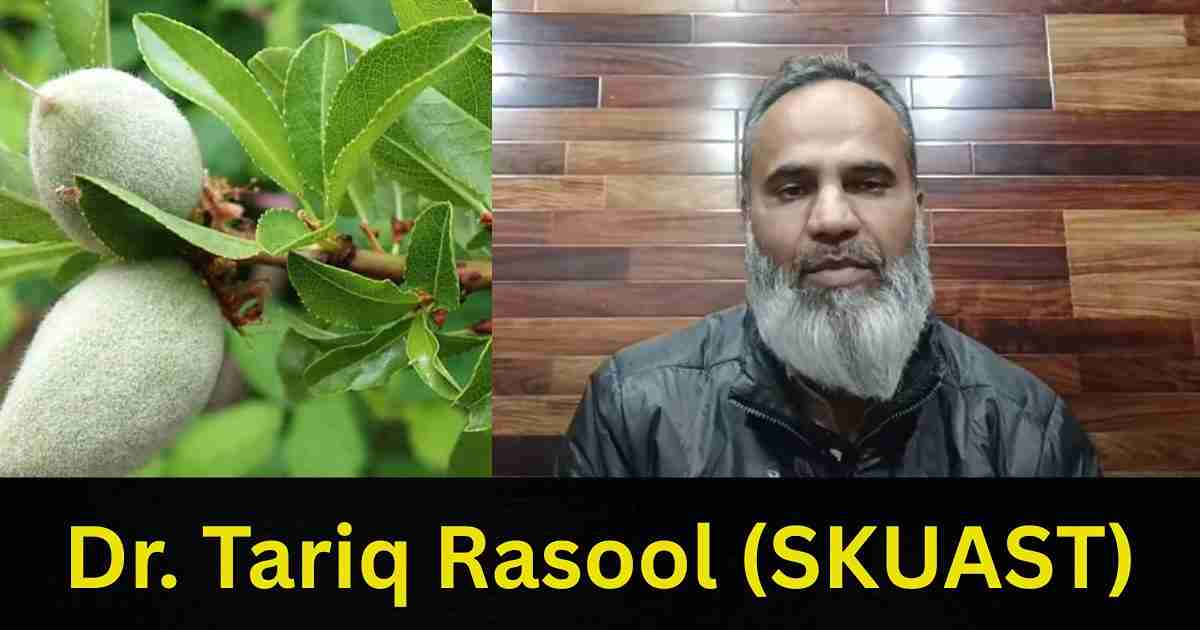
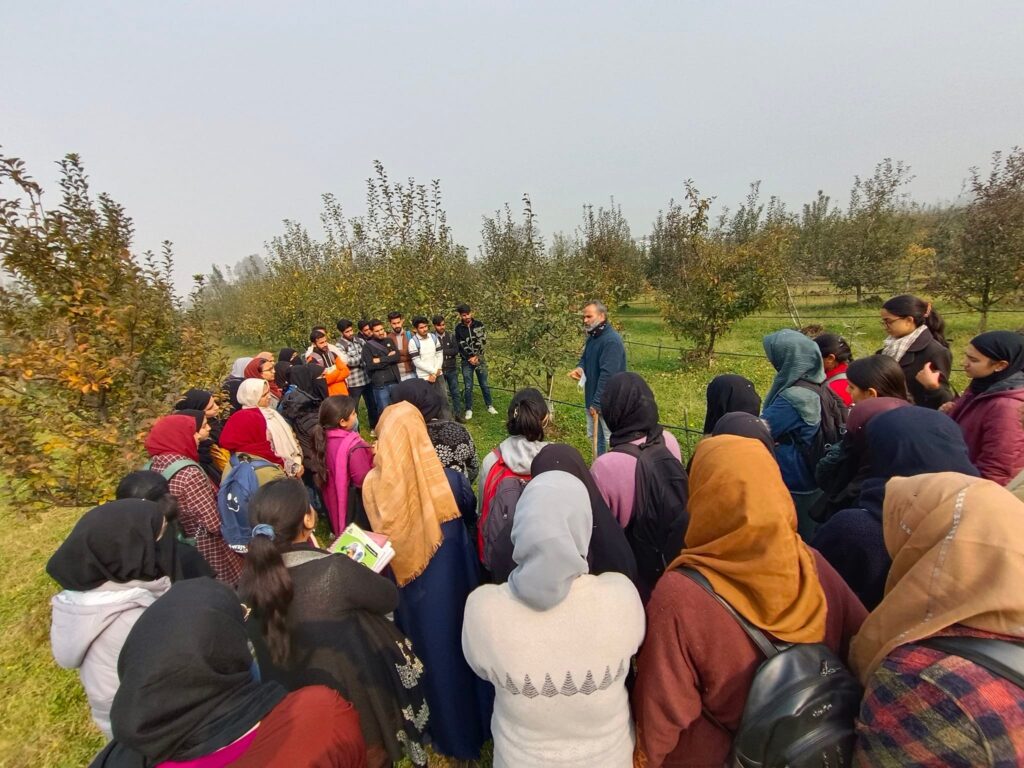
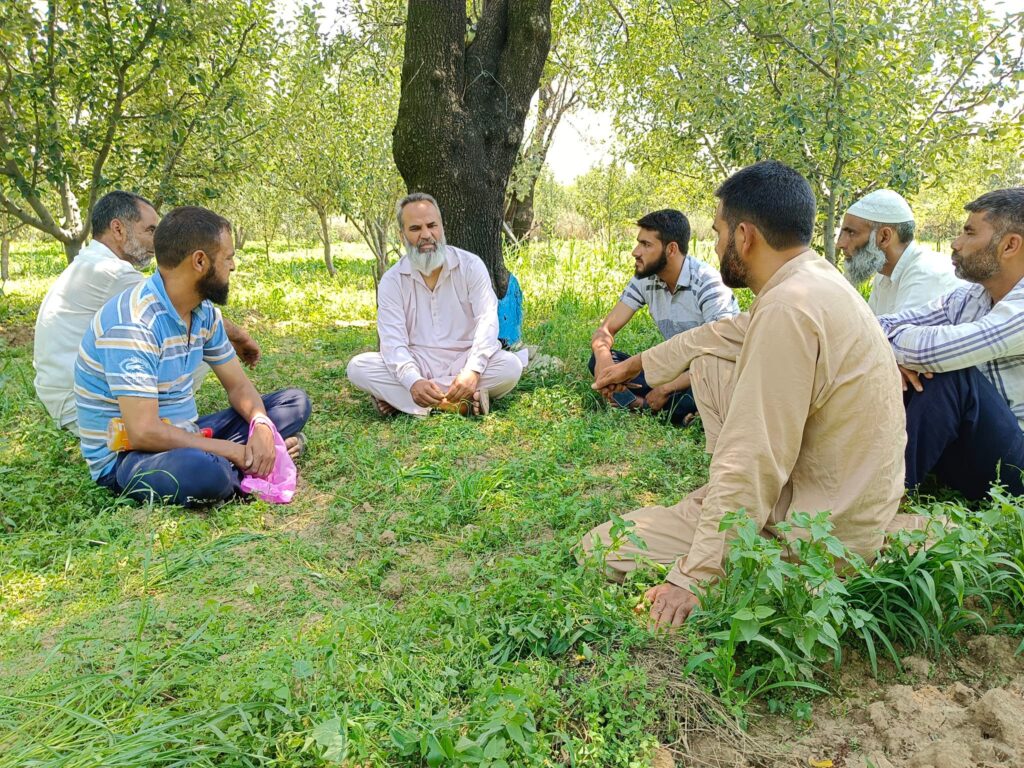
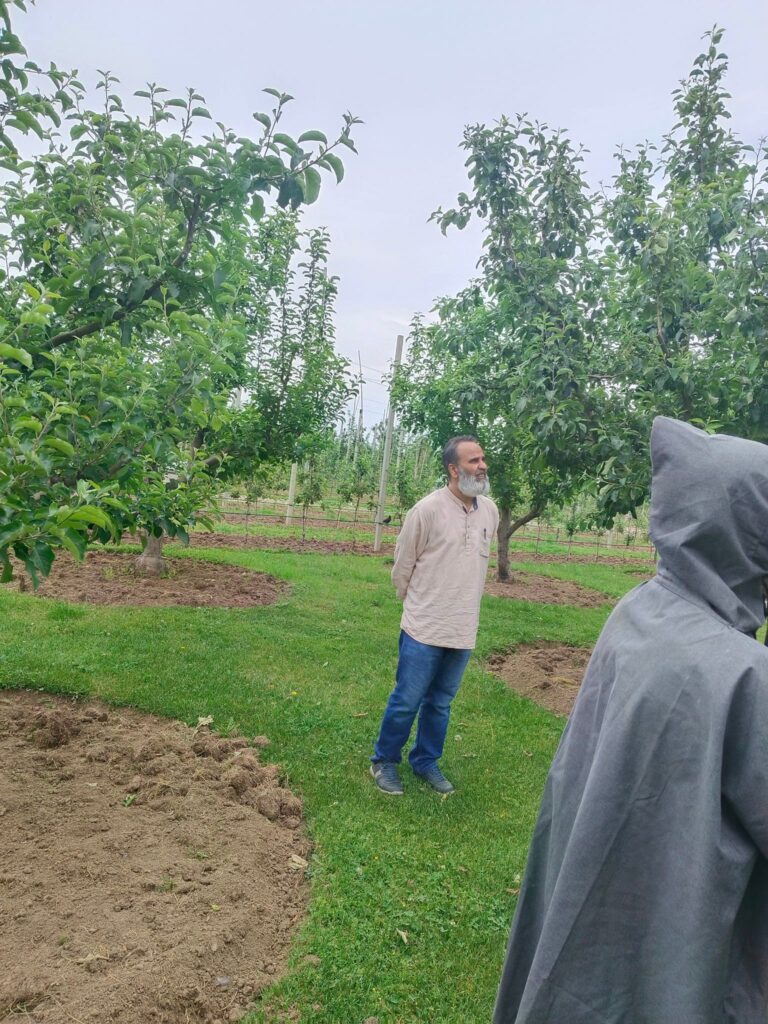
Yes, crop failures were frequent — especially when late March snowfall would often damage the bloom. Diseases/ pests were common, & the trees were seedlings with around 95% hard shell & 5% paper-shell, all by chance. Perhaps our orchards had grown too old Around 2010.
By 2008 to 2014, almost everyone had shifted to apples. Today, except for my own 2-kanal almond orchard, no other villager has almond orchard here. Even we also converted the two kanals karewa land to apples for a year, but the year’s experience on Karewa land convinced me & my father to return back to almonds. (Thankfully, we got great returns for our green almonds this year)
The real reason for decline wasn’t just crop failures or mismanagement — it was the market collapse. I still remember:
In the early 1990s, we would sell hard-shell almonds at ₹40/kg.
By 2010, prices hadn’t even touched ₹100/kg.
Even today, the rates are around ₹150/kg.
Growers would sometimes keep their produce for years because there was no demand. One major blow was the import of Californian almonds with minimal TARIFF, which crushed local markets.
Around 2010, a few buyers from Srinagar purchased large chunks of land belonging to pandiths, dug borewells & made apple cultivation possible — inspiring villagers to follow. Producing quality apples on karewas is always challenging especially if you don’t have your own Borewell.
The story of almonds in my village is a reminder: without fair market support and smart policies, even the richest traditions of cultivation can vanish & become thing of past in no time.
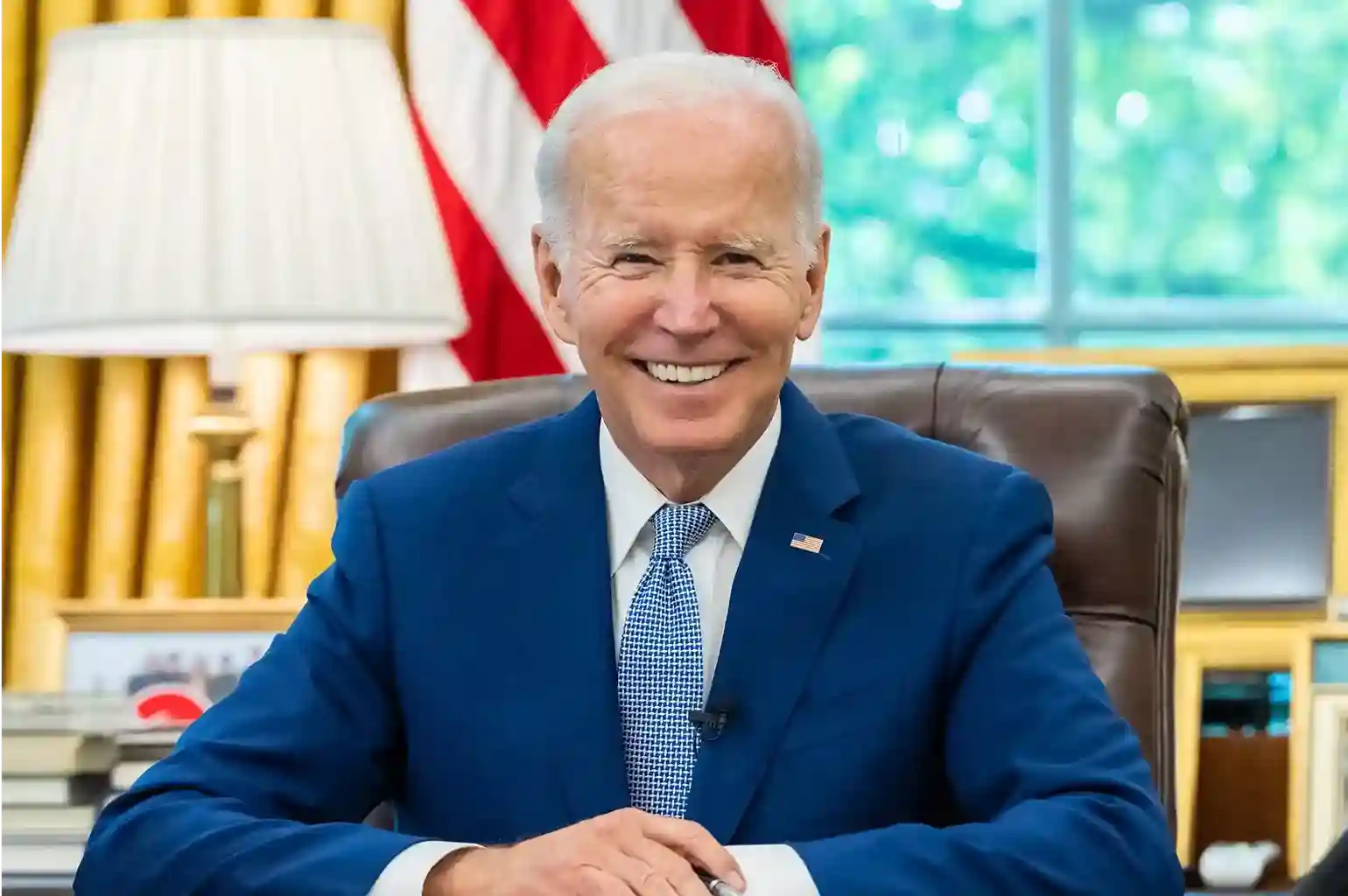
In 2016, Joe Biden, who was then the Vice President of the United States and later became President, shared a deeply personal story that touched many hearts. It was about a tough time in his life when his son, Beau Biden, was battling brain cancer. To help his son’s family, Biden thought about selling his family home. This story, which also involves a kind offer from his friend and boss, President Barack Obama, shows a side of American politics that feels human and real. This article explains what happened, why it matters, and how it compares to the lives of leaders in other countries, all in simple, clear English.
The Story: A Father’s Worry
Joe Biden’s son, Beau, was a lawyer and the Attorney General of Delaware, a state in the US. In 2013, at the age of 44, Beau was diagnosed with a deadly type of brain cancer called glioblastoma. As Beau’s health got worse, he could no longer work, which meant his family lost his income. Beau had a wife and two young children to support, and medical bills in the US can be very expensive, even for serious illnesses like cancer.
Joe Biden, who was Vice President at the time (from 2009 to 2017), was worried about how to help Beau’s family. Although Biden earned a good salary—about $230,000 a year—he didn’t have a lot of extra money. His wealth was mostly tied up in his family home in Wilmington, Delaware, a house worth around $1 million. To raise money for Beau’s family, Biden thought about selling this home, which was his main asset. He didn’t want to take out a loan because the terms were strict, and he wasn’t sure he could pay it back after his time as Vice President ended.
One day, Biden shared his worries with Barack Obama, the President at the time and a close friend. Obama didn’t hesitate. He said, “Joe, don’t sell your house. I’ll give you the money. Whatever you need, I’ll help.” This offer came from Obama’s personal bank account, not government funds. In the end, Biden didn’t need to sell the house or take Obama’s money, as they found other ways to manage. Sadly, Beau passed away in May 2015, despite treatment. Biden shared this story publicly in a 2016 interview with CNN, and he got emotional talking about his son and Obama’s kindness.
When and Where Did This Happen?
The story came out in January 2016, when Biden spoke to CNN about his life and his work on cancer research, something he cared deeply about after losing Beau. Some retellings of the story, like the one you might have heard, say it was revealed just before Biden left office in January 2017, during Obama’s farewell speech. That’s not quite right—it was shared a year earlier. Also, the house wasn’t 4,000 square feet as some claim; it’s actually about 6,850 square feet, a minor mix-up.
Biden also wrote about this moment in his 2017 book, Promise Me, Dad, where he described his fears for Beau’s family and Obama’s generous offer. News outlets like The New York Times, The Washington Post, and Politico reported on it, confirming the story is true. Biden’s openness about his financial worries showed a side of him that many people could relate to—a parent trying to do the best for their child in a tough situation.
Why This Story Matters
This story is powerful because it shows that even someone as important as the US Vice President can face money troubles. In the US, leaders like Biden have to follow strict rules about money. They must report their income and assets every year, and they can’t accept big gifts or use their position to get rich. For example, US laws (like the Ethics in Government Act) stop officials from taking loans or gifts that could look like bribes. This meant Biden couldn’t just ask a bank to cancel a loan or accept a free house from a wealthy friend without breaking the law.
The story also highlights the friendship between Biden and Obama. Obama’s offer to help wasn’t about politics—it was a personal act of kindness. It shows that even in a powerful country like the US, leaders can face human struggles and rely on friends, just like anyone else.
Comparing to Other Countries
The original story you mentioned asks if leaders in Muslim-majority countries, like Pakistan, would face the same kind of financial struggles as Biden. Let’s look at this idea in a simple way.
In many countries, including Pakistan, some leaders have been accused of living very wealthy lives, sometimes in ways that raise questions. For example, in Pakistan, politicians and their families have been linked to expensive properties in places like London or Dubai, as seen in the Panama Papers (a 2016 leak of secret financial documents). Some leaders have faced court cases over claims they misused public money or took gifts, like luxury cars, at low prices. Pakistan’s National Accountability Bureau (NAB) investigates such cases, and the country ranks 133 out of 180 on a global list of corruption levels (Transparency International, 2023), which suggests corruption is a big issue.
In contrast, the US has stricter rules to stop leaders from misusing power for money. For example:
Loans: Biden couldn’t get a loan forgiven without it being seen as a bribe, which could lead to investigations.
Rich friends: US leaders can’t accept big gifts like houses or money from wealthy people without reporting it. This could break laws like the anti-bribery statute (18 U.S.C. § 201).
Offshore companies: Setting up secret companies in places like Panama to hide money is illegal in the US and could lead to tax evasion charges. Biden has never been linked to such schemes.
Family wealth: Unlike some political families in other countries, Biden’s sons didn’t build huge fortunes. Beau worked in public service, and Hunter Biden faced legal issues but didn’t amass billions.
Spending public money: US leaders can’t easily use government funds for personal luxuries, like buying private planes or spending millions on fancy dinners. Such actions would be audited and could lead to serious consequences, like impeachment.
In Pakistan, some leaders have been accused of using “discretionary funds” (money they can spend without much oversight) for personal benefits, like fancy trips or home upgrades. For example, reports have mentioned millions spent on official residences or dinners, though leaders often say these are for official duties. These differences don’t mean every leader in Pakistan or other Muslim-majority countries is corrupt—some, like former Pakistani Prime Minister Imran Khan, have pushed for simpler lifestyles. But the systems in some countries make it easier for leaders to gain wealth than in the US.
Could This Happen Elsewhere?
Could a leader in a country like Pakistan face a situation like Biden’s, where they worry about money and think about selling their home? It’s possible, but it depends. In countries with less strict rules or more corruption, leaders might have other ways to get money, like business deals or favors from wealthy friends, which aren’t always legal. In places with strong laws, like the UK or US, leaders are watched closely, so they’re less likely to rely on such methods.
For example, in the UK, Members of Parliament (MPs) and Prime Ministers must declare their income, gifts, and interests. If a UK leader tried to accept a big gift or hide money offshore, they’d face investigations by bodies like the Parliamentary Commissioner for Standards. The UK’s anti-corruption laws are similar to the US’s, though not exactly the same. In contrast, in some Muslim-majority countries with weaker systems, leaders might face fewer checks, making it easier to build wealth but harder to trust the system.
Conclusion
Joe Biden’s story is true and shows a human side of a powerful leader. He faced a parent’s worst nightmare—losing a child—and worried about money like many ordinary people. Barack Obama’s offer to help was a sign of true friendship, not political show. This story stands out because it’s rare for a US leader to share such a personal struggle, given the strict rules they follow.
When we compare this to other countries, like Pakistan, we see that not all leaders face the same limits. Some have been accused of living extravagantly, while others try to be modest. The difference often comes down to the laws and how well they’re enforced. Biden’s story reminds us that leadership, at its best, is about honesty, struggle, and helping each other—no matter where you are in the world.
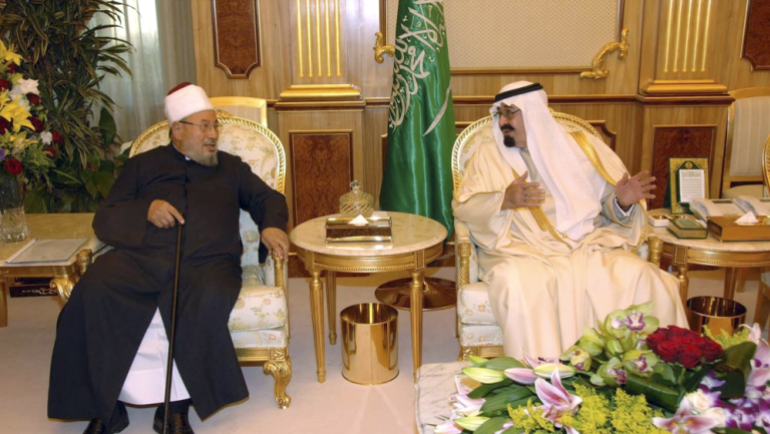
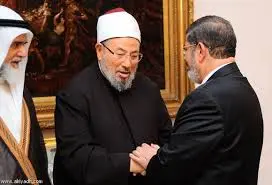
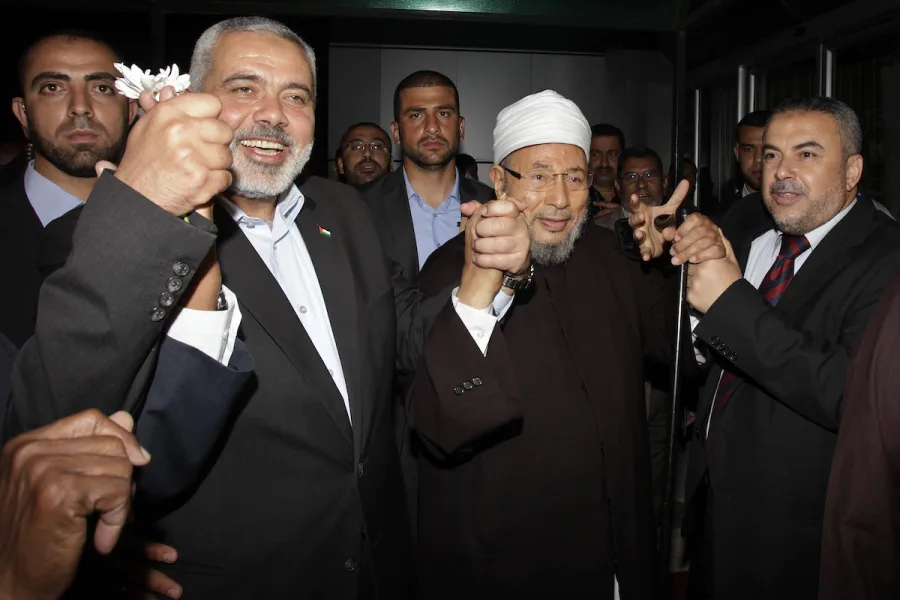
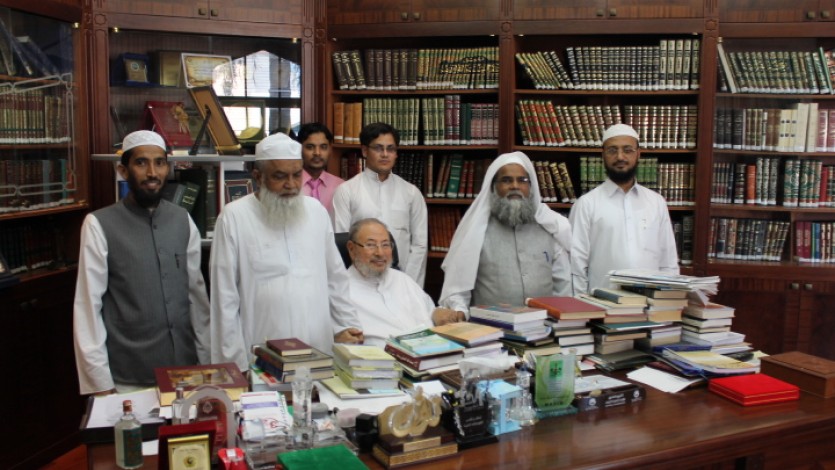
When I think about Dr. Yusuf al-Qaradawi, I picture a man whose life touched millions, sparking both admiration and debate. He was a scholar, a preacher, and a voice for Muslims worldwide, blending old Islamic teachings with the challenges of modern life. Born in a small Egyptian village on September 9, 1926, he grew up to become one of the most famous Sunni Muslim scholars of our time. He passed away on September 26, 2022, in Doha, Qatar, at 96, leaving behind a legacy that still stirs hearts and minds. Let me take you through his story in a way that feels like we’re sitting down for a chat, exploring who he was, what he stood for, and why he remains such a big deal.
Growing Up in Egypt
Yusuf al-Qaradawi’s early life wasn’t easy. Born in Safat Turab, a village in Egypt’s Nile Delta, he lost his father at two years old. His uncle raised him, and even as a kid, Yusuf showed a knack for faith. By 12, he’d memorized the entire Quran—a huge feat that marked him as special. He loved learning and went to Al-Azhar University in Cairo, one of the oldest and most respected Islamic schools in the world. In 1953, he graduated with a degree in Islamic theology, and years later, in 1973, he earned a PhD there. His thesis was about zakat (Islamic charity) and how it could help solve social problems. That work became a book that’s still studied today.
As a teenager, Yusuf joined the Muslim Brotherhood, a group founded by Hassan al-Banna to revive Islamic values and resist Western influence. This choice shaped his life. The Brotherhood’s ideas about faith and justice spoke to him, but it also got him in trouble. Egypt’s rulers—first King Farouk, then Gamal Abdel Nasser—saw the group as a threat. Yusuf was arrested three times (in 1949, 1954, and 1962) for his activism. By 1961, things got so tough that Egypt took away his citizenship, forcing him to leave. He moved to Qatar, where he’d spend most of his life.
A New Home in Qatar
In Qatar, Yusuf found a fresh start. He taught at universities and started building a name for himself. Qatar gave him a safe place to write, speak, and share his ideas. In 1977, he helped start the Faculty of Sharia and Islamic Studies at Qatar University, where he served as dean. Later, he founded the Centre for Sunnah and Seerah, a place to study the Prophet Muhammad’s life. These roles let him teach young Muslims and shape how Islam was understood in a fast-changing world.
But what really made him famous was his TV show, Al-Sharia wa al-Hayat (Sharia and Life), which aired on Al Jazeera from 1996 to 2013. Every week, millions tuned in to hear him talk about everything—family life, money, politics, even how Muslims should live in non-Muslim countries. His warm, clear style made complex religious ideas feel approachable. I imagine people sitting in their living rooms, nodding along as he explained how to be a good Muslim in today’s world.
A Voice for the “Middle Way”
Yusuf al-Qaradawi believed in something called wasatiyya, or the “middle path.” For him, Islam didn’t have to be stuck in the past or blindly follow modern trends. He wanted a balance—sticking to core Islamic values while adapting to new times. This idea made him popular, especially with younger Muslims who felt torn between tradition and modernity.
He wrote over 120 books, covering topics like charity, women’s rights, and jihad (struggle or holy war). His book on zakat is still a go-to for scholars. He also started groups like the International Union of Muslim Scholars in 2004, which he led until 2018, and the European Council for Fatwa and Research, helping Muslims in the West live by Islamic rules. His fatwas (religious rulings) were practical—like saying it’s okay for Muslims to wish Christians a happy holiday or that women could study and work.
But not everyone agreed with him. His views on some issues stirred up big arguments, and that’s where things get complicated.
What He Believed
Let’s talk about what made Yusuf al-Qaradawi such a big figure—and why some people loved him while others didn’t.
Palestinian Rights and Jihad: He strongly supported Palestinians, calling their fight against Israeli occupation a legitimate form of jihad. He believed Muslims had a duty to resist oppression. This made him a hero to many who saw him standing up for justice. But he also supported suicide bombings in Palestine and attacks on U.S. troops in Iraq, which shocked others. To critics, this was promoting violence, and it led to bans from countries like the U.S., UK, and France.
Women’s Roles: He encouraged women to get educated and work, which was progressive for some Muslim scholars. But he also said husbands could lightly “discipline” their wives in rare cases, based on his reading of the Quran. Many called this outdated and harmful, accusing him of supporting abuse.
The Arab Spring: When uprisings swept the Arab world in 2011, he cheered them on, seeing them as a chance for Muslims to demand fair governments. He wanted societies based on Islamic principles but not strict theocracies. Some saw this as a push for democracy; others thought he was tied too closely to the Muslim Brotherhood’s political goals.
Interfaith and Social Issues: He was open to dialogue with other faiths, saying Muslims could greet Christians or Jews on their holidays. He also called stoning for adultery “un-Islamic,” linking it to Jewish law, not the Quran. But he held harsh views on homosexuality, saying it deserved punishment, and made comments about Jews and the Holocaust that critics called anti-Semitic.
These mixed messages made him a lightning rod. Supporters saw him as a bold voice for justice and moderation. Critics said he fueled division, with some calling him the Muslim Brotherhood’s spiritual leader.
Why He Mattered
Yusuf al-Qaradawi wasn’t just a scholar; he was a bridge between old and new. His TV show, books, and fatwas reached people from Morocco to Malaysia. He gave Muslims a way to think about faith in a world of smartphones, global politics, and cultural clashes. For many, he was a guide who made Islam feel alive and relevant.
When he died in 2022, people mourned him as a giant. Posts on X called him a “light for the Muslim ummah” (community), quoting his prayers for places like Al-Aqsa Mosque. Others criticized him, pointing to his controversial fatwas as a source of division. His family carries on his legacy—his three daughters are PhD holders, one a nuclear scientist, and his son, Abdulrahman, is a poet and activist. Sadly, Abdulrahman has been detained in Egypt since 2023, and groups like Amnesty International are fighting for his release.
The Big Picture
Looking back, I see Yusuf al-Qaradawi as a man of his time. He lived through wars, revolutions, and huge changes in the Muslim world. He tried to answer tough questions: How do you stay true to faith in a globalized world? How do you fight injustice without losing compassion? Not everyone liked his answers, but he got people talking. His life reminds me that faith isn’t just about rules—it’s about wrestling with big ideas and trying to make a difference.
If you want to dig deeper, his autobiography, Ibn al-Qarya wa al-Muhtadi (Son of the Village and the Guide), tells his story in his own words. For now, his name lives on—in classrooms, mosques, and debates about what it means to be Muslim today.
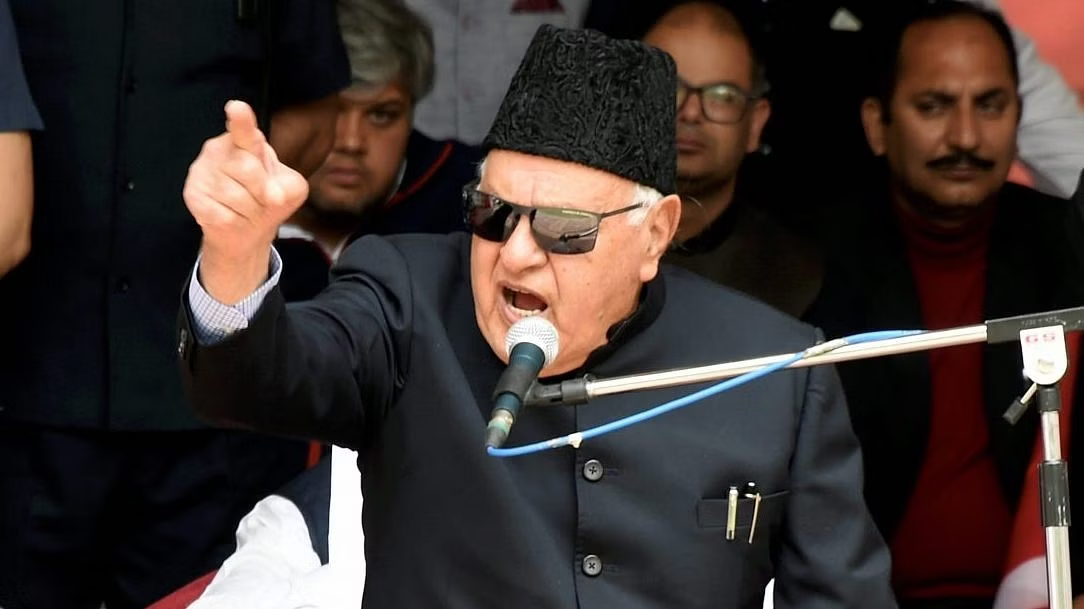
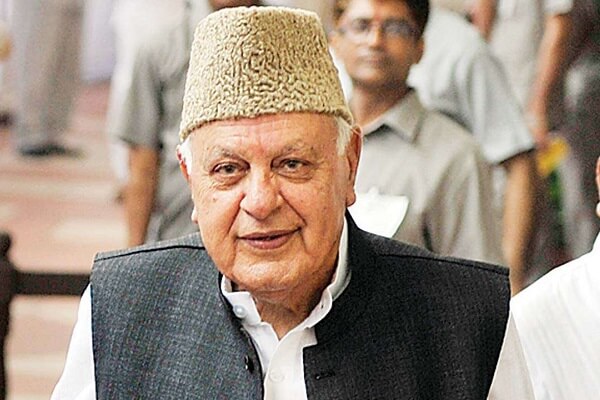
Farooq Abdullah is one of the most experienced and colourful political leaders in India. For more than forty years, he has been at the centre of politics in Jammu and Kashmir, carrying forward the legacy of his father, Sheikh Abdullah, while also carving out his own distinct identity. Known for his charisma, outspoken nature, and sharp political instincts, Abdullah remains a towering figure in Kashmiri public life.
Early Life and Education
Farooq Abdullah was born on 21 October 1937 in Srinagar, Jammu and Kashmir. He is the eldest son of Sheikh Mohammad Abdullah, also known as the “Lion of Kashmir,” who founded the Jammu and Kashmir National Conference (NC) and played a key role in shaping the state’s political destiny after independence.
Farooq grew up in a politically charged atmosphere but chose medicine as his profession. He studied medicine in India and then went on to the United Kingdom, where he trained further and worked as a doctor. His years abroad gave him both professional skills and exposure to global culture.
Entry into Politics
Though trained as a doctor, Farooq Abdullah’s destiny was tied to politics. After his father Sheikh Abdullah’s death in 1982, Farooq returned fully to public life and was chosen as the President of the Jammu and Kashmir National Conference. Within months, he was sworn in as the Chief Minister of Jammu and Kashmir.
His entry marked a generational shift in Kashmiri politics. Charismatic, tall, and outspoken, Farooq Abdullah quickly became a familiar figure in national politics as well.
Chief Minister of Jammu and Kashmir
Farooq Abdullah served as Chief Minister of Jammu and Kashmir multiple times:
1982–1984: His first term, which ended abruptly after he was dismissed by the then Governor in a dramatic political coup supported by the Centre.
1986–1990: His second term saw major challenges, including growing unrest and the rise of militancy in Kashmir. He resigned in 1990 when insurgency peaked.
1996–2002: After six years of President’s Rule, Farooq Abdullah returned as CM with a large majority. This period was marked by attempts at normalisation, though violence and instability continued.
Throughout these years, Abdullah’s leadership style was often described as bold and sometimes controversial, but he remained the key face of mainstream politics in Jammu and Kashmir.
Role in National Politics
Farooq Abdullah also made his mark in New Delhi. He was elected several times to the Lok Sabha and served as a Union Minister in the United Progressive Alliance (UPA) government under Prime Minister Manmohan Singh. As Union Minister of New and Renewable Energy (2009–2014), he promoted solar and wind energy projects across the country.
His presence in Parliament was never dull—Abdullah became known for his candid speeches, humour, and ability to build friendships across party lines.
Personal Style and Popularity
Farooq Abdullah has always stood out because of his personality. Whether in Kashmir or Delhi, he is known for mixing humour with political sharpness. His frank and often bold statements have landed him in controversies but also won him admirers.
In Kashmir, many see him as a “people’s politician” who connects easily with ordinary citizens. At the same time, his critics argue that his party’s governance did not do enough to resolve deep-rooted problems in the state.
Controversies and Challenges
Farooq Abdullah’s career has not been free of controversy.
His terms as Chief Minister coincided with some of the most difficult years in Kashmir, especially the rise of militancy in the late 1980s and early 1990s.
Political opponents have accused him of being too close to New Delhi at times, while others have accused him of not doing enough to check violence.
In recent years, he has also faced investigations in alleged financial irregularities, including the Jammu and Kashmir Cricket Association (JKCA) case. Abdullah has denied any wrongdoing.
Current Role and Legacy
Even in his late eighties, Farooq Abdullah remains active in politics. He continues to lead the Jammu and Kashmir National Conference and has played an important role in recent political developments, especially after the abrogation of Article 370 in August 2019. He was one of the senior leaders detained during the clampdown but later released, after which he helped form the People’s Alliance for Gupkar Declaration (PAGD) to push for the restoration of Jammu and Kashmir’s special status.
Farooq Abdullah’s legacy is a mix of achievements, controversies, and resilience. He has been a bridge between Kashmir and New Delhi, sometimes criticised, sometimes praised, but always central to the political story of Jammu and Kashmir.
Conclusion
From doctor to chief minister, from national politician to regional elder statesman, Farooq Abdullah’s life is a reflection of the complex history of Jammu and Kashmir itself. Loved and criticised in equal measure, he remains a key voice for his people and one of the most influential Kashmiri leaders of modern times.
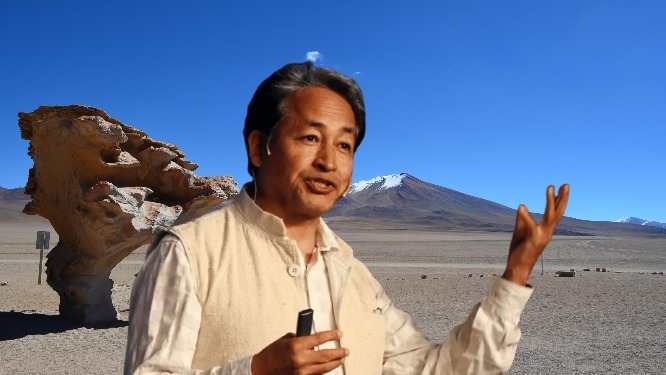
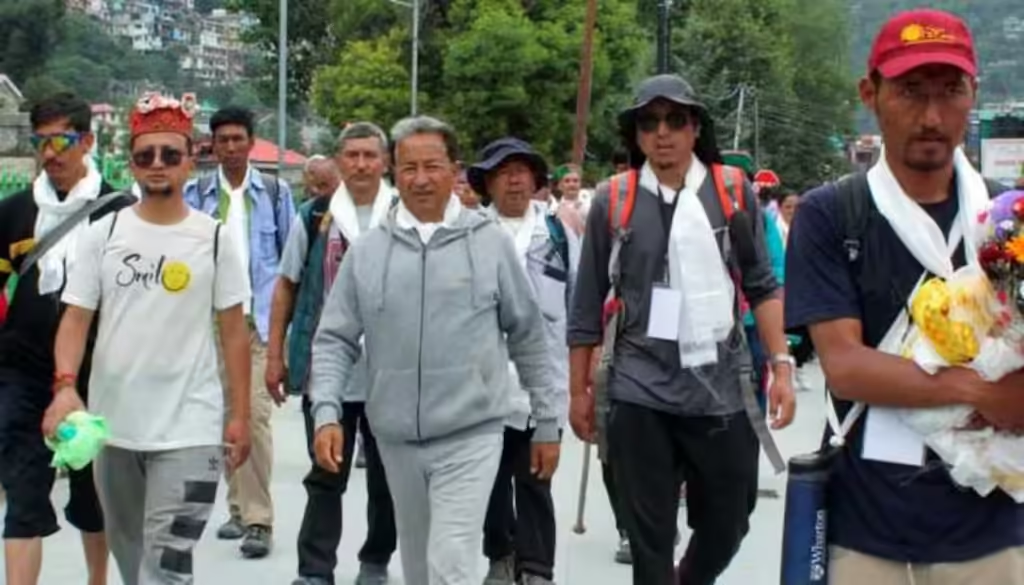
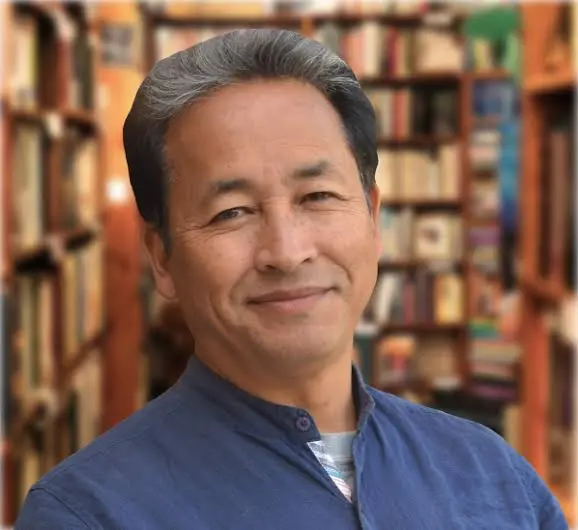
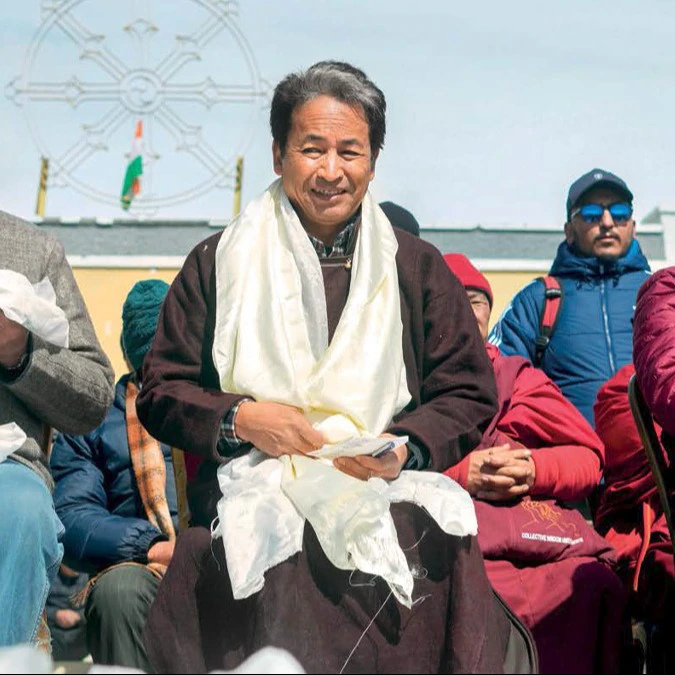
Sonam Wangchuk is one of the most inspiring figures to come out of Ladakh in recent decades. He is best known as an engineer, innovator, teacher, and environmental activist who has worked to improve education and water management in the Himalayan region. Over time, he has also become a strong voice for Ladakh’s people and their demands for sustainable development and political recognition.
Early Life and Struggles
Born on 1 September 1966 in a small Ladakhi village, Wangchuk grew up in a region with very limited schools and resources. As a child, he struggled with a system that often did not understand the needs of Ladakhi students. Many of them were forced to study in languages and formats that had little connection with their lives in the mountains.
This early experience left a strong mark on him. He realised that education should not just be about memorising textbooks but about practical learning that helps students solve real-life problems.
Founding SECMOL: A Student-Led Movement
In 1988, Wangchuk and a group of like-minded young people started the Students’ Educational and Cultural Movement of Ladakh (SECMOL). This was not just another NGO but a movement to change how education worked in the region.
SECMOL focused on helping “failures” of the system – students who could not pass standard exams – by teaching them in simple, local ways. The SECMOL campus itself is eco-friendly, powered by solar energy, and designed for hands-on learning. Over the years, the campus has trained thousands of Ladakhi youth in practical skills, communication, and confidence-building.
The Ice Stupa: A Cool Innovation
One of Wangchuk’s most famous inventions is the Ice Stupa, an artificial glacier shaped like a cone. The idea was simple but powerful: store water in the form of ice during winter and let it melt slowly in spring when farmers need it most.
This low-cost technique became a game-changer in Ladakh, where climate change has caused glaciers to melt earlier than before. Today, the Ice Stupa model has been tested not only in Ladakh but also in places like Switzerland.
Awards and Recognition
For his work, Wangchuk has received international recognition. The biggest honour came in 2018, when he was awarded the Ramon Magsaysay Award, often called Asia’s Nobel Prize. He has also been celebrated by groups like Rolex and featured in global media for his unique approach to education and climate adaptation.
Interestingly, after the Bollywood film 3 Idiots became a hit in 2009, many people saw Wangchuk as the inspiration for Aamir Khan’s character “Phunsukh Wangdu”. While he has said the connection is not exact, the film definitely brought him into the spotlight.
Activism and Recent Controversies
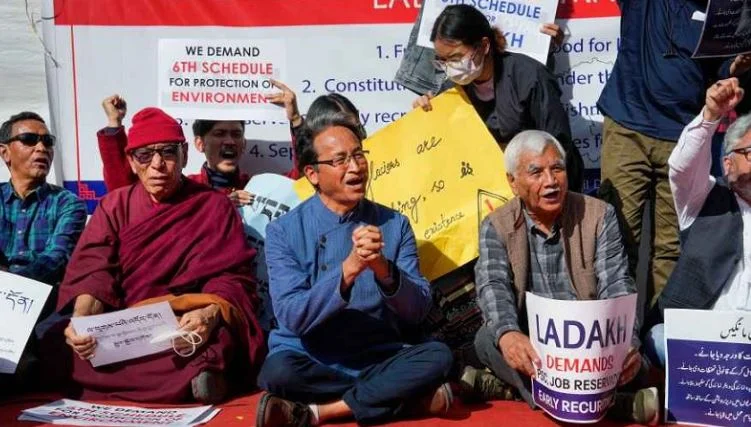
In recent years, Wangchuk has become a strong supporter of Ladakh’s demand for statehood and constitutional safeguards. His speeches and campaigns have drawn huge crowds, especially among the youth.
However, this activism has also brought him into conflict with the government. In September 2025, the Home Ministry cancelled the FCRA registration of SECMOL, citing “repeat violations” of rules on foreign donations. Officials accused the NGO of financial irregularities, such as depositing cash into foreign-funding accounts and receiving money “against the national interest.”
The cancellation came just a day after violent protests in Ladakh, where the government blamed Wangchuk’s speeches for provoking unrest. Investigations by the Central Bureau of Investigation (CBI) are also ongoing. Wangchuk and his supporters, however, maintain that the organisation has worked honestly and that these actions are politically motivated.
Legacy and Future
No matter the current controversies, Sonam Wangchuk’s contribution to Ladakh cannot be ignored. Through SECMOL, the Ice Stupa project, and the Himalayan Institute of Alternatives (HIAL), he has shown that local problems can be solved with local solutions.
He stands as a rare combination of teacher, innovator, and activist – someone who speaks not only for education and environment but also for the rights of his people.
As the situation unfolds, Wangchuk’s story reminds us that individuals with strong ideas can bring about big changes, but they also face equally big challenges.
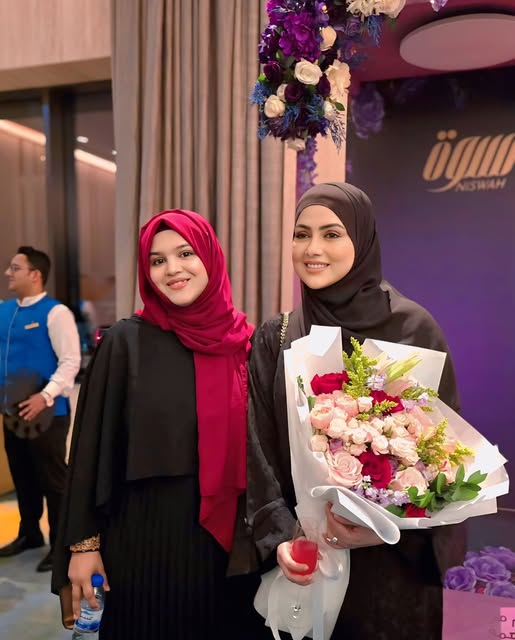
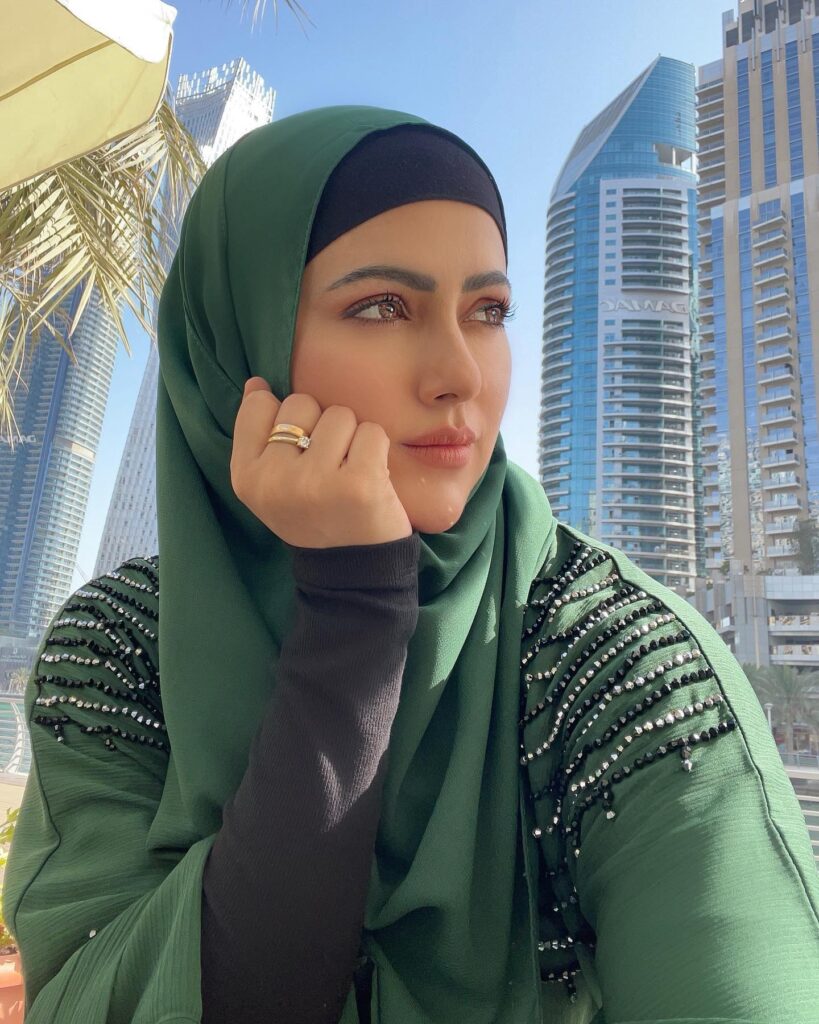
Sana Khan, once a shining star in Indian films and television, has had a life full of ups and downs. Born in the busy streets of Mumbai, she rose to fame with her charming looks and bold roles. But in 2020, she left it all behind to follow her faith. Today, at 37 or 38 years old, Sana lives a simple life as a wife, mother, and businesswoman. She shares glimpses of her spiritual journey on social media, inspiring many fans. This article looks at her story in simple words, from her early days to her latest updates.
Early Life: Growing Up in Mumbai
Sana Khan was born on August 21, 1987 or 1988, in Dharavi, a crowded area in Mumbai. Her full name is Saiyad Sana Khan, but she is known simply as Sana Khan. Her father came from Kannur in Kerala, and he is a Malayali Muslim. Her mother, Saeeda, was from Mumbai and was Sana’s biggest supporter.
Life was not always easy. In March 2009, Saeeda had a serious health problem—a brain hemorrhage. Sana was very young then, just starting her career. She often shared how her mother’s love shaped her strong personality. Sadly, Saeeda passed away on June 24, 2025, after a long illness. Sana shared the news on Instagram, asking for prayers. She said, “She returned to Allah,” and attended the funeral in Mumbai. Friends and fans sent love, remembering Saeeda’s kindness.
Starting Her Career: From Ads to Films
Sana entered show business at a young age. In 2005, she acted in her first film, Yehi Hai High Society, a small Hindi movie. She also did over 50 TV ads for brands like Secret Temptation and Xbox 360. Her big break came with item songs—short dance numbers—in films like E (Tamil, 2006) and Journey Bombay to Goa (2007).
One ad made her famous but also caused trouble. In 2007, she starred in an Amul Macho underwear commercial where she washed clothes in a funny, bold way. It looked like she was acting out something private, and people complained. The government banned it for being too sexy. But it brought her attention.
Sana worked in many South Indian films too. In Tamil, she won an award for Silambattam (2008). She acted in Telugu films like Kalyanram Kathi (2010), Kannada’s Kool…Sakkath Hot Maga (2011), and even Malayalam movies. In Bollywood, she played a key role in Salman Khan’s Jai Ho (2014) and did a cameo in Toilet: Ek Prem Katha (2017). Her last film was Wajah Tum Ho (2016), a thriller with Gurmeet Choudhary.
TV Fame: Bigg Boss and Reality Shows
TV made Sana a household name. In 2012, she joined Bigg Boss 6, hosted by Salman Khan. She finished third, winning hearts with her honest talks and fights. It opened doors for more shows like Jhalak Dikhhla Jaa 7 (dance, 2014), Bigg Boss Halla Bol (2015), and Fear Factor: Khatron Ke Khiladi 6 (stunts, 2015).
She also did web series like Zindabaad (2018) and Special OPS (2020). In music videos, she appeared in “Black Till” (2015). Sana’s career lasted 15 years, from 2005 to 2020. She earned awards like the ITFA Best New Actress for Silambattam in 2009.
Love Life: Heartbreak and a New Beginning
Sana’s personal life was in the news too. In 2019, she dated choreographer Melvin Louis. They shared cute posts online, but it ended badly. Melvin was accused of cheating, and Sana felt hurt. Fans supported her during the breakup.
Then came a big change. On October 8, 2020, Sana announced she was quitting acting. In an emotional Instagram post, she said she wanted to “serve humanity and follow the orders of my Creator.” It was a shock to fans, but she explained her growing faith in Islam guided her.
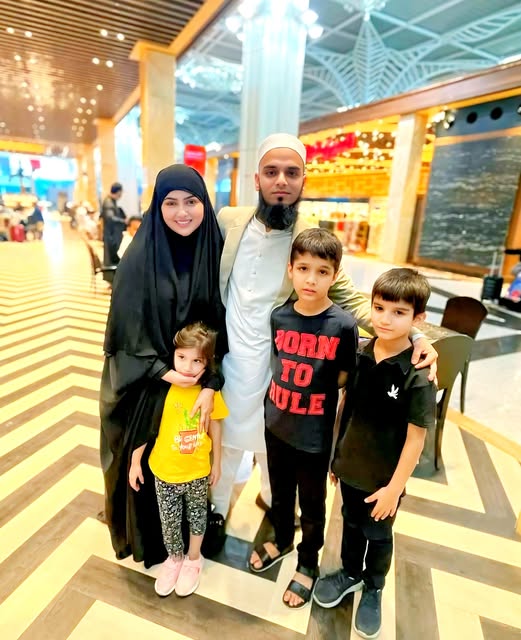
Just weeks later, on November 21, 2020, she married Mufti Anas Sayed, a Muslim cleric from Surat, Gujarat. They met through a voice note from Islamic scholar Maulana Tariq Jameel. Sana added “Saiyad” to her name after marriage. Anas is her partner in faith and life. They run the Hayat Welfare Foundation together, helping people in need.
Family Joys: Becoming a Mother
Sana and Anas welcomed their first son, Saiyad Tariq Jamil, on July 5, 2023. Sana shared sweet photos, calling him her “little prince.” In November 2024, she announced her second pregnancy, thanking Allah. On January 5, 2025, their second boy, Saiyad Hasan Jamil, was born. Sana posted a video saying, “Overflowing with joy! Big brother Tariq Jamil welcomes his baby brother.” Fans loved the family moments.
Business and Spiritual Work: A New Path
After leaving films, Sana started businesses. She launched “Face Spa by Sana Khan,” a beauty center, and “Haya By Sana Khan,” a clothing line for modest fashion. These show her interest in wellness and style that fits her beliefs. Her net worth is around Rs 20 crores from her career and ventures.
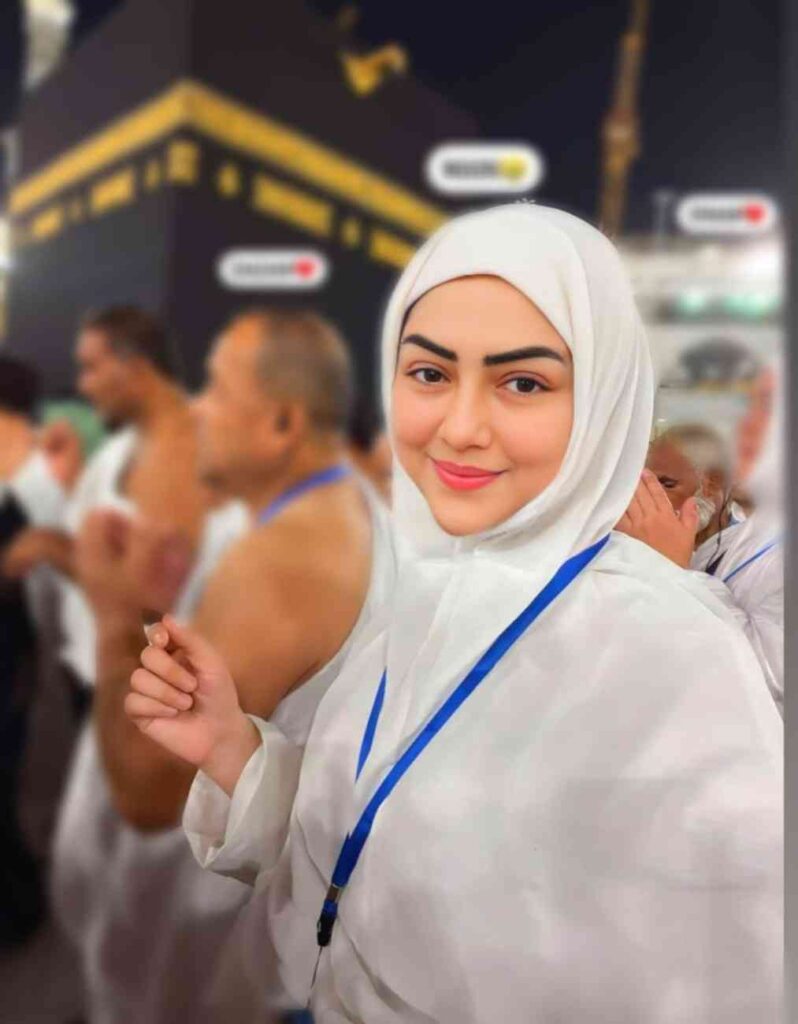
Through Hayat Welfare Foundation, she and Anas help the poor, like giving food and education. Sana often posts about Islam on Instagram. In September 2024, she said embracing faith helped her leave her “glamorous” past. She gets emotional thinking about old days but feels peace now. In June 2025, she and Anas went for their first Hajj pilgrimage to Mecca, sharing a video before leaving.
Latest Activities: Faith, Family, and Inspiration
In 2025, Sana’s life is quiet but full. After her second son’s birth in January, she focused on family. The sad loss of her mother in June was tough, but she found strength in prayers. She attended the funeral and shared videos from home, dressed in black, with friends by her side.
Sana keeps inspiring others. In November 2024, actor Urfi Javed criticized her for comments on women’s clothes, but Sana stood by her views on modesty. She also spoke about how “Shaitan” (evil) once made her forget her values in showbiz.
Today, Sana celebrates small joys. On her birthday in August 2025, she shared hopes for growth in career, health, and family. Her Instagram (@sanakhan21) has millions of followers who admire her courage. From red carpets to quiet prayers, Sana Khan’s journey shows it’s okay to change for what feels right.
Sana’s story reminds us that life can take new turns. As she raises her boys and helps others, she proves faith and family can bring true happiness. What do you think of her choices? Share in the comments!
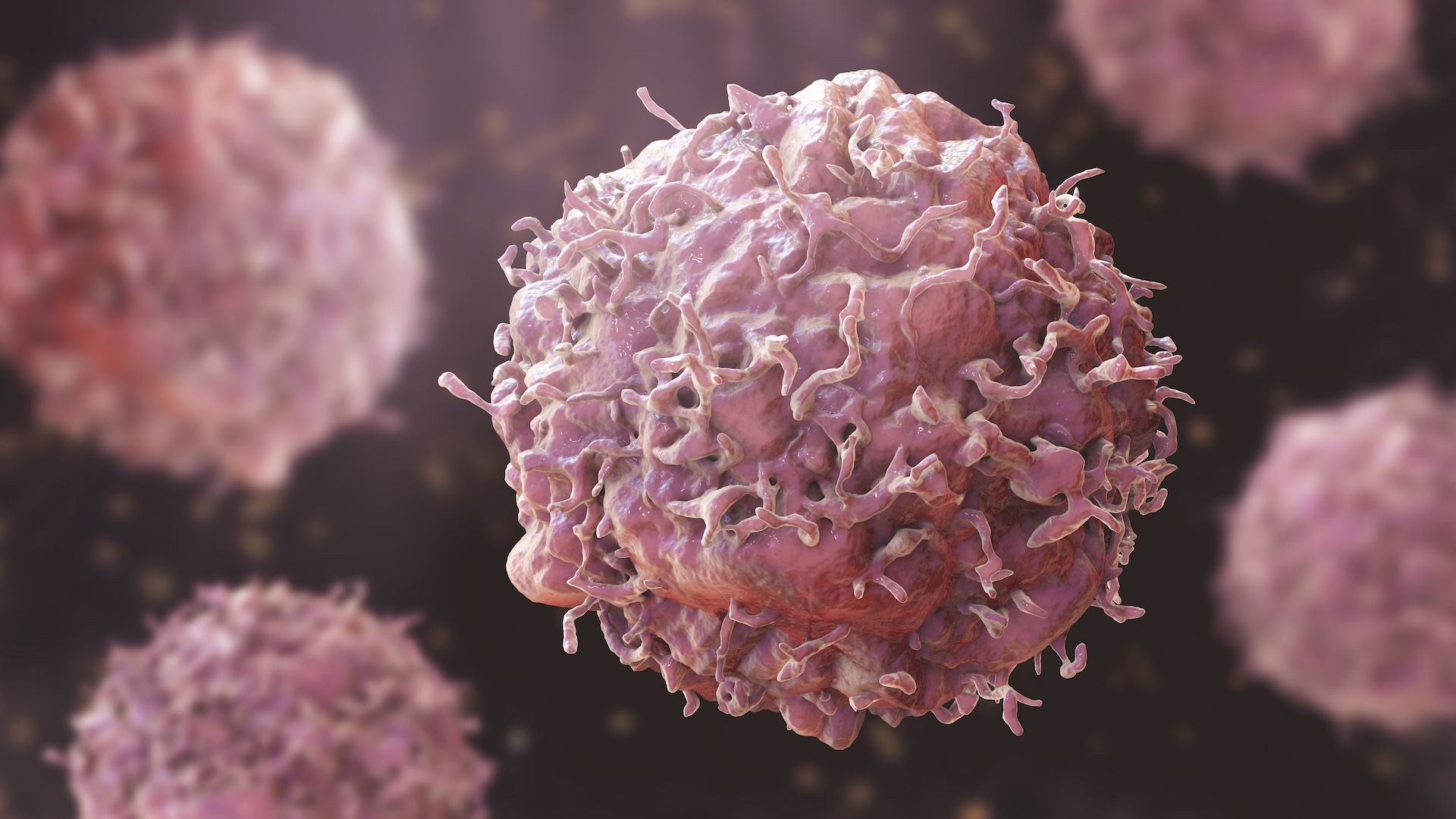
A recent social media post highlighting a staggering 64,000 cancer cases in Kashmir since 2018 has sparked widespread alarm, contrasting sharply with the much lower figures reported in the preceding years: just 231 cases in 2015, 239 in 2016, and 391 in 2017. This dramatic rise underscores a deepening public health crisis in the Kashmir Valley, where cancer rates are climbing at an estimated 10-12% annually, outpacing national trends and straining healthcare resources. While the exact figure of 64,000 appears to reflect cumulative registrations across major facilities, hospital data corroborates a troubling escalation, with over 50,000 cases documented at the Sher-i-Kashmir Institute of Medical Sciences (SKIMS) alone since 2014.
The Numbers: A Steep Upward Trajectory
Hospital-based registries, the primary source of cancer data in the region due to the absence of a comprehensive population-based system, paint a picture of relentless growth. At the Regional Cancer Centre of Government Medical College Srinagar, annual new registrations rose from 230 in 2015 to 511 in 2018—a near doubling in four years. Similarly, SKIMS recorded 4,352 cases in 2017, jumping to 4,816 in 2018, and peaking at over 5,200 in 2024. Extrapolating from these trends, the cumulative tally since 2018 aligns closely with the viral claim, potentially encompassing cases from multiple tertiary centers serving the Valley’s 7-8 million residents.
Union Health Ministry data further amplifies the concern: Between 2019 and 2022, Jammu and Kashmir reported 51,577 new cases, with annual figures climbing from 12,396 in 2019 to 13,395 in 2022. This surge has exacted a heavy toll, with 35,623 cancer-related deaths recorded in the region from 2018 to 2022. Nationally, India’s cancer burden is projected to reach 1.57 million new cases in 2025, a 12.8% increase from 2020, but Kashmir’s disproportionate rise—fueled by regional vulnerabilities—demands targeted intervention.
Year
New Cases at GMC Srinagar
New Cases at SKIMS
J&K Total (Ministry Data)
2015
230
4,417
N/A
2016
239
4,320
N/A
2017
391
4,352
N/A
2018
511
4,816
N/A
2019
N/A
4,337
12,396
2020
N/A
3,814
12,726
2021
N/A
4,727
13,060
2022
N/A
5,271
13,395
2023
N/A
~5,000 (est.)
N/A
2024
N/A
>5,200
N/A
Sources: GMC data from 2015-2018; SKIMS cumulative since 2014; Ministry figures for 2019-2022. Estimates based on reported trends.
The discrepancy between early-year lows (under 400 at GMC) and the post-2018 explosion may partly stem from improved diagnostics and reporting, but oncologists emphasize that genuine incidence is soaring, with late-stage detections exacerbating mortality.
A Distinct Cancer Profile in the Valley
Kashmir’s cancer epidemiology diverges markedly from India’s national patterns, where oral and cervical cancers dominate due to tobacco and HPV prevalence. Here, gastrointestinal malignancies lead: esophageal cancer tops the list (14-18% of cases), followed by stomach (8-23%), lung (12-21% in men), colorectal, and breast (16% in women). Men bear the brunt (male-to-female ratio ~1.33:1), with lung cancer surging among smokers, while women face higher esophageal and breast burdens.
This “cancer belt” status—historically noted for high esophageal and gastric rates—has intensified, with hospital studies from 2005-2010 registering 4,407 cases, and recent data showing persistent dominance of upper GI cancers. A 2023 analysis at GMC confirmed the trend, with total cases reaching 1,371 from 2015-2018 alone.
Root Causes: A Toxic Mix of Lifestyle, Environment, and Socio-Economic Factors
The spike isn’t mere coincidence; it’s a confluence of modifiable and entrenched risks. Tobacco use—cigarettes, hookah, and smokeless forms like tumbaku—affects 88% of male lung cancer patients, driving 30-50% of cases region-wide. Emerging habits like alcohol consumption are linked to rising liver, colon, and breast cancers.
Dietary patterns exacerbate GI risks: High-salt, smoked meats, and fermented foods (common in Kashmiri cuisine) promote esophageal and stomach cancers, compounded by H. pylori infections. Pesticide residues from apple orchards and paddy fields contaminate water and food, acting as carcinogens. Air pollution—vehicular exhaust, industrial emissions, and indoor biomass burning (e.g., kangri firepots)—fuels lung cases, while obesity, sedentary lifestyles, and delayed marriages contribute to breast and colorectal surges.
Genetic predispositions and hormonal factors play roles in thyroid and breast cancers, but external triggers dominate: Industrialization, population growth, and poor sanitation amplify exposure. Climate change, with warmer temperatures extending pest seasons, may boost pesticide use further. Late diagnoses—due to myths, stigma, and limited rural screening—mean 85% of cases reach advanced stages, slashing survival odds.
The Human and Systemic Toll
Beyond statistics, cancer ravages families: Treatment costs, even subsidized, drain resources, forcing many to abandon care. Emotional strain compounds financial woes, with oncologists warning of an “epidemic” in 5-10 years absent action. Protests and social media outcry, like the recent X post, reflect growing frustration.
Kashmir’s facilities, like SKIMS, are overwhelmed despite expansions, with bed shortages and rural access gaps persisting. The Cancer Society of Kashmir offers aid, but systemic reforms lag.
Pathways Forward: Prevention Over Cure
Experts urge a multi-pronged response: Nationwide anti-tobacco drives, pesticide regulations, and air quality monitoring. Community education on early symptoms—cough, swallowing pain, lumps—could slash late detections. Mobile screening units for breast, cervical, and oral cancers, plus HPV/hepatitis vaccinations, are vital.
The government’s 2025-26 plan for 200 district cancer centers offers hope, but Kashmir needs localized urgency: A population-based registry for accurate tracking and research into Valley-specific risks. As one oncologist notes, “Cancer is multidimensional—lifestyle, pollution, infections—but preventable with awareness.”
This crisis demands collective resolve. From orchards to operating rooms, Kashmir’s fight against cancer is a battle for its future—one that can be won with evidence, empathy, and immediate action.
In a region where meat is not just sustenance but a cornerstone of cultural identity—think the aromatic Rogan Josh, tender Gushtaba, and succulent Tabak Maaz—the revelation of thousands of kilograms of rotten, unlabelled, and potentially hazardous meat infiltrating markets has ignited one of the most explosive food safety scandals in Kashmir’s history. Dubbed the “rotten meat scandal,” it has exposed deep fissures in supply chains, regulatory oversight, and public trust, leaving the hospitality industry in tatters and raising alarms about long-term health risks. As authorities seize consignments and file FIRs, the crisis poses a profound challenge: how to safeguard a meat-loving populace while rebuilding a shattered economy.
The Unfolding Scandal: From Whispers to Widespread Seizures
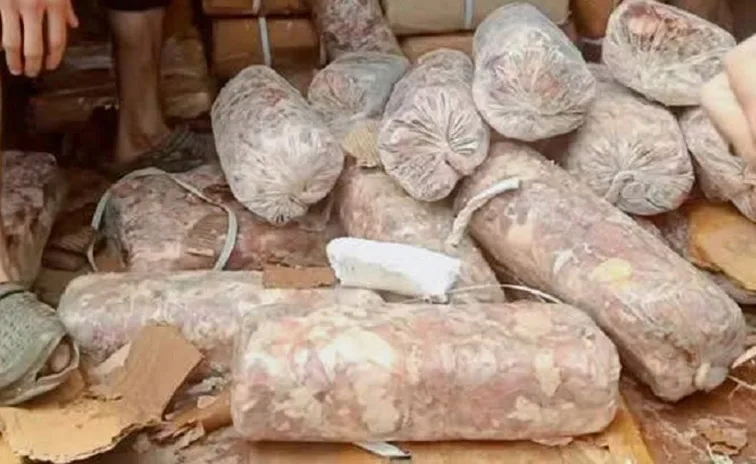
The scandal erupted in early August 2025, when an insider tip-off to local media unveiled a grim reality: rotten meat from Delhi’s Ghazipur Mandi—Asia’s largest livestock market—was being smuggled into Kashmir via inadequate cold chains and sold to restaurants, hotels, and street vendors. What began as a single raid on a Srinagar cold storage facility quickly snowballed into a valley-wide crackdown. By mid-August, the Jammu and Kashmir Food Safety and Standards Authority (FSSAI) had seized and destroyed over 12,000 kg of unfit meat, including chicken, mutton, fish, and processed items like kebabs and ristas.
Inspections revealed horrors: meat stored at temperatures far above the mandatory -18°C, lacking batch numbers, expiry dates, or manufacturer details, and sometimes sprayed with synthetic colors to mask decay. Authorities uncovered dumpsites along roadsides, where spoiled consignments were discarded to evade detection, including heaps of sheep heads and bulk packages of rotting poultry. By September, seizures continued unabated—340 kg outside Srinagar Airport on a tip from the sales tax department, and more in Ganderbal and Budgam.
The scale is staggering. Jammu and Kashmir consumes over 600,000 kg of mutton annually, with 350,000 kg imported from Rajasthan and Delhi—much of it in frozen form. Yet, as FDA Commissioner Smita Sethi noted, the “cold supply chain is not being maintained,” leading to microbiological deterioration that renders the meat a breeding ground for pathogens like Salmonella, Listeria, and E. coli. Rumors swirled on social media about non-halal sources, including stray dogs or donkeys, amplifying fears in a Muslim-majority region where halal compliance is sacrosanct.
Key Seizures in the Rotten Meat Scandal
Date
Early August 2025
Mid-August 2025
August 31, 2025
September 7, 2025
September 14, 2025
Total (Aug-Sep 2025)
A Cultural Betrayal: Health Risks and Ethical Violations
Kashmir’s cuisine is a meat-centric tapestry, with the Valley consuming over 2 million sheep annually—far outpacing national averages. Wazwan feasts, a 36-dish extravaganza, symbolize hospitality and heritage. Yet, this scandal strikes at the heart of that tradition. Health experts warn that consuming rotten meat can trigger severe foodborne illnesses, dehydration, organ failure, and even death, with children under five most vulnerable. The World Health Organization estimates one in ten global illnesses stems from unsafe food, and in Kashmir’s communal dining culture, one tainted batch could sicken entire families.
Ethically, the outrage deepened with halal concerns. Kashmir’s Grand Mufti Nasir-ul-Islam issued a fatwa urging avoidance of restaurant meat until verified safe, while chief cleric Mirwaiz Umar Farooq decried it as a “betrayal of public trust” and potential carrion consumption—strictly forbidden in Islam. Social media erupted with posts decrying it as “public murder” and calling for zero tolerance. One X user lamented: “Rotten meat flooding Kashmir’s markets—from 5 hotels to street stalls. Raids mean nothing without PSA, arrests, and full supplier crackdowns.”
Speculation linked the scandal to rising cancer cases in Kashmir, though experts caution direct causation needs study. Still, the psychological toll is real: Families now scrutinize every kebab, eroding the joy of shared meals.
Economic Devastation: Empty Tables and Shattered Livelihoods
The hospitality sector, Kashmir’s economic lifeline alongside tourism and horticulture, is hemorrhaging. Once-bustling barbecue streets like Srinagar’s Khayam Chowk stand deserted, with sales plummeting 80-85%. The Jammu and Kashmir Hotels and Restaurants Association reports a 70% business dip, forcing layoffs, pay cuts, and closures. Street vendors, many shifting to vegetarian fare like rajma chawal or haak saag, fear bankruptcy: “Our tables are empty… We may have to shift businesses,” one told Greater Kashmir.
This blow compounds woes from the April 2025 Pahalgam terror attack, which already crippled tourism. Ironically, vegetarian outlets report doubled sales, with hotels curating menus of nadru yakhni (lotus stem curry) to survive. The Kashmir Chamber of Commerce and Industry (KCCI) demands “name and shame” for culprits and an “Eat Safe Kashmir” certification to restore faith.
Government Response: Crackdowns, Laws, and Lingering Doubts
Authorities have swung into action. Chief Minister Omar Abdullah convened emergency meetings, ordering “exemplary punitive action.” The J&K FDA mandated strict FSSAI compliance: frozen meat at -18°C, clear labeling, and penalties up to ₹5 lakh or six years’ jail under the Bharatiya Nyaya Sanhita (BNS) 2023 and Food Safety Act. Nine licenses were suspended, two arrests made in Ganderbal, and six FIRs in Srinagar for selling unhygienic wazwan.
A 30-day action plan targets imports, with flying squads at entry points like Srinagar Airport. The High Court of J&K and Ladakh, responding to a PIL by Advocate Mir Umar, praised police efforts but demanded responses within 10 days, noting “visible change on the ground.” Police raids in Budgam seized more, registering FIRs against outlets like Big Boss Restaurant.
Yet, public skepticism lingers. Only a handful of FIRs despite massive volumes, slow lab tests, and untraced masterminds fuel cries of inadequate enforcement. X posts echo frustration: “Tourism after Pahalgam, rotten meat scandal… Kashmir seems to be the gods most hated country.”
The Deeper Challenge: Systemic Rot and Paths to Redemption
This scandal isn’t isolated—it’s symptomatic of broader failures: lax border checks, underfunded veterinary inspections, and a reliance on cheap imports that undercut local livestock farmers. Kashmir could meet much of its demand locally with modern slaughterhouses, but greed-driven networks persist. As one analyst put it: “The rot lies within as much as without.”
Rebuilding demands multi-pronged reform: Mandatory traceability via QR codes, public lab results, and incentives for ethical sourcing. Community education on spotting unsafe meat, alongside a ban on unverified imports, could prevent recurrence. The KCCI’s push for regulated slaughterhouses under Islamic guidelines aligns with calls from religious leaders.
Ultimately, this challenge tests Kashmir’s resilience. The scandal has “rotten morals” as much as meat, eroding trust in a society where food binds communities. If seized as a catalyst, it could forge a safer, more transparent system. Otherwise, as one observer warns, “the next chapter will be written in hospital records and the grief of families.” For now, Kashmir dines cautiously, its plates half-empty, awaiting not just answers, but assurance that its culinary soul remains untainted.
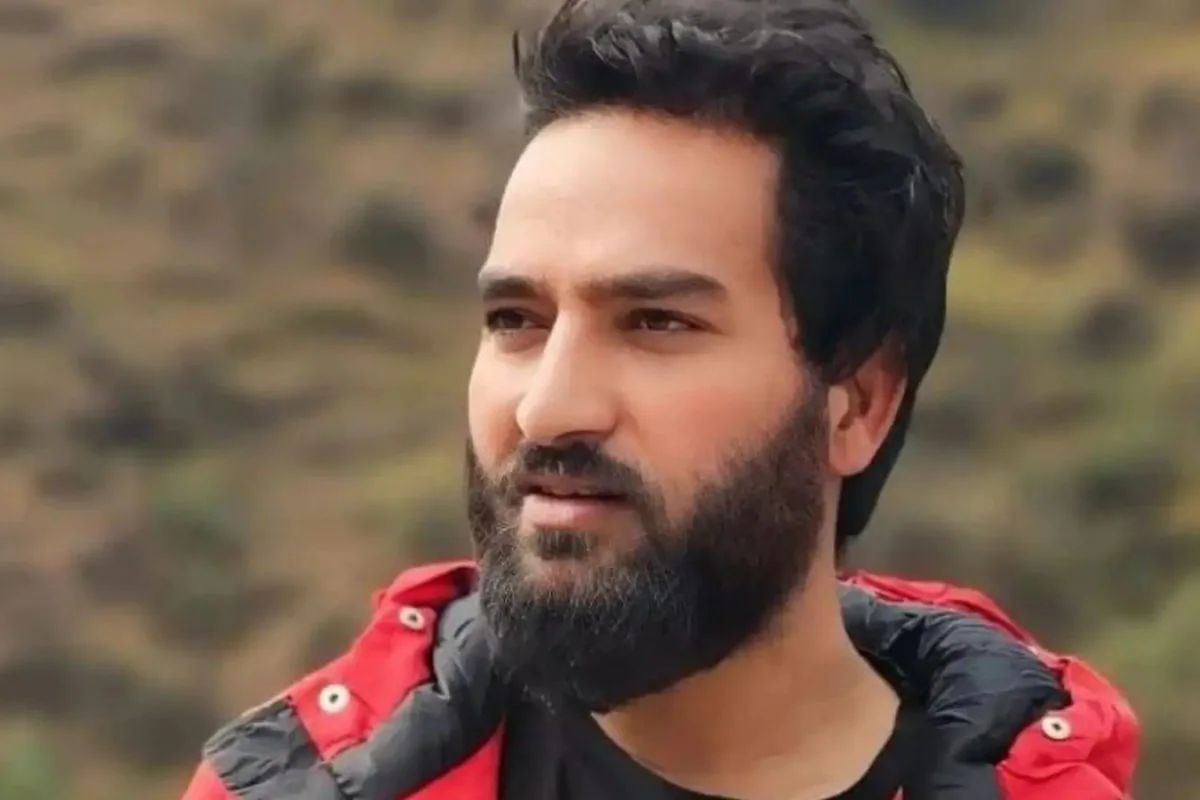
Mehraj Malik, born in 1988, is an Indian politician and social worker from Jammu and Kashmir. He has emerged as a notable figure in the state’s political arena, particularly as the first-ever Member of the Legislative Assembly (MLA) from the Aam Aadmi Party (AAP) in J&K. Representing the Doda constituency, Malik’s rise from grassroots activism to state-level politics reflects the AAP’s anti-corruption ethos and its focus on governance reforms.
His victory in the 2024 assembly elections marked a milestone for AAP, breaking into the region traditionally dominated by the National Conference (NC), People’s Democratic Party (PDP), and Bharatiya Janata Party (BJP). However, Malik’s career has been marred by turbulence, most notably his detention under the Public Safety Act (PSA) in September 2025. The move has triggered widespread protests and opened debates on democratic freedoms and governance in Jammu and Kashmir.
As of September 11, 2025, Malik remains at the centre of political and social unrest in Doda, where protests, detentions, and even a mysterious blast have underscored the fragile intersection of politics and security in the region.
Early Life and Background
Born in 1988 in the remote village of Taindla in Thathri tehsil of Doda district, Mehraj Malik grew up in the Chenab Valley—a region known for its rugged terrain, communal sensitivity, and limited infrastructure. His upbringing was marked by rural poverty, weak public services, and the after-effects of prolonged conflict.
His father, Shamas-ud-din Malik, recently came into the spotlight when he appealed to Chief Minister Omar Abdullah for his son’s release, highlighting the family’s struggle during his detention.
Although details of Malik’s formal education remain sparse, he studied locally before dedicating himself to social work. Unlike dynastic politicians common in J&K, Malik often presents himself as a leader from a humble, non-political background motivated by the inequities he witnessed in access to healthcare, education, and road connectivity.
Malik is married and a father, but he largely keeps his family life private.
Entry into Politics and Early Career
Malik’s political journey began in 2013, when he joined the Aam Aadmi Party, inspired by its anti-corruption drive under Arvind Kejriwal. He contested the 2014 J&K Assembly elections from Doda as an independent candidate but lost. Instead of withdrawing, he doubled down on community work, winning local goodwill through grassroots activism.
His breakthrough came in the 2020 District Development Council (DDC) elections, where he secured a seat and served actively from 2021 to 2024. During this period, he pushed for better infrastructure, healthcare facilities, and employment opportunities, building his image as a people’s leader.
By 2024, Malik had risen to State President of AAP in Jammu and Kashmir, spearheading the party’s outreach in the region.
2024 Assembly Election Victory
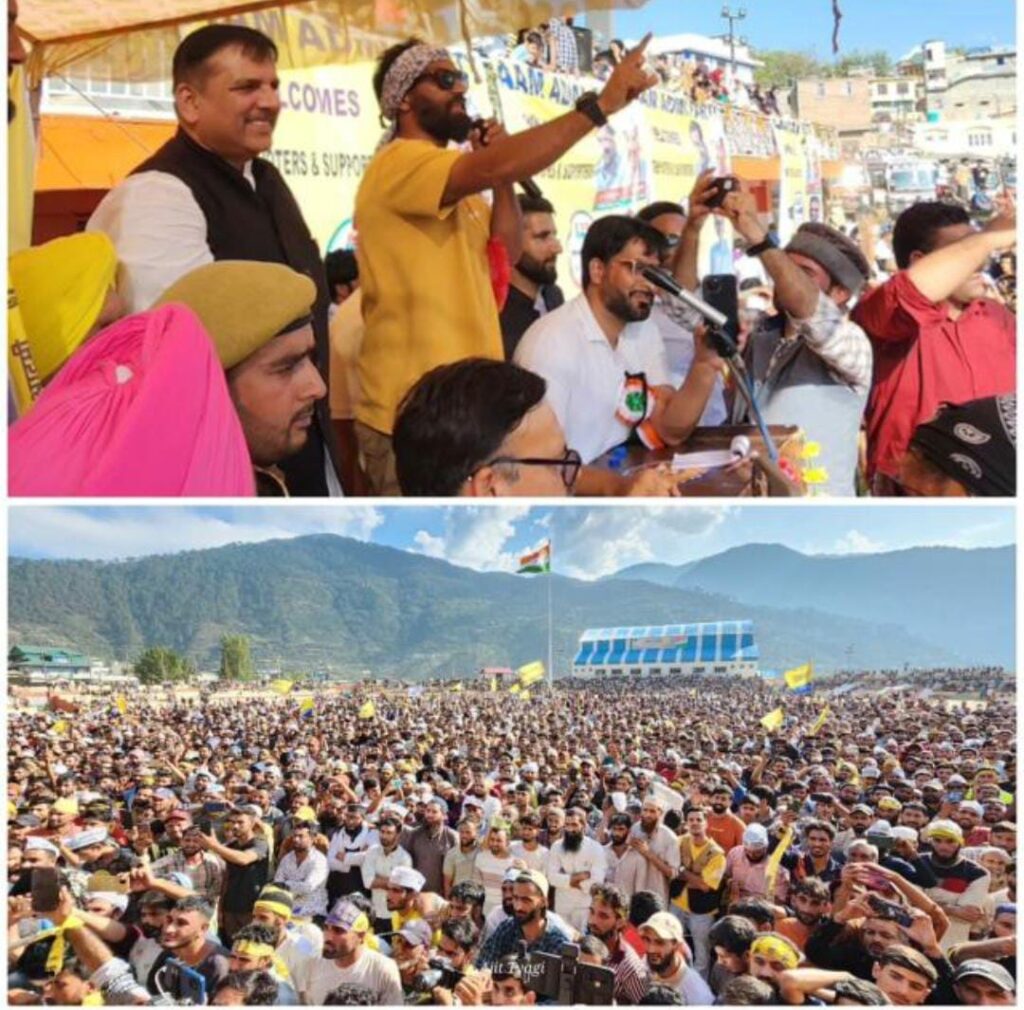
The 2024 Assembly elections proved historic for both Malik and AAP. Contesting from Doda, he won decisively, becoming the party’s first MLA in Jammu and Kashmir. His campaign focused on anti-corruption, accountability, and development, striking a chord with voters disillusioned by decades of traditional politics.
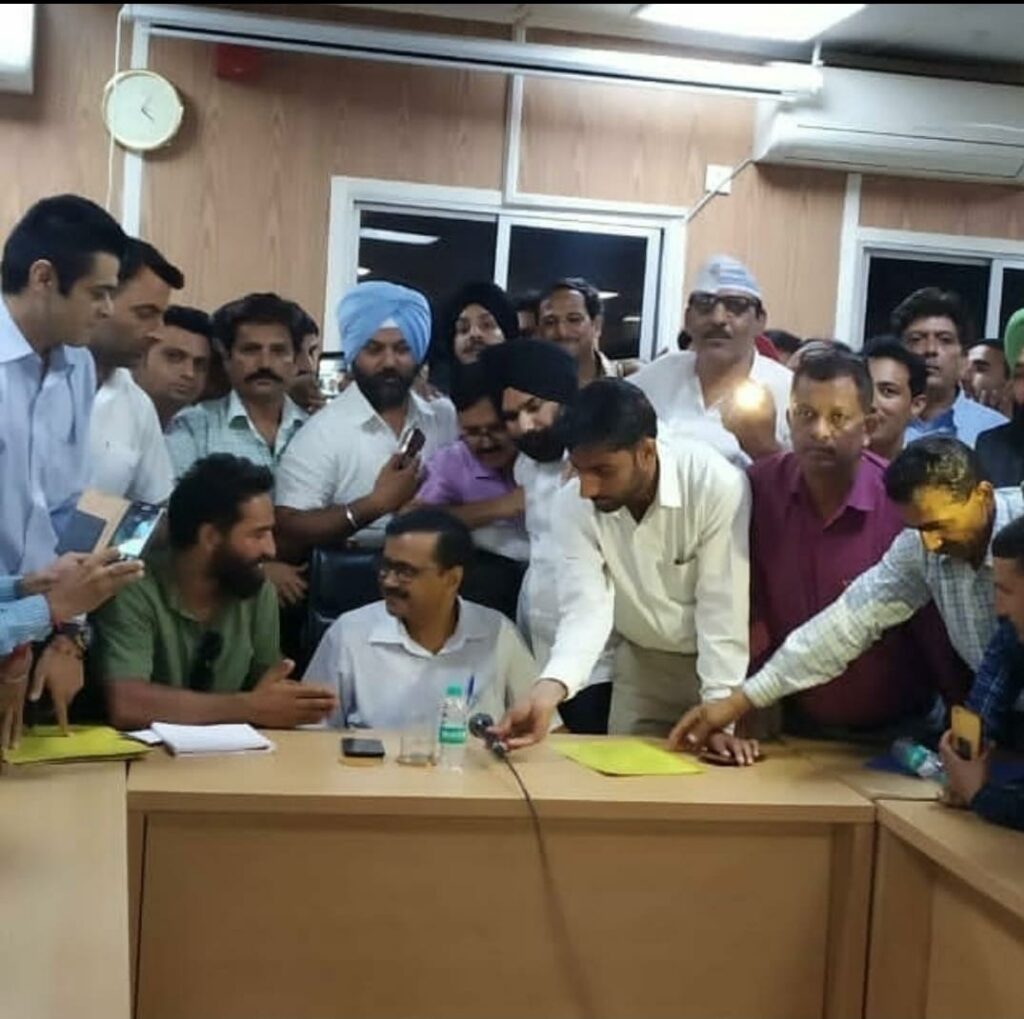
AAP leaders across India celebrated his victory, with Arvind Kejriwal calling it a symbol of the party’s growing national reach. As MLA, Malik quickly made his mark by raising issues like contractor dues, delays in infrastructure, and healthcare shortfalls.
Achievements and Contributions
Malik’s tenure as a social worker and later as a politician has been marked by a focus on grassroots issues:
Advocated for well-equipped hospitals and better healthcare access in rural areas.
Worked for road development and infrastructure upgrades in Doda and adjoining regions.
Promoted interfaith harmony in the Chenab Valley, a communally sensitive zone.
Maintained active engagement with people through social media. His X (formerly Twitter) handle, @MehrajMalikAAP, has over 18,000 followers. His Instagram bio states: “I am here to change politics and the political system. LIVE FOR OTHERS.”
In the assembly, he often challenged bureaucrats and highlighted delays in public projects, positioning himself as a strong accountability-driven leader.
Controversies and Recent Detention
Malik’s blunt style has repeatedly landed him in controversy. In early September 2025, he was detained under the PSA, becoming the first sitting MLA in J&K to face such action. Authorities alleged he disturbed public order after clashing with the Doda Deputy Commissioner over unpaid contractor dues.
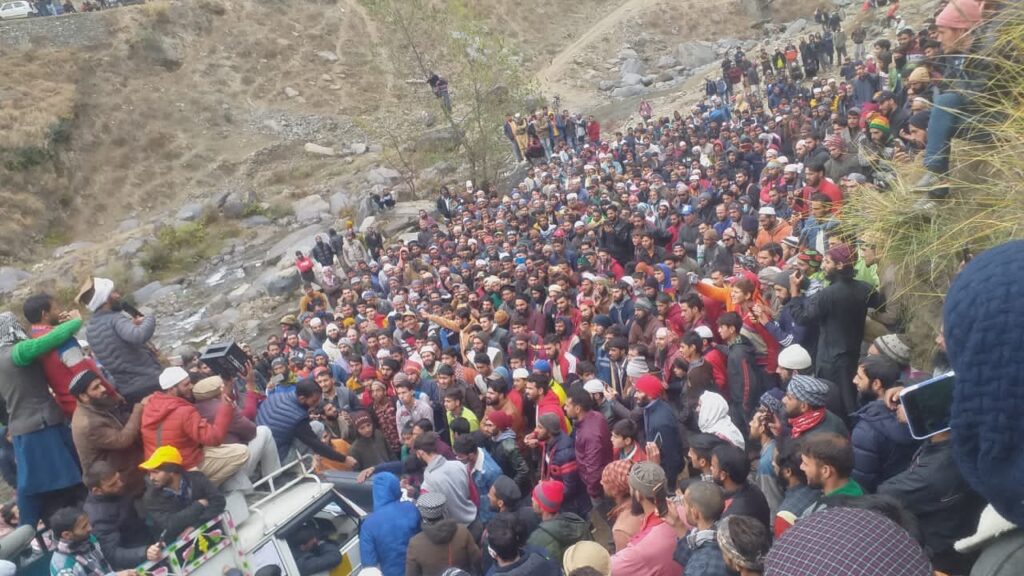
The move triggered massive protests across Doda, Bhaderwah, Gandoh, and Thathri. Over 80 people were detained, internet services were suspended for three days, and Section 163 of the Bharatiya Nagarik Suraksha Sanhita (BNSS) was invoked to maintain law and order.
On September 11, 2025, a mysterious blast near Jamia Masjid in Doda deepened tensions, with police detaining two suspects.
Political leaders reacted sharply:
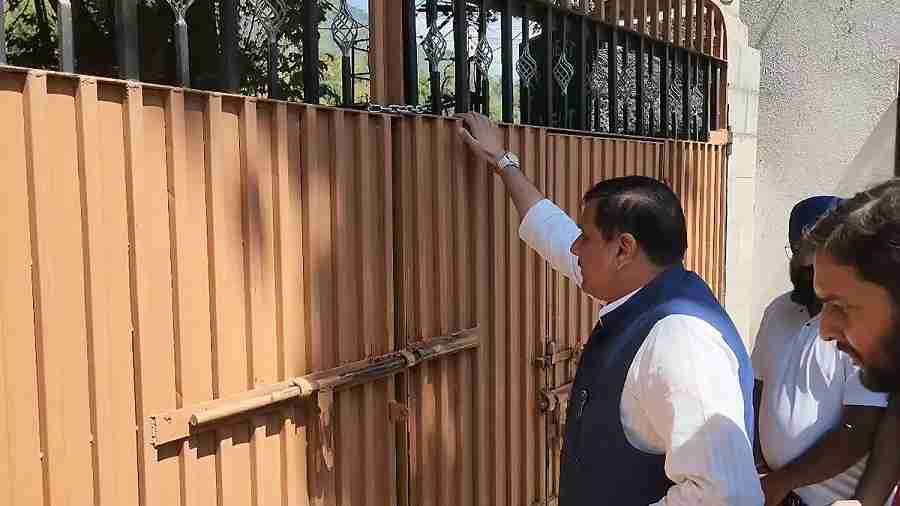
AAP’s Sanjay Singh attempted protests in Srinagar but was placed under house arrest.
Omar Abdullah assured Malik’s father of legal support.
Farooq Abdullah criticized the PSA move but advised Malik to issue an apology.
Shiv Sena (UBT) also called it a misuse of PSA.
Civil rights activists argue the detention represents bureaucratic overreach and an attack on democratic rights in J&K.
Personal Life and Legacy
Malik is regarded as a symbol of aspiration for Kashmiri youth, representing an outsider who broke into the deeply entrenched system of J&K politics. Despite his rising profile, he maintains a modest lifestyle, reflected in his election affidavits.
His personal journey—from a remote village in Doda to the state assembly—has made him a relatable figure, particularly among rural youth seeking change.
Though his political future is uncertain amid ongoing detention, Malik’s story is already shaping debates on governance, democracy, and civil liberties in Jammu and Kashmir. His case may also determine AAP’s long-term foothold in the region.
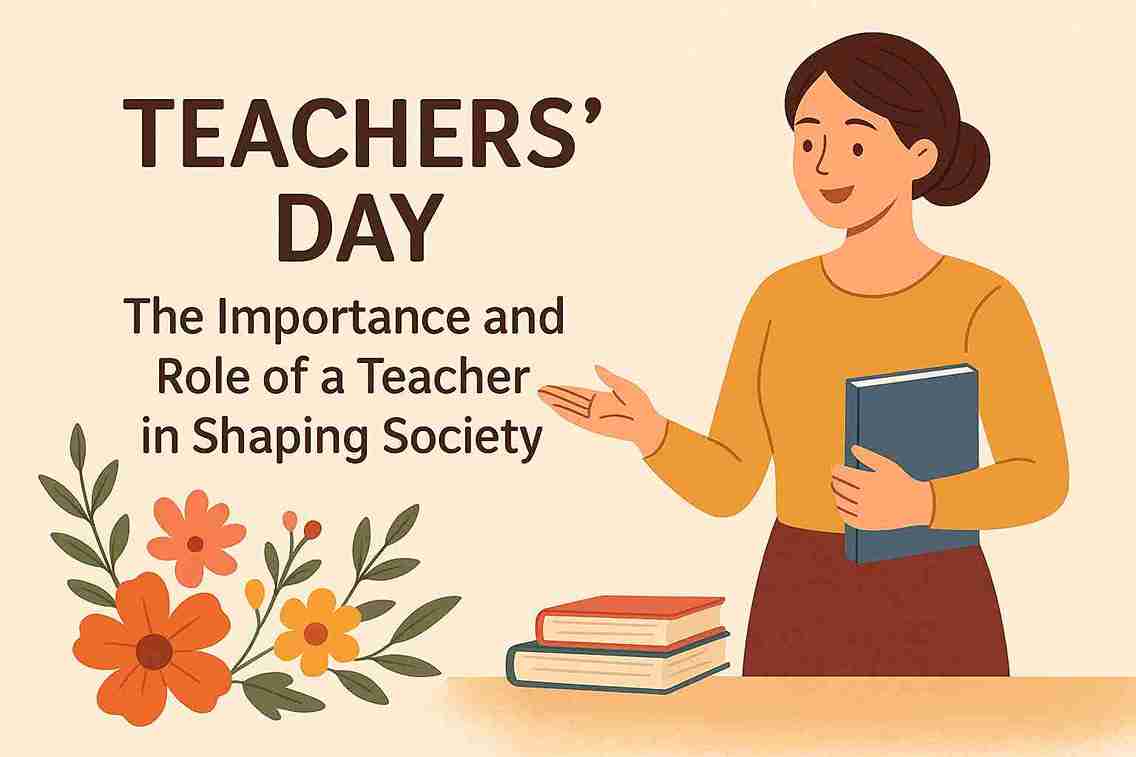
A teacher is often described as a guide, mentor, and a second parent. Teachers’ Day is celebrated every year to honour their dedication and contribution in shaping the future of students and society. While doctors save lives and engineers build cities, it is teachers who build minds, values, and the foundation upon which every profession rests.
The Importance of a Teacher
A teacher is not just a transmitter of knowledge but a builder of character. Their importance can be seen in different aspects:
Knowledge Provider – Teachers help students learn new concepts, ideas, and skills. They open the doors of wisdom and curiosity.
Character Builder – A good teacher instills discipline, respect, honesty, and empathy in students. These qualities last a lifetime.
Role Model – Students often look up to teachers as examples to follow. A teacher’s words and actions deeply influence young minds.
Nation Builder – By educating individuals, teachers indirectly shape the destiny of a nation. As the saying goes, “No country can rise above the level of its teachers.”
The Role of a Teacher in Society
Mentorship: Teachers guide students not only in academics but also in personal growth.
Motivation: They encourage learners to dream big and work hard towards achieving their goals.
Counselling: In times of confusion or weakness, teachers act as counsellors, offering wisdom and support.
Innovation: A good teacher adapts to modern methods of teaching and nurtures creativity.
Bridging Generations: Teachers pass knowledge, culture, and values from one generation to another.
The Eternal Respect for Teachers
In every culture and religion, the position of a teacher is considered sacred. In Islam, a teacher is seen as a guide to truth. In Hindu philosophy, the teacher is revered as Guru – the remover of darkness. Across the world, teachers are recognised as architects of humanity.
Conclusion
Teachers are more than professionals; they are torchbearers of wisdom, moral strength, and social progress. Celebrating Teachers’ Day reminds us that their hard work deserves gratitude and recognition every single day. A society that honours its teachers secures a bright future for generations to come.
🌹 A Poem for Teachers
The Light of a Teacher
A teacher is a gentle flame, That lights the path, yet seeks no fame. Through words of hope, through patient care, They build a world beyond compare.
They shape the mind, they touch the soul, They guide the heart, they make it whole. With wisdom deep and spirit true, They paint the sky in brighter hue.
No crown they wear, no throne they own, Yet seeds of greatness they have sown. For every dream, for every start, A teacher lives in every heart.