Ramadan 2026 Crescent Sighted in Pakistan; First Roza on Thursday

Ramadan 2026

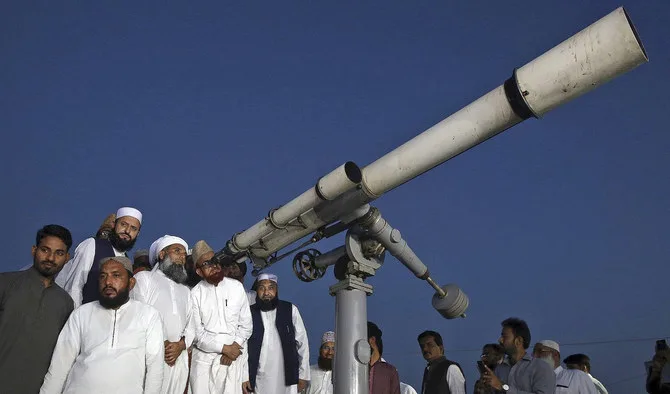
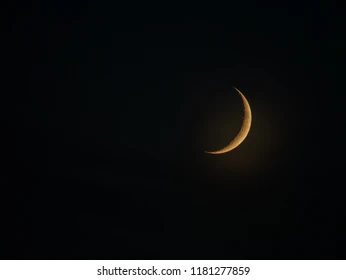
Pakistan will observe the first day of Ramadan 2026 tomorrow (Thursday) as the crescent moon for the holy month was sighted on Wednesday.Click Here To Follow Our WhatsApp Channel

However, a formal announcement in this regard would be made by Central Ruet-e-Hilal Committee Chairman Maulana Abdul Khabeer Azad.

At 13, This Kashmiri Boy Built 31 Apps and AI Tools

Delhi Court Convicts Kashmiri Separatist Asiya Andrabi in UAPA Case

Crescent Moon Confirmed in Multiple Indian States, First Roza on February 19

The crescent moon (Hilal) marking the start of Ramadan 1447 AH (also known as Ramzan) has been sighted in several parts of India on the evening of February 18, 2026, leading to the holy month beginning tomorrow, Thursday, February 19, with the first day of fasting (Roza). Click Here To Follow Our WhatsApp Channel

Reliable reports and announcements from religious bodies confirm sightings in key regions:

  • Delhi — The crescent was sighted and officially confirmed following a meeting at Jama Masjid involving Shahi Imam Maulana Syed Ahmed Bukhari and other ulama. Taraweeh prayers commenced tonight, and the first Roza will be observed tomorrow.
  • Bihar — Local moon-sighting committees, including those in Patna and surrounding areas, reported successful sightings, aligning with announcements from eastern India.
  • Assam — Confirmed sightings were reported, contributing to the nationwide consensus for February 19 as the start.
  • Jammu & Kashmir (including Srinagar) — Multiple credible sources, including local weather and community updates, confirmed the crescent was sighted in Srinagar and other parts of the region. Religious authorities have declared Thursday, February 19, as the first day of Ramadan 1447 AH.
  • Other states such as Uttar Pradesh (e.g., Lucknow) and Rajasthan (e.g., Jaipur) also reported positive sightings through local committees.

This follows astronomical expectations, with the moon becoming visible across northern and eastern India between approximately 6:15 PM and 6:45 PM IST after sunset on February 18. While Saudi Arabia and some Gulf countries began Ramadan a day earlier (on February 18) after sighting on February 17, India and many South Asian nations followed local Ruet-e-Hilal traditions, resulting in a one-day difference.

Key Timings for February 19, 2026 (First Roza in India)

  • Sehri (pre-dawn meal): Around 5:30–5:45 AM IST (varies by city; e.g., ~5:36 AM in Delhi).
  • Iftar (breaking fast): Around 6:15 PM IST (e.g., ~6:15 PM in many northern cities).

Muslims across India are urged to confirm final details with local mosques or committees, as announcements often come after Maghrib prayers. Cloudy conditions in some areas may have delayed confirmations, but widespread sightings have solidified the date.

Ramadan Mubarak to all! May this blessed month bring peace, mercy, and spiritual renewal to the ummah. Stay tuned for official Sehri-Iftar timetables from your local masjid or authority.

At 13, This Kashmiri Boy Built 31 Apps and AI Tools

Delhi Court Convicts Kashmiri Separatist Asiya Andrabi in UAPA Case

Five Detained as Police Intensify Hunt for Escaped Gangster in Jammu

drug peddlers in Srigufwara

At least five suspected persons have been detained for questioning amid intensified search for a gangster who remained at large after escaping a juvenile home, along with two Pakistani inmates, in a border village of Jammu, officials said on Wednesday.

Both the Pakistani nationals were arrested on Tuesday, within 20 hours of the incident near Ambala railway station in Haryana, while they were heading for Nepal.Karajeet Singh alias Gugga, a resident of Dablehar in R S Pura, and Pakistan citizens, Mohammad Suna-ullah (20) and Ahsan Anwar (21), allegedly attacked police personnel and fled from the juvenile home around 5 pm on Monday (February 16). Click Here To Follow Our WhatsApp Channel

Two cops were injured in the incident.A purported video of the gangster, said to be associated with the ‘Khauff’ gang, showing Singh resorting to a few rounds of firing inside the juvenile home, is circulating on social media, drawing public concern.

The officials said Singh, who is believed to be the mastermind of the escape, is still at large, and efforts are on to arrest him.

Special teams have been fanned out and are conducting raids at various places within and outside Jammu to nab him, they said, adding that Singh’s mother is also missing from her Jammu residence and is believed to be accompanying him.

They said five people, who were in regular contact with the gangster inside the juvenile home, were detained for questioning.

Singh was arrested along with nearly a dozen other accused in connection with the murder of rival gang leader Sumit Jandiyal alias ‘Gataru’ in the Jewel chowk area in January last year and was subsequently lodged in the juvenile home.

Six police personnel, including an assistant sub-inspector, were placed under suspension for dereliction of duty in connection with the incident.

The officials said police have registered an FIR under sections 109 (attempt to murder), 132 (assault or criminal force to deter public servant from discharge of duty), 262 (resisting, obstructing, or escaping from lawful custody), 307 (theft with preparation to cause death, hurt or restrain), 111 (organised crime) of the Bharatiya Nyaya Sanhita and sections 3 and 25 under Arms Act (unauthorised possession, carriage, use of firearms).

At 13, This Kashmiri Boy Built 31 Apps and AI Tools

Delhi Court Convicts Kashmiri Separatist Asiya Andrabi in UAPA Case

PM Narendra Modi Meets Google CEO Sundar Pichai at AI Impact Summit in Delhi

Google CEO

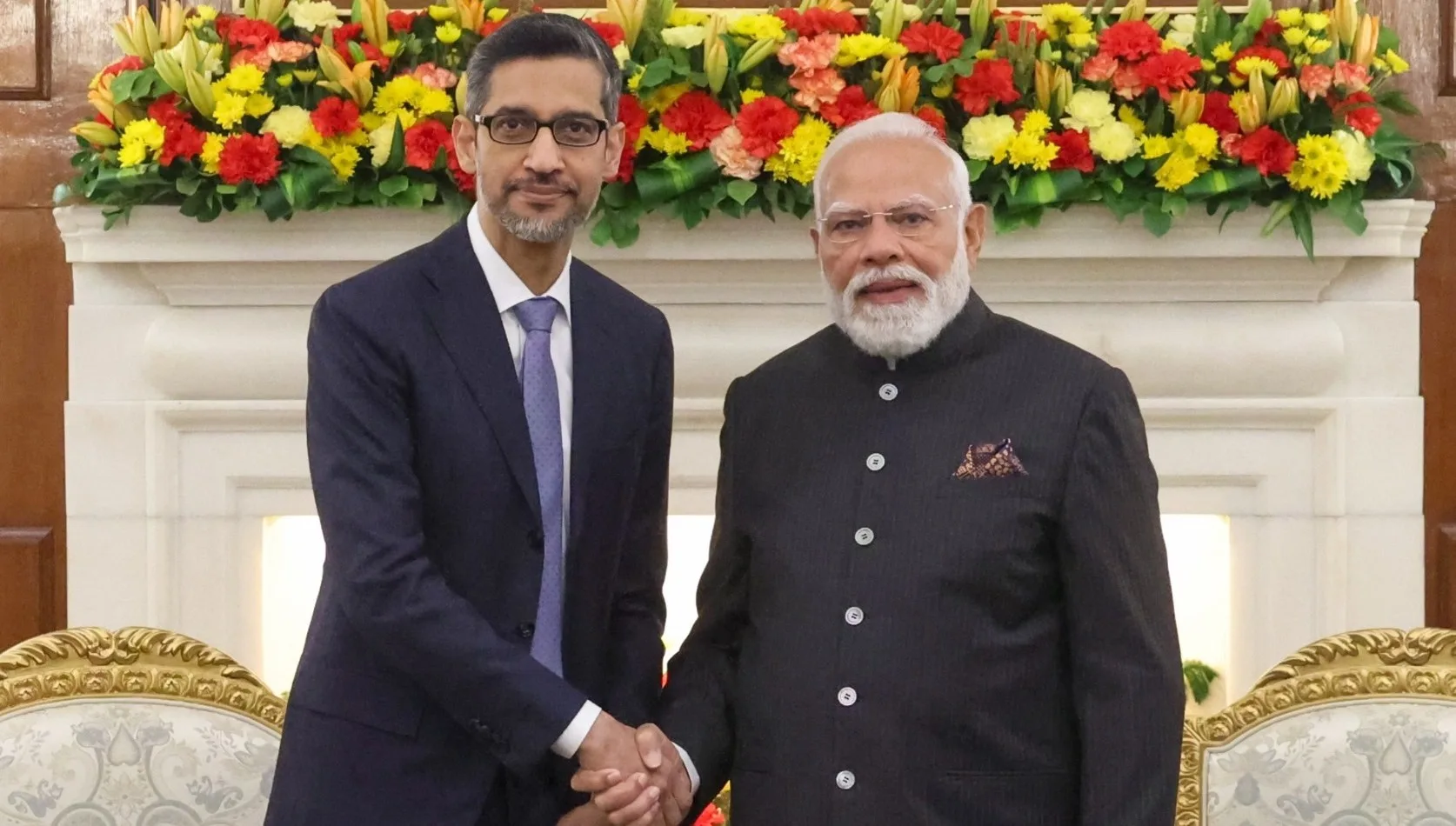
Prime Minister Narendra Modi met Google CEO Sundar Pichai on Wednesday, on the sidelines of the AI Impact Summit in Delhi.

In a post on X, PM Modi wrote , It was a delight to meet Mr. Sundar Pichai on the sidelines of the AI Impact Summit in Delhi. Talked about the work India is doing in AI and how Google can work with our talented students and professionals in this field.”

Sundar Pichai (full name Pichai Sundararajan) is an Indian-born American business executive and one of the most influential leaders in global technology today. He has served as the Chief Executive Officer (CEO) of Google since 2015 and as CEO of its parent company Alphabet Inc. since 2019. (Encyclopedia Britannica)

Born on June 10, 1972, in Madurai, Tamil Nadu, India, Pichai grew up in Chennai in a modest two-room apartment, where his father was an electrical engineer and his mother worked as a stenographer. His early curiosity about technology and strong academic performance earned him admission to the prestigious Indian Institute of Technology (IIT) Kharagpur, where he earned a bachelor’s degree in metallurgical engineering with a silver medal. He later pursued a master’s degree in materials science and engineering at Stanford University and completed an MBA from the Wharton School of the University of Pennsylvania as a Siebel and Palmer Scholar. (Encyclopedia Britannica)

Pichai joined Google in 2004, initially leading product management and development efforts for software products such as Google Toolbar and Google Chrome, which would become the world’s most widely used web browser. Over the years, he took on broader leadership roles, overseeing key products including ChromeOS, Google Drive, Android, Gmail, and Maps before ascending to the CEO position. (Encyclopedia Britannica)

Under his leadership, Google has expanded its focus on artificial intelligence (AI), cloud computing, hardware, and services that reach billions of users worldwide. He has also guided Alphabet through significant transformation and growth, championing innovation in areas such as generative AI and sustainability initiatives. (indcnetwork.com)

Pichai’s journey from a middle-class upbringing in India to leading one of the world’s most powerful technology companies has made him a prominent figure in the global business landscape and a role model for aspiring technologists and entrepreneurs. (Encyclopedia Britannica)

Sakeena Itoo Reviews Progress of SDH Sunderbani Projects, ₹424 Lakh Earmarked for Key Health Works

Sakina Itoo Refutes

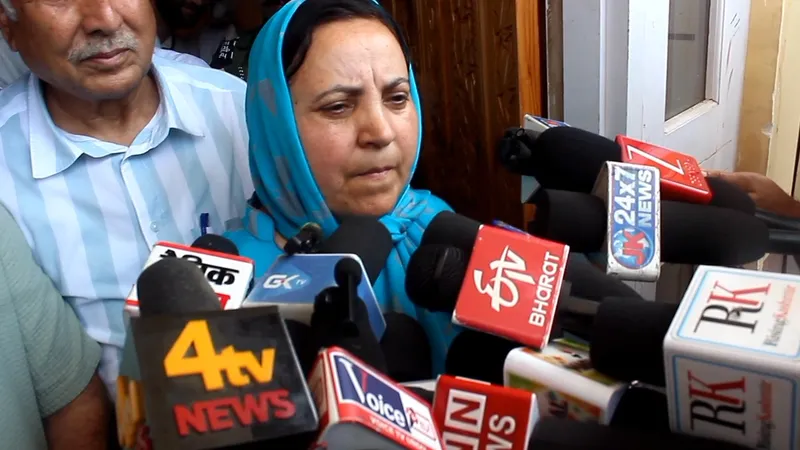
 Minister for Health and Medical Education, Sakeena Itoo, today said that the ongoing works on the vital projects like construction of 50 bedded additional Block and setting up of Dialysis Unit at SDH Sunderbani are being regularly monitored to ensure their completion within prescribed timelines.

The Minister stated this while replying to a question of Legislator Randhir Singh in the House.
The Minister informed the House that an amount of Rs. 424 lakh has been earmarked for utilization against three projects like construction of 50 bedded additional Block at SDH Sunderbani, setting up of Dialysis Unit at SDH Sunderbani and Design, Supply, Installation, Commissioning and Trial-run (DSICT) of Effluent Treatment Plant (ETP) of 05 KLD capacity at Government CHC Kalakote Rajouri during the current Financial Year.Click Here To Follow Our WhatsApp Channel

She added that Rs. 361.90 lakh have been released by the Finance Department, against which an expenditure of ₹300.00 lakh has been incurred, so far.

The Minister stated that the ongoing projects are being closely monitored, with delays reported to executing agencies for swift action, ensuring timely completion and fund utilization.

She also informed that the Tile/Electrical work is in progress on the second floor while Mechanical work at SDH Sunderbani is also being done on war footing. She added that allotment of DSICT of ETP of 05 KLD capacity at Government CHC Kalakote Rajouri is under process.

At 13, This Kashmiri Boy Built 31 Apps and AI Tools

Delhi Court Convicts Kashmiri Separatist Asiya Andrabi in UAPA Case

Omar Abdullah Moves 13 Demands and 19 Supplementary Grants in J&K Legislative Assembly

Omar Abdullah Moves

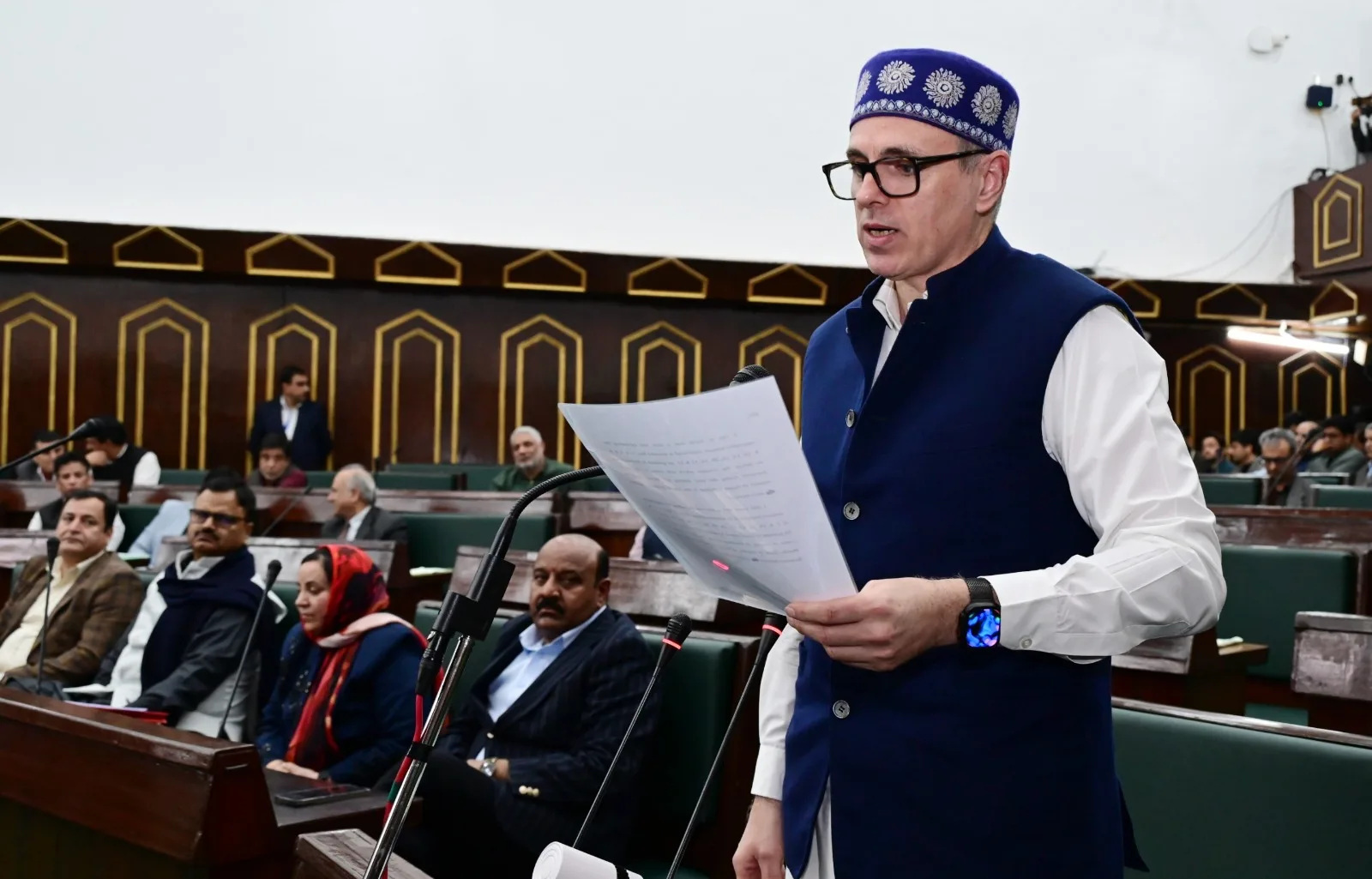
 Chief Minister Omar Abdullah today moved 13 Demands and 19 supplementary Demands in the Legislative Assembly which was subsequently presented before the House for discussion by Speaker Abdul Rahim Rather.

“I move that a sum not exceeding the aggregate amount mentioned in Demand Nos. 1, 3, 4, 6, 8, 9, 10, 14, 19, 20, 24, 31 and 33 be granted to Government to defray the charges which will come in course of payment during the year ending 31st March, 2027 in respect of Heads indicated in the List of Business against each demand,” Chief Minister said. Click Here To Follow Our WhatsApp Channel

These Demands for Grants pertain to General Administration Department, Planning, Monitoring and Development, Information, Power, Finance, Parliamentary Affairs, Law & Justice, Revenue, Housing, Tourism, Hospitality & Protocol, Estates, Culture and Disaster Management and the charge of these departments is held by the Chief Minister.

He added: “I also move that a sum not exceeding the aggregate amount mentioned in Supplementary Demand Nos. 1, 2, 3, 6, 7, 8, 10, 12, 13, 17, 18, 19, 20, 25, 26, 30, 32, 35 and 36 be granted to Government to defray the charges which will come in course of payment during the year ending 31st March, 2026 in respect of Heads indicated in the List of Business against each demand.”

The discussion for demands of grants will continue for today, February 18 and 19 while Chief Minister Omar Abdullah will reply to the demands on grants on February 19 afternoon which will be followed by voice vote to pass the demands of grants.

At 13, This Kashmiri Boy Built 31 Apps and AI Tools

Delhi Court Convicts Kashmiri Separatist Asiya Andrabi in UAPA Case

Two Pakistani Nationals Arrested in Ambala After Escaping J&K Juvenile Home

Two Pakistani Nationals Arrested in Ambala After Escaping J&K Juvenile Home

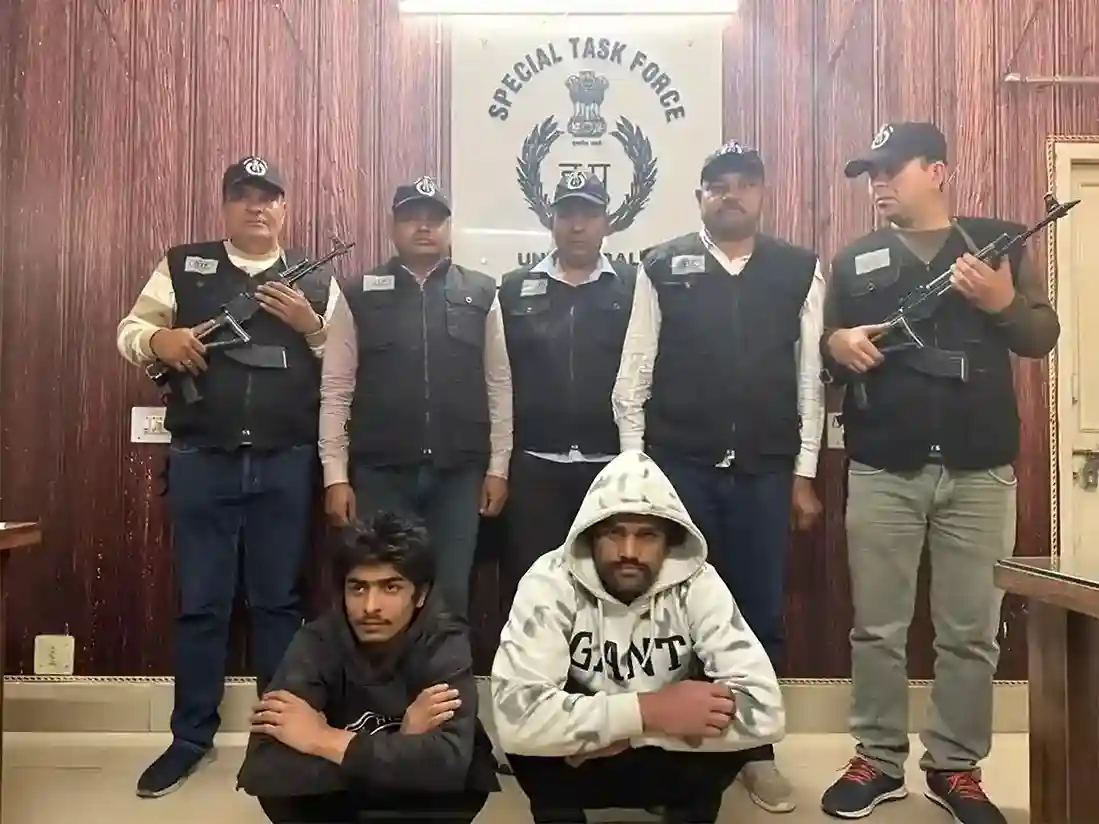
Ambala’s Special Task Force (STF) on Tuesday arrested two Pakistani nationals from the Ambala Cantt Railway Station premises who had escaped from the Juvenile Observation Home in Ranbir Singh Pura of Jammu and Kashmir after allegedly shooting at security personnel, officials said on Tuesday. The three people were allegedly trying to escape from the UP-Nepal border.

The suspects were arrested at Ambala Cantt Railway Station and handed over to the Jammu Police.

SP STF Vikrant Bhushan said that a total of three people, two Pakistani nationals and one Indian, had escaped from the home.

“Yesterday evening, two Pakistani nationals and one Indian national escaped from the RS Pura District Juvenile Observation Home in Jammu… We have apprehended both Pakistani nationals. Their names are Mohammad Sanula, 20, resident of District Muzaffargarh, Punjab Province, Pakistan. The other is Ahsan Anwar, 21, District Nankana, Punjab Province, Pakistan. Both were convicted in the Juvenile Observation Home, one since 2021 and the other since 2019. We have handed them over to the J-K Police,” he said.

Another accomplice, Indian national Karamjeet alias Guga, also escaped from jail with them, adding that “he was the mastermind. Their plan was to help the two Pakistani nationals escape from the UP-Nepal border,” Bhushan said.

SP STF Vikrant Bhushan said that three inmates had escaped from the RS Pura Juvenile Home, two Pakistanis and one Indian. The two Pakistani nationals arrested by STF Ambala have been identified as Mohammad Sanaullah, 20, and Ahsan Anwar, 21. Sanula had been in the juvenile home since 2019, and Anwar since 2021.

Their third accomplice, Karamjeet alias Guga, an Indian, also escaped from jail with them. He was their mastermind, who was supposed to send them out of the country to Nepal via the Uttar Pradesh border.

Jammu and Kashmir police will take them on remand and conduct the remaining investigation. (ANI)

J&K Government Appoints Retired IAS Officer Shantmanu as State Election Commissioner

Retired IAS Officer

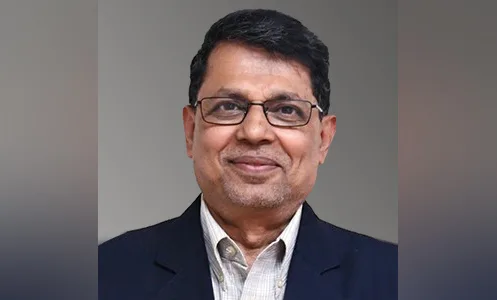
The J&K Government on Tuesday appointed retired IAS officer Shantmanu as the State Election Commissioner.According to an order issued by the General Administration Department, Liuetenant Governer has appointed Shantmanu as State Election Commissioner.

He will serve for five years or until he turns 70, whichever is earlier.The appointment takes effect from the date he assumes charge, the order reads.

SIA Kashmir Files Charge Sheet Against Two Accused for Terror Propaganda Links in J&K

SIA cracks down

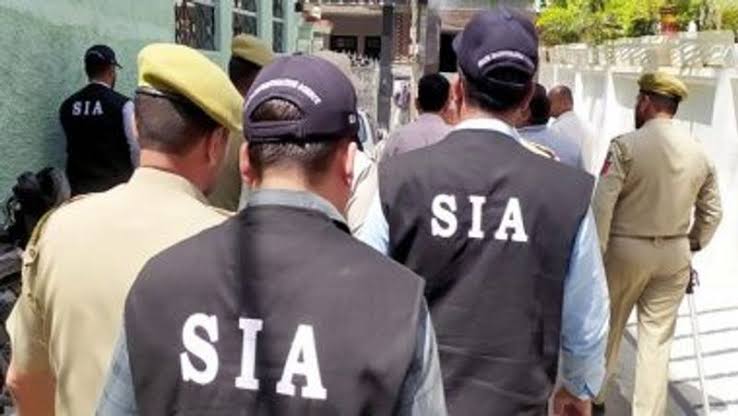
The State Investigation Agency (SIA), Kashmir on Tuesday has filed a comprehensive charge sheet before the Competent Court against two accused persons Altaf Hussain Wagay, resident of Reban Gund Behram, Shopian, and Shabir Ahmad Sheikh, resident of Rampora, Qaimoh, Kulgam (presently operating from across the border) — for their involvement in unlawful and anti-national activities linked to the proscribed terrorist organisation Hizbul Mujahideen- HM.

According to a statement issued here, The case pertains to the dissemination and propagation of anti-national, secessionist, and pro-terrorist content through various social media platforms with the intent to radicalize youth and disturb public order in the Union Territory of Jammu & Kashmir.

The FIR (No. 01/2025) was registered at Police Station CIK/SIA Kashmir under relevant provisions of the Unlawful Activities (Prevention) Act (UAPA) after credible inputs revealed that Pakistan-based proscribed terrorist organisations, including Lashkar e Toiba and Jaish e Mohammad along with their proxies and sympathizers, were engaged in a coordinated conspiracy to disseminate anti-India and secessionist propaganda through online and offline channels. The objective of this campaign was to challenge the sovereignty and territorial integrity of India, incite disaffection, and radicalize impressionable youth to further terrorist activities.

During the investigation, SIA Kashmir successfully identified multiple social media accounts operated under pseudonyms by the accused persons to evade detection by law enforcement agencies. Their active role in spreading secessionist ideology, promoting terrorism, and attempting to undermine the lawful administrative framework has been established.

Further investigation in respect of other suspects and associated conspirators is continuing under the relevant provisions of law.

SIA Kashmir reiterates its firm commitment to identify, investigate, and prosecute individuals involved in activities prejudicial to the sovereignty, integrity, and security of the nation, particularly those exploiting digital platforms to radicalize youth and promote terrorism.

Kiswa Controversy in Epstein Files: Emails Confirm Shipment, But Visual Evidence Points to Replica, Not Real

Kiswa Controversy

In early 2026, a stunning revelation in the newly unsealed Jeffrey Epstein files sent shockwaves across social media and global news feeds: emails and shipping records appeared to show that pieces of the Kiswa — the sacred black-and-gold embroidered cloth that covers the Kaaba in Mecca — were sent to Epstein’s home in Florida. Given the spiritual importance the Kiswa holds for millions of Muslims worldwide, the initial headlines triggered outrage, confusion, and intense online debate.

But as more people sift through not just the emails and documents, but the visual evidence associated with the shipment, a clearer picture is emerging: what was received may not be an authentic piece of the real Kiswa at all — but rather a replica or high-end souvenir.Click Here To Follow Our WhatsApp Channel


What the Epstein Files Actually Show

The unsealed documents — released under the 2026 Epstein Files Transparency Act — include emails from 2017 detailing a shipment to Epstein’s Florida residence labeled as “Kiswa pieces.” These emails mention three items described as:

  • One piece purportedly from inside the Kaaba
  • One from the outer covering
  • A third unused piece made with similar materials

British Airways cargo records list these items as “picture frames” or artwork, with an approximate declared value of $10,980 on the invoice. The emails also reference an intermediary: a UAE-based businesswoman named Aziza al-Ahmadi, working with someone named Abdullah al-Maari.

One email even highlighted the sacred nature of the cloth, noting that “the black piece was touched by a minimum of 10 million Muslims of different denominations, Sunni, Shia, and others,” and that it was steeped in “prayers, tears, and hopes.”

The Outrage and the Backlash Online

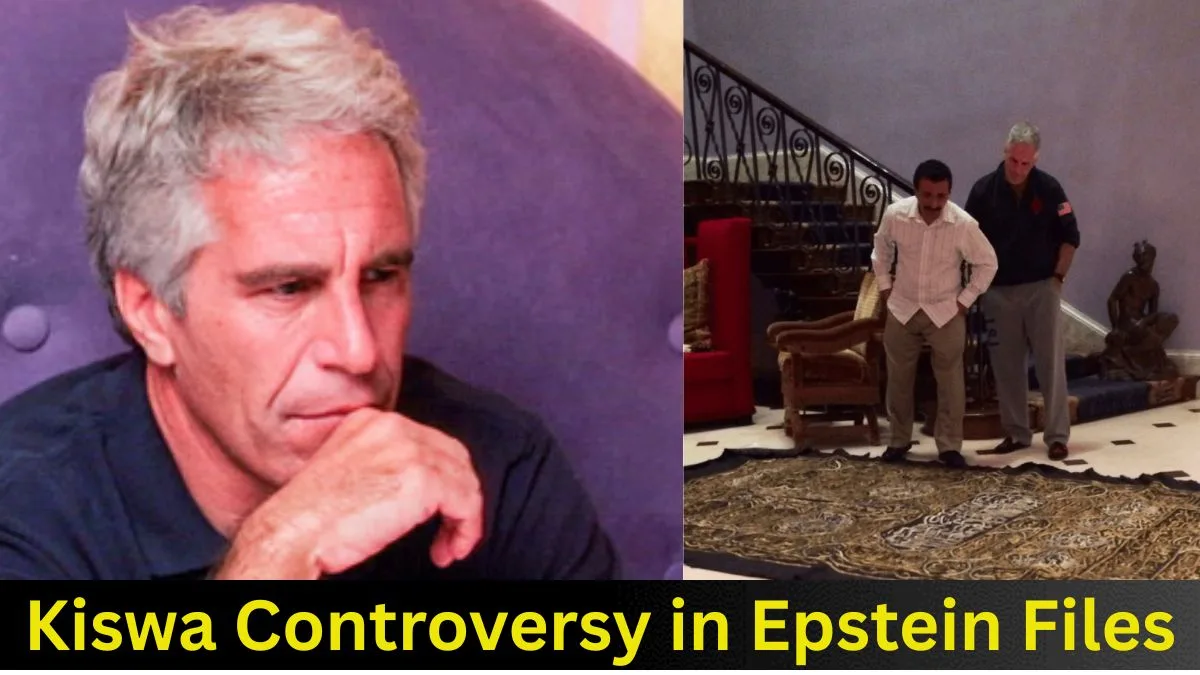
Photos in the released files reportedly show Epstein and Emirati businessman Sultan Ahmed bin Sulayem standing over what appears to be the cloth, spread out on the floor — a visual that was quickly shared and reshared across social platforms. Many interpreted the image as evidence that a genuine, sacred artifact from Islam’s holiest site had ended up in the home of a convicted sex offender, prompting widespread condemnation.

For many Muslims, especially on platforms like Reddit, Twitter, and Instagram, the idea that something tied to the Kaaba could be handled in such a casual context was seen as deeply disrespectful.


Why Experts and Online Analysts Say It’s Likely a Replica

However, the bigger question began to surface once the photos of the cloth were scrutinized more closely. Multiple knowledgeable observers — including textile experts, historians, and scholars of Islamic art — pointed out several key discrepancies:

1. Size and Proportions Don’t Match a Genuine Kiswa Piece

Real Kiswa sections — especially those cut from the original covering — follow strict size protocols. The embroidered verses, band proportions, and overall dimensions are consistent based on decades of documented examples.

In contrast, the cloth shown in the photos appears oddly shaped and too small compared to authenticated Kiswa fragments that have been distributed to dignitaries and institutions over the years.

2. Embroidery and Design Details Are Off

The Kiswa is known for its meticulous craftsmanship: dense gold thread work, precise Quranic verses in specific fonts, and a distinct silk backing. Comparisons with official photos from Mecca show noticeable differences:

  • Thread density and stitching patterns don’t match
  • Color and sheen of gold embroidery appear inconsistent
  • Border layout and calligraphy fonts vary from verified Kiswa segments

These inconsistencies strongly suggest that what’s in the Epstein photos may be a replica or decorative version, not a piece of the official Kaaba cloth.

3. Replica Market for Kiswa Is Large and Well-Established

Tourist markets around the Muslim world — especially in cities like Mecca, Medina, and Istanbul — are filled with souvenir Kiswa pieces. These range from inexpensive prints to higher-end framed cloth that mimic the iconic black and gold design.

Some of these replicas even come with fake certificates of authenticity, making it easy for less-informed buyers to mistake them for the real thing.

In online videos and social media posts, collectors and textile reviewers demonstrate how to spot fakes — from simple burn tests (real Kiswa is silk-based, while many fakes are synthetic) to close inspection of embroidery patterns.

4. No Official Confirmation from Saudi Authorities

Perhaps most telling: Saudi religious bodies and the administration responsible for the Kaaba’s covering — which regularly replaces the Kiswa and distributes pieces to dignitaries — have not issued any public statement confirming that an authentic Kiswa fragment was sent to Epstein.

Official channels usually document and record where genuine Kiswa segments go. The absence of any reference in those records raises serious questions about the shipment’s authenticity.


So What Really Happened?

At this point, the facts we know are:

  • Emails and shipping documents reference items described as Kiswa pieces sent to Epstein’s home.
  • Photos show a cloth resembling Kiswa in Epstein’s space.
  • Visual and textile experts — along with careful side-by-side comparisons — strongly suggest the cloth in the photos is not an authentic segment from the real Kaaba covering.

This points to a likely scenario in which a replica or decorative version of the Kiswa was shipped — perhaps as a high-end collectible or conversation piece — and not a sacred artifact that had once covered the Kaaba.


Why This Still Matters

Even if the cloth was a replica, the episode touches on deeper cultural and ethical issues. For Muslims around the world, the idea of something associated with Islam’s holiest site being linked to Epstein is painful and provocative. The controversy shows how:

  • Symbolic imagery can fuel outrage faster than facts
  • Online misinformation and assumptions can spread before verification
  • Cultural and religious sensitivity is essential in global discourse

This doesn’t excuse casual handling of religious symbols — but it does illustrate how easily narratives can spiral when context and expertise are ignored.


Final Takeaway

The Epstein files confirm that something called “Kiswa pieces” was shipped and received. But the balance of evidence — especially visual and expert analysis — strongly points to the items being replicas, not genuine cloth from the Kaaba.

That distinction matters: it separates a shocking headline from a more nuanced, evidence-based reality.As the story continues to unfold and more people look deeper into the facts, it’s worth keeping in mind the importance of verification, context, and respect for sensitive cultural symbols.

At 13, This Kashmiri Boy Built 31 Apps and AI Tools

Delhi Court Convicts Kashmiri Separatist Asiya Andrabi in UAPA Case