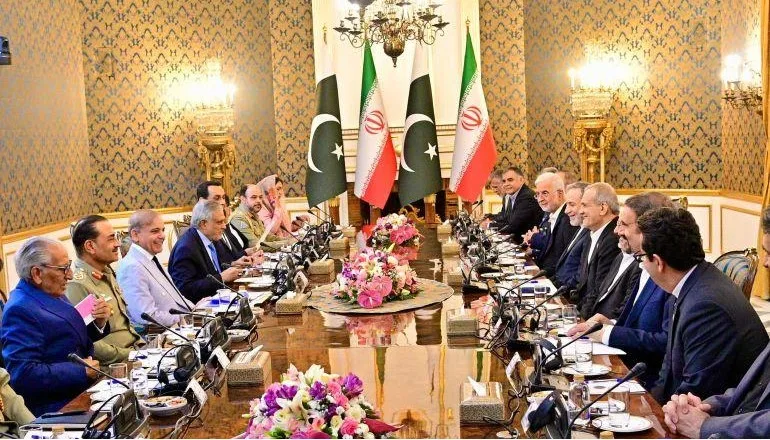
High-stakes direct negotiations between the United States and Iran ended without any agreement on Sunday morning, after more than 21 hours of intensive discussions aimed at securing a lasting ceasefire and resolving key regional tensions.
The talks, hosted and mediated by Pakistan in its capital Islamabad, represented one of the highest-level face-to-face engagements between Washington and Tehran in decades. The US delegation was led by Vice President JD Vance, while Iran was represented by senior officials including Foreign Minister Abbas Araghchi and Parliamentary Speaker Mohammad Bagher Ghalibaf. Click Here To Follow Our WhatsApp Channel
US Side Blames Iranian Refusal on Nuclear Issue
Speaking to reporters in Islamabad before departing, Vice President Vance described the session as substantive but ultimately unsuccessful.
“We’ve had a number of substantive discussions with the Iranians — that’s the good news. The bad news is that we have not reached an agreement. And I think that’s bad news for Iran much more than it’s bad news for the United States of America,” Vance said.
He emphasized that Iran “chose not to accept our terms,” particularly refusing a firm commitment to abandon its nuclear weapons program or the capabilities to quickly develop one — a core US demand. Vance added that the American side had been flexible and presented what he called a “final and best offer.”
President Donald Trump was kept informed throughout the process, with Vance reportedly speaking to him multiple times during the negotiations.
Iranian Media and Officials Point to ‘Excessive’ US Demands
Iranian state media and officials offered a contrasting narrative, blaming the failure on what they described as “excessive,” “unreasonable,” and “unlawful” demands from the US side.
According to reports from Iranian outlets such as IRIB, IRNA, Tasnim, and Fars News, despite “creative approaches” and initiatives put forward by the Iranian delegation, progress was blocked by American overreach. Key disputed issues included uranium enrichment levels, control and access to the strategically vital Strait of Hormuz, and broader terms related to the ongoing Middle East conflict.
Iran’s Foreign Ministry spokesman Esmaeil Baqaei (also referred to as Baghaei) described the talks as “intensive” and acknowledged that some points were discussed without a breakthrough. He stressed that diplomacy “never ends” but indicated there were currently no plans for an immediate second round of talks. Baqaei called on Washington to avoid excessive demands and show good faith.
Background and Sticking Points
The negotiations took place against the backdrop of a fragile two-week ceasefire agreed earlier in April, which included temporary measures related to the Strait of Hormuz — a critical chokepoint for global oil shipments that Iran has influenced amid the conflict.
Major areas of disagreement reportedly included:
- Iran’s nuclear program and uranium enrichment rights
- Security guarantees and control over the Strait of Hormuz
- Broader regional issues, including tensions involving Israel, Hezbollah, and other actors
Pakistan’s officials urged both sides to maintain the ceasefire and continue diplomatic efforts despite the impasse.
What Happens Next?
With no deal reached and no immediate follow-up scheduled according to Iranian reports, uncertainty looms over the future of the ceasefire and regional stability. The failure highlights the deep divide between the two sides: the US insists on verifiable limits on Iran’s nuclear ambitions as non-negotiable, while Iran views certain US positions as unacceptable infringements on its sovereignty and rights.
Analysts warn that the collapse could increase risks of renewed hostilities, with potential ripple effects on global energy markets and Middle East security.
Both delegations have now left Islamabad, leaving the outcome of this round of diplomacy unresolved for now. Further developments are expected in the coming days as the temporary ceasefire period continues.
You Might Also Like:
US Rescues Downed Pilot from Iran in High-Risk Operation, Trump Declares “We Got Him”
Dr.Fatemeh Ardeshir-Larijani Ousted from Emory, Visa Revoked After Protests Over Iran Links