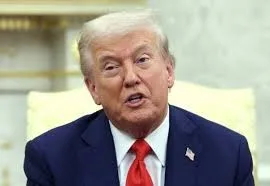
US President Donald Trump has said that American forces could exit Iran “pretty quickly” while keeping the option open for future targeted strikes if necessary.
Speaking to Reuters, Trump indicated that the timeline for ending the war remains uncertain but suggested a rapid withdrawal is likely.Click Here To Follow Our WhatsApp Channel
“I can’t tell you exactly… we’re going to be out pretty quickly,” he said.
“Spot Hits” Possible After Withdrawal
Trump claimed that recent US military actions have significantly weakened Iran’s capabilities, particularly its nuclear ambitions.
He stated that Iran is now “incapable” of developing a nuclear weapon due to US operations.
“They won’t have a nuclear weapon… I’ll leave, and I’ll take everybody with me, and if we have to, we’ll come back to do spot hits,” Trump added.
His remarks came just hours before a scheduled national address on the state of the war.
Trump Considers NATO Exit
In a major geopolitical signal, Trump also said he is “absolutely” considering withdrawing the United States from NATO, a move that could reshape global alliances.
This statement is likely to raise concerns among Western allies already watching the Middle East conflict closely.
Ceasefire Linked to Strait of Hormuz
Earlier in the day, Trump suggested that a ceasefire with Iran could happen — but only under certain conditions.
He said the Strait of Hormuz must be:
- Open
- Free
- Secure for global shipping
Trump also described Iran’s current president as “less radicalised” and more “intelligent” than previous leaders, suggesting a possible opening for negotiations.
Iran Responds: Strait Control Is Strategic
Iran’s Foreign Minister Abbas Araghchi responded strongly, defending Tehran’s position on the Strait of Hormuz.
He stated that the key waterway lies within the territorial reach of Iran and Oman and can be used strategically during wartime.
“Only for ships of those who are at war with us, this strait is closed… we cannot let enemies use our waters for commerce,” he said in an interview with Press TV.
He also noted that:
- Some countries are negotiating access with Iran
- Others are avoiding the route due to rising insurance costs and security fears
Iran Signals Continued Resistance
In a separate interview with Al Jazeera, Araghchi made it clear that Iran is prepared to continue the conflict if needed.
“You cannot speak to the people of Iran in the language of threats… we do not set any deadline for defending ourselves.”
His comments highlight Tehran’s firm stance despite ongoing military pressure.
War Continues Amid Uncertainty
The conflict, which began on February 28, 2026, has seen shifting signals from Washington.
While Trump repeatedly suggests the war could end soon, he has also warned of expanding military action if necessary.
At the same time:
- Thousands of additional US troops are being deployed to the Middle East
- Questions remain over the long-term strategy
- Global tensions continue to rise
Conclusion
Trump’s latest statements reflect a mix of withdrawal plans and continued military readiness, leaving the situation highly uncertain.
With Iran maintaining a strong stance and tensions around the Strait of Hormuz escalating, the coming days could be critical for both regional stability and global politics.
You Might Also Like:
Trump Weighs High-Risk US Commando Raid on Iran’s Nuclear Sites Amid Escalating War
Massive ‘No Kings’ Protests Sweep Across USA as Millions Rally Against Trump Policies and Iran War
Iran Claims Strike on US Air Base in Saudi Arabia, Says AWACS Plane Destroyed in Missile and Drone Attack