Travel Kashmir: Paradise on Earth for Adventure, Culture, and Serenity

Kashmir Tourism 2025

Nestled in the northernmost reaches of India, Jammu and Kashmir has long been hailed as a “Paradise on Earth,” a moniker bestowed by Mughal Emperor Jahangir in the 17th century. With its snow-capped Himalayan peaks, emerald valleys, serene lakes, and vibrant cultural tapestry, Kashmir remains a timeless destination for travelers seeking natural splendor and spiritual solace. Despite recent challenges, from political unrest to isolated incidents like the April 2025 Pahalgam attack, the Valley’s allure endures, drawing adventurers, nature lovers, and culture enthusiasts to its breathtaking landscapes and warm hospitality. As of September 2025, Kashmir is rebounding as a must-visit gem, blending adventure, heritage, and tranquility.
Kashmir Apple Crisis

A Tapestry of Natural Wonders

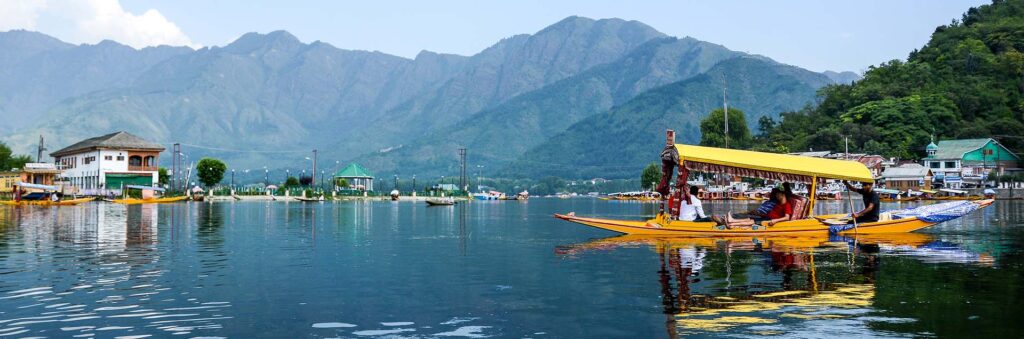
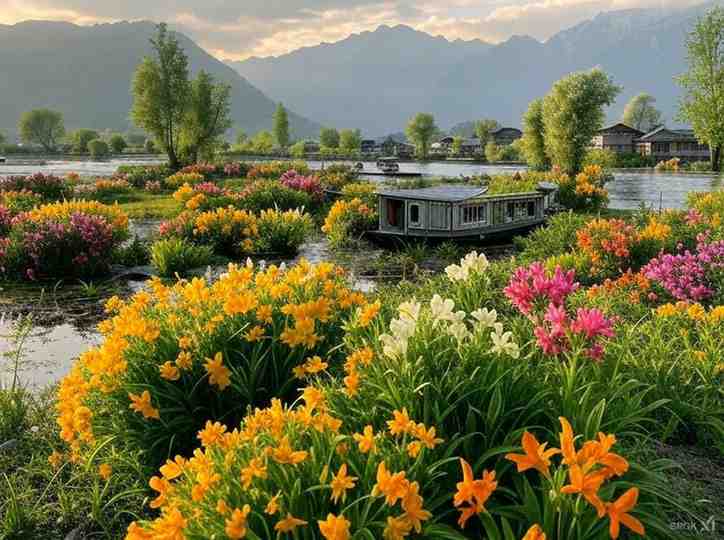
Kashmir’s geography is a masterpiece of contrasts, from the serene Dal Lake to the rugged Zojila Pass. Srinagar, the summer capital, serves as the gateway, where shikara rides on Dal and Nigeen Lakes offer glimpses of floating gardens and vibrant houseboats. The Mughal Gardens—Shalimar, Nishat, and Chashme Shahi—showcase Persian-inspired symmetry, with terraced lawns and fountains framed by the Zabarwan Hills. A cable car ride to the Apharwat Peak in Gulmarg, India’s premier ski destination, reveals panoramic views of snow-draped slopes, even in summer, while its golf course, one of Asia’s highest, tempts enthusiasts.

Pahalgam, known as the “Valley of Shepherds,” enchants with its Lidder River, pine forests, and trails to Betaab Valley and Aru. Sonamarg, the “Meadow of Gold,” is a trekker’s paradise, offering routes to Thajiwas Glacier and high-altitude lakes like Vishansar and Krishansar. For thrill-seekers, Dudhpathri and Yusmarg—lesser-known meadows—provide offbeat camping and horseback riding amid untouched vistas. The Amarnath Yatra, a spiritual trek to a sacred cave at 3,888 meters, draws pilgrims annually, though it requires careful planning due to its July-August window and security measures.

Must-Visit DestinationsHighlights
SrinagarDal Lake shikara rides, Mughal Gardens, Shankaracharya Temple
GulmargSkiing, gondola ride, golfing, alpine meadows
PahalgamLidder River, Betaab Valley, horse riding, trekking
SonamargThajiwas Glacier, Great Lakes Trek, adventure sports
Dudhpathri & YusmargOffbeat meadows, camping, pristine landscapes
Travel Kashmir

Cultural Riches: A Blend of Traditions

Kashmir’s cultural mosaic is as captivating as its scenery. The Valley is a confluence of Hindu, Muslim, and Buddhist influences, reflected in its architecture, cuisine, and festivals. Hazratbal Shrine, a gleaming white mosque on Dal Lake, holds spiritual significance, while the ancient Martand Sun Temple in Anantnag showcases 8th-century Kashmiri architecture. Pashmina shawls, handwoven carpets, and papier-mâché crafts from Srinagar’s old city markets are treasures for shoppers, with artisans preserving centuries-old techniques.

Kashmiri cuisine is a sensory delight. Wazwan, a multi-course feast, features dishes like Rogan Josh (spiced lamb curry), Gushtaba (meatballs in yogurt), and Tabak Maaz (crispy lamb ribs), best savored at local dhabas or homestays. Vegetarian options like Dum Aloo and Haak Saag (Kashmiri greens) cater to diverse palates. Kahwa, a saffron-infused green tea with almonds, is a warm staple, especially in winter. Festivals like Navreh (Kashmiri New Year) and Eid bring communities together, with music, dance, and shared meals.

Adventure and Serenity: Something for Every Traveler

Kashmir caters to all. Adrenaline junkies can try white-water rafting on the Sindh River, paragliding in Aharbal, or skiing in Gulmarg, which hosted the 2024 Khelo India Winter Games. Nature lovers find solace in the Great Lakes Trek, a 7-9 day journey through alpine lakes, or birdwatching in Hokersar Wetland, a haven for migratory species like Siberian cranes. For relaxation, houseboat stays on Dal Lake offer tranquility, with sunrise views over the water and mountains.

Winter transforms Kashmir into a snowy wonderland, with Gulmarg’s slopes drawing skiers from December to March. Summer (April-June) is ideal for trekking and sightseeing, while autumn (September-November) paints the Valley in golden hues, perfect for photography. Monsoon treks require caution due to slippery trails, but the lush greenery is rewarding.

Navigating Challenges: Safety and Practical Tips

Recent events, including the April 2025 Pahalgam attack, raised safety concerns, but authorities have bolstered security with increased patrolling and tourist helplines (J&K Tourism: 1800-103-1060). The rotten meat scandal of August 2025, involving over 12,000 kg of unfit meat seized across the Valley, has dented culinary trust, but strict FSSAI regulations and certifications like “Eat Safe Kashmir” are restoring confidence. Travelers are advised to dine at reputable establishments and verify meat sources, especially for halal preferences.

Travel Tips:

  • Getting There: Srinagar International Airport connects to Delhi, Mumbai, and other cities. Trains to Jammu, followed by a 6-8 hour drive to Srinagar, are scenic. Buses and cabs ply from Jammu or Delhi.
  • Permits: Inner Line Permits are needed for areas like Nubra or Pangong near the LoC; apply via J&K Tourism or online.
  • Packing: Layered clothing for fluctuating weather, sturdy shoes for treks, and sunscreen for high-altitude UV exposure.
  • Connectivity: Prepaid SIMs work sporadically; opt for postpaid or local Wi-Fi. Cash is king in remote areas.
  • Respect Culture: Dress modestly, especially at religious sites, and seek permission before photographing locals.
Sustainability and Responsible Tourism

Kashmir’s fragile ecosystem faces threats from over-tourism and climate change. Glacial retreat in Sonamarg and littering in Gulmarg highlight the need for eco-conscious travel. Initiatives like Clean Kashmir campaigns and homestay programs promote sustainable tourism, supporting local economies. Travelers should stick to marked trails, avoid single-use plastics, and choose eco-friendly operators. The J&K Tourism Department’s 2025 plan includes solar-powered houseboats and waste management systems to preserve the Valley’s pristine beauty.

Why Kashmir Endures as Paradise

Despite challenges, Kashmir’s magic lies in its ability to heal and inspire. The call of the muezzin over Dal Lake, the crunch of snow underfoot in Gulmarg, the aroma of kahwa in a village homestay—these moments linger long after the journey ends. Social media buzzes with awe: “Kashmir isn’t a place, it’s a feeling,” one X post raves, capturing its ethereal pull. With 1.5 million tourists in 2024 and growing numbers in 2025, the Valley is reclaiming its crown as India’s jewel.

Kashmir is more than a destination; it’s a symphony of nature, culture, and resilience. Whether you’re chasing adventure, history, or peace, this paradise on Earth delivers, inviting you to lose yourself in its embrace—and find yourself anew.

How Sufiyan Muqeem Is Pakistan’s New Spin Game-Changer

Pakistan Women vs South Africa Women: ODI Series Kicks Off with World Cup Dreams

Operation Sindoor: JeM Commander’s Shocking Admission Exposes Masood Azhar’s Family Loss

How to Travel Kashmir ? A Complete Guide to Exploring Paradise on Earth

Travel Kashmir

Kashmir, often called “Paradise on Earth,” is a destination that captivates travelers with its breathtaking landscapes, serene lakes, snow-capped mountains, and rich cultural heritage. Nestled in the northernmost part of India, this region offers an unforgettable experience for nature lovers, adventure enthusiasts, and anyone seeking a peaceful escape. If you’re wondering how to travel Kashmir and make the most of your journey, this guide will walk you through everything you need to know—from planning your trip to exploring its hidden gems.

Why Travel Kashmir?

Before diving into the logistics, let’s talk about why Kashmir deserves a spot on your travel list. Imagine gliding on a shikara (traditional wooden boat) across the shimmering Dal Lake, surrounded by the majestic Himalayas. Picture strolling through vibrant Mughal gardens, skiing down powdery slopes in Gulmarg, or sipping warm Kashmiri kahwa (tea) while gazing at a sunset over the Lidder River. Kashmir blends natural beauty with a unique culture shaped by centuries of history, making it a must-visit destination.

Best Time to Travel Kashmir

Timing your trip is key to experiencing Kashmir at its finest. The region enjoys four distinct seasons, each offering a different flavor:

  • Spring (March to May): Ideal for witnessing blooming tulips and almond blossoms, especially at the Indira Gandhi Memorial Tulip Garden in Srinagar. Temperatures range from 10°C to 20°C, perfect for sightseeing.
  • Summer (June to August): A popular time to escape the heat of the plains, with temperatures between 15°C and 30°C. This is peak season for houseboat stays and exploring hill stations like Pahalgam and Sonmarg.
  • Autumn (September to November): The Chinar trees turn fiery red and gold, creating a painterly landscape. It’s less crowded, with mild weather (5°C to 20°C).
  • Winter (December to February): Snow blankets the region, turning Gulmarg into a skiing paradise. Temperatures can drop below 0°C, so pack heavy woolens if you’re chasing a winter wonderland.

For most travelers, spring and summer are the easiest seasons to travel Kashmir, though winter appeals to snow enthusiasts.

How to Reach Kashmir

Kashmir is well-connected, offering multiple travel options depending on your starting point:

  • By Air: The fastest way is to fly into Sheikh ul-Alam International Airport in Srinagar. Direct flights operate from major Indian cities like Delhi, Mumbai, and Bangalore. From the airport, taxis or pre-booked cabs can take you to your destination.
  • By Train: The nearest major railway station is Jammu Tawi, about 270 kilometers from Srinagar. From there, hire a taxi or take a shared jeep to reach Kashmir in 6–8 hours, passing scenic routes along the way.
  • By Road: For an adventurous journey, drive or take a bus from cities like Delhi (around 800 km) or Jammu. The Srinagar-Jammu National Highway offers stunning views but can close temporarily during heavy snow or landslides, so check conditions beforehand.

Top Destinations to Explore in Kashmir

Once you arrive, Kashmir unfolds a variety of destinations to suit every traveler’s taste. Here are the highlights:

  1. Srinagar: The heart of Kashmir, famous for Dal Lake, houseboats, and Mughal gardens like Shalimar Bagh and Nishat Bagh. Don’t miss a shikara ride or a visit to the bustling Lal Chowk market.
  2. Gulmarg: A winter sports haven, Gulmarg boasts one of the world’s highest ski lifts (the Gulmarg Gondola). In summer, its meadows bloom with wildflowers, perfect for hiking or pony rides.
  3. Pahalgam: Known as the “Valley of Shepherds,” this peaceful town along the Lidder River is a base for treks like the Amarnath Yatra and a spot for trout fishing or picnics.
  4. Sonmarg: The “Meadow of Gold” offers glacier views, horseback rides, and a gateway to the Thajiwas Glacier trek. It’s a paradise for adventure seekers.
  5. Betaab Valley: Named after the Bollywood movie Betaab, this lush valley near Pahalgam is a picnic spot with crystal-clear streams and pine forests.
Pahalgam Hotel

How to Plan Your Kashmir Itinerary

A well-planned itinerary ensures you cover Kashmir’s diversity without feeling rushed. Here’s a sample 5-day plan:

  • Day 1: Arrive in Srinagar, settle into a houseboat, and enjoy a shikara ride on Dal Lake.
  • Day 2: Explore Srinagar’s Mughal gardens, Shankaracharya Temple, and local markets.
  • Day 3: Take a day trip to Gulmarg, ride the Gondola, and try skiing or snowboarding (winter) or a meadow walk (summer).
  • Day 4: Head to Pahalgam, visit Betaab Valley, and relax by the Lidder River.
  • Day 5: Drive to Sonmarg, explore the glacier, and return to Srinagar for departure.

Adjust the pace based on your interests—add a day for shopping or an extra trek if you’re adventurous.

Where to Stay in Kashmir

Accommodation options cater to all budgets:

  • Houseboats: A quintessential Kashmir experience, available on Dal and Nigeen Lakes. Prices range from $20 to $100 per night, depending on luxury level.
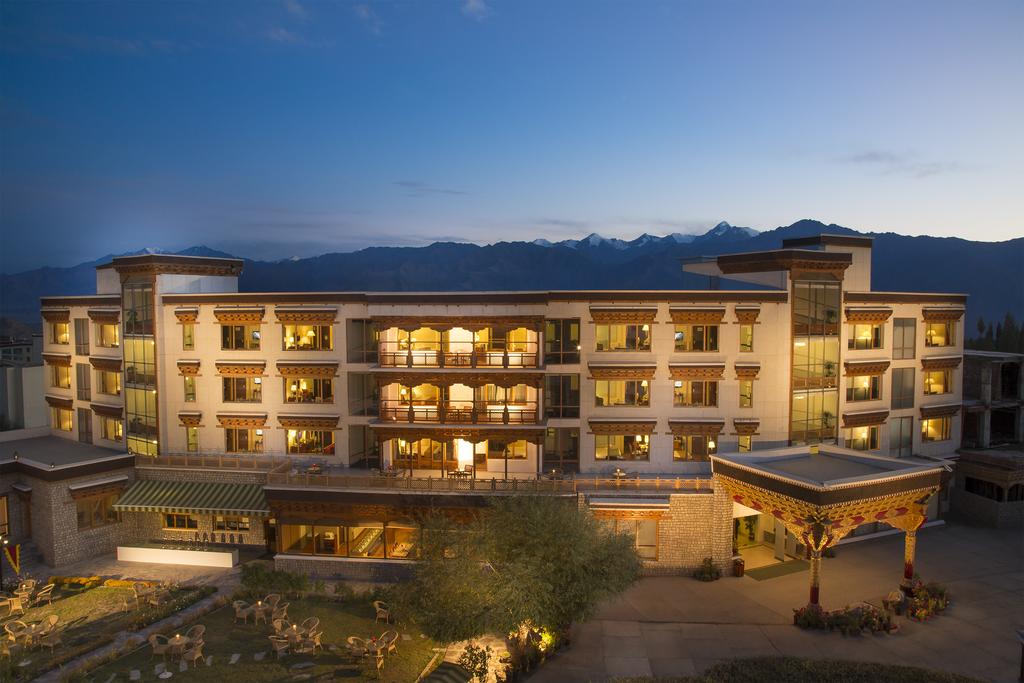
  • Hotels & Resorts: From budget guesthouses (starting at $10–$15) to 5-star properties like The Lalit Grand Palace ($150+), Srinagar, Gulmarg, and Pahalgam have it all.
  • Homestays: For a local vibe, try homestays in smaller villages like Aru or Tangmarg ($15–$30).

Book in advance during peak seasons to secure your spot.

What to Pack for Kashmir

Packing smart ensures comfort:

  • Clothing: Layered outfits for spring/summer; heavy jackets, thermals, and gloves for winter.
  • Footwear: Sturdy walking shoes or snow boots, depending on the season.
  • Essentials: Sunglasses, sunscreen, a hat, and a reusable water bottle. Carry cash, as ATMs can be sparse outside Srinagar.
New Delhi-Kashmir Trains

Local Cuisine to Try

Kashmiri food is a treat for the senses. Sample these:

  • Rogan Josh: A spicy lamb curry with saffron and yogurt.
  • Wazwan: A multi-course feast featuring meat dishes like gushtaba and tabak maaz.
  • Kahwa: A warm green tea infused with almonds and cardamom.
  • Modur Pulav: Sweet saffron rice with dry fruits.

Visit local eateries like Mughal Darbar in Srinagar for authentic flavors.

Travel Tips for Kashmir

  • Permits: Foreigners may need an Inner Line Permit for border areas like Gurez Valley—check with local authorities.
  • Connectivity: Prepaid SIMs from outside Jammu & Kashmir don’t work here; buy a local postpaid SIM or rely on hotel Wi-Fi.
  • Safety: Kashmir is generally safe for tourists, but stay updated on local advisories and avoid isolated areas at night.
  • Respect Culture: Dress modestly, especially at religious sites, and ask permission before photographing locals.

Budgeting Your Kashmir Trip

A 5-day trip can cost anywhere from $200 to $800 per person, depending on travel style:

  • Budget: Shared taxis, guesthouses, and local food (~$200–$300).
  • Mid-range: Private cabs, houseboats, and guided tours (~$400–$600).
  • Luxury: Flights, 5-star hotels, and curated experiences (~$800+).

Final Thoughts on Traveling Kashmir

Traveling Kashmir is like stepping into a postcard where every corner reveals a new wonder. Whether you’re drawn by its serene beauty, adventurous trails, or warm hospitality, this region promises memories that linger long after you leave. Plan ahead, pack your curiosity, and let Kashmir weave its magic around you.

Ready to travel Kashmir? Start with Srinagar’s tranquil waters and let the journey unfold. Paradise awaits!