In less than a decade, Tehreek-e-Labbaik Pakistan (TLP) has transformed from a street protest movement into one of Pakistan’s most influential and controversial political forces. Emerging from the emotional fallout of Punjab Governor Salman Taseer’s assassination in 2011, TLP has built its reputation as the uncompromising guardian of Namoos-e-Risalat — the honour of the Prophet Muhammad (peace be upon him). With fiery sermons, massive rallies, and shocking street power, the party has become a symbol of Pakistan’s deepening religious populism — and a nightmare for successive governments.Click Here To Follow Our WhatsApp Channel
The Origins: From a Grave to a Movement
TLP’s roots trace back to Mumtaz Qadri, the police bodyguard who killed Punjab Governor Salman Taseer for supporting reforms to Pakistan’s blasphemy laws. Qadri’s execution in 2016 ignited a wave of emotion among Sunni Barelvi Muslims. His funeral drew hundreds of thousands, and his grave became a pilgrimage site.
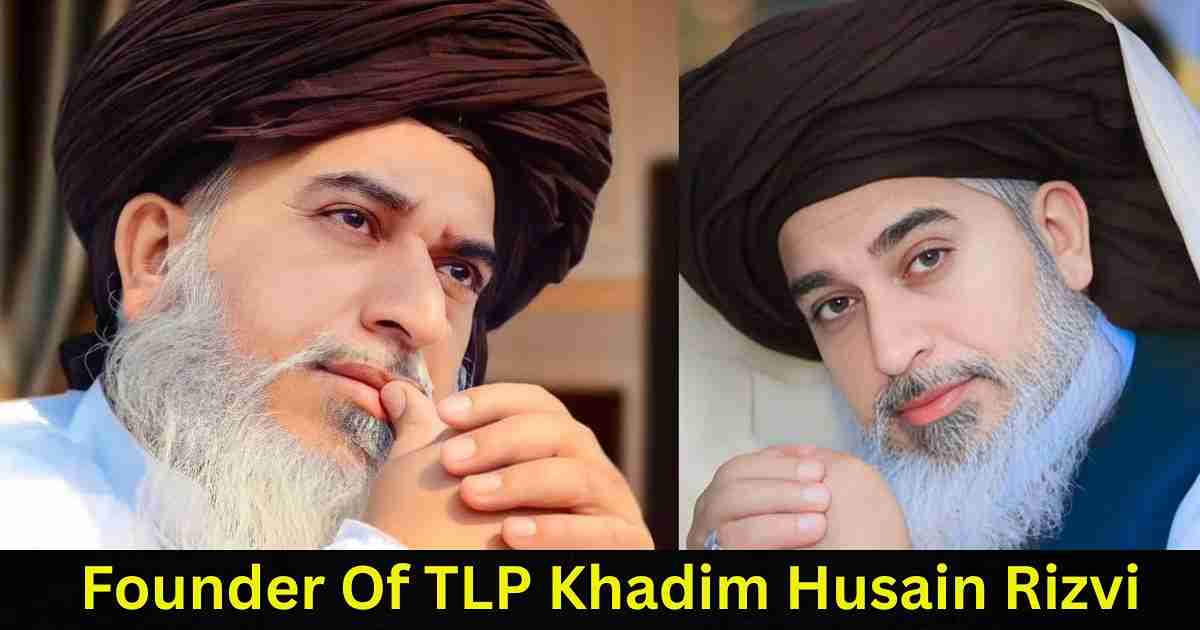
Amid this surge of sentiment, Khadim Hussain Rizvi, a fiery cleric from Lahore, founded Tehreek-e-Labbaik Ya Rasool Allah (TLYRA) — a religious movement that soon evolved into a political force known as Tehreek-e-Labbaik Pakistan (TLP) in 2015.
By 2017, TLP had become a household name, not through elections, but through its ability to paralyze the capital, Islamabad, and force ministerial resignations through mass sit-ins.
The Ideology: Faith, Fury, and Politics
At its heart, TLP’s ideology revolves around Khatm-e-Nabuwwat (Finality of Prophethood) and the unquestionable sanctity of Prophet Muhammad (peace be upon him). The party calls for:
- Strict enforcement of blasphemy laws, including capital punishment.
- Expulsion of diplomats from countries accused of “insulting Islam,” such as France and the Netherlands.
- Implementation of Nizam-e-Mustafa — a full Sharia-based governance system.
- Defense of Sunni Barelvi interests, often in opposition to Deobandi, Wahhabi, or Ahmadi groups.
While supporters view TLP as defenders of faith, critics describe it as a populist, vigilante movement that weaponizes religion for power. Its fiery rhetoric often glorifies “martyrs” like Mumtaz Qadri and justifies violence as a form of religious duty.
The Charismatic Firebrand: Khadim Hussain Rizvi
Khadim Rizvi’s thunderous speeches, laced with poetry, emotional appeals, and unfiltered anger, made him a folk hero among Pakistan’s lower and middle classes. His wheelchair and booming voice became symbols of defiance.
Under his leadership, TLP staged the 2017 Faizabad sit-in, blocking Islamabad for 21 days. The protest forced the resignation of the Law Minister and ended with a military-brokered deal — a moment many analysts see as TLP’s real political birth.
Rizvi passed away in November 2020, but his legacy — and his movement’s energy — lived on through his son, Saad Hussain Rizvi.
The New Face: Saad Rizvi’s Strategic Street Power
When Saad Rizvi took the reins, many predicted TLP’s decline. Instead, he rebranded it with sharper organization, modern communication, and calculated defiance.
Under his leadership, TLP clashed violently with police in 2021, 2023, and 2025 — each time over blasphemy-related or pro-Palestine issues. The group’s anti-France demonstrations turned deadly, leading to a temporary government ban under anti-terrorism laws. Yet, through backdoor negotiations, the ban was lifted months later — a testament to TLP’s political leverage.
As of October 2025, Saad Rizvi was reportedly injured during police firing amid massive pro-Palestine protests in Lahore, further fueling the group’s martyr narrative.
TLP’s Political Clout
Despite its militant street image, TLP has also grown into an electoral force.
In the 2018 elections, it secured over 2.2 million votes, emerging as Pakistan’s fourth-largest party by vote count.
By 2024, its share grew to nearly 2.9 million votes, even winning a seat in the Punjab Assembly for the first time.
While it still struggles to translate votes into power, its ability to split conservative vote banks has changed electoral dynamics, particularly in Punjab and Karachi.
Protests, Chaos, and Government Concessions
TLP’s name is synonymous with street anarchy and state paralysis.
Key flashpoints include:
- 2017 Faizabad Sit-in: Islamabad shut down for three weeks; law minister resigned.
- 2018 Asia Bibi Protests: Violent nationwide unrest after the Christian woman’s acquittal.
- 2021 Anti-France Protests: Several police killed; led to a temporary party ban.
- 2023 Jaranwala Riots: TLP-linked mobs burned churches after blasphemy rumours.
- 2025 Gaza Marches: Deadly clashes in Muridke and Lahore; Saad Rizvi critically injured.
Each episode reinforces the image of TLP as a street-controlling force capable of bending governments to its will — often through bloodshed.
Criticism and Allegations
Analysts accuse TLP of acting as a state-tolerated pressure valve — a group unleashed to distract or destabilize opponents when needed, yet curbed when it crosses red lines.
Its strong ties with Barelvi seminaries, mosques, and urban youth networks give it unmatched mobilization strength.
However, human rights groups accuse it of inciting sectarian hatred, mob violence, and attacks on minorities.
Despite multiple bans and media blackouts, TLP continues to thrive on social media platforms, spreading its message through Telegram, TikTok, and YouTube.
Conclusion: A Movement Too Strong to Ignore
Whether seen as defenders of the Prophet’s honour or dangerous extremists, Tehreek-e-Labbaik Pakistan has permanently altered Pakistan’s religious and political landscape. Its mix of faith, fury, and populism ensures it cannot be sidelined — even by the military or mainstream parties.
As Pakistan battles political instability, economic crisis, and rising extremism, TLP stands as both a symptom and symbol of a nation caught between democracy, religion, and rage.
You Might Also Like:
Watch Dr. Tariq Rasool’s Message to Kashmir’s Apple Orchard Owners: Diseases, Causes
A Reflection on Surat-al-Ankabut : Faith, Effort, and the Delusion of Self-Sufficiency