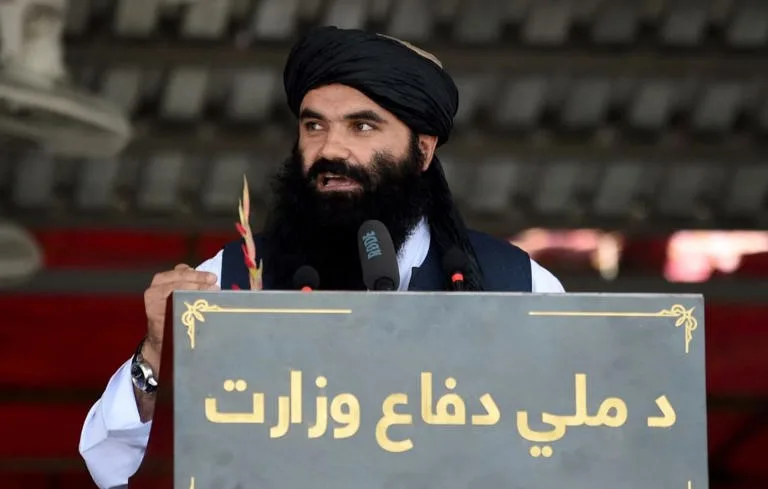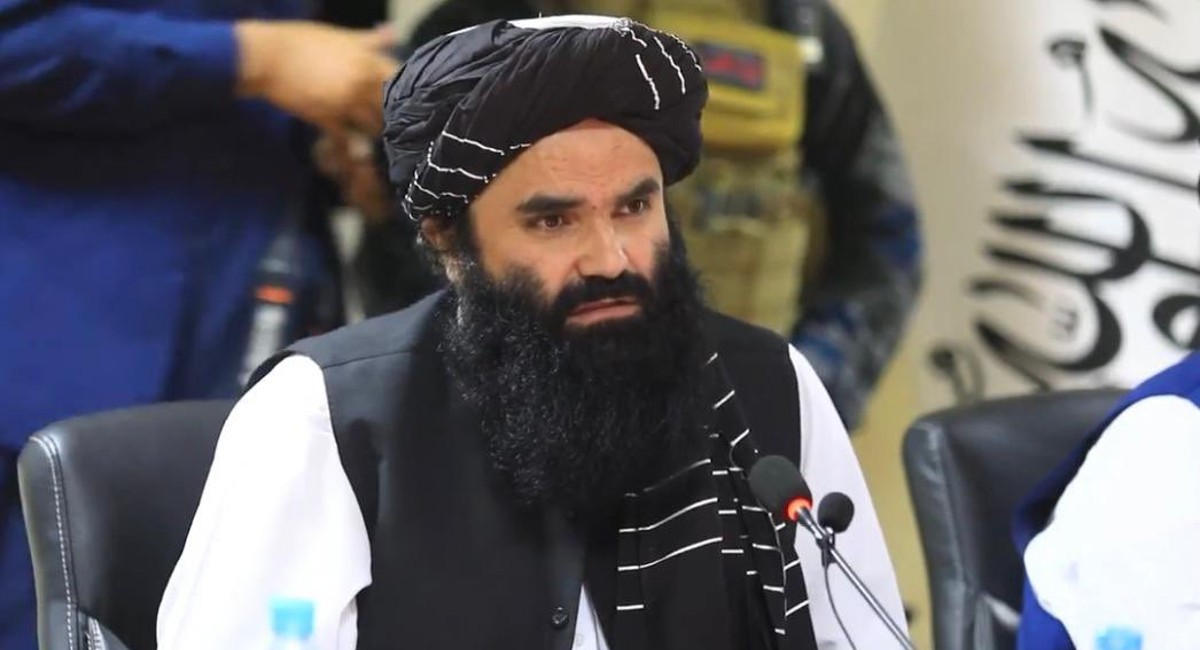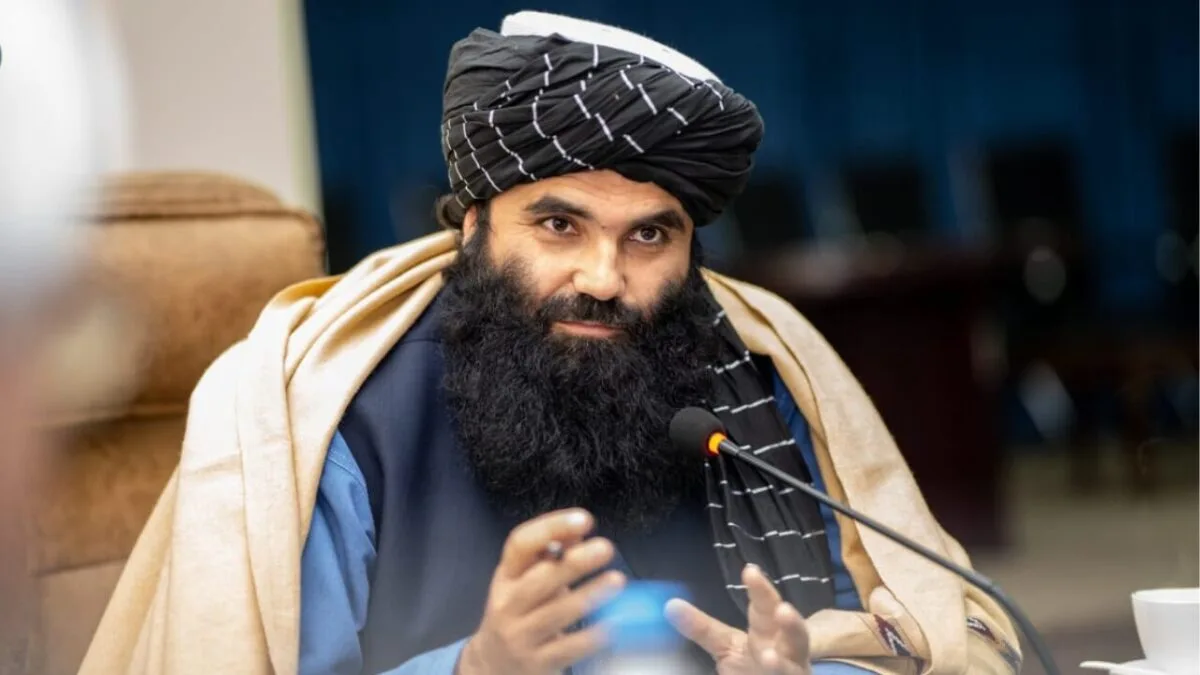
Afghanistan’s acting Interior Minister and Haqqani Network leader Sirajuddin Haqqani issued a stern public warning to Pakistan on Friday, urging restraint and cautioning against actions that could lead to full-scale war between the two neighboring countries.
In a message that quickly spread across social media platforms, particularly on X, Haqqani stated:
“Do not deliberately force us into war. You may have air power & money, but our nation has determination, resolve, & faith. When we defeated invading forces, we did not defeat them with technology; we defeated them with this very unity & solidarity.”Click Here To Follow Our WhatsApp Channel
Addressing the people of Pakistan directly, he added:
“I once again send this message to the people of Pakistan: advise Asif–Munir to show some restraint. If it is true that our fathers, grandfathers, & our nation fought wars with them in history, then let them tell us — but it was we who liberated their homeland.”
The reference to “Asif–Munir” is widely understood to mean Pakistan’s Defence Minister Khawaja Muhammad Asif and Army Chief General Syed Asim Munir.
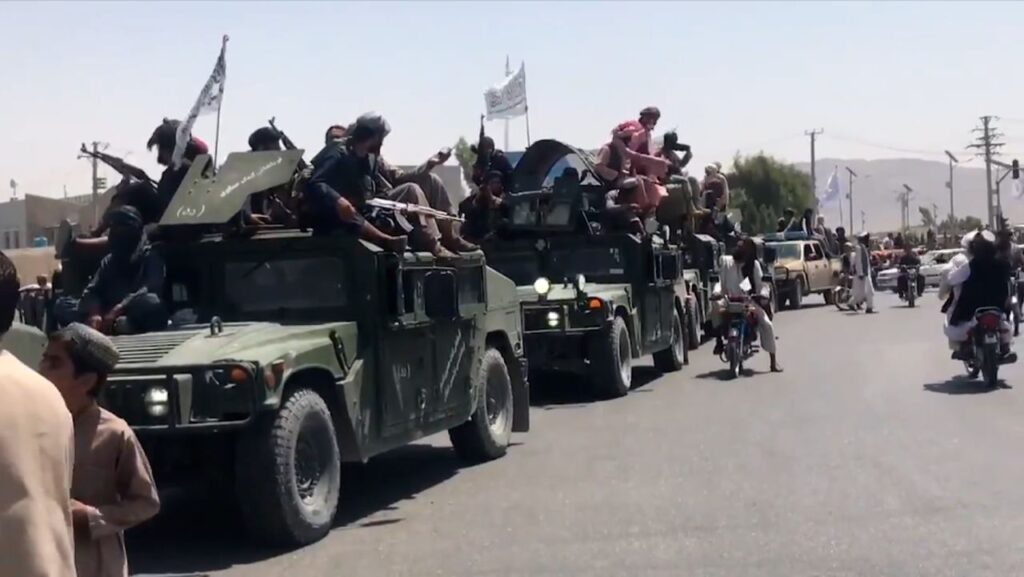
Haqqani’s remarks come amid intense cross-border military exchanges following Pakistan’s launch of Operation Ghazab Lil Haq (Righteous Fury) in response to what Islamabad describes as repeated attacks and provocations by Afghan Taliban forces along the Durand Line.
Pakistani officials have claimed the operation has inflicted heavy losses on Taliban positions, reporting over 270 Taliban personnel killed, more than 400 injured, destruction of dozens of posts, and Pakistani forces seizing control of several checkpoints. Pakistan insists its strikes have targeted only terrorist infrastructure and military sites linked to the Tehrik-i-Taliban Pakistan (TTP) and other groups.
The Taliban-led Afghan government has strongly rejected these claims, accusing Pakistan of unprovoked aggression, civilian casualties, and violation of Afghan sovereignty. Haqqani’s statement reinforces the Taliban’s longstanding narrative of ideological resilience and historical defiance against superior military powers, referencing Afghanistan’s victories over Soviet and NATO-led forces through unity rather than advanced weaponry.
Sirajuddin Haqqani, who has been a central figure in the Taliban administration since the 2021 takeover, has previously issued similar warnings to Pakistan over border tensions, including earlier statements threatening severe retaliation if aggression continued.
The latest exchange underscores the deepening mistrust between Islamabad and Kabul, fueled by mutual accusations: Pakistan charges the Taliban regime with providing safe haven to TTP militants launching attacks inside Pakistan, while Afghan officials accuse Pakistan of interference and supporting anti-Taliban elements.
Diplomatic efforts remain stalled, though regional powers including China, Russia, and Iran have called for immediate de-escalation to prevent further instability along the 2,600-km Durand Line.
As of late February 27, 2026, no formal Taliban government press statement has elaborated on Haqqani’s remarks, but they have been widely amplified by Afghan-aligned social media accounts and supporters. Pakistani authorities have not issued a direct public response to this specific message, though ongoing military briefings continue to characterize operations as measured, defensive, and successful.
The border situation remains highly volatile, with analysts warning that without urgent back-channel dialogue or third-party mediation, the risk of further escalation persists.
You Might Also Like:
At 13, This Kashmiri Boy Built 31 Apps and AI Tools
Delhi Court Convicts Kashmiri Separatist Asiya Andrabi in UAPA Case
Why Is Omar Abdullah Silent as a Kashmiri Shawl Seller Is Brutally Attacked in Uttarakhand?