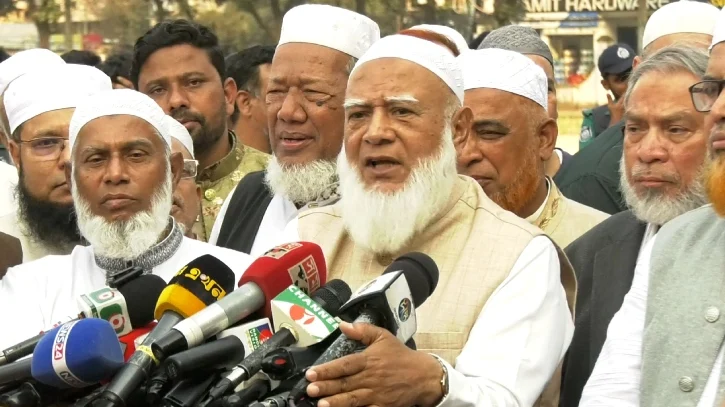
Bangladesh Jamaat-e-Islami chief Shafiqur Rahman has rejected reports claiming he held a “secret meeting” with Indian diplomats. He said the meeting was never meant to be secret, even though it was not announced publicly at the time.Click Here To Follow Our WhatsApp Channel
Rahman issued the clarification after some Bangladeshi media reports referred to a Reuters interview. In that interview, he appeared to say that a meeting with an Indian diplomat was kept quiet at the diplomat’s request. This led to speculation about hidden political talks during a sensitive phase in Bangladesh’s foreign relations.
In a Facebook post on Thursday, Rahman explained that he met two Indian diplomats around the middle of last year. This happened shortly after he returned to Bangladesh following medical treatment abroad. He said the meetings took place at the request of the Indian side.
Rahman wrote in Bengali that his party normally makes such diplomatic meetings public. However, he said the Indian diplomats asked for discretion, and Jamaat-e-Islami agreed. “There is nothing secret about it,” he said.
The issue gained more attention because it came at the same time as Indian External Affairs Minister S. Jaishankar’s visit to Dhaka.
In the Reuters interview, Rahman spoke about Jamaat-e-Islami’s foreign policy views. He stressed the need for balanced and respectful relations with all countries. He also expressed concern about strained ties between India and Bangladesh after the fall of former Prime Minister Sheikh Hasina. Rahman said her continued stay in India remains a major obstacle to rebuilding trust between the two countries.
“We must remain open to everyone. There is no alternative to improving mutual relations,” Rahman said. He added that political leaders in Bangladesh regularly meet diplomats from different countries.
Speaking about Pakistan, Rahman said Jamaat-e-Islami does not want to be too close to any single country. Instead, the party prefers practical and respectful relations with all nations.
India’s Ministry of External Affairs has not released any official statement on the matter. However, a senior Indian government source told Reuters that India keeps in touch with several political parties in Bangladesh as part of normal diplomatic practice.
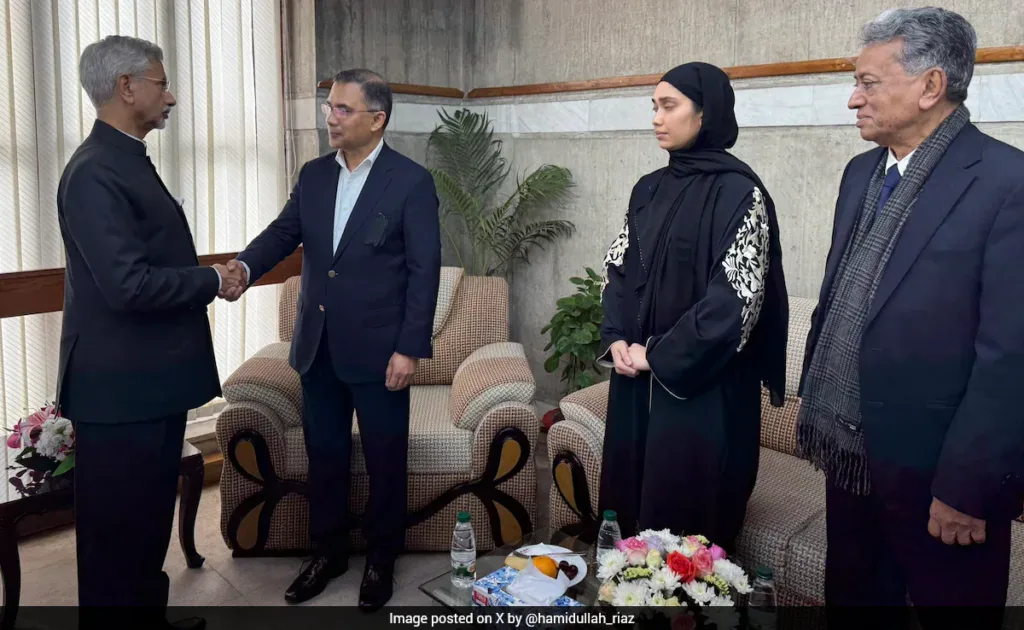
The controversy surfaced on the same day Jaishankar visited Dhaka to pay respects to former Prime Minister Khaleda Zia, who died on December 30, 2025. During the visit, Jaishankar also met her son Tarique Rahman, seen as a possible future prime minister, and delivered a condolence message from Prime Minister Narendra Modi.
You Might Also Like:
Al-Tilmeez: A Pioneering Arabic Literary Journal from Jammu and Kashmir
Professor Mufti Abdul Ghani Azhari: Scholar, Sufi, Historian, and Social Reformer of Kashmir
Mirwaiz Mohammad Ahmad son of Mufasir-e-Quran Moulana Mohammad Yousuf Shah Dies in Islamabad