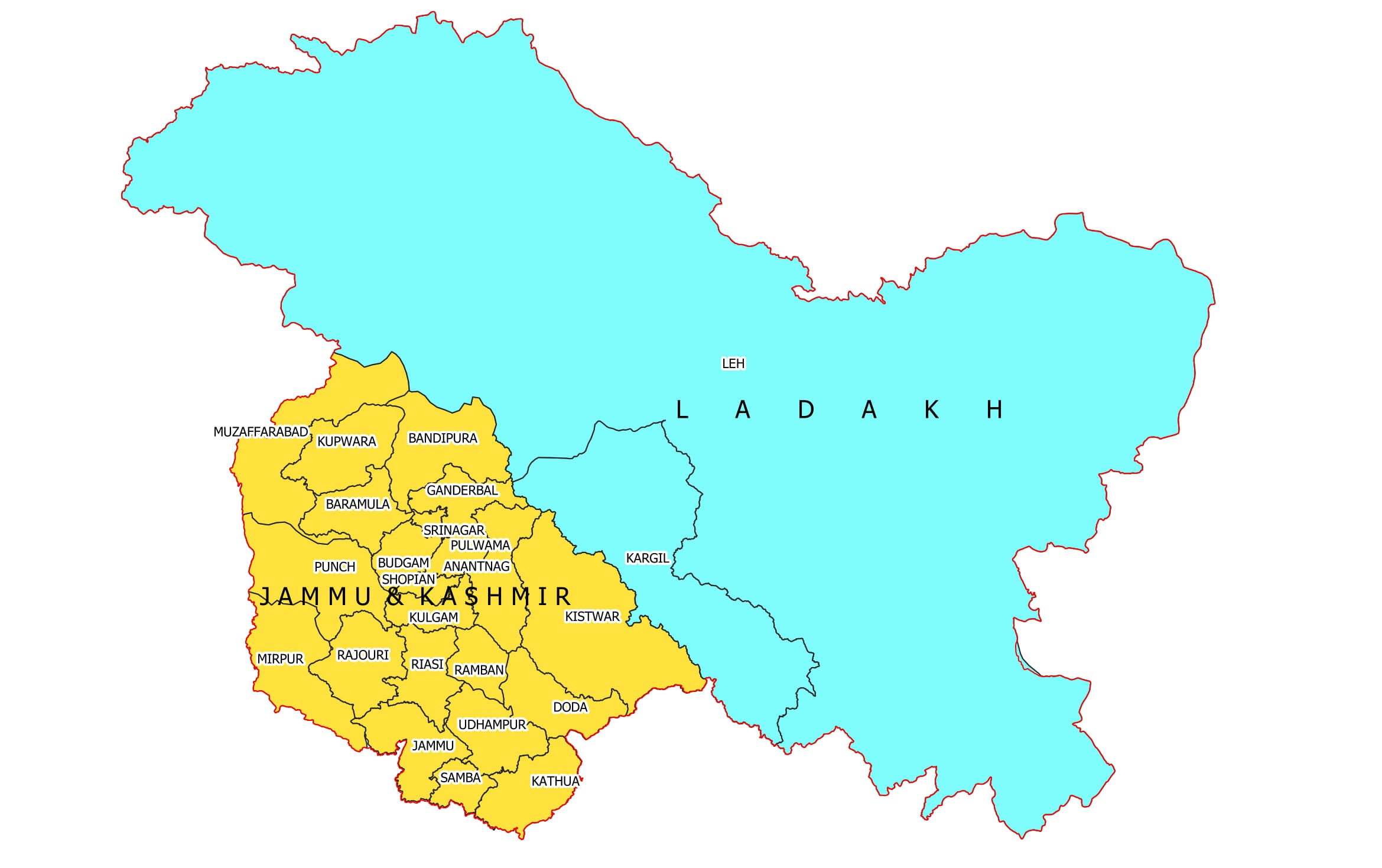
The debate about separating Jammu from Kashmir has returned strongly in recent months. Since mid-2025, and especially in early 2026, the issue has gained attention due to old regional grievances, fresh protests over resources, and sharp political statements.
This renewed discussion is also linked to the larger demand for restoring full statehood to Jammu and Kashmir after the 2019 decision that turned the region into a Union Territory. For many people, the question is no longer theoretical — it feels immediate and personal. Click Here To Follow Our WhatsApp Channel
Below are the main reasons why this debate is growing again.
1. Growing Feeling of Neglect in Jammu
Many people in Jammu believe their region has been ignored for decades. Although Jammu makes up a large part of the area, residents feel that decisions, funds, and institutions have mostly favoured the Kashmir Valley.
There is anger over:
- Poor infrastructure and fewer job opportunities
- Limited higher education institutions
- Lower political influence
Recent protests over the location of major institutions, such as universities and medical colleges, have added fuel to these feelings. In sports too, selection controversies have triggered accusations that Jammu talent is being overlooked.
On social media, some voices now openly say that Jammu would progress faster if it had its own state, leadership, and identity.
2. Political Statements Giving the Debate New Life
The issue gained national attention after strong public statements from political leaders. Some leaders from Jammu argued that a separate state would allow faster development and better governance.
What made the debate more intense was that even some leaders from the Kashmir Valley supported the idea, calling it a “peaceful separation” due to growing resentment between regions.
These statements did not change policy, but they pushed the issue into public discussion and media headlines.
3. Critics Call It a Distraction From Real Issues
Opposition parties strongly oppose any separation. They argue that this debate is being used to divert attention from serious problems such as:
- Delay in restoring statehood
- Rising unemployment
- Economic stress
- Governance challenges after 2019
Critics warn that breaking the region further could weaken it politically and economically instead of solving core issues.
4. Communal Angle Deepens the Divide
In some cases, the debate has taken a communal tone. Protests linked to religion, identity, and student admissions have created fear that regional demands are being mixed with religious politics.
Many residents worry this could damage the long-standing social fabric of the region and turn governance failures into identity conflicts.
5. An Old Demand, Now Louder Than Before
The idea of separating Jammu from Kashmir is not new. It has surfaced many times over the last two decades. However, after the 2019 changes and continued uncertainty over statehood, the demand has become louder and more organised.
While some see separation as a path to fairness, others fear it could create new problems without fixing old ones.
Conclusion
The renewed debate over separating Jammu from Kashmir is driven by real frustrations, political messaging, and unresolved promises. Yet public opinion remains divided.
Many believe the real solution lies not in further division, but in equal development, fair governance, and restoring trust between regions. Whether the debate leads to change or fades again will depend on how these deeper issues are addressed.
You Might Also Like:
At 13, This Kashmiri Boy Built 31 Apps and AI Tools
Delhi Court Convicts Kashmiri Separatist Asiya Andrabi in UAPA Case
Pahalgam Railway Line Is About Future, Not Fear—Connectivity Is Development