Question:
I had a question that I wondered if you could help me with- a friend of mine is going for umrah and is likely to be on her period of the entire duration of it. Every source we’ve read online says that other than the Tawaf, she can do everything else. But that once she’s finished her period, will then need to complete tawaf. However, this won’t be possible as she’s likely to be on her period the whole time. What does that mean for her? That she won’t be able to complete umrah?Click Here To Follow Our WhatsApp Channel
Answer:
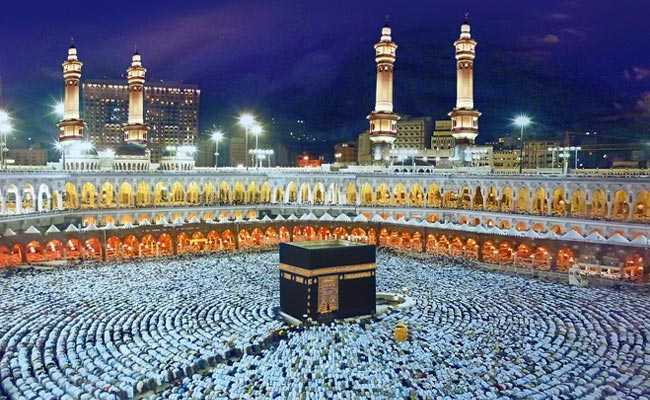
The jurists agree that ṭawāf around the Kaʿbah cannot be performed while a woman is in a state of menstruation. The Prophet ﷺ made this explicit when he told ʿĀ’ishah (ra): “Do all that the pilgrims do except the ṭawāf around the House, until you become pure.” This establishes an unambiguous rule: tawāf requires ritual purity, and without it, the tawāf is invalid. Since tawāf is a fundamental pillar of ʿumrah, the entire ʿumrah depends upon its successful completion. One may perform duʿā’, dhikr, talbiyah, and even saʿī after tawāf, but none of these substitute for the tawāf itself.
If a woman expects her menstrual cycle to finish at some point during her stay in Makkah, she may make the intention of ʿumrah and enter iḥrām with full confidence that she will be able to perform her tawāf once she becomes pure. However, if she is almost certain that she will be menstruating for the entire duration of her trip and will not have even a single day of purity in which she can complete the essential tawāf, then she should not plan to perform ʿumrah at all. Entering iḥrām with the intention of ʿumrah would place her in a binding ritual state that she cannot exit until she completes the tawāf, and she would have no lawful way of completing it. The Sharīʿah does not ask a person to enter into an act of worship that she knows she cannot complete, nor to place herself in hardship or a legally restricted state without benefit.
For this reason, the sound and precautionary scholarly position is that she should avoid travelling for ʿumrah under these circumstances. Since the defining act of ʿumrah will not be possible for her, there is no benefit in formally undertaking the ritual.
There are situations, however, where a woman may be required to travel with family, a group, or for logistical reasons that do not allow her to adjust her timing. If she must travel to Makkah, yet knows she will be menstruating throughout her stay, then she must not make the intention of ʿumrah and must not enter iḥrām at the miqāt. Instead, she should travel simply as a visitor, not as a pilgrim, and enter Makkah without the obligations associated with ritual consecration. She may attend the masjid, make duʿā’ and dhikr, accompany her group, and benefit spiritually from being in a sacred place, but she does not begin the rites of ʿumrah and does not take on the restrictions of iḥrām. This avoids the difficulty and legal complications of being in iḥrām without any opportunity to complete the worship for which iḥrām was assumed.
You Might Also Like:
Islam’s Unique Civilisation: Unity of Faith, Culture and History
Nawada Man Forced to Push Mother’s Body on Stretcher for 2 km After Ambulance Denied
Is Crowdfunding and Taking Loans Allowed in Islam? Understanding Help, Tawakkul and Riba